2000s Mall Stores That Don’t Exist
Remember when the mall wasn’t just a place to shop but an actual destination? Friday nights meant meeting friends at the food court, spending hours browsing stores that had their own distinct personalities.
The early 2000s represented peak mall culture, right before online shopping changed everything. Walking through malls today feels different—cleaner maybe, more streamlined, but somehow emptier.
These stores that closed their doors took something intangible with them.
Blockbuster Video
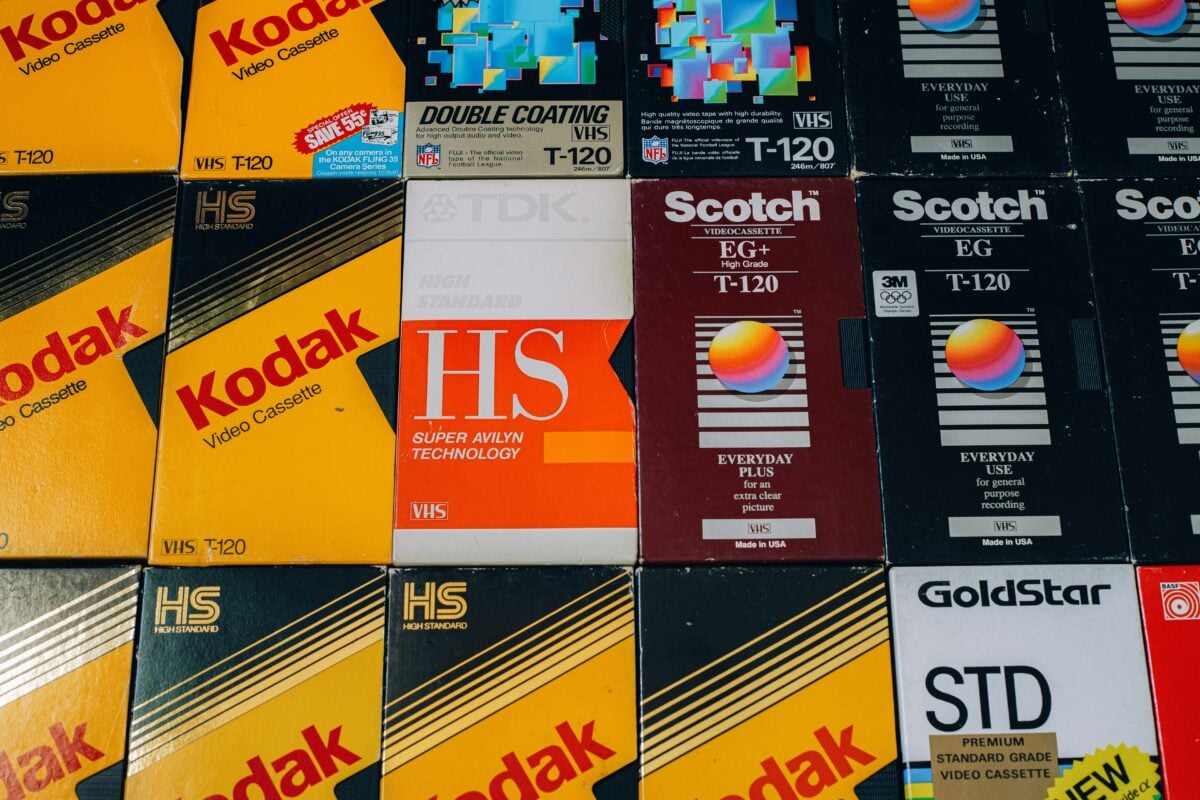
The blue and yellow logo meant movie night was happening. You’d spend thirty minutes walking the aisles, debating between new releases and old favorites, checking the shelves to see if someone had returned that movie everyone wanted to rent.
Late fees became a running joke in families everywhere. The smell of popcorn from the concession stand mixed with plastic cases and carpet cleaner created this distinct atmosphere that streaming services can’t replicate.
Store clerks actually gave recommendations based on what you’d rented before, and sometimes they were spot-on. The little cardboard cases you brought to the register felt ceremonial somehow.
Tower Records
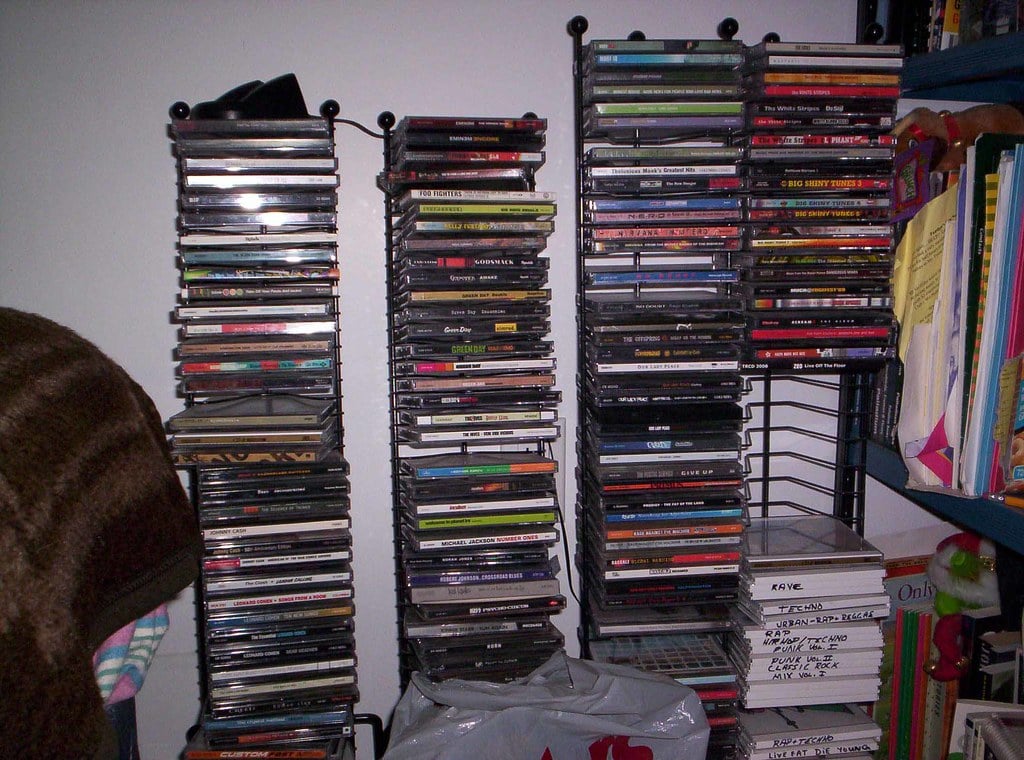
Music stores had personality back then, and Tower Records had the most. The listening stations let you preview albums before buying them, which felt revolutionary even though it was just headphones and a CD player.
Staff recommendations appeared on handwritten cards throughout the store, and those suggestions introduced people to bands they’d never heard on the radio. The magazine section carried imports and indie publications you couldn’t find anywhere else.
People spent entire afternoons there, not buying anything necessarily, just existing in a space that celebrated music as something worth dedicating time to. When Tower Records closed, it felt like losing a friend who always knew what you needed to hear next.
Borders Books & Music
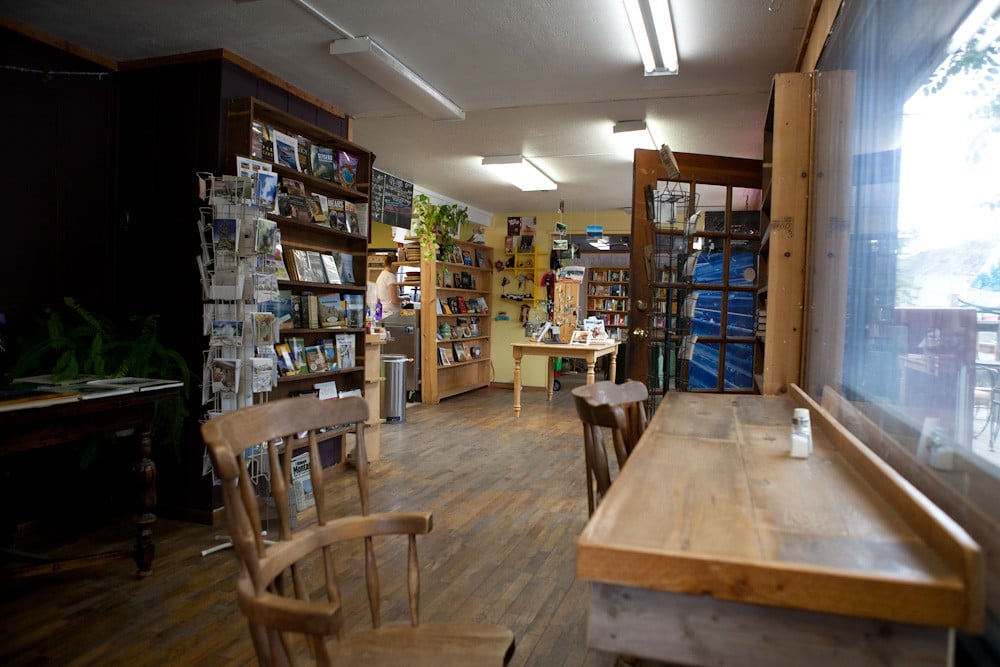
Borders understood that bookstores should feel like living rooms. The cafe served decent coffee, and nobody rushed you to buy something just because you’d been reading in the aisle for an hour.
The music section rivaled dedicated music stores, with knowledgeable staff who could debate the merits of different pressings and editions. Weekend mornings brought storytimes for kids, open mic nights featured local poets, and the bulletin board advertised book clubs and writing groups.
You could genuinely spend an entire Saturday there and never feel bored. The rewards program sent personalized coupons based on your purchase history, which sounds basic now but felt thoughtful then.
Sam Goody
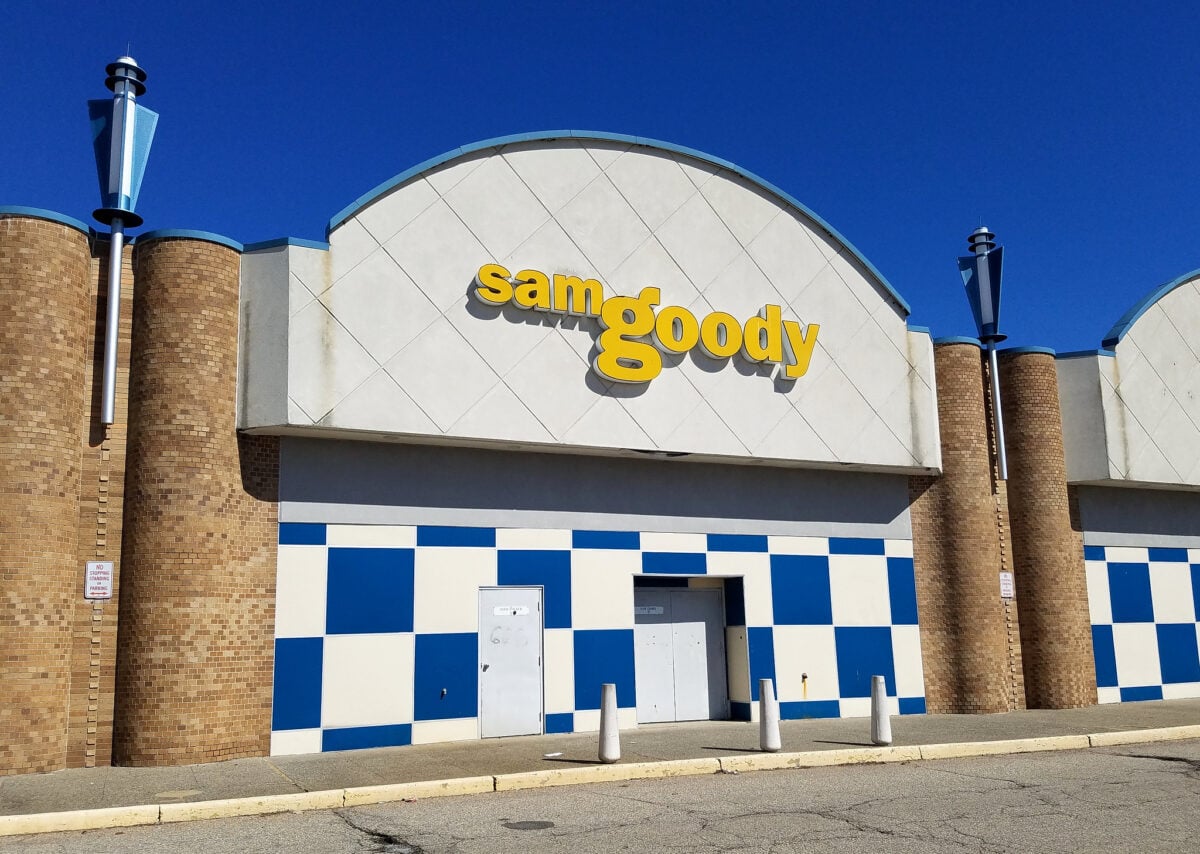
Before Tower Records dominated, Sam Goody held its own as the mall music destination. The stores felt smaller, more intimate, with listening stations that actually worked most of the time.
Pre-order culture started here—putting down five dollars to guarantee you’d get that new album on release day created genuine excitement. The posters covering every available wall space turned the store into a teenager’s bedroom dream.
Staff picks sat in special displays, and discovering something new based on a three-sentence recommendation scribbled on an index card felt like finding treasure. The logo with the dog looked dated even then, but nobody cared because the store delivered what mattered.
Circuit City
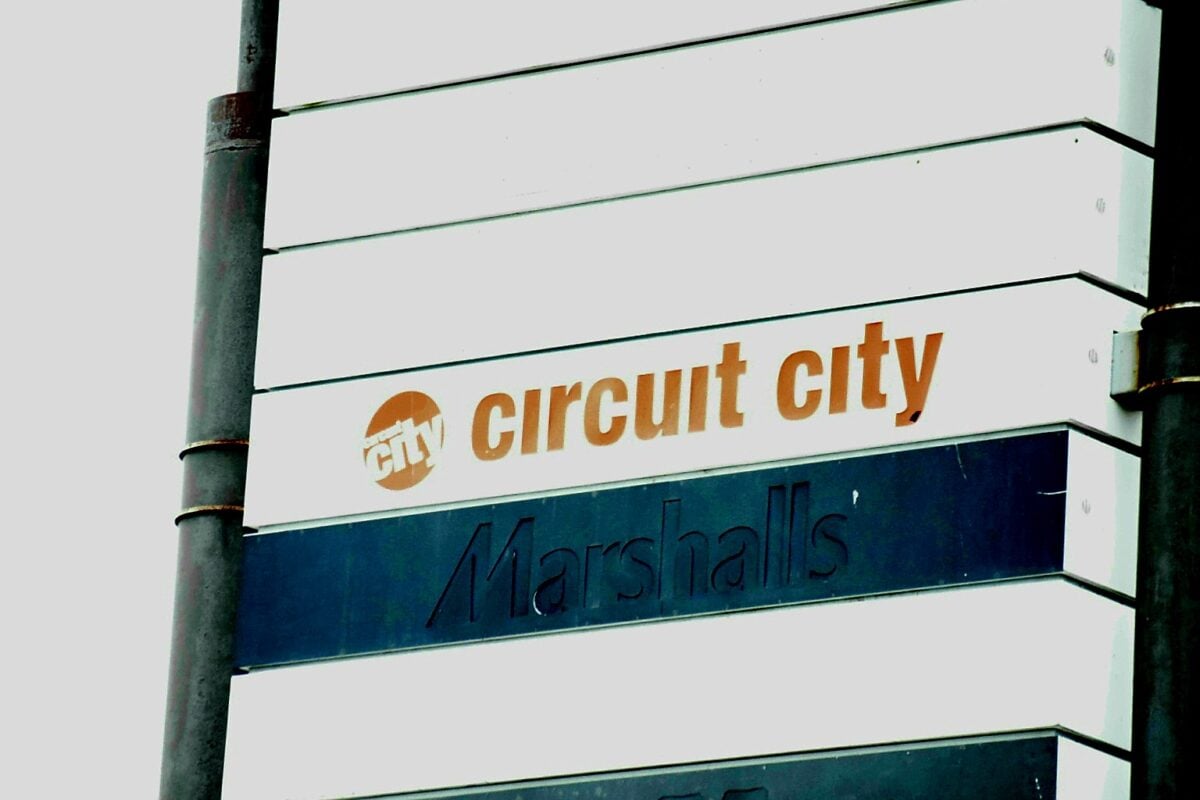
Walking into Circuit City felt like stepping into the future. The car audio section drew crowds of people debating speaker specifications and amplifier power.
Sales associates actually knew technical details instead of just reading spec sheets, and they’d spend time explaining why one component worked better than another for your specific setup. The video game section displayed new releases in locked cases that made everything seem more valuable and important.
Weekend demonstrations showed off home theater systems and the latest DVD players, with crowds gathering to watch. The red shirt uniforms became iconic, and seeing one meant help was available when you needed it.
KB Toys
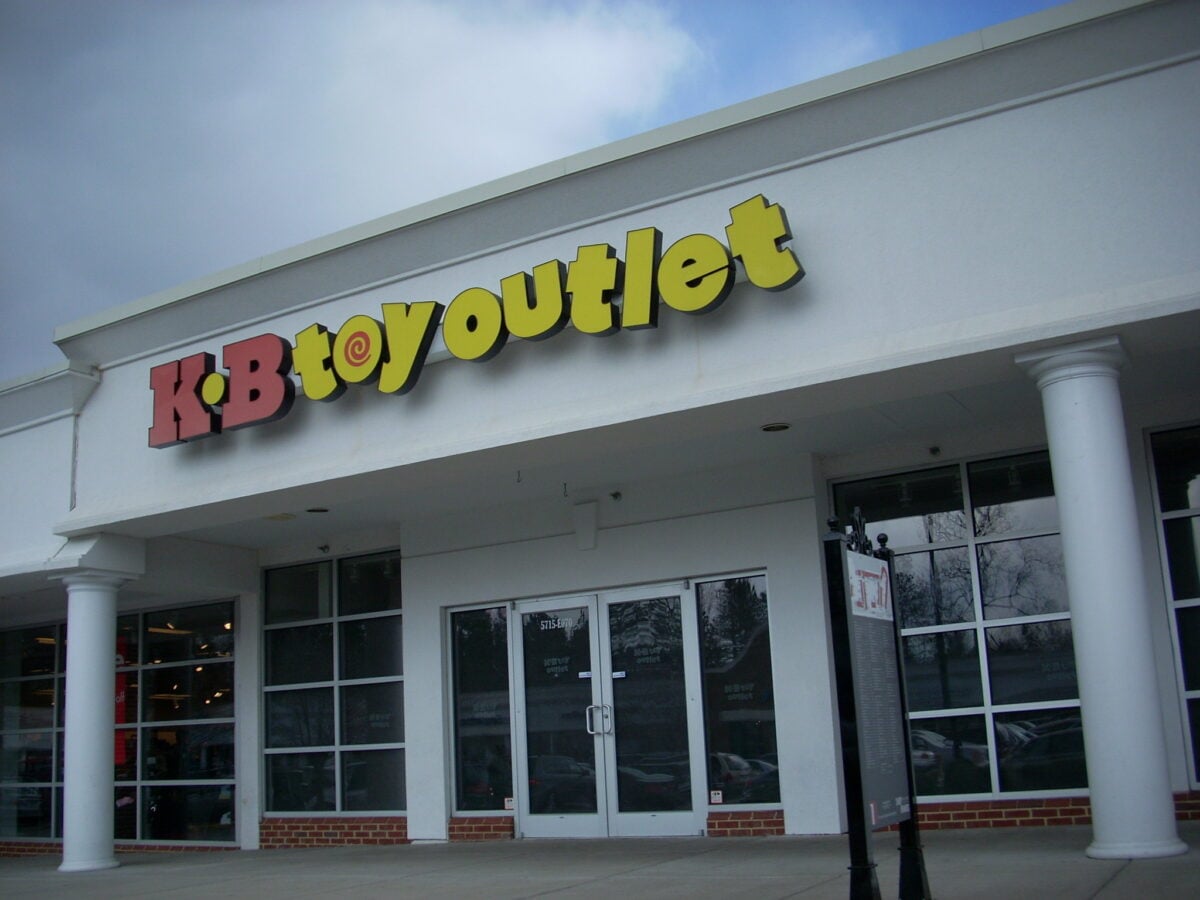
The toy store wars made childhood better. KB Toys packed incredible variety into relatively small spaces, with narrow aisles that forced you to move slowly and see everything.
The bargain bins near the register held random treasures—last season’s action figures marked down to prices that made impulse buys inevitable. Video game promotions let you actually play demos, and weekend tournaments drew competitive kids who took their Game Boy skills seriously.
The reward program gave you stamps for purchases, and filling a card meant free stuff, which felt like the best deal ever invented. Birthday wish lists got created during KB Toys browsing sessions.
Suncoast Motion Picture Company
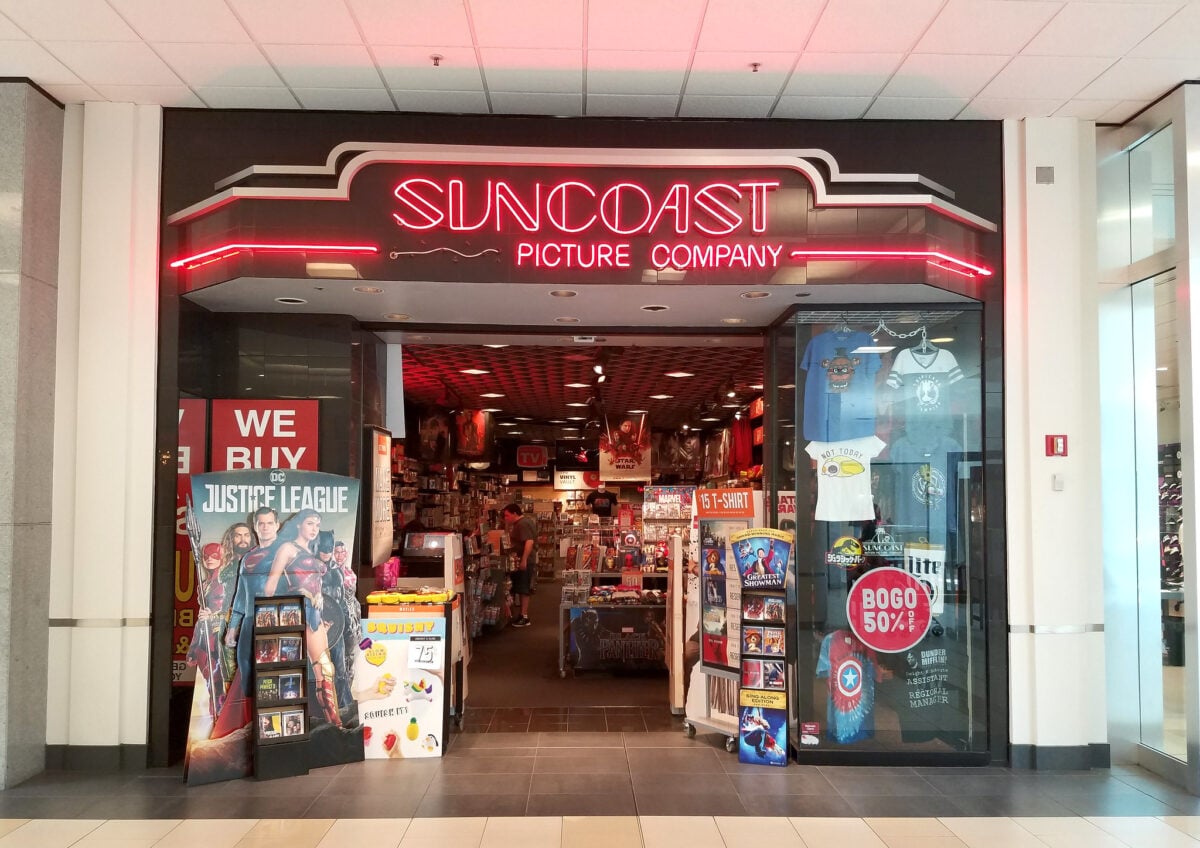
Suncoast specialized in entertainment in ways other stores didn’t quite manage. The store carried obscure imports and special editions that video stores couldn’t justify stocking.
Anime selection drew devoted fans who appreciated finding subtitled versions of series not yet on television. The collectibles section featured figures and props that turned movies into tangible objects you could own.
Staff genuinely loved movies and shows, leading to real conversations about cinema instead of just transactions. The prices ran higher than competitors, but the selection justified the premium.
Finding something rare at Suncoast felt like accomplishing something.
Waldenbooks

The smaller sibling to Borders still held its own appeal. Mall locations meant convenience—grabbing a book between other errands instead of making a dedicated trip.
The compact size forced careful curation, so everything on the shelves earned its place. Checkout counter placement near the mall corridor created impulse buys for people just walking past.
The staff recommendations shelf featured genuine picks from employees who read constantly and wanted to share discoveries. Bargain tables offered remaindered books at prices that made trying new authors risk-free.
The rewards card actually paid for itself quickly if you read regularly.
Limited Too
The sister store to The Limited targeted teenage girls with precision accuracy. The glitter, the pink, the clothing that felt sophisticated compared to children’s departments but not quite adult—it hit a specific moment perfectly.
Matching pajama sets and coordinated outfits dominated the displays, making it easy to build entire looks. The store playlist featured current pop hits before they peaked on radio, giving shopping trips a club atmosphere.
Sales associates were usually teenagers themselves, creating peer recommendations instead of adult guidance. The loyalty program rewarded frequent visits, and the catalogs that came in the mail got studied like textbooks.
Birthday party shopping trips there became traditions.
Discovery Channel Store
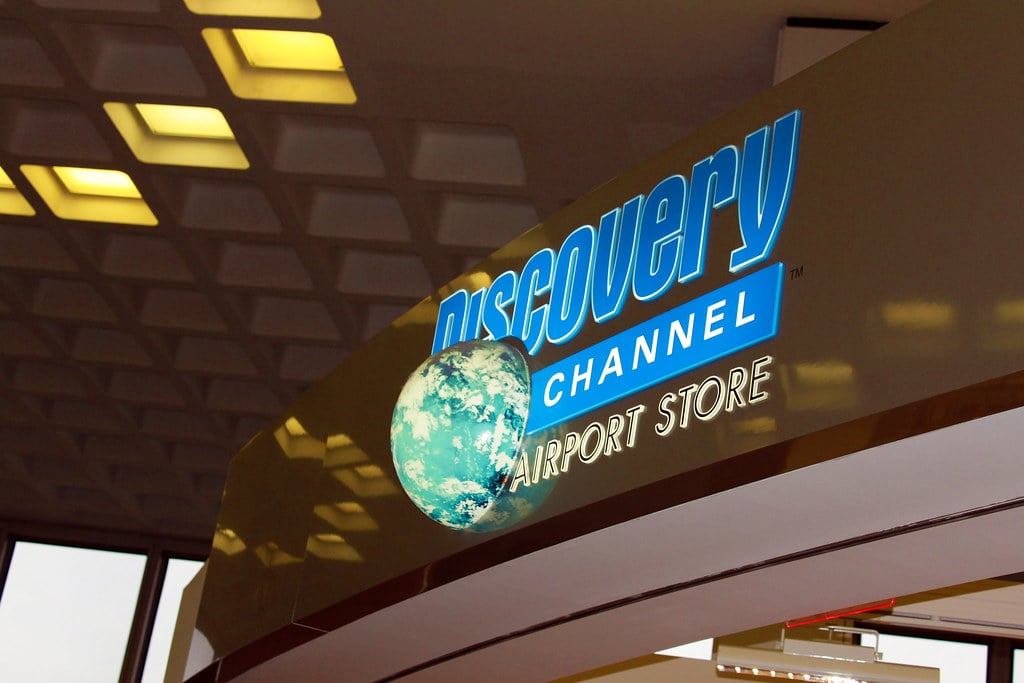
Educational retail sounds boring until you see it done right. The Discovery Channel Store made learning feel exciting through carefully selected products.
Model kits, science experiments, nature documentaries, and books about space filled the shelves with purpose. The store attracted curious kids and their parents, creating a different demographic than typical mall traffic.
Demonstration areas showed products in action—robots moving, telescopes focusing, weather stations collecting data. The connection to Discovery Channel programming meant recognizable personalities and properties that built trust.
Buying something there felt productive, like investing in knowledge instead of just acquiring stuff.
Wherehouse Music
Regional dominance doesn’t mean less impact. Wherehouse Music served the West Coast with dedication, offering extensive music and movie selections at competitive prices.
The used section created a secondary market where people traded in old CDs for credit toward new purchases, building a self-sustaining ecosystem. Midnight releases for major albums drew crowds who wanted to be first, turning shopping into an event.
The ticket sales desk connected music fans to local concerts, creating a one-stop shop for entertainment. Staff picks reflected genuine taste instead of corporate directives, and regulars knew which employees shared their preferences.
The loyalty program rewarded frequent shoppers with exclusive advance sale access.
Gadzooks
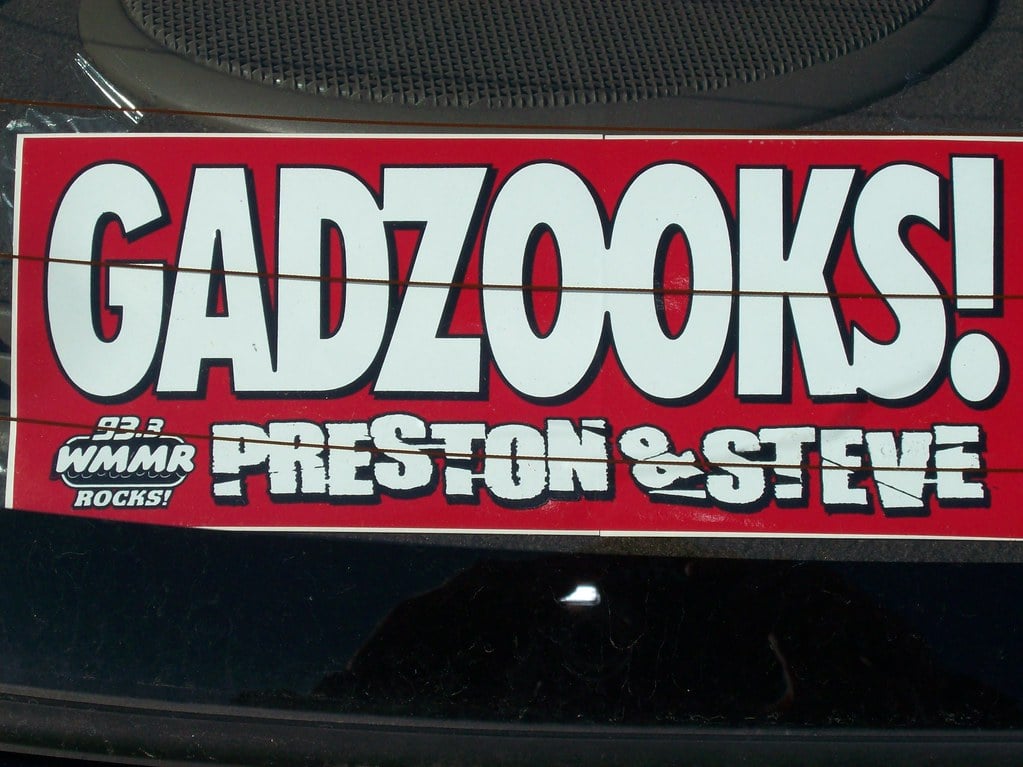
Teenage fashion needs drove Gadzooks’ entire business model. The store sold graphic tees, accessories, and casual wear that let teenagers express personality without breaking school dress codes too severely.
Band merchandise and pop culture references covered everything, making the store feel current and relevant. Prices stayed accessible on allowances and part-time job paychecks, which mattered when you wanted multiple items.
The dressing rooms saw constant traffic as friends helped each other decide on purchases. Sales happened frequently enough that timing a visit right meant scoring deals.
The store understood its audience—teenagers who wanted to look different but not too different.
Musicland
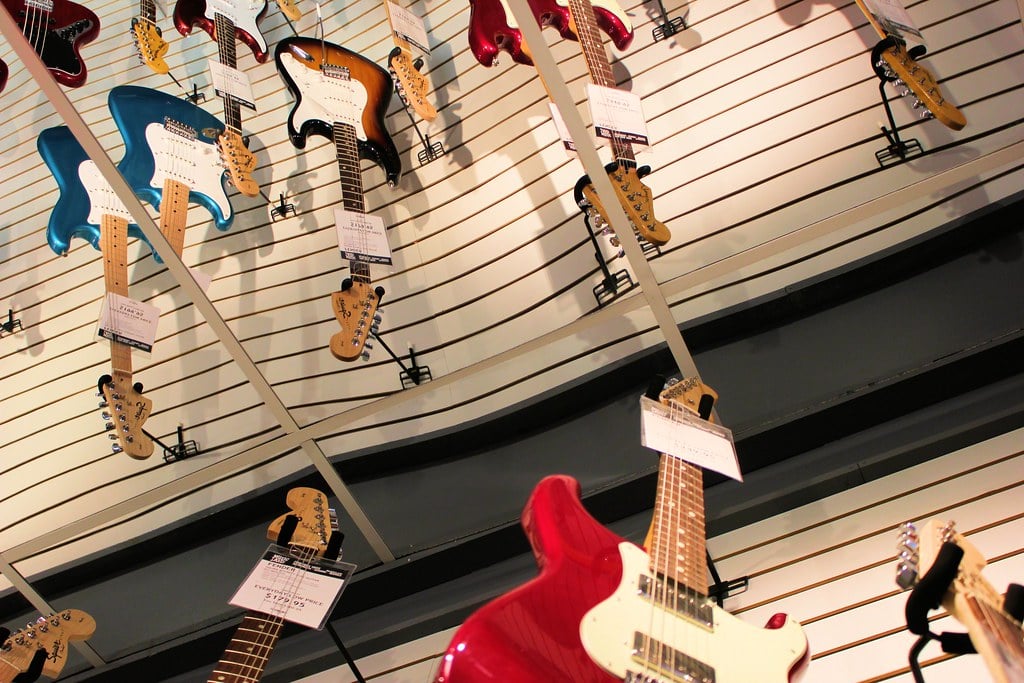
The big business running Sam Goody and Suncoast stood out in selling music. While those names stuck to certain areas, Musicland popped up where they didn’t reach.
Instead of just what was on shelves, folks could request rare albums through mail orders – opening doors to sounds you’d never hear on the radio. Workers weren’t left guessing; they got trained well so they actually knew their stuff, which made browsing way smoother.
The company’s setup meant buying in large amounts, so costs stayed low despite new giant retailers showing up. After Musicland failed, several store names vanished, creating empty spots in shopping centers everywhere.
The Fragile Nature of Retail Memory
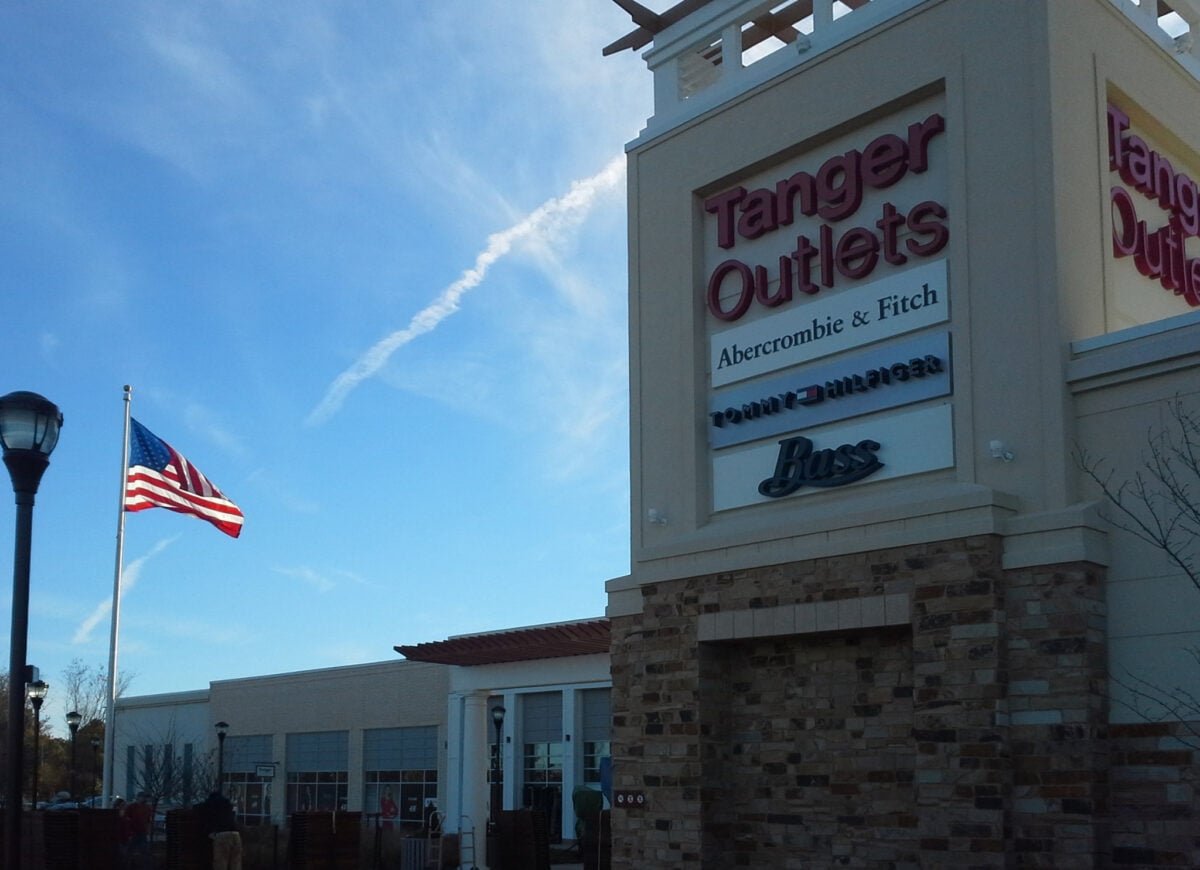
These stores were never just about moving products – they created experiences you don’t find behind a screen. Chilling with friends while scanning racks, holding that thick CD sleeve, shooting the breeze with staff who cared – each piece added something real to mall days, even if we didn’t realize till later.
The jump to shopping online came quick, shutting down these places before anyone grasped their worth. Now strolling through malls feels off – empty storefronts or bland replacements lacking soul.
Young folks working weekend shifts, store layouts so simple you’d never get lost, eye-catching displays changed often – stuff like this kept stores lively at first, though it didn’t last. Around one minute, gone the next, mostly remembered through faded pictures and nostalgic updates.
More from Go2Tutors!

- 16 Historical Figures Who Were Nothing Like You Think
- 12 Things Sold in the 80s That Are Now Illegal
- 15 VHS Tapes That Could Be Worth Thousands
- 17 Historical “What Ifs” That Would Have Changed Everything
- 18 TV Shows That Vanished Without a Finale
Like Go2Tutors’s content? Follow us on MSN.