16 Package Designs You Never See Anymore
Remember walking down supermarket aisles and seeing colorful cardboard boxes with cartoon characters begging you to take them home? Or those distinctive glass bottles that made a satisfying pop when opened?
Many iconic package designs that once dominated store shelves have quietly disappeared, replaced by more practical, cost-effective, or environmentally friendly alternatives. Package design evolves just like fashion or architecture, responding to changing consumer preferences, manufacturing capabilities, and cultural shifts.
Here is a list of 16 package designs that have largely vanished from today’s retail landscape.
Milk in Glass Bottles
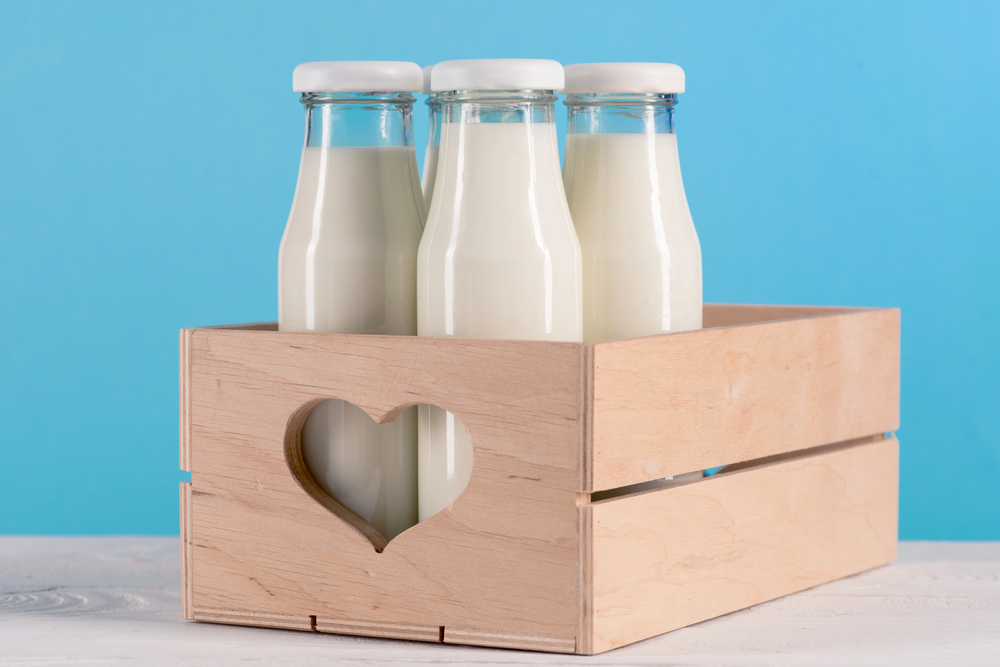
Those classic glass milk bottles with paper caps and narrow necks were once a staple of American households. The milkman would deliver these cold, heavy bottles right to your doorstep and collect the empties during the next delivery.
Despite a small resurgence from specialty dairy farms, the convenience and reduced weight of cardboard cartons and plastic jugs pushed these nostalgic containers into near extinction.
Metal Coffee Cans
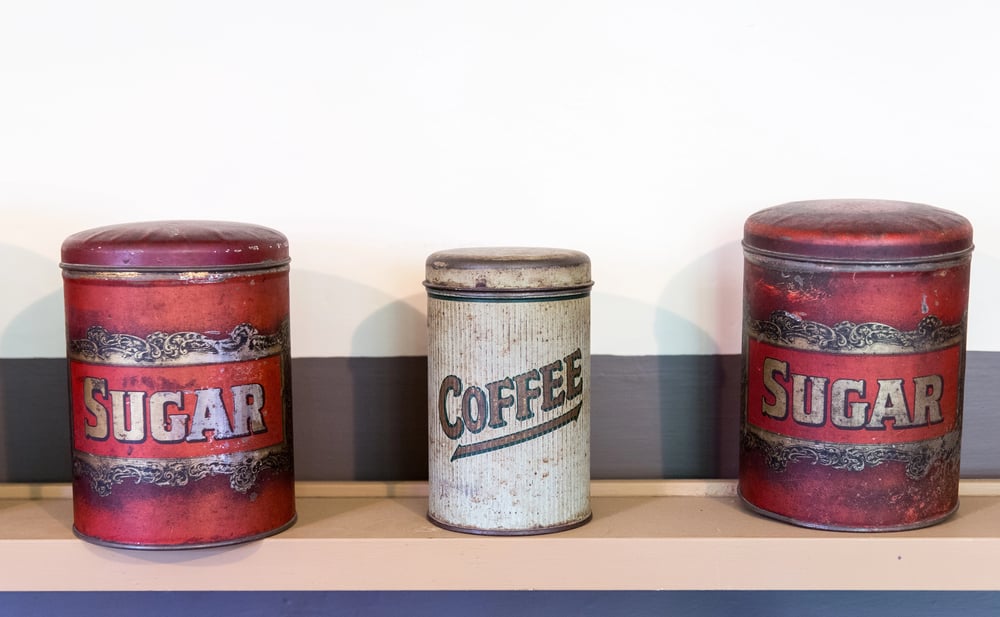
The iconic metal coffee cans with plastic lids were multipurpose treasures that lived well beyond their coffee-holding days. These sturdy cylinders became toolboxes, piggy banks, and storage containers for everything from cookies to nails.
They’ve been widely replaced by lighter vacuum-sealed bags and plastic containers that sadly don’t have the same satisfying weight or reusability as their metal predecessors.
Like Go2Tutors’s content? Follow us on MSN.
Cereal Box Prizes
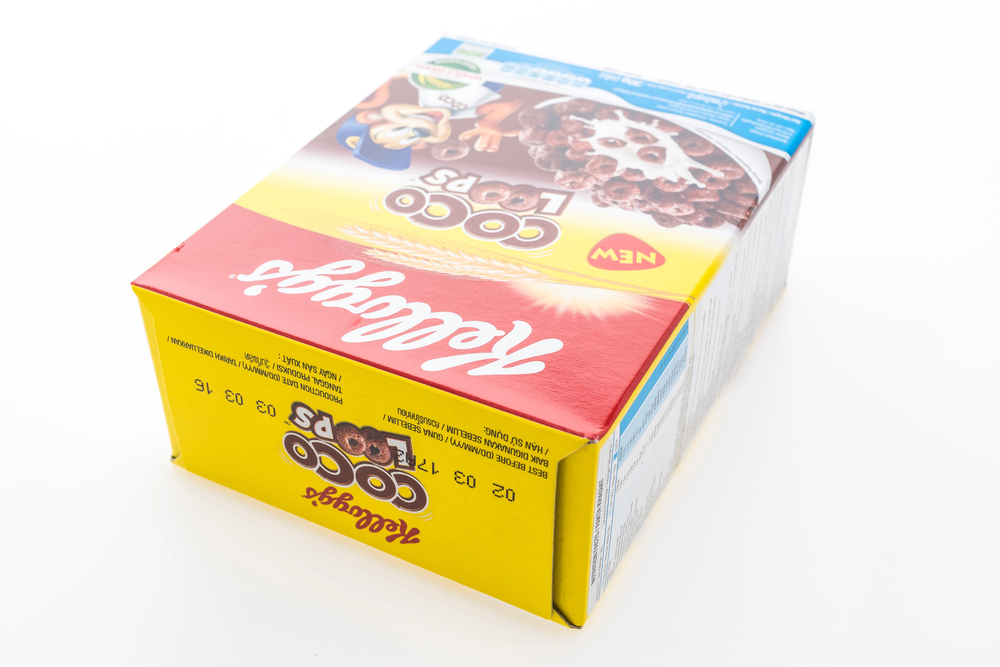
While not the package itself, those plastic-wrapped toys buried deep in sugary cereal were once the highlight of breakfast for millions of children. Digital codes for online games and apps have largely replaced the physical prizes that had kids digging elbow-deep into fresh cereal boxes.
The joy of finally finding that decoder ring or miniature action figure created a visceral excitement that a screen-based reward simply can’t match.
Glass Soda Bottles

The distinctive contoured glass bottles from major soda brands were once ubiquitous at picnics and diners across America. These bottles provided that perfect weight in your hand and kept beverages colder longer than their plastic counterparts.
Though they occasionally resurface as ‘vintage’ or ‘special edition’ packaging, the practicality and reduced shipping costs of aluminum cans and plastic bottles pushed glass to the sidelines.
Wooden Produce Crates
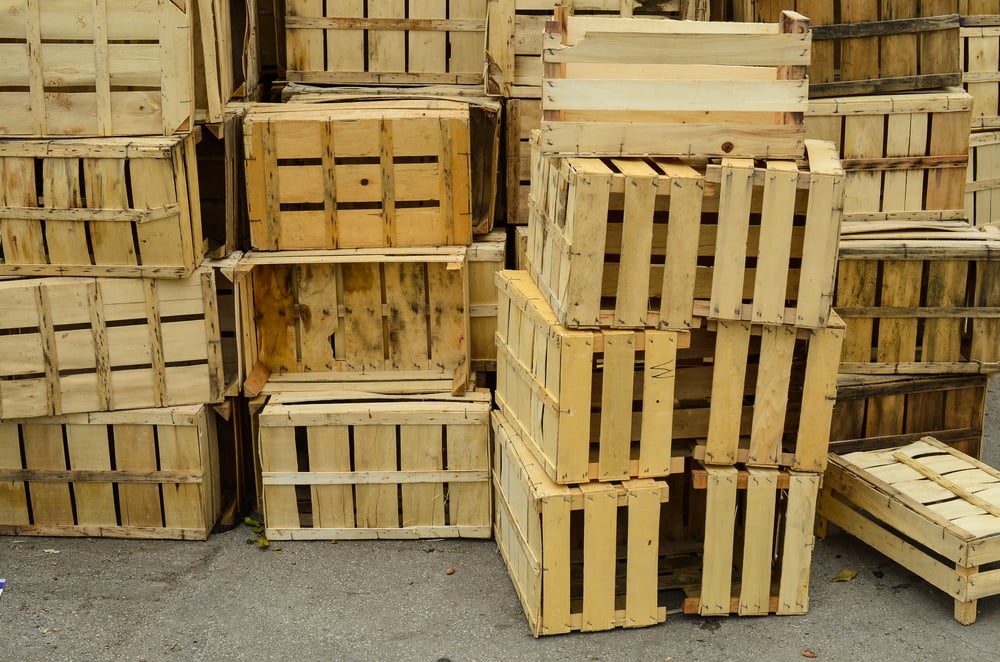
Fruits and vegetables were commonly sold in sturdy wooden crates with colorful brand labels burned or stamped onto their sides. These crates were industrial art pieces that often found second lives as storage solutions or decorative items in homes.
Today’s cardboard and plastic containers are lighter and cheaper but lack the character and durability that made wooden crates so useful beyond their initial purpose.
Like Go2Tutors’s content? Follow us on MSN.
Tin Biscuit Boxes
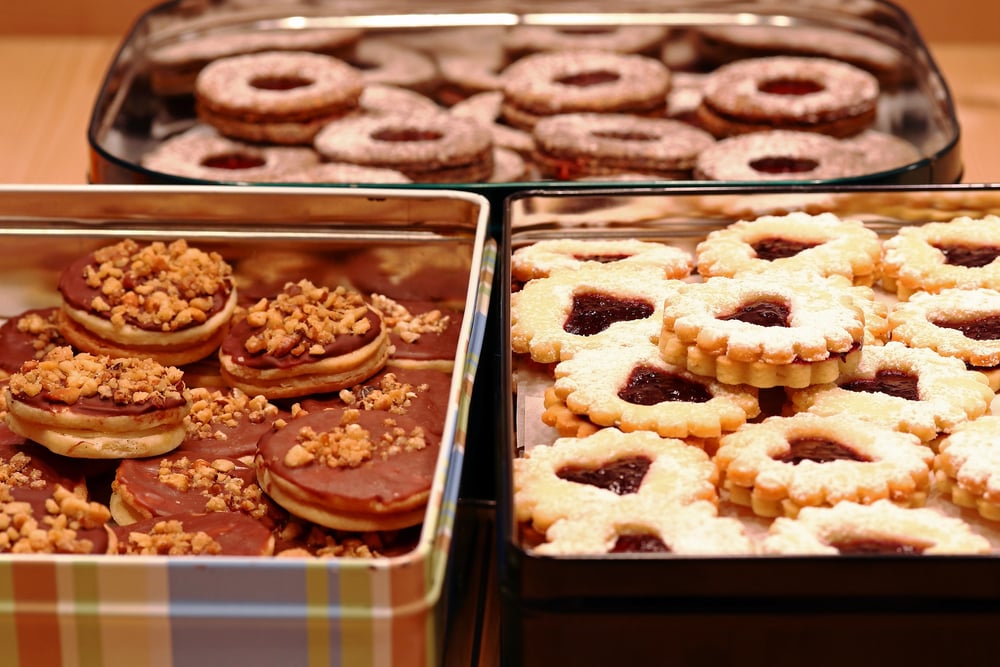
Those ornate, hinged tin boxes filled with assorted cookies were treasured packages that often became sewing kits or keepsake containers long after the last biscuit was eaten. The intricate designs and substantial feel made them gifts within gifts during holidays.
While still available in specialty stores, most cookies now come in disposable plastic trays wrapped in thin cardboard that head straight to the recycling bin.
Paper Wrapped Butter
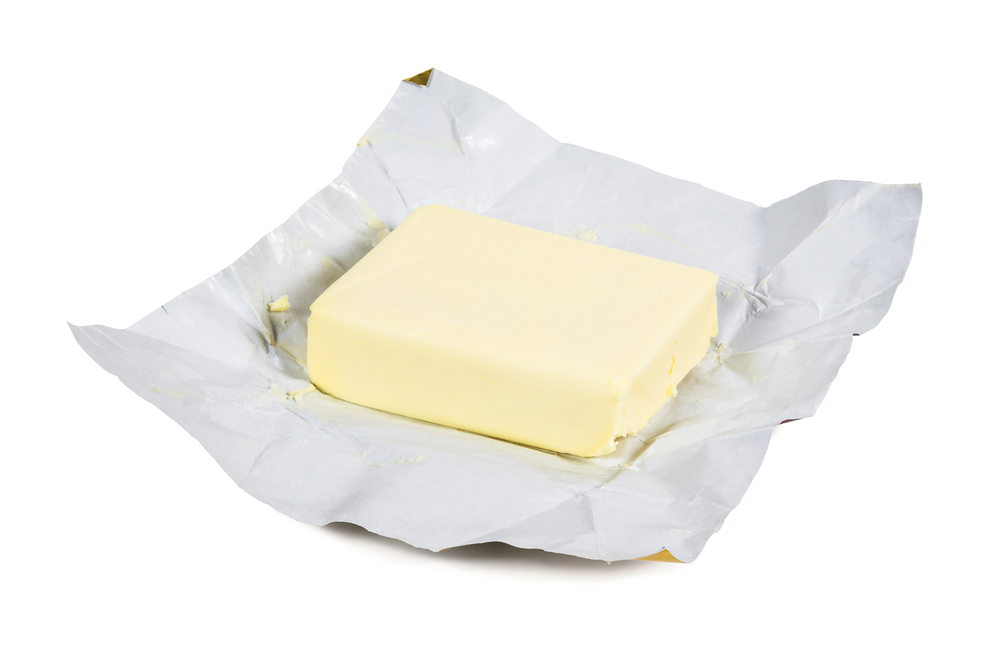
Butter once came wrapped in waxed paper, neatly folded like a small parcel and stamped with the dairy’s logo. This simple packaging required some skill to unwrap without making a mess.
Today’s butter typically comes in foil-lined paper or plastic tubs that are more practical but lack the tactile ritual that made unwrapping butter a small sensory experience.
TV Dinner Aluminum Trays
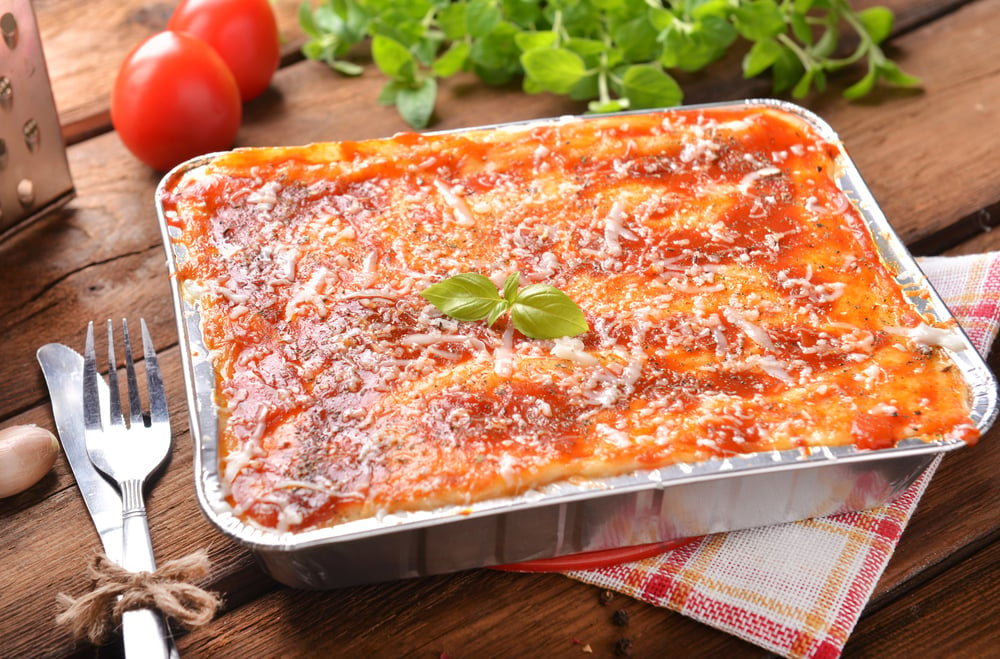
The compartmentalized aluminum trays that held classic TV dinners were technological marvels of their time. These shiny containers with their thin foil tops kept mashed potatoes separate from cherry cobbler and could go straight from freezer to oven.
Modern microwavable plastic trays with their steam-release films are certainly more convenient but don’t have the same distinctive look or feel.
Like Go2Tutors’s content? Follow us on MSN.
Pill Bottles with Cotton Plugs

Those small amber prescription bottles with cotton wadding stuffed in the top once populated medicine cabinets everywhere. The ritual of removing the cotton before accessing your medicine has largely disappeared as childproof caps and plastic safety seals became the norm.
That familiar tactile experience of pulling out the fluffy white plug has been replaced by the frustration of aligning arrows on safety caps.
Cardboard Salt Containers

Salt used to come in round cardboard containers with metal pouring spouts that made a distinctive sound when dispensed. These cylindrical packages had a certain heft and character that made them instantly recognizable in any pantry.
Now salt typically comes in paper cartons or plastic shakers that don’t require the same careful storage to prevent moisture damage.
Cigar Boxes

Wooden cigar boxes with their hinged lids and elaborate labels were once coveted for their second lives as treasure chests, craft supplies storage, or even homemade instruments. These sturdy boxes had personality and presence that invited reuse.
While still produced in smaller numbers, most have been replaced by cardboard or plastic containers that lack the same romantic appeal and durability.
Like Go2Tutors’s content? Follow us on MSN.
Waxed Paper Candy Wrappers
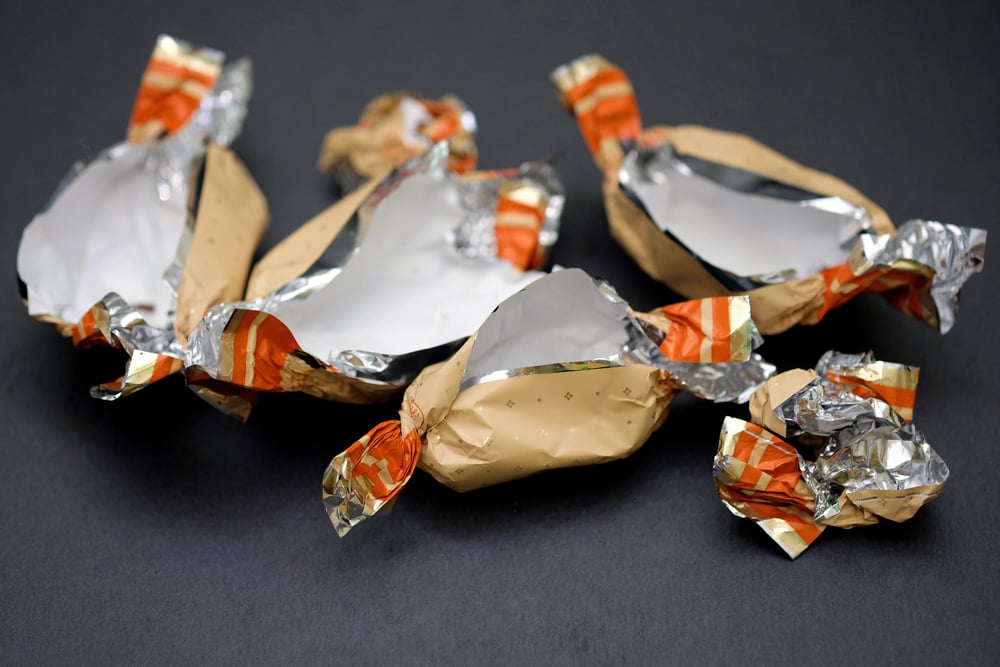
Candies like caramels and taffy once came wrapped in waxed paper that had to be carefully twisted at both ends to open. These wrappers made a distinctive crinkling sound and required some patience to unwrap.
Today’s heat-sealed plastic wrappers are more efficient for manufacturers but remove that small moment of anticipation as you carefully untwist the ends of the paper.
Aluminum TV Rabbit Ears

Television antennas or ‘rabbit ears’ came in distinctive packaging with detailed technical illustrations and bold claims about reception quality. These boxes were designed to convey technological sophistication and often featured space-age imagery.
With the advent of cable, satellite, and streaming services, these once-common packages have disappeared entirely from electronics stores.
Paper Wrapped Meat from Butchers

Fresh meat used to come wrapped in white butcher paper with string tied around it in neat, professional knots. The butcher would write the cut and weight directly on the package with a grease pencil.
This personalized wrapping has largely been replaced by plastic-wrapped styrofoam trays with printed labels that lack the craftsmanship and personal touch of traditional butcher paper.
Like Go2Tutors’s content? Follow us on MSN.
Flip-Top Cigarette Boxes

The distinctive flip-top hard pack for cigarettes was an engineering marvel that protected its contents while offering easy access. The satisfying click of closing that hinged lid became an iconic sound associated with the product.
While still available, plain packaging laws in many countries and declining smoking rates have made these once-ubiquitous packages increasingly rare.
Record Album Sleeves
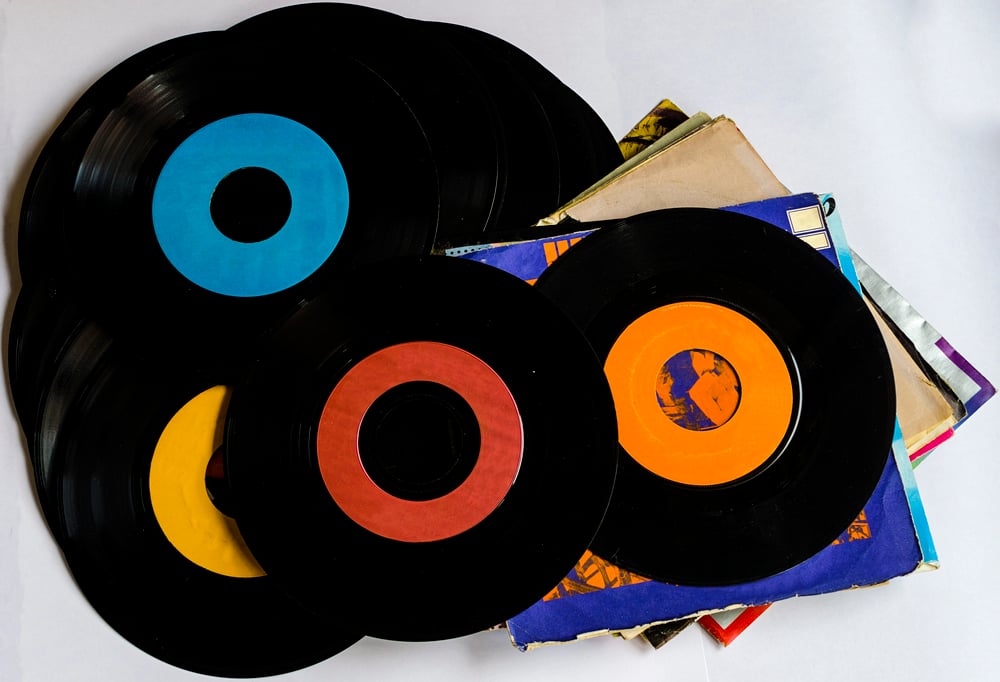
Vinyl records came in large cardboard sleeves with stunning artwork that became cultural touchstones in their own right. These 12-inch square canvases offered artists and designers a substantial space to create visual companions to the music inside.
Though vinyl has seen a resurgence, digital music platforms have eliminated the need for physical packaging for most music consumption, making album covers a specialized collector’s item rather than an everyday object.
Packaging as Time Capsules

These vanished packaging designs represent more than just containers—they were part of daily rituals and sensory experiences that helped define their eras. While modern packaging offers improved functionality, sustainability, and cost-effectiveness, something intangible has been lost in the transition to more efficient designs.
The packages we interact with today will eventually join this list of nostalgic relics, as future generations wonder why we ever thought plastic clamshells or coffee pods made sense. Package design continues to evolve, and today’s ordinary containers might someday be tomorrow’s cherished memories of a time that once seemed perfectly modern.
Like Go2Tutors’s content? Follow us on MSN.
More from Go2Tutors!

- 18 Unexpectedly Valuable Collectibles You Might Have Lying Around
- 15 Things Every Teenager in the ’70s Did That Teens Today Wouldn’t Understand
- 15 Strange Things People Have Tried to Ban (And Failed)
- 15 Inventions That Were Immediately Banned After Being Created
- 20 Actors Who Were Almost Cast in Iconic Roles
Like Go2Tutors’s content? Follow us on MSN.



