19 Ad Campaigns That Failed Miserably—Until They Were Rebranded
Marketing history is littered with campaigns that crashed and burned upon launch. Yet some of the biggest flops managed impressive comebacks after smart rebranding efforts saved them from the dustbin of advertising failures.
These turnarounds show that with the right adjustments, even the most disastrous campaigns can transform into success stories. The path from marketing disaster to triumph isn’t always straight. Here is a list of 19 advertising campaigns that initially failed miserably but found success after strategic rebranding.
Coca-Cola’s New Coke

Coca-Cola’s 1985 decision to change their century-old formula created unprecedented consumer backlash. Loyal customers hoarded original Coke, formed protest groups, and flooded the company with angry calls—all while sales plummeted.
The company salvaged the situation by reintroducing the original formula as “Coca-Cola Classic” just 79 days later, turning a potential brand-killer into a renewed appreciation for their original product.
Dove’s Real Beauty
Before becoming a celebrated campaign, Dove’s initial attempts at body-positive advertising missed the mark with confusing imagery and mixed messaging that critics called performative. Their early ads featured women in identical white underwear being measured—imagery that contradicted their supposed message of diverse beauty.
The rebranded version removed the clinical elements, showcased genuine diversity, and added substantive content about beauty standards—transformations that helped the campaign achieve authentic resonance with audiences.
McDonald’s “I’m Lovin’ It”

McDonald’s famous slogan initially tanked when it launched in Germany as “Ich Liebe Es” with confusing ads that featured random people jumping around cities. The original campaign lacked coherence and failed to connect with customers—causing widespread head-scratching rather than burger-buying.
After reworking the campaign with Justin Timberlake’s catchy jingle and clearer food-focused imagery, the slogan became one of the most successful and long-lasting in fast food history.
Apple’s “Think Different”

This iconic campaign initially performed poorly when it launched with abstract imagery and no product focus, leaving consumers confused about what Apple was actually selling. The ads featured historical figures but made no connection to computers, creating a disconnect that hurt early performance metrics.
After refocusing the campaign to connect these visionary figures directly with Mac products, the rebranded campaign helped rescue Apple from near-bankruptcy to become one of advertising’s greatest success stories.
Old Spice’s “The Man Your Man Could Smell Like”
Before Isaiah Mustafa charmed audiences, Old Spice attempted to revitalize their brand with lackluster campaigns featuring senior sailors and outdated nautical themes—cementing their image as your grandfather’s deodorant. Sales continued declining until they completely overhauled their approach with self-aware humor and modern masculine appeal.
The rebranded campaign went viral immediately, increased sales by 107% in a month, and successfully repositioned Old Spice for younger demographics.
Absolut Vodka’s Bottle Campaign
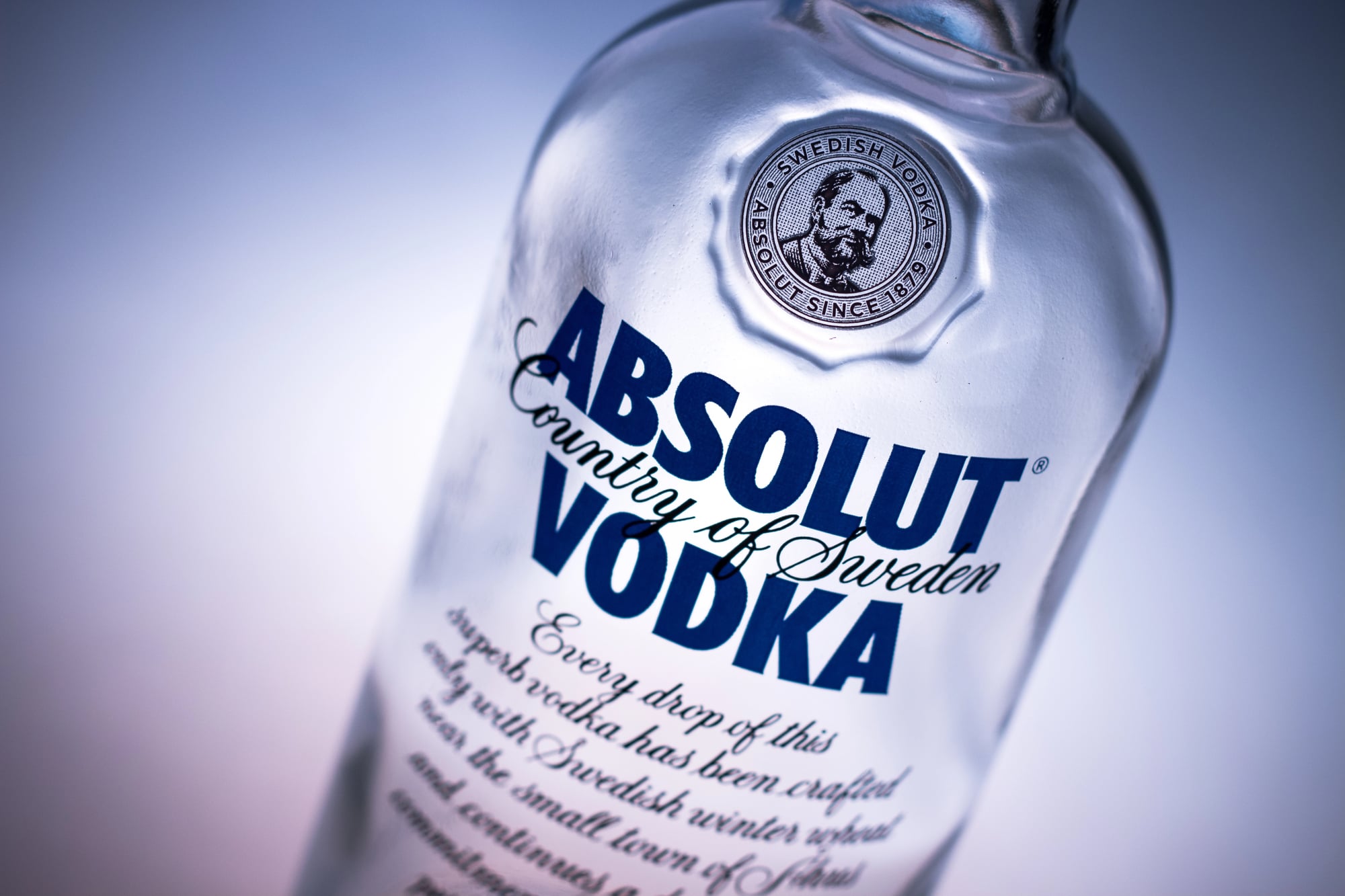
Absolut’s initial advertising attempted to compete directly with premium vodkas by focusing on production quality and Scandinavian heritage—messaging that got lost in the crowded spirits market. Sales remained flat until their dramatic pivot to the now-famous bottle silhouette campaign.
By making their distinctive bottle shape the star—rather than hard-to-verify quality claims—Absolut increased their US market share from a measly 2.5% to over 50% after the rebrand.
Progressive’s Flo

Progressive Insurance’s early marketing efforts featured dry explanations of insurance policies and forgettable corporate messaging, resulting in stagnant market share and low brand recognition. Their introduction of the character Flo initially received mixed reviews and modest results.
After refining the character with better scripts, more relatable situations, and expanded storylines, Flo became an advertising icon that has helped Progressive become the third largest auto insurer while enjoying 96% brand recognition.
Budweiser’s Whassup
This cultural phenomenon began as a failing campaign that tested poorly with focus groups who found it annoying and nonsensical. Budweiser executives nearly scrapped the concept entirely after initial audience reactions were overwhelmingly negative.
After adjustments to the pacing, context, and character development—plus a strategic Super Bowl launch—the rebranded campaign became so successful that “Whassup” entered the everyday vocabulary and increased Budweiser sales by over $250 million.
Dos Equis’ “Most Interesting Man”

The beer brand’s original concept featured a younger actor delivering forced one-liners about adventure that research groups described as “trying too hard” and “inauthentic.” Sales actually decreased during test marketing.
After recasting with veteran actor Jonathan Goldsmith and rewriting the script with more subtle, deadpan humor, the campaign achieved cult status—increasing sales by 22% while beer industry sales declined overall.
Wendy’s “Where’s the Beef?”
Before becoming an 80s catchphrase, Wendy’s original campaign featuring close-up burger comparisons flopped with consumers who found the imagery unappetizing and the message forgettable. Market research showed viewers couldn’t recall which fast food chain the ads promoted.
By recasting with Clara Peller’s memorable character and focusing on the simple, sharp question, Wendy’s saw a 31% sales increase while the catchphrase entered popular culture permanently.
Nike’s “Just Do It”
Nike’s initial advertising focused heavily on technical features and professional athletes—messaging that alienated average consumers who didn’t see themselves as serious athletes. Early iterations of “Just Do It” paired the slogan with elite sports achievements, creating an aspirational but disconnected feeling.
After rebranding to include everyday athletes and emotional storytelling, Nike transformed from a running shoe company into a global lifestyle brand, increasing their market share from 18% to 43% within a decade.
Marlboro’s Cowboy

Before the Marlboro Man became an advertising icon, the cigarette was marketed as a premium women’s cigarette with the slogan “Mild as May”—complete with red filter tips to hide lipstick marks. Sales remained abysmal until Philip Morris completely rebranded with the rugged cowboy imagery aimed at men.
This dramatic repositioning transformed Marlboro from a failing product to the world’s best-selling cigarette brand, proving that sometimes a total brand overhaul is necessary.
GEICO’s Gecko
GEICO’s early direct-to-consumer insurance ads featured dry corporate messaging and straightforward savings claims that generated little interest or memorability. The gecko character was initially introduced as a one-off joke about people mispronouncing the company name.
After a positive audience reception, they rebranded their entire advertising strategy around the character, developing his personality and British accent. This transformation helped GEICO grow from a minor player to one of the largest auto insurers in America.
Volkswagen’s “Think Small”

When VW first attempted to sell their Beetle in 1950s America, they used conventional auto industry tactics—emphasizing technical features with forgettable results in a market dominated by large American cars. Their struggling campaign was completely reimagined by agency DDB with the counterintuitive approach of highlighting the car’s small size rather than hiding it.
This honest, self-aware rebrand revolutionized advertising and helped Volkswagen succeed in a seemingly impossible market.
Snickers’ “You’re Not You When You’re Hungry”

Snickers initially tried positioning their candy bar as an energy source with literal sports performance messaging that consumers found unconvincing and forgettable. Sales remained flat despite significant advertising expenditure.
After rebranding with humor and relatable hangry behavior featuring celebrities acting out of character, Snickers saw global sales increase by over 15% and created a versatile campaign platform that continues working across cultures.
M&M’s Character Campaign
M&M’s early advertising lacked consistency and memorability, with various approaches yielding mediocre results through the 1980s. Their first character-based ads featured simplistic, poorly developed personalities that failed to resonate with audiences.
After redeveloping the characters with distinct personalities, voice actors, and interpersonal dynamics, M&M’s created one of the longest-running successful campaigns in advertising—helping them maintain category leadership for decades.
Subway’s Jared Fogle
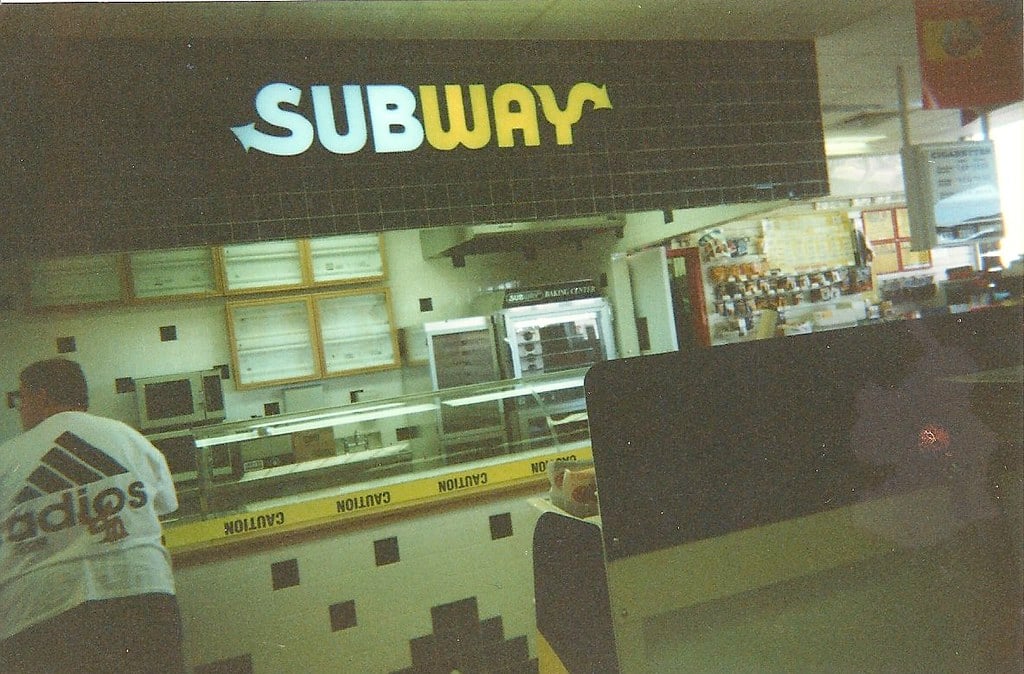
Before finding success, Subway experimented with various health-focused campaigns that failed to differentiate them from other fast food chains making similar claims. Their initial work with Jared lacked focus and clear messaging about weight loss results.
After refining the campaign to emphasize his 245-pound weight loss through before-and-after imagery, Subway experienced a sales increase of over 20%, expanded their store count, and positioned themselves successfully as the healthier fast food alternative.
AXE Body Spray
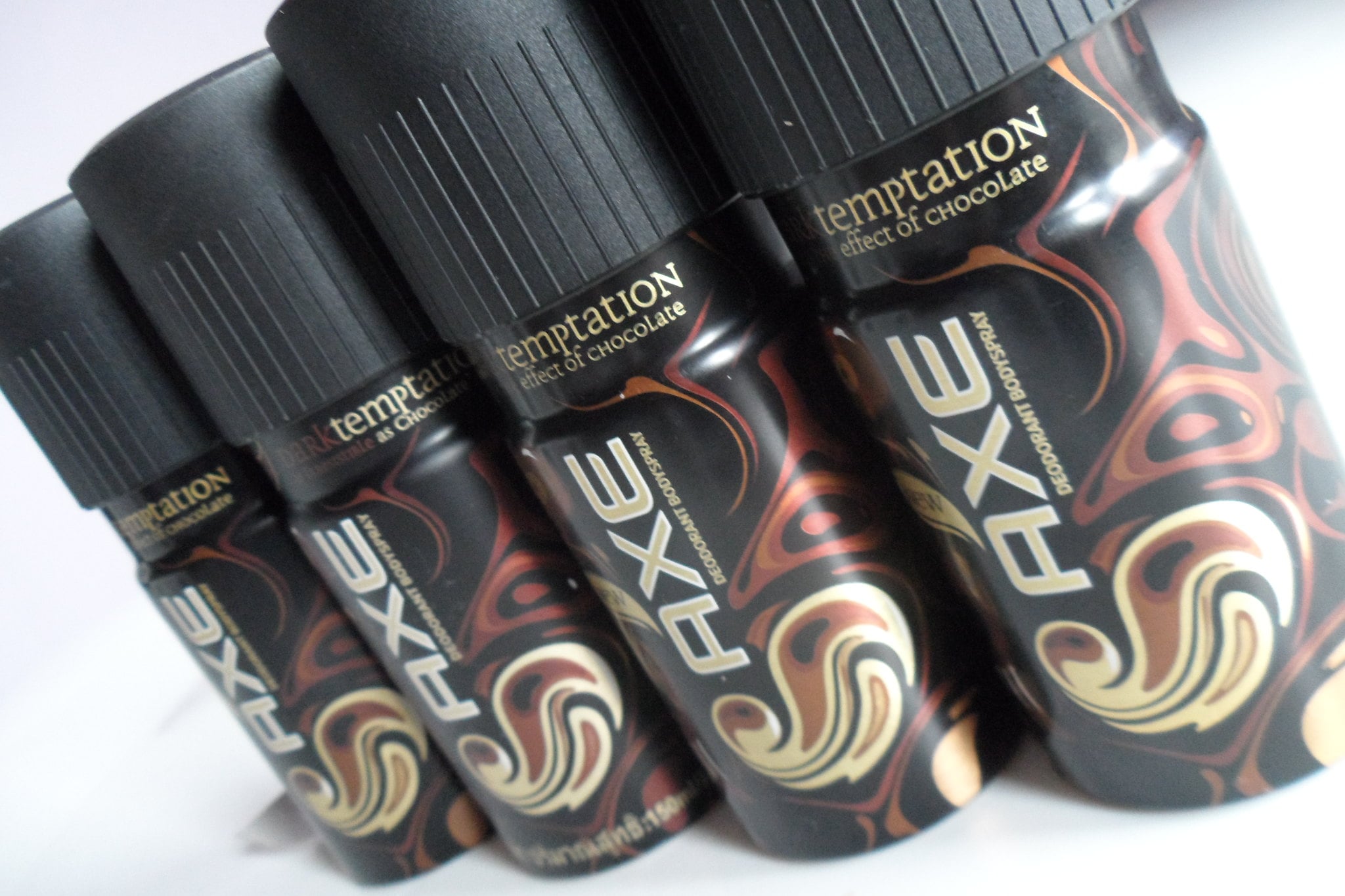
AXE’s early marketing relied on over-the-top sexual promises that women found offensive and men found unbelievable—creating a problematic brand image and limiting market growth. Initial campaigns actually damaged retailer relationships due to complaints about inappropriate content.
After rebranding with more subtle humor and realistic scenarios while maintaining their masculine positioning, AXE broadened their appeal and successfully expanded beyond their teenage boy core audience.
Emirates Airlines
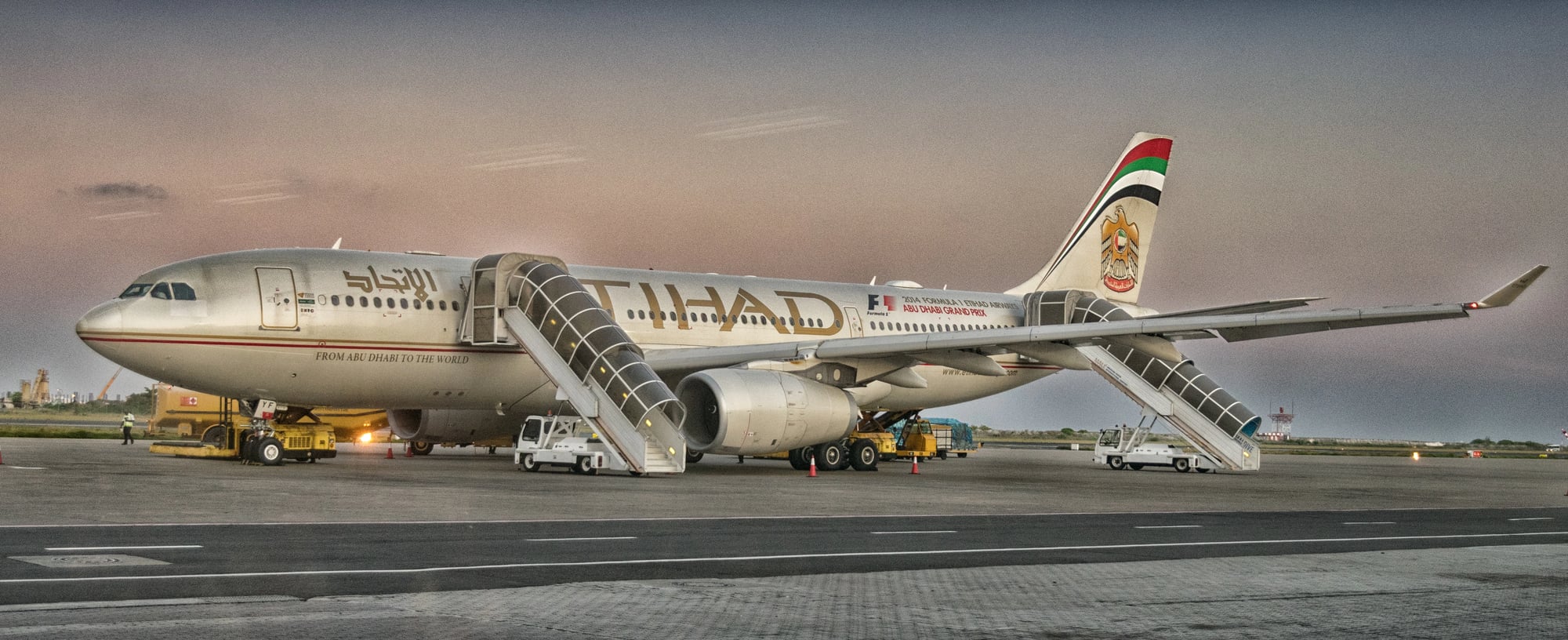
Emirates initially marketed themselves with standard airline industry clichés—smiling flight attendants, airplane exteriors, and generic promises of good service that failed to differentiate them in the competitive international travel market.
Their rebranded approach focused on tangible luxury experiences, showcasing their A380 shower spas and private suites with immersive first-person perspectives. This rebrand helped transform Emirates from a regional carrier to one of the world’s most prestigious airlines with consistent annual growth.
Marketing Course Corrections

These remarkable transformations demonstrate that advertising failures aren’t necessarily permanent. The most successful rebrands understood why the original campaigns failed—whether through disconnected messaging, misunderstanding their audience, or poor execution of promising concepts.
Rather than abandoning ship completely, these companies identified their campaigns’ salvageable elements and reconstructed them with improved creative approaches, clearer messaging, and better audience understanding. Their stories serve as both cautionary tales and inspirational examples of how strategic thinking can transform marketing disasters into advertising legends.
More from Go2Tutors!

- The Romanov Crown Jewels and Their Tragic Fate
- 13 Historical Mysteries That Science Still Can’t Solve
- Famous Hoaxes That Fooled the World for Years
- 15 Child Stars with Tragic Adult Lives
- 16 Famous Jewelry Pieces in History
Like Go2Tutors’s content? Follow us on MSN.



