Toy Brands That Faded Before the ’90s
Remember sitting cross-legged on shag carpet, surrounded by plastic treasures while Saturday morning cartoons flickered in the background? The 1990s represented a golden era of toys – that magical decade when digital innovation began transforming playtime while classic hands-on fun still dominated toy store aisles. Yet not every beloved brand survived the millennium’s turn.
Here is a list of 10 once-mighty toy empires that vanished before Y2K fears had even subsided.
Coleco
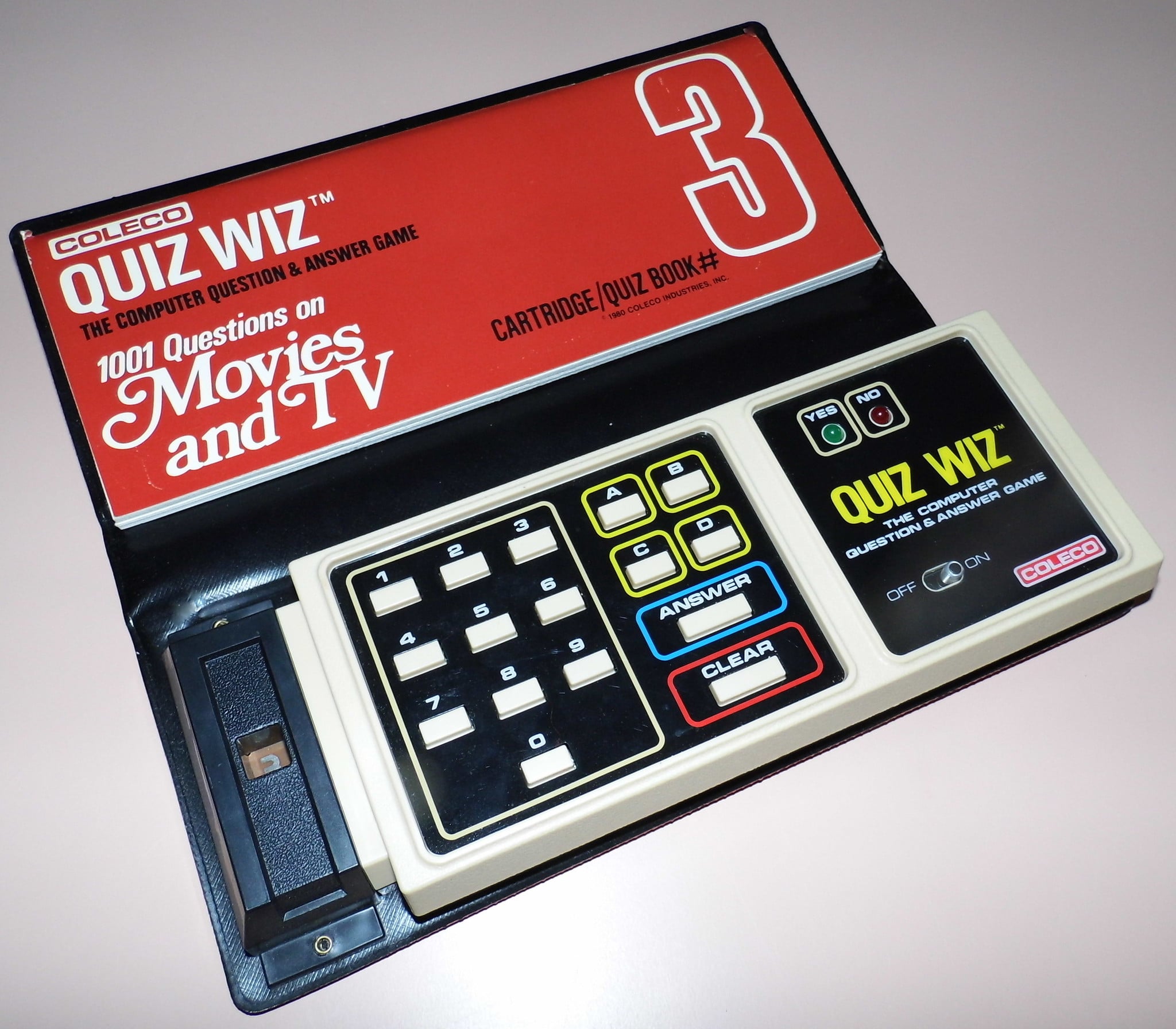
Long before their ill-fated collapse, Coleco had transformed from the Connecticut Leather Company into a toy industry powerhouse. Their ColecoVision gaming system briefly challenged Atari’s dominance, but it was their adoption of the Cabbage Patch Kids phenomenon that truly defined them.
Despite these successes, mounting debt and a disastrous venture into home computers with the “Adam” spelled doom. Bankruptcy swept away what had once been America’s third-largest toy manufacturer, leaving only fragmented licensing deals behind.
Galoob
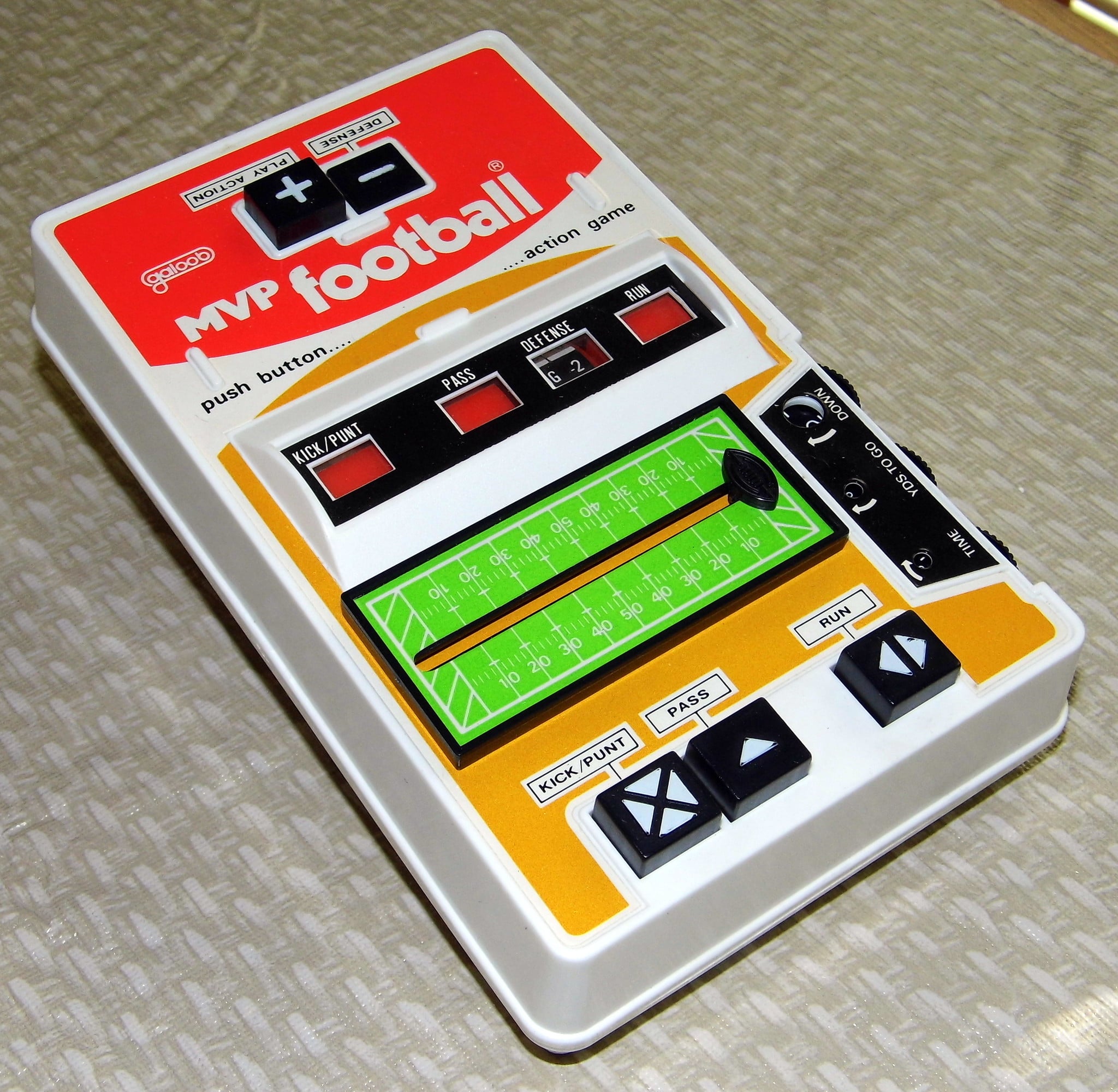
Before Hasbro absorbed them, Lewis Galoob Toys created some of the decade’s most innovative miniature playthings. Their microscopic Micro Machines dominated boys’ toy boxes while the fairy-like Sky Dancers captivated young girls until safety recalls grounded them.
The company’s legal battle with Nintendo over their Game Genie represented a landmark intellectual property case that they ultimately won. Despite these successes, declining profits made them an attractive acquisition target as the millennium approached.
Like Go2Tutors’s content? Follow us on MSN.
Ertl
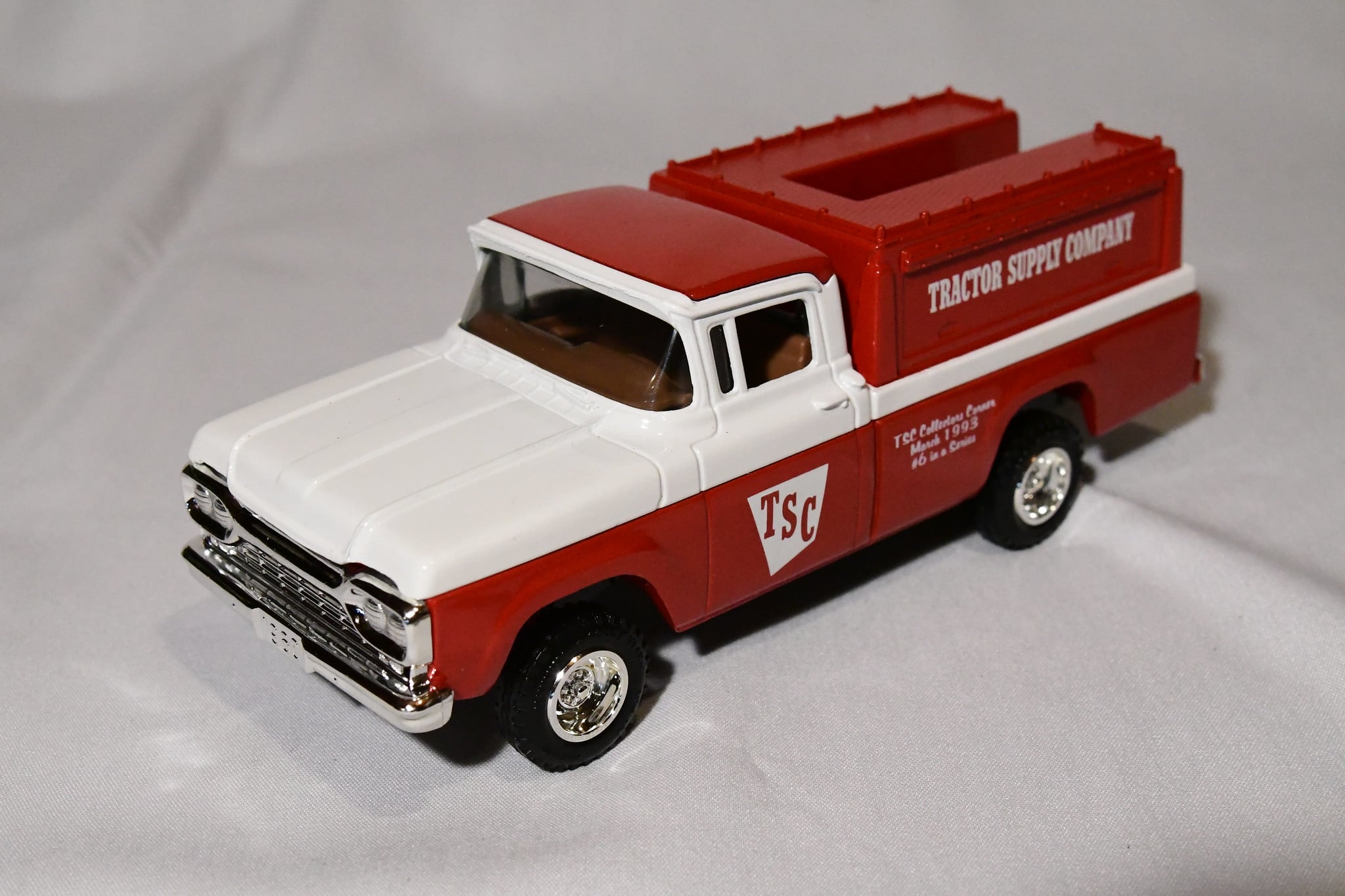
Though today’s collectors still hunt vintage Ertl die-cast farm vehicles and movie tie-ins, few realize this once-independent toy brand disappeared amid corporate consolidation. Founded decades earlier as a maker of detailed metal farm implements, Ertl expanded into licensed properties—creating everything from Thomas the Tank Engine trains to Star Wars vehicles.
Their acquisition by Racing Champions marked the end of their independent existence. Their distinctive brand was folded into a larger corporate entity just as the decade closed.
Tiger Electronics
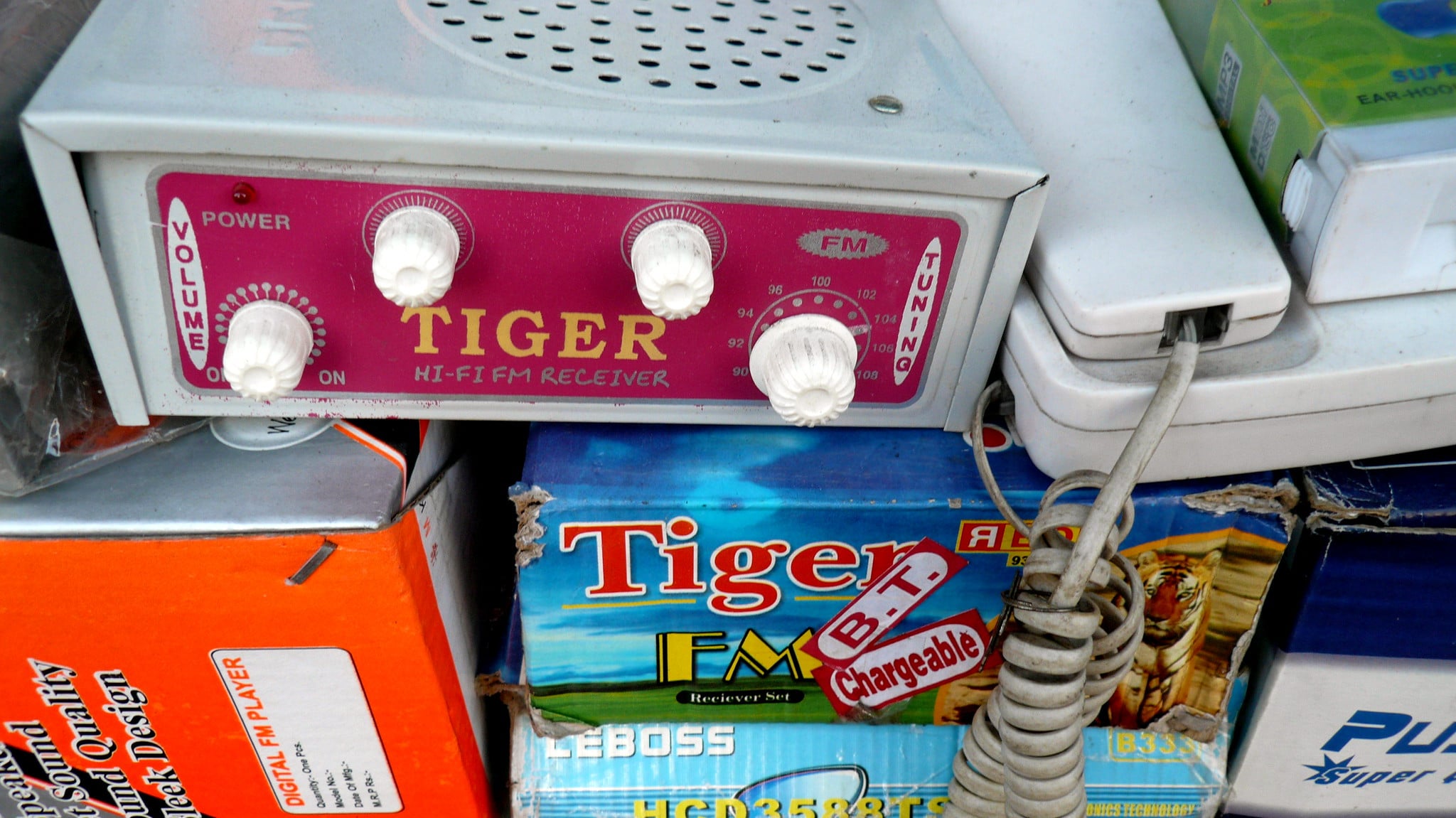
Before becoming Hasbro’s electronic division, Tiger independently produced some of the most recognizable gadgets – those distinctive LCD handheld games that somehow made blocky black graphics seem miraculous. Their technological reach expanded with the Talkboy, hundreds of licensed LCD games, and the chirping, demanding Furby.
Hasbro’s acquisition didn’t end their products but absorbed their distinctive innovation into a corporate parent’s portfolio. Their influence still echoes in today’s tech-heavy toys.
Virtual Boy
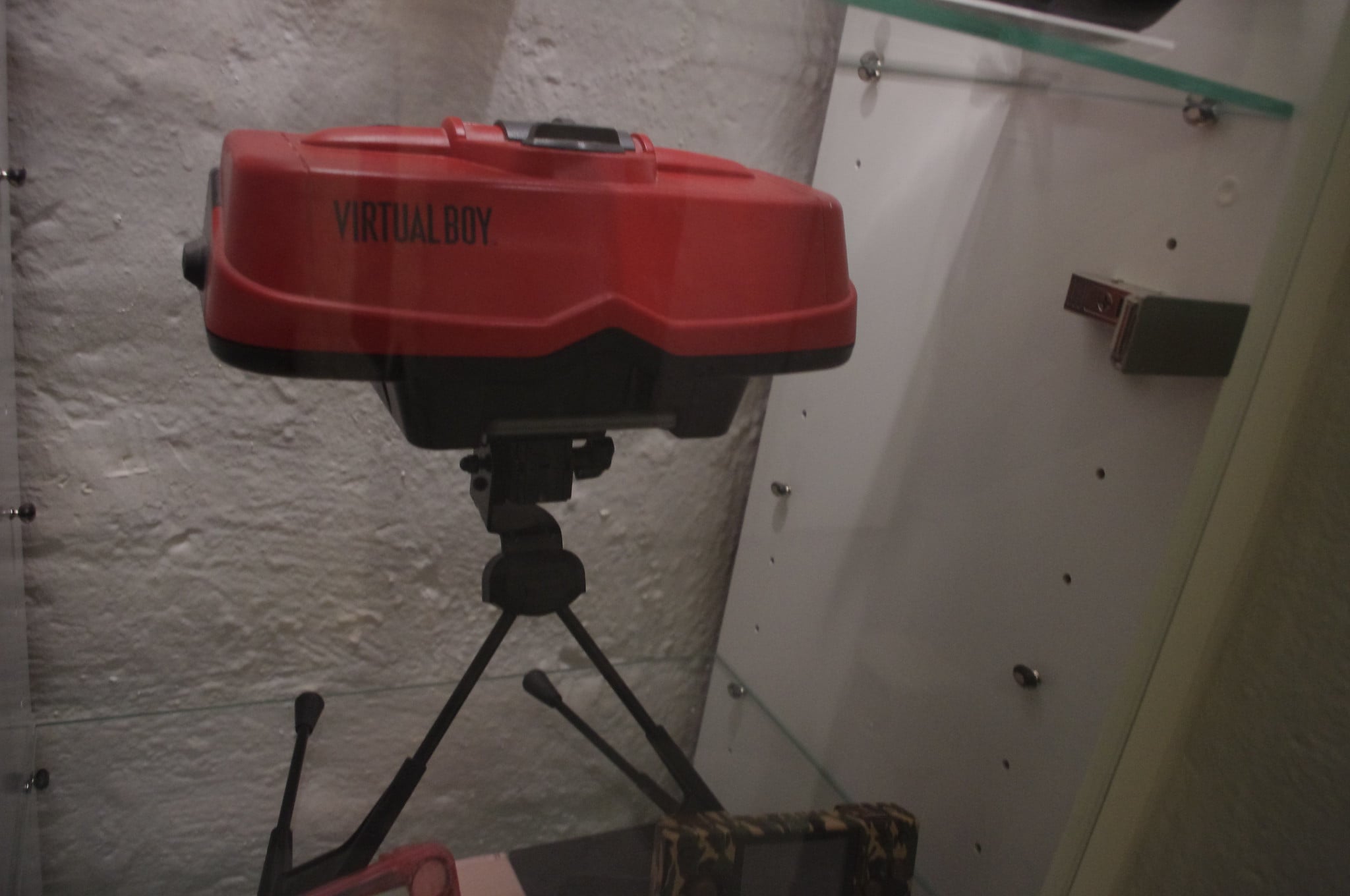
Nintendo’s most spectacular failure barely survived its launch year – making it perhaps the shortest-lived major toy brand of the decade. The Virtual Boy promised immersive 3D gaming through its awkward headset but delivered only eye strain, headaches, and a limited game library rendered entirely in harsh red monochrome.
Released with massive marketing support, production ceased mere months later. It left behind only a handful of games and a cautionary tale about rushing technology to market.
Like Go2Tutors’s content? Follow us on MSN.
Tyco

For nearly two decades, Tyco toys rivaled industry giants with their diverse product range – from intricate electric racing sets to the wildly popular Tickle Me Elmo that sparked holiday shopping frenzies. Their acquisition of View-Master and Magna Doodle bolstered their profile, while their ventures into radio-controlled vehicles created some of the decade’s most memorable commercials.
Mattel’s acquisition effectively ended Tyco’s independent existence. It helped create America’s largest toy company at the time.
PlaySkool Computer
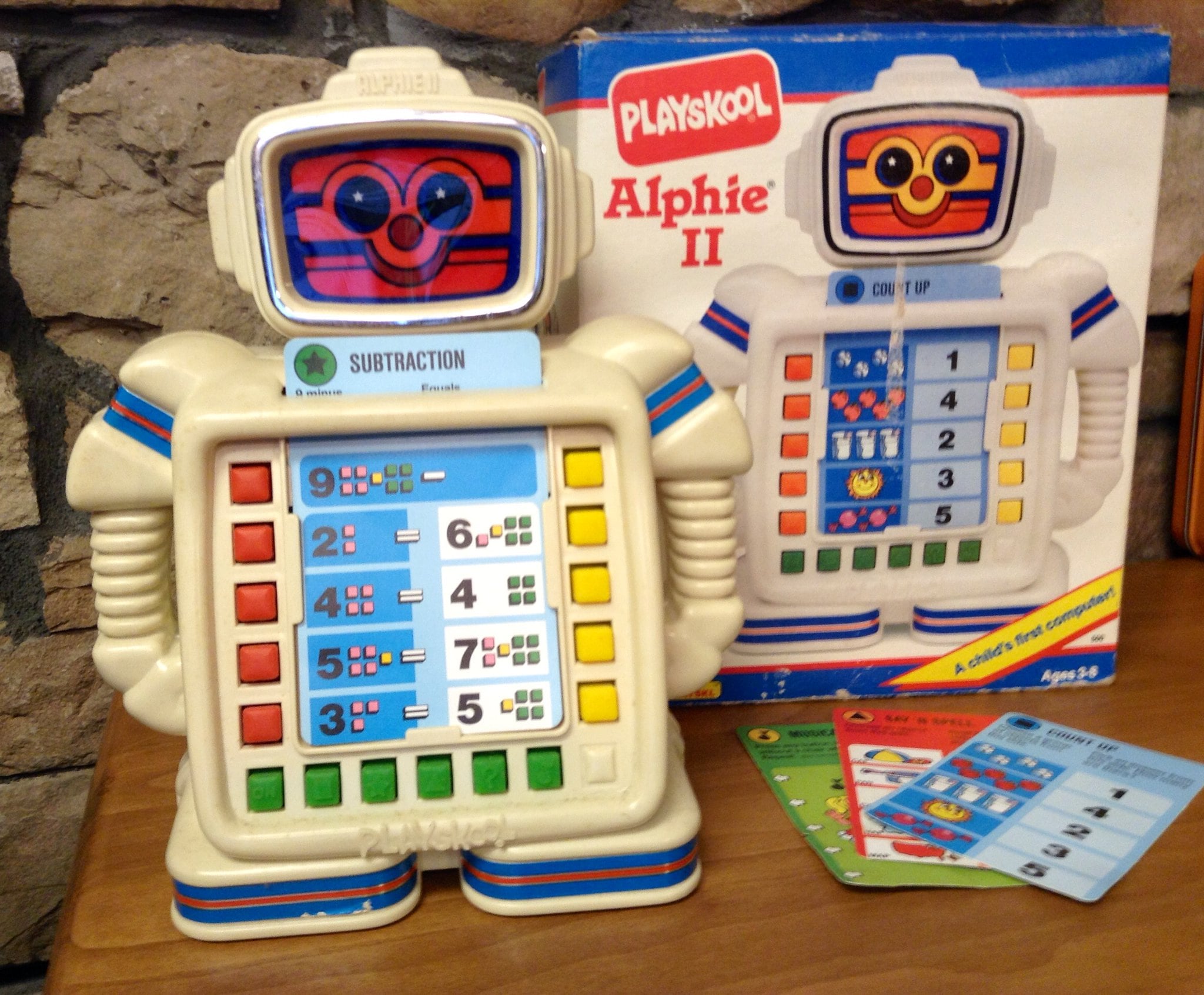
Before kid-friendly tablets dominated children’s tech time, PlaySkool attempted to create educational computing experiences through their distinctive plastic console. Designed to connect to television sets like gaming systems, these toys featured colorful keyboards and cartridges teaching basic skills.
Their clunky interface and limited functionality couldn’t compete with increasingly affordable home computers. By the end of the decade, the brand had pivoted back toward traditional preschool toys.
Trendmasters
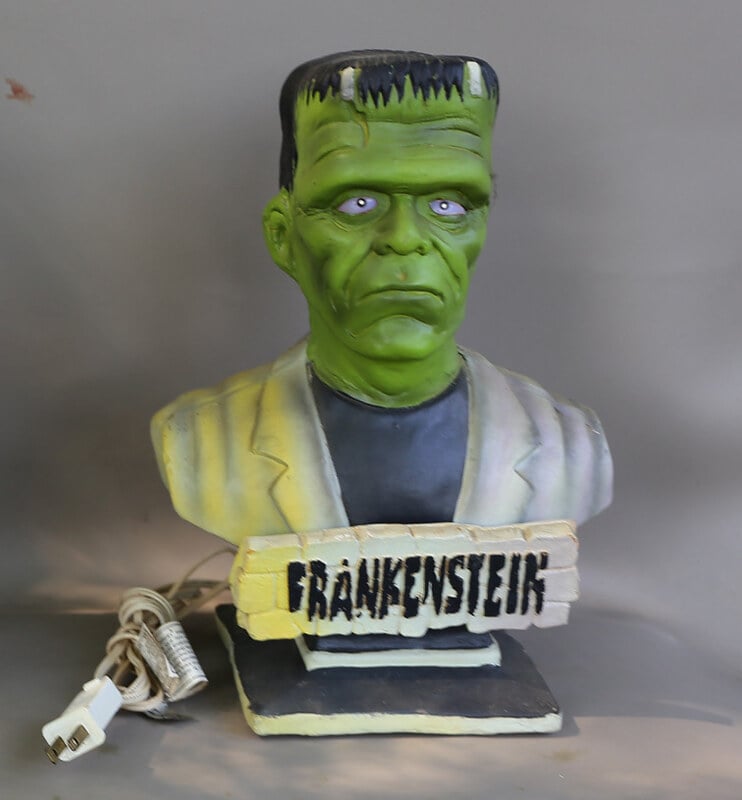
The masters of movie tie-in toys throughout the mid-decade, Trendmasters specialized in action figures and playsets for films that other companies overlooked. Their Godzilla toys dominated shelves before and after the movie, while their “Independence Day” and “Lost in Space” figures captured imaginations worldwide.
Despite their licensing prowess, the company couldn’t sustain momentum when several major films underperformed. Financial troubles mounted, and they ceased operations entirely.
Like Go2Tutors’s content? Follow us on MSN.
Kenner
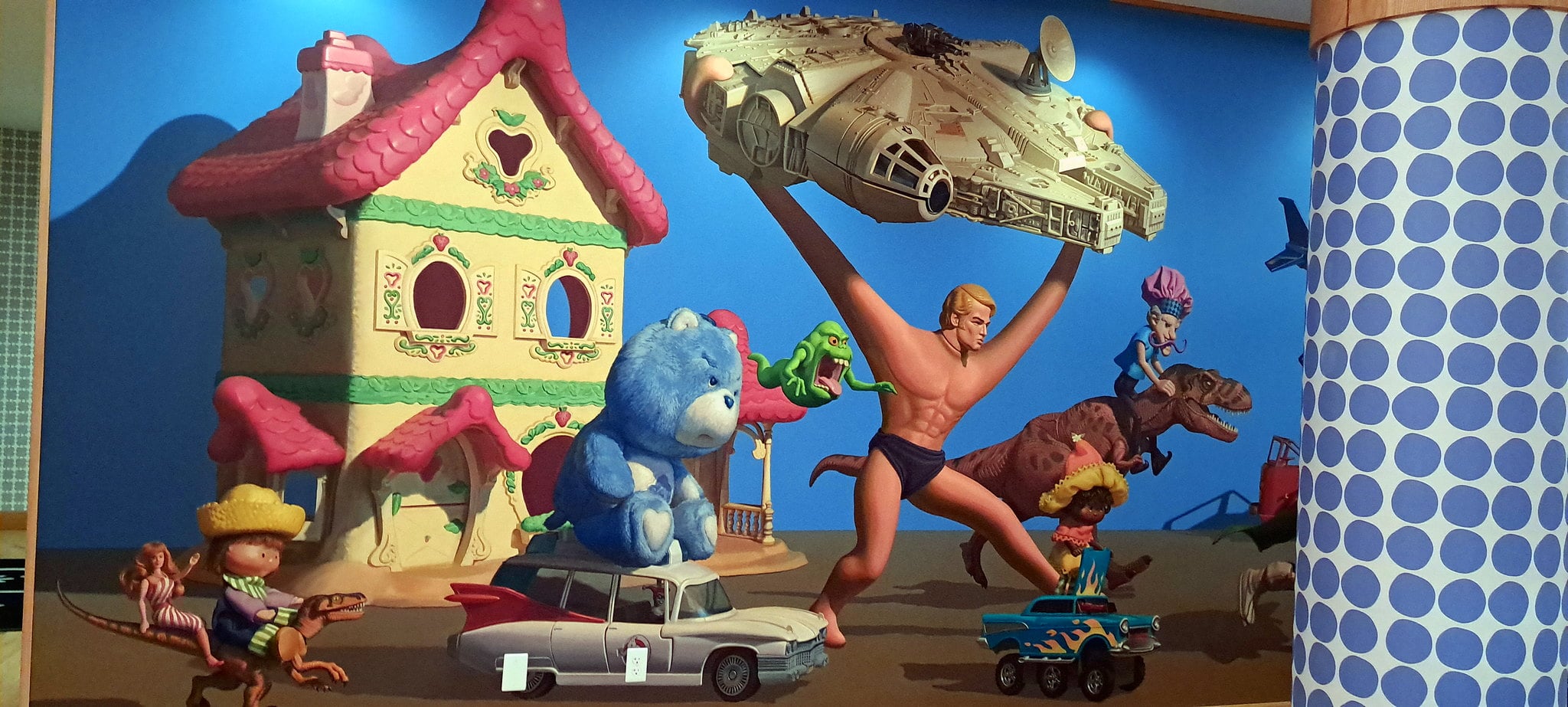
Though technically absorbed rather than bankrupt, Kenner’s disappearance from toy shelves marked the end of an era. The creators of Star Wars action figures, Stretch Armstrong, and Littlest Pet Shop operated semi-independently after being acquired by Tonka.
When Hasbro purchased Tonka, Kenner’s days were numbered. Their beloved brand was fully dissolved, with products transferred to new labels.
Buddy L
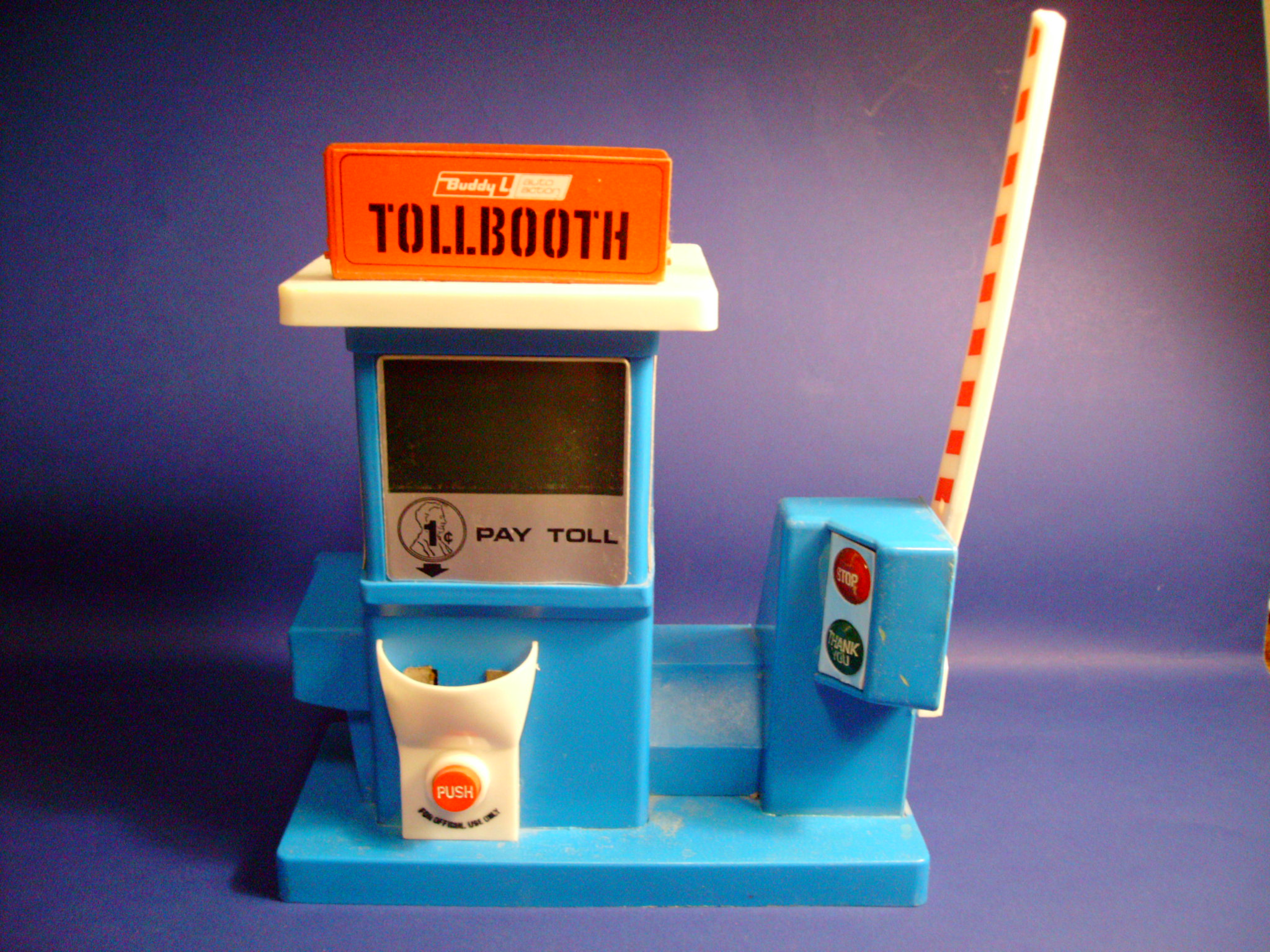
Once synonymous with virtually indestructible metal vehicles, the Buddy L brand faded through the decade as plastic construction dominated. Their distinctive trucks and construction equipment had been childhood staples since their early origins.
After multiple ownership changes and declining quality, the brand lost relevance. By the turn of the millennium, their presence had dwindled to seasonal releases before disappearing from mainstream stores.
The Legacy Continues
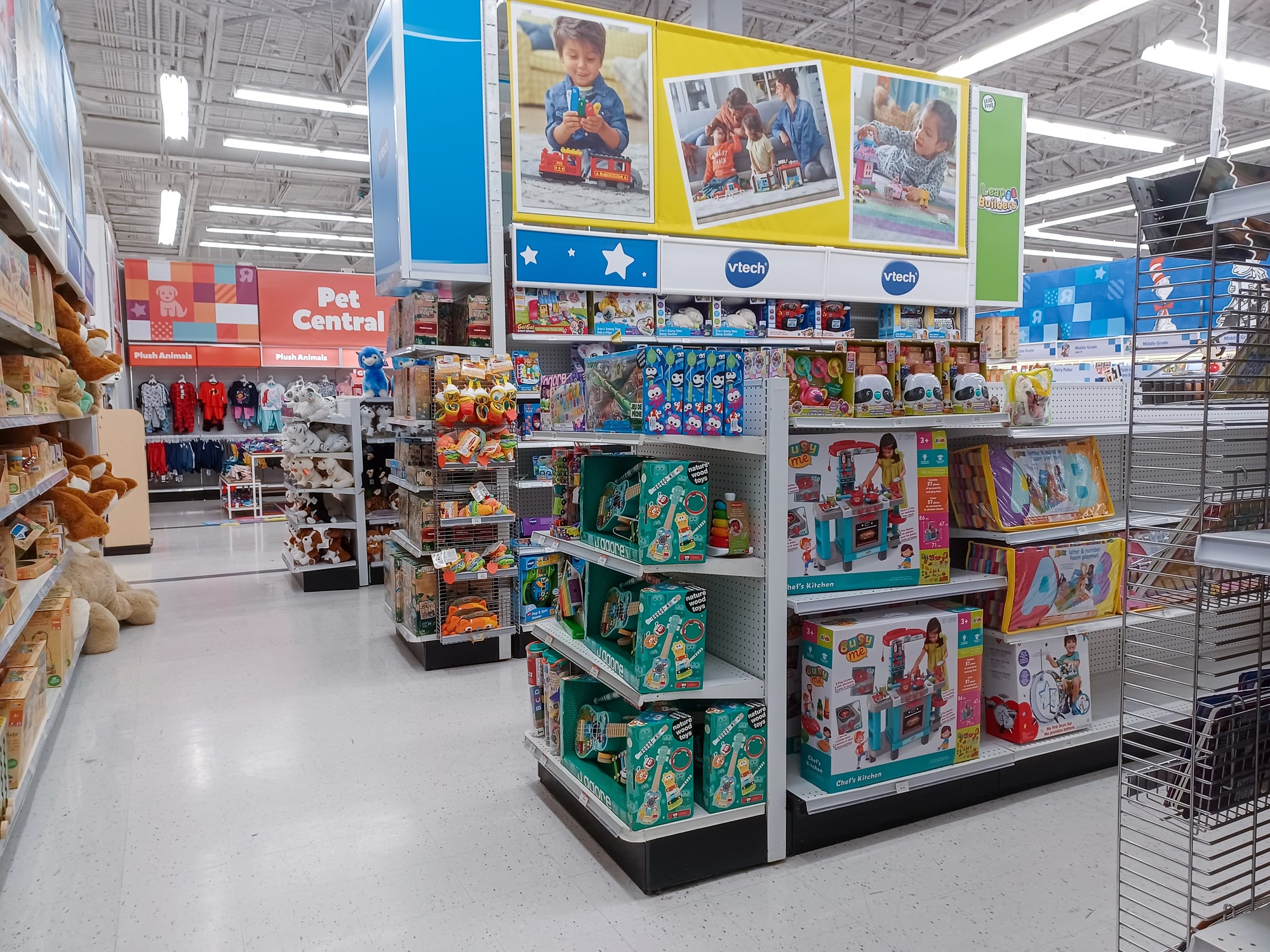
While these brands may have vanished, their influence continues to shape modern play. Today’s smart toys, collectible crazes, and action figure lines owe substantial design and marketing debts to these pioneering companies.
Many surviving products from these defunct brands now command impressive prices on collector markets. Sometimes toys become more valuable when their creators disappear into history’s shadows.
Like Go2Tutors’s content? Follow us on MSN.
More from Go2Tutors!

- 18 Unexpectedly Valuable Collectibles You Might Have Lying Around
- 20 Little-Known Historical Battles That Had Huge Consequences
- 20 Historical Artifacts That Scientists Can’t Explain
- 15 Inventions That Were Immediately Banned After Being Created
- 20 Actors Who Were Almost Cast in Iconic Roles
Like Go2Tutors’s content? Follow us on MSN.