15 Weird Holiday Superstitions From Different Countries
Holidays bring families together, but they also bring out some truly strange beliefs. People around the world follow traditions that seem perfectly normal to them but completely odd to outsiders.
Some of these superstitions involve specific foods, certain actions, or avoiding particular behaviors to ensure good luck in the coming year. Others exist simply because generations before followed the same rituals, and nobody wants to be the one who breaks the chain.
These aren’t your typical holiday traditions like hanging stockings or lighting candles. They’re the quirky, head-scratching customs that make you wonder how they ever started in the first place.
Hiding brooms on Christmas Eve in Norway
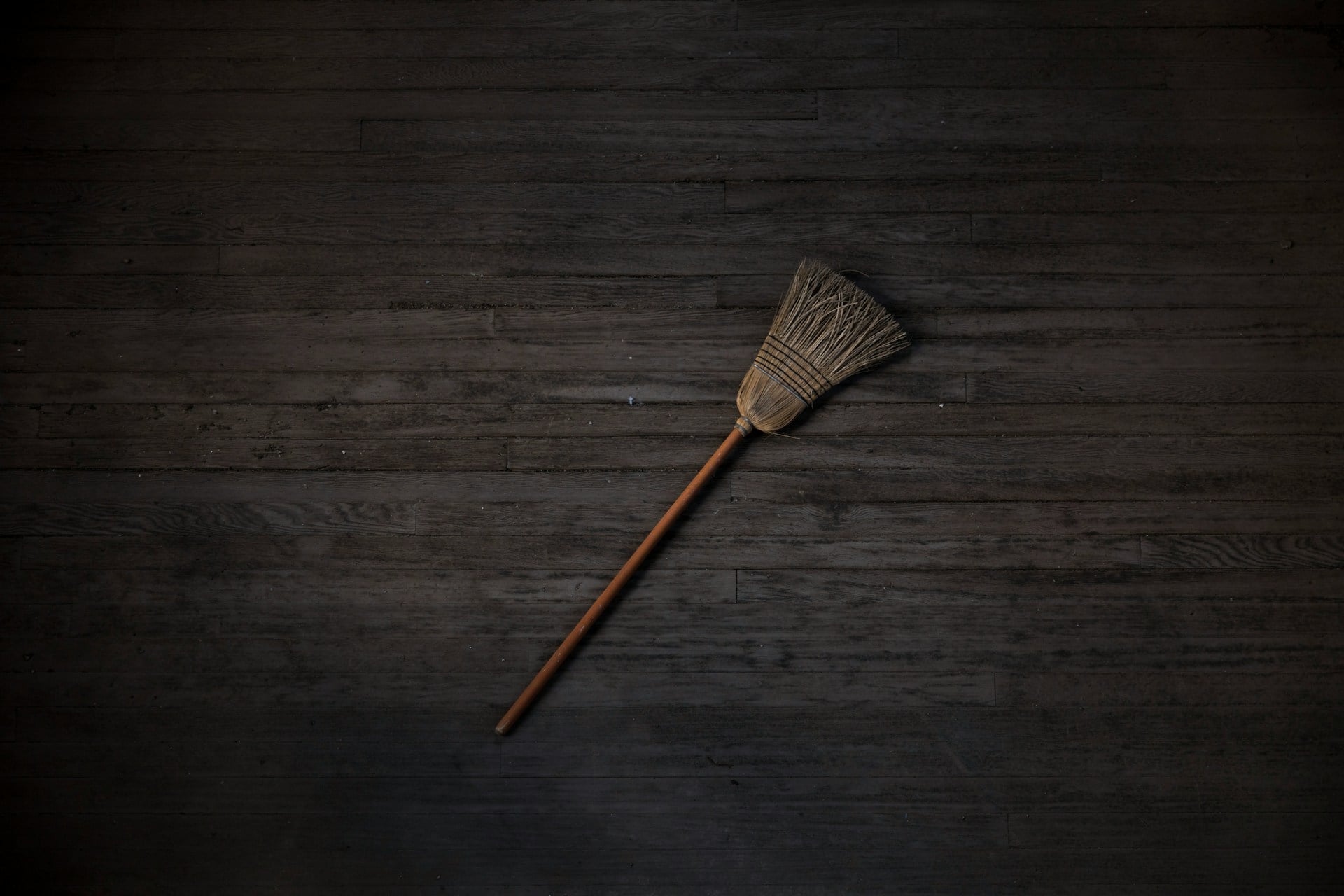
Norwegians tuck away their brooms and mops before going to bed on Christmas Eve. The superstition stems from an old belief that witches and evil spirits come out on this night looking for brooms to ride.
Households hide all their cleaning tools to prevent supernatural visitors from stealing them for midnight flights. Some families still follow this tradition faithfully, even though most people just think it’s a fun quirk from the old days.
The practice has become so ingrained in Norwegian culture that even non-superstitious folks do it out of habit.
Eating 12 grapes at midnight in Spain

Spaniards eat exactly 12 grapes during the final 12 seconds of the year, one grape per chime of the clock. Each grape represents good luck for one month of the coming year.
The tradition started in 1909 when grape growers had a surplus harvest and needed a creative way to sell their excess fruit. Missing a grape or choking on one supposedly means bad luck for that particular month.
Television stations broadcast the clock tower chimes from Madrid’s Puerta del Sol so everyone across the country can synchronize their grape eating.
Placing a pickle ornament on the tree in Germany

The Christmas pickle tradition involves hiding a pickle-shaped ornament deep within the Christmas tree branches. The first child who finds it on Christmas morning receives an extra present or gets to open the first gift.
Surprisingly, most Germans have never heard of this custom, and it appears to be more of an American tradition marketed as German. Some believe German immigrants brought it to America in the 1800s, while others think it was a clever sales tactic by ornament importers.
Regardless of its murky origins, many American families now consider the pickle hunt an essential part of their Christmas morning.
Throwing dishes at friends’ doors in Denmark

Danes save their chipped plates and broken dishes all year long just to throw them at neighbors’ doors on New Year’s Eve. Finding a pile of shattered pottery outside your door means you have lots of friends and good fortune coming your way.
The more broken dishes on your doorstep, the more popular you are. People actually feel disappointed if they don’t find any smashed crockery outside their homes.
This messy tradition creates quite a cleanup job on New Year’s Day, but nobody seems to mind the extra work.
Eating KFC for Christmas dinner in Japan

Millions of Japanese families line up at KFC on Christmas Day because of a wildly successful marketing campaign from the 1970s. The fast-food chain convinced the country that fried chicken was a traditional Western Christmas meal.
Now KFC Christmas dinners must be ordered weeks in advance, and some people wait in line for hours to pick up their buckets. The special Christmas meal comes with chicken, cake, and wine, costing significantly more than regular menu items.
This tradition shows how a single advertising campaign can create a nationwide custom that persists for decades.
Leaving shoes by the window in the Czech Republic

Single Czech women throw their shoes over their shoulders toward the door on Christmas Eve. If the shoe lands with the toe pointing toward the door, the woman will get married within the year.
Should the heel point toward the door instead, she’ll remain single for another 12 months. Some women repeat the process multiple times if they don’t like the first result.
This fortune-telling method has been passed down through generations, though modern Czech women often do it more for laughs than actual predictions.
Burning scarecrows at New Year in Ecuador

Ecuadorians create life-size dolls called ‘años viejos’ that represent the old year, unpopular politicians, or pop culture figures. Families display these effigies outside their homes throughout the day on December 31st.
At midnight, they set them on fire in the streets to burn away the bad memories and negative energy from the past year. The tradition includes jumping over the flames 12 times for good luck.
Some neighborhoods turn this into elaborate competitions to see who can build the most creative or outrageous scarecrow.
Pouring molten lead into water in Finland

Finns practice a New Year’s Eve tradition called ‘molybdomancy’ where they melt small pieces of tin or lead over a flame. They quickly pour the molten metal into cold water and interpret the resulting shapes to predict the future.
A heart shape means romance, a ship suggests travel, and a pig indicates abundance. Families gather around to debate what each person’s metal blob looks like, with interpretations often becoming quite creative.
The Finnish government has started encouraging people to use tin instead of lead due to health concerns, though the tradition continues strongly.
Hanging onions on doors in Greece

Greek families hang strings of onions on their front doors on New Year’s Day. Parents wake their children by tapping them on the head with the onions, which supposedly promotes growth and good health.
The onion symbolizes rebirth because it continues sprouting even after being cut. This vegetable was chosen because ancient Greeks associated onions with fertility and prosperity.
Fresh onions must be used each year, and the old ones get tossed out after the tapping ceremony concludes.
Wearing polka dots and round shapes in the Philippines

Filipinos believe wearing polka-dotted clothing and displaying round objects attracts wealth in the new year. The circular shapes represent coins and continuous prosperity.
Many people fill their pockets with coins and keep bowls of round fruits on their tables during New Year celebrations. Children jump at midnight to supposedly help them grow taller, while adults make as much noise as possible to drive away evil spirits.
The entire country erupts in a cacophony of fireworks, car horns, and banging pots at midnight.
Carrying empty suitcases in Colombia

Colombians grab their suitcases and run around the block at midnight on New Year’s Eve if they want to travel in the coming year. The faster and farther someone runs with their luggage, the more travel opportunities they’ll supposedly receive.
Some people just run up and down the street, while others take the tradition seriously and sprint for several blocks. Neighbors often gather to watch the spectacle and cheer on the runners.
This creates amusing scenes of people in party clothes huffing and puffing while dragging roller bags behind them.
Eating lentils at midnight in Italy
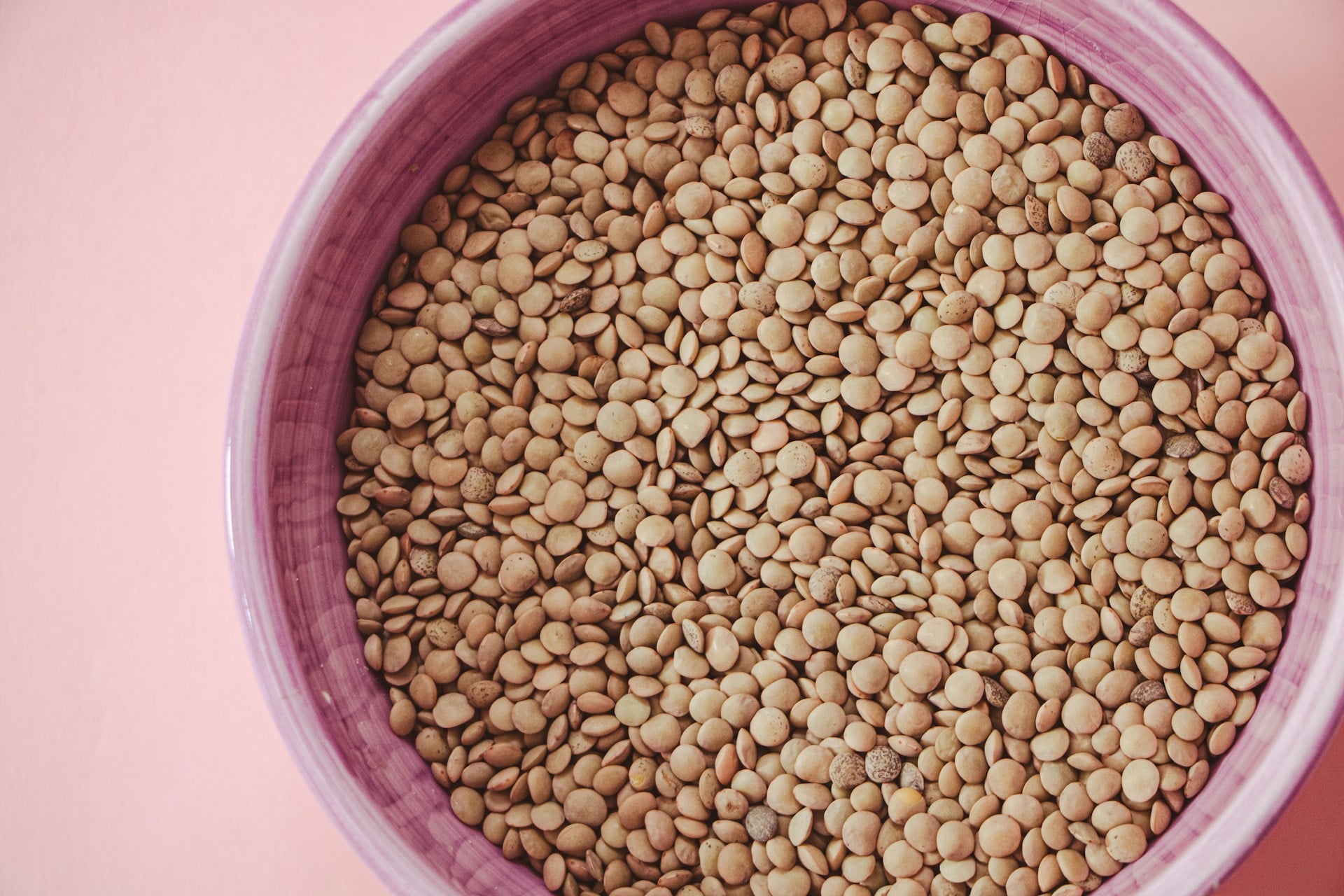
Italians consume lentils immediately after midnight on New Year’s Eve because the small legumes resemble coins. Each lentil eaten represents future wealth and prosperity.
Families prepare large pots of lentil stew called ‘cotechino e lenticchie’ specifically for this midnight meal. The tradition dates back to ancient Rome when people gave each other leather pouches filled with lentils hoping they’d turn into coins.
Modern Italians continue the practice, though they know the lentils won’t actually transform into money.
Crash of crockery echoes through Polish homes when holidays arrive

Loud bangs burst into the air as cracked plates hit walls or slam on floors. Noise rises like thunder meant to chase shadows from corners.
Spirits flee, some say, disturbed by sudden chaos under roof beams. Unlike Denmark’s doorstep piles, this ritual stays within family rooms.
Chipped bowls, worn forks, anything past daily duty gets tossed without second thought. Afterward, shards scatter like frozen rain across wooden tiles.
Hours pass sweeping up what remains of last year’s mugs and saucers. Still, many hold firm – protection matters more than cleanup or cost.
On New Year’s Day in China, brooms stay put
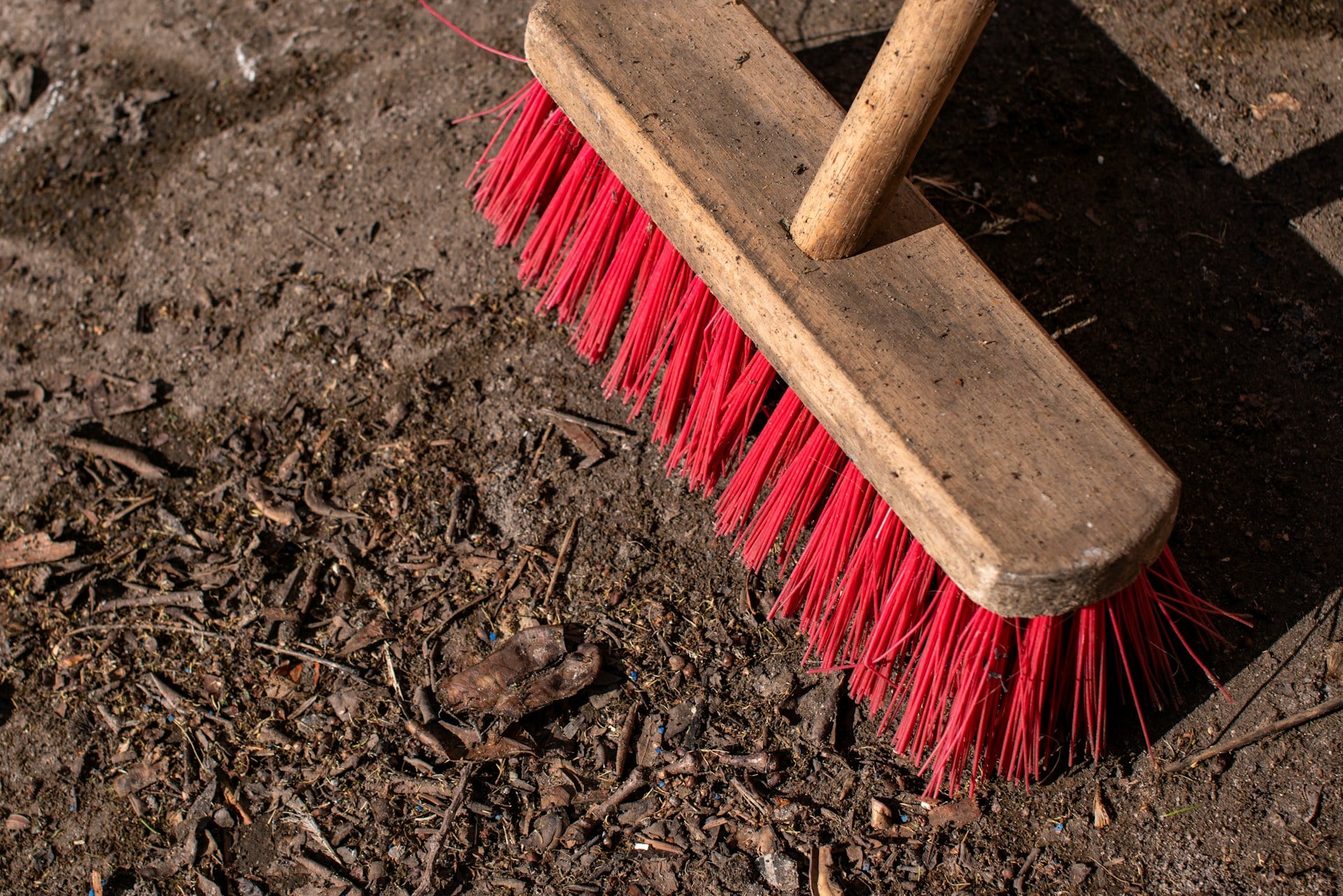
Luck could vanish if someone sweeps – so homes are spotless before midnight hits. Tossing garbage? That too waits till later, just in case fortune slips out with it.
Even rinsing hair feels risky; some believe blessings drain down the drain. If a plate crashes by mistake, words like “year of abundance” spill fast to fix the moment.
Those opening days move slow, quiet, cautious – every gesture chosen so joy doesn’t flee.
Wearing certain colored underpants matters in parts of South America

When New Year’s Eve arrives, locals think their choice shapes what comes next. Red pulls romance close, drawing warmth into life.
Yellow follows a different path – wealth shows up when it is chosen. Peace lives inside white fabric, calm woven into the coming months.
Green acts like a quiet promise, handing down strength through the body. Shops fill windows with these styles weeks before midnight strikes.
Customers grab several shades, just in case. At exactly twelve, some slip into fresh ones, trading one hope for another. Luck shifts with the change.
Every December, where past blends into present

Strange beliefs pop up, showing holiday meanings shift from place to place. One nation’s usual act feels odd elsewhere, still carried forward without pause.
Born from efforts to sway destiny or satisfy unseen powers, most now survive through joy and shared identity. Year by year, they stick – proof we long for routines tying us to family lines and neighbors, whether tossing plates, stashing cleaning tools, or sprinting with luggage when clocks strike twelve.
More from Go2Tutors!

- The Romanov Crown Jewels and Their Tragic Fate
- 13 Historical Mysteries That Science Still Can’t Solve
- Famous Hoaxes That Fooled the World for Years
- 15 Child Stars with Tragic Adult Lives
- 16 Famous Jewelry Pieces in History
Like Go2Tutors’s content? Follow us on MSN.