15 Outfits That Mean Different Things Elsewhere
Fashion isn’t just about looking good—it’s a language that speaks volumes about culture, history, and social norms. What might be perfectly acceptable (or even trendy) in one country could raise eyebrows, cause offense, or simply be misunderstood in another. These cultural nuances make international travel an adventure in sartorial diplomacy.
Here is a list of 15 outfits and clothing items that have completely different meanings depending on where you are in the world.
White Wedding Dress

White is the traditional color for brides in Western nations, as it represents purity. After Queen Victoria married Prince Albert in 1840 while wearing white, the custom became more well-known.
Nonetheless, white is connected to funerals and grief in several East Asian nations, including China, Korea, and Japan. In these cultures, brides typically choose vivid hues like red, which represents wealth and good fortune.
Flip-Flops

These casual rubber sandals are beach and poolside staples in America, perfect for casual summer days. In Japan, however, wearing flip-flops (or ‘zori’) beyond the beach is considered inappropriate.
They’re also similar to traditional Japanese footwear reserved for specific occasions, making casual Western-style flip-flops potentially confusing in formal settings.
Like Go2Tutors’s content? Follow us on MSN.
Baseball Caps

In America, baseball caps are everyday casual wear for people of all ages and demographics. They’re so common that they barely register as a fashion statement.
Yet in some European countries, particularly in upscale establishments in France or Italy, wearing a baseball cap indoors is considered uncouth and distinctly American. It might mark you as a tourist faster than pulling out a map.
Revealing Gym Clothes

Tight-fitting workout clothes like yoga pants and sports bras have become acceptable casual wear in the US, worn well beyond the gym. This athleisure trend hasn’t translated everywhere—in countries like Saudi Arabia, UAE, and parts of Southeast Asia, wearing such revealing athletic wear in public spaces rather than designated fitness areas could be considered inappropriate or even illegal.
Bright Colors

Americans and many Europeans often embrace vibrant hues as expressions of personality and joy. In Scandinavian countries, however, muted colors and minimalist styles dominate.
Wearing extremely bright or flashy colors in Sweden or Denmark might make you stand out uncomfortably, as understated elegance is highly valued over attention-grabbing hues.
Like Go2Tutors’s content? Follow us on MSN.
Shoes Inside the Home
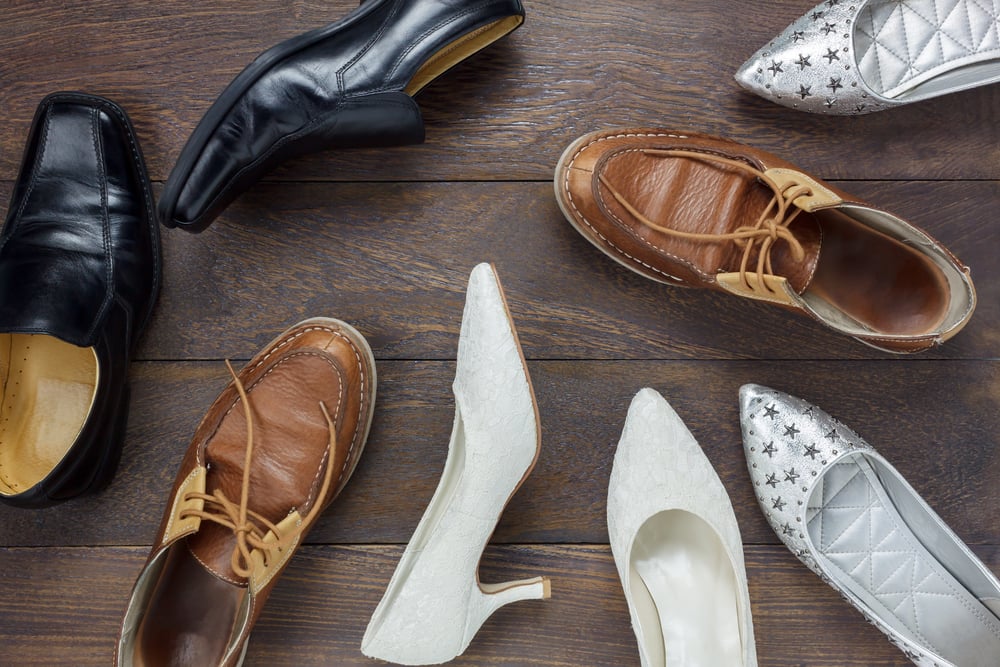
In America, many people keep their shoes on indoors without a second thought. This practice would horrify people in Japan, South Korea, Thailand, and many Middle Eastern countries, where removing shoes before entering a home is non-negotiable.
Keeping shoes on is considered not just unhygienic but disrespectful to the home and its inhabitants.
Camouflage Clothing

In the United States, camouflage patterns have become fashion statements, appearing on everything from hunting gear to high-end designer pieces. However, wearing camo in countries like Zimbabwe, Barbados, and many Caribbean nations is illegal unless you’re a military personnel.
These countries have strict laws against civilians wearing military-inspired clothing.
Sleeveless Tops

Tank tops and sleeveless blouses are summer staples in Western wardrobes, perfect for beating the heat. In countries like India, much of the Middle East, and parts of Southeast Asia, exposed shoulders can be considered immodest, especially when visiting religious sites.
Many temples and mosques require covered shoulders regardless of the sweltering temperatures outside.
Like Go2Tutors’s content? Follow us on MSN.
Red Clothing
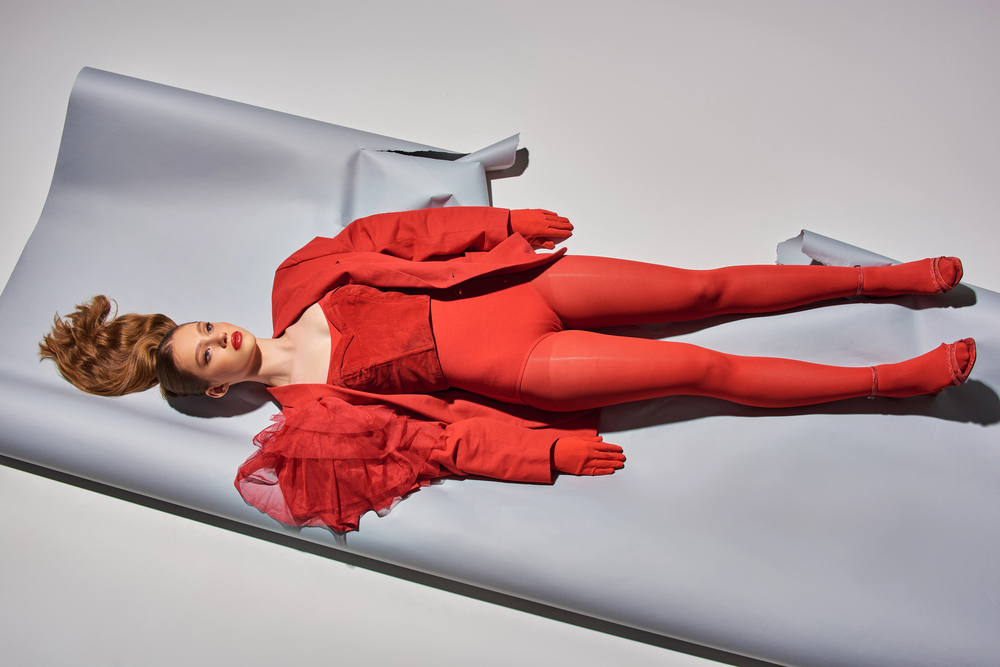
In Western cultures, red often symbolizes passion, love, or even danger. In China, red represents good fortune, happiness, and prosperity—making it the color of choice for weddings and celebrations.
By contrast, in South Africa, red is associated with mourning and is traditionally worn at funerals in some communities, creating potential cultural confusion.
Jeans

Blue jeans are perhaps America’s most iconic fashion export, representing casual comfort across the globe. Until relatively recently, wearing jeans in upscale restaurants or theaters in parts of Europe was considered inappropriate.
Even today, in countries like North Korea, jeans are politically charged, seen as symbols of American imperialism and Western influence.
Shorts

In America, shorts are the ultimate warm-weather casual wear for all genders. In many Middle Eastern countries and parts of Asia, shorts (especially short shorts) on adults are considered inappropriate public attire.
Even in Mediterranean Europe, like Italy or Spain, locals rarely wear shorts in cities regardless of temperature, reserving them strictly for beach areas.
Like Go2Tutors’s content? Follow us on MSN.
Heavy Makeup
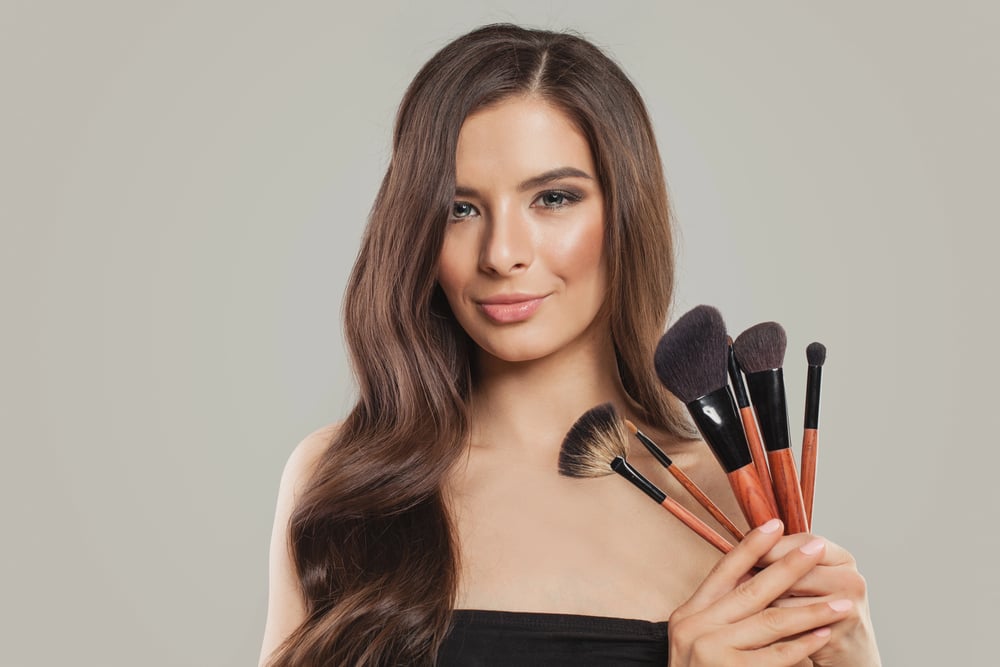
Americans tend to embrace personal expression through cosmetics, with full-face makeup being common for everyday wear. This approach can seem excessive in countries like France, where the ‘less is more’ philosophy prevails with emphasis on skincare over coverage.
Similarly, in Korea, makeup trends favor a natural, ‘no-makeup’ look achieved through numerous subtle products.
Swimwear at Restaurants
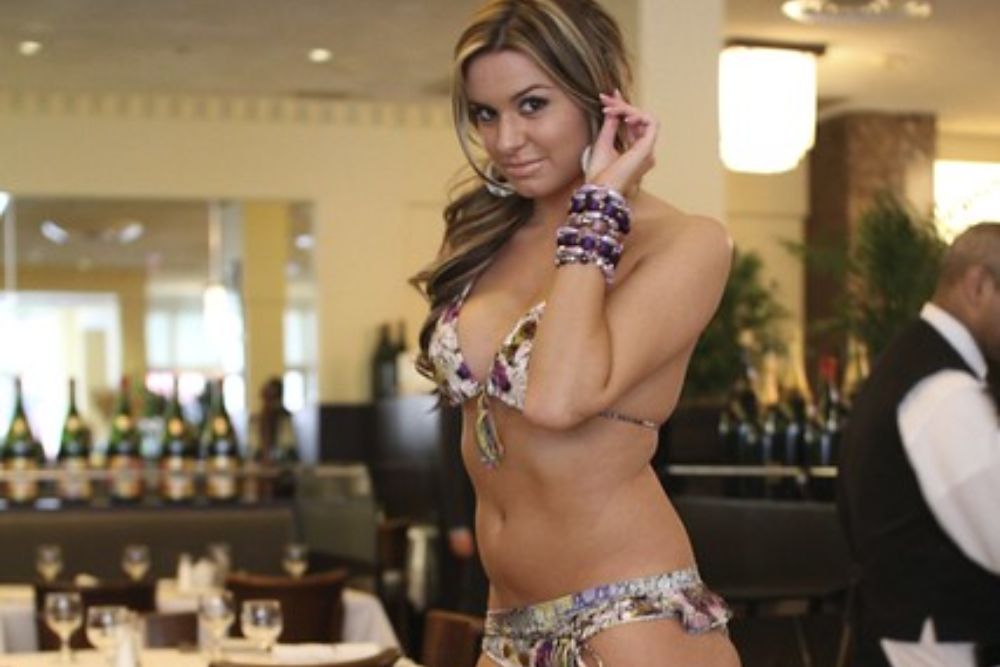
Popping into beachside eateries wearing just a swimsuit with a casual cover-up is standard practice in many American coastal towns. This would be unthinkable in countries like Italy, Spain, and Croatia, where proper attire is expected even at casual beachfront establishments.
Many Mediterranean restaurants explicitly prohibit dining in swimwear, regardless of proximity to the beach.
Black Clothing
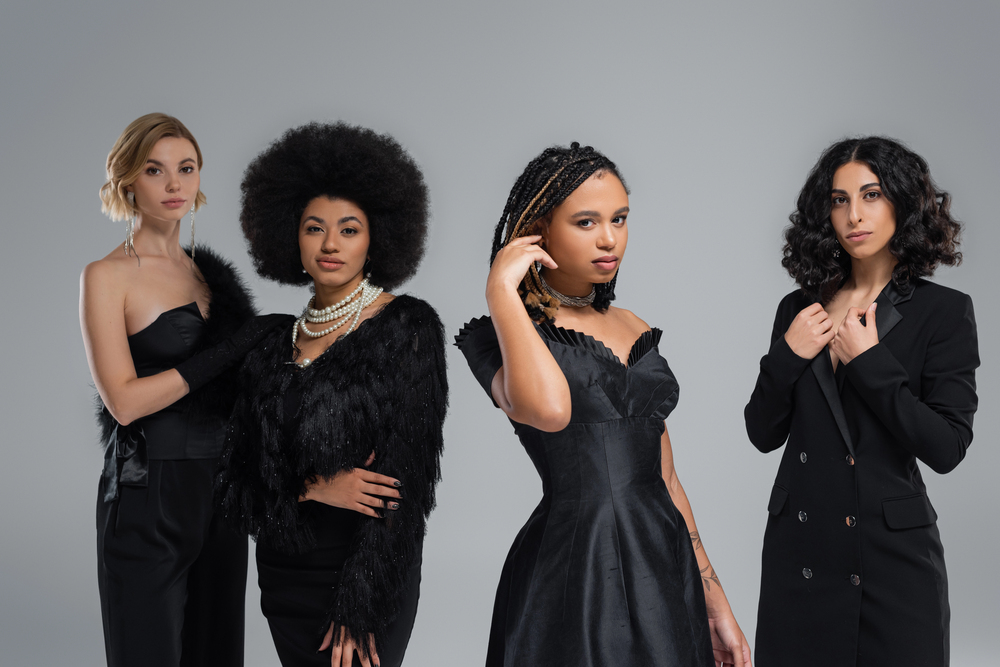
In Western fashion, black is chic, slimming, and appropriate for most occasions from casual to formal. In many East Asian countries, especially China and Korea, black is strongly associated with funerals and mourning.
Wearing all black to a celebration or social gathering might unintentionally send the wrong message or be considered inauspicious.
Like Go2Tutors’s content? Follow us on MSN.
Head Coverings
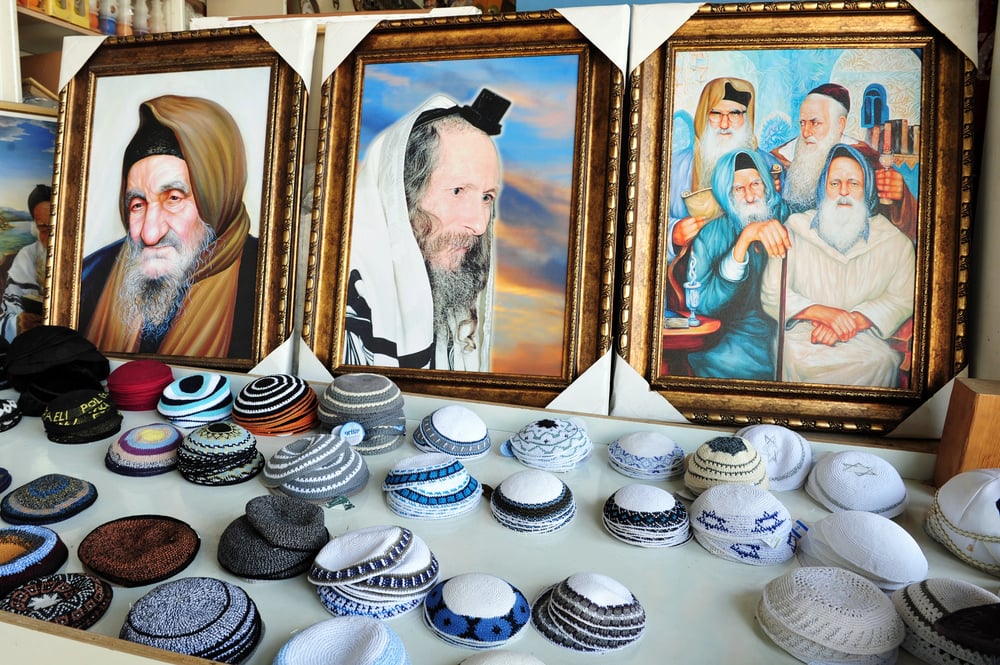
In Western countries, hats and caps are typically casual accessories or fashion statements. In many cultures worldwide, head coverings carry deep religious or cultural significance.
The hijab, turban, kippah, and various other head coverings serve as expressions of faith and identity. What might be just an accessory in one context holds profound meaning in another.
Cultural Crossroads

Fashion continues to develop as a fascinating nexus of cultural identity and individual expression as our world becomes more interconnected. Our clothing choices are influenced by centuries of custom, societal norms, and pragmatic adjustments to regional conditions, in addition to personal preferences.
Think about researching local dress regulations the next time you’re packing for a trip abroad. This will not only help you avoid awkward situations, but it will also demonstrate your respect for the diverse cultures of the world.
The clothing we choose speaks volumes before we utter a single word. Understanding these unspoken fashion languages helps us navigate our multicultural world with greater awareness and respect. After all, in the global village, we’re all just trying to dress for success—however that might be defined where our feet happen to land.
More from Go2Tutors!

- 18 Unexpectedly Valuable Collectibles You Might Have Lying Around
- 20 Little-Known Historical Battles That Had Huge Consequences
- 20 Historical Artifacts That Scientists Can’t Explain
- 15 Inventions That Were Immediately Banned After Being Created
- 20 Actors Who Were Almost Cast in Iconic Roles
Like Go2Tutors’s content? Follow us on MSN.


