14 Street Art Movements That Told Big Stories
Street art has grown from simple tags scrawled on city walls into a powerful vessel for social commentary, political resistance, and cultural expression. Urban landscapes transform into open-air galleries where artists communicate directly with passersby – no admission tickets or velvet ropes in sight.
City walls worldwide have become canvases that capture defining moments, reflecting society’s deepest struggles and wildest dreams. Let’s explore 14 street art movements that have made profound statements through their vibrant visuals and audacious techniques.
New York Subway Graffiti
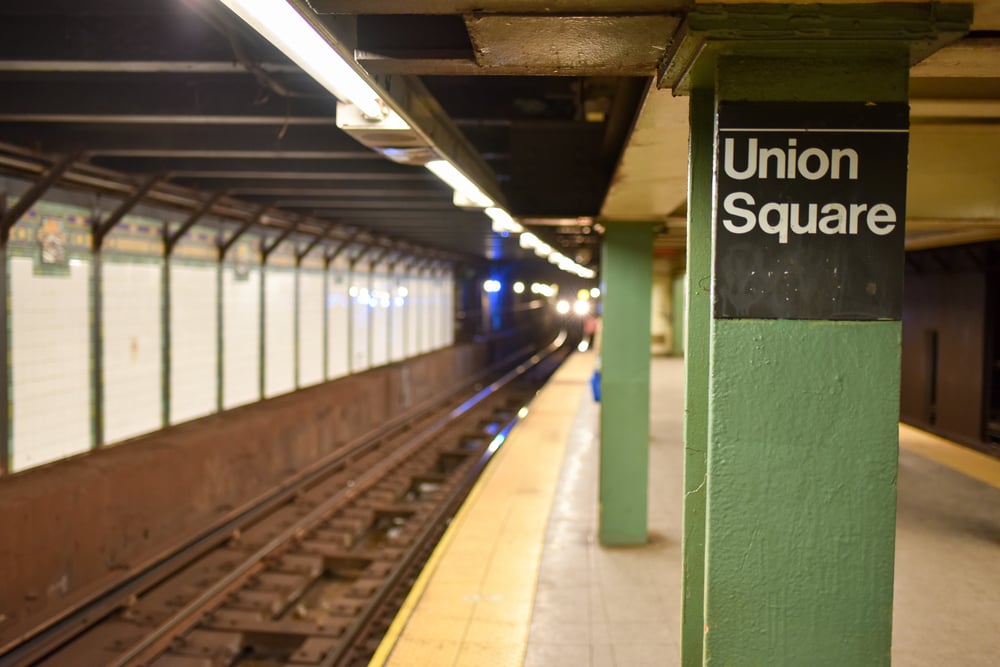
The modern street art movement burst to life in late 1960s New York, where kids from overlooked neighborhoods started tagging subway cars with elaborate signatures – what they called “pieces.” These rolling galleries crisscrossed the city daily, bringing splashes of color to every neighborhood regardless of economic status.
TAKI 183 and CORNBREAD didn’t know they were making history when they first picked up spray cans, yet their legacy inspired thousands to claim public spaces through art.
Muralism in Mexico

Though it predates what we now consider street art, Mexico’s Muralist movement of the 1920s laid crucial groundwork for public art with a purpose. Diego Rivera, José Clemente Orozco, and David Alfaro Siqueiros rejected galleries for public walls where their massive, narrative-rich works celebrated indigenous culture and revolutionary ideals.
These weren’t just pretty pictures – they were visual manifestos designed to reconnect everyday Mexicans with their history and inspire political consciousness.
Wildstyle
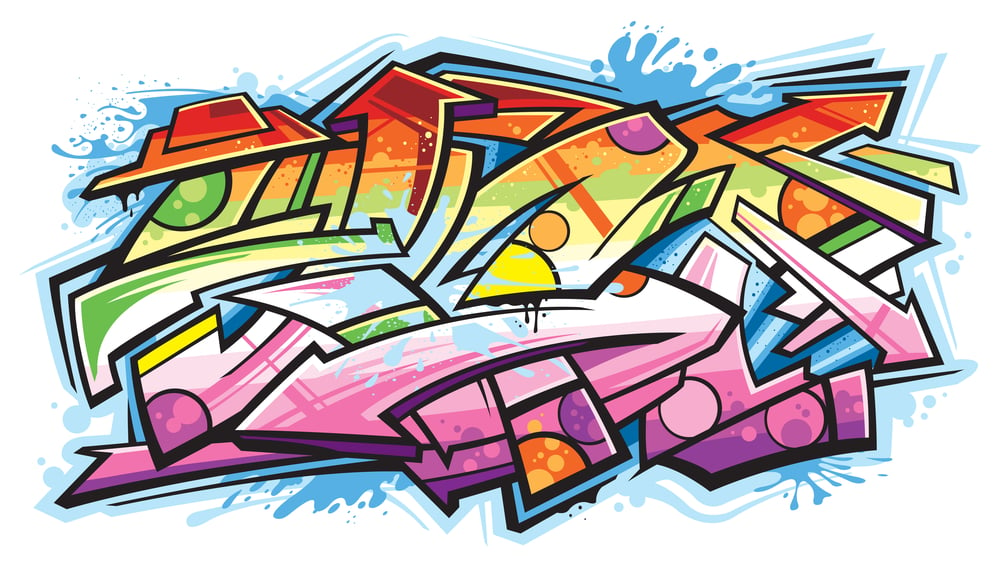
This dizzyingly complex graffiti style erupted from Philadelphia and New York in the late 1970s – characterized by interlocking letters, aggressive arrows, and embellishments that often rendered text illegible to outsiders. Wildstyle wasn’t just tagging; it represented graffiti’s evolution into a sophisticated visual language with its own rules and masters.
Artists like PHASE 2 and BLADE created mind-bending compositions that required serious technical chops, transforming what critics dismissed as vandalism into something museum directors couldn’t ignore.
Stencil Revolution
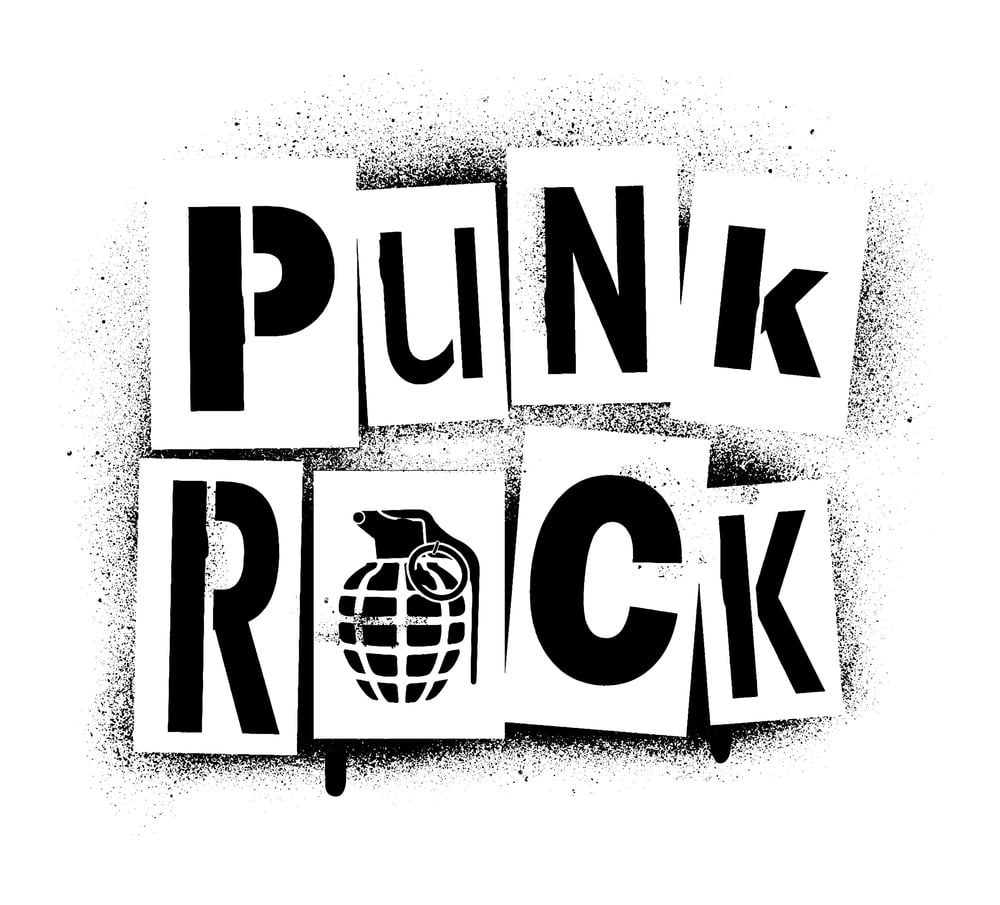
Early 1980s artists discovered that stencils allowed for quick replication of detailed images while minimizing exposure to police – a game-changer for street art tactics. Blek le Rat pioneered the technique in Paris with life-sized figures that commented on urban isolation, though it was Banksy who later brought stencil art global recognition.
The method democratized urban art, enabling creators with limited formal training to produce complex, consistent imagery that could appear and disappear like urban ghosts.
Culture Jamming
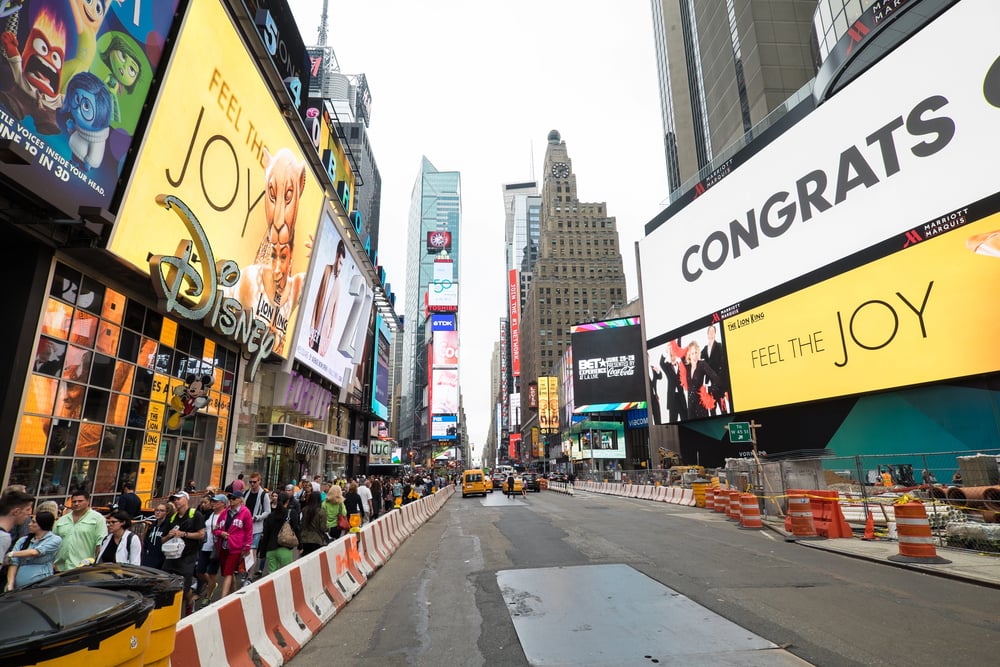
This subversive movement reclaimed commercial spaces by hijacking billboards and advertisements to expose and mock consumer culture’s underlying messages – corporate defense lawyers weren’t amused. Artists like Ron English and groups such as Adbusters modified familiar corporate imagery, forcing harried commuters to question the marketing landscape dominating their visual field.
Culture jammers didn’t just create art – they transformed passive consumption into moments of critical awakening, often through nothing more than clever modifications to existing ads.
Wheatpasting

Using little more than flour, water, and paper, wheatpaste artists create temporary installations addressing social issues that formal institutions often ignore – and they do it fast. This accessible technique enabled creators like Swoon and JR to bring elaborate portraiture and documentary-style imagery to unexpected urban corners.
Swoon’s intricate, life-sized portraits humanized forgotten spaces and people, while JR’s massive photographic installations turned anonymous faces into landmarks – challenging viewers to recognize humanity in those society pushes to the margins.
Pixação
São Paulo’s distinctive angular writing style emerged from Brazil’s stark socioeconomic divisions – it’s as much about where it appears as what it says. The runic-like letters scale the city’s tallest structures, with practitioners risking their lives to reach seemingly impossible heights.
Its aggressive aesthetic isn’t trying to be pretty – that’s the point; pixação represents raw resistance against crushing inequality, visually shouting from locations chosen specifically for their visibility to both the powerful and powerless.
Reverse Graffiti
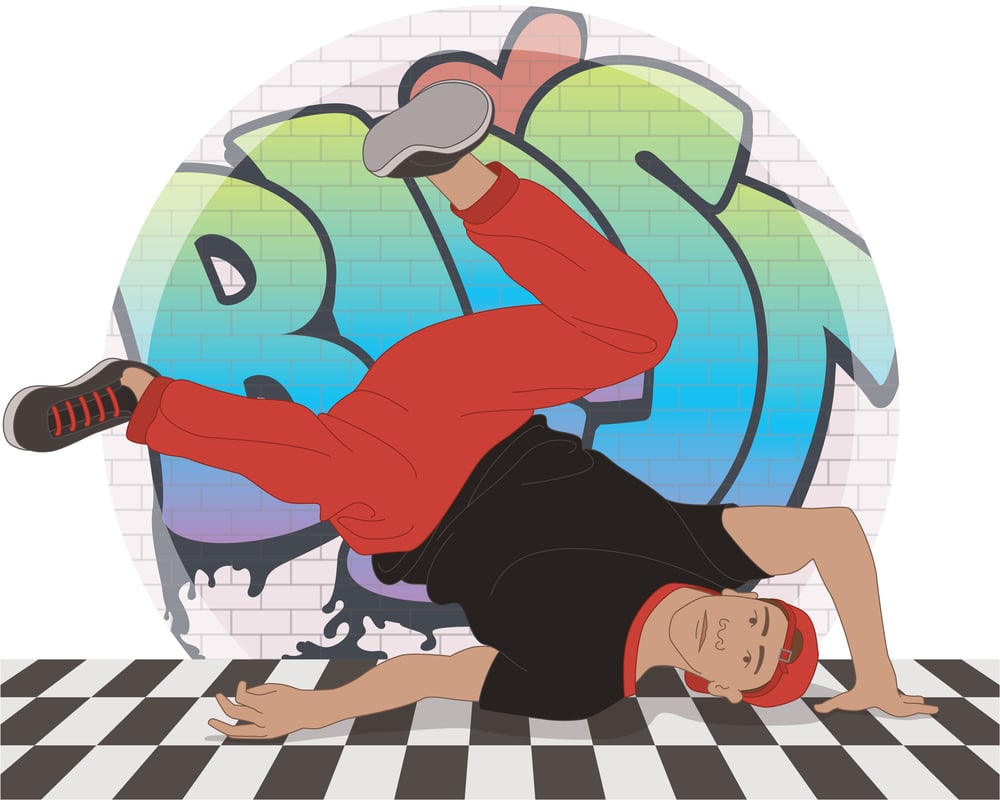
Environmental artist Moose Curtis turned traditional graffiti upside down by creating images through selectively cleaning dirty surfaces rather than adding paint – leaving authorities in the awkward position of defending grime. By power-washing through stencils or drawing with cleaning materials, these artists create works highlighting urban pollution levels.
The approach poses a fantastic legal paradox: how can cleaning something be considered vandalism, even when it creates an image?
Yarn Bombing
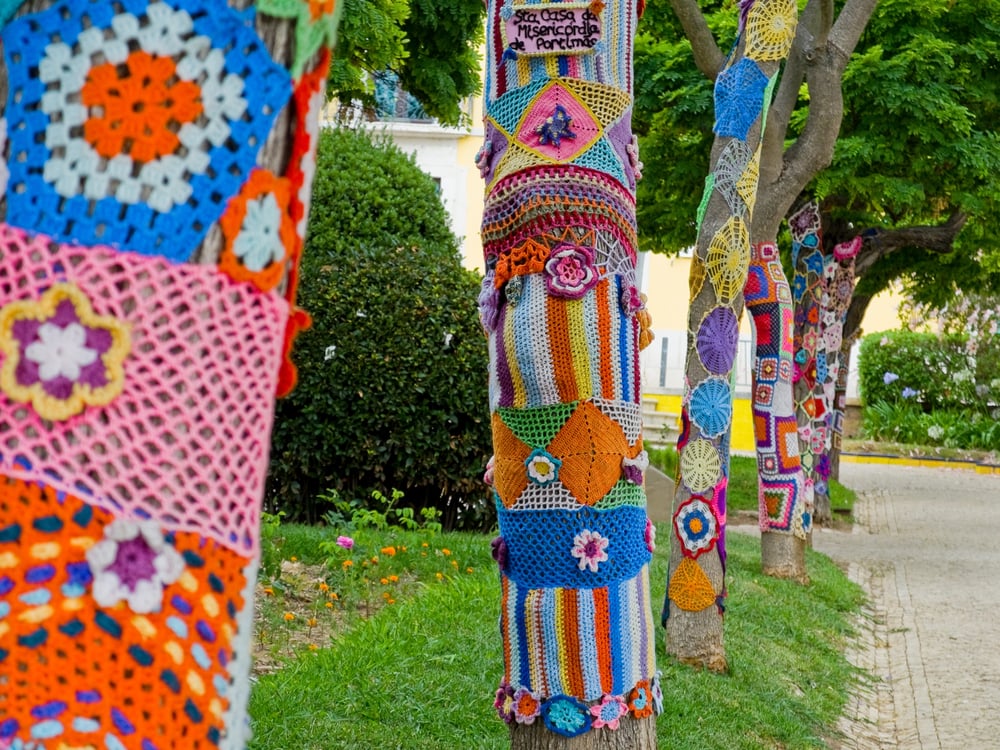
The textile revolution in street art began unexpectedly in 2005 when Magda Sayeg knitted a doorknob cozy for her Houston boutique – a small act that sparked a global movement. Soon artists worldwide were covering urban objects in vibrant yarn creations, softening harsh environments without causing permanent damage.
Yarn bombing challenged the masculine dominance of traditional graffiti, creating space for different techniques and practitioners while proving street art didn’t need to be aggressive or permanent to make an impact.
LED Throwies

A technological twist on traditional marking arrived when small LED lights combined with magnets and batteries created temporary light installations that could transform any metal surface into a canvas. Developed by Graffiti Research Lab in 2006, these low-cost devices democratized light art and introduced tech components to street expression.
Their temporary nature – lasting only until batteries died – perfectly represented street art’s inherently ephemeral quality, while sidestepping many of the property concerns associated with paint.
Projection Bombing

Digital projections enable artists to create massive temporary works on building facades without leaving a trace behind—perfect for politically charged messages in heavily policed areas. Collectives like The Illuminator and artists such as Krzysztof Wodiczko transform architecture into canvases for powerful social commentary that disappears without a trace.
During political movements like Occupy Wall Street, these light-based interventions became crucial communication tools, allowing activists to temporarily claim significant buildings without risking vandalism charges.
Moss Graffiti
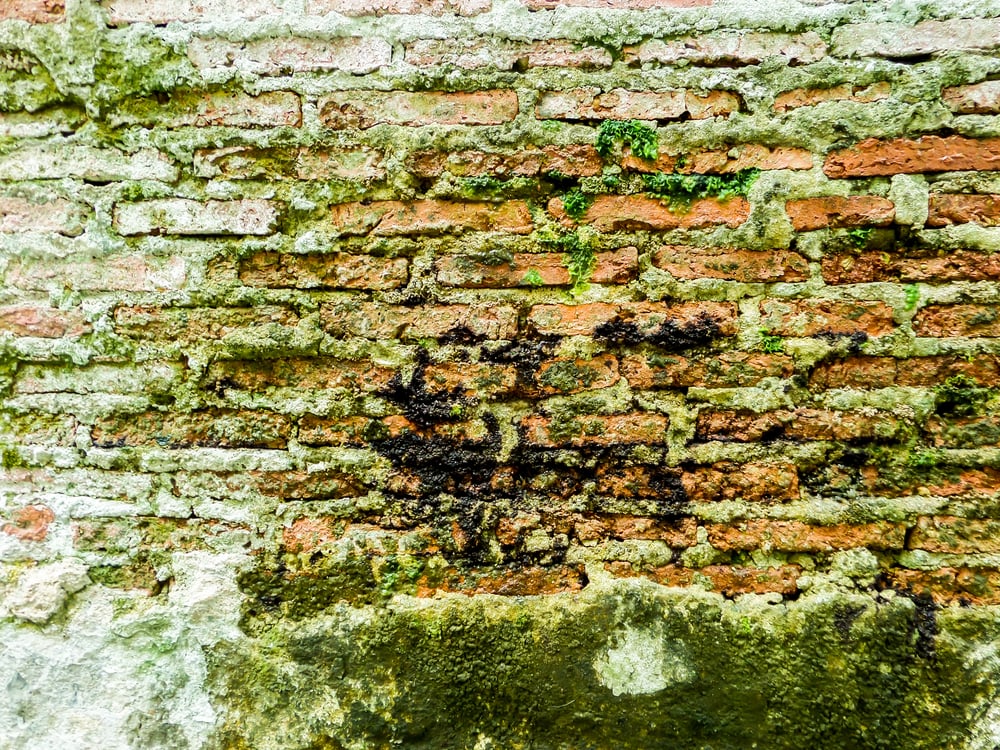
Environmentally conscious artists developed this technique using living moss to create verdant designs on urban surfaces—blending artistic expression with ecological awareness. By mixing moss with buttermilk or yogurt, creators produce a paintable paste that eventually grows into living artwork.
As climate concerns intensify, this biodegradable approach offers thoughtful commentary on urban development while adding rare touches of nature to concrete landscapes.
Tape Art

Colorful adhesive tapes enable artists to create precise geometric patterns and images on urban surfaces with a level of detail spray paint can’t match. Pioneered by artists including El Tono and Buff Diss, tape art offers clean lines and vibrant colors that transform mundane spaces into mathematical symphonies.
Its temporary nature allows installation in locations typically off-limits to traditional street art, expanding potential canvases while emphasizing the beautiful impermanence central to street art philosophy.
Augmented Reality Street Art
The newest frontier merges physical street paintings with digital technology, creating multi-dimensional experiences activated through smartphone screens. Artists like INSA design “GIF-iti”—murals photographed in sequential stages and assembled into animated images that come alive digitally.
Others embed QR codes or develop specialized apps that transform static murals through augmented reality, ensuring street art’s continued relevance in an increasingly virtual world.
The Writing on the Wall
Street art continues evolving as creators respond to changing social conditions, technological possibilities, and urban challenges. From simple tags to complex digital interactions, these movements demonstrate art’s power to reclaim public space for meaningful discourse.
Looking at these fourteen approaches reveals something fundamental about human creativity—we’ll always find ways to make ourselves seen and heard, using whatever tools and spaces are available. The most compelling street art doesn’t just decorate environments; it transforms our relationship with the places we move through daily, turning ordinary corners into extraordinary conversations.
More from Go2Tutors!

- The Romanov Crown Jewels and Their Tragic Fate
- 13 Historical Mysteries That Science Still Can’t Solve
- Famous Hoaxes That Fooled the World for Years
- 15 Child Stars with Tragic Adult Lives
- 16 Famous Jewelry Pieces in History
Like Go2Tutors’s content? Follow us on MSN.