16 Recycling Processes Nature Perfected Long Ago
Nature operates like the ultimate recycling facility, running 24/7 without generating waste or depleting resources. Every element gets reused, repurposed, and transformed in an endless cycle that’s been perfecting itself for billions of years.
While humans are just starting to figure out sustainable practices, the natural world has been the master of zero-waste living since day one. From decomposing leaves to migrating nutrients across ecosystems, nature’s recycling systems work with an efficiency that puts our best technology to shame.
Here is a list of 16 recycling processes that showcase how the natural world turns waste into resources with remarkable precision.
Water Cycle
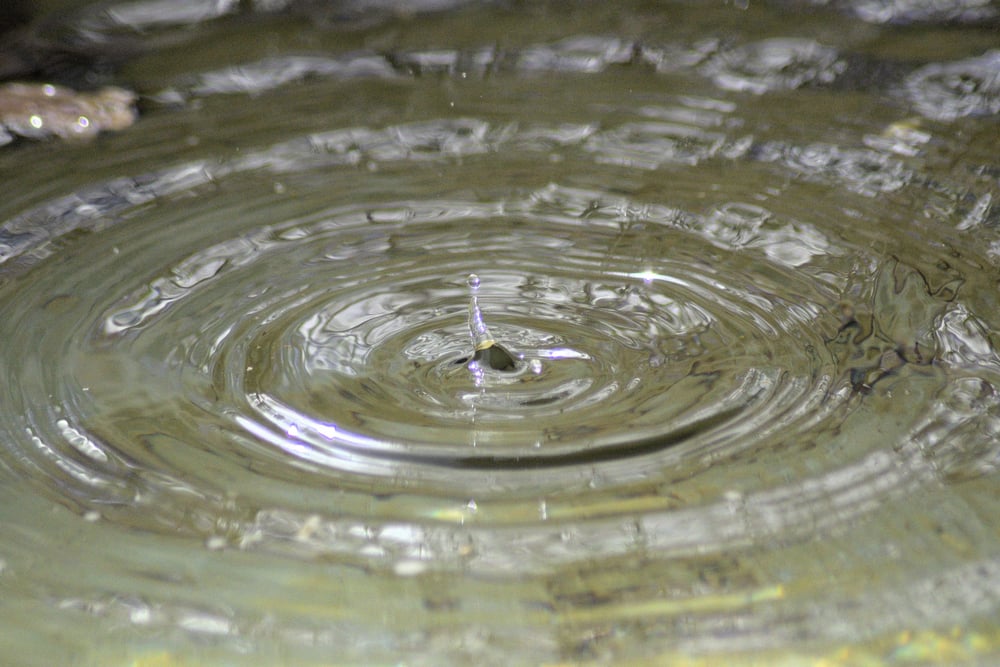
Water never really disappears—it just changes addresses constantly. When rain falls, some soaks into the ground to recharge underground reserves, some flows into rivers and streams, and some gets absorbed by plants.
The sun then pulls water back up through evaporation from oceans, lakes, and rivers, plus transpiration from plant leaves. This creates clouds that eventually release the water again as precipitation.
The same water molecules have been cycling through this system for millions of years, moving from clouds to oceans to ice caps to your morning coffee and back again.
Carbon Cycle
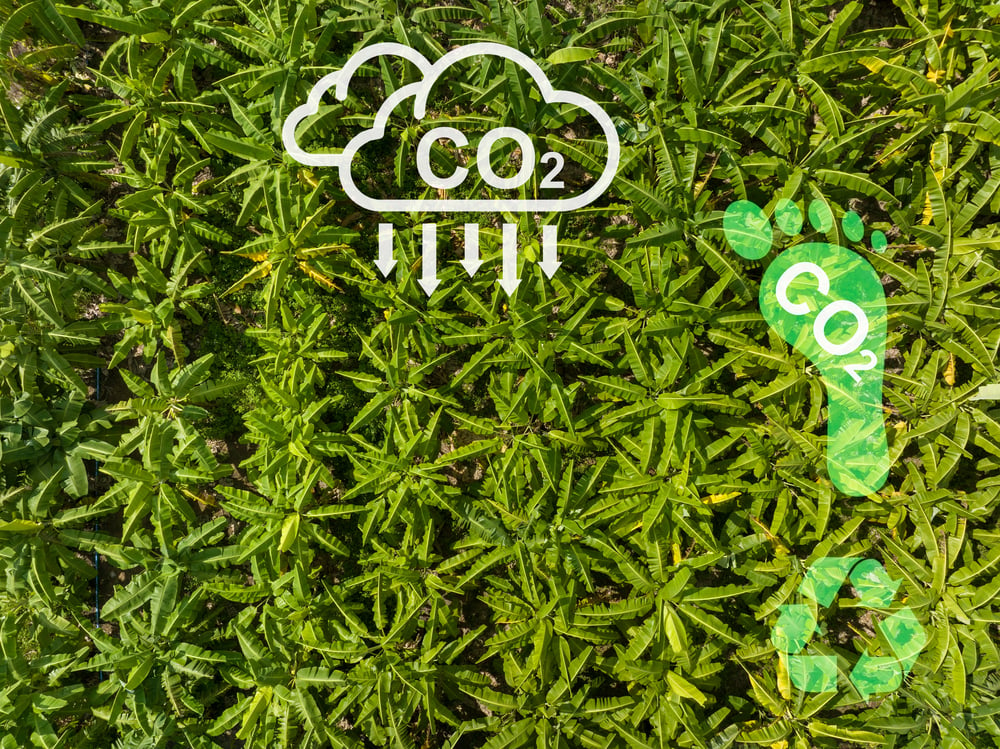
Carbon atoms are like currency in nature’s economy, constantly changing hands between living and non-living systems. Plants grab carbon dioxide from the air during photosynthesis and lock it into their tissues. When animals eat plants, that carbon becomes part of their bodies.
Eventually, through respiration, decomposition, or combustion, the carbon returns to the atmosphere as CO2. Ocean waters also absorb and release massive amounts of carbon, while geological processes slowly cycle carbon through rocks and sediments over thousands of years.
Like Go2Tutors’s content? Follow us on MSN.
Nitrogen Cycle
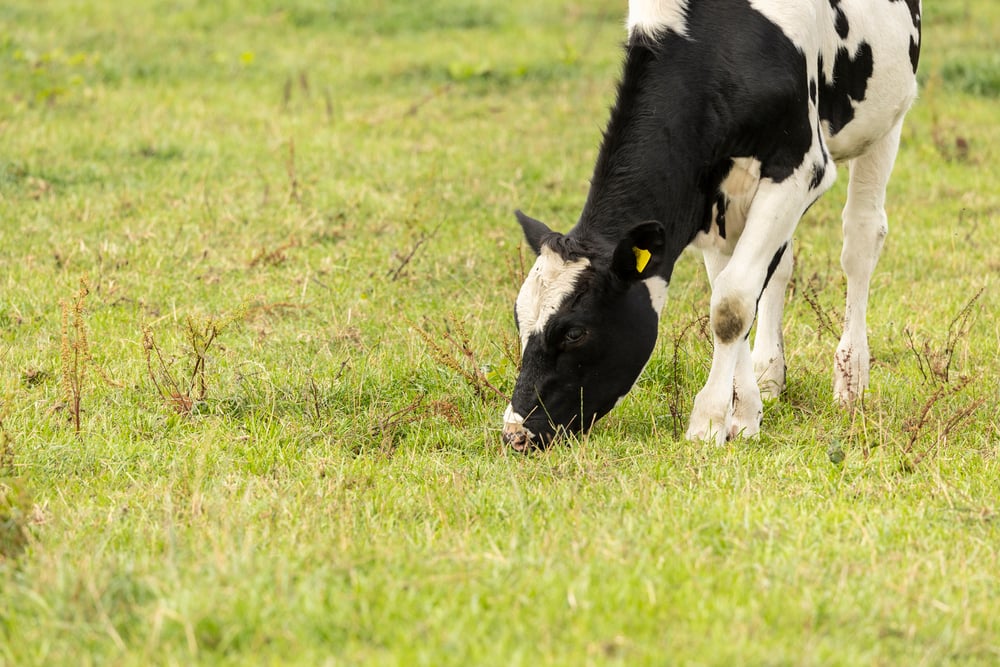
Nitrogen makes up about 78% of our atmosphere, but most living things can’t use it in that form—it’s like having money you can’t spend. Specialized bacteria act as nature’s currency exchange, converting atmospheric nitrogen into forms that plants can actually absorb through their roots.
Plants incorporate this nitrogen into proteins and other essential compounds. When organisms die or produce waste, decomposer bacteria break down these nitrogen compounds and eventually release some nitrogen back to the atmosphere, completing the cycle.
Phosphorus Cycle
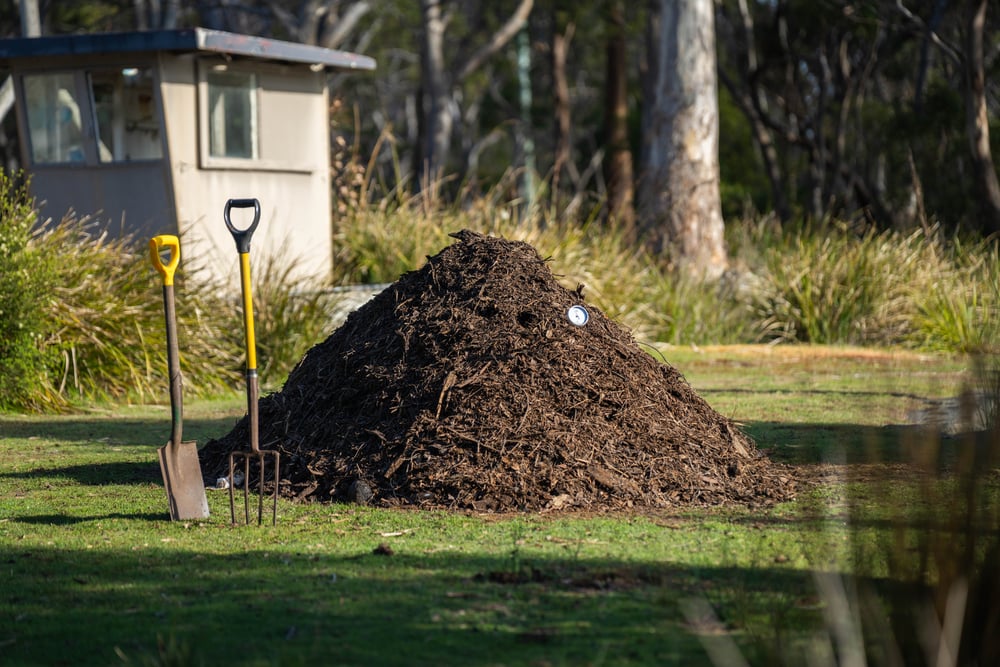
Unlike other major nutrients, phosphorus doesn’t have a gaseous phase, so it cycles more slowly through ecosystems via a rocky, sedimentary route. Weathering gradually releases phosphorus from rocks and minerals into soil and water systems.
Plants absorb these phosphorus compounds through their roots, and the element moves up the food chain as animals eat plants and each other. When organisms die, decomposition returns phosphorus to the soil, though some gets washed into oceans where it may remain locked in sediments for millions of years before geological processes bring it back to land.
Leaf Litter Decomposition
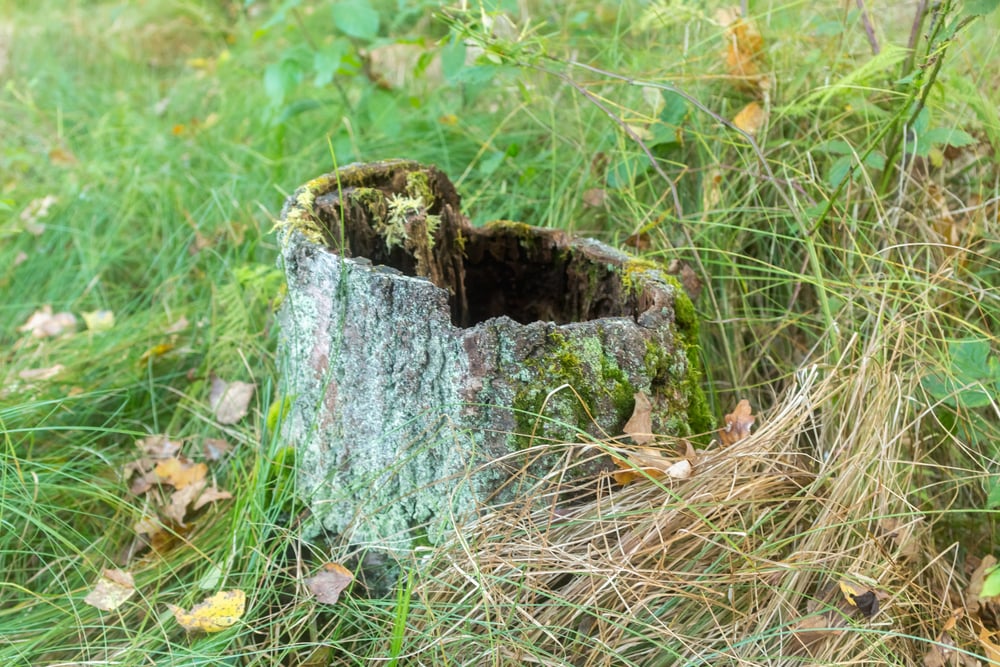
Forest floors operate like nature’s composting system, breaking down fallen leaves, branches, and other organic matter into rich soil nutrients. Bacteria, fungi, insects, and worms work together as a decomposition crew, each playing a specific role in breaking down complex organic compounds.
Fungi excel at breaking down tough materials like wood and cellulose, while bacteria handle simpler compounds. This process releases nutrients back into the soil where tree roots can reabsorb them, creating a direct recycling loop that keeps forests thriving without any external fertilizer input.
Like Go2Tutors’s content? Follow us on MSN.
Ocean Nutrient Upwelling
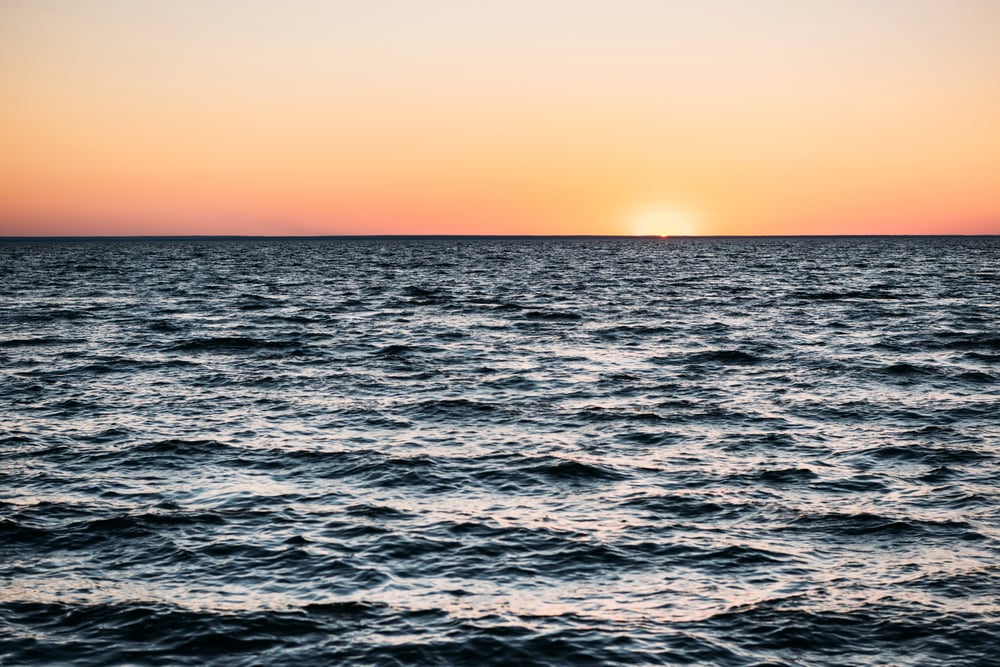
Deep ocean waters act like nutrient storage tanks, accumulating minerals and organic compounds that sink from surface waters. Ocean currents and wind patterns create upwelling zones where these nutrient-rich deep waters rise to the surface, bringing essential elements like nitrogen, phosphorus, and trace minerals back to sunlit waters where marine plants can use them.
This process supports some of the world’s most productive fishing areas, as the recycled nutrients fuel massive blooms of phytoplankton that form the base of marine food chains.
Salmon Nutrient Transport
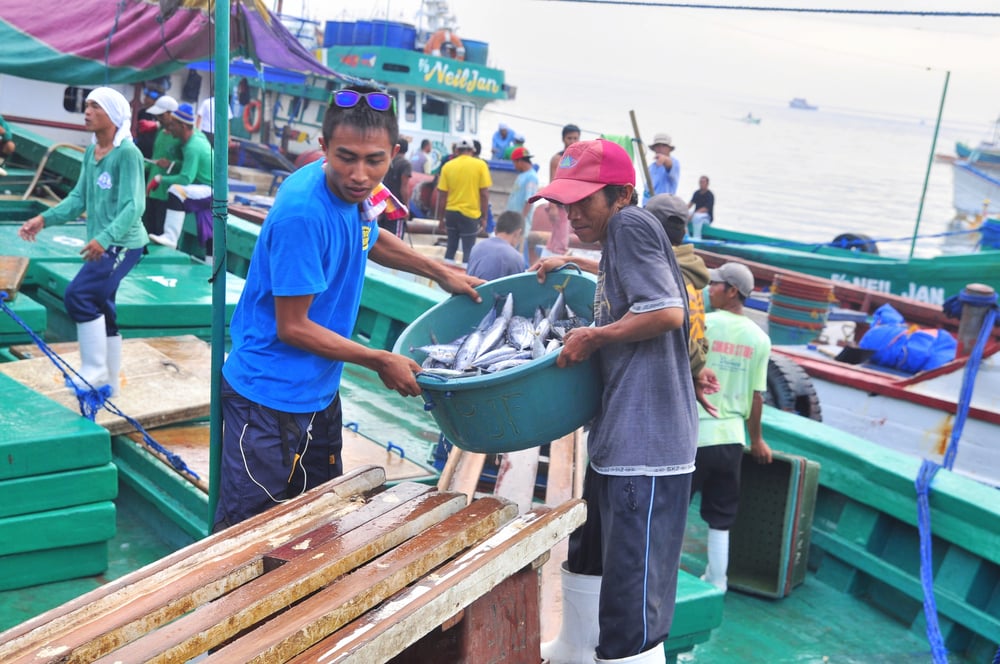
Salmon perform one of nature’s most impressive long-distance recycling operations by carrying ocean nutrients hundreds of miles inland. These fish spend most of their adult lives feeding in the nutrient-rich ocean, accumulating marine-derived elements in their bodies.
When they return to freshwater streams to reproduce, they bring these ocean nutrients with them. After spawning and dying, their decomposing bodies release nitrogen, phosphorus, and other marine nutrients into freshwater and terrestrial ecosystems that would otherwise be nutrient-poor.
Bears, birds, and other animals spread these nutrients even further when they drag salmon carcasses into the surrounding forest.
Symbiotic Nitrogen Fixation
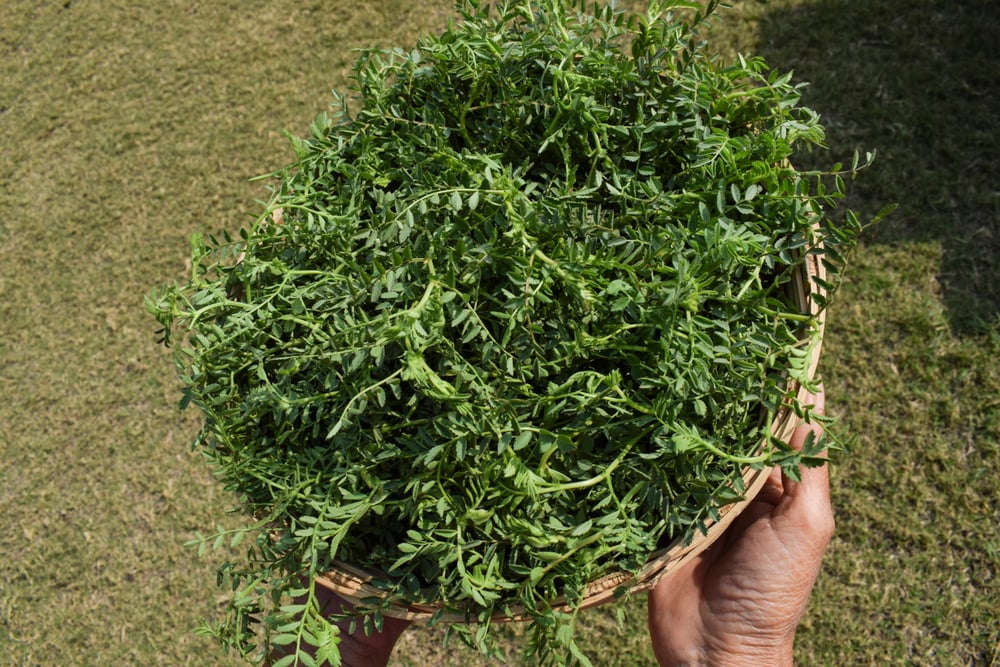
Legume plants like beans, peas, and clover have struck up one of nature’s best partnerships with nitrogen-fixing bacteria. These bacteria live in special nodules on the plant roots, where they convert atmospheric nitrogen into ammonia that the plant can use to build proteins.
In return, the plant provides the bacteria with carbohydrates from photosynthesis. When the plant dies or its roots decompose, the fixed nitrogen becomes available to other plants in the soil, essentially providing free fertilizer to the entire plant community.
Like Go2Tutors’s content? Follow us on MSN.
Mycorrhizal Networks
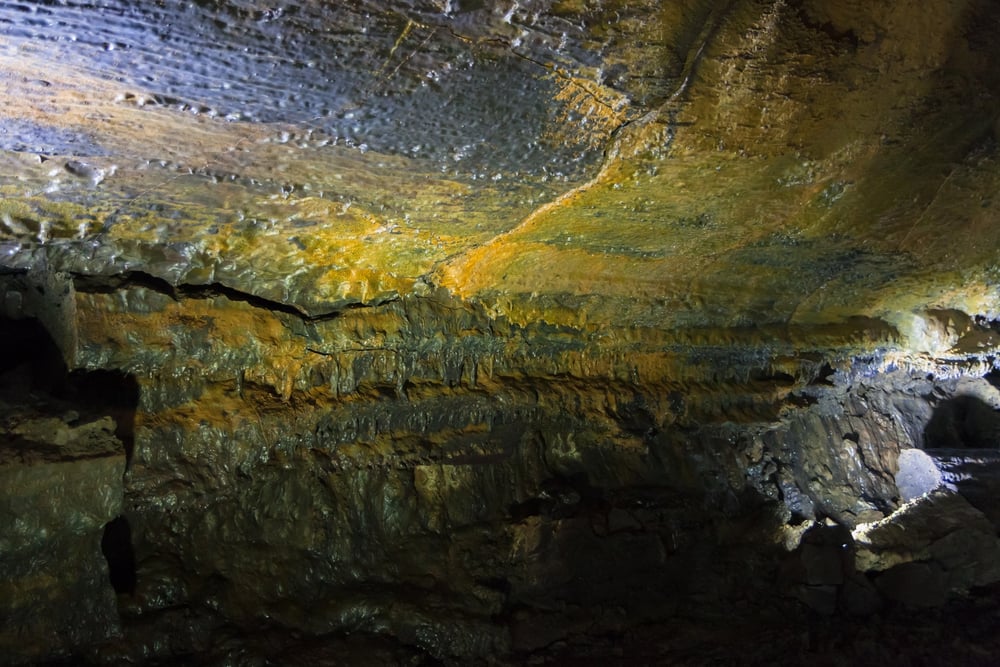
Underground fungal networks create what scientists call the ‘wood wide web’—a communication and resource-sharing system that connects forest plants. These mycorrhizal fungi extend plant root systems by orders of magnitude, accessing nutrients and water that roots alone couldn’t reach.
The fungi trade these resources with plants in exchange for carbon compounds from photosynthesis. This network allows plants to share resources, with well-established trees supporting younger ones and different species trading nutrients based on their seasonal needs and surpluses.
Tidal Pool Recycling

Tidal pools operate as miniature recycling centers that reset twice daily with the tides. When high tide brings in fresh seawater, it delivers nutrients, oxygen, and small organisms while washing away waste products.
During low tide, the concentrated pool environment intensifies biological processes as organisms consume available resources and produce waste in the trapped water. This twice-daily flush-and-concentrate cycle creates an efficient system where nothing goes to waste and nutrients get constantly recycled between marine and terrestrial environments.
Scavenger Food Webs
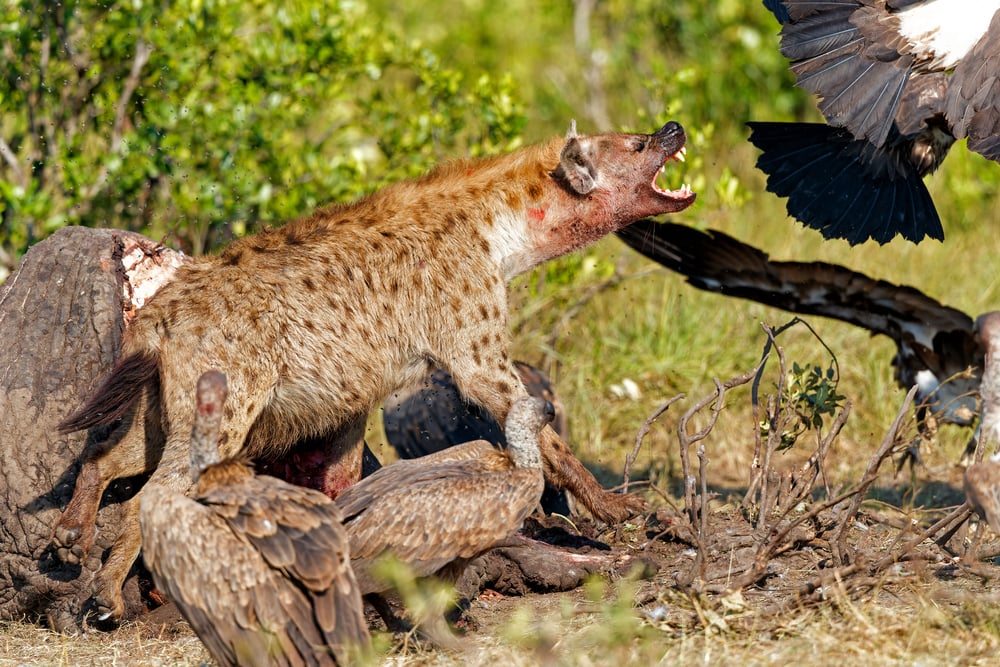
Nature’s cleanup crew includes everything from vultures and hyenas to beetles and bacteria, each specializing in different stages of decomposition. Large scavengers like vultures strip meat from carcasses, while smaller animals like carrion beetles handle the remaining soft tissues.
Fly larvae consume liquids and small particles, and finally bacteria and fungi break down the last organic compounds. This systematic approach ensures that dead animals get completely recycled back into the ecosystem, with different nutrients becoming available at each stage of decomposition.
Like Go2Tutors’s content? Follow us on MSN.
Soil Microorganism Cycling
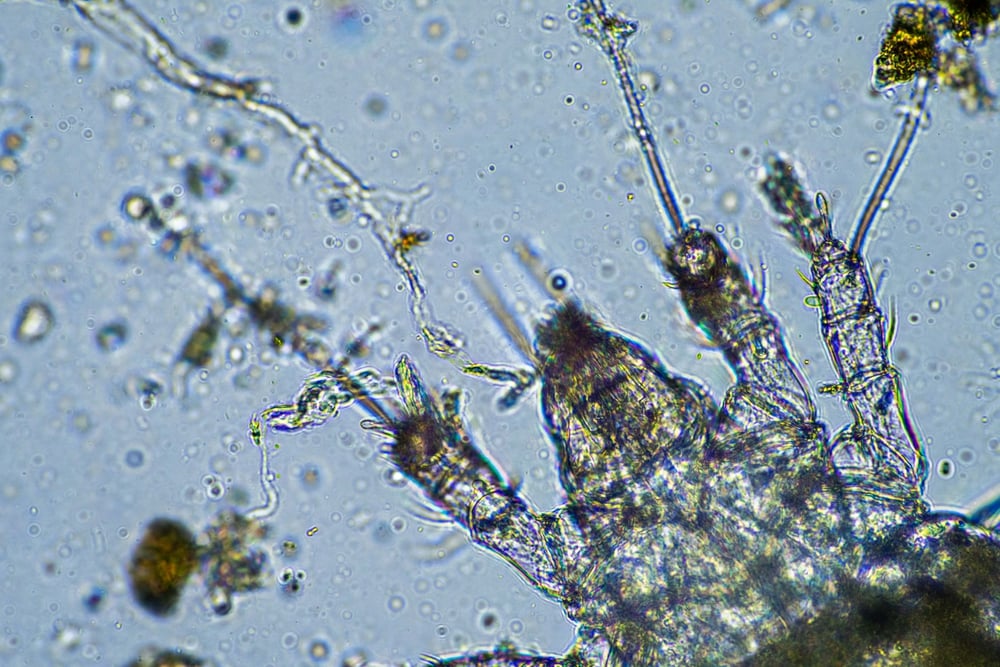
Soil contains more living organisms per gram than there are people on Earth, and these microscopic creatures run incredibly efficient recycling operations. Bacteria specialize in breaking down different organic compounds, while fungi excel at decomposing tough materials like cellulose and lignin.
Protozoa consume bacteria and release nutrients in plant-available forms. These microorganisms work together to constantly process organic matter, cycling nutrients between living and dead organic material and maintaining soil fertility without any external inputs.
Insect Decomposer Networks
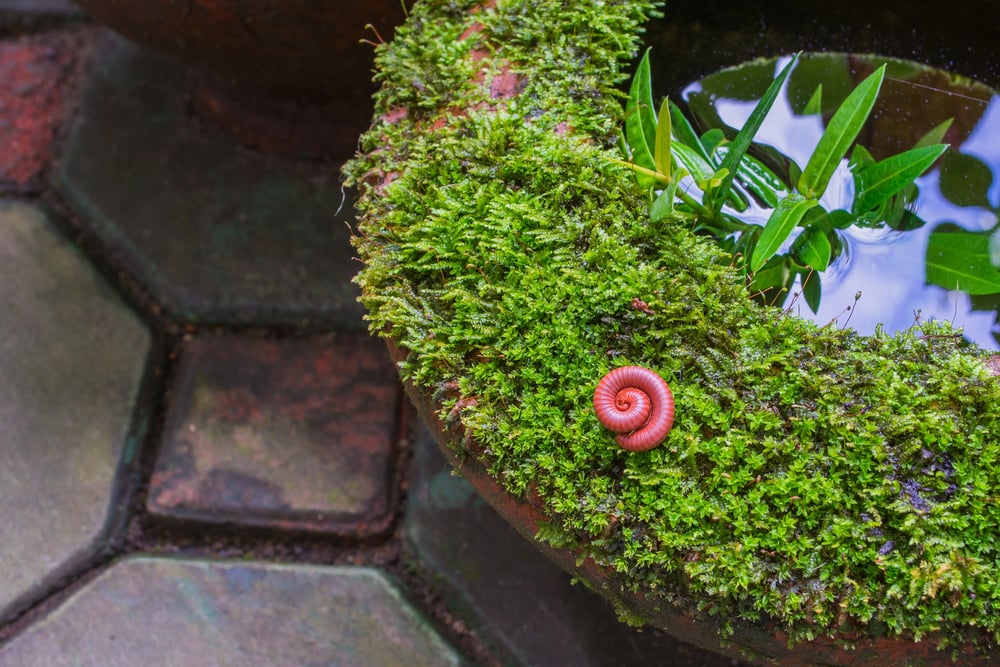
Insects have evolved specialized roles in breaking down organic matter, creating efficient assembly lines for decomposition. Carrion flies arrive first at dead animals, laying eggs that hatch into larvae specialized for consuming soft tissues.
Dermestid beetles come later to clean bones and dried skin. Different species of ants, termites, and other insects handle various plant materials, each adapted to process specific types of organic compounds.
This specialization ensures that virtually all organic matter gets broken down and recycled, with different insects handling different chemical compounds and decomposition stages.
Wetland Filtration Systems
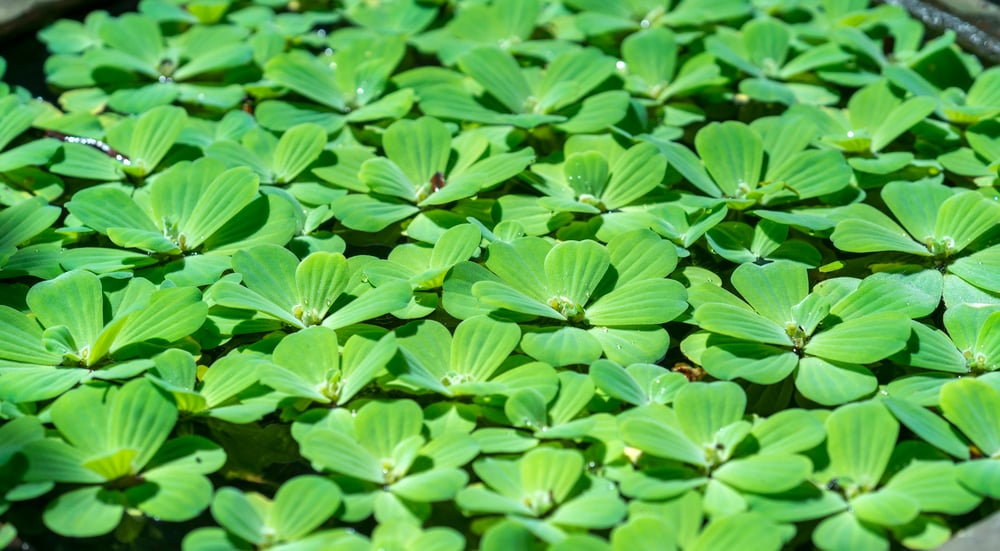
Wetlands function as nature’s water treatment plants, using plants, bacteria, and physical processes to clean and recycle water. Wetland plants absorb excess nutrients like nitrogen and phosphorus that would otherwise cause problems downstream.
Their root systems provide surfaces for beneficial bacteria that break down pollutants and harmful compounds. Sediments settle out of slow-moving water, while chemical processes neutralize acids and other contaminants.
The cleaned water then flows into rivers, lakes, or groundwater systems, while the captured nutrients support wetland plant growth.
Like Go2Tutors’s content? Follow us on MSN.
Coral Reef Nutrient Cycling
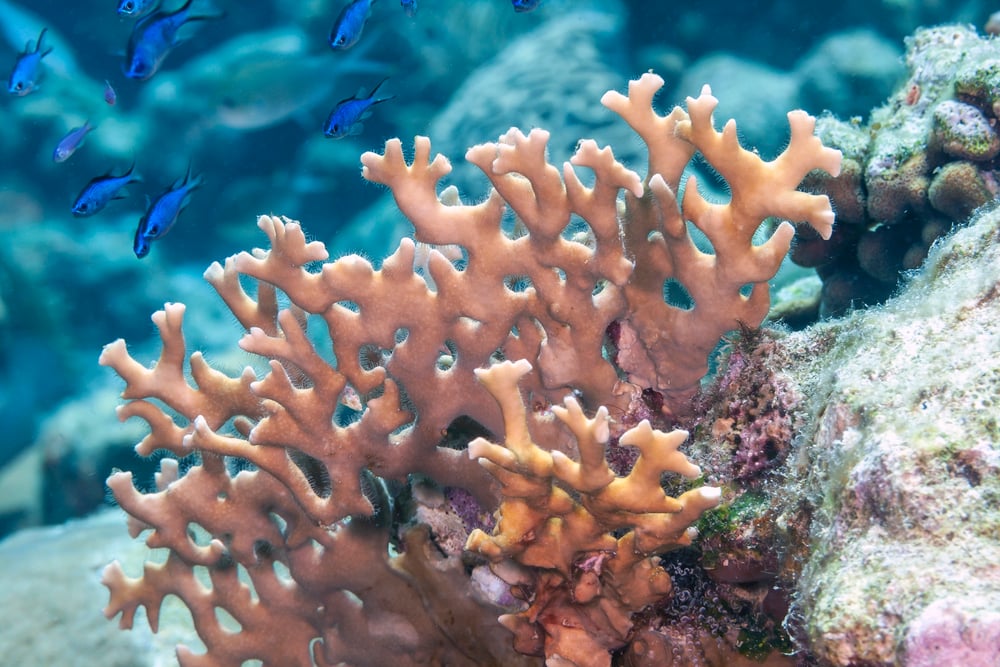
Coral reefs thrive in nutrient-poor tropical waters by operating incredibly tight recycling systems that capture and reuse nearly every available nutrient. Coral polyps have symbiotic algae living in their tissues that perform photosynthesis and share the products with their hosts.
Fish waste provides essential nutrients that corals and algae quickly absorb. Specialized bacteria break down organic matter and convert nutrients into forms that corals can use.
This efficient recycling allows coral reefs to support enormous biodiversity in what would otherwise be biological deserts.
Predator-Prey Population Cycling

Predator and prey populations naturally regulate each other through a cycle that prevents overexploitation of resources. When prey becomes abundant, predator populations grow in response to the increased food supply.
As predator numbers increase, they reduce prey populations through increased hunting pressure. With fewer prey available, predator populations decline due to food scarcity, which allows prey populations to recover.
This creates oscillating cycles that maintain ecological balance and prevent any single species from completely depleting shared resources.
Seasonal Migration Nutrient Redistribution
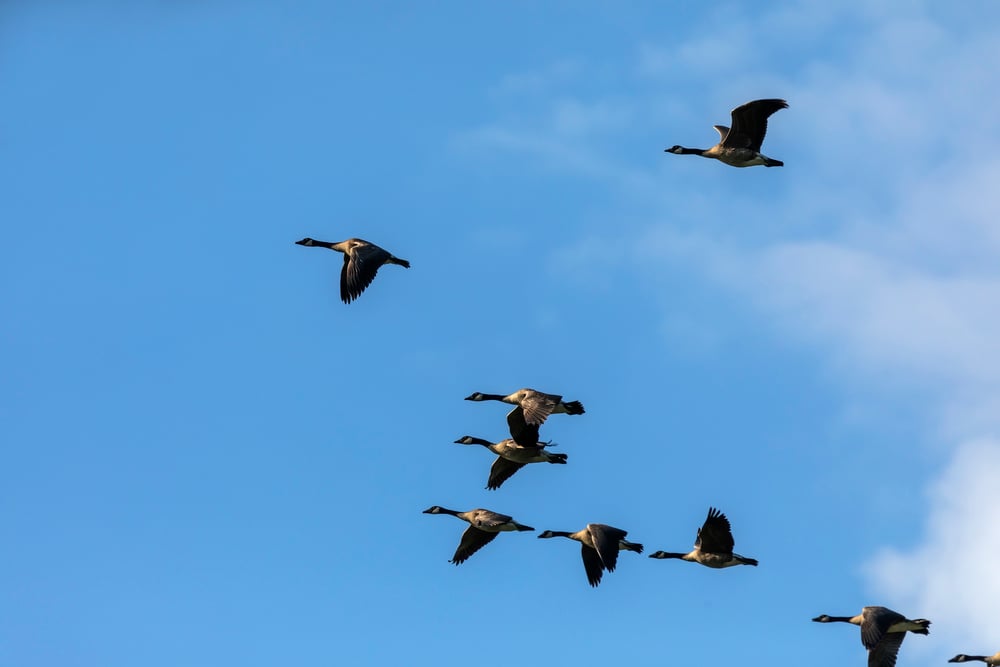
Migratory animals create massive nutrient redistribution networks that cycle resources across continents and between ecosystems. Birds that feed in nutrient-rich coastal areas carry those nutrients inland when they migrate, depositing them through waste in forests and grasslands hundreds or thousands of miles away.
Migrating mammals like caribou similarly transport nutrients across landscapes, while their seasonal movements prevent overgrazing in any single area. Even insects like monarch butterflies contribute to this process, moving nutrients from their northern breeding grounds to southern overwintering sites and back.
Like Go2Tutors’s content? Follow us on MSN.
The Endless Loop of Renewal
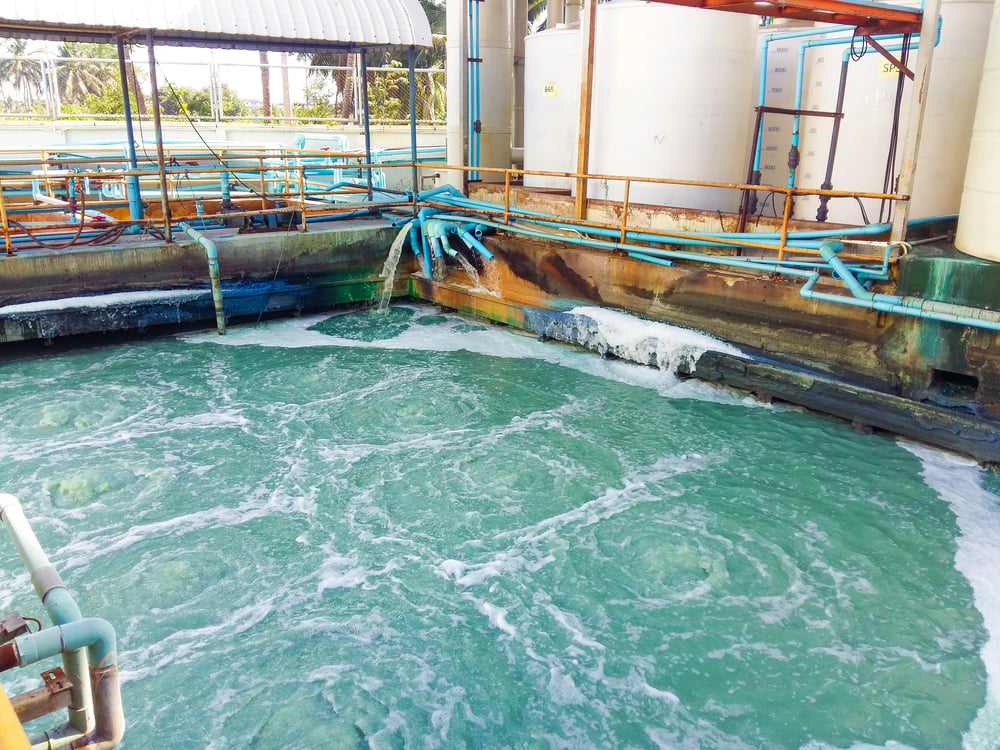
These natural recycling systems reveal something remarkable about how Earth maintains itself—nothing truly gets wasted when you’re working with cycles that span millions of years. While human recycling efforts focus on specific materials like plastic and aluminum, nature recycles everything simultaneously through interconnected processes that support life at every level.
Understanding these systems better could help us design human communities that work more like natural ecosystems, where waste from one process becomes fuel for another, creating sustainable loops that keep going indefinitely.
More from Go2Tutors!

- 16 Restaurant Chains That Went Too Fast
- 12 Things Sold in the 80s That Are Now Illegal
- 15 Strange Things People Have Tried to Ban (And Failed)
- 16 Collectibles People Tossed Out Too Soon
- 17 Myths from Your Childhood That Were Actually Based on Real Things
Like Go2Tutors’s content? Follow us on MSN.