18 Cities That Changed Their Names and Why
You know how people sometimes reinvent themselves after major life changes? Cities do the same thing. Political upheavals, independence movements, cultural awakenings—these moments often trigger a complete identity overhaul, starting with the name on the city limits sign. Some changes happen gradually over decades. Others get imposed overnight by new governments.
The reasons behind these transformations reveal fascinating stories about power, pride, and the very human need to control how we’re remembered. Here is a list of 18 cities that threw out their old names and started fresh.
Istanbul
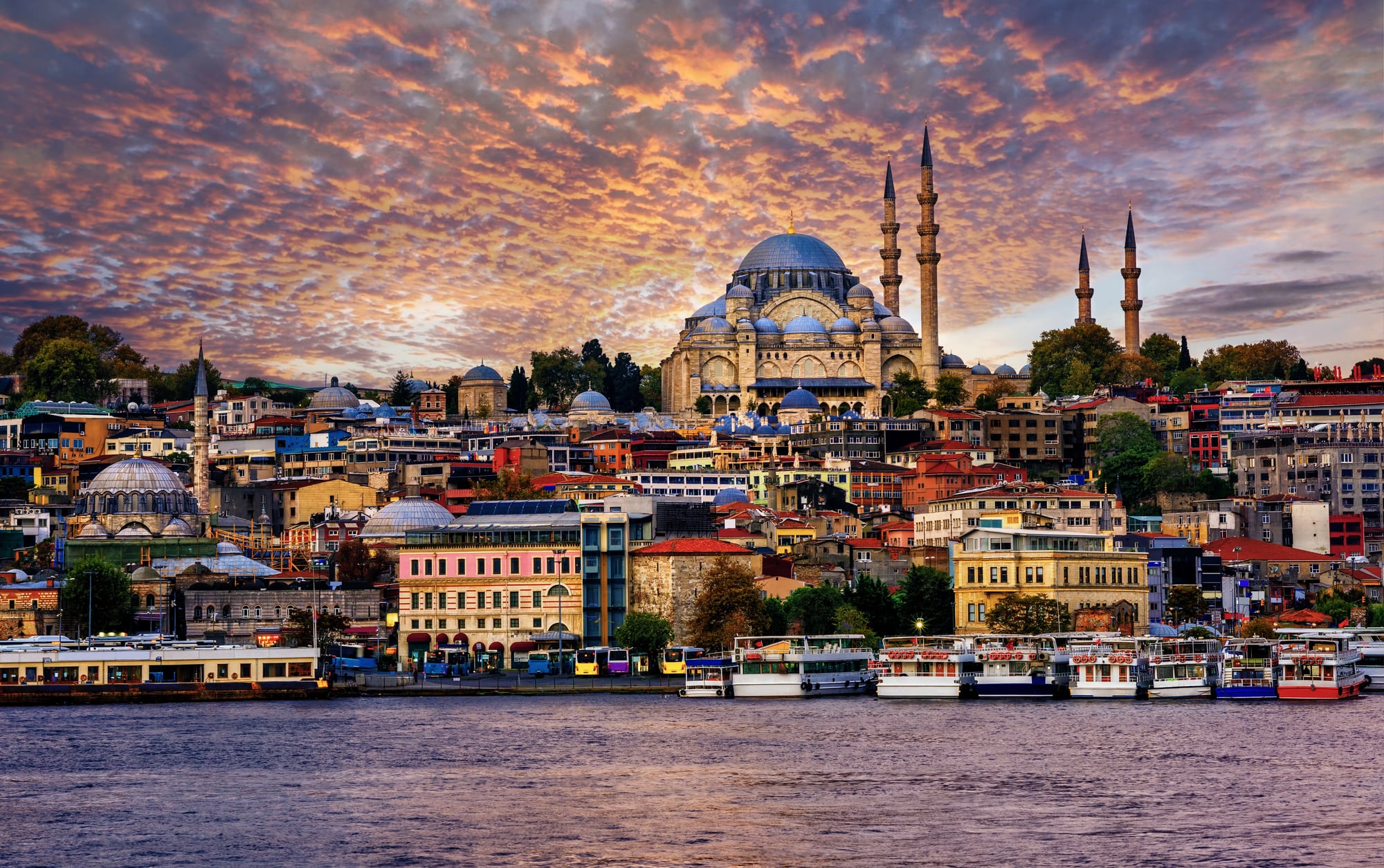
Turkey’s government wasn’t messing around in 1930. Out went Constantinople—too much baggage from the Byzantine and Ottoman eras.
The funny thing? Locals had been calling it Istanbul for ages anyway. The name comes from a Greek phrase meaning “to the city,” which is what people said when they were heading there.
Atatürk’s crew just made it official while they were busy modernizing everything else about Turkey.
St. Petersburg
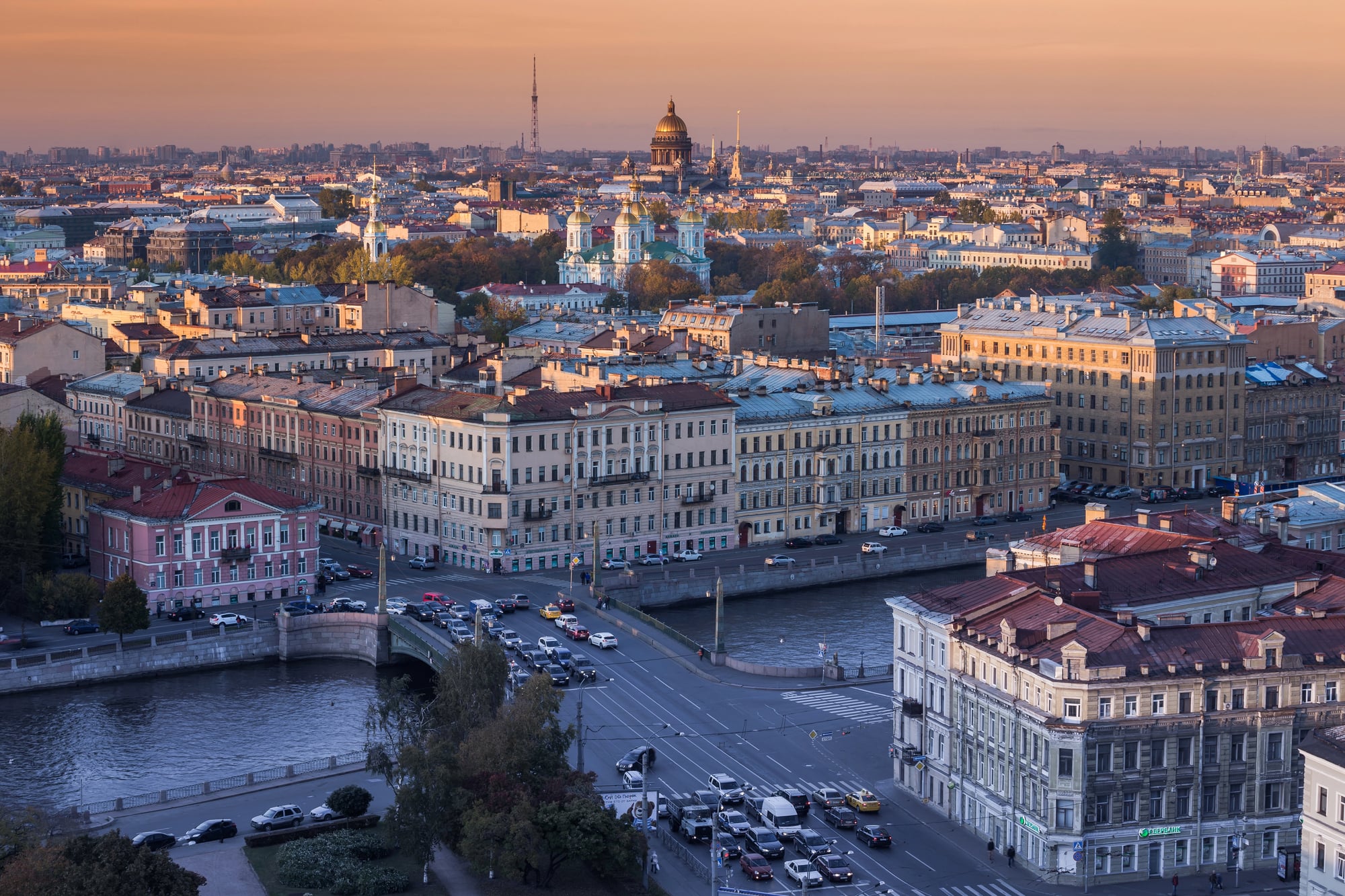
This place has been through more name changes than a witness protection program. Started as St. Petersburg in 1703 under Peter the Great.
World War I made German-sounding names unpopular, so it became Petrograd in 1914. Lenin’s death in 1924 brought another switch to Leningrad.
Then the Soviet Union crumbled, residents voted, and boom—back to St. Petersburg in 1991. Full circle after nearly a century of political chaos.
Like Go2Tutors’s content? Follow us on MSN.
Mumbai
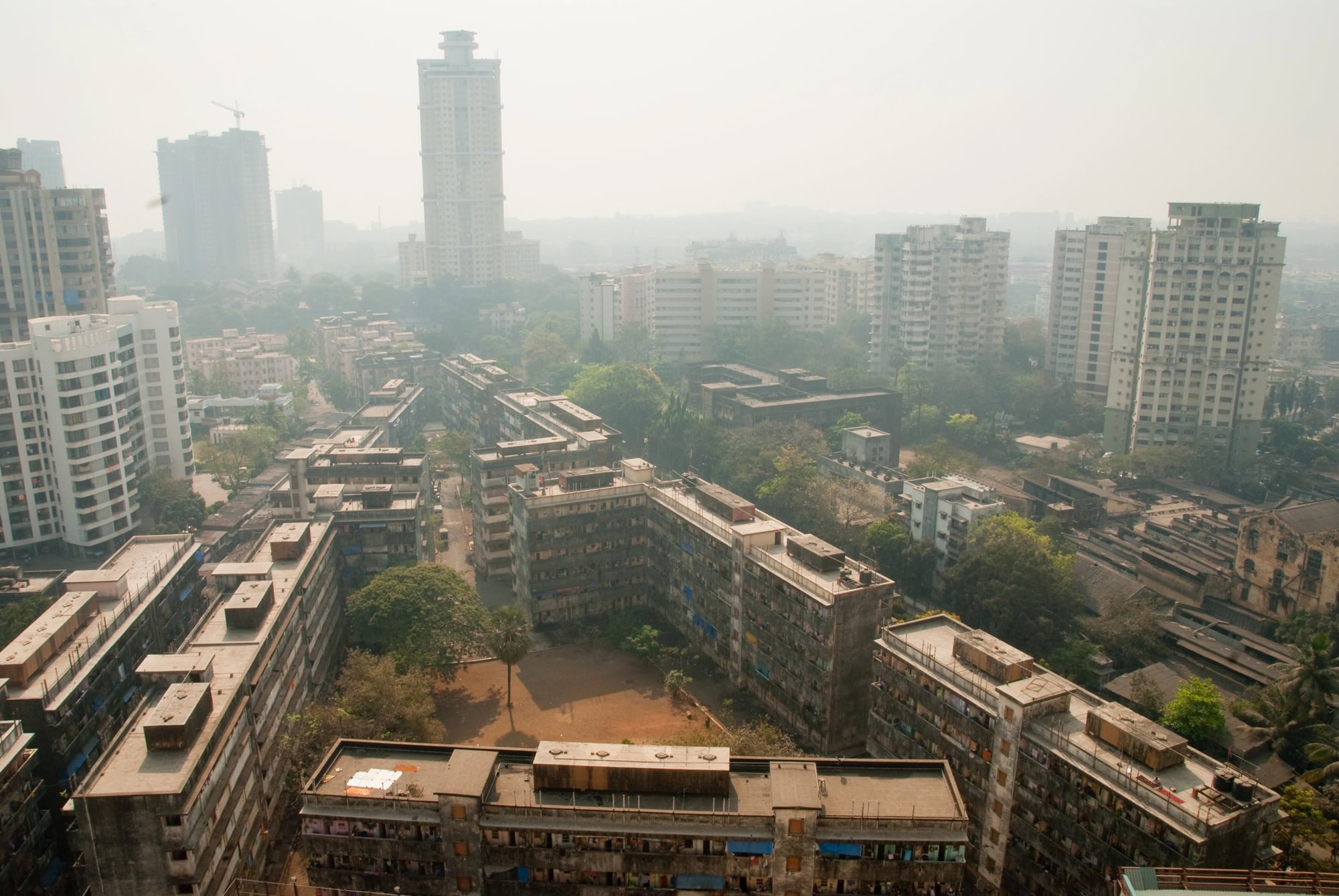
Shiv Sena politicians pushed hard for this one in 1995. They wanted to honor the Hindu goddess Mumbadevi and ditch anything connected to Portuguese colonialism.
Bombay came from “Bom Bahia”—Portuguese for “good bay”—which the British later mangled into their preferred version. The switch caused major arguments.
Older folks loved their familiar Bombay while younger generations embraced Mumbai as authentic cultural reclamation.
Ho Chi Minh City
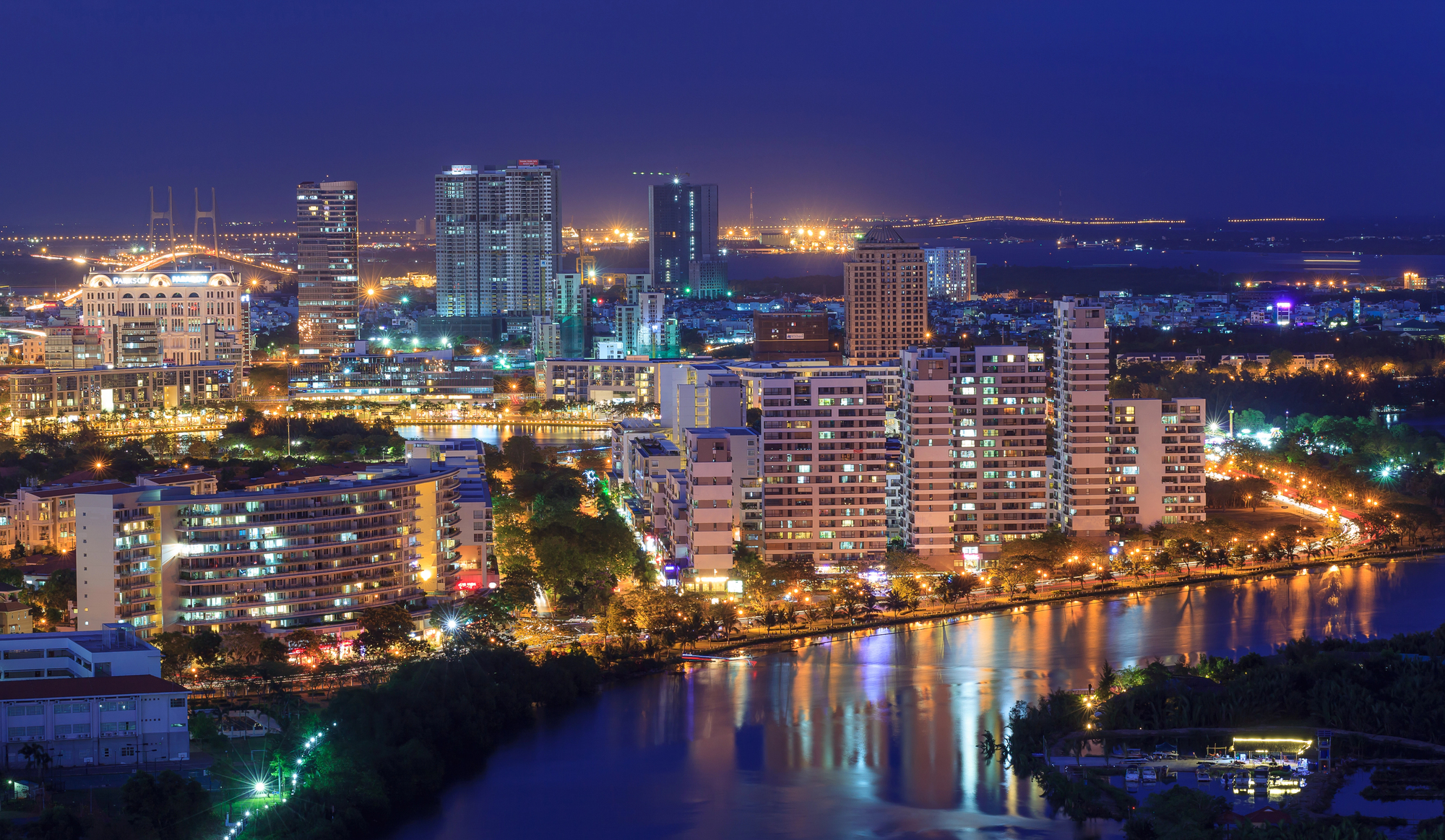
North Vietnam’s victory in 1976 meant honoring their revolutionary hero. Saigon had to go because it represented everything the communists had just defeated.
The old name came from Khmer words meaning “forest city,” but communist leaders saw it as a symbol of capitalist corruption. Locals never fully bought into the change though.
Walk around today and you’ll still hear plenty of people say Saigon in everyday conversation.
Harare
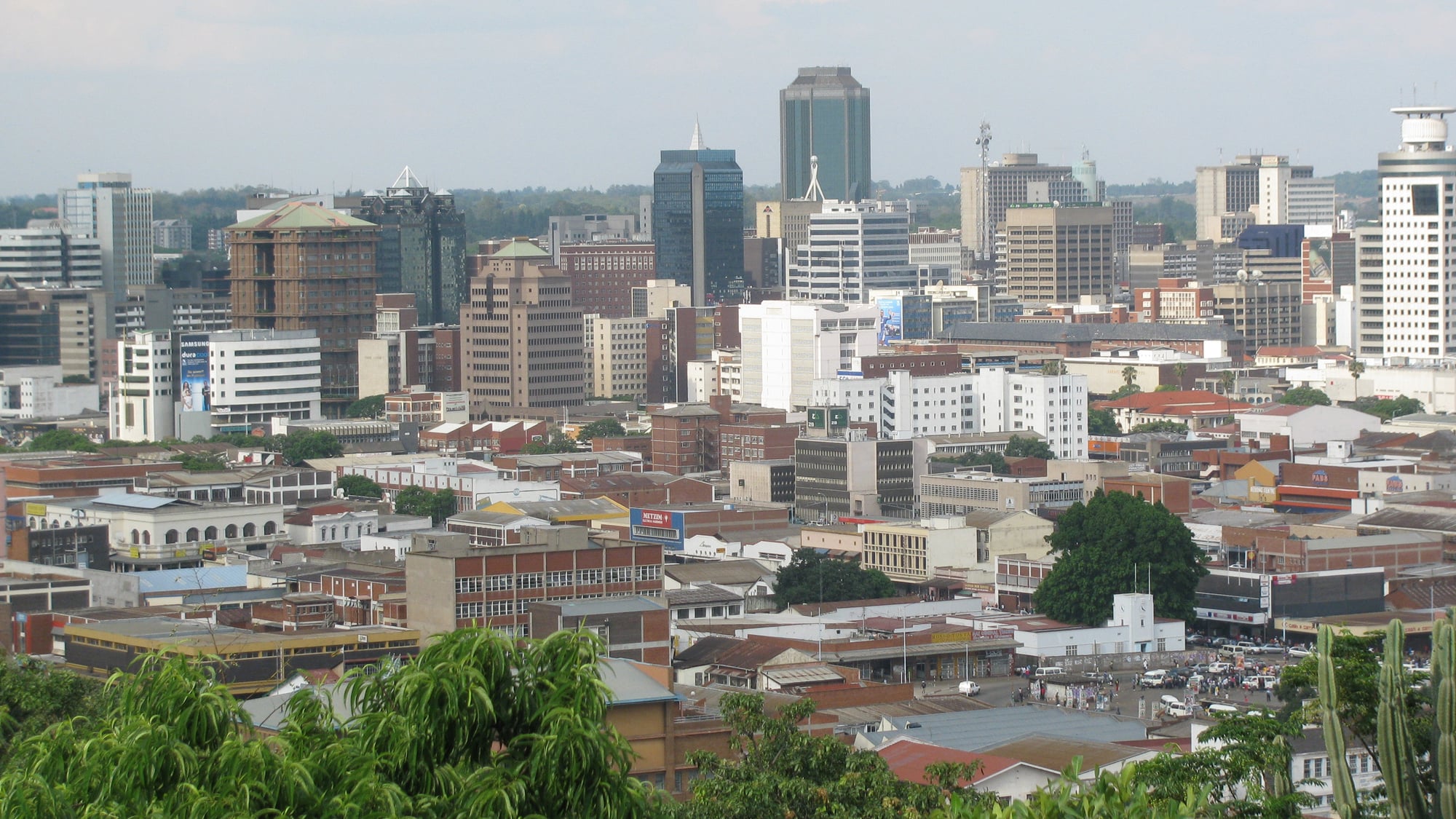
Zimbabwe’s independence in 1982 brought major changes. Salisbury—named for some British Prime Minister—didn’t fit the new reality.
Harare honored a local Shona chief called Neharawa, somebody who actually mattered to the people living there. The name switch became powerful symbolism for throwing off white minority rule and embracing African heritage.
Like Go2Tutors’s content? Follow us on MSN.
Chennai
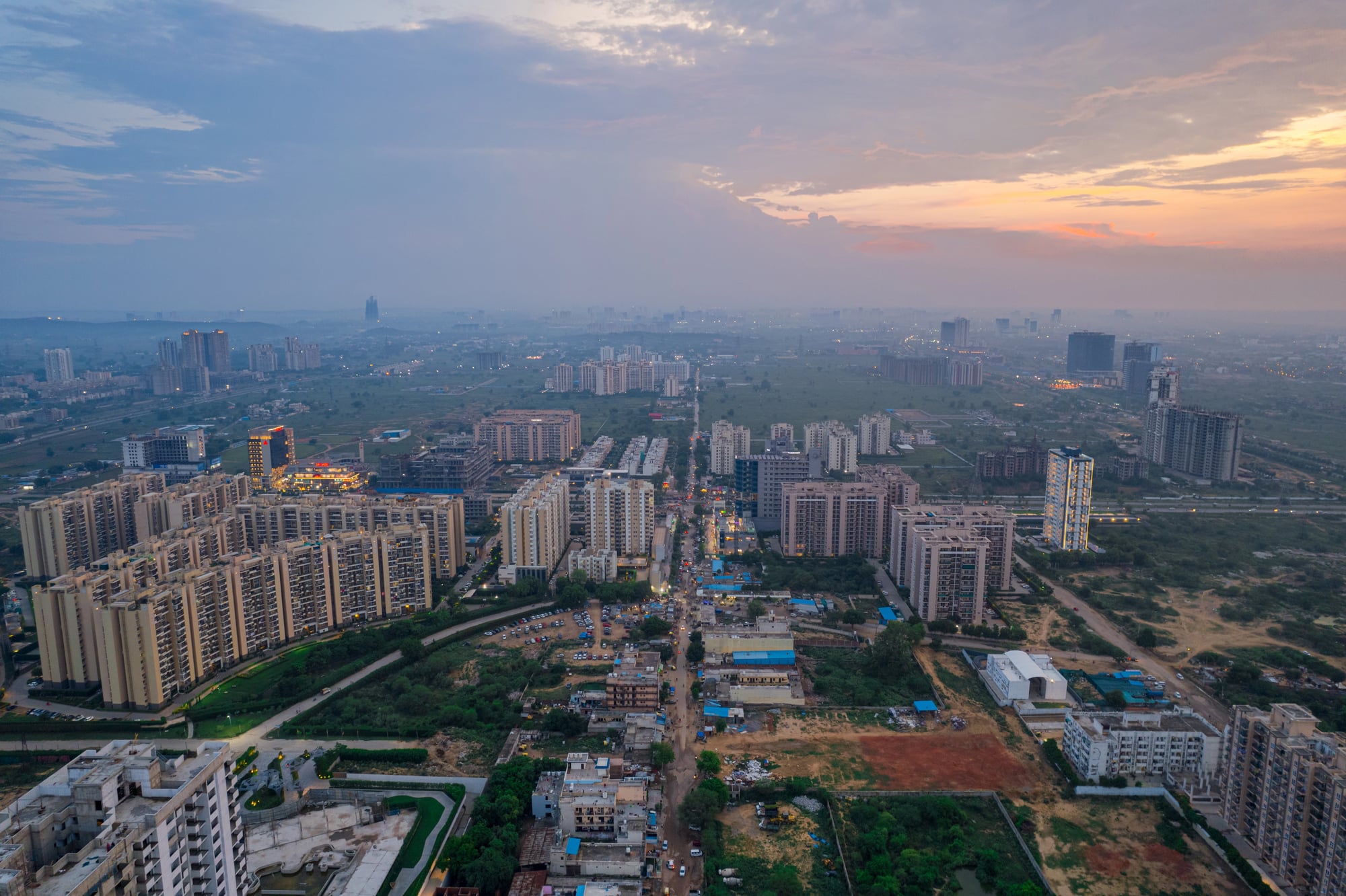
India went through a big phase of dumping colonial names in the 1990s. Madras got the treatment in 1996.
The British had basically invented “Madras” by smooshing together two fishing villages they could barely pronounce. Chennai comes from Chennapattinam, named after a Telugu ruler who preceded the British by centuries.
Tamil politicians loved it because it honored their pre-colonial history instead of some random British administrator.
Yangon
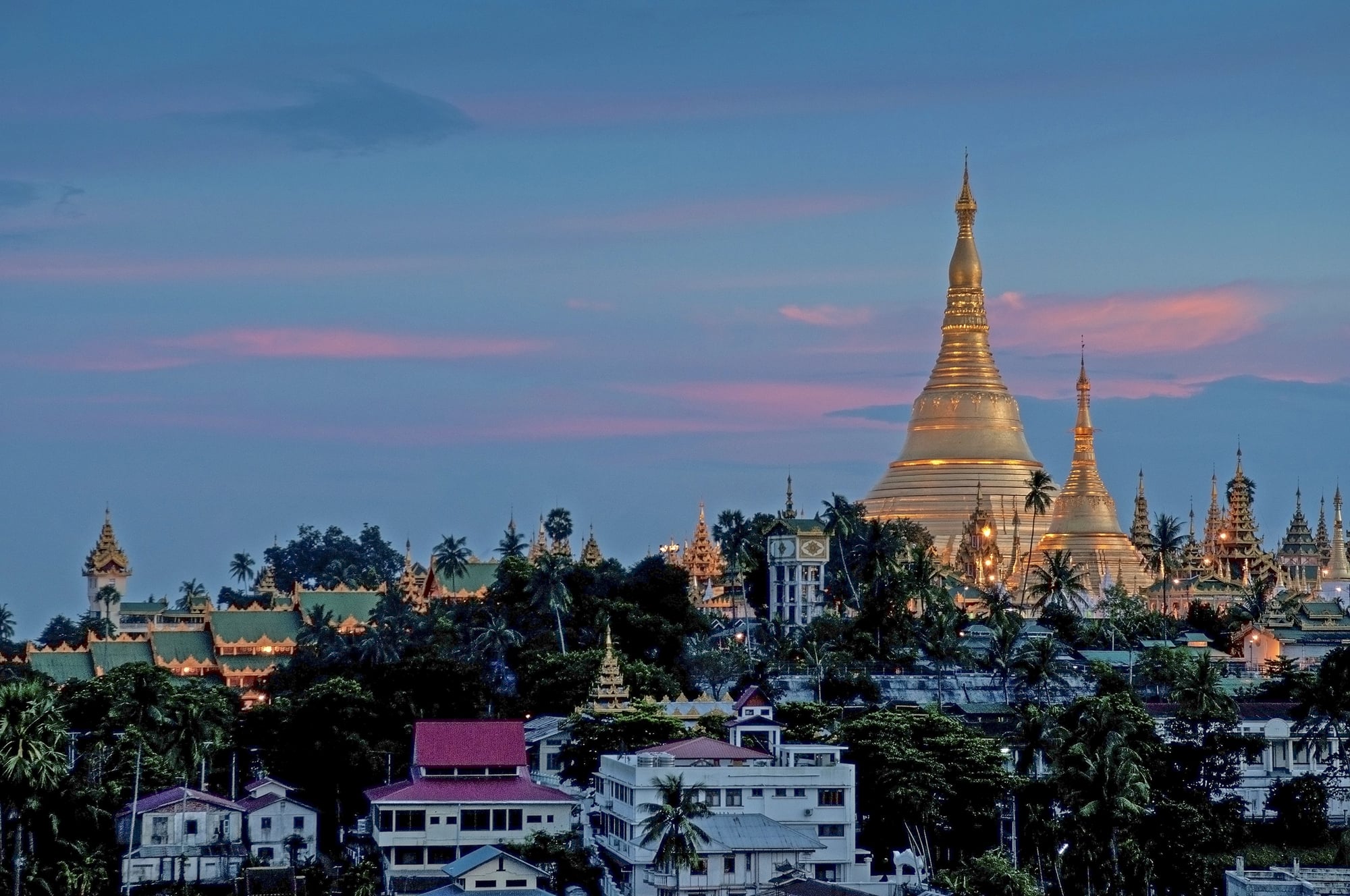
Myanmar’s military government made this change in 1989, part of their campaign to use proper Burmese pronunciation instead of British corruption.
The colonial authorities had turned “Yangon” into “Rangoon” because that’s apparently easier for English speakers. The junta wanted to assert cultural independence from Western influence.
Problem is, lots of international groups still use Rangoon because they don’t recognize the military government’s legitimacy.
Beijing
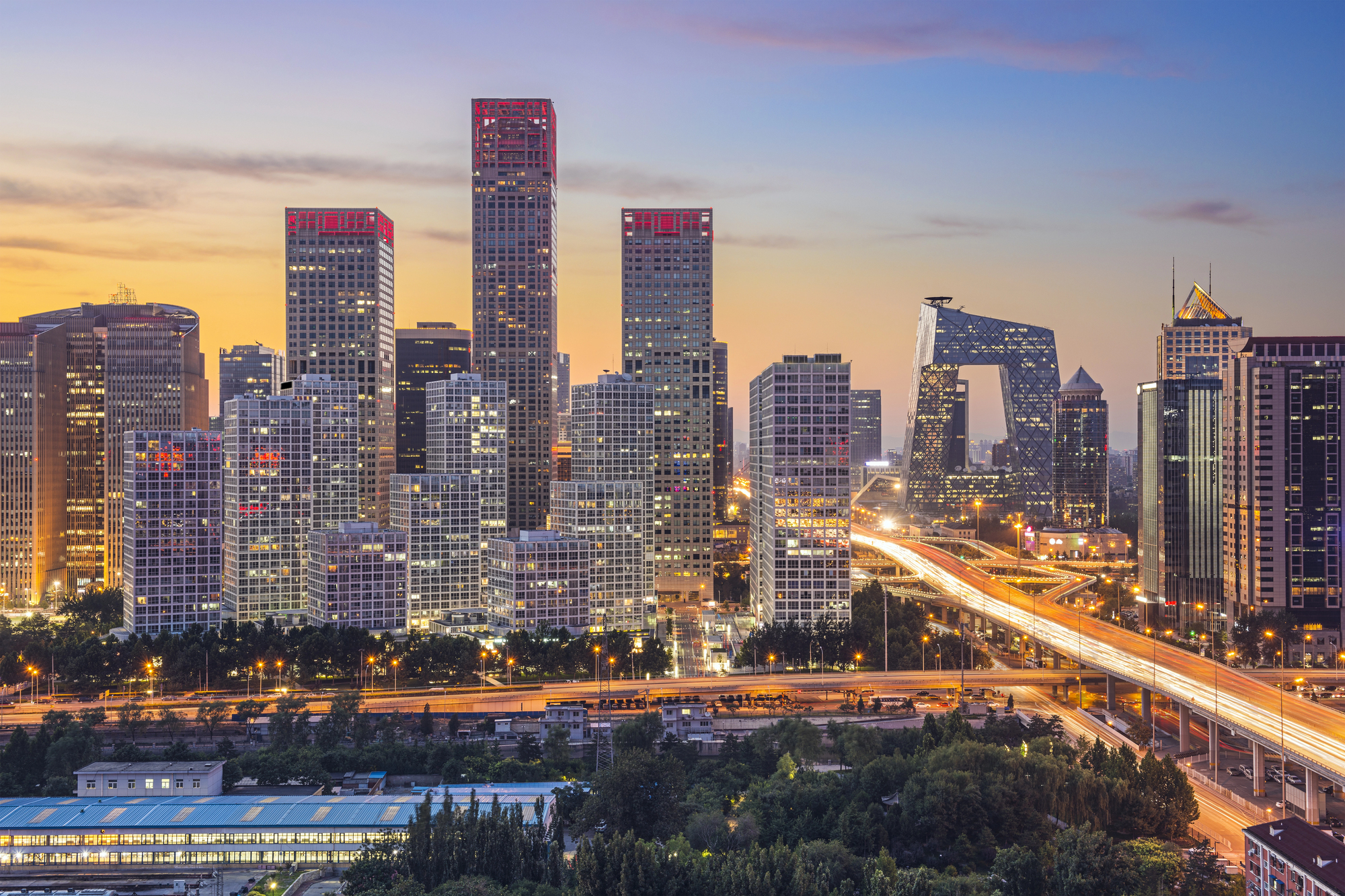
Communist victory in 1949 brought linguistic corrections alongside political revolution. “Peking” had to go because it represented how southern Chinese dialects sounded to Western ears, not how people in the north actually pronounced their capital.
“Beijing” reflects proper Mandarin pronunciation. The change represented both accuracy and the new government’s determination to standardize Chinese culture around northern traditions.
Like Go2Tutors’s content? Follow us on MSN.
Kolkata
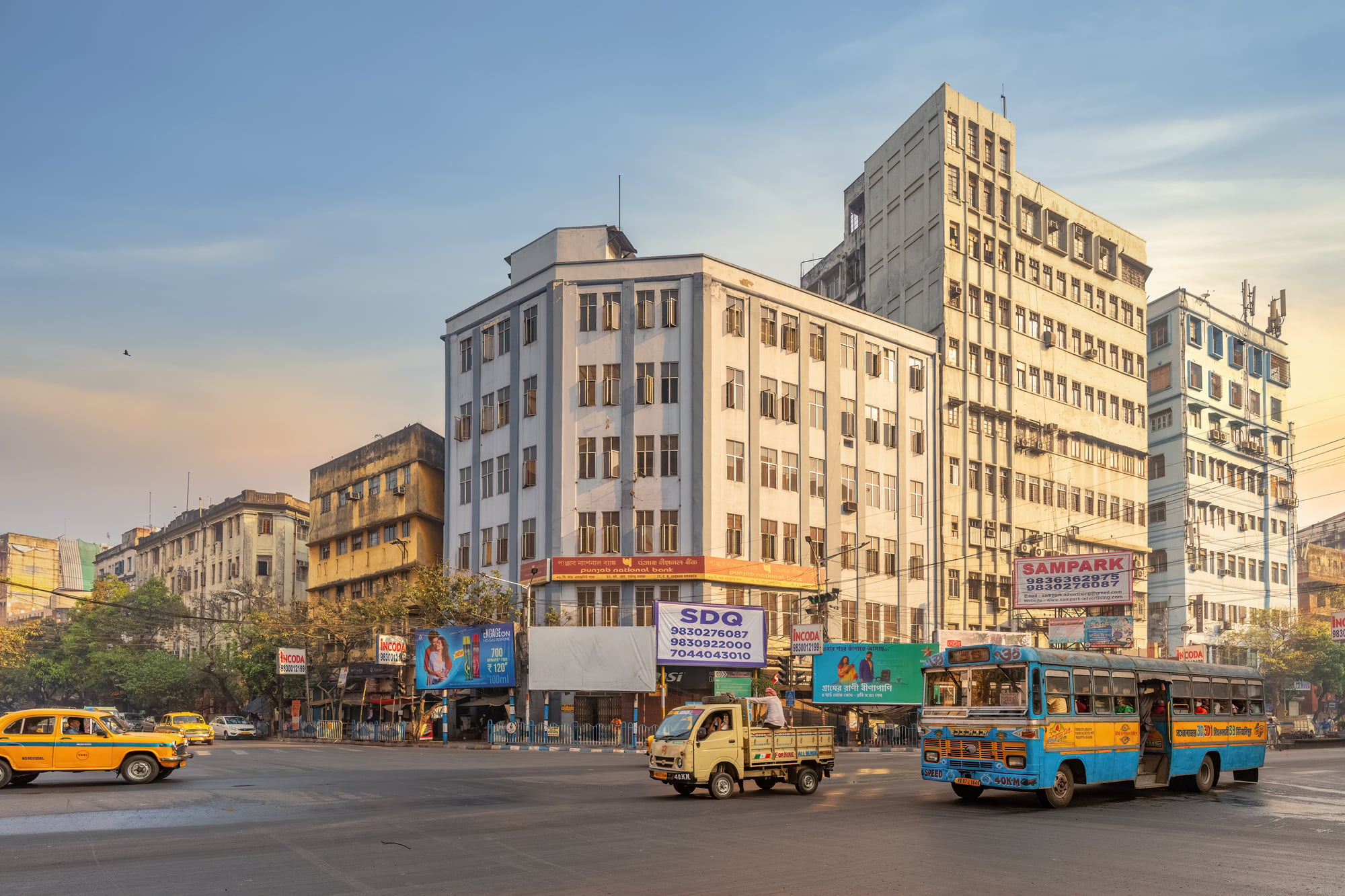
West Bengal finally made this official in 2001 after years of discussion. The British couldn’t wrap their tongues around the Bengali “Kalikata”—referring to one of the original villages—so they settled on “Calcutta.”
Local politicians saw this as fixing a centuries-old mispronunciation while asserting Bengali cultural pride. Simple as that.
Almaty
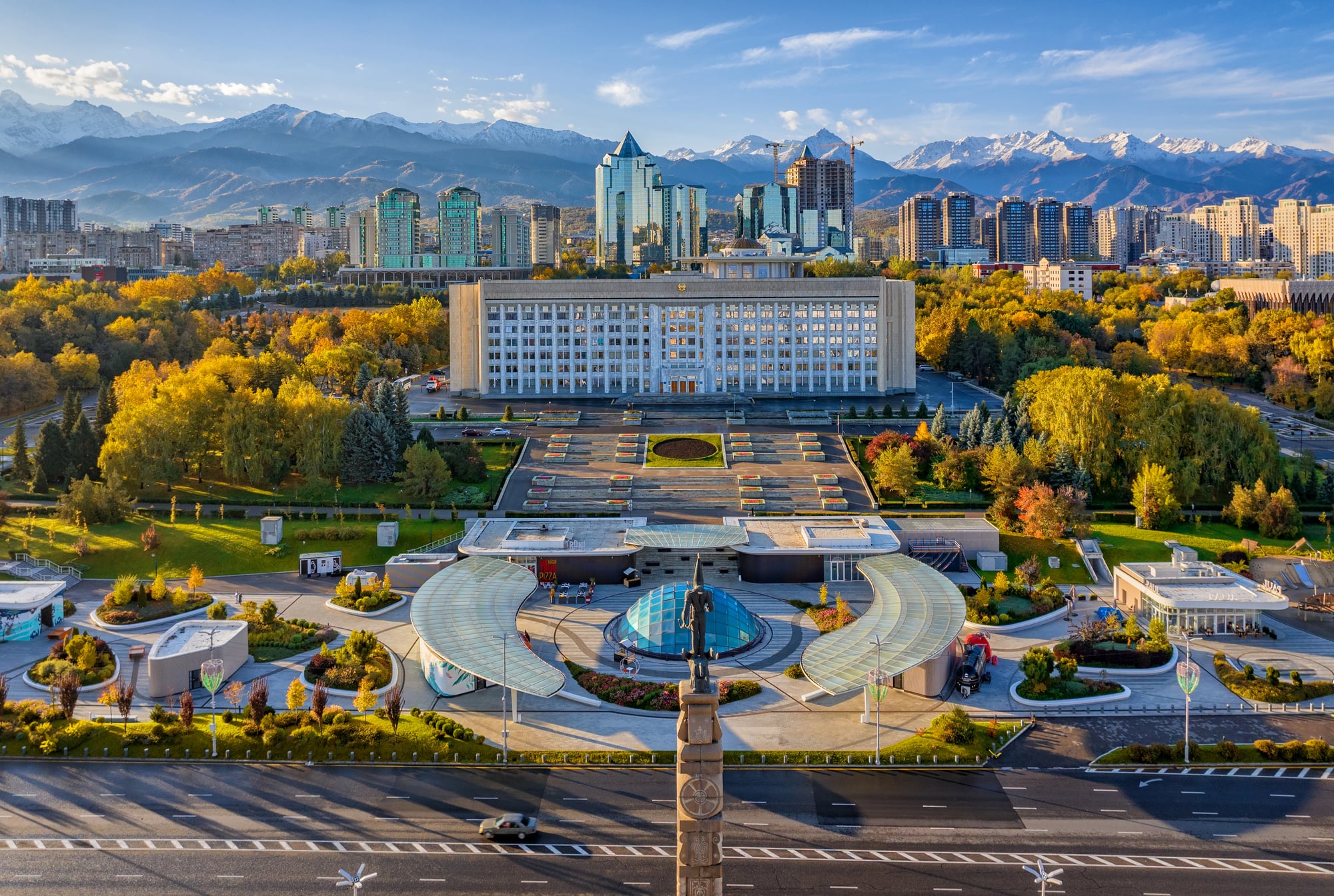
Kazakhstan’s independence in 1993 meant prioritizing Kazakh language over Russian colonial influence. The Soviets called it Alma-Ata, meaning “father of apples.”
Kazakhs preferred Almaty, meaning “place of apples.” Subtle difference, huge symbolic importance.
The new nation wanted their native language front and center while keeping the apple connection that defined their city.
Nur-Sultan
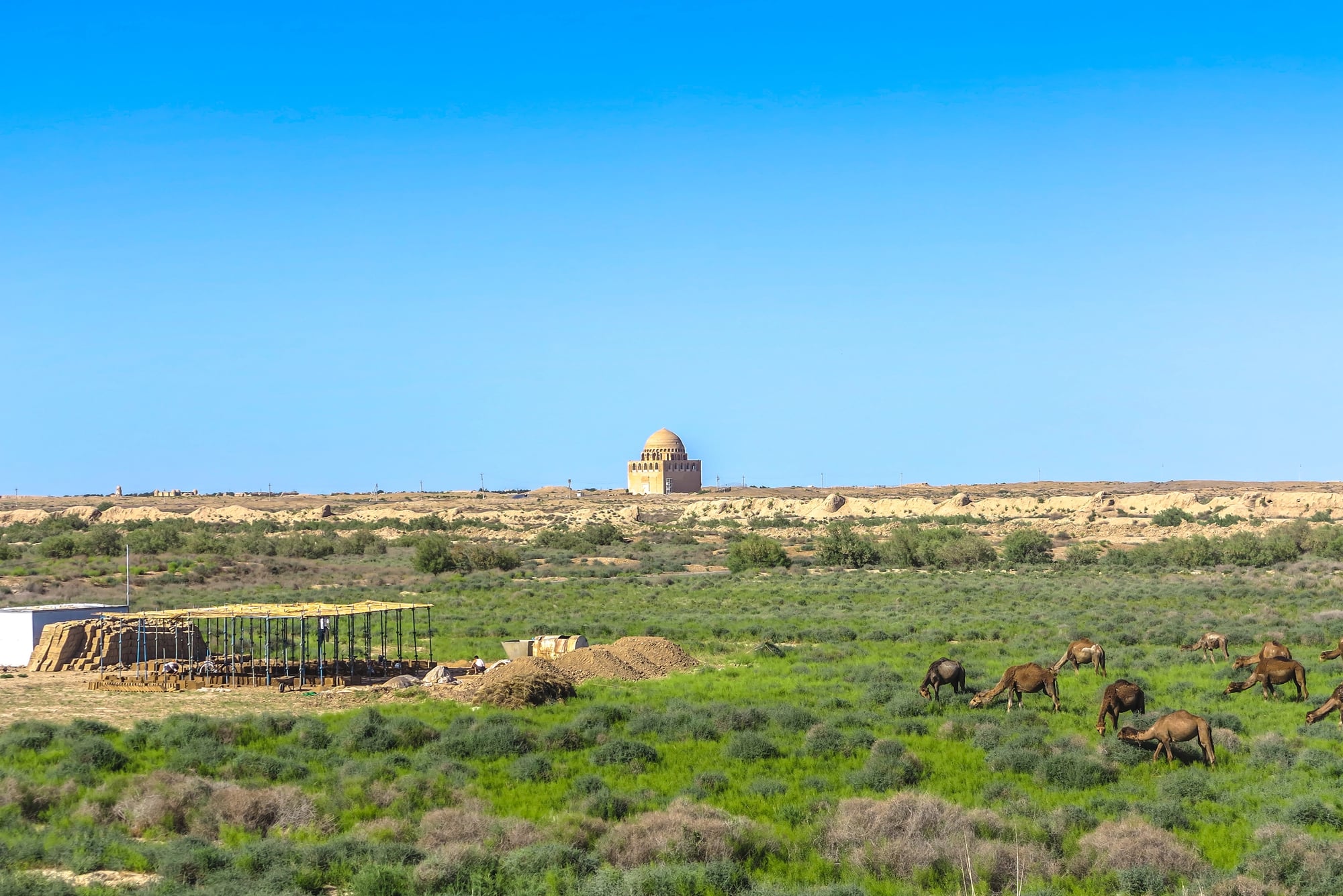
This 2019 change honored Kazakhstan’s longtime president Nursultan Nazarbayev after he stepped down. Astana had already been renamed once—from Akmola back in 1998 when it became the capital.
But naming the capital after a living person? That made lots of Kazakhs uncomfortable. The controversy continues, with many questioning whether it was appropriate.
Like Go2Tutors’s content? Follow us on MSN.
N’Djamena
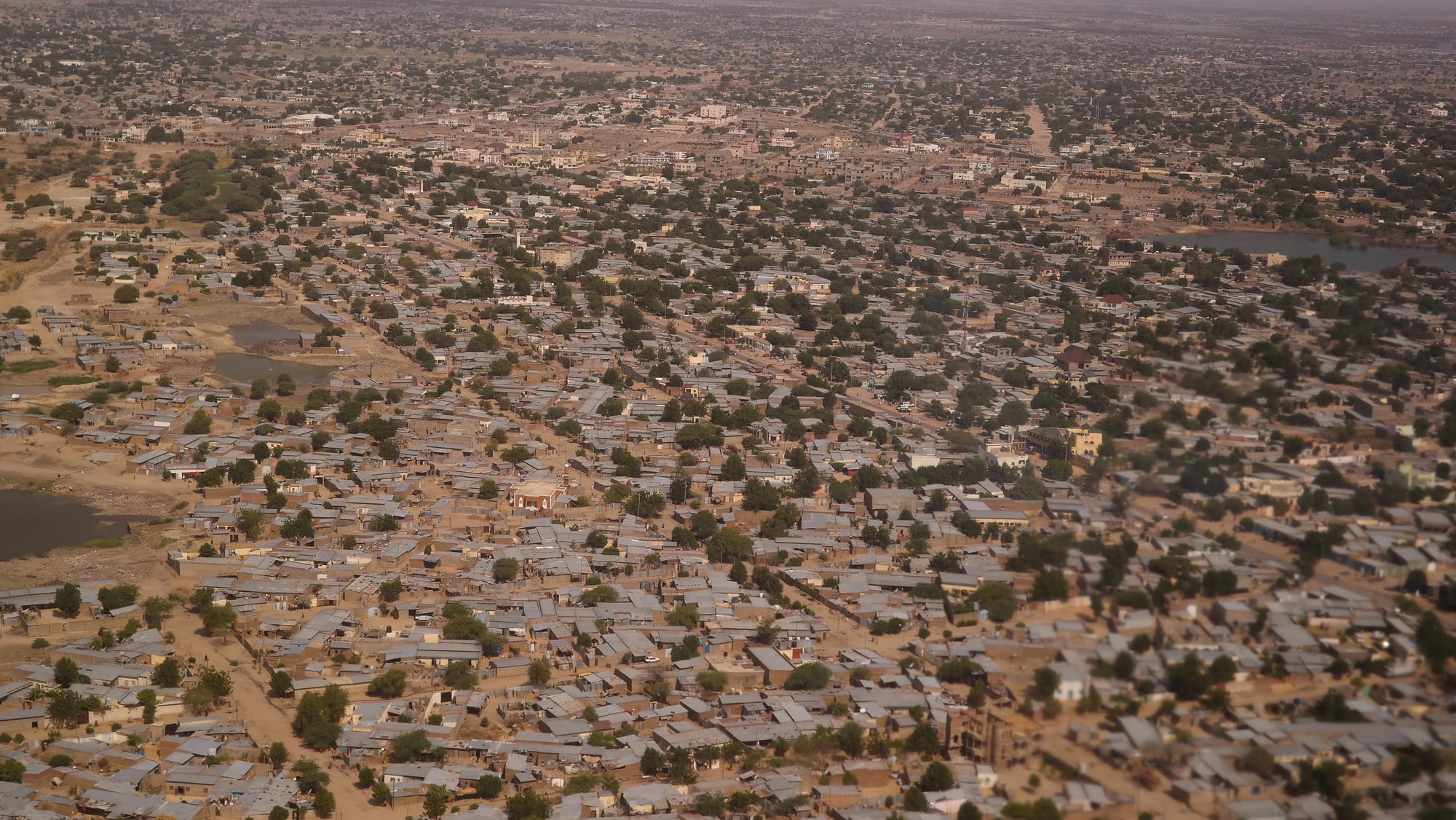
Chad’s independence in 1973 meant goodbye to Fort-Lamy, named after some French military officer who died fighting in the area. N’Djamena means “place of rest” in the local Sara language.
Much better fit for a newly independent African nation trying to establish its own cultural identity separate from French colonialism.
Kinshasa
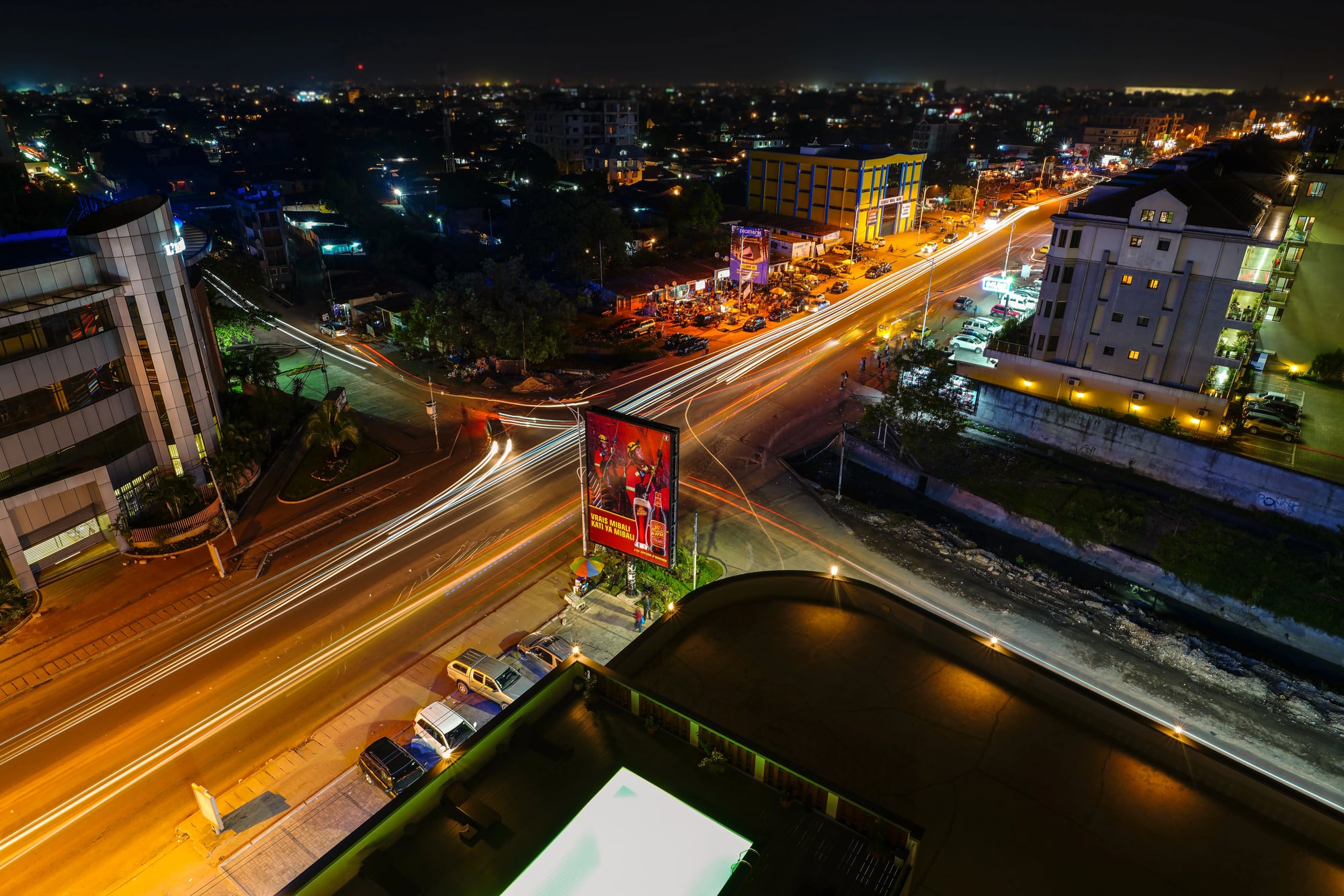
Belgian King Leopold II had turned Congo into his personal playground while committing unspeakable atrocities against local people. Léopoldville became a symbol of that brutal colonial period.
The 1966 change to Kinshasa honored a fishing village that existed long before Europeans showed up, reconnecting the city with its authentic African roots.
Volgograd
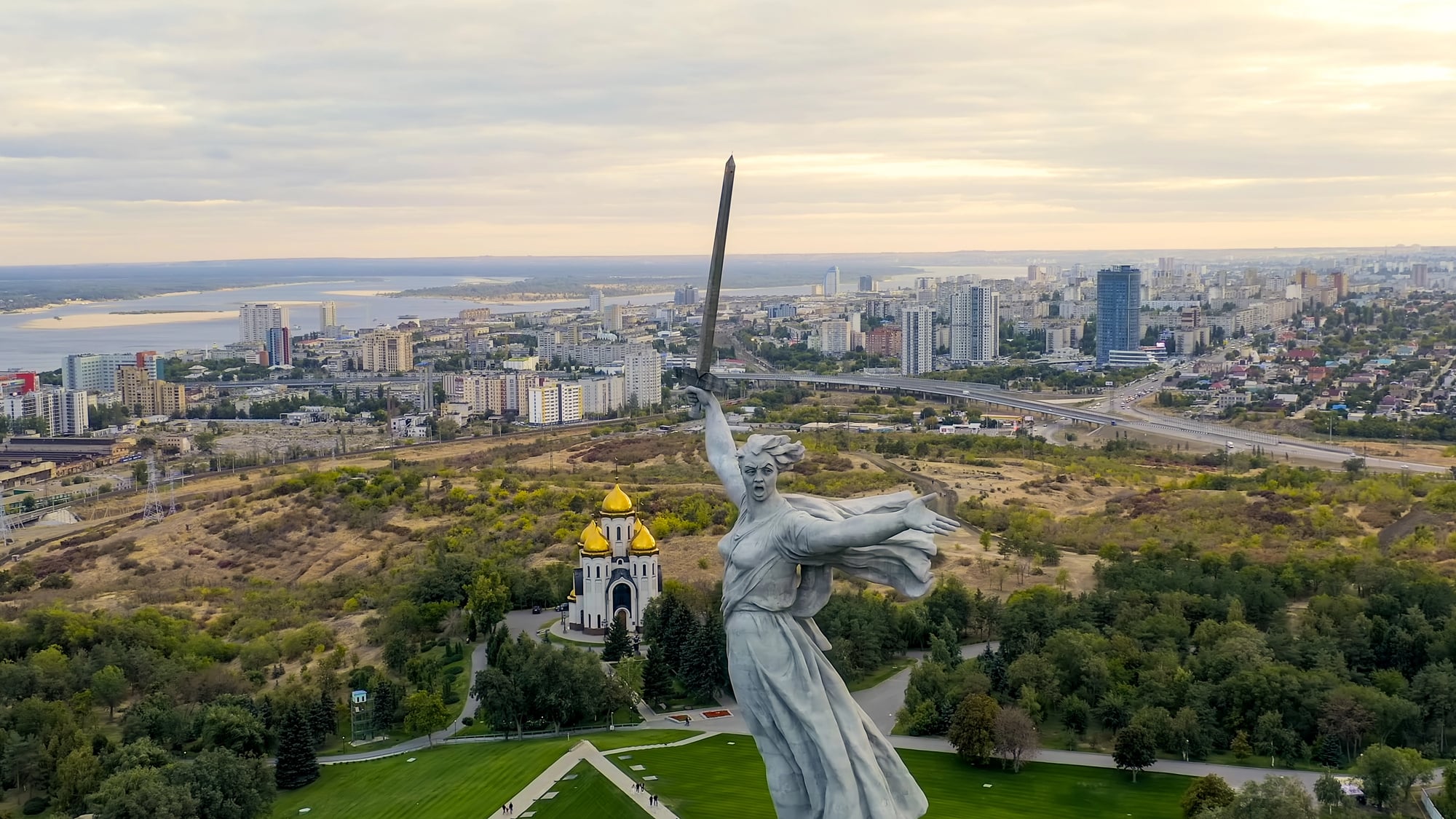
Khrushchev’s de-Stalinization campaign reached this city in 1961. Stalingrad had to go along with all other Stalin references across the Soviet Union.
The place had been called Tsaritsyn under the tsars, then Stalingrad from 1925 to honor Stalin’s role in the Russian Civil War. Volgograd provided a safe geographic name that avoided both imperial and Stalinist baggage while honoring the river that shaped the city.
Like Go2Tutors’s content? Follow us on MSN.
Banjul
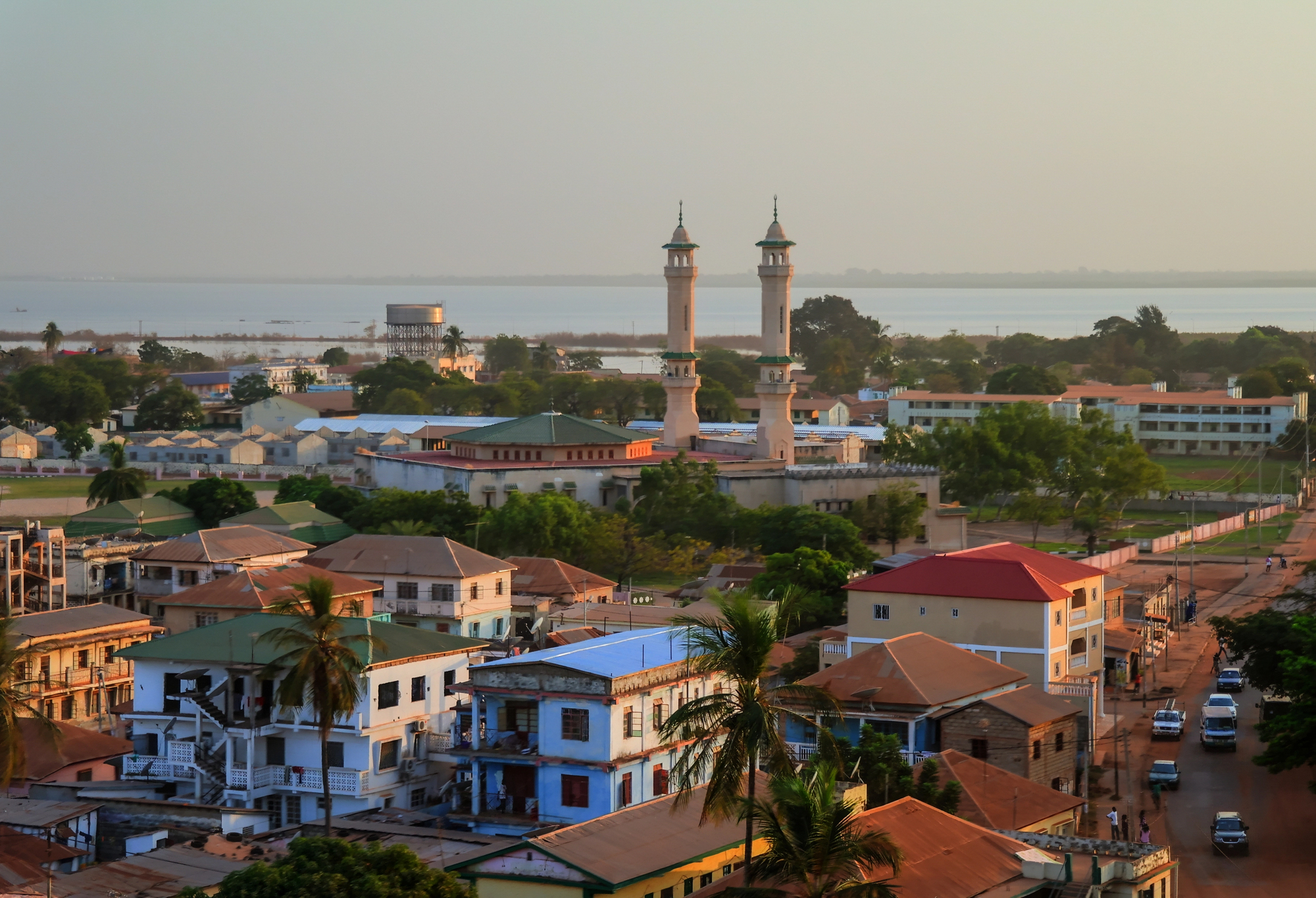
Gambia ditched Bathurst in 1973, replacing it with something that actually meant something to local people. The British had named it after Henry Bathurst, some colonial secretary who never even visited Africa.
Banjul comes from the Mandinka “bang julo,” meaning “rope fiber.” The change showed Gambia’s commitment to indigenous languages and traditions over commemorating random British bureaucrats.
Dushanbe
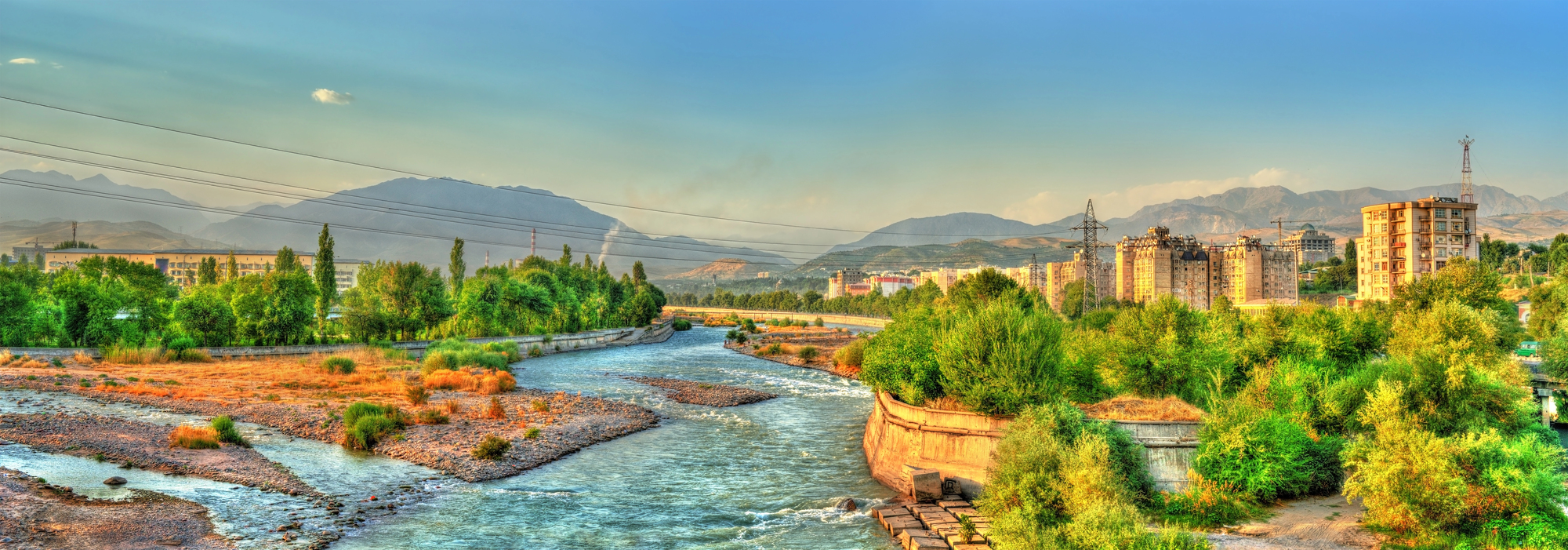
Another victim of Soviet de-Stalinization in 1961. The city had been called Dushanbe—meaning “Monday” in Persian—because it hosted a Monday market.
Stalin’s people renamed it Stalinabad in 1929. When Khrushchev started erasing Stalin’s name from maps, Dushanbe went back to its original market-town identity instead of picking something completely new.
Maputo
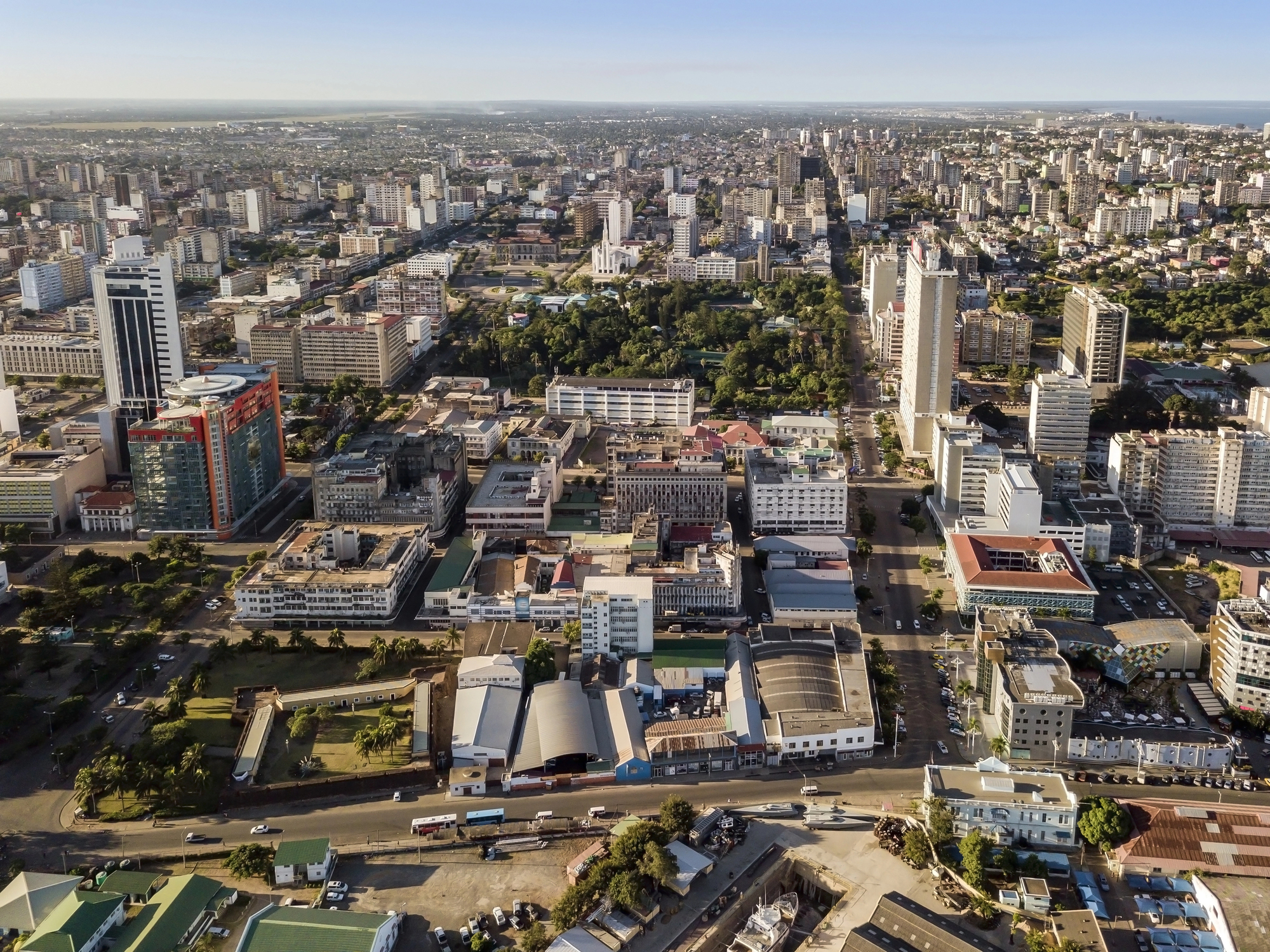
Mozambique’s independence in 1976 brought this change from Lourenço Marques to Maputo. The Portuguese explorer Lourenço Marques had mapped the area back in the 16th century, but Chief Maputsu had ruled there long before any Europeans arrived.
The new name celebrated African leadership over European “discovery.”
Like Go2Tutors’s content? Follow us on MSN.
Oslo
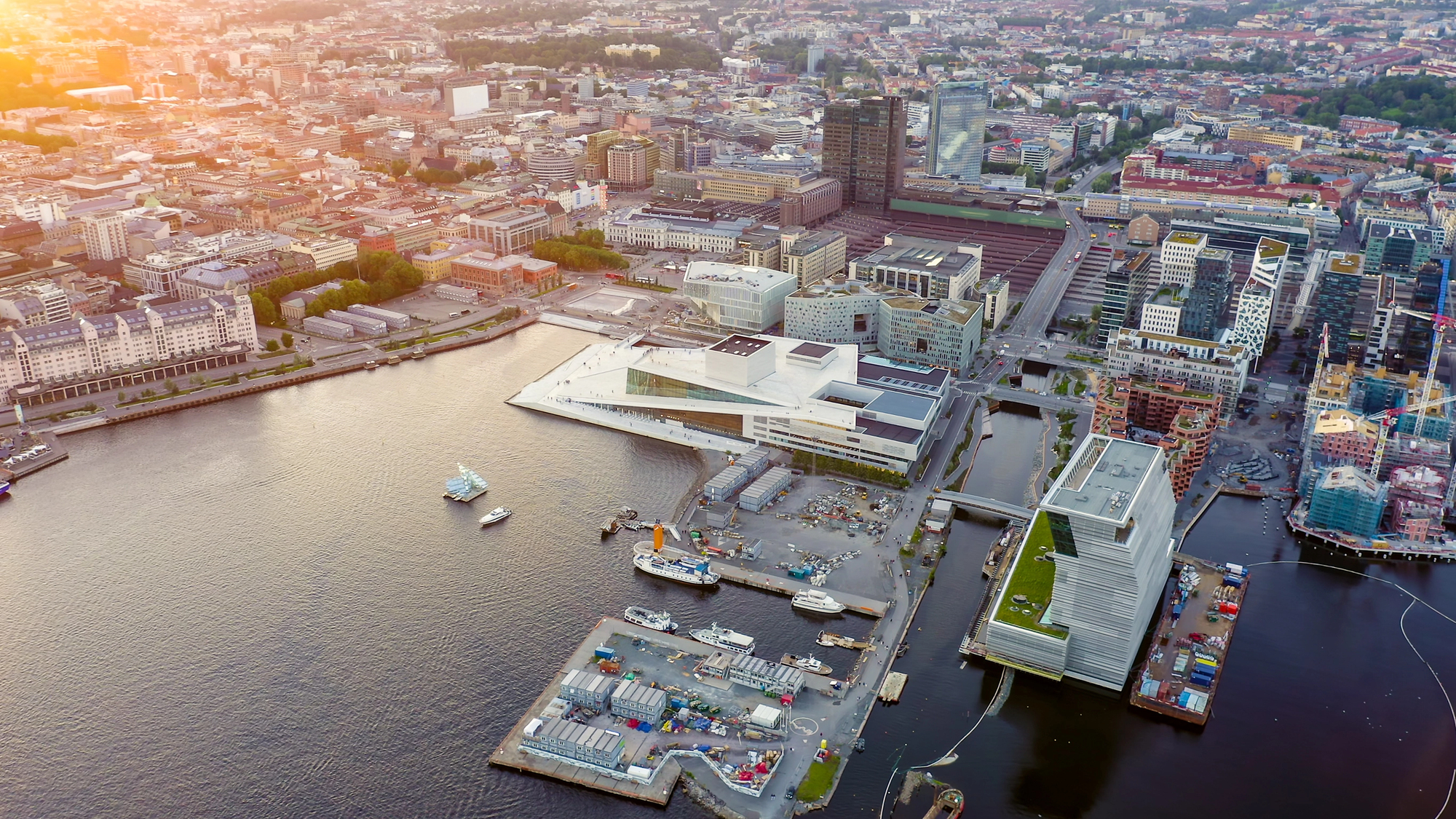
Norway restored its original medieval name in 1925, throwing off Danish colonial influence. The Danish king had renamed it Kristiania in 1624 after himself—typical royal ego move.
Norwegians wanted Oslo back, from Old Norse meaning “meadow at the foot of a hill.” The change represented growing Norwegian nationalism and desire to reconnect with pre-Danish heritage.
Cities and Their Fresh Starts
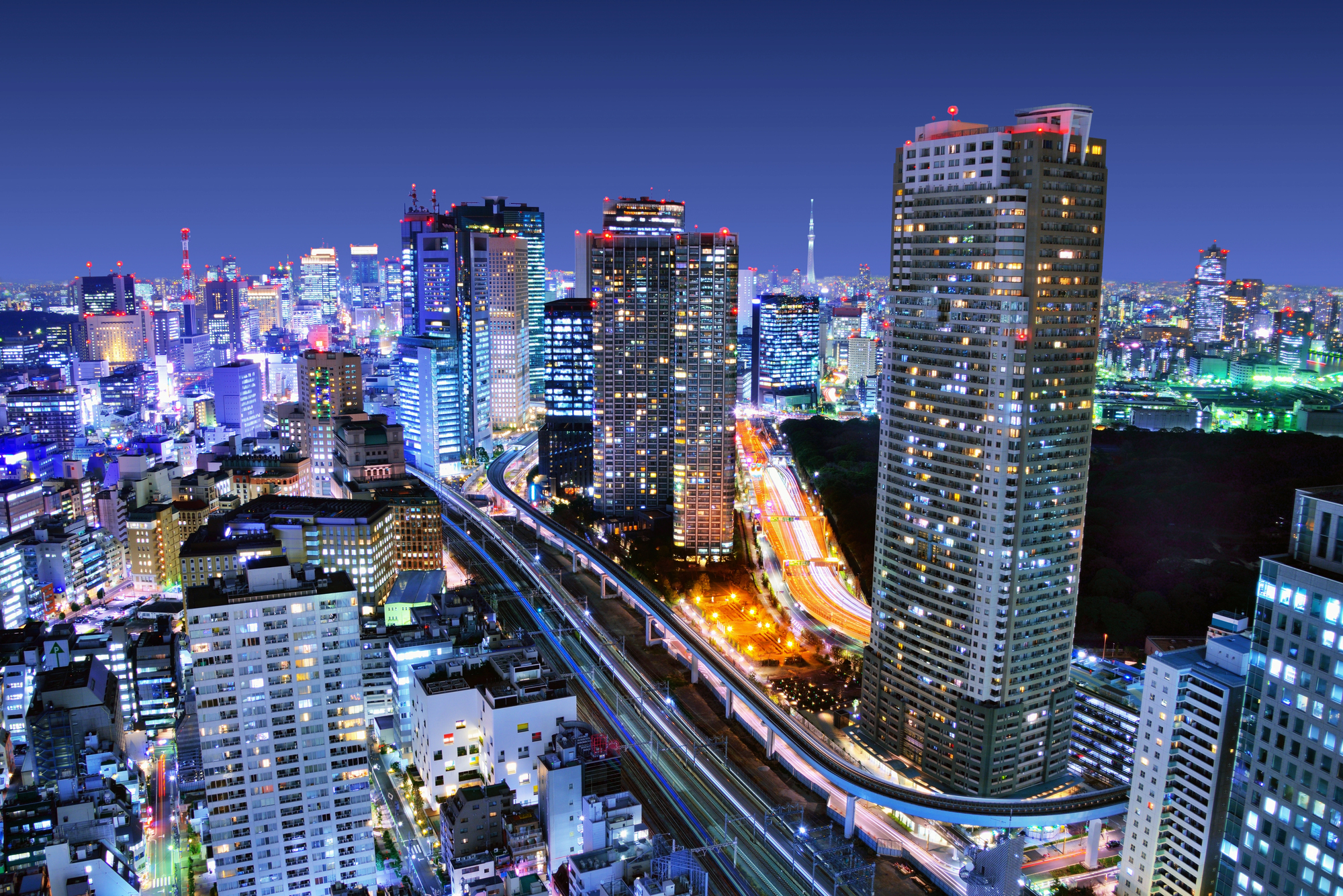
These name changes prove that geography and identity are deeply connected. Cities remake themselves because their old names stop fitting who they’ve become.
Whether it’s escaping colonial baggage, correcting historical mispronunciations, or honoring local heroes instead of foreign conquerors, each transformation shows a community taking control of its own story. Next time you see an unfamiliar city name, remember there’s probably a fascinating tale of revolution, cultural pride, or simple human stubbornness behind the change.
More from Go2Tutors!

- 18 Unexpectedly Valuable Collectibles You Might Have Lying Around
- 20 Little-Known Historical Battles That Had Huge Consequences
- 20 Historical Artifacts That Scientists Can’t Explain
- 15 Inventions That Were Immediately Banned After Being Created
- 20 Actors Who Were Almost Cast in Iconic Roles
Like Go2Tutors’s content? Follow us on MSN.