17 Ancient Technologies We Still Can’t Replicate
Throughout history, civilizations achieved remarkable feats of engineering and craftsmanship that continue to baffle modern scientists and researchers. Despite our advanced technology and sophisticated understanding of materials science, many ancient techniques remain mysterious. Their secrets were lost to time or simply lie beyond our current capabilities to recreate with the same precision and durability.
The following examples showcase humanity’s incredible ingenuity across different eras and continents. Here’s a list of 17 ancient technologies that modern civilization still struggles to replicate perfectly.
Damascus Steel
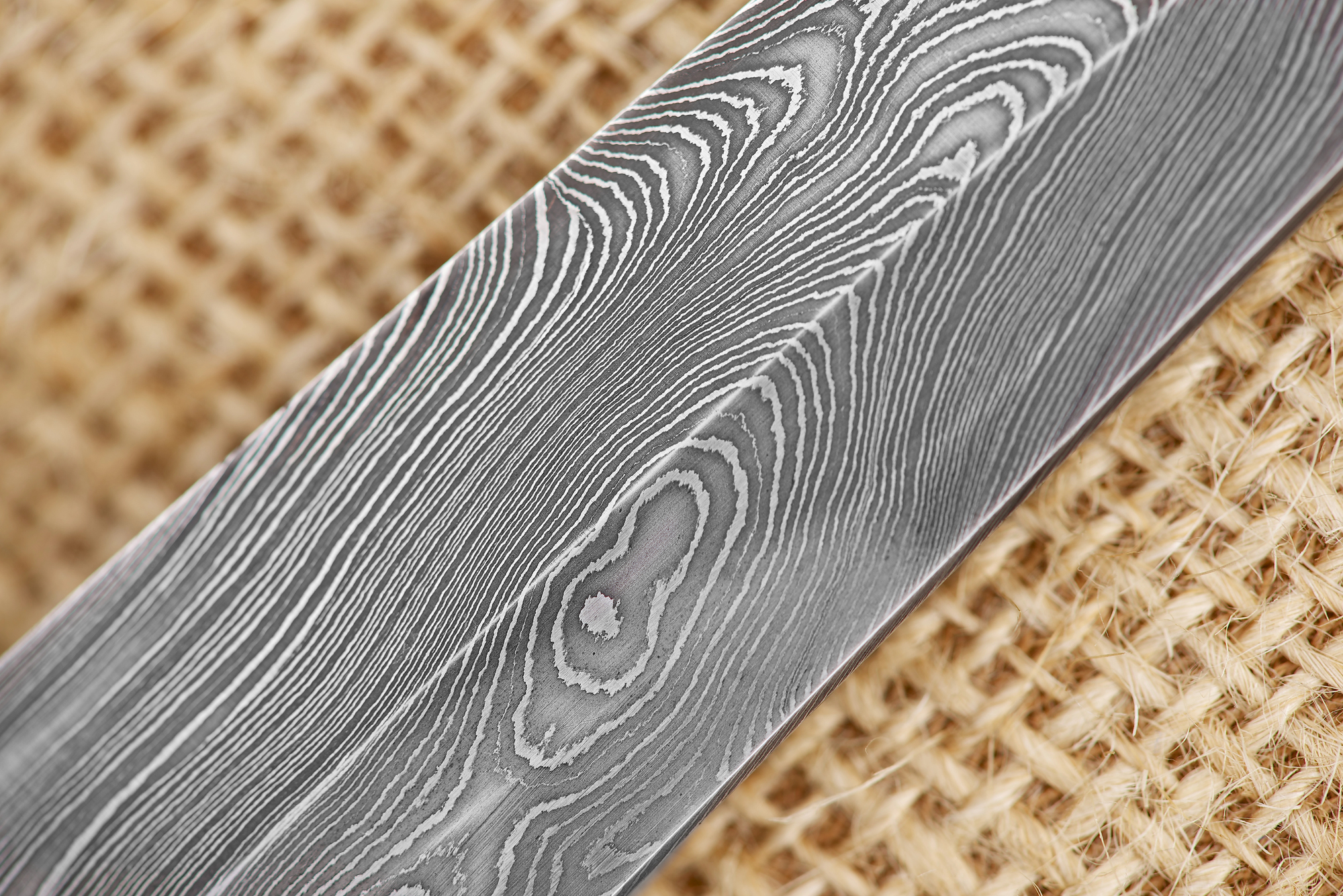
The legendary Damascus steel produced between 300 and 1700 CE created blades so sharp they could allegedly slice through a silk scarf dropped onto the edge. This steel displayed distinctive watered patterns on its surface.
It possessed an almost mythical combination of hardness and flexibility that has captivated metallurgists for decades. Modern scientists have spent years trying to recreate the exact process, yet despite numerous attempts, we still can’t produce steel with identical properties.
The original technique likely involved a specific type of steel ingot called wootz steel from India — combined with precise forging methods that were never fully documented.
Roman Concrete

Roman structures like the Pantheon and various aqueducts have stood for nearly two thousand years. Modern concrete often begins deteriorating within decades.
The Romans used a specific mixture that included volcanic ash from Mount Vesuvius, which created a chemical reaction that actually made their concrete stronger over time — especially when exposed to seawater. Modern engineers understand the basic composition, though replicating the exact proportions and achieving the same longevity remains challenging.
The self-healing properties of Roman concrete continue to inspire research into more durable construction materials.
Like Go2Tutors’s content? Follow us on MSN.
Greek Fire

This mysterious incendiary weapon gave the Byzantine Empire a crucial military advantage from the 7th to 12th centuries. Greek fire burned on water, couldn’t be extinguished with water, and was launched through bronze tubes mounted on ships.
The exact formula was such a closely guarded state secret that it eventually vanished entirely. Modern chemists suspect it contained petroleum, quicklime, and sulfur — but numerous attempts to recreate a substance with identical properties have failed to match historical accounts of its effectiveness.
Stradivarius Violins

Antonio Stradivari crafted violins between 1666 and 1737 that produce a sound quality many consider unmatched by modern instruments. Despite advanced acoustic analysis and examination of the wood grain, varnish composition, and construction techniques, contemporary violin makers struggle to replicate the exact tonal qualities.
Some theories suggest the wood came from trees that grew during a mini ice age — creating denser grain patterns. Others point to unique varnish recipes or specific aging processes that can’t be rushed.
Antikythera Mechanism
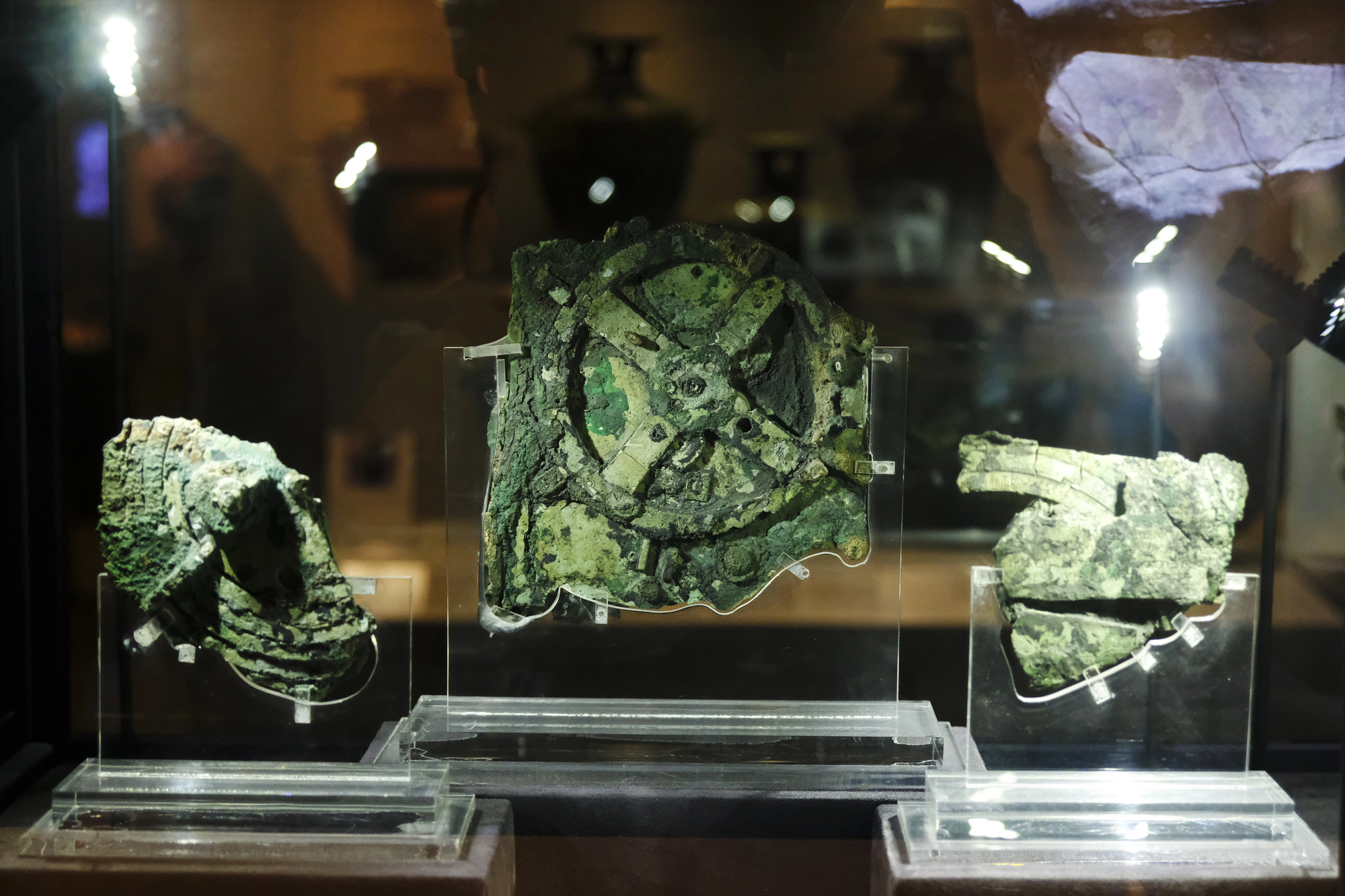
This ancient Greek analog computer, dating to around 100 BCE, tracked astronomical positions and predicted eclipses with remarkable accuracy. The device contained at least 37 meshing bronze gears.
It represented a level of mechanical sophistication that wouldn’t appear again in Europe for over a thousand years. While researchers have built working reconstructions, the precision of the original gearwork and the complete understanding of all its functions remain partially mysterious.
The technology demonstrates that ancient Greek engineering capabilities were far more advanced than previously believed.
Like Go2Tutors’s content? Follow us on MSN.
Egyptian Blue Pigment
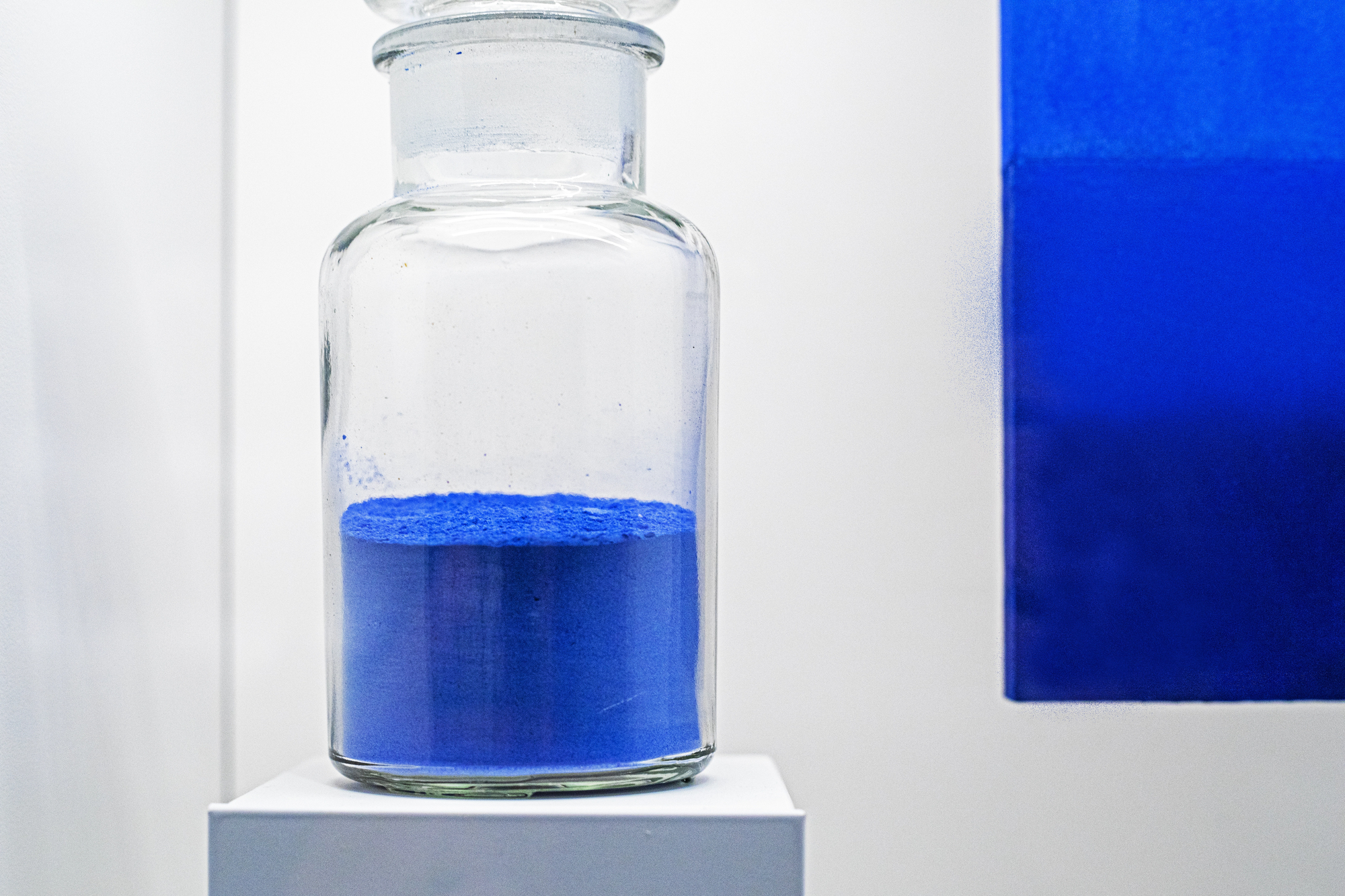
The world’s first synthetic pigment, Egyptian blue was created around 2600 BCE and used extensively in ancient Egyptian art and artifacts. This vibrant blue color has proven remarkably stable over millennia — retaining its intensity while many other ancient pigments have faded significantly.
The manufacturing process involved heating a mixture of silica, lime, copper, and alkali to extremely high temperatures. Achieving the exact shade and durability of the original remains difficult, though.
Modern attempts often result in slightly different hues or reduced longevity.
Lycurgus Cup
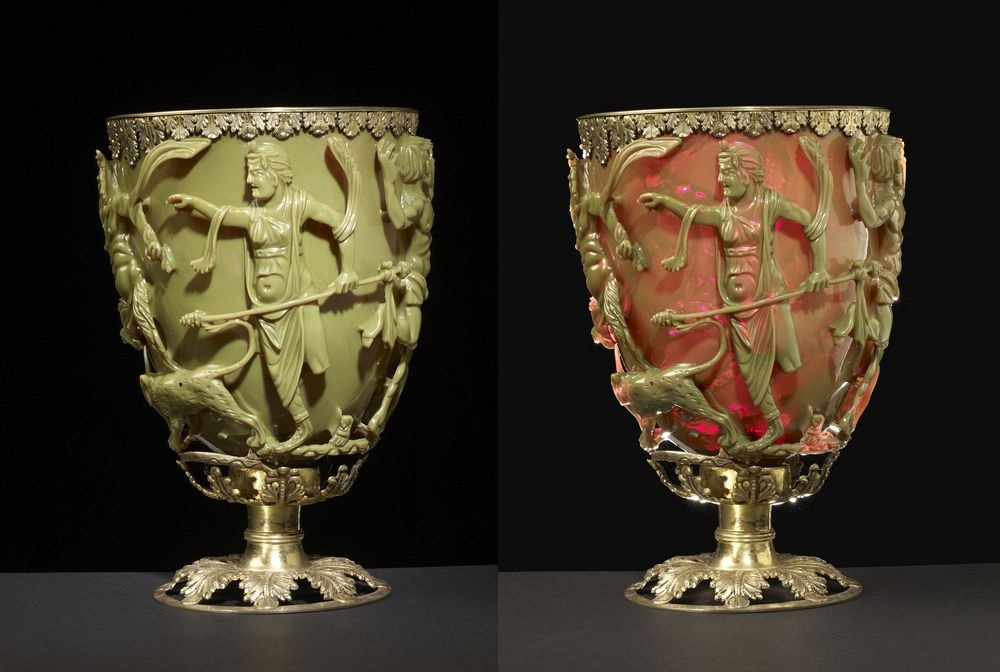
This 4th-century Roman glass cup appears green when lit from the front but glows red when illuminated from behind — demonstrating an early understanding of nanotechnology. The glass contains tiny particles of gold and silver that create this dichroic effect, measuring just 50-100 nanometers in diameter.
Modern scientists can explain how the optical properties work, yet recreating glass with identical color-changing characteristics using ancient techniques proves challenging. The precise control of particle size and distribution achieved by Roman glassmakers remains impressive.
Japanese Katana Steel Folding

The traditional method of creating katana swords involved folding steel thousands of times to create layers that provided both hardness and flexibility. Master swordsmiths could produce blades with a hard cutting edge and a more flexible spine — achieving a perfect balance that modern manufacturing struggles to replicate exactly.
The process required incredible skill in controlling temperature, timing, and hammer work that was passed down through generations. While modern steel is technically superior in many ways, the artistry and specific performance characteristics of traditional katana remain difficult to match.
Like Go2Tutors’s content? Follow us on MSN.
Inca Stone Fitting
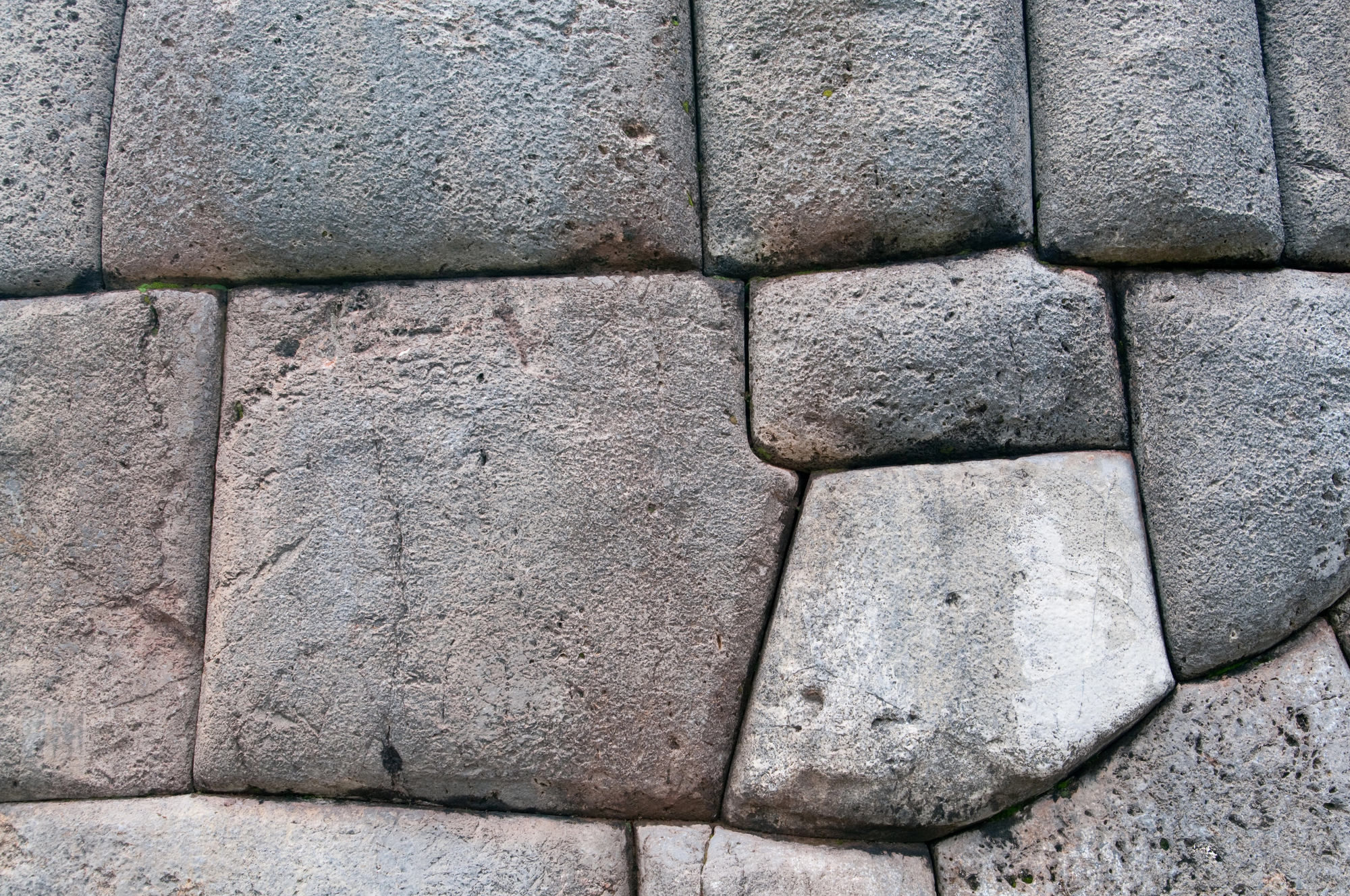
Inca stonemasons created walls with stones fitted so precisely that a knife blade can’t slip between them — all without mortar or metal tools. These structures have survived numerous earthquakes that destroyed later Spanish colonial buildings built on top of Inca foundations.
The technique likely involved careful measurement, bronze tools, and possibly the use of wooden levers and ramps. However, the exact methods for achieving such precision remain unclear. Modern attempts to replicate this level of stone fitting require power tools and still rarely achieve the same earthquake resistance.
Chinese Porcelain
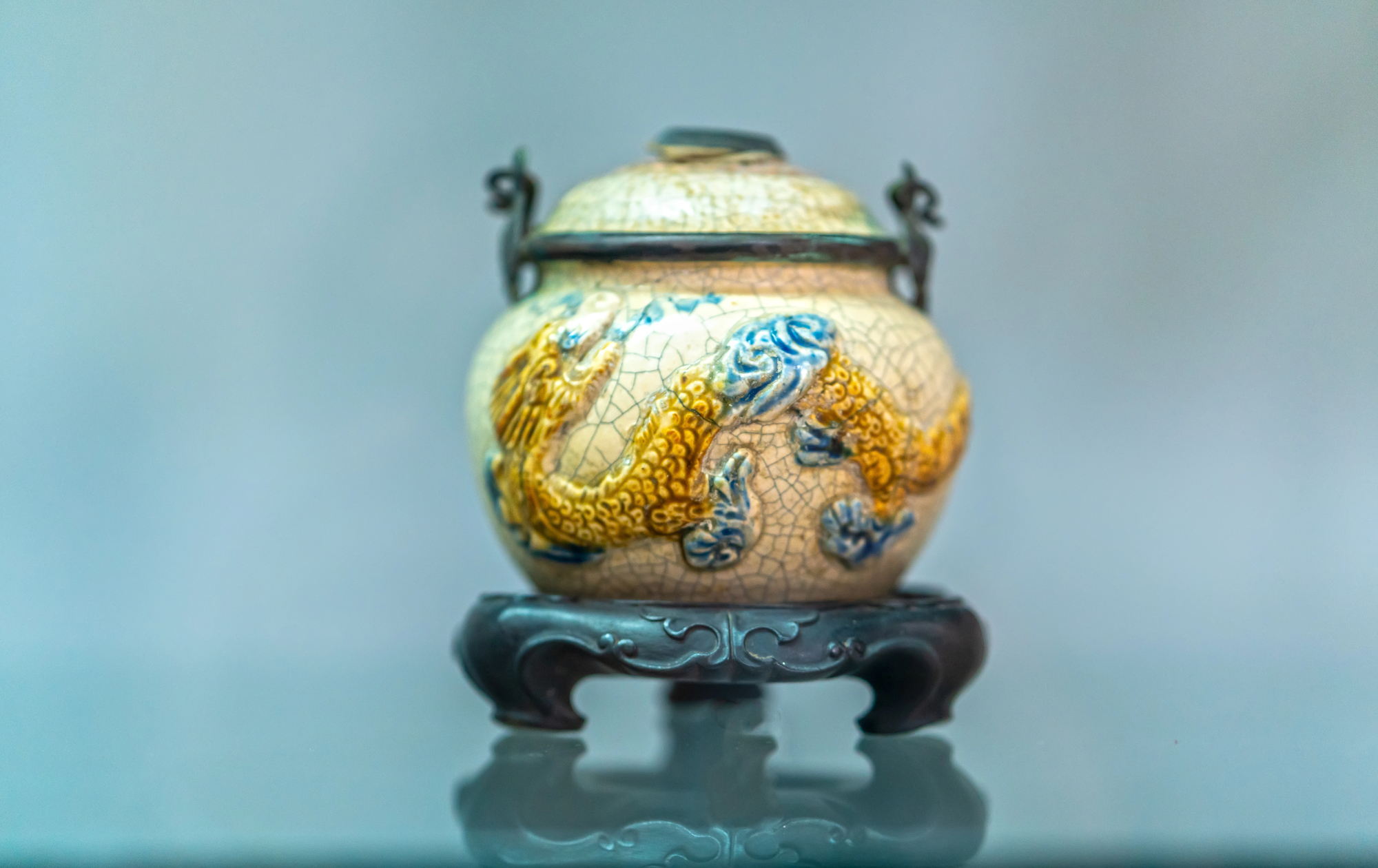
True porcelain was invented in China during the Tang dynasty and represented a closely guarded technological secret for centuries. The process required specific types of clay, precise firing temperatures, and exact timing that Chinese artisans perfected over generations.
European attempts to recreate porcelain failed for hundreds of years — until they finally developed their own methods in the 18th century. Even today, the translucency, strength, and distinctive ring of the finest Chinese porcelain from certain periods proves difficult to match exactly.
Mayan Blue
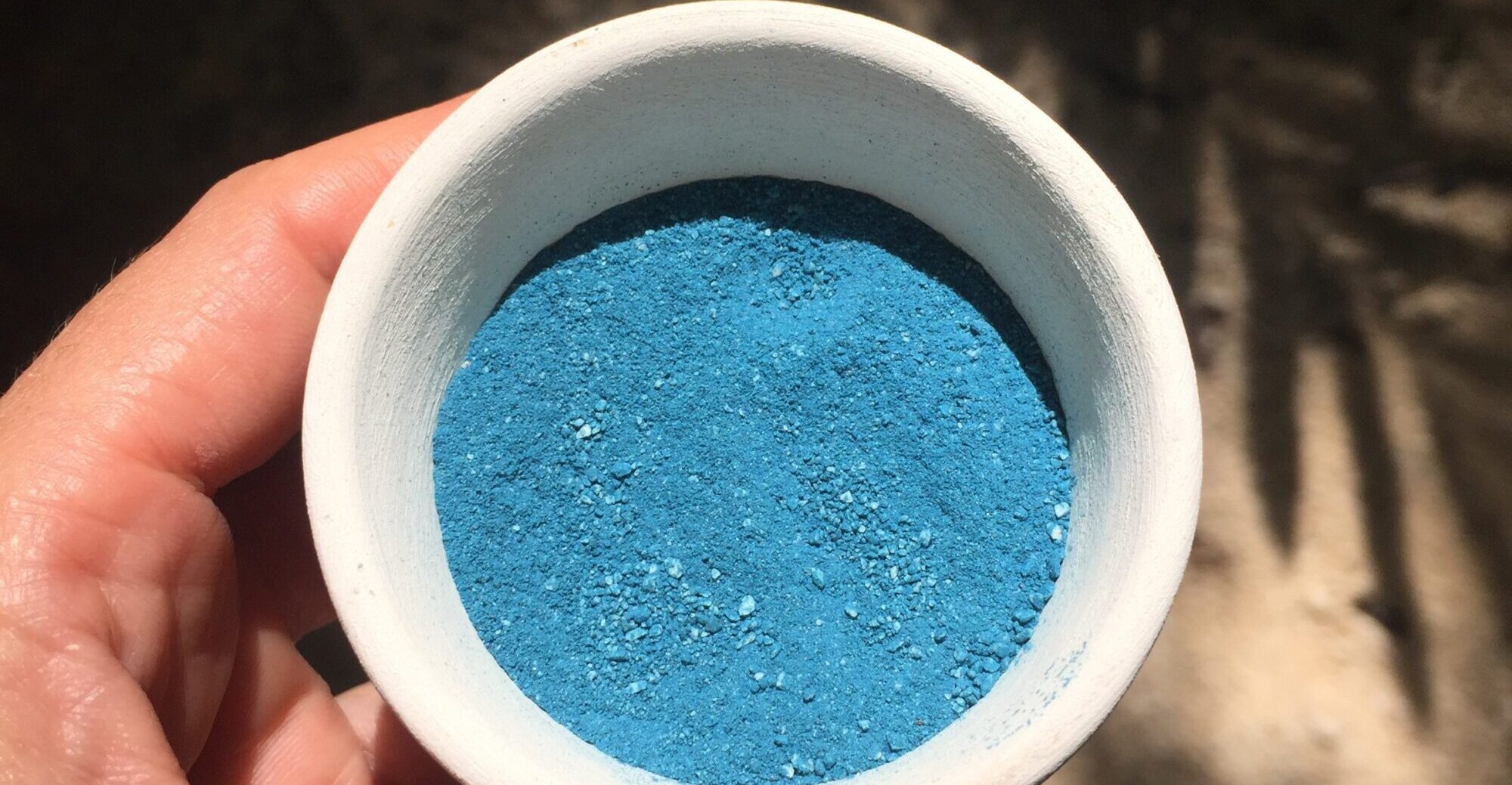
This brilliant blue pigment has retained its vivid color for over a thousand years, adorning Mayan murals and artifacts throughout Central America. The color combines indigo dye with a specific type of clay called palygorskite, creating a hybrid organic-inorganic pigment that resists fading, acids, and weathering.
Modern chemists understand the basic composition but struggle to recreate the exact binding process that makes Mayan blue so remarkably durable. The technique represents a sophisticated understanding of chemistry that predates European developments by centuries.
Like Go2Tutors’s content? Follow us on MSN.
Persian Windcatchers

These ancient air conditioning systems, used throughout the Middle East for over a thousand years, could cool buildings by up to 20 degrees Fahrenheit without any external power source. The towers captured wind from multiple directions and used evaporative cooling and thermal dynamics to create comfortable indoor environments in desert climates.
While modern engineers understand the principles involved, recreating windcatchers with identical efficiency using traditional materials and methods requires careful attention to proportions, orientation, and construction details that weren’t always fully documented.
Wootz Steel
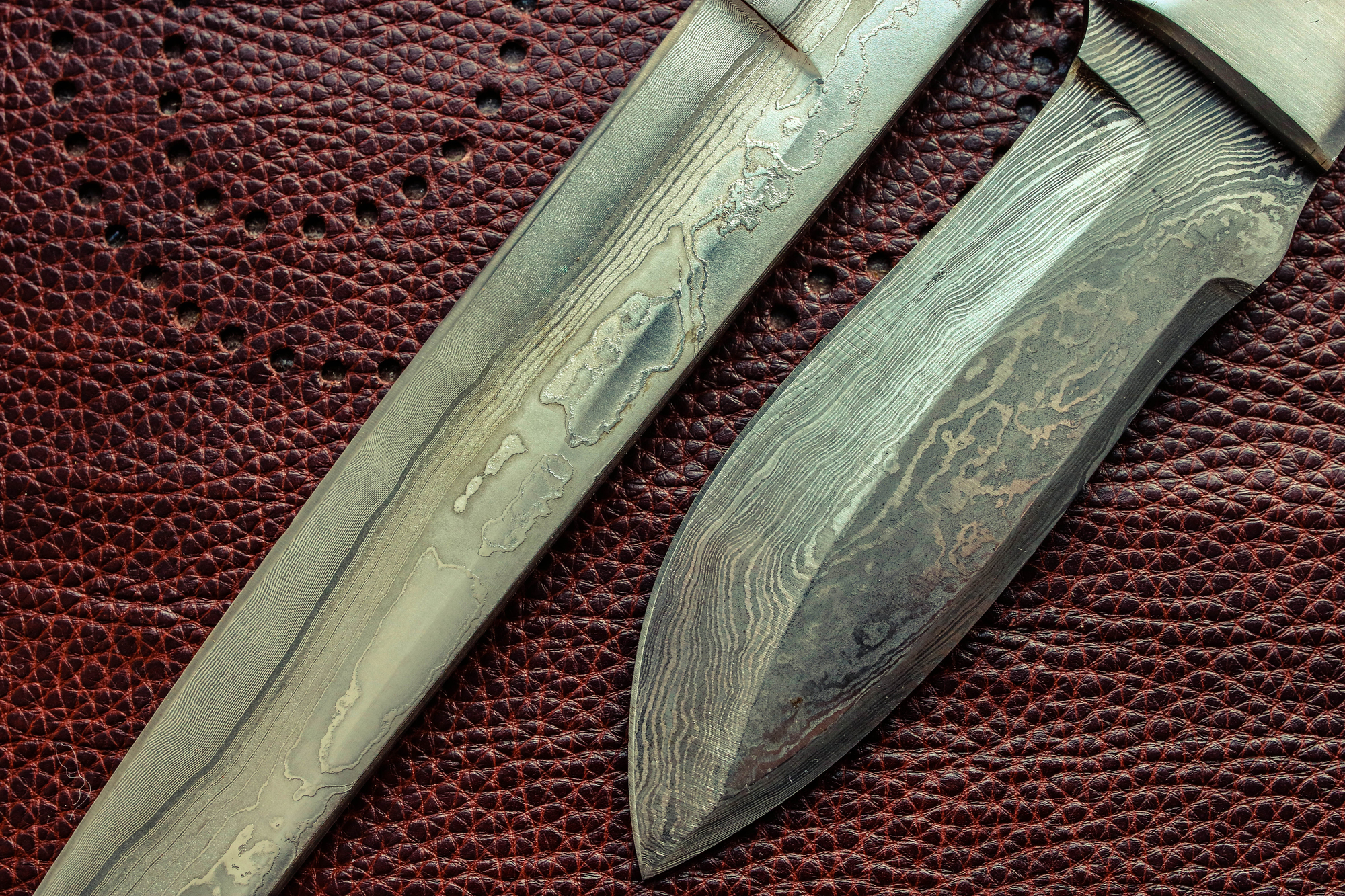
This legendary steel from ancient India served as the raw material for Damascus steel and was renowned throughout the ancient world for its superior quality. The production process involved a crucible technique that created a unique microstructure with carbon nanotubes and nanowires, concepts that modern science only recently understood.
The specific ore sources, exact temperatures, and cooling methods used in ancient Indian foundries created steel with properties that modern metallurgy struggles to replicate consistently. The knowledge disappeared around the 18th century when the ore sources were depleted.
Roman Aqueduct Engineering
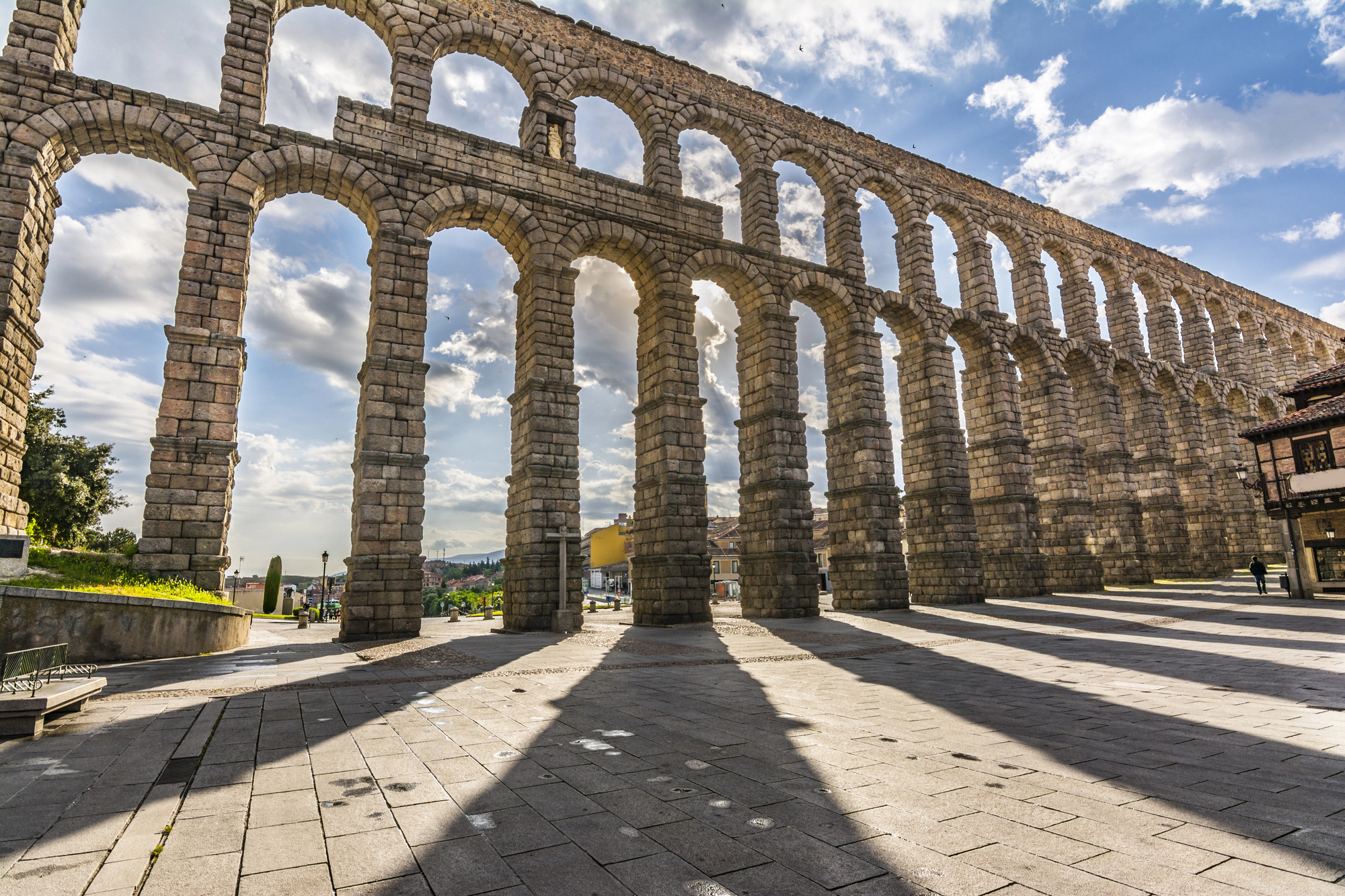
Roman aqueducts transported water across hundreds of miles with gradients so precise that the water flow remained constant despite crossing varied terrain. The engineering required incredibly accurate surveying techniques and mathematical calculations to maintain the proper slope over vast distances.
Some aqueducts included siphon systems that carried water uphill using atmospheric pressure principles that wouldn’t be formally understood until much later. Modern reconstruction of Roman aqueduct segments often requires advanced surveying equipment to achieve the same precision the Romans accomplished with basic tools.
Like Go2Tutors’s content? Follow us on MSN.
Ferro-Cement Boats

Ancient civilizations in various parts of the world created boats using thin layers of iron reinforced with organic materials, creating vessels that were both lightweight and durable. These early composite materials combined metal strength with flexibility from plant fibers, hemp, or other organic compounds.
The exact techniques for layering and binding these materials, along with the specific treatments used to prevent corrosion, remain partially mysterious. Modern composite boat building uses different principles and materials, but rarely achieves the same balance of weight, strength, and longevity using traditional methods.
Medieval Stained Glass
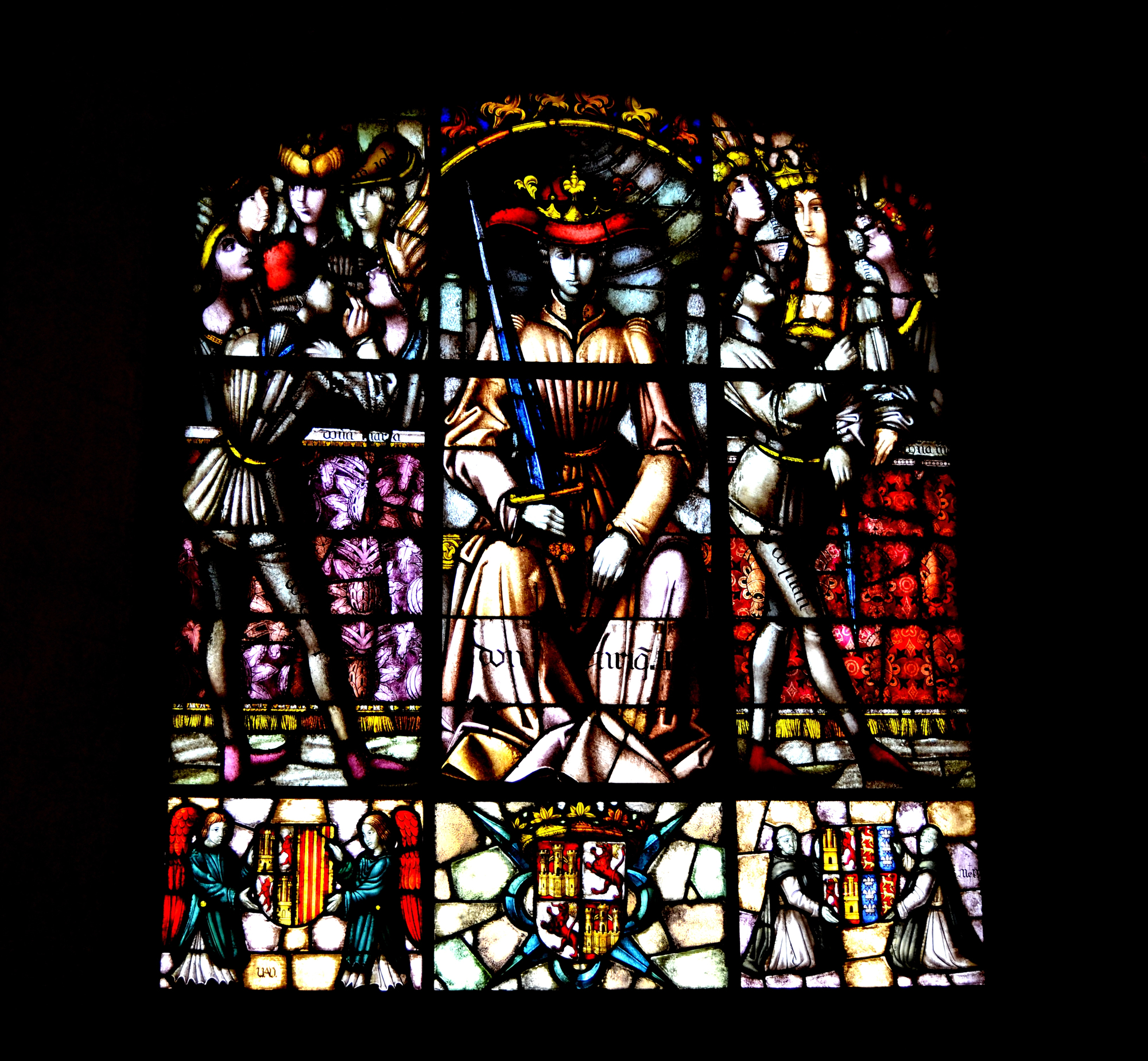
The vibrant colors and luminous quality of medieval cathedral windows, particularly those created between the 12th and 16th centuries, represent a pinnacle of glassmaking artistry. The techniques for creating certain colors, especially the deep blues and reds, involved recipes and firing methods that were closely guarded guild secrets.
Many of these formulas were lost during periods of social upheaval, and modern attempts to recreate identical colors and optical properties often fall short. The glass also demonstrates remarkable durability, with many windows surviving centuries of weather and war while maintaining their brilliance.
Flexible Glass
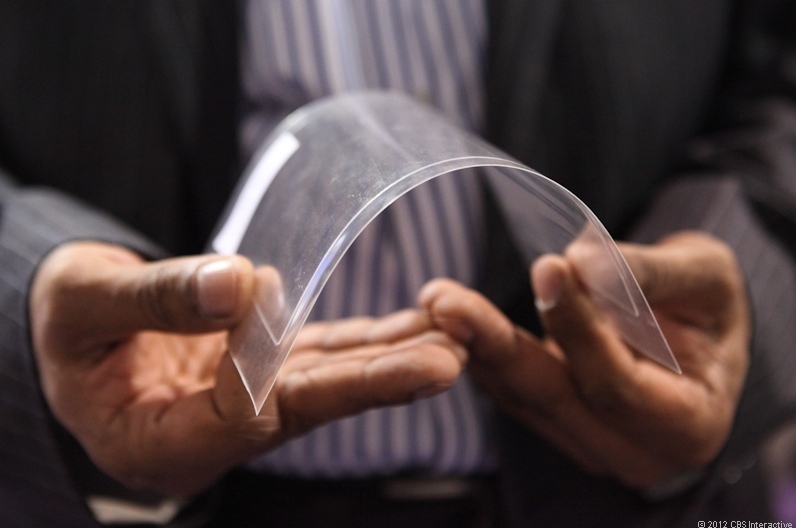
Ancient Roman historians wrote about flexible glass that could be bent without breaking, supposedly invented during the reign of Emperor Tiberius. While some scholars debate whether this material actually existed, recent archaeological discoveries have found examples of extremely thin, flexible Roman glass that demonstrates advanced glassmaking techniques.
The exact composition and manufacturing process for creating glass with unusual flexibility remains unknown. Modern materials science can create flexible glass using different methods, but replicating the specific properties described in ancient texts continues to challenge researchers.
Like Go2Tutors’s content? Follow us on MSN.
Bridging Ancient Wisdom and Modern Innovation

These lost technologies remind us that innovation isn’t always linear. Ancient civilizations achieved remarkable feats through patient observation, skilled craftsmanship, and deep understanding of natural materials.
Many of these techniques disappeared not because they were inferior, but because the knowledge was closely guarded, the materials became unavailable, or social disruptions interrupted the transmission of skills from master to apprentice. Today’s researchers continue studying these ancient achievements, hoping to unlock secrets that might inspire new approaches to modern engineering challenges. The persistence of these mysteries demonstrates that human ingenuity has always found ways to push beyond the apparent limits of available technology.
More from Go2Tutors!

- 18 Unexpectedly Valuable Collectibles You Might Have Lying Around
- 20 Little-Known Historical Battles That Had Huge Consequences
- 20 Historical Artifacts That Scientists Can’t Explain
- 15 Inventions That Were Immediately Banned After Being Created
- 20 Actors Who Were Almost Cast in Iconic Roles
Like Go2Tutors’s content? Follow us on MSN.