17 Hidden Temples Found in Jungle Trails
Temples tucked deep in the world’s jungles tell stories that no guidebook can fully capture. These places aren’t just old—they’re shaped by roots, wrapped in moss, and half-swallowed by nature.
What makes them remarkable isn’t just their age or architecture, but the way they’ve blended so fully into their surroundings. They’re hidden by time and terrain, yet still standing.
Here is a list of 17 hidden temples found in jungle trails—each one distinct, and each shaped by both human hands and the wilderness around it.
Sambor Prei Kuk

This temple complex in central Cambodia dates back to the 7th century, long before Angkor Wat rose to fame. Dozens of brick towers are scattered across the forest, many wrapped in massive tree roots like something out of a fantasy novel.
The carvings are delicate despite the centuries, and the ground is often covered in dry leaves that crunch softly underfoot. Unlike more famous temples, it feels more like a forest exploration than a tourist stop.
Koh Ker
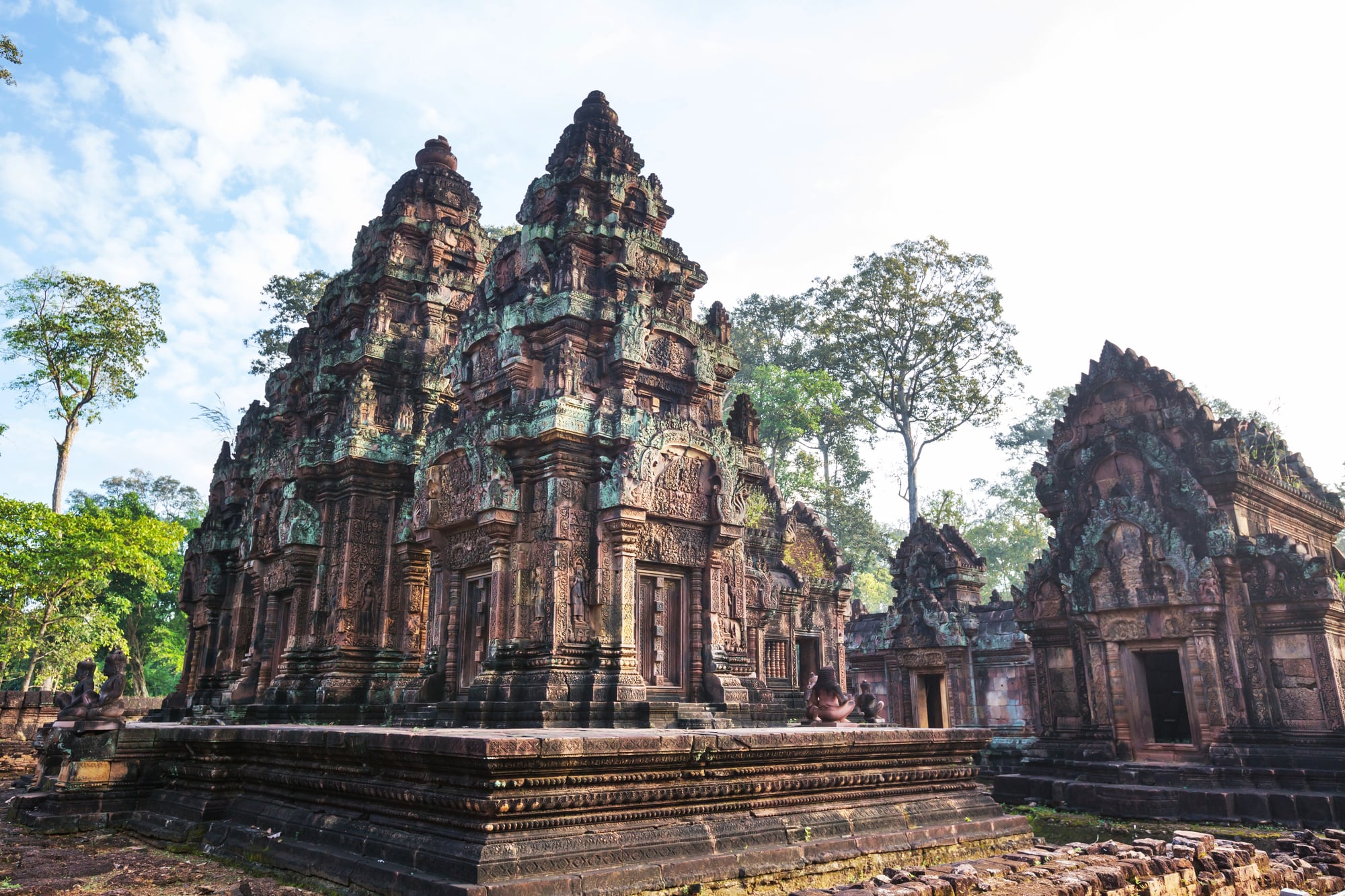
Koh Ker was once the capital of the Khmer Empire, but it now sits quietly under layers of brush and trees. Its centerpiece, Prasat Thom, rises like a stepped pyramid—rare in Khmer design—and peeks out from the forest canopy.
The site spreads over a wide area, with smaller shrines half-hidden down narrow paths. Wildlife is common here, and you’ll often hear birds or monkeys long before you see another person.
Like Go2Tutors’s content? Follow us on MSN.
Ta Prohm
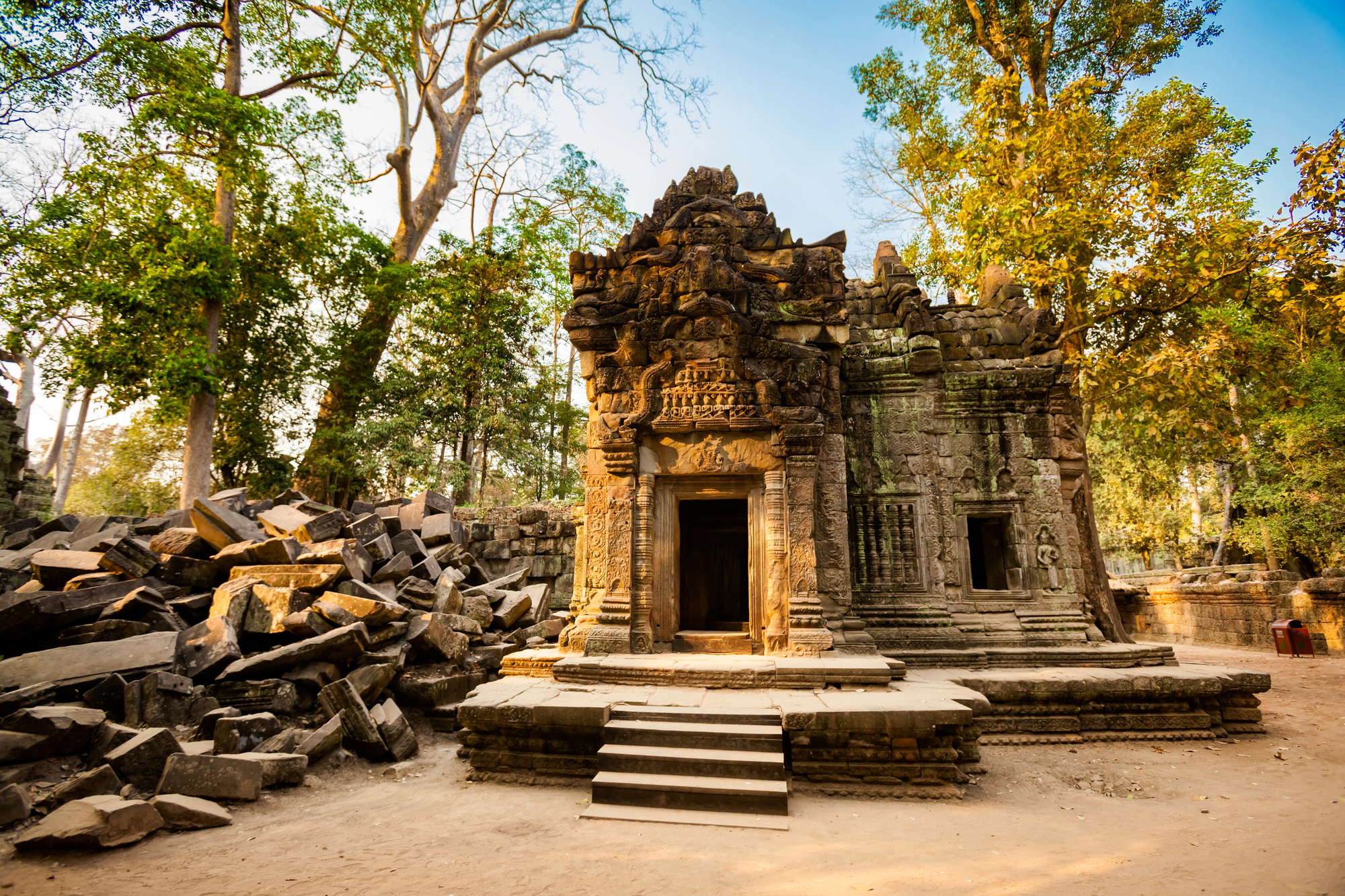
Famous thanks to its appearance in a movie, Ta Prohm still feels untouched despite the fame. Thick roots wrap around doorways and walls, slowly pulling apart the stone while also holding it together.
The temple layout winds unpredictably, with shaded corridors and sudden open courtyards. Nature has the upper hand here, yet it creates an atmosphere that’s hard to replicate anywhere else in the world.
Beng Mealea

Getting to Beng Mealea takes time—rough roads, few signs, and plenty of greenery—but the payoff is worth the effort. Once you arrive, you’re greeted by a tangle of ruins that the jungle has made its own.
Many sections have collapsed, but that only adds to the sense of mystery. With trees growing through walls and moss covering nearly everything, it feels like the temple is being slowly reabsorbed into the earth.
Preah Khan
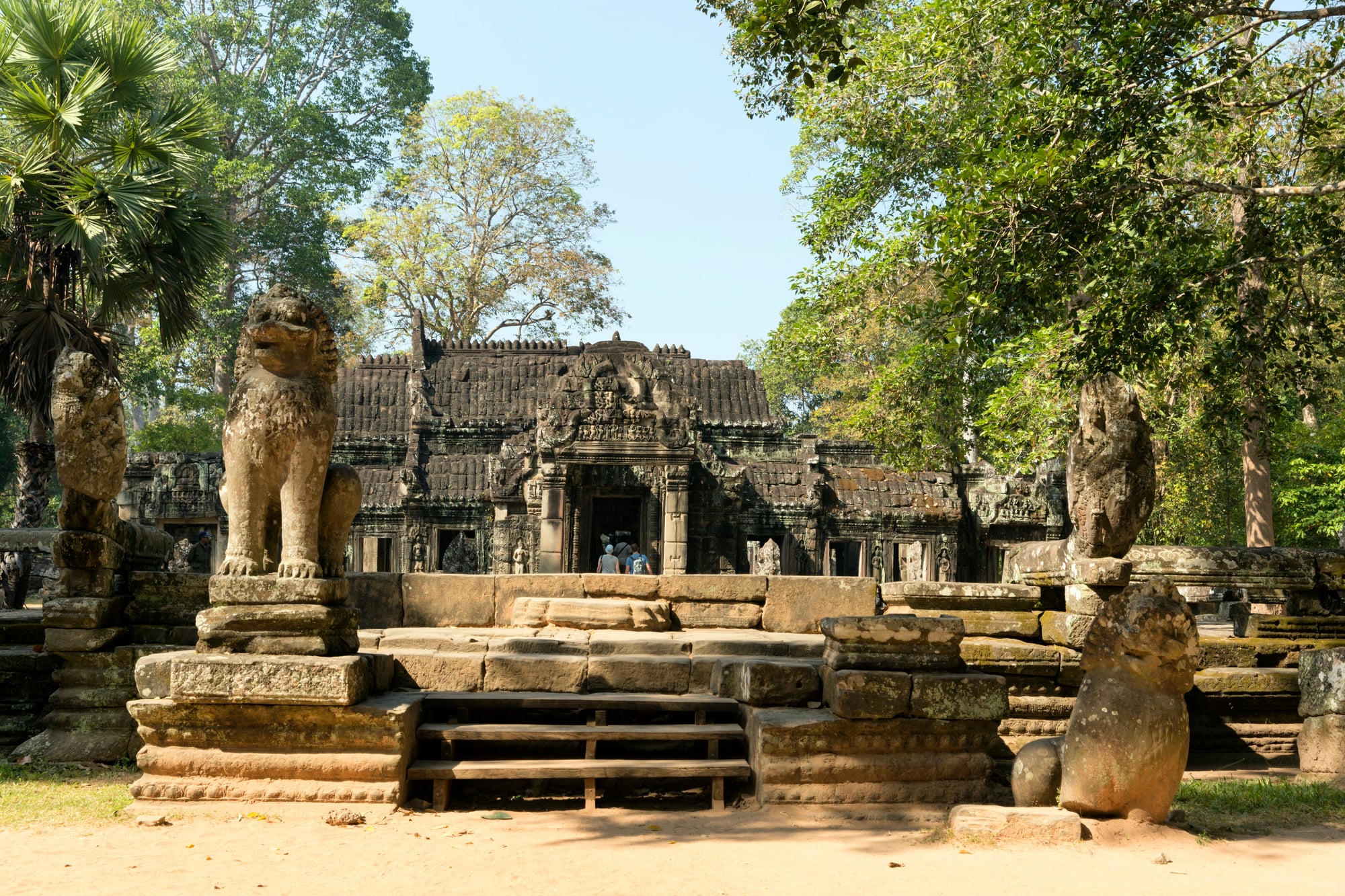
Preah Khan is large, but quiet. It lacks the crowds of Angkor’s better-known sites, yet the architecture and layout are just as complex. It was once a Buddhist university and city in its own right, and you can feel that sense of purpose in the way the halls stretch out in every direction.
Parts of it have been stabilized, but many sections remain tangled in vines or partly buried under forest debris.
Like Go2Tutors’s content? Follow us on MSN.
Altun Ha

Altun Ha sits in a lowland jungle north of Belize City, surrounded by light forest and tall grasses. Its plazas are wide and open, but dense foliage creeps up just beyond the clearings. The main temples still rise tall, with stone steps worn smooth by time.
Carvings are faint in places, but the sense of ceremony still lingers. Small animals dart through the trees, and the wind often carries the scent of damp leaves and stone.
Bonampak

Tucked into Mexico’s Lacandon Jungle, Bonampak is modest in size but rich in detail. It’s most famous for its murals—vibrant scenes painted centuries ago that have somehow survived the tropical climate. The path to the site is narrow and can feel overgrown, which adds to the sense of discovery.
Once there, the stillness is striking, interrupted only by the occasional call of a howler monkey or the rustle of the forest floor.
Calakmul
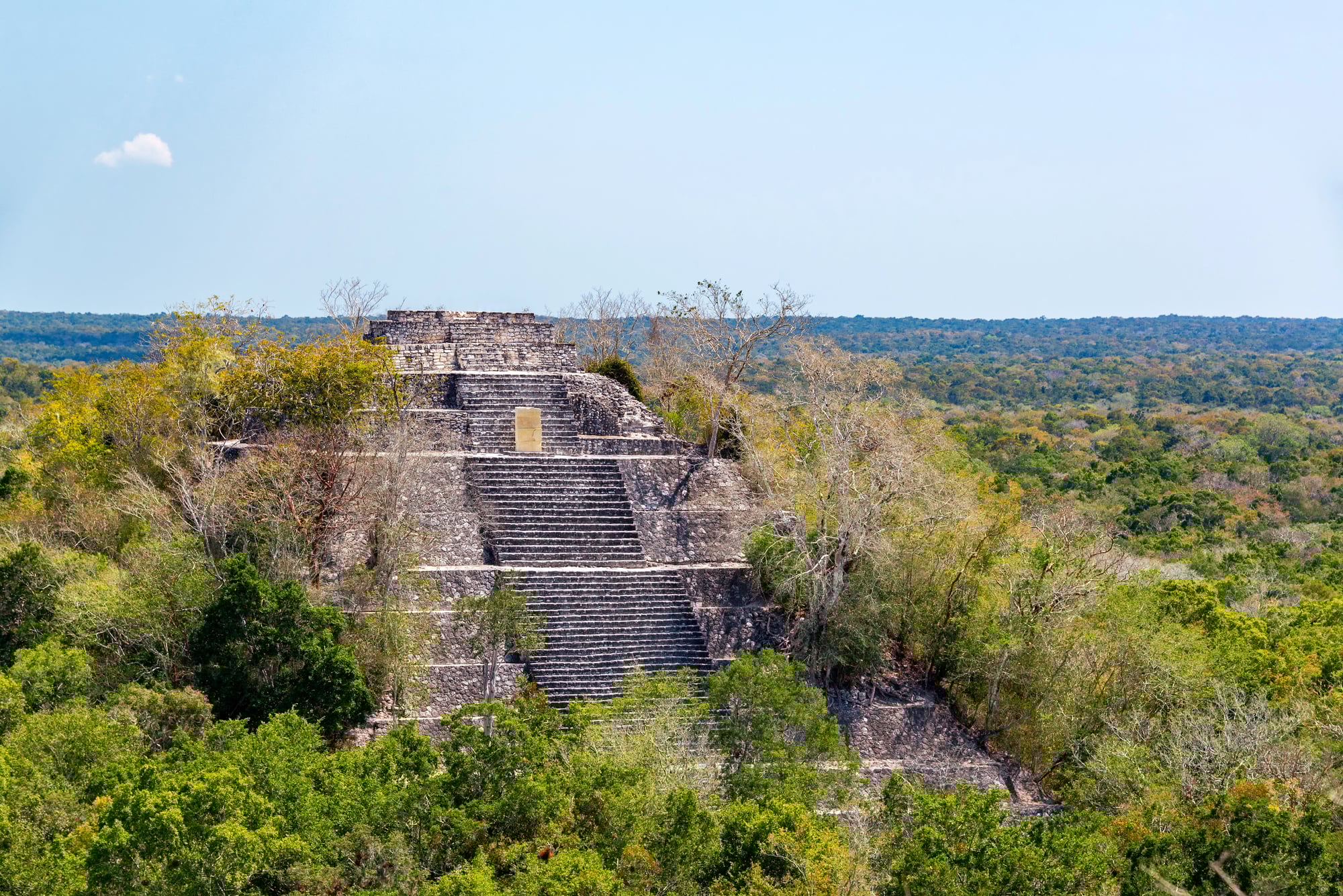
Hidden deep in the forests of southern Mexico, Calakmul was one of the most powerful Maya cities of its time. Today, reaching it requires a long journey through a nature reserve, where dense trees block sunlight and animals roam freely.
The pyramids rise above the canopy and offer sweeping views of uninterrupted jungle. It’s easy to imagine ancient rulers surveying their domain from those heights, now lost to time.
Like Go2Tutors’s content? Follow us on MSN.
Tikal (Temple of the Jaguar)

Tikal is better known than some entries on this list, but its size means many parts of it still feel hidden. The Temple of the Jaguar stands tall at the edge of a plaza, and behind it lies a network of trails leading to lesser-known ruins.
The surrounding jungle is thick and alive, making every walk between structures feel like a small expedition. Mist often settles among the trees in the morning, adding to the timeless atmosphere.
Ichkabal
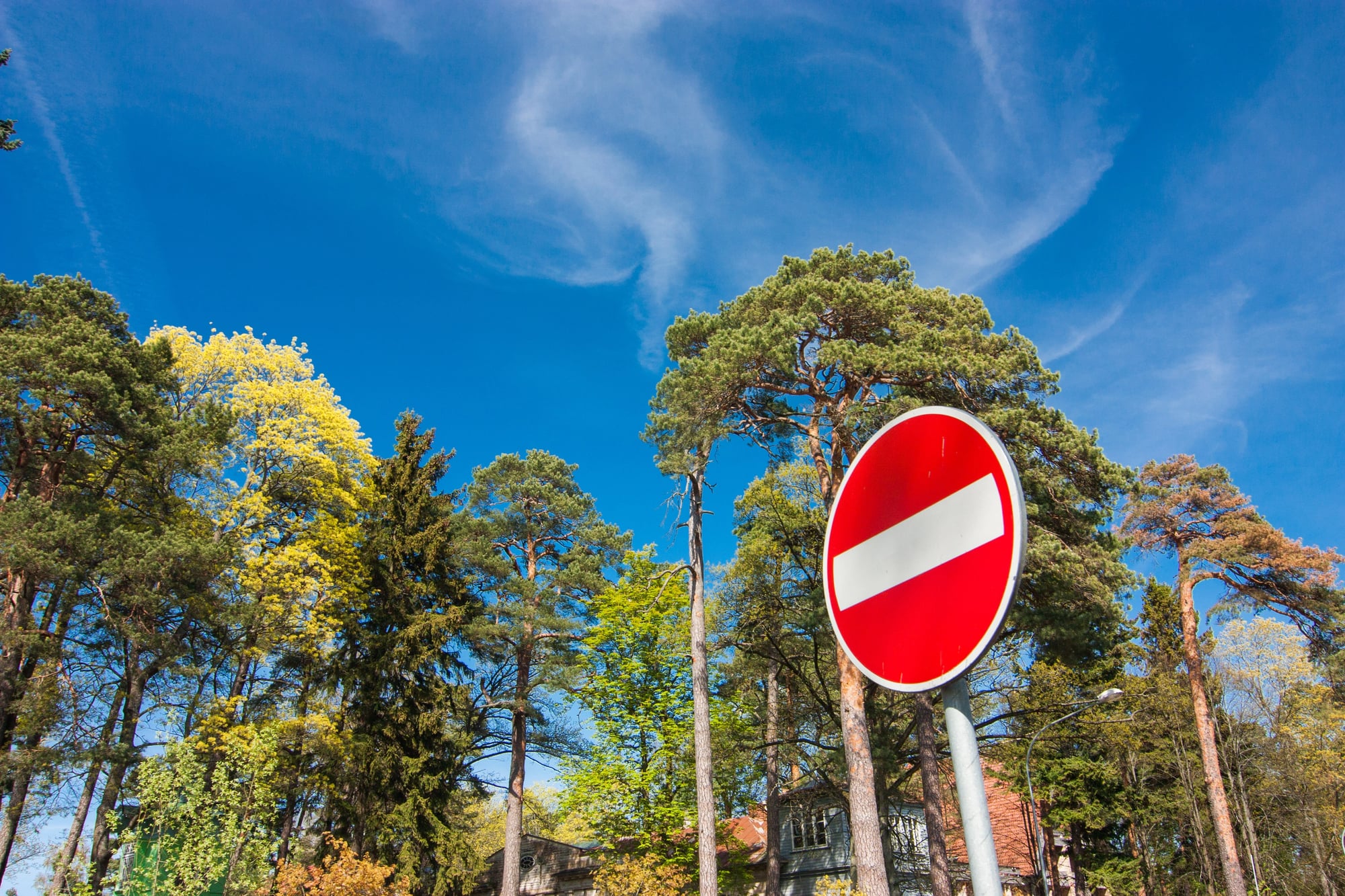
Discovered only in the late 20th century, Ichkabal remains mostly off-limits to tourists and researchers alike. That seclusion has preserved its scale and mystery. Massive pyramid structures lie beneath jungle growth, and aerial surveys suggest there’s far more underground than currently visible.
Walking through the area feels like brushing the surface of something vast and half-buried, waiting to be revealed.
Jaguar Temple at Lamanai
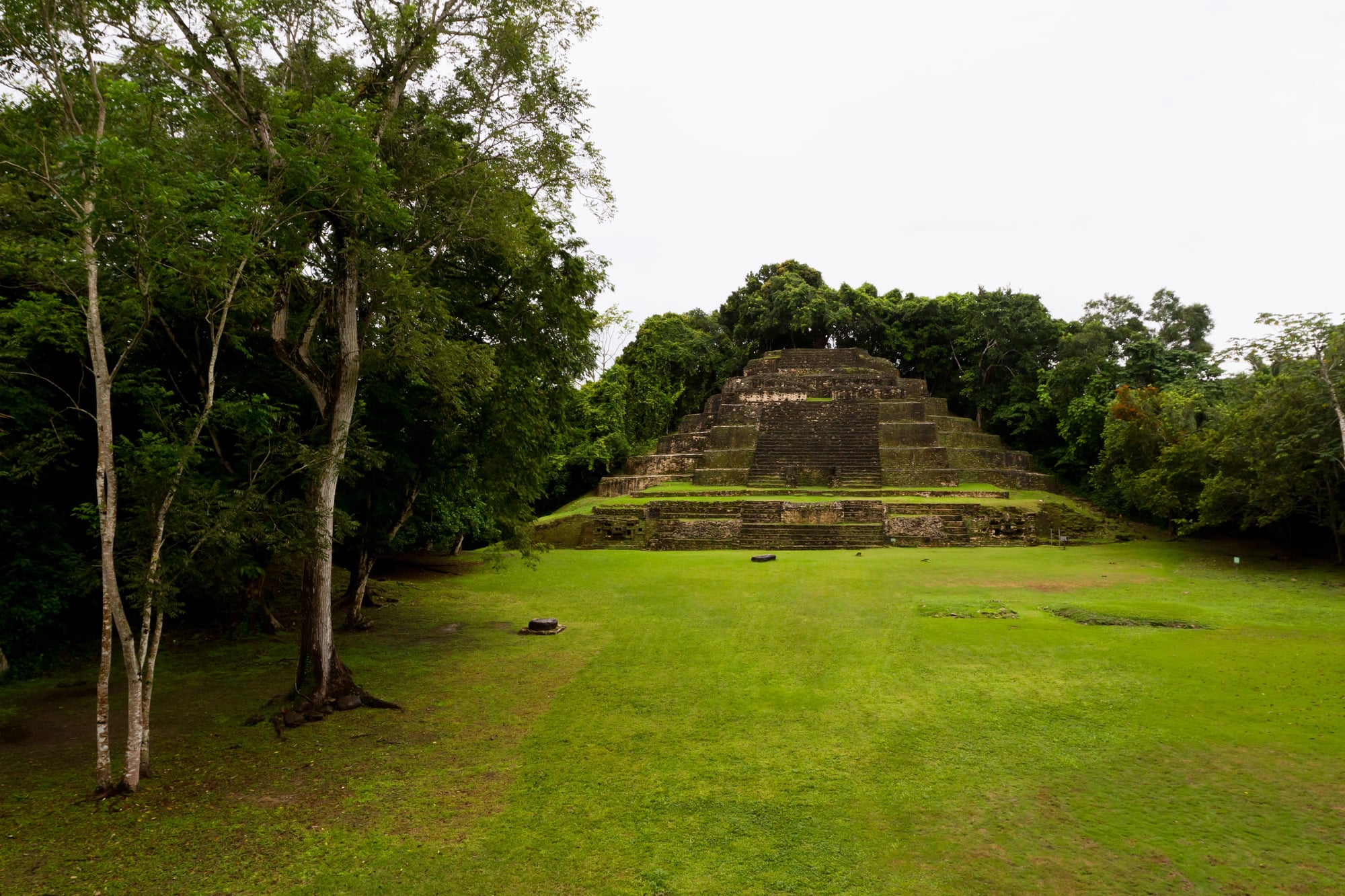
Located near a lagoon in Belize, the Jaguar Temple has fewer visitors than other Maya sites. Its stone jaguar faces are worn but still fierce-looking, peering out from weathered staircases.
Surrounding forest softens the site’s edges, and trails around the temple lead to lookout points and lesser-known ruins. The mix of swamp, forest, and ancient architecture creates an atmosphere that feels both eerie and sacred.
Like Go2Tutors’s content? Follow us on MSN.
Choquequirao

Often compared to Machu Picchu, Choquequirao is harder to reach but just as impressive. It sits high in Peru’s cloud forest, reachable only by a long and challenging trek. The reward is a site untouched by mass tourism, where stepped terraces and ceremonial platforms sit quietly under shifting fog.
Flowers bloom in cracks between stones, and condors sometimes circle overhead. This is one of those places where silence carries weight.
Wat Umong
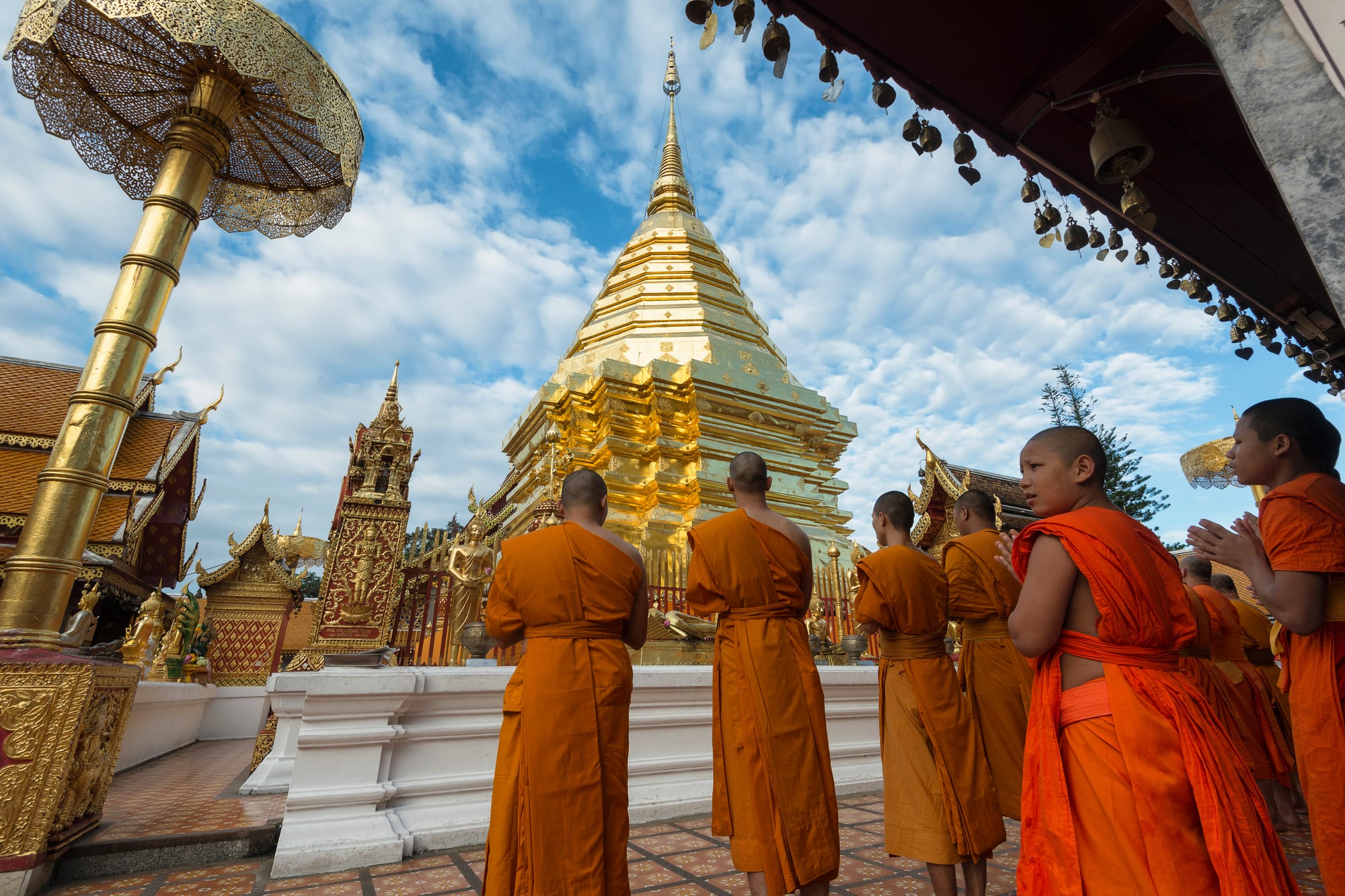
Hidden just outside Chiang Mai in northern Thailand, Wat Umong is surrounded by forest rather than jungle, but the effect is the same. It feels like a quiet escape from the modern world.
The temple includes a network of meditation tunnels carved into the earth, where candlelight and faint murals give off a sense of calm. The surrounding grounds include shrines, ponds, and wandering monks who keep the tradition alive.
Wat Tham Suea (Tiger Cave Temple)
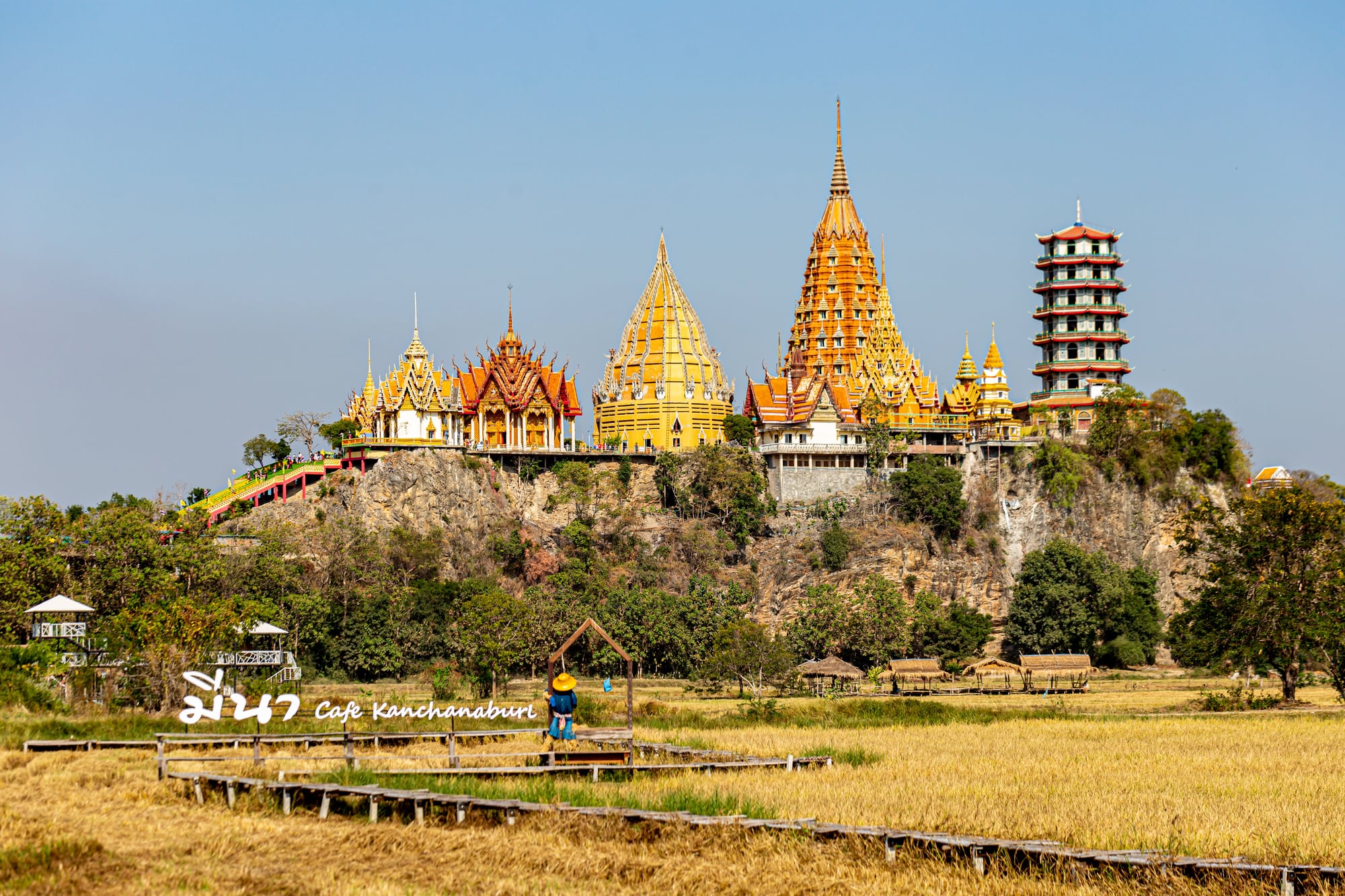
Nestled in southern Thailand’s jungle hills, this temple isn’t easy to reach. Hundreds of steps wind up steep limestone formations, with the jungle getting thicker the higher you go.
At the top, a large golden Buddha looks out over vast green plains. The caves themselves are places of prayer, where monks live and meditate. The climb is tough, but the reward is peace and panoramic views.
Like Go2Tutors’s content? Follow us on MSN.
Masroor Rock-Cut Temples

Carved directly from a single piece of rock, the Masroor temples in northern India are impressive not just for their craftsmanship, but for their isolation. Surrounded by forest and small hills, the temples seem to rise straight from the ground.
The carvings show intricate detailing, and the silence of the area adds a reverent air. Most visitors don’t stumble upon this place unless they’re specifically looking for it.
Pura Lempuyang Luhur (Dragon Temple Gate), Bali, Indonesia

While its iconic ‘Gateway to Heaven’ is widely photographed, Pura Lempuyang Luhur is a complex of several temples ascending Mount Lempuyang. The higher temples, nestled deep within the lush rainforest and accessed via challenging jungle trails, are far less visited.
These serene, moss-covered shrines offer a profound spiritual experience hidden amidst dense vegetation, with stunning views of the surrounding natural landscape.
Mount Popa, Myanmar
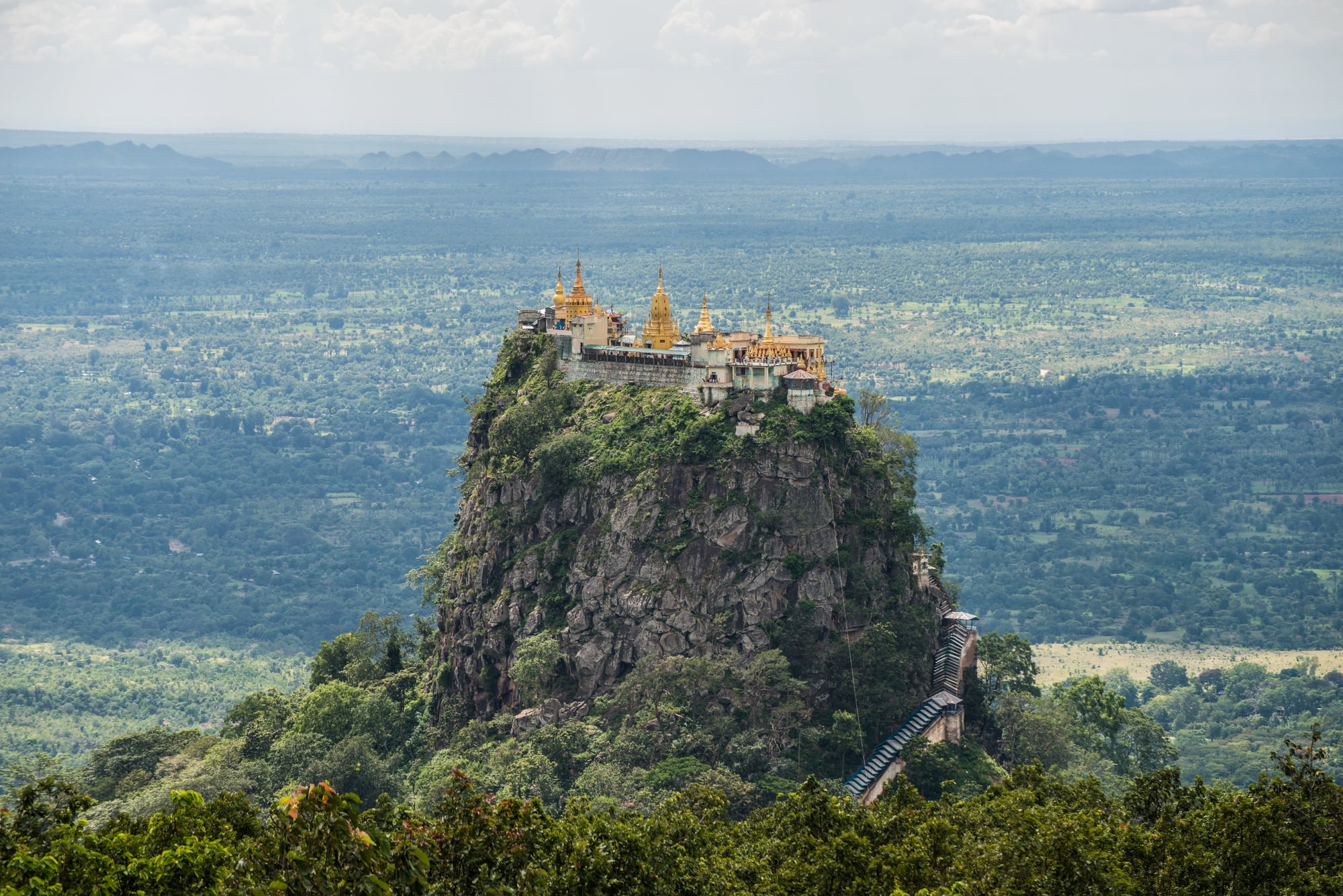
Just southeast of Bagan, Mount Popa is an extinct volcano topped by a golden monastery known as Taung Kalat. This highly sacred site for Myanmar’s Nats (spirits) is reached by climbing 777 steps up the forested volcanic plug.
While the climb is famous for its mischievous monkeys, the temple complex itself, perched dramatically amidst lush greenery, feels like a hidden spiritual haven emerging from the jungle-covered landscape.
Like Go2Tutors’s content? Follow us on MSN.
Echoes of Lost Civilizations
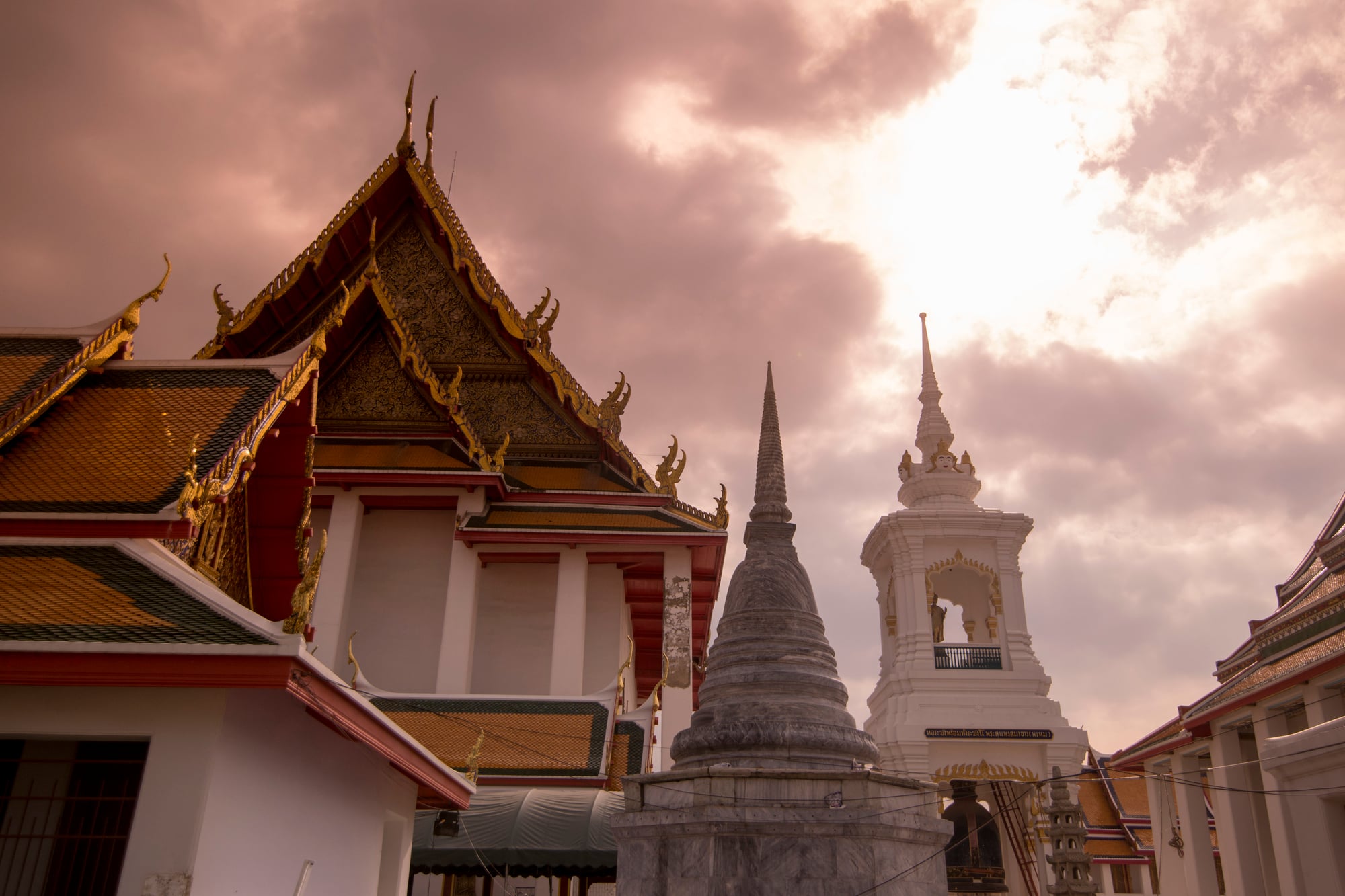
Each of these temples has endured centuries of weather, war, and wilderness—yet they’re still standing, hidden among roots and wrapped in stories. They show how places of worship don’t vanish entirely—they adapt, blend in, and wait quietly for those willing to find them.
These sites are proof that even in our modern world, there are still pieces of the past hiding just off the beaten path.
Visiting these sites offers a chance to appreciate timeless craftsmanship and reflect on how civilizations leave lasting marks, even when swallowed by nature. These temples aren’t just ruins; they’re living echoes of stories waiting to be uncovered and remembered.
More from Go2Tutors!

- 16 Historical Figures Who Were Nothing Like You Think
- 12 Things Sold in the 80s That Are Now Illegal
- 15 VHS Tapes That Could Be Worth Thousands
- 17 Historical “What Ifs” That Would Have Changed Everything
- 18 TV Shows That Vanished Without a Finale
Like Go2Tutors’s content? Follow us on MSN.