16 Breathing Techniques Used by Elite Athletes
When you watch elite athletes perform, you’re witnessing more than just physical prowess—you’re seeing masters of breath control in action. From marathon runners maintaining steady oxygen flow to weightlifters timing their breath for maximum power, top-tier athletes understand that breathing isn’t just automatic.
It’s a skill that can make the difference between winning and losing. The techniques these athletes use aren’t reserved for the pros.
Each method serves a specific purpose, whether it’s building endurance, managing stress, or recovering faster between sets. Here is a list of 16 breathing techniques that elite athletes swear by to enhance their performance.
Box Breathing

Navy SEALs popularized this technique, but athletes across all sports now use it for mental clarity and stress management. You breathe in for four counts, hold for four, exhale for four, then hold empty for four counts before repeating.
This creates a ‘box’ pattern that calms your nervous system and sharpens focus. Professional golfers often use box breathing before crucial putts, while tennis players employ it between points to reset their mental state.
Diaphragmatic Breathing

Also known as belly breathing, this technique teaches your body to use the diaphragm muscle instead of shallow chest breathing. You place one hand on your chest and another on your belly, then breathe so only the bottom hand moves.
This method increases oxygen efficiency and reduces the energy cost of breathing during exercise. Distance runners particularly benefit from diaphragmatic breathing because it allows them to maintain steady oxygen flow without wasting energy on inefficient breathing patterns.
Like Go2Tutors’s content? Follow us on MSN.
Wim Hof Method
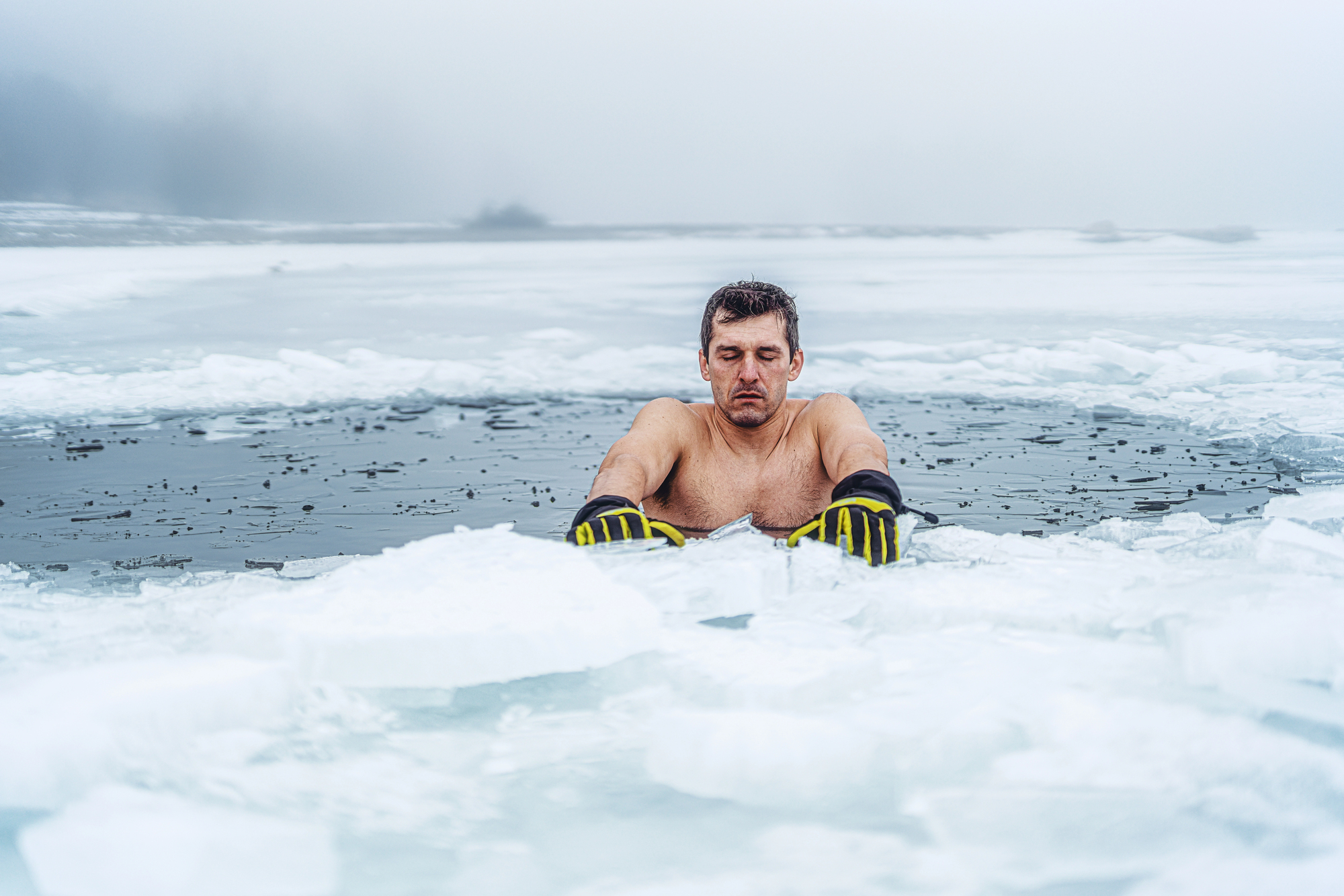
This technique combines specific breathing patterns with cold exposure and mental focus. You take 30 deep breaths, exhale completely, then hold your breath as long as comfortable before taking a recovery breath.
The method trains your body to handle stress and improves oxygen utilization at the cellular level. Extreme sports athletes and endurance competitors use this technique to build mental toughness and increase their tolerance for physical discomfort.
Alternate Nostril Breathing

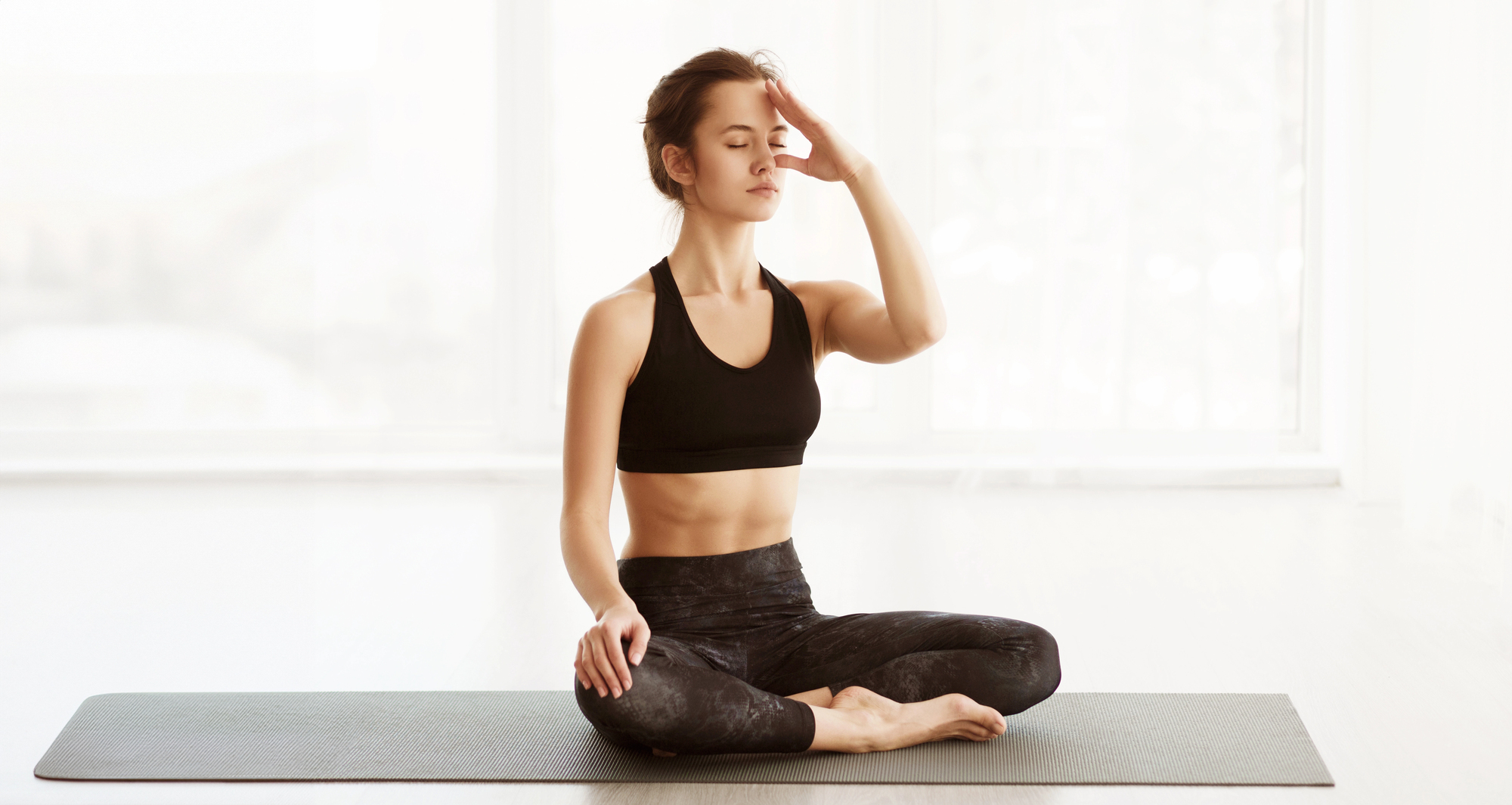
Borrowed from yoga traditions, this technique involves breathing through one nostril at a time while blocking the other with your finger. You inhale through the left nostril, switch to exhale through the right, then reverse the pattern.
This practice balances your nervous system and improves concentration. Figure skaters and gymnasts often use alternate nostril breathing before competitions to achieve the precise mental state needed for their routines.
Power Breathing

Explosive athletes like weightlifters and shot putters use this technique to generate maximum force. You take a deep breath, hold it while bracing your core, then explosively exhale during the most challenging part of the movement.
This creates internal pressure that stabilizes your spine and allows for greater power output. The timing is crucial—exhaling too early reduces power, while holding your breath too long can cause dangerous blood pressure spikes.
Like Go2Tutors’s content? Follow us on MSN.
Breathing

This technique involves inhaling for four counts, holding for seven, then exhaling for eight counts. The extended exhale activates your parasympathetic nervous system, promoting relaxation and recovery.
Baseball pitchers often use 4-7-8 breathing between innings to manage adrenaline and maintain composure. The technique also helps athletes fall asleep faster after intense training sessions or competitions.
Rhythmic Breathing
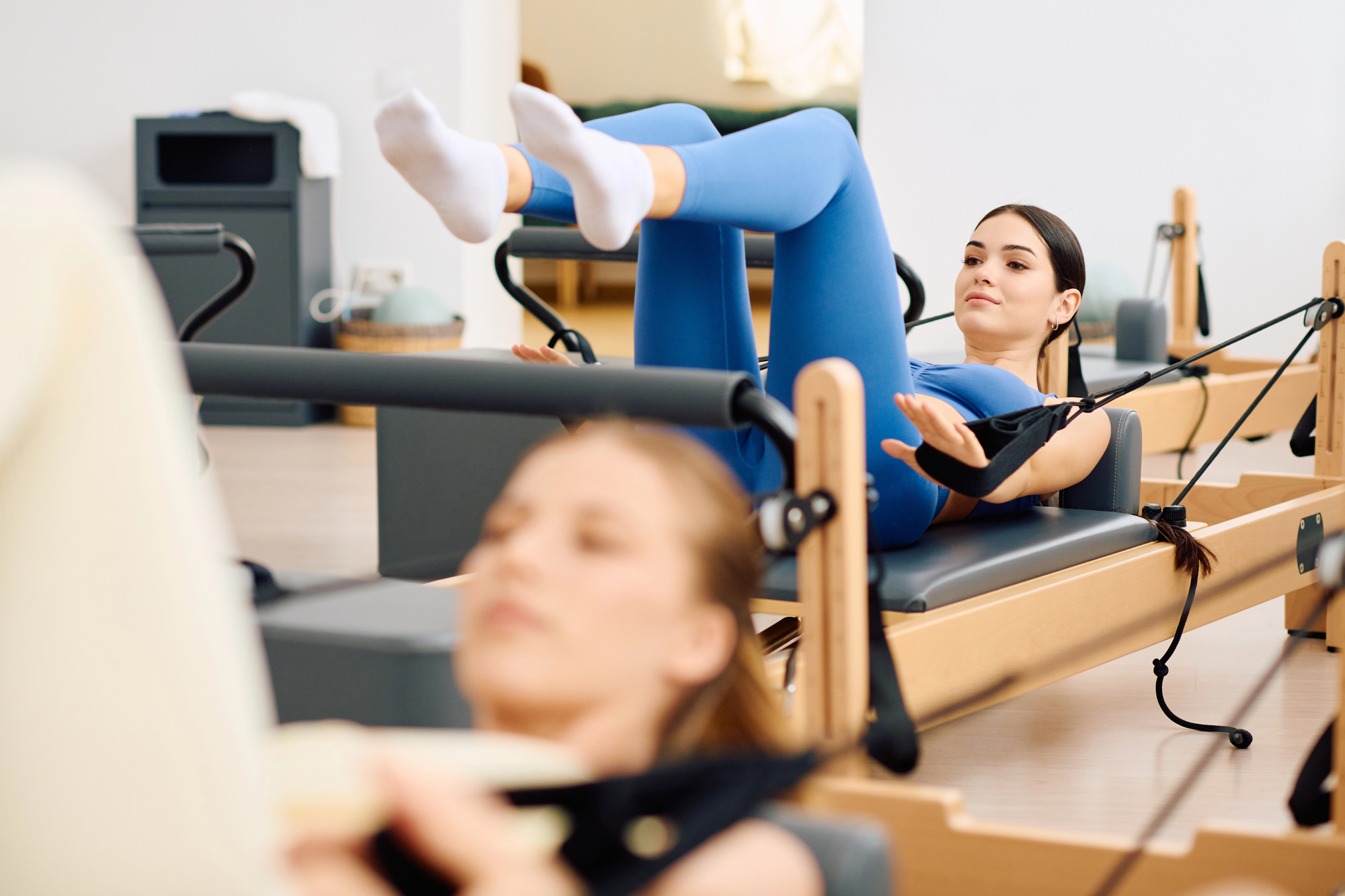
Distance runners master this technique by syncing their breathing pattern with their stride cadence. A common pattern is breathing in for three steps and out for two steps, creating a 3:2 ratio.
This prevents side stitches and ensures consistent oxygen delivery throughout long runs. The asymmetrical pattern also helps runners land alternately on different feet during exhalation, reducing repetitive stress injuries.
Tactical Breathing

Military and tactical athletes use this four-count method similar to box breathing but with different timing. You inhale for four counts, hold for four, exhale for four, then immediately begin the next cycle without holding empty.
This technique maintains alertness while managing stress, making it perfect for sports requiring split-second decisions. Mixed martial arts fighters use tactical breathing between rounds to stay calm while maintaining their competitive edge.
Like Go2Tutors’s content? Follow us on MSN.
Breath Holds

Free divers and swimmers develop this technique to increase their tolerance for carbon dioxide buildup. After normal breathing, you hold your breath for progressively longer periods while remaining relaxed.
This trains your body to function efficiently with less oxygen and builds mental toughness. Even land-based athletes use breath holds to improve their anaerobic capacity and learn to stay calm under oxygen stress.
Coherent Breathing

This technique involves breathing at a rate of five breaths per minute, with equal inhale and exhale times of six seconds each. The consistent rhythm optimizes heart rate variability and promotes recovery.
Professional basketball players use coherent breathing during timeouts to quickly shift from high-intensity play to a recovery state. The technique helps athletes bounce back faster between high-intensity intervals.
Buteyko Breathing

Developed by a Russian doctor, this method focuses on reducing breathing volume and increasing carbon dioxide tolerance. You practice breathing less air than you feel you need, which trains your body to use oxygen more efficiently.
Endurance athletes use Buteyko breathing to improve their oxygen-carrying capacity and reduce exercise-induced asthma symptoms. The technique takes patience to master but significantly improves respiratory efficiency.
Like Go2Tutors’s content? Follow us on MSN.
Bellows Breathing

This rapid, forceful breathing technique energizes the body and increases alertness before competition. You breathe rapidly through your nose with equal inhale and exhale times, similar to a blacksmith’s bellows.
After 30 seconds to a minute, you return to normal breathing and notice the energizing effects. Sprinters and explosive power athletes use bellows breathing as part of their pre-competition warm-up routine.
Recovery Breathing
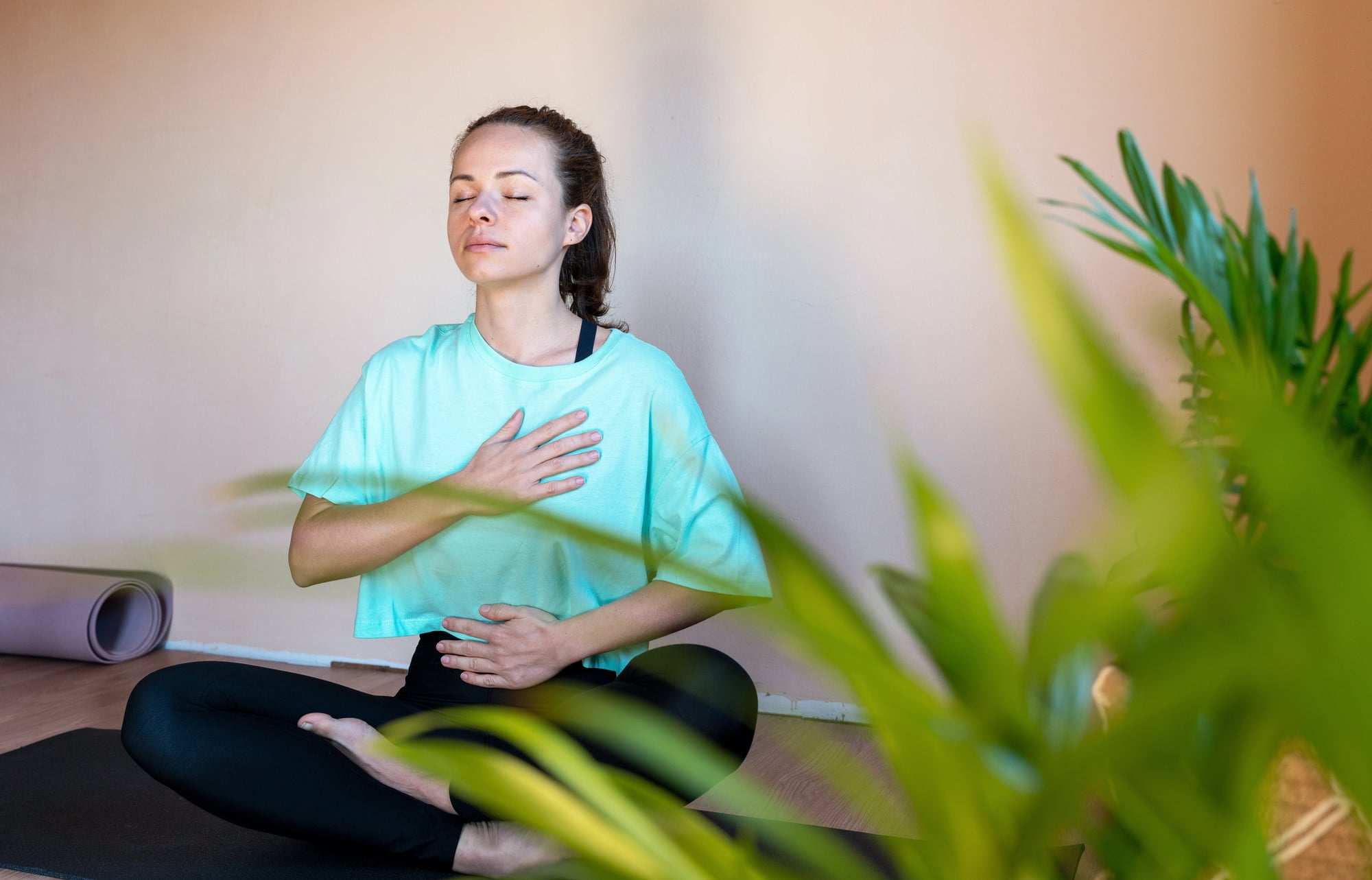
After intense exercise, this technique helps shift your body into recovery mode faster. You take slow, deep breaths with extended exhales, often using a 1:2 ratio where the exhale is twice as long as the inhale.
This activates your parasympathetic nervous system and accelerates recovery processes. Swimmers use recovery breathing between sets to lower their heart rate and prepare for the next interval.
Visualization Breathing

This technique combines breath control with mental imagery to enhance performance. You breathe steadily while visualizing successful execution of your sport-specific movements.
The rhythmic breathing helps maintain focus while the visualization primes your nervous system for optimal performance. Alpine skiers use this technique at the top of their run, breathing steadily while mentally rehearsing their descent down the mountain.
Like Go2Tutors’s content? Follow us on MSN.
Segmented Breathing

This advanced technique involves breaking each breath into multiple segments with brief pauses. You might inhale in three parts, hold briefly, then exhale in three parts with pauses between each segment.
This develops precise breath control and increases lung capacity. Wind instrument musicians who are also athletes often excel at this technique because it requires similar breath control skills.
Competition Breathing
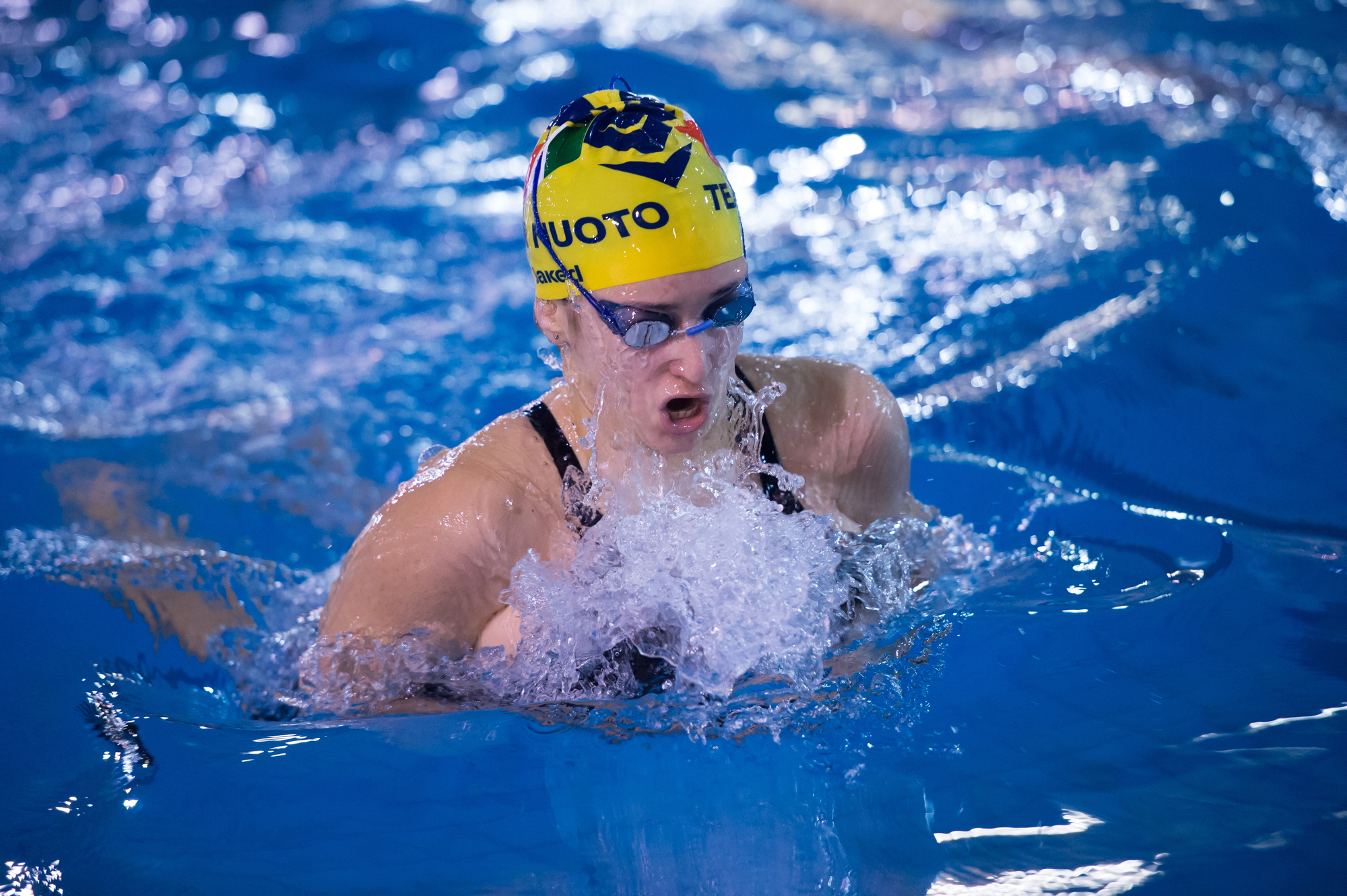
This personalized technique combines elements from various methods to create a sport-specific breathing pattern. Athletes work with coaches to develop a routine that addresses their particular needs and competition demands.
A gymnast might use power breathing for explosive moves, rhythmic breathing for routine flow, and recovery breathing between events. The key is having a systematic approach rather than random breathing patterns during competition.
Finding Your Rhythm in Performance
These breathing techniques represent decades of athletic innovation and scientific understanding about how oxygen affects performance. What separates recreational exercisers from elite athletes isn’t just physical training—it’s the mastery of these fundamental life support systems.
The athletes who reach the top understand that breath control isn’t just about getting enough air. It’s about optimizing every aspect of their physiology for peak performance, from managing stress hormones to maximizing power output and accelerating recovery between efforts.
More from Go2Tutors!

- 16 Historical Figures Who Were Nothing Like You Think
- 12 Things Sold in the 80s That Are Now Illegal
- 15 VHS Tapes That Could Be Worth Thousands
- 17 Historical “What Ifs” That Would Have Changed Everything
- 18 TV Shows That Vanished Without a Finale
Like Go2Tutors’s content? Follow us on MSN.



