15 Home Buying Mistakes First-Time Buyers Always Make
Buying your first home feels like navigating a maze blindfolded while someone shouts conflicting directions at you. The excitement of finally owning your own place can quickly turn into overwhelming stress when you realize how many moving parts are involved.
From understanding mortgage terms that sound like a foreign language to dealing with inspections, appraisals, and negotiations, the whole process can feel like you need a PhD in real estate just to survive it. Most first-time buyers think they’re prepared, but the reality is that even the smartest people make predictable mistakes when they’re learning the ropes.
Here is a list of 15 common home buying mistakes that first-time buyers always make.
Not Getting Pre-Approved for a Mortgage
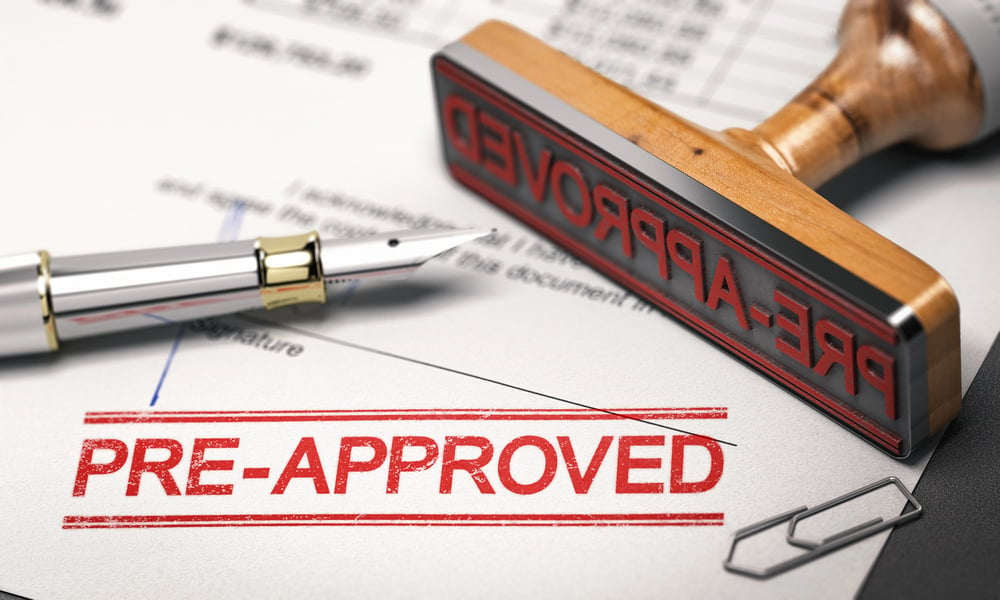
Walking into the home buying process without pre-approval is like showing up to a restaurant without a reservation during peak hours. You might get lucky, but you’re probably going to be disappointed.
Pre-approval tells you exactly how much house you can afford and shows sellers that you’re a serious buyer with actual financing in place. Many first-time buyers think pre-qualification is the same thing, but it’s not even close – pre-qualification is just a rough estimate based on what you tell the lender, while pre-approval involves actually checking your credit, income, and financial documents.
Skipping the Home Inspection

Some buyers get so caught up in winning a bidding war that they waive the inspection to make their offer more attractive. This is like buying a used car without looking under the hood because the paint job looks nice.
A home inspection typically costs a few hundred dollars, but it can save you thousands by catching problems before you’re stuck with them. Even brand-new homes need inspections because builders are human and humans make mistakes – that beautiful kitchen might hide plumbing issues, or those gorgeous hardwood floors might be covering structural problems.
Like Go2Tutors’s content? Follow us on MSN.
Falling in Love with the First House

House hunting isn’t like dating where you might meet ‘the one’ on your first try. Real estate markets are full of options, and jumping on the first house you see is like ordering the first thing on the menu without reading the rest.
You need to see multiple properties to understand what’s available in your price range and what features matter most to you. First-time buyers often get emotionally attached too quickly, which clouds their judgment about practical concerns like location, size, and condition.
Ignoring Additional Costs Beyond the Down Payment
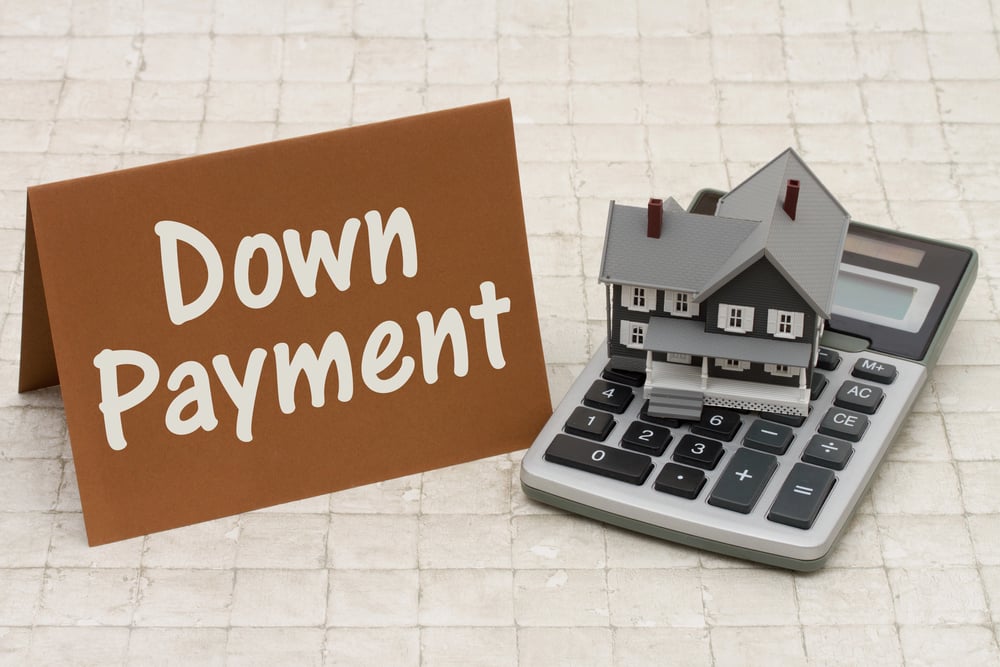
The down payment is just the tip of the iceberg when it comes to upfront costs. Closing costs alone can run anywhere from 2% to 5% of the home’s purchase price, and that’s before you factor in moving expenses, immediate repairs, or new furniture.
Many first-time buyers budget for the down payment and forget about everything else, then get blindsided when their toilet breaks or their roof starts leaking and there’s no landlord to call.
Not Researching the Neighborhood Thoroughly

Driving through a neighborhood on a sunny Saturday afternoon gives you about as much insight into daily life there as watching a movie trailer tells you about the entire film. You need to visit at different times of day and different days of the week to get a real feel for traffic patterns, noise levels, and how busy things get.
Check out the local schools even if you don’t have kids, because school quality affects property values significantly, and look up crime statistics, grocery store locations, and how well-maintained the other properties look.
Like Go2Tutors’s content? Follow us on MSN.
Choosing the Wrong Real Estate Agent

Not all real estate agents are created equal, and picking the wrong one is like hiring a translator who only speaks half the language. Some agents are great at working with investors but terrible with first-time buyers who need extra guidance.
Others might be perfectly nice people who just don’t know your target area very well. Interview multiple agents and ask for references from recent first-time buyers they’ve worked with – a good agent will educate you throughout the process, not just show you houses and hand you papers to sign.
Maxing Out the Budget
Just because a lender approves you for a certain amount doesn’t mean you should spend every penny of it. Lenders look at your debt-to-income ratio, but they don’t know about your Netflix subscription, your coffee habit, or your plans to take a vacation next year.
They’re focused on whether you can technically make the payments, not whether you’ll be comfortable doing it. Aim to spend less than your maximum approval amount so you have breathing room for unexpected expenses and lifestyle changes.
Overlooking Home Maintenance History
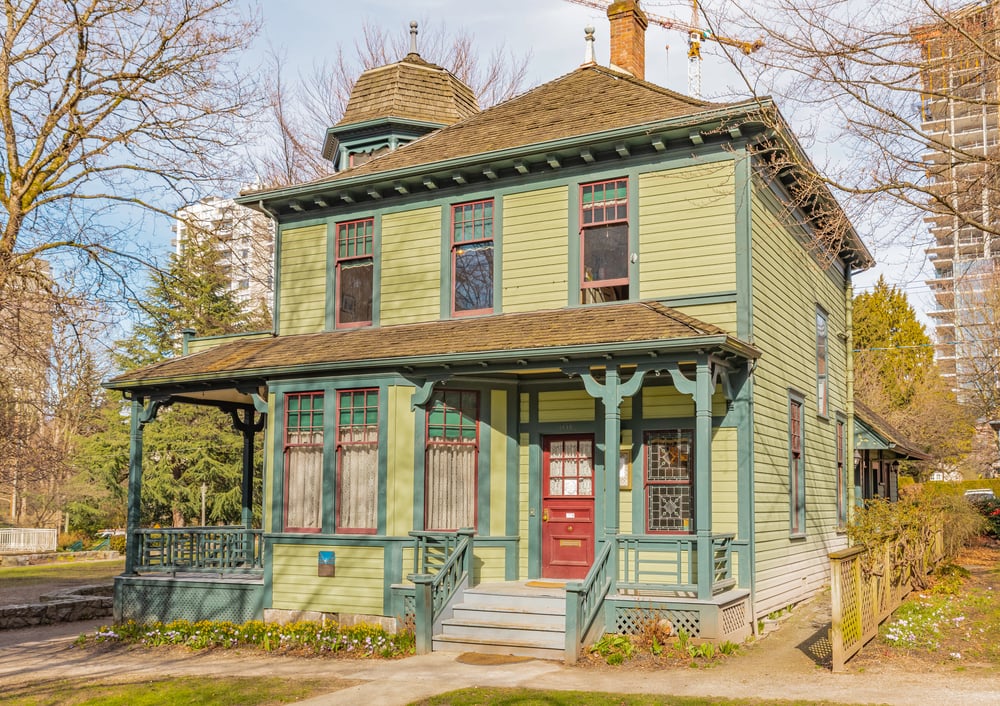
A well-maintained home is like a well-maintained car – it’ll serve you better and cost you less in the long run. Ask for maintenance records, especially for major systems like heating, air conditioning, plumbing, and electrical.
If the current owners can’t produce any records, that’s usually a red flag that maintenance has been ignored. Pay special attention to the age and condition of expensive items like the roof, water heater, and HVAC system, since these components have predictable lifespans and replacing them can cost thousands of dollars.
Like Go2Tutors’s content? Follow us on MSN.
Not Understanding Market Conditions

Real estate markets shift like weather patterns, and what worked for your friend who bought last year might not work for you today. In a seller’s market, you might need to offer above the asking price and move quickly, while in a buyer’s market, you have more negotiating power and time to think things over.
Understanding current market conditions in your specific area helps you set realistic expectations and develop the right strategy. Your agent should be able to explain what’s happening locally and help you adapt your approach accordingly.
Rushing the Process

Home buying isn’t a race, even when the market feels competitive. Making hasty decisions because you’re afraid of missing out leads to costly mistakes that you’ll regret for years.
Take time to thoroughly review contracts, understand what you’re signing, and don’t let anyone pressure you into moving faster than you’re comfortable with. Good opportunities will come up again, but recovering from a bad purchase decision takes much longer than waiting for the right house.
Forgetting About Resale Value

You might think you’ll live in your first home forever, but statistics show that most people move within seven to ten years. Choosing a home based purely on your current needs and preferences without considering future resale value is like buying a car that only you would ever want to drive.
Look for features that appeal to a broad range of buyers, like good school districts, reasonable commute times, and flexible floor plans that work for different family sizes.
Like Go2Tutors’s content? Follow us on MSN.
Not Shopping Around for Mortgages

Many first-time buyers go with the first lender they talk to or assume their bank automatically offers the best rates. This is like buying the first car you see on the lot without checking what other dealers are offering.
Different lenders have different rates, fees, and terms, and the differences can add up to thousands of dollars over the life of your loan. Shop around with at least three different lenders and compare not just interest rates but also closing costs, points, and customer service quality.
Waiving Important Contingencies

In competitive markets, buyers sometimes waive contingencies to make their offers more attractive, but this is like skydiving without a backup parachute. Contingencies protect you from being stuck with a house you can’t afford or that has serious problems.
The financing contingency lets you back out if you can’t get a loan, the inspection contingency protects you from hidden defects, and the appraisal contingency ensures you’re not overpaying. Only waive contingencies if you fully understand the risks and can handle the worst-case scenarios.
Ignoring Property Taxes and Insurance Costs

Property taxes and homeowner’s insurance aren’t just line items on your closing statement – they’re ongoing monthly expenses that can vary dramatically between properties. A house with low property taxes might seem like a bargain until you discover that the insurance costs are sky-high because it’s in a flood zone.
Research these costs early in your search so you can factor them into your budget. Property taxes can also increase over time, especially if you’re buying in an area that’s experiencing rapid growth.
Like Go2Tutors’s content? Follow us on MSN.
Not Planning for Move-In Costs

Most first-time buyers focus so much on the purchase price that they forget about all the money they’ll need to spend once they get the keys. You might need to change locks, paint rooms, buy appliances, or handle immediate repairs that couldn’t wait for closing.
Moving costs, utility deposits, and basic maintenance supplies add up quickly. Budget at least a few thousand dollars for move-in expenses, and don’t spend every penny of your savings on the down payment and closing costs.
Learning from Past Mistakes

The home buying landscape has evolved significantly over the past few decades, but the fundamental mistakes remain remarkably consistent. What’s changed is the speed of the market and the amount of information available to buyers, which can actually make things more confusing rather than clearer.
Today’s first-time buyers have access to online calculators, virtual tours, and instant market data, yet they still make the same emotional and financial missteps that previous generations did. The key difference is that mistakes today can be more expensive and harder to recover from, given current home prices and market conditions.
Learning from these common pitfalls before you start house hunting can save you thousands of dollars and months of stress, turning what should be an exciting milestone into the positive experience it was meant to be.
More from Go2Tutors!

- 16 Historical Figures Who Were Nothing Like You Think
- 12 Things Sold in the 80s That Are Now Illegal
- 15 VHS Tapes That Could Be Worth Thousands
- 17 Historical “What Ifs” That Would Have Changed Everything
- 18 TV Shows That Vanished Without a Finale
Like Go2Tutors’s content? Follow us on MSN.