17 Ways Ancient People Told Time Without Clocks
Before digital displays and ticking hands existed, people across every continent discovered ingenious ways to track time’s passage. From the Americas to Asia, Africa to Europe, ancient civilizations developed remarkably accurate methods for organizing their days, seasons, and years using everything from celestial movements to animal behavior.
These timekeeping techniques weren’t just practical tools—they became the foundation for agriculture, religious ceremonies, and daily existence in societies worldwide. Cultures separated by vast oceans and mountain ranges independently discovered similar timekeeping principles, proving that measuring time is a universal human need that transcends geography and ethnicity.
Here is a list of 17 fascinating ways our ancestors kept track of time without modern technology.
Sundials
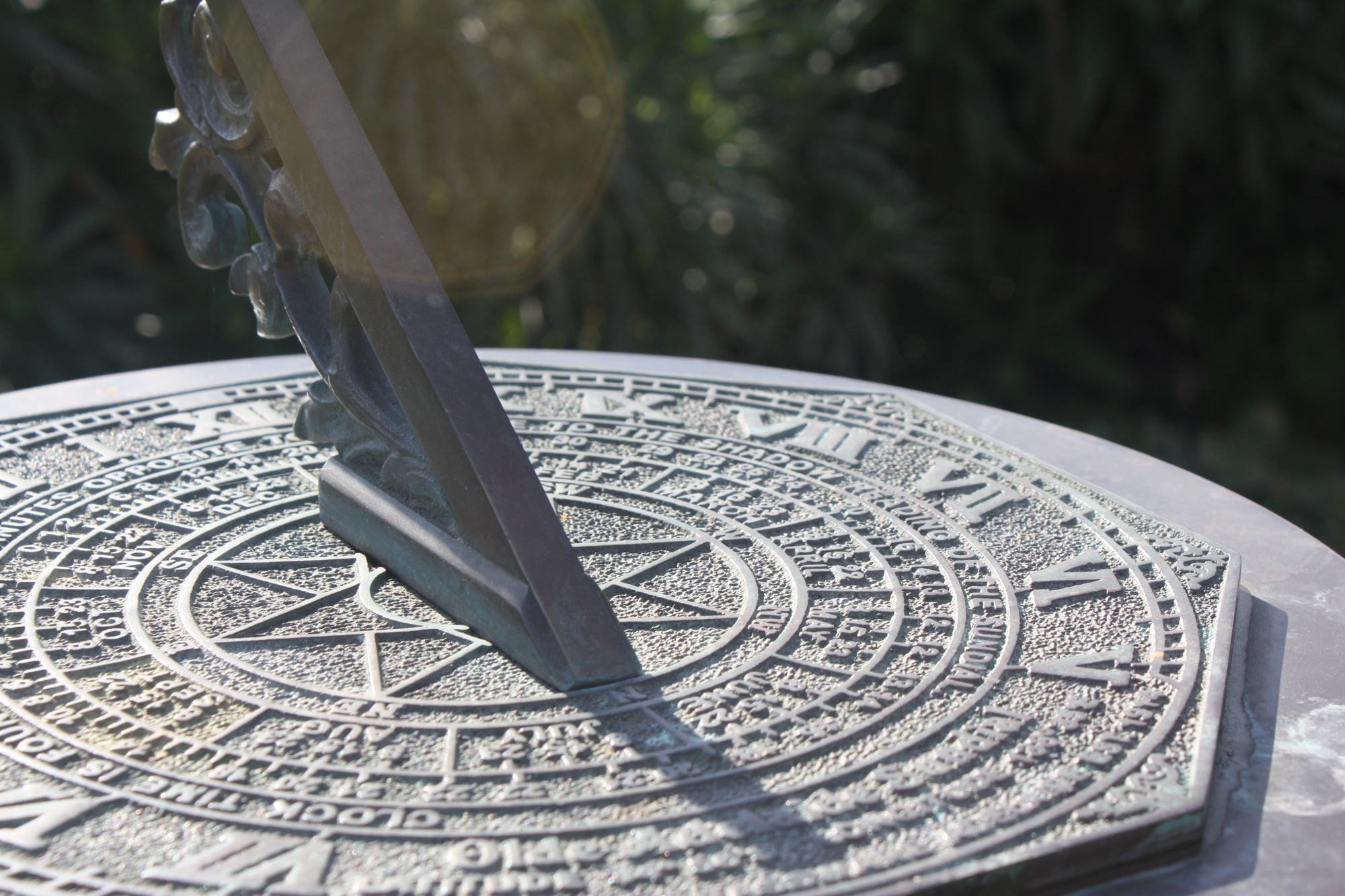
The sundial represents one of humanity’s oldest and most dependable timekeeping devices, appearing independently across multiple continents. Ancient Egyptians, Babylonians, and Chinese civilizations all developed shadow sticks around 3500 BCE, observing how the sun’s position cast shadows of varying lengths throughout each day.
Indigenous peoples in the Americas created similar devices, while later civilizations worldwide refined these basic tools into elaborate stone sundials with numbered hour markers—some so precise they could track time within minutes of accuracy.
Star Positions

Ancient astronomers from every inhabited continent became expert star-watchers, though their methods required years of careful observation to master. Egyptians relied heavily on Sirius, Polynesian navigators used the Southern Cross for ocean voyages, while Aboriginal Australians developed complex stellar calendars spanning thousands of years.
Maya astronomers in Central America created incredibly precise star charts, and different cultures worldwide created their own stellar calendars, with experienced observers able to determine nighttime hours just by glancing at constellation positions.
Like Go2Tutors’s content? Follow us on MSN.
Moon Phases
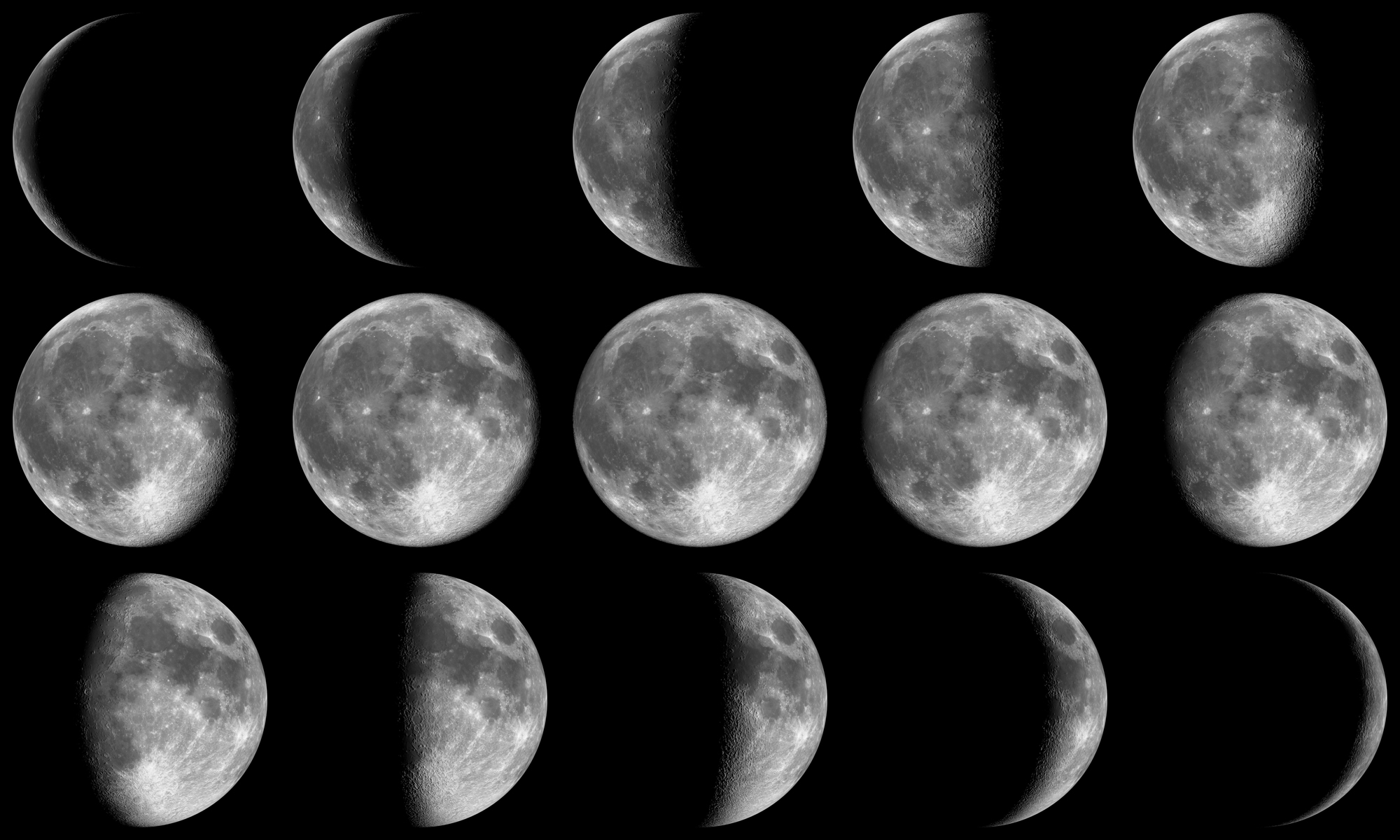
The lunar cycle provided a natural monthly calendar that virtually every ancient culture on Earth adopted with enthusiasm. From the Inuit peoples of the Arctic to the San people of southern Africa, this 29.5-day cycle from new moon to new moon was so consistent that societies across six continents based entire calendar systems around it.
Islamic cultures still use lunar calendars today, Hebrew calendars incorporate lunar months, while the word month itself derives from moon—showing how deeply this connection runs through human history globally.
Water Clocks
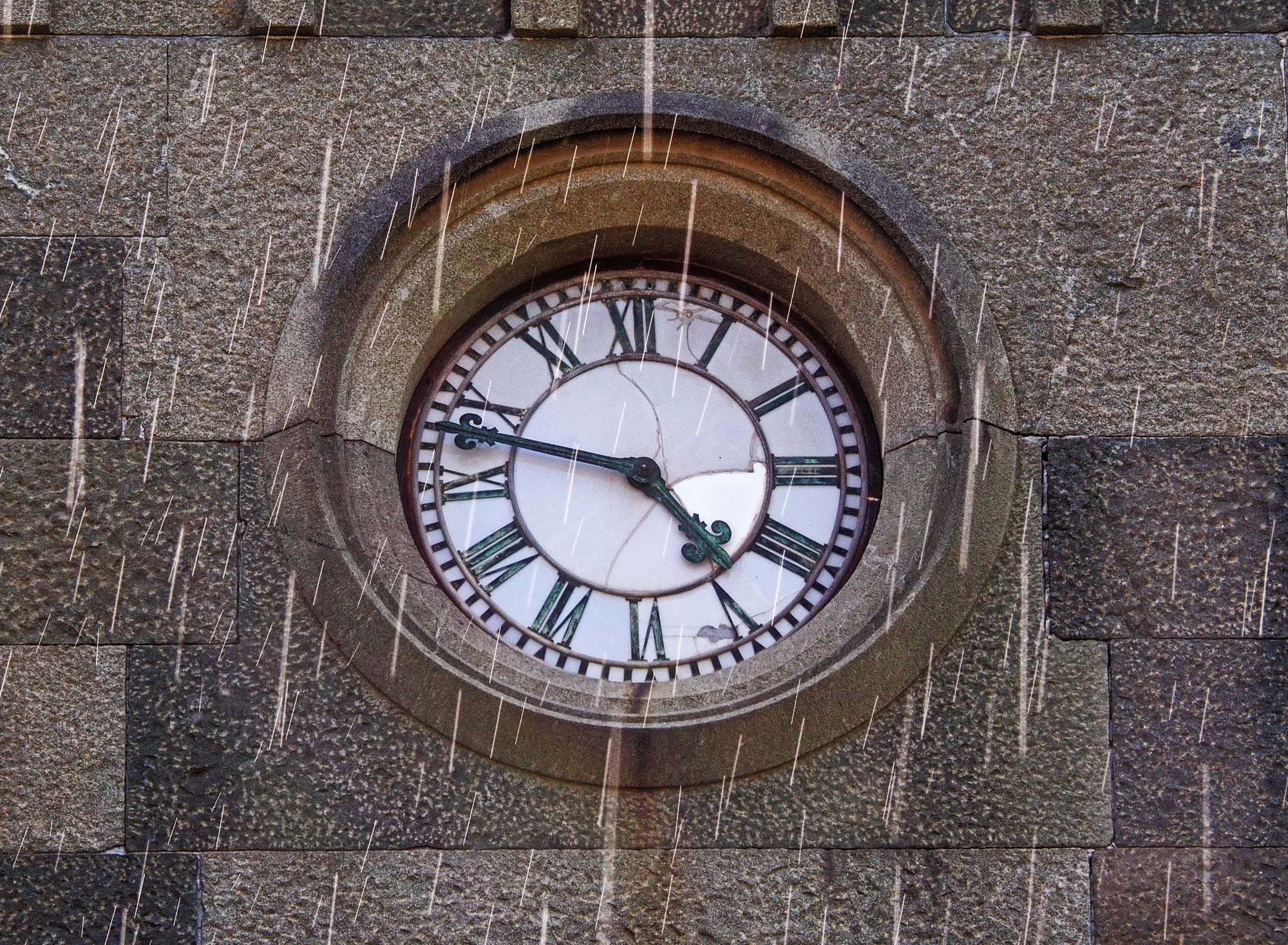
Clever engineers across ancient Greece, China, India, and the Islamic world created water clocks by allowing water to drip steadily from one container to another. These devices functioned day and night, unlike sundials, making them invaluable for timing court proceedings and religious observances from Baghdad to Beijing.
Some elaborate versions in Persia and medieval Europe even included bells or moving figures that announced the hours—quite sophisticated for their time across diverse cultures.
Candle Clocks
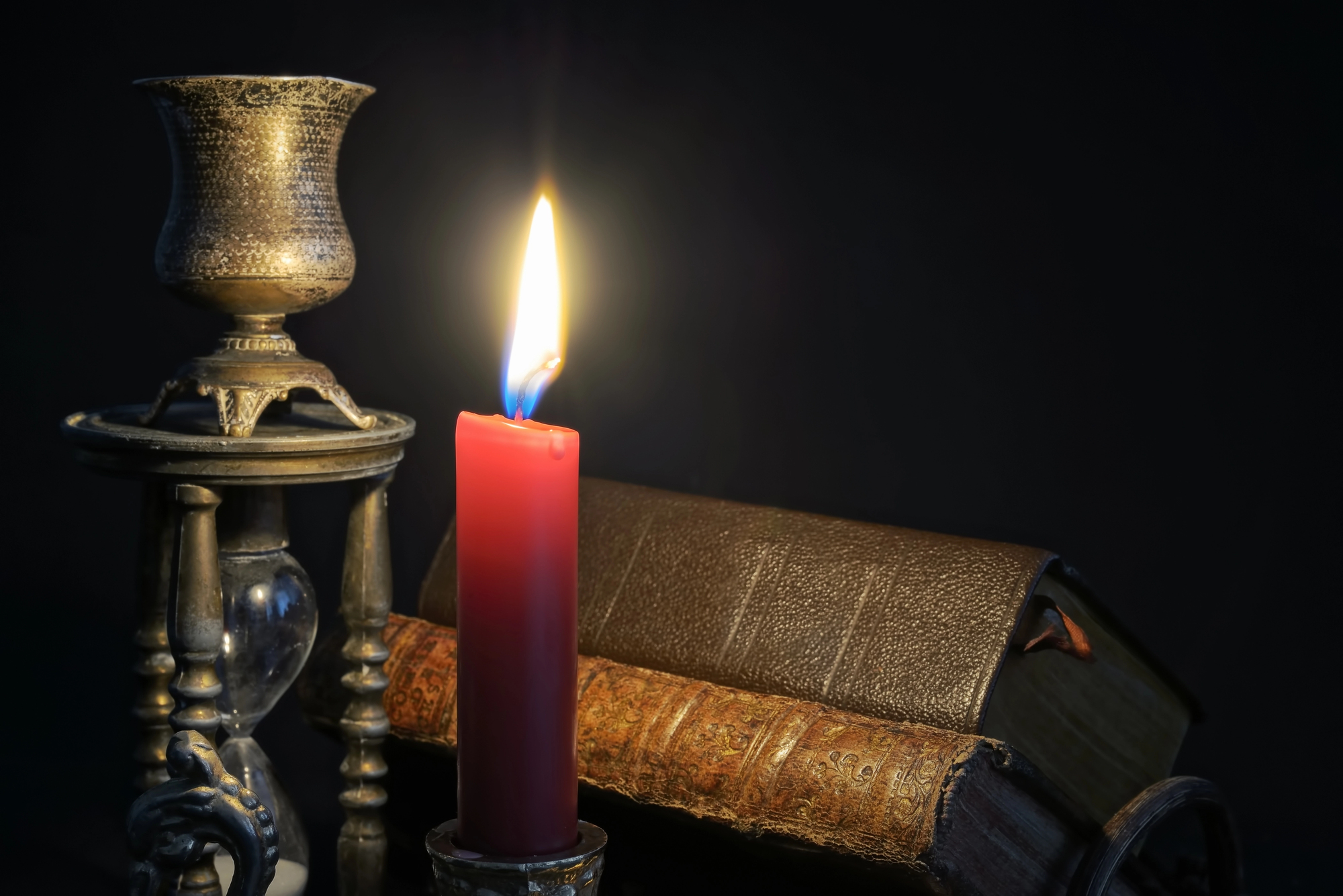
Burning candles or oil lamps provided portable timekeepers that ancient Chinese, Japanese, and European cultures used extensively throughout their societies. Buddhist monasteries across Asia perfected these techniques, while Viking settlements used similar methods during long northern winters.
By creating candles of uniform thickness and testing burn rates, people from the Mediterranean to the Pacific measured specific time periods with surprising accuracy. Some versions had metal pieces embedded at intervals that would drop onto plates below, creating audible time signals for those nearby.
Like Go2Tutors’s content? Follow us on MSN.
Sand Timers
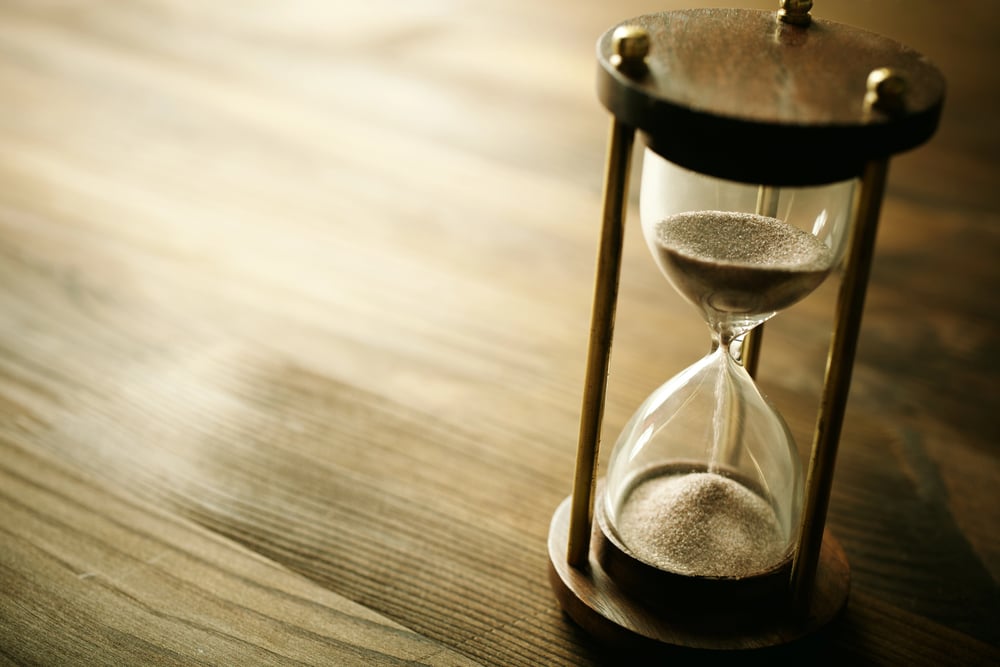
The hourglass principle appeared in various forms across ancient civilizations worldwide—though not always using actual sand. Middle Eastern cultures used fine desert sand, while early versions in other regions used everything from powdered eggshells to ground marble dust flowing through narrow openings.
African cultures developed similar timing devices using local materials, and these instruments proved particularly useful for measuring shorter periods, like speech lengths or work shifts that needed precise timing across different societies.
Incense Sticks

Asian cultures developed incense timekeeping into a sophisticated art form—creating special sticks and coils that burned at precise, predictable rates throughout China, Japan, India, and Southeast Asia.
Different incense types burned at varying speeds, allowing measurement of anything from minutes to hours across Buddhist, Hindu, and Taoist traditions. Some temples used elaborate incense mazes capable of tracking entire days, while Tibetan monasteries and Japanese tea ceremonies incorporated different scents marking specific times throughout their cultural cycles.
Animal Behavior

Observant ancient peoples from every continent noticed that animals follow predictable daily routines—then used these patterns as natural clocks regardless of their geographic location. Roosters crow at dawn from European farmsteads to African villages, Arctic peoples observed seal behavior patterns, while Amazon tribes tracked bird activities throughout their daily cycles.
This biological timekeeping was especially valuable for farmers and herders from the African savanna to the Mongolian steppes who lived in close proximity to their animals.
Like Go2Tutors’s content? Follow us on MSN.
Plant Movements
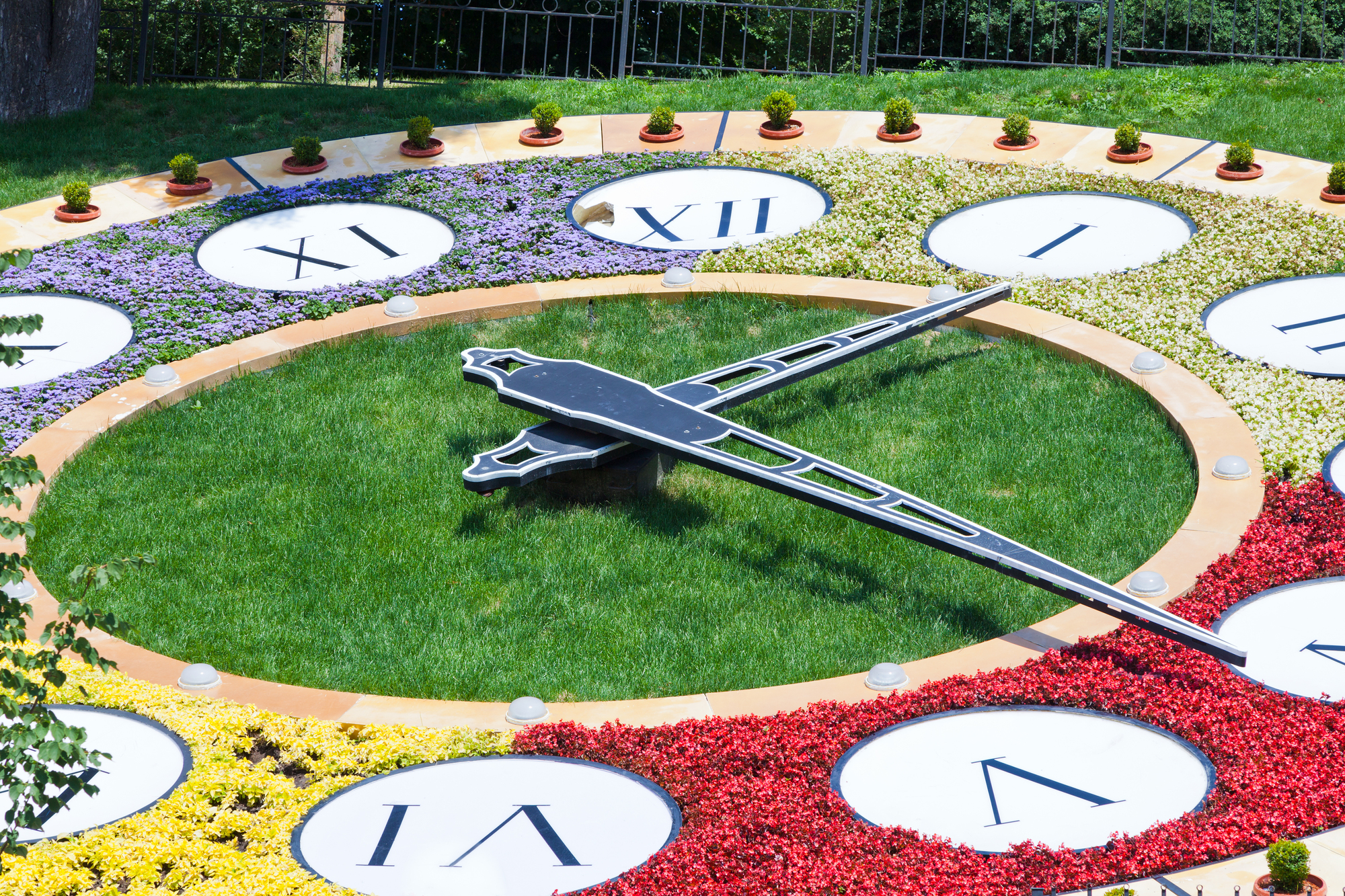
Botanically-minded timekeepers worldwide discovered that many plants open and close their flowers at specific daily times—a phenomenon observable from tropical rainforests to temperate meadows. European morning glories open at dawn, African four o’clocks bloom in late afternoon, while North American evening primrose flowers unfold at dusk.
Aboriginal Australians used native plant cycles, Andean peoples observed high-altitude flora, and Linnaeus later created an entire ‘flower clock’ garden based on these predictable natural schedules found across multiple climates.
Tidal Patterns

Coastal communities worldwide developed sophisticated understanding of tidal timing—patterns that follow predictable lunar cycles from the Pacific Islands to the Atlantic shores. Experienced fishermen from Norway to New Zealand could determine time by observing high and low tides, which occur roughly every six hours regardless of location.
This tidal timekeeping was so reliable that island cultures in Polynesia, coastal tribes in West Africa, and fishing communities along the Mediterranean organized their entire daily schedules around these universal natural rhythms.
Shadow Lengths

Even without formal sundials, people across every continent could estimate time by observing shadows cast by themselves or familiar objects. The ancient rule that spans cultures stated that when your shadow equals your height, it’s roughly mid-morning or mid-afternoon—whether you’re in the Sahara Desert or the Canadian plains.
This simple method required no tools whatsoever and worked anywhere from the equator to the Arctic Circle where the sun was shining clearly.
Like Go2Tutors’s content? Follow us on MSN.
Weather Patterns

Meteorologically-aware cultures from tropical regions to arctic territories recognized that weather often follows daily patterns, particularly in stable climates.
Mediterranean sea breezes, monsoon cycles in South Asia, trade winds in the Pacific, and seasonal patterns across Sub-Saharan Africa all provided timing cues. Afternoon thunderstorms in the Amazon occur as predictably as morning mists in the Himalayas, and temperature changes follow regular cycles that cultures worldwide learned to read with reasonable accuracy.
Body Rhythms

Ancient peoples across all continents paid close attention to their natural biological rhythms as internal timekeepers that transcend cultural boundaries.
Hunger pangs, energy levels, and digestive processes occur at fairly regular intervals throughout each day, whether experienced by Inuit hunters or Kalahari gatherers. Traditional Chinese medicine recognizes an ‘organ clock,’ Ayurvedic practices in India acknowledge similar cycles, while indigenous healing traditions worldwide have long understood these universal human temporal patterns.
Sound Markers

Communities across every inhabited continent created audio time signals through various ingenious means, from temple bells in Asia to talking drums in Africa to church bells in Europe.
Islamic calls to prayer mark time across the Middle East and North Africa, while indigenous ceremonies in the Americas use rhythmic instruments for temporal coordination. Tibetan singing bowls, West African drums, and European monastery bells all served similar functions—helping coordinate group activities while maintaining social schedules that entire communities could follow regardless of their cultural background.
Like Go2Tutors’s content? Follow us on MSN.
Seasonal Changes

Long-term timekeeping relied heavily on observing seasonal transitions across every climate zone on Earth.
Arctic peoples tracked ice formations and animal migrations, desert cultures observed rare rainfall patterns, while tropical societies noted subtle shifts in humidity and wildlife behavior. Aboriginal Australians developed six-season calendars, Inuit peoples recognized numerous ice seasons, and ancient farmers from the Fertile Crescent to the Yangtze River valley developed incredibly detailed seasonal calendars based on local natural events that guided agricultural activities worldwide.
Fire Burning Rates
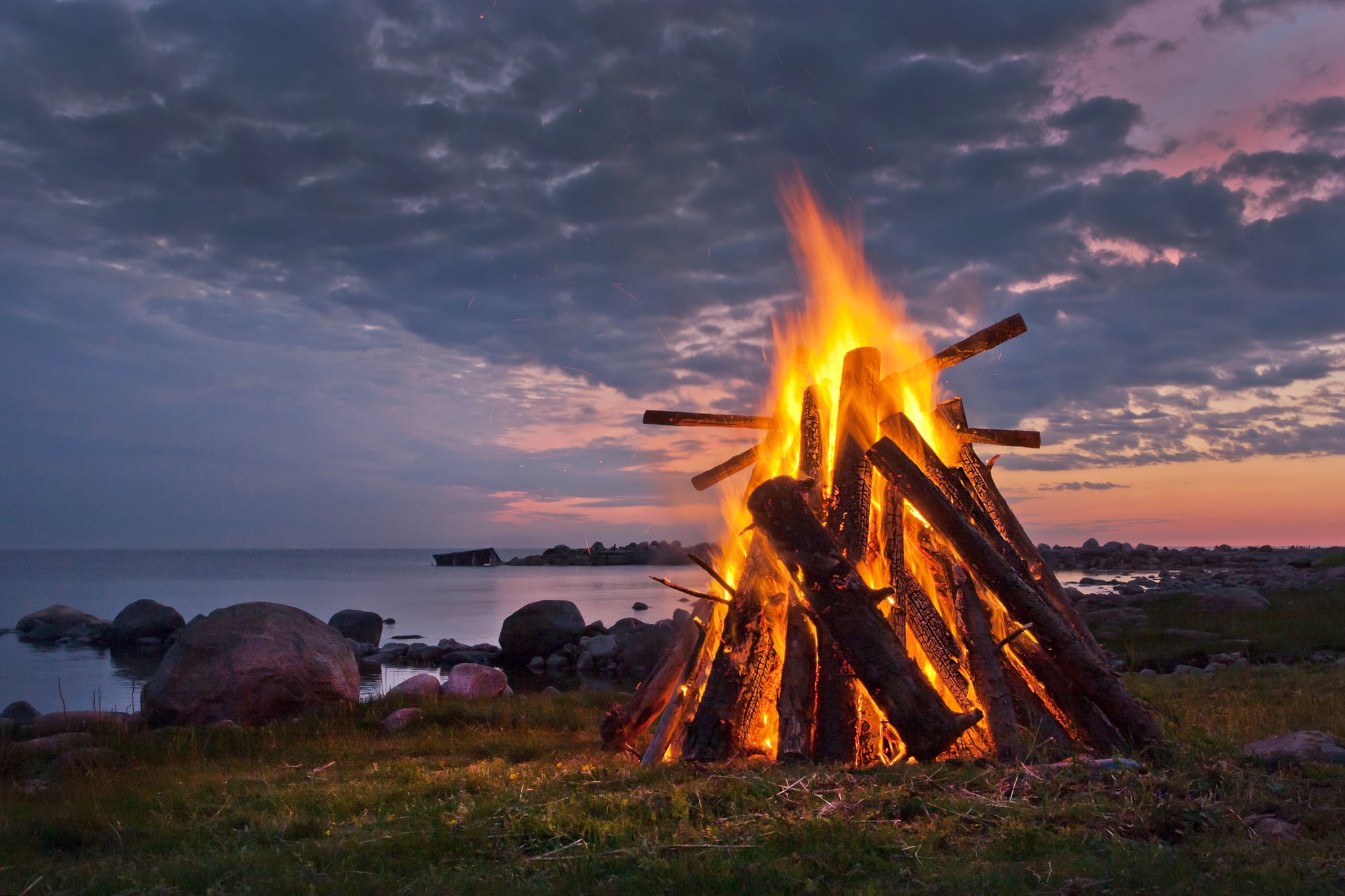
Controlled fires provided timing methods for cultures across every continent, particularly useful during long nights when other methods weren’t available. Arctic peoples learned to gauge seal oil burn rates, African tribes mastered different wood burning speeds, while European and Asian cultures developed sophisticated fuel measurement techniques.
Aboriginal Australians used specific native woods for timing, Polynesian islanders mastered coconut oil burning, and this fire-timing was crucial for maintaining warmth and light across diverse climates without wasting precious resources.
Human Activity Cycles
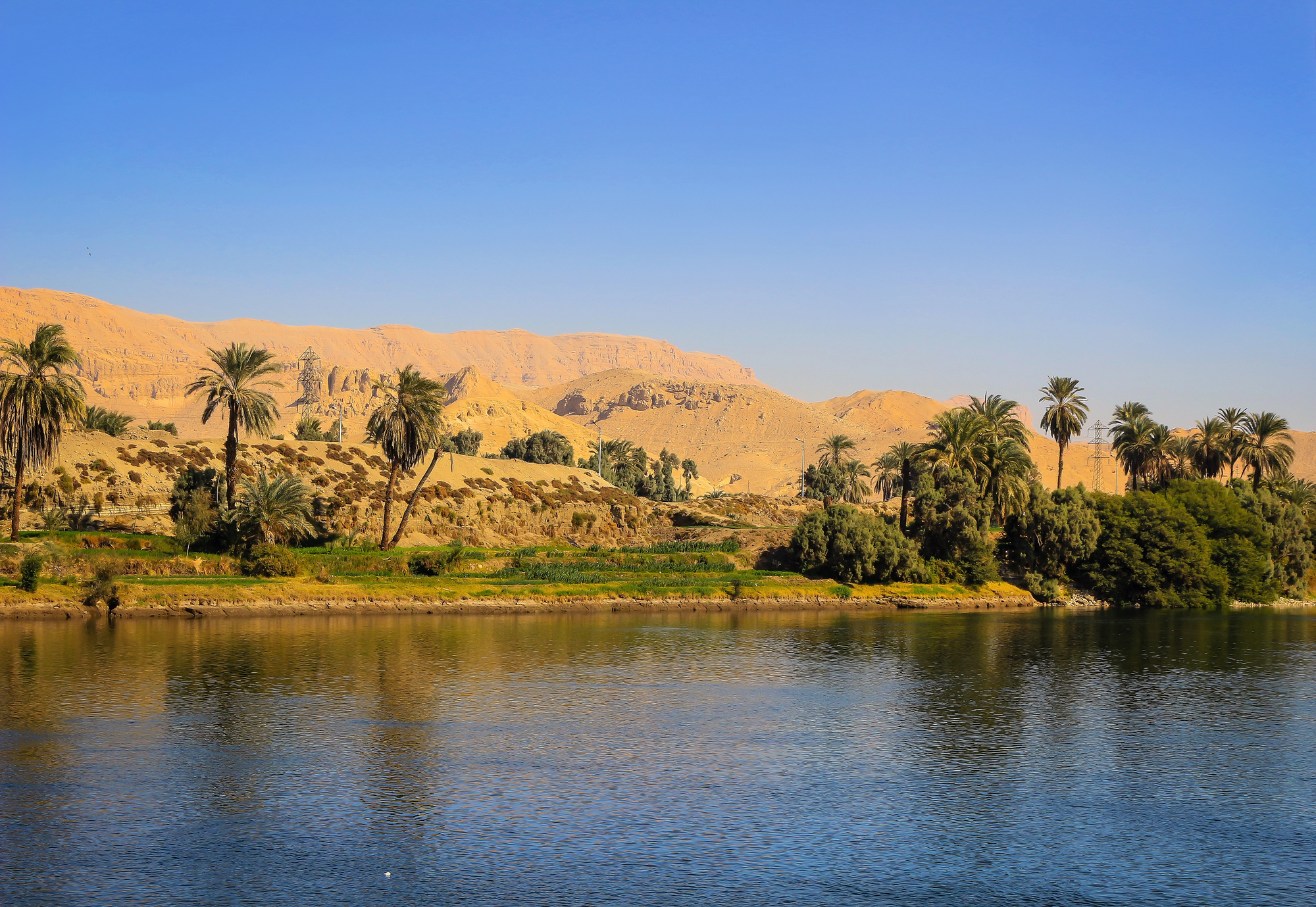
Ancient societies worldwide used their own daily routines as informal timekeeping systems that transcended cultural boundaries while adapting to local needs. Regular activities like meals, prayers, and work shifts created natural time divisions recognized from Andean mountain communities to Pacific island societies.
These social clocks were so universally ingrained that people could estimate time based on typical community activities, whether in nomadic tribes crossing Central Asia or settled farming villages along the Nile River.
Like Go2Tutors’s content? Follow us on MSN.
Time’s Endless Flow
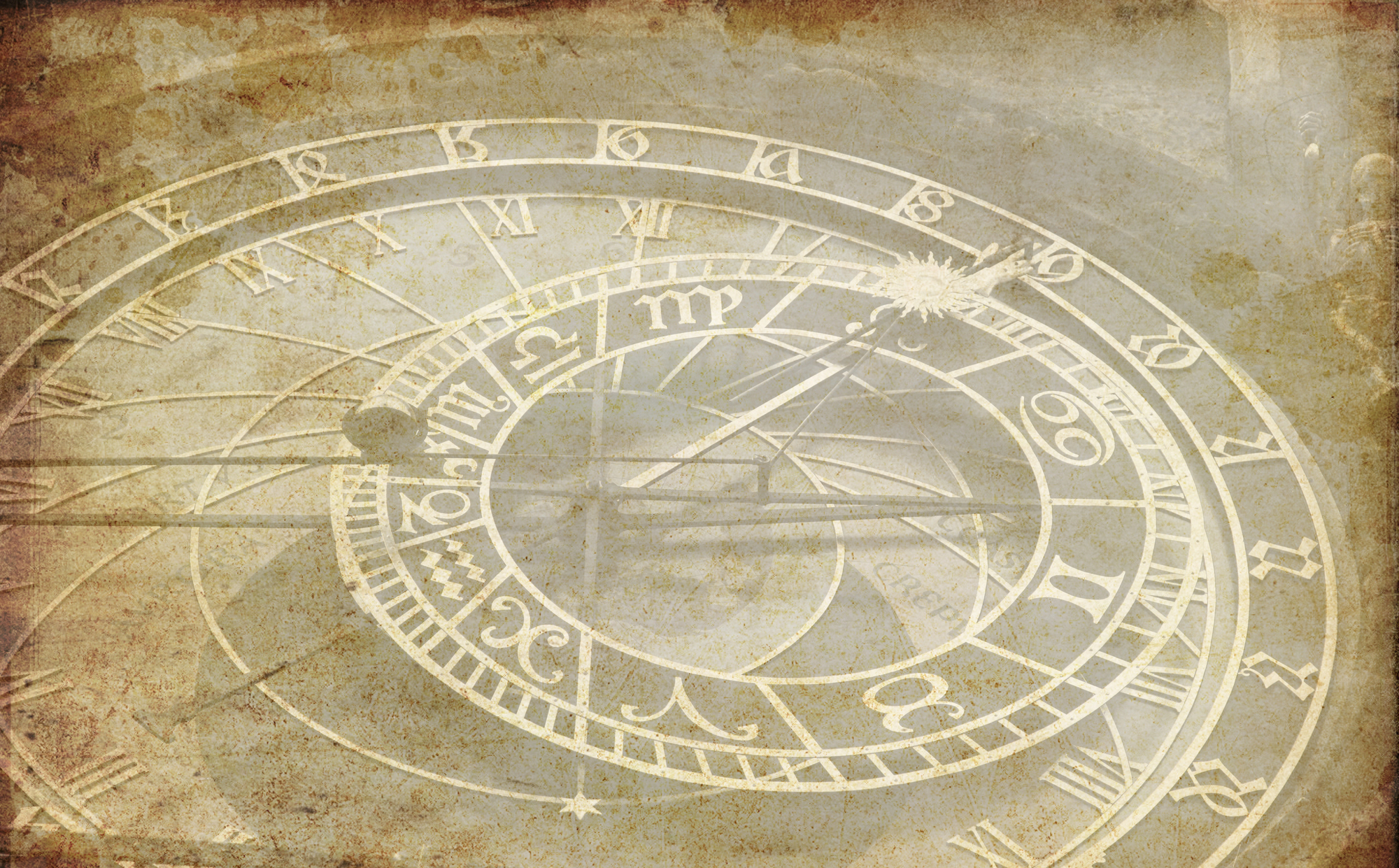
These ancient timekeeping methods reveal humanity’s profound connection to natural rhythms and cycles that unite cultures across every continent and climate. While modern societies now rely on atomic precision and digital displays, ancestors from the Arctic to Antarctica achieved remarkable accuracy using only careful observation and human ingenuity that transcended cultural boundaries.
Their methods remind us that time isn’t just numbers on a screen but rather the fundamental rhythm that connects all humanity to the earth, the sky, and each other regardless of geography or ethnicity. Perhaps most importantly, these natural timepieces taught people worldwide to live in harmony with their environment instead of trying to dominate it through technology alone.
More from Go2Tutors!

- 16 Historical Figures Who Were Nothing Like You Think
- 12 Things Sold in the 80s That Are Now Illegal
- 15 VHS Tapes That Could Be Worth Thousands
- 17 Historical “What Ifs” That Would Have Changed Everything
- 18 TV Shows That Vanished Without a Finale
Like Go2Tutors’s content? Follow us on MSN.