Spiciest Foods People Actually Eat
There’s a certain kind of person who sees a warning label on a menu and treats it like an invitation. Not everyone, but enough people that restaurants have made a business out of it.
The world’s spiciest foods aren’t novelty acts — they’re deeply embedded in cultures, traditions, and everyday meals for millions of people. Some of these will make your eyes water just reading about them.
Carolina Reaper Dishes

The Carolina Reaper has held the Guinness World Record for chilliest pepper on and off for years, clocking in at over 2 million Scoville heat units. That’s not a number most people can contextualize, so here’s a more useful frame: a jalapeño sits around 5,000.
Some restaurants and food brands have built entire menus around this pepper, from hot sauces to burgers to pasta. People eat them.
Willingly. Some even do it on camera.
Sichuan Mala Hot Pot
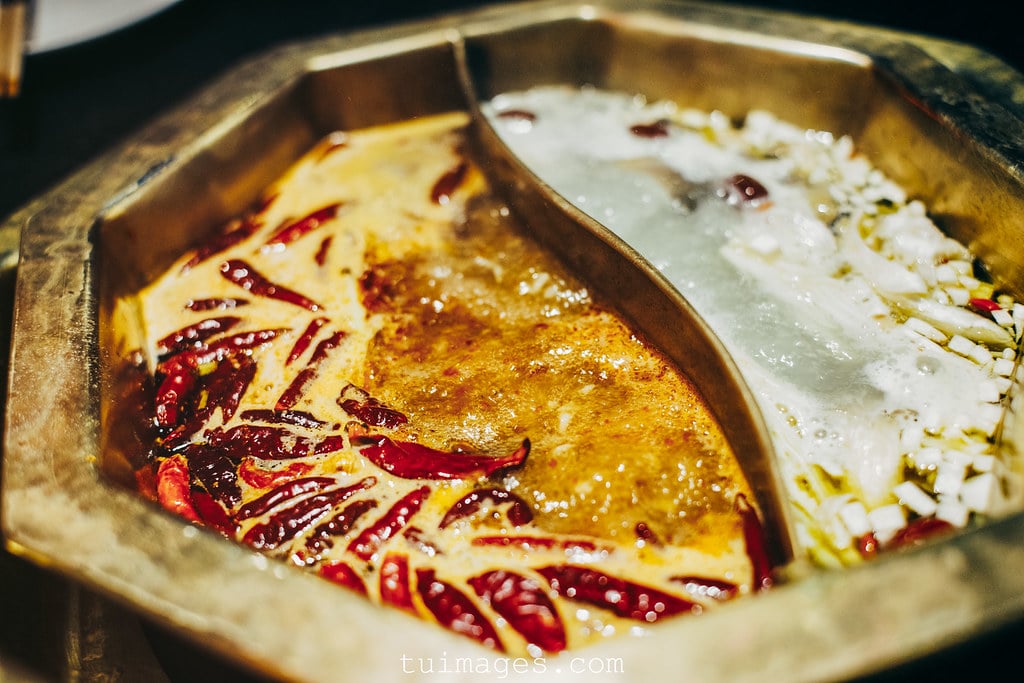
Mala translates roughly to “numbing and spicy,” which is exactly what you get. The Sichuan peppercorn creates a tingling, almost electric sensation on your tongue, while dried red chilies pile on the heat.
In a hot pot setting, you’re cooking raw ingredients in this intensely spiced broth at the table — meats, vegetables, tofu, offal, whatever you like. The numbing effect is real enough that the spice almost becomes more tolerable over the course of the meal.
Almost.
This is everyday food in Chengdu and Chongqing. Street stalls, restaurants, and family dinners. It’s not a dare — it’s lunch.
Phaal Curry
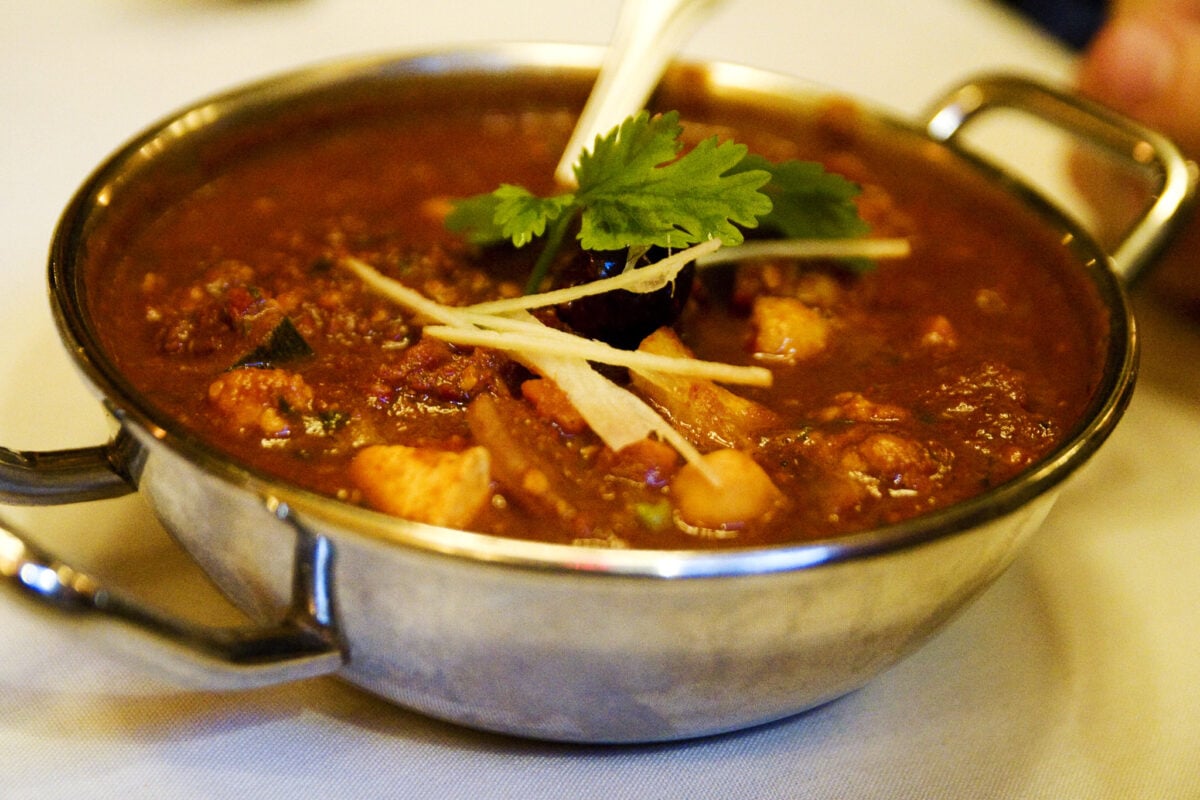
Phaal comes from British-Indian restaurants, where it was essentially created as the chilliest thing on the menu for people who kept asking for “something hotter than vindaloo.” It uses some combination of ghost peppers, habaneros, and other extremely hot chilies in a thick, deep red sauce.
Some restaurants require you to sign a waiver before ordering. Others give you a certificate if you finish it.
It has a cult following.
Vindaloo
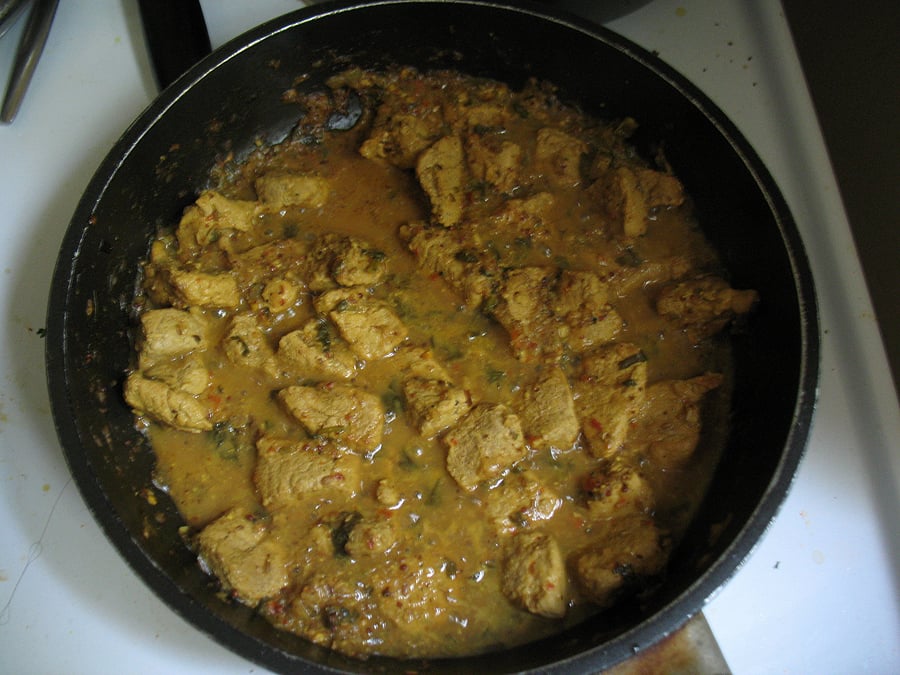
Before phaal existed, vindaloo was the benchmark. It comes from Goa, where Portuguese traders brought wine-marinated pork dishes that eventually fused with local spices and chilies.
The modern vindaloo in UK curry houses tends to be hotter than the Goan original, but both versions are aggressively spiced. The combination of vinegar, garlic, and chilies creates a sharp, punchy heat that doesn’t let up.
Nashville Hot Chicken
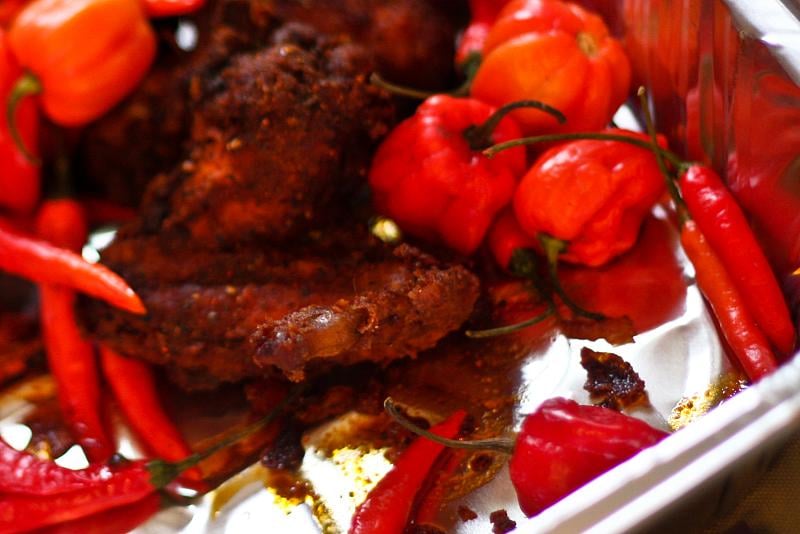
This one comes with a back story. The legend goes that a man named Thornton Prince had a habit of staying out late, and his girlfriend decided to punish him by loading his fried chicken with cayenne.
Instead of being put off, he loved it. He opened a restaurant.
That restaurant eventually became Prince’s Hot Chicken, and the style spread across Nashville and then the entire country. The heat here isn’t just in the marinade — the chicken is dragged through a spiced paste after frying, so the heat sits right on the surface.
The “extra hot” options at most Nashville hot chicken spots are genuinely painful for the uninitiated.
Ghost Pepper (Bhut Jolokia) Dishes
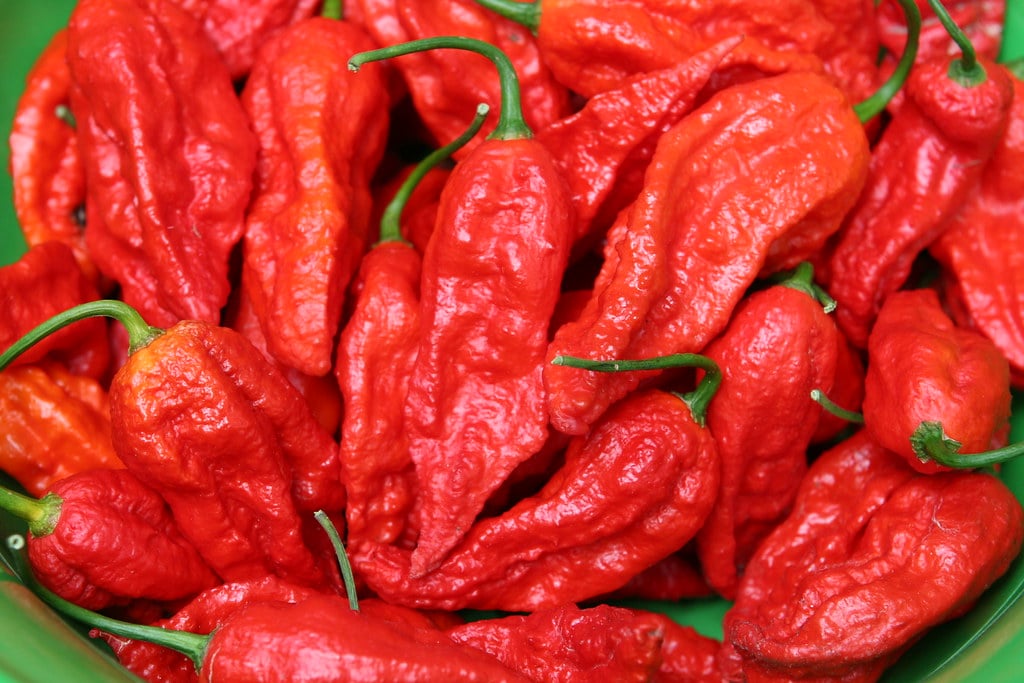
The ghost pepper held the title of world’s chilliest for years, and it’s still used liberally in the food of Nagaland and Assam in northeastern India. Naga chili pork is probably the most well-known dish — it’s pork slow-cooked with fermented ghost peppers and local spices.
The heat is intense, but it’s paired with fermented flavors that add depth. This isn’t food engineered for shock value.
It’s regional cuisine that happens to be extraordinarily spicy.
Ethiopian Berbere
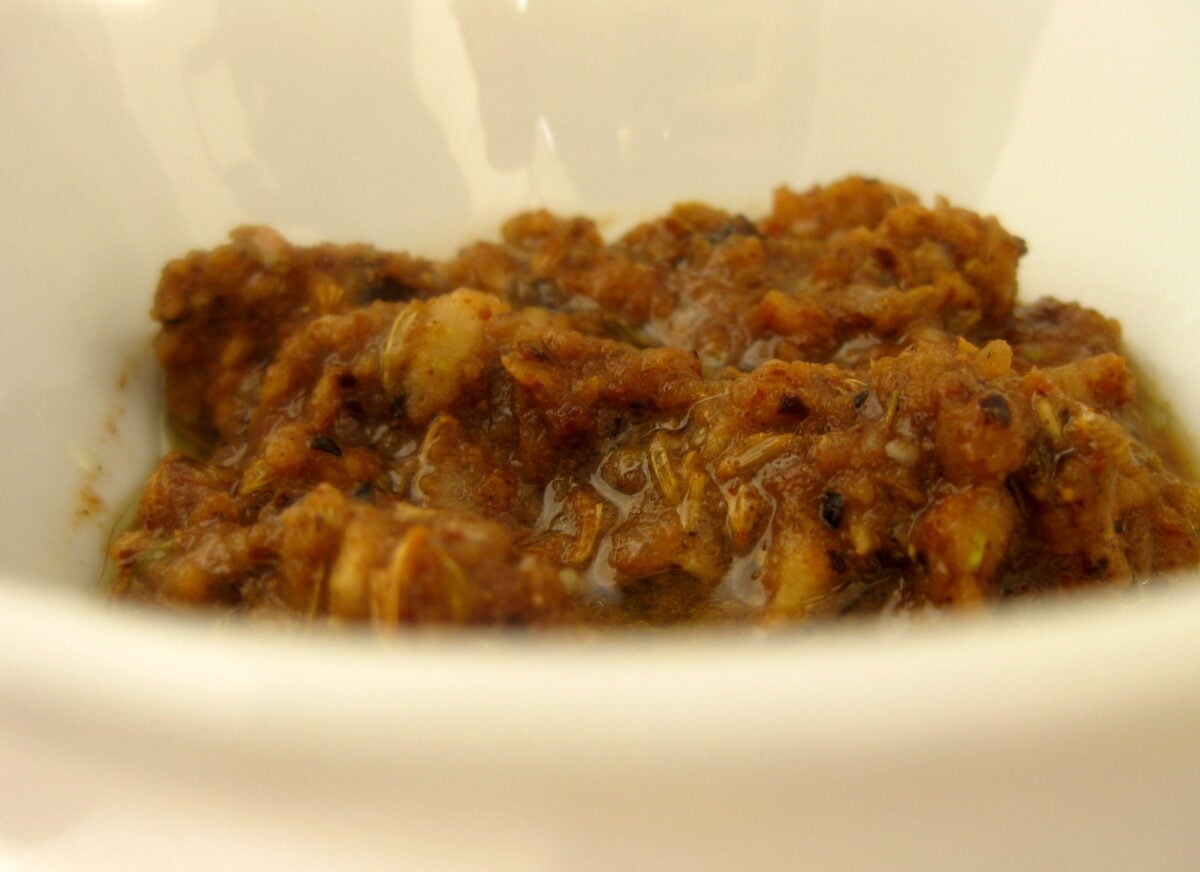
Berbere is a spice blend, not a single pepper, but the cumulative effect earns it a place here. It typically includes dried chilies, fenugreek, coriander, black pepper, cardamom, and several other spices ground together.
It forms the base of dishes like doro wat, a slow-cooked chicken stew eaten with injera flatbread. The heat is slower to build than something like a raw chili, but it accumulates and lingers.
Ethiopian food is widely available globally now, and anyone who’s eaten doro wat at a restaurant knows exactly what it does.
Thai Bird’s Eye Chili Cooking
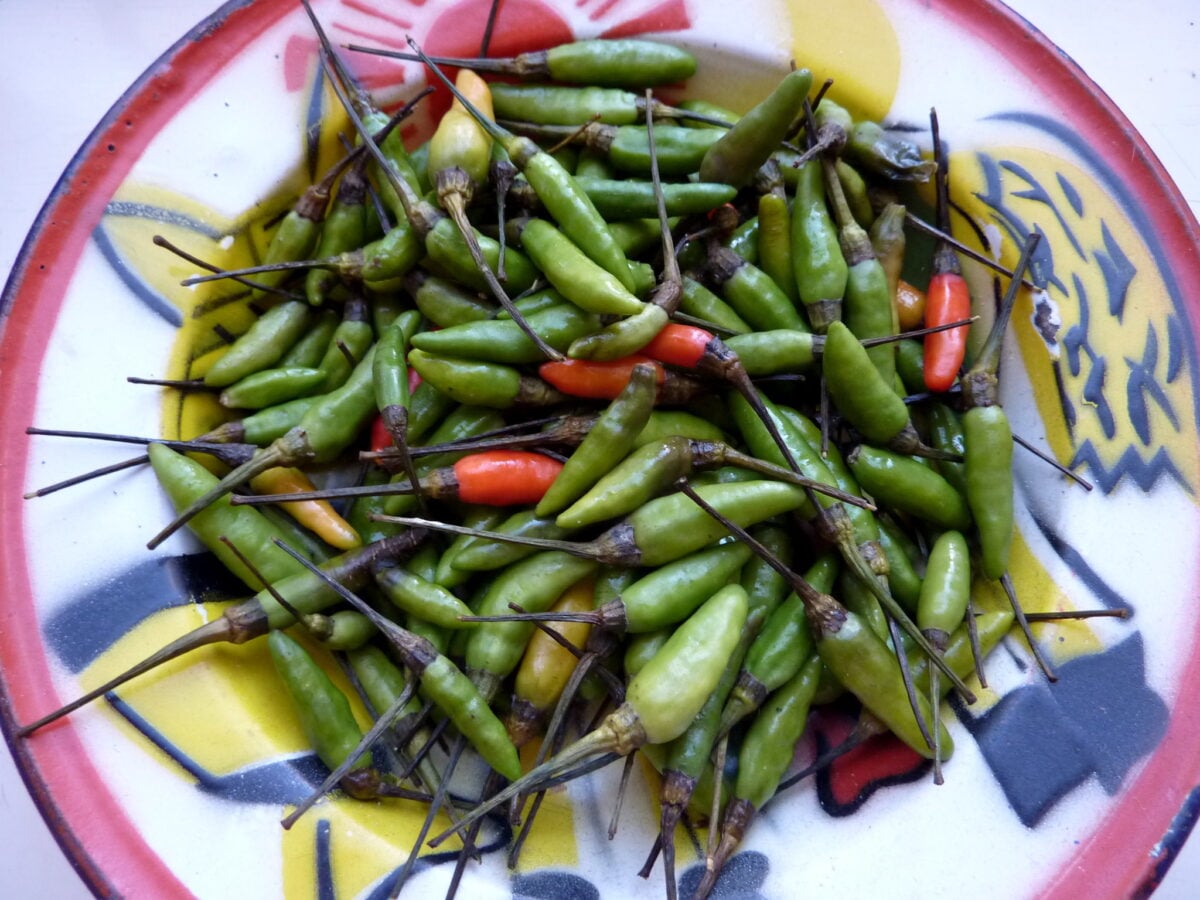
Thai cuisine uses bird’s eye chilies — small, thin, deceptively innocent-looking — across dozens of dishes. Som tum (green papaya salad) can be ordered mild or with an amount of chilies that makes it nearly impossible to finish.
Pad kra pao, stir-fried meat with holy basil, often includes them whole or roughly chopped. When you’re eating street food in Bangkok and you say “pet nit noi” (a little spicy), you’re still getting something most Westerners would consider very spicy.
Saying “pet mak” means you actually want it hot, and the vendor will take you seriously.
Jerk Chicken
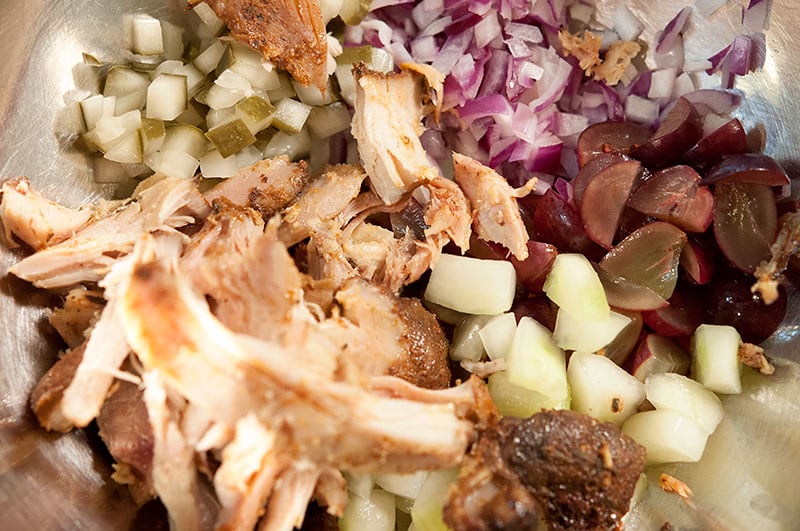
Jamaican jerk seasoning relies on scotch bonnet peppers, which sit between 100,000 and 350,000 Scoville units. The marinade — scotch bonnets, allspice, thyme, garlic, and more — is applied to meat that’s then cooked slowly over wood or charcoal.
The result is smoky and deeply flavorful, with a heat that builds as you eat. Authentic jerk stands in Jamaica don’t moderate the heat for anyone.
You eat it as it comes, usually with hard dough bread to take the edge off.
Sambal
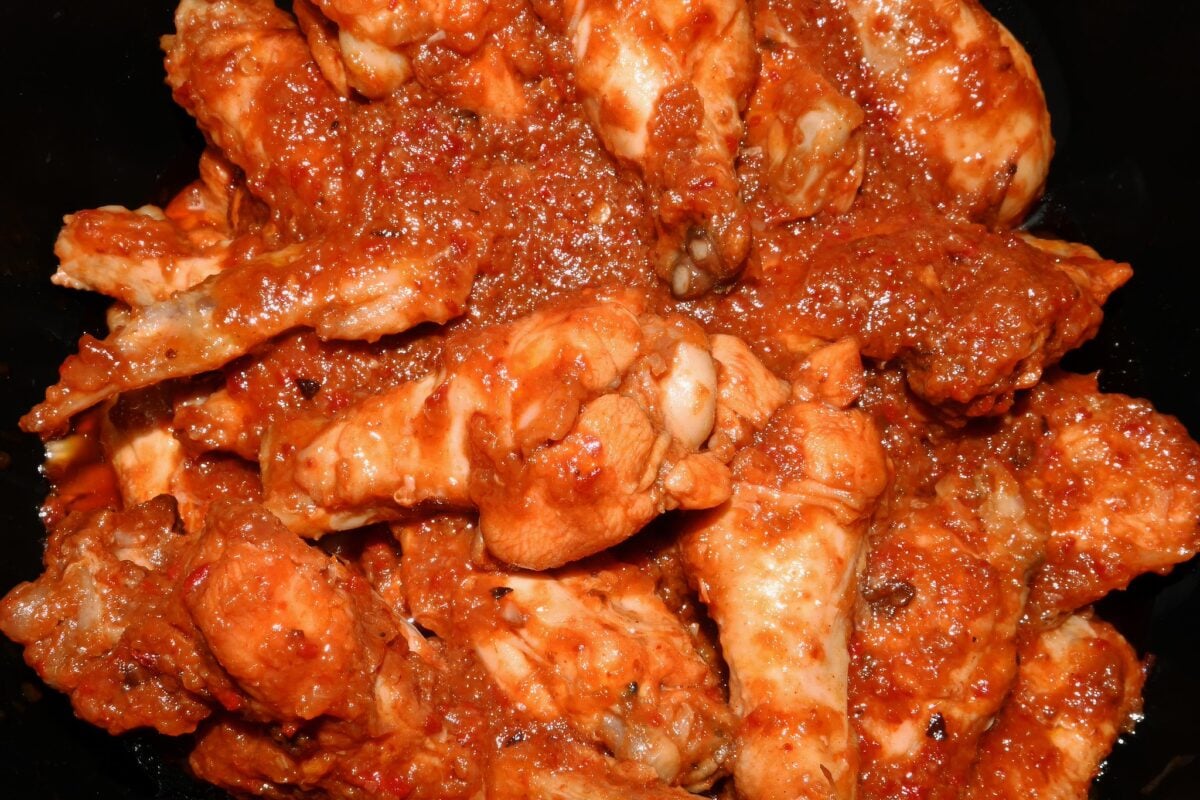
Sambal is less a single dish and more a category of chili-based condiments and sauces used across Indonesia, Malaysia, and surrounding regions. There are hundreds of varieties.
Sambal oelek is the raw, basic version — just ground chilies. Sambal terasi adds fermented shrimp paste.
Sambal matah from Bali is raw and fresh with lemongrass and shallots. Meals in Indonesia often come with sambal on the side as a standard condiment, and the expectation is that you’ll use it.
Sichuan Dan Dan Noodles
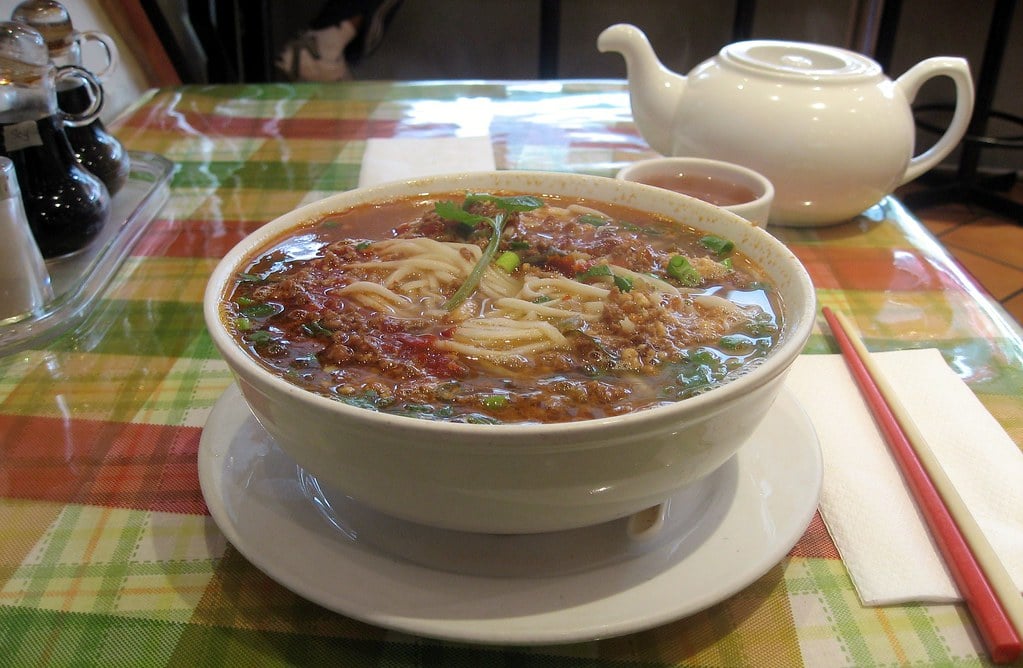
Not just another hot pot sidekick, Dan dan noodles stand on their own. A mix of chili oil swirls together with Sichuan pepper, sesame goo, alongside salty black beans, coating slender wheat strands.
Minced pork lands on top most times. Tiny bowls hold it all – made that way since every bite packs a punch.
Fire spreads across your tongue while numbness creeps up right behind. You keep going even when sweat forms, drawn by flavors too strong to quit.
That stubborn craving? Exactly what pulls people back again.
Mexican Chile de Árbol Salsas
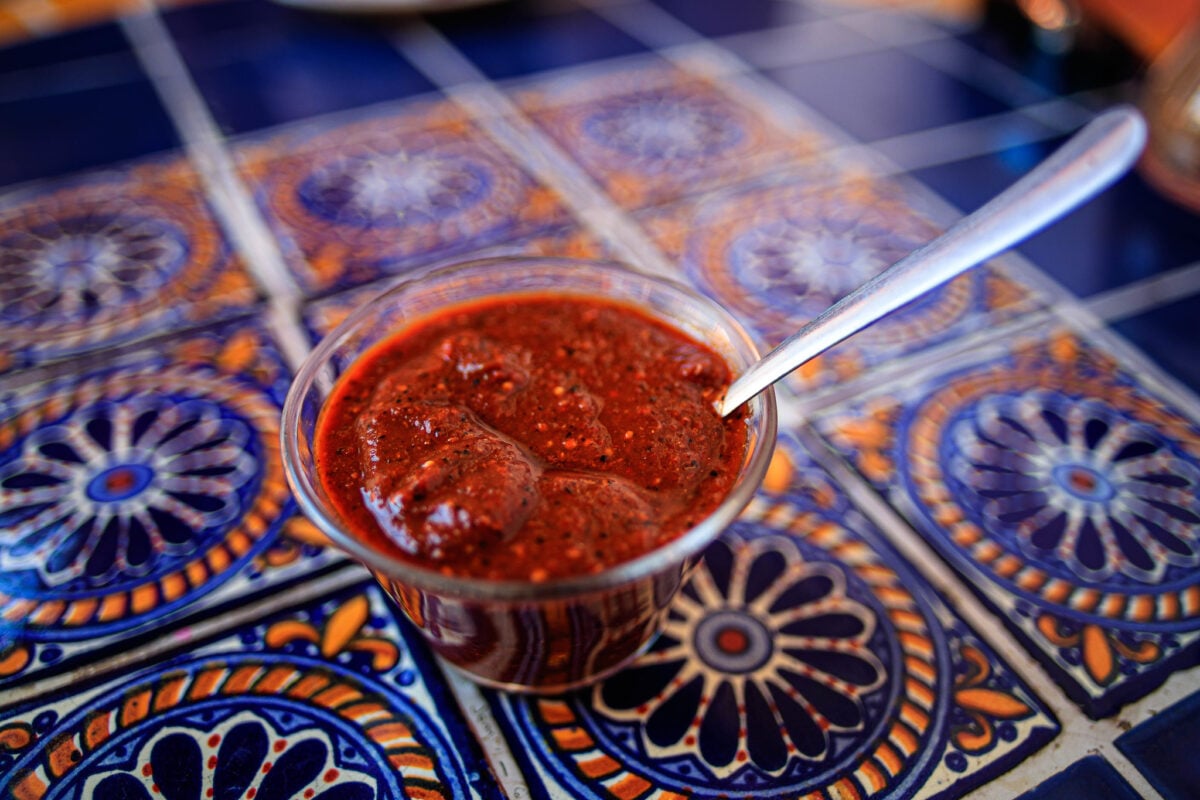
A tiny red chili, Chile de árbol hits between 15,000 and 65,000 on the Scoville scale, showing up everywhere in Mexican kitchens. Toasted then mixed with tomatoes, garlic, occasionally tomatillos, it becomes salsa de árbol – standard issue at most taco spots.
You won’t be warned. The bowl simply shows up beside your plate; recognition comes instantly or not at all.
Heat arrives dry, smoky, settling deep in the throat like leftover fire. Meanwhile, habanero-based versions, frequent in Yucatán dishes, push past even that edge.
Korean Spicy Rice Cakes and Fire Chicken
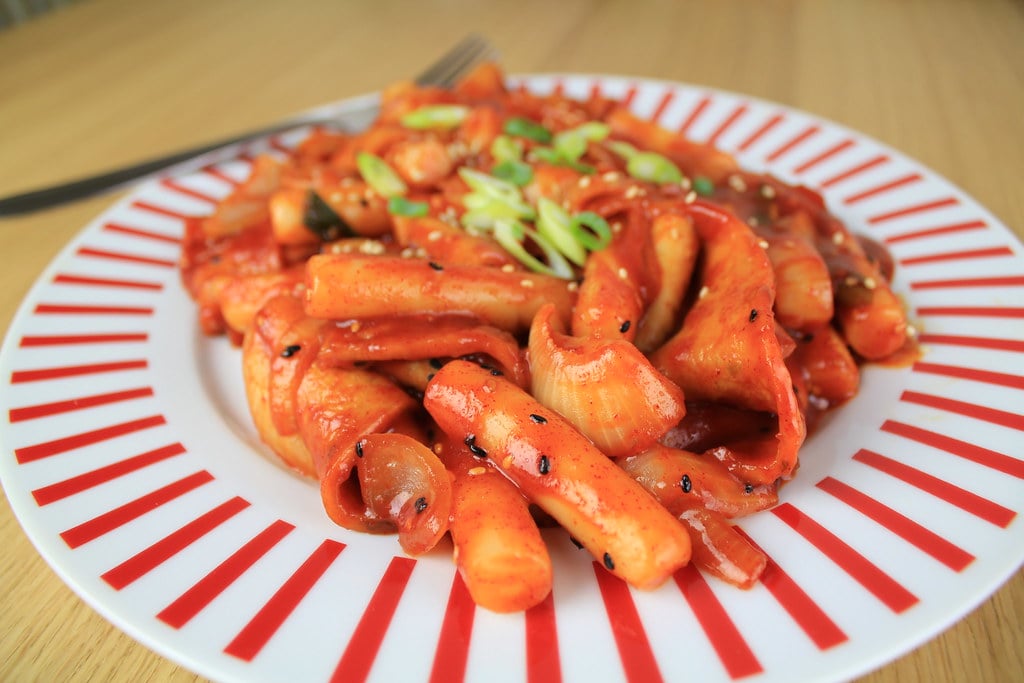
Spicy red paste coats soft rice cakes in tteokbokii, a favorite grab-and-go bite across Seoul alleys. Heat hits gently at first in the classic kind.
Fire chicken – called buldak – turns that warmth into something fierce. That sharp kick comes from extra chili flakes, deeper fermentation, more fire.
Online clips of watery eyes and flushed faces helped launch those fiery instant noodles worldwide. Folks in Korea have this often.
Heat isn’t new there – generations grew up with gochujang on their plates, so fiery flavors feel like home.
The Burn Is What Matters

Something ties these foods together: they weren’t made by mistake. Not once did anyone overlook the spice thinking it was wrong.
Purpose shaped each one, passed down through time, often blending heat so deep into taste you can’t pull them apart. That burning kick comes from capsaicin, which fools nerves into sounding an alarm, sparking a rush of endorphins.
A small crisis unfolds inside, and your system answers without hesitation. Finishing a plate of phaal? It sticks with you, somehow.
Downing jerk chicken under Jamaica’s heat – like the flavor hands you a quiet nod. Some enjoy hot meals daily not because they like pain.
Over time, their body learns heat, much like adjusting to bitter coffee or sharp wine. Discomfort rides alongside joy.
Worth isn’t measured in spice levels, but in that mix.
More from Go2Tutors!

- The Romanov Crown Jewels and Their Tragic Fate
- 13 Historical Mysteries That Science Still Can’t Solve
- Famous Hoaxes That Fooled the World for Years
- 15 Child Stars with Tragic Adult Lives
- 16 Famous Jewelry Pieces in History
Like Go2Tutors’s content? Follow us on MSN.