16 Nostalgic Arcade Games That Made History
The golden age of arcade gaming transformed simple entertainment into a cultural phenomenon that shaped an entire generation. Those darkened rooms filled with flashing lights, electronic sounds, and the constant clink of quarters created memories that still trigger nostalgia decades later.
Beyond the fun and excitement, these games revolutionized technology, established entire industries, and introduced concepts we still see in modern gaming today. From groundbreaking graphics to innovative gameplay mechanics, certain arcade titles didn’t just entertain players—they rewrote the rules of what video games could be.
Here is a list of 16 nostalgic arcade games that left a permanent mark on gaming history and popular culture.
Pong

Atari’s 1972 release wasn’t the first video game ever made, but it was the first to reach mainstream audiences and prove that electronic entertainment could be profitable. The simple tennis-like game featured two paddles bouncing a square dot back and forth, yet it captivated players with its intuitive gameplay and competitive nature.
Pong established the arcade business model and demonstrated that people would pay money to play video games, laying the foundation for the entire industry that followed.
Space Invaders
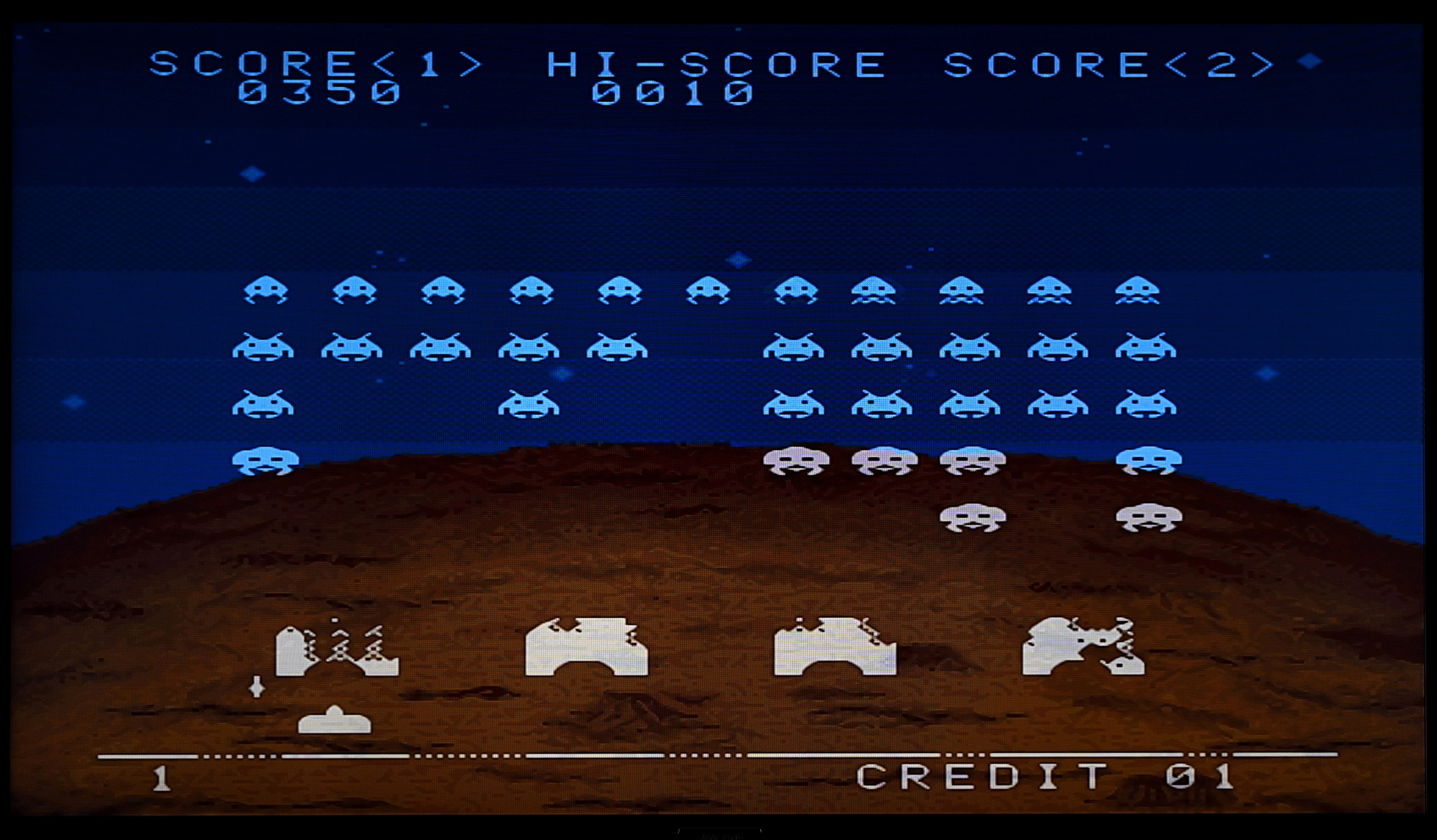
Taito’s 1978 masterpiece created the template for action games and introduced the concept of escalating difficulty that keeps players coming back for more. The game’s simple premise of defending Earth from descending alien forces became instantly addictive, while its iconic pixelated enemies became some of the most recognizable characters in gaming history.
Space Invaders was so popular in Japan that it allegedly caused a national coin shortage, proving that video games could become genuine cultural phenomena.
Like Go2Tutors’s content? Follow us on MSN.
Pac-Man
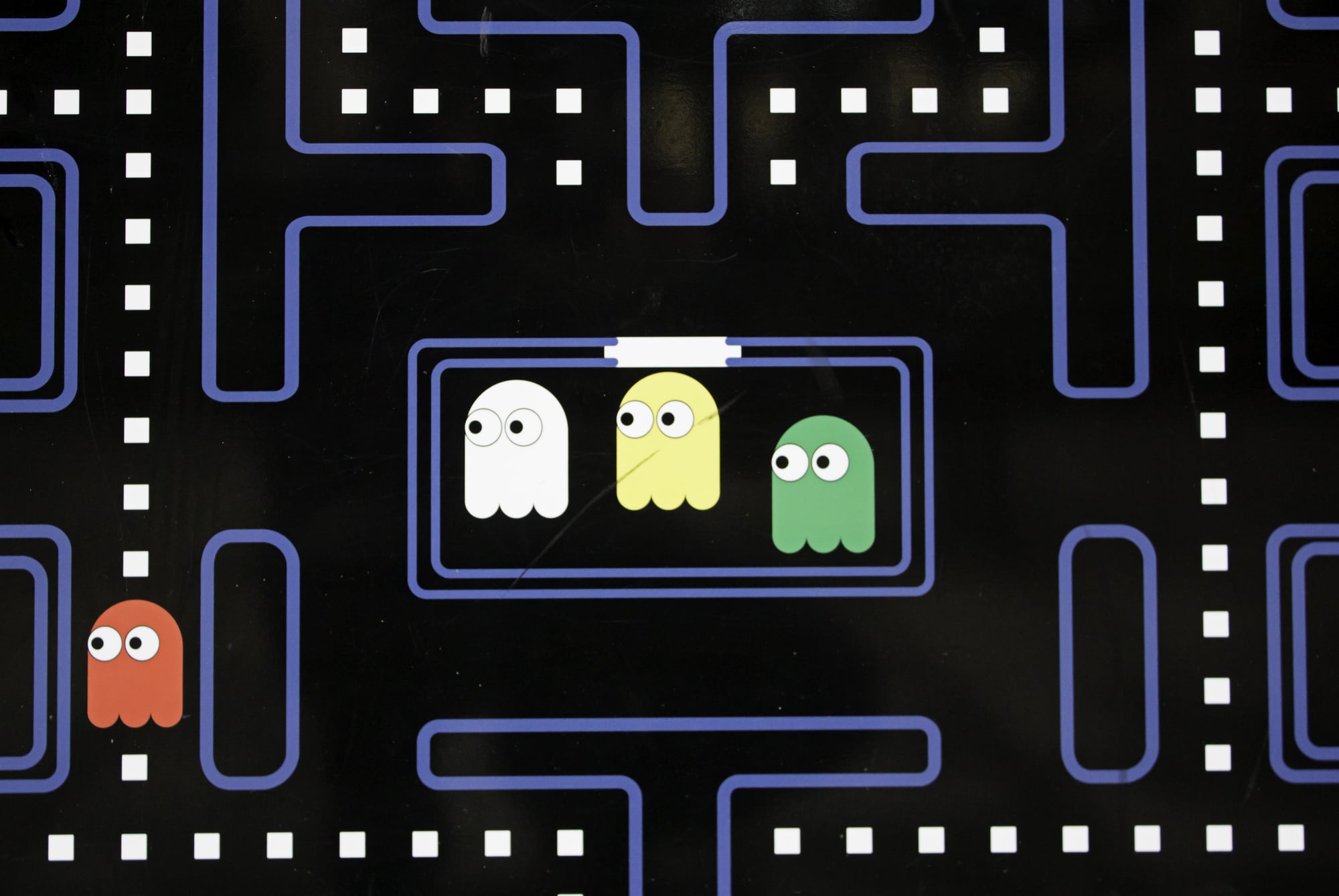
Namco’s 1980 creation broke new ground by appealing to female players and families, expanding the arcade audience beyond teenage boys. The game’s colorful maze-chase gameplay, memorable characters, and non-violent theme made it acceptable in locations where traditional shooting games weren’t welcome.
Pac-Man became the first video game character to achieve mainstream celebrity status, spawning merchandise, cartoons, and even a hit song that reached the top of the music charts.
Donkey Kong
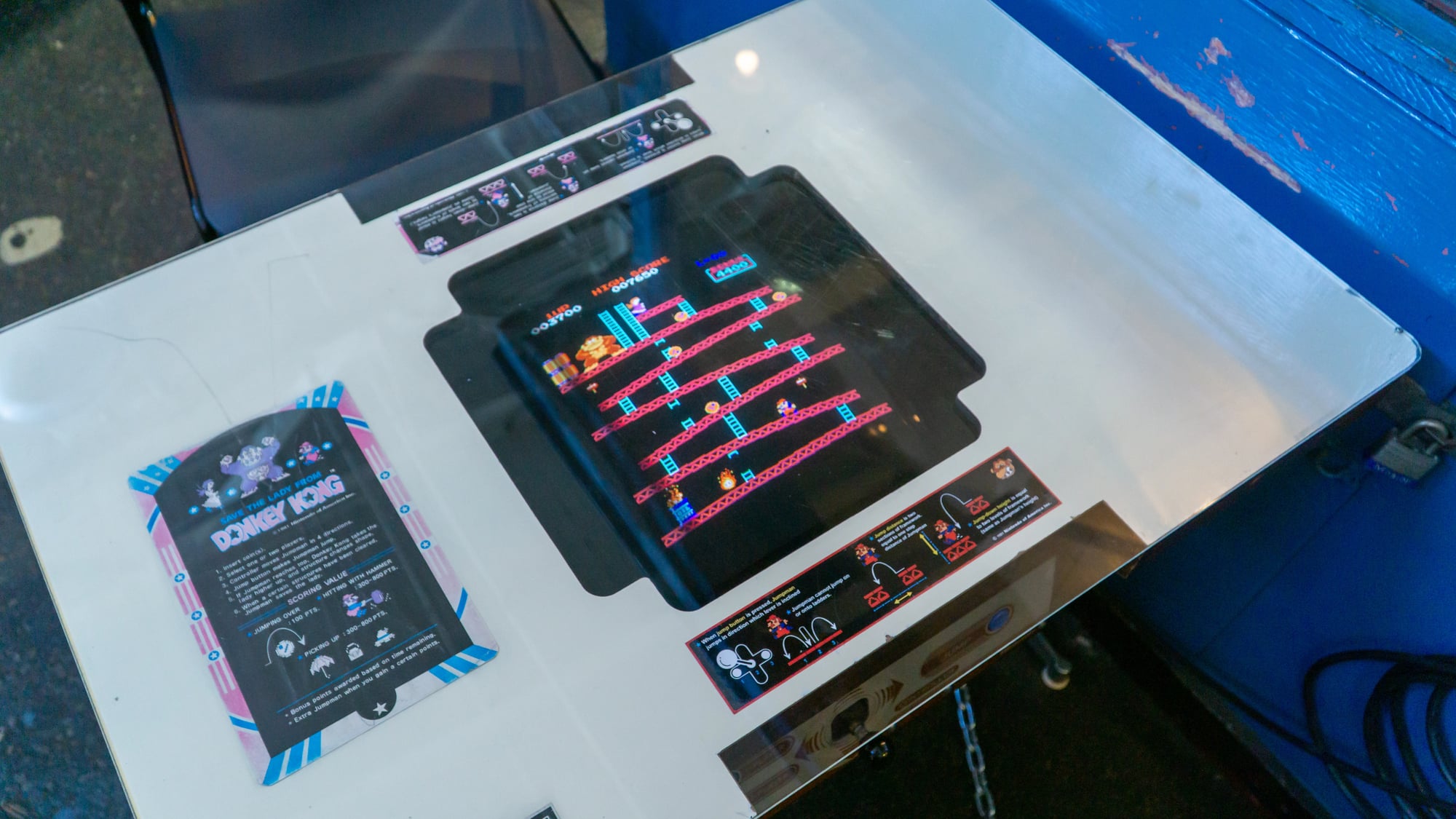
Nintendo’s 1981 arcade debut introduced the world to both Mario and the concept of platform gaming, establishing gameplay mechanics that remain popular today. The game challenged players to navigate construction sites while avoiding obstacles, creating a puzzle-like experience that required timing and strategy rather than just quick reflexes.
Donkey Kong proved that arcade games could tell stories and feature character development, setting the stage for more complex narrative-driven games.
Galaga
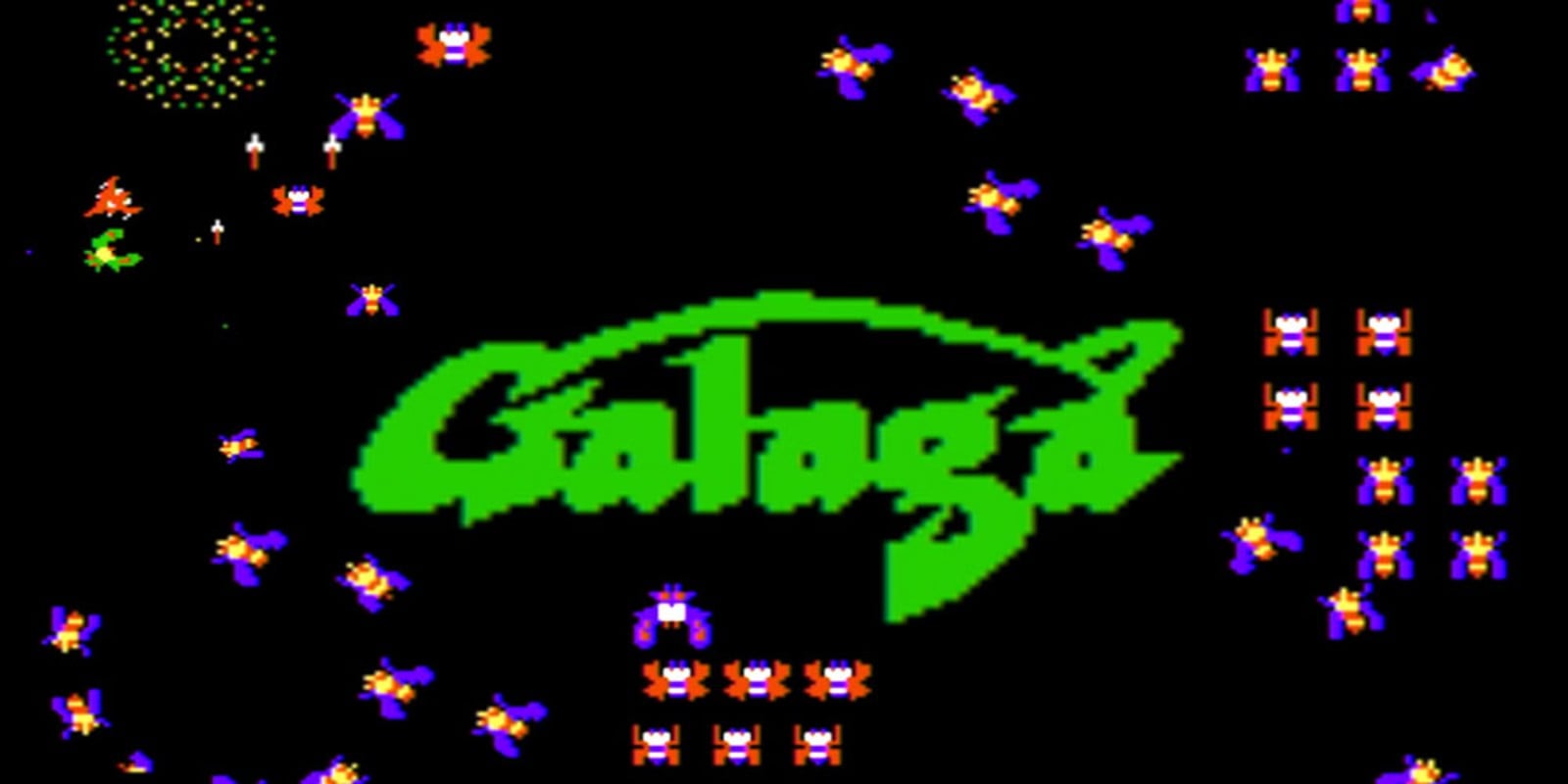
This 1981 sequel to Galaxian perfected the space shooter formula with improved graphics, challenging bonus stages, and the innovative feature allowing players to rescue captured ships. The game’s formation-flying enemies and strategic power-ups added layers of depth to the shooting genre, while its balanced difficulty curve kept players engaged without overwhelming them.
Galaga became the gold standard for space shooters and remains one of the most beloved arcade games ever created.
Like Go2Tutors’s content? Follow us on MSN.
Centipede
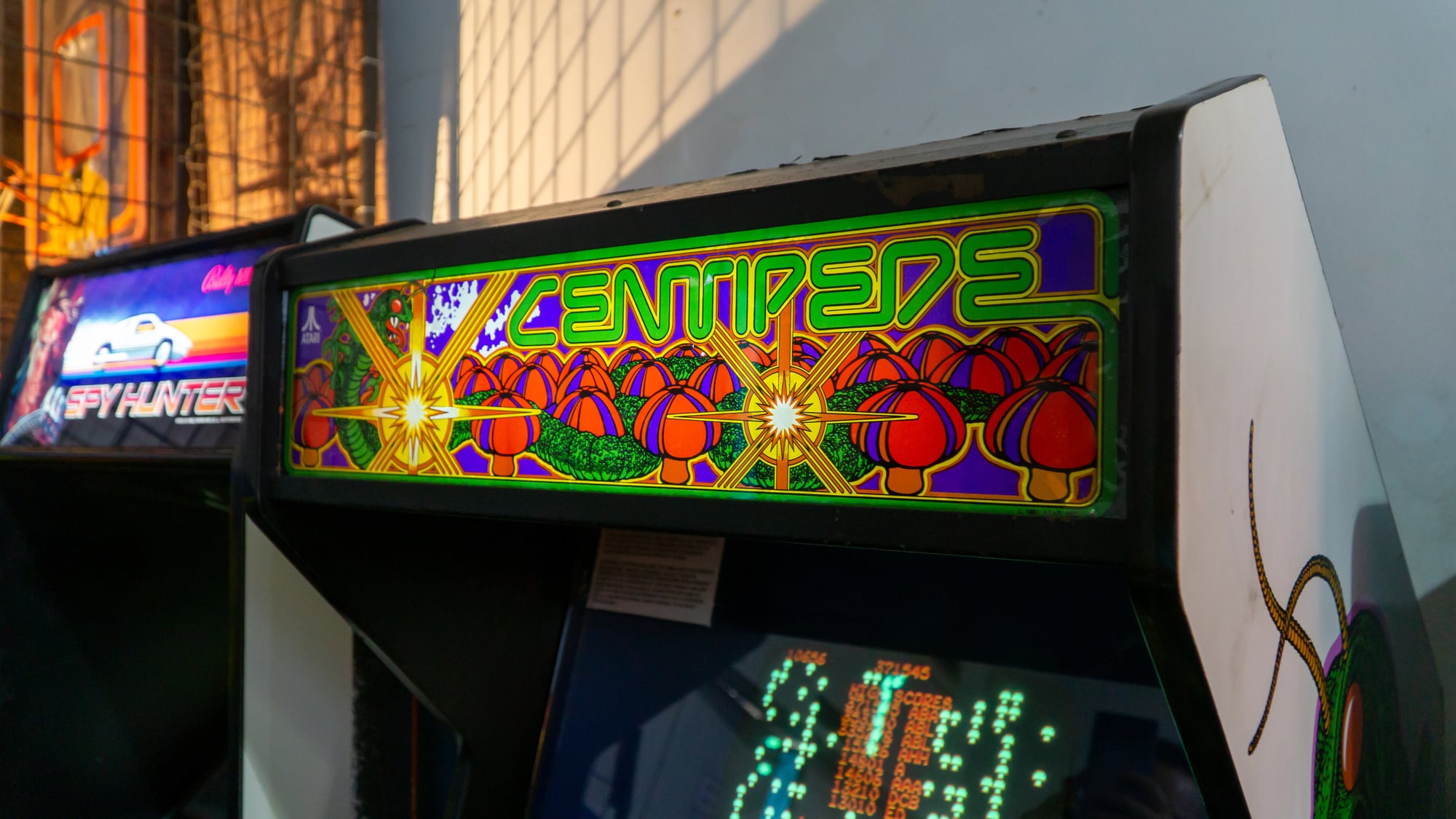
Atari’s 1981 release revolutionized arcade controls with its trackball interface, allowing for precise movement that traditional joysticks couldn’t match. The game’s unique bottom-up perspective and garden-themed enemies created a distinctive visual style that stood out among space-themed competitors.
Centipede’s success demonstrated that innovative control schemes could enhance gameplay experiences and opened the door for future experiments in arcade interfaces.
Ms. Pac-Man
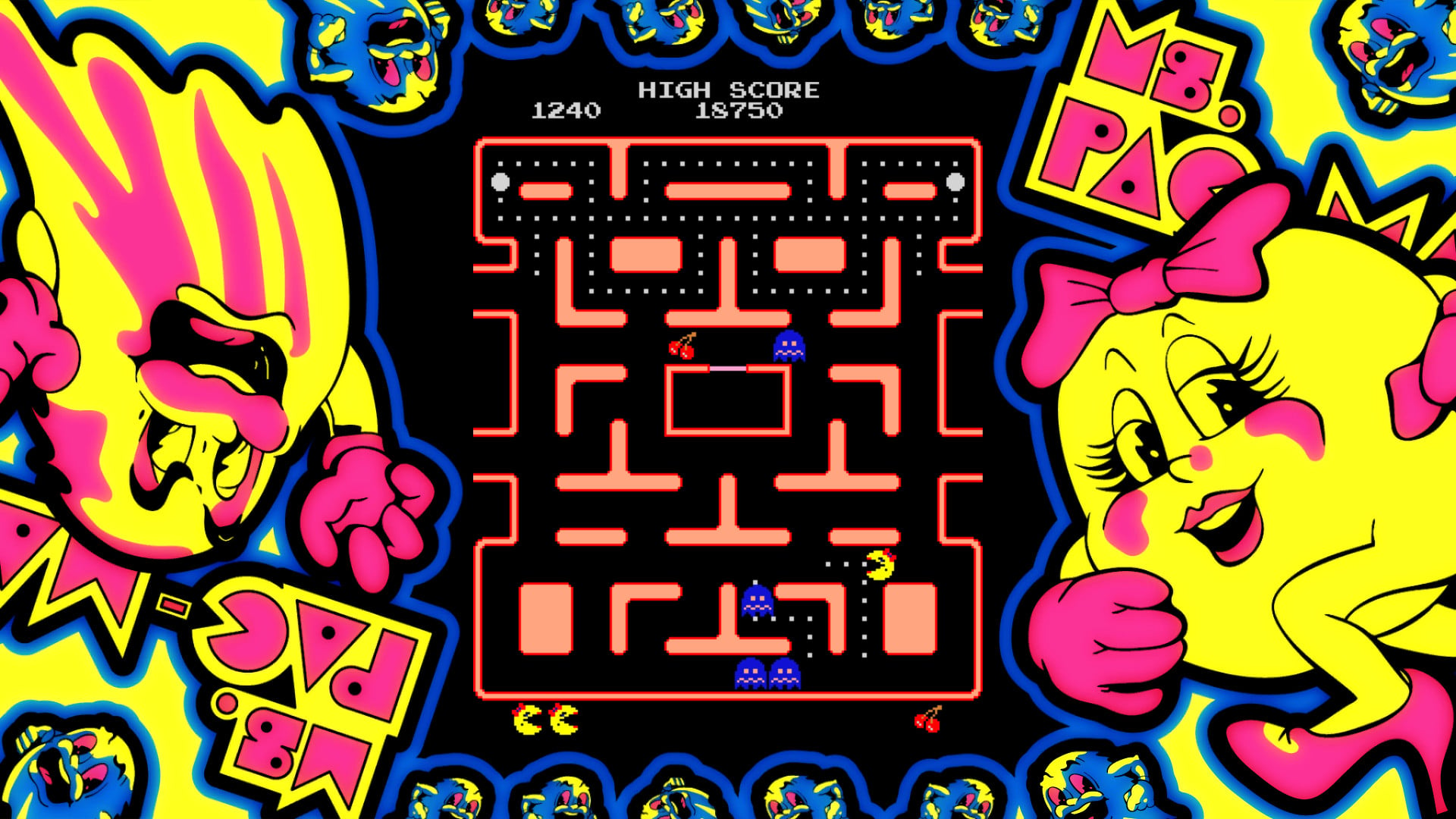
This 1982 sequel improved upon the original Pac-Man formula with varied maze designs, smarter ghost behavior, and animated cutscenes that added personality to the characters. The game addressed criticisms of the original while maintaining everything that made Pac-Man special, creating what many consider the superior version.
Ms. Pac-Man proved that sequels could enhance rather than simply repeat successful formulas, establishing a model for franchise development that continues today.
Frogger
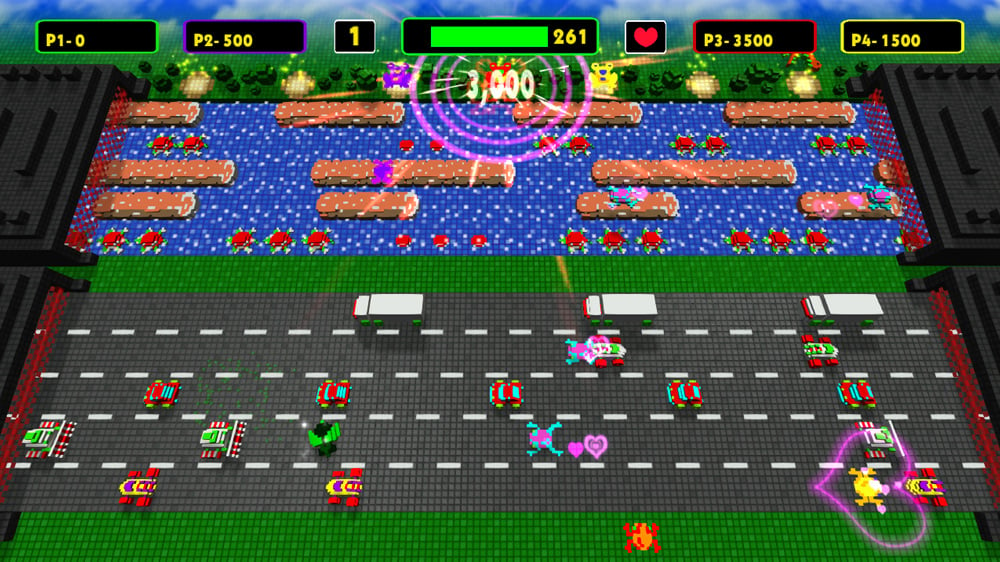
Konami’s 1981 crosser challenged players to navigate busy roads and treacherous rivers, creating a unique gameplay experience that combined timing, strategy, and quick reflexes. The game’s simple concept of getting a frog safely across dangerous obstacles became instantly understandable to players of all ages and skill levels.
Frogger’s success showed that arcade games didn’t need complex rules or violent themes to be engaging, opening doors for more diverse gaming experiences.
Like Go2Tutors’s content? Follow us on MSN.
Asteroids
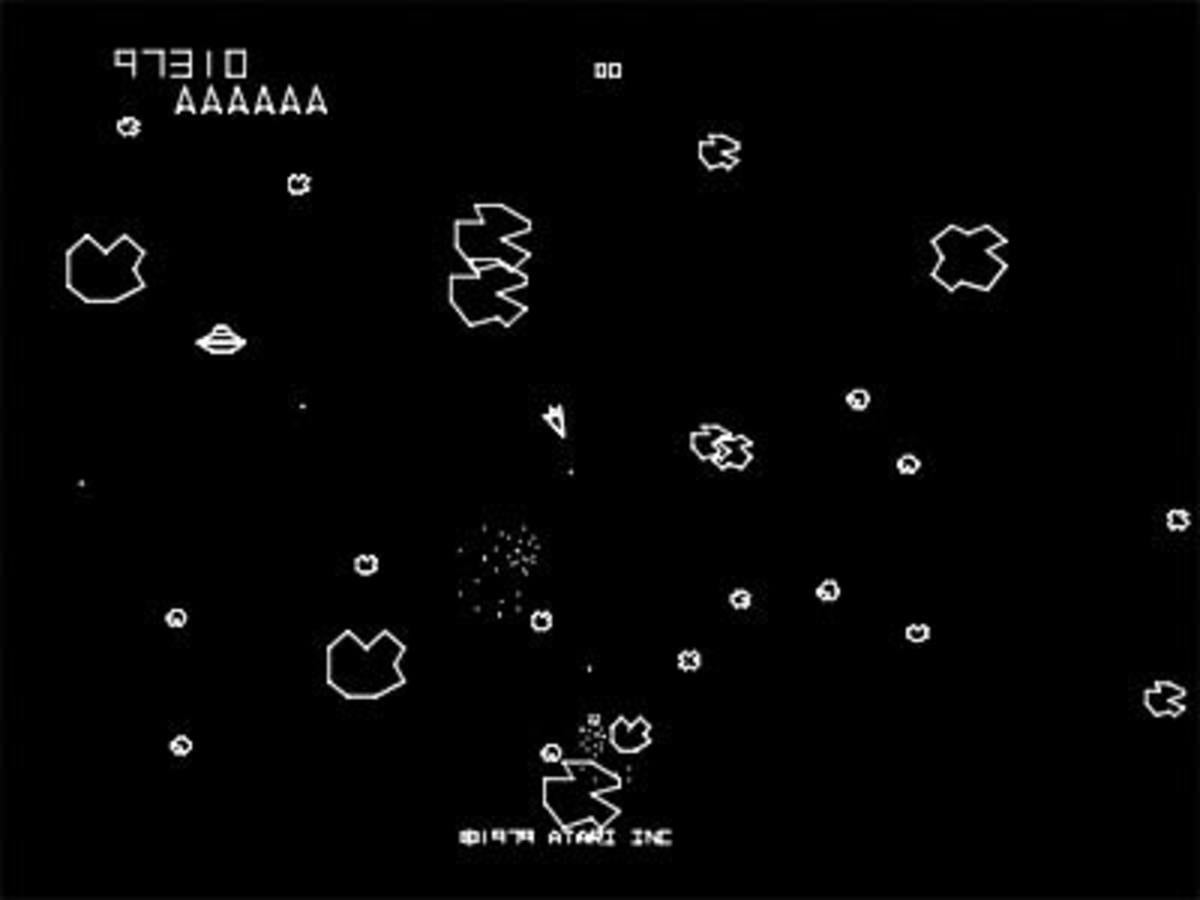
Atari’s 1979 space shooter introduced vector graphics to arcade gaming, creating clean, crisp visuals that looked futuristic compared to pixel-based competitors. The game’s physics-based movement and 360-degree rotation gave players unprecedented control over their spacecraft, while the screen-wrapping playfield created unique strategic possibilities.
Asteroids demonstrated that technical innovation could enhance gameplay and established vector graphics as a legitimate alternative to traditional display methods.
Street Fighter II
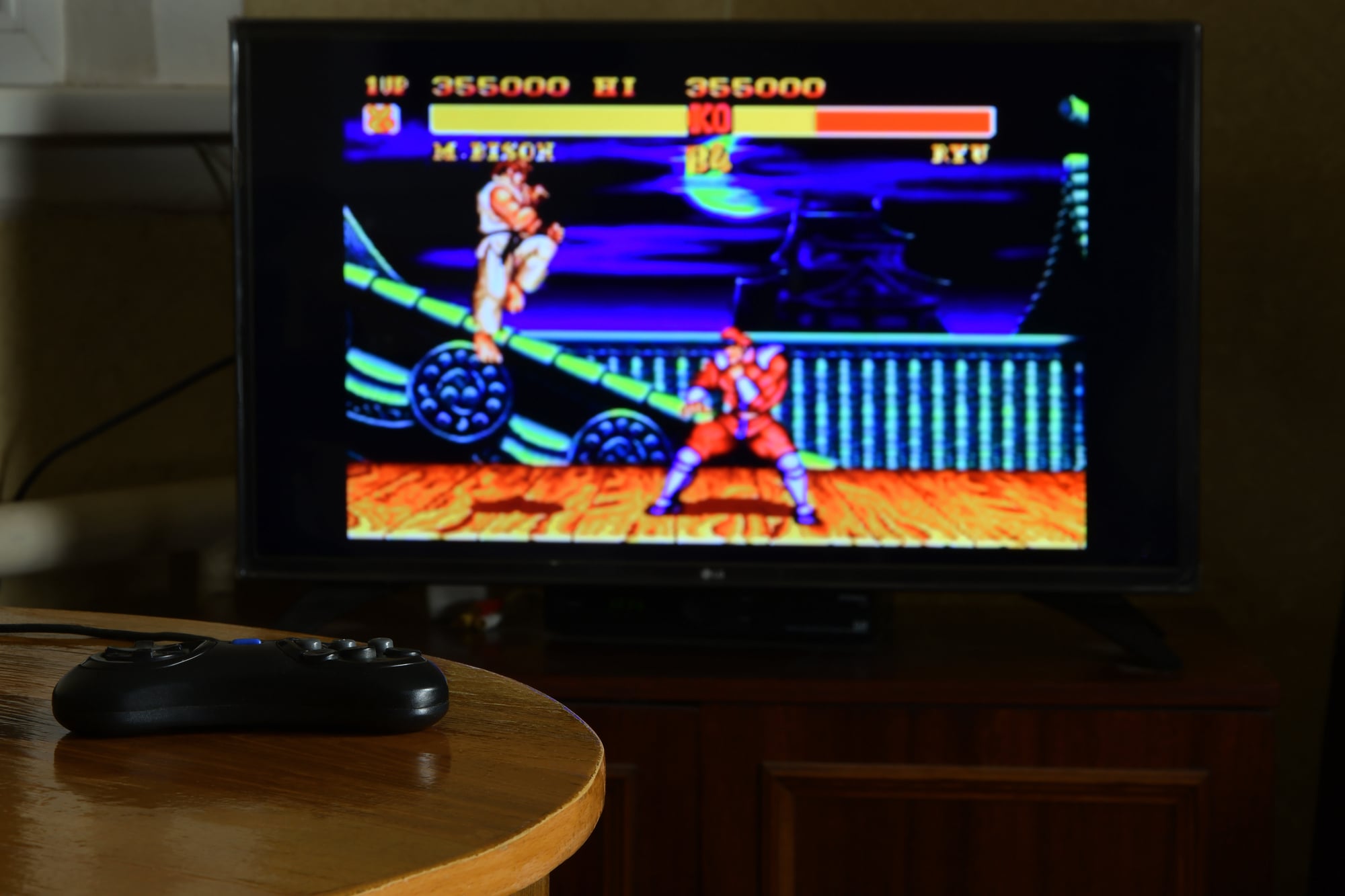
Capcom’s 1991 fighting game perfected the one-on-one combat formula with precise controls, balanced characters, and special moves that required skill to execute properly. The game’s diverse roster of international fighters, each with unique abilities and personalities, created a template that fighting games still follow today.
Street Fighter II sparked the fighting game boom of the 1990s and established competitive gaming communities that evolved into today’s esports scene.
Defender
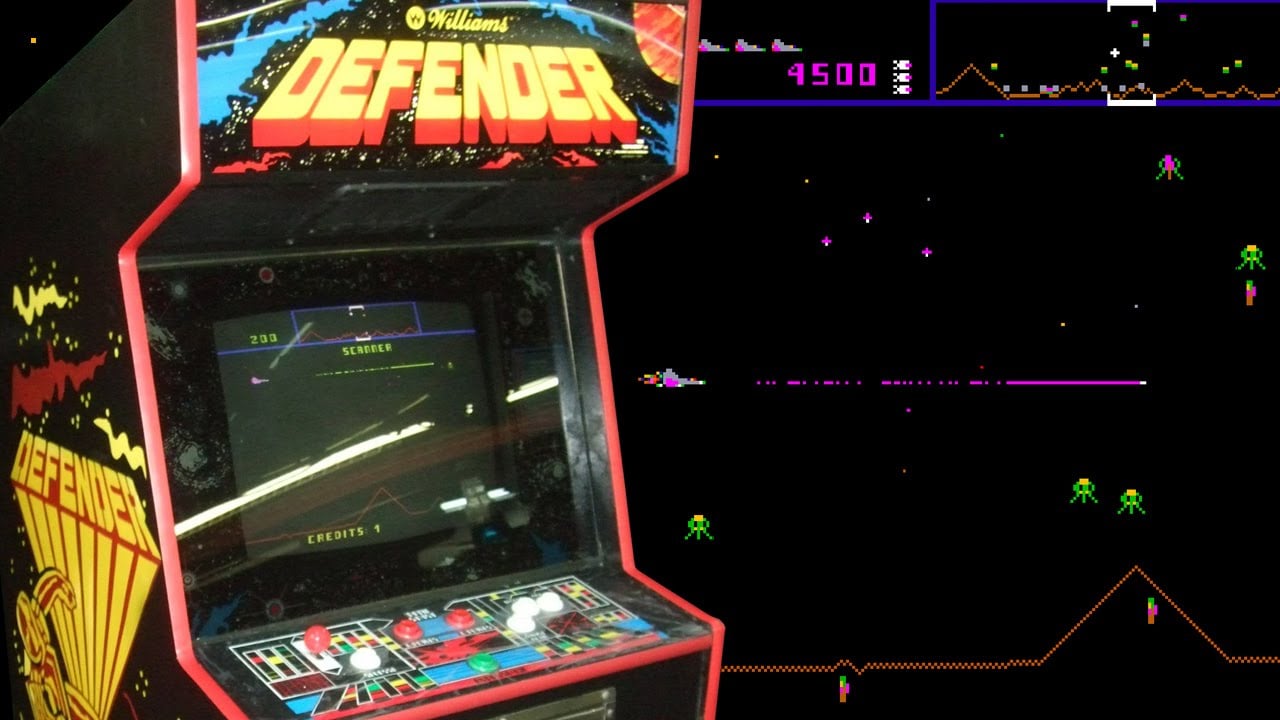
Eugene Jarvis’s 1981 creation challenged players with complex controls and intense gameplay that required genuine skill to master. The horizontally scrolling shooter featured a radar system and multiple objectives that added strategic depth to the shooting genre.
Defender’s unforgiving difficulty and sophisticated mechanics appealed to hardcore gamers who wanted more challenge than typical arcade games provided, proving that there was a market for truly demanding gaming experiences.
Like Go2Tutors’s content? Follow us on MSN.
Dig Dug
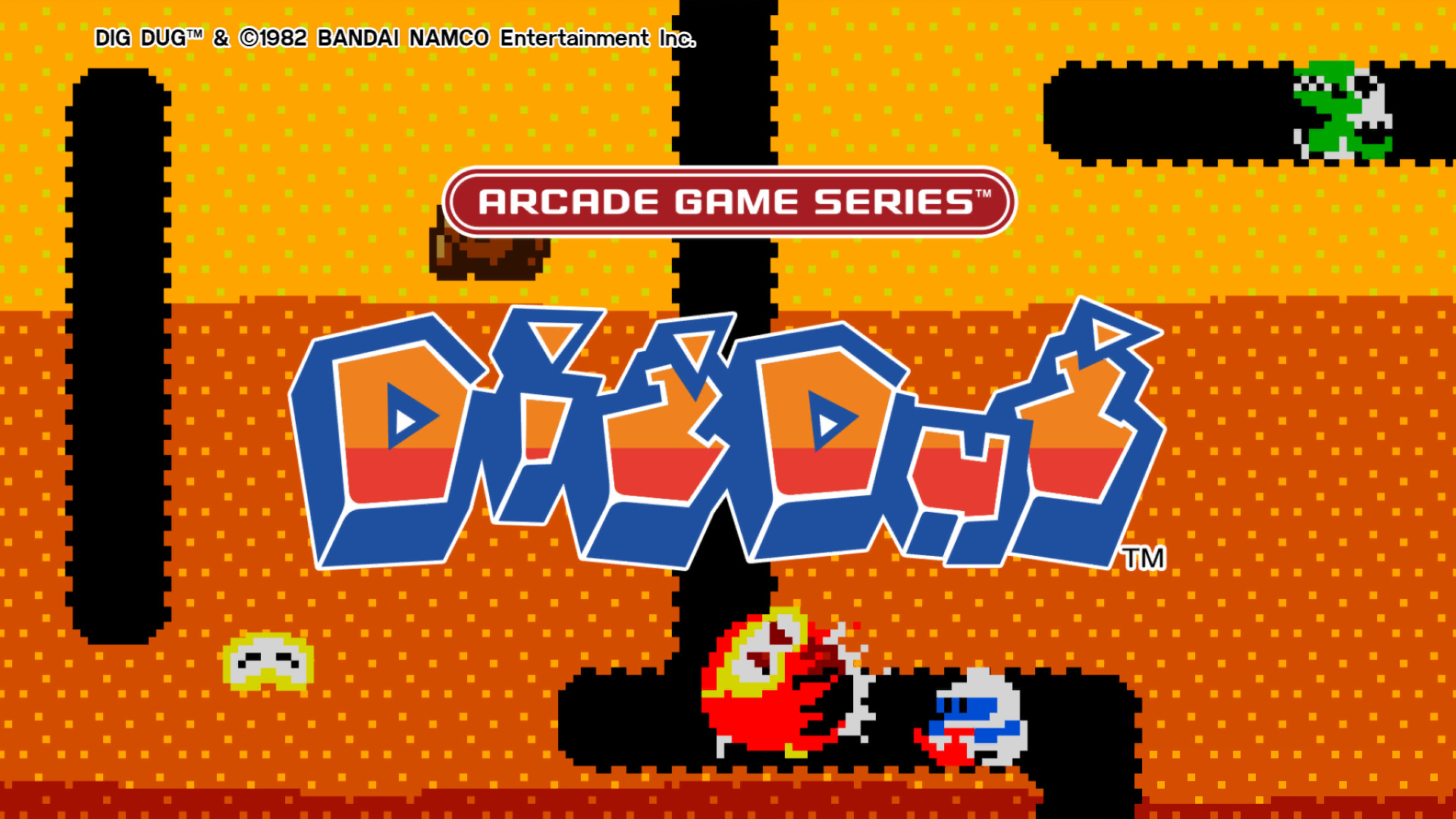
Namco’s 1982 underground adventure created a unique gameplay experience where players tunneled through dirt to defeat enemies using an air pump. The game’s creative premise and colorful characters stood out in an era dominated by space shooters and maze games.
Dig Dug’s success demonstrated that original concepts could compete with established genres and encouraged developers to experiment with unconventional game mechanics.
Joust
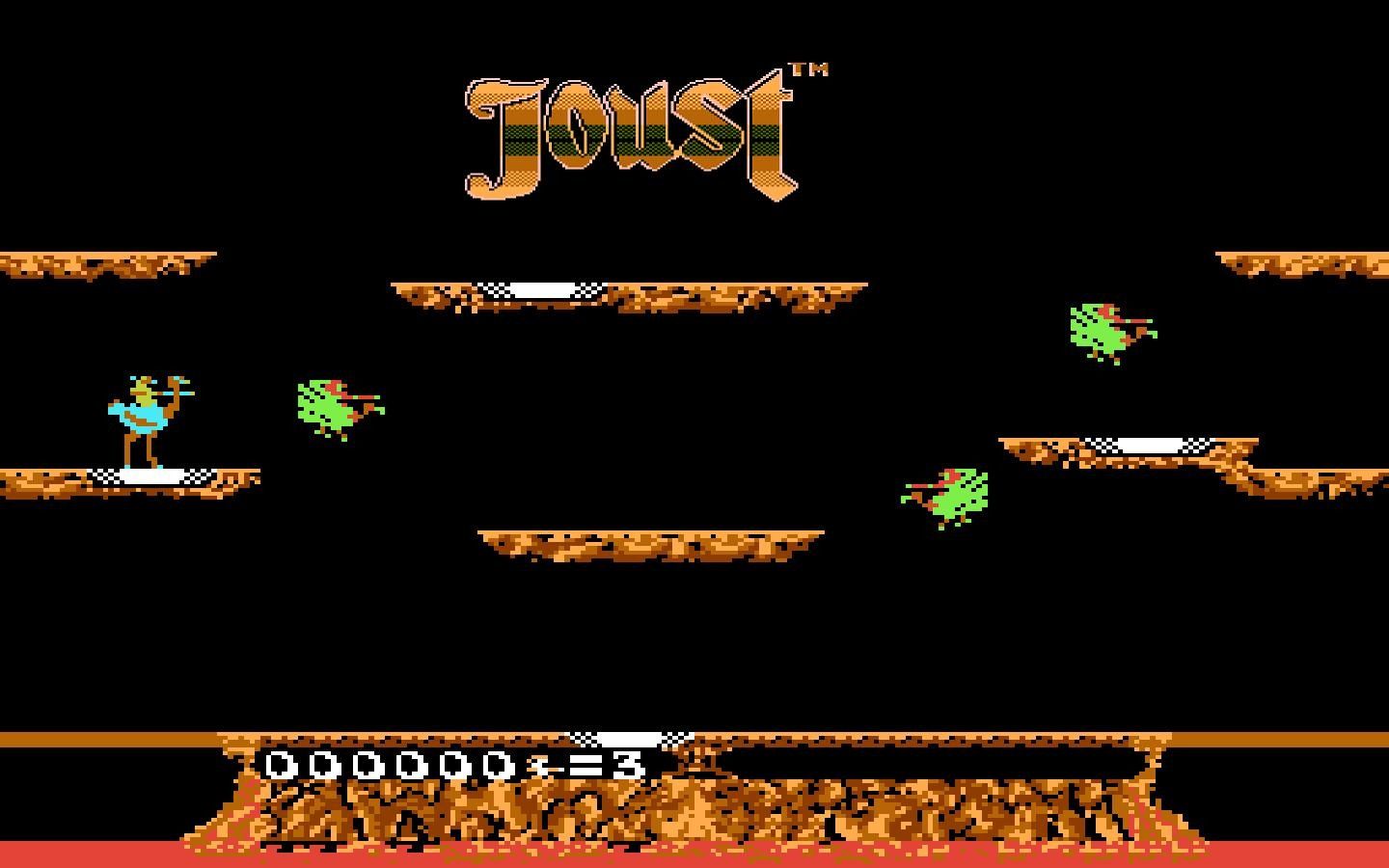
Williams’s 1982 release combined platform gaming with flying mechanics, creating a unique experience where players rode flying ostriches in aerial combat. The game’s physics-based movement and momentum-driven gameplay required players to master unconventional controls that felt natural once learned.
Joust’s cooperative multiplayer mode allowed friends to work together or compete against each other, pioneering social gaming experiences that would become standard in later arcade games.
Robotron 2084
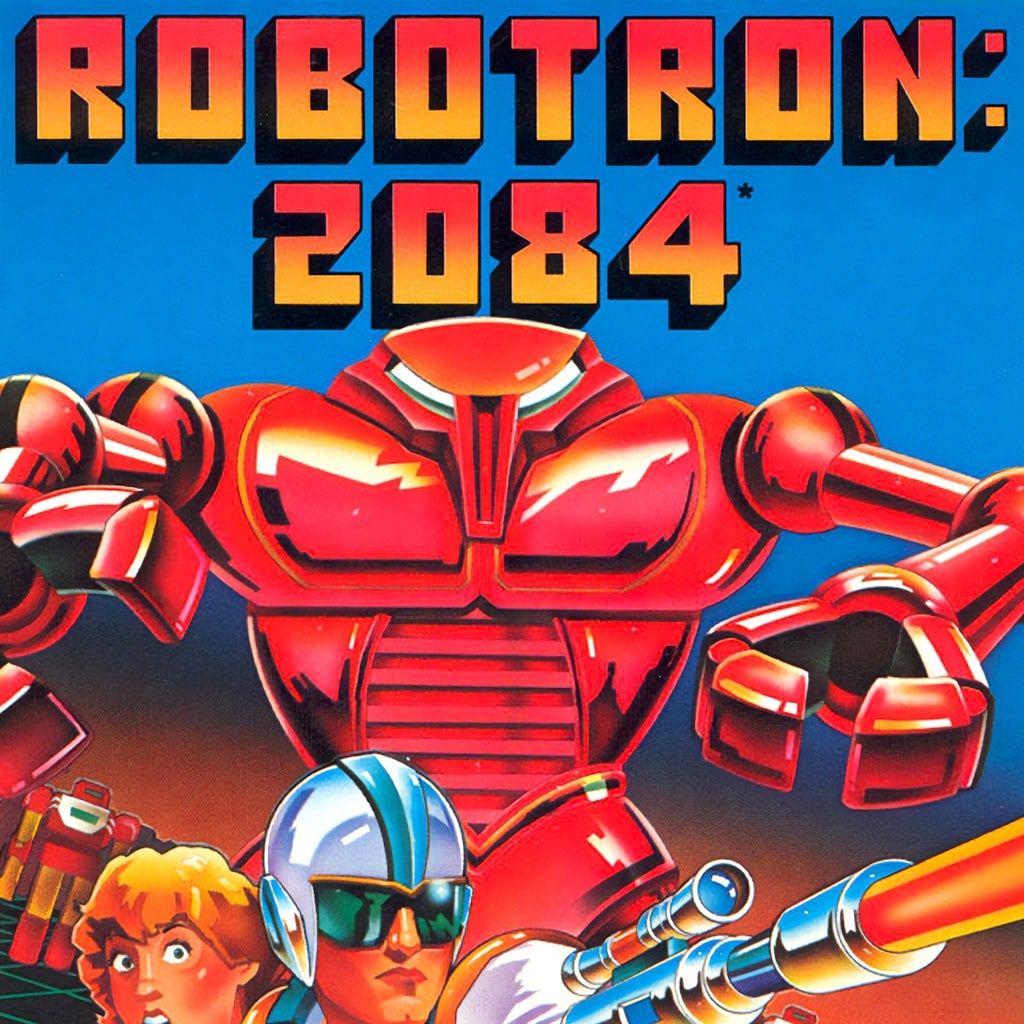
Eugene Jarvis’s 1982 masterpiece pushed the limits of arcade action with overwhelming enemy swarms and dual-joystick controls that allowed simultaneous movement and shooting. The game’s relentless pace and genuine challenge attracted players who had mastered other arcade games and wanted something truly demanding.
Robotron 2084’s influence can be seen in modern twin-stick shooters and games that prioritize pure action over story or complex mechanics.
Like Go2Tutors’s content? Follow us on MSN.
Dragon’s Lair

Advanced Microcomputer Systems’ 1983 release revolutionized arcade visuals with Disney-quality animation and interactive movie-style gameplay. The game’s gorgeous hand-drawn animation and cinematic presentation made it a visual spectacle that drew crowds just to watch other people play.
Dragon’s Lair proved that arcade games could be artistic experiences and introduced interactive entertainment concepts that would later influence CD-ROM games and interactive media.
Marble Madness
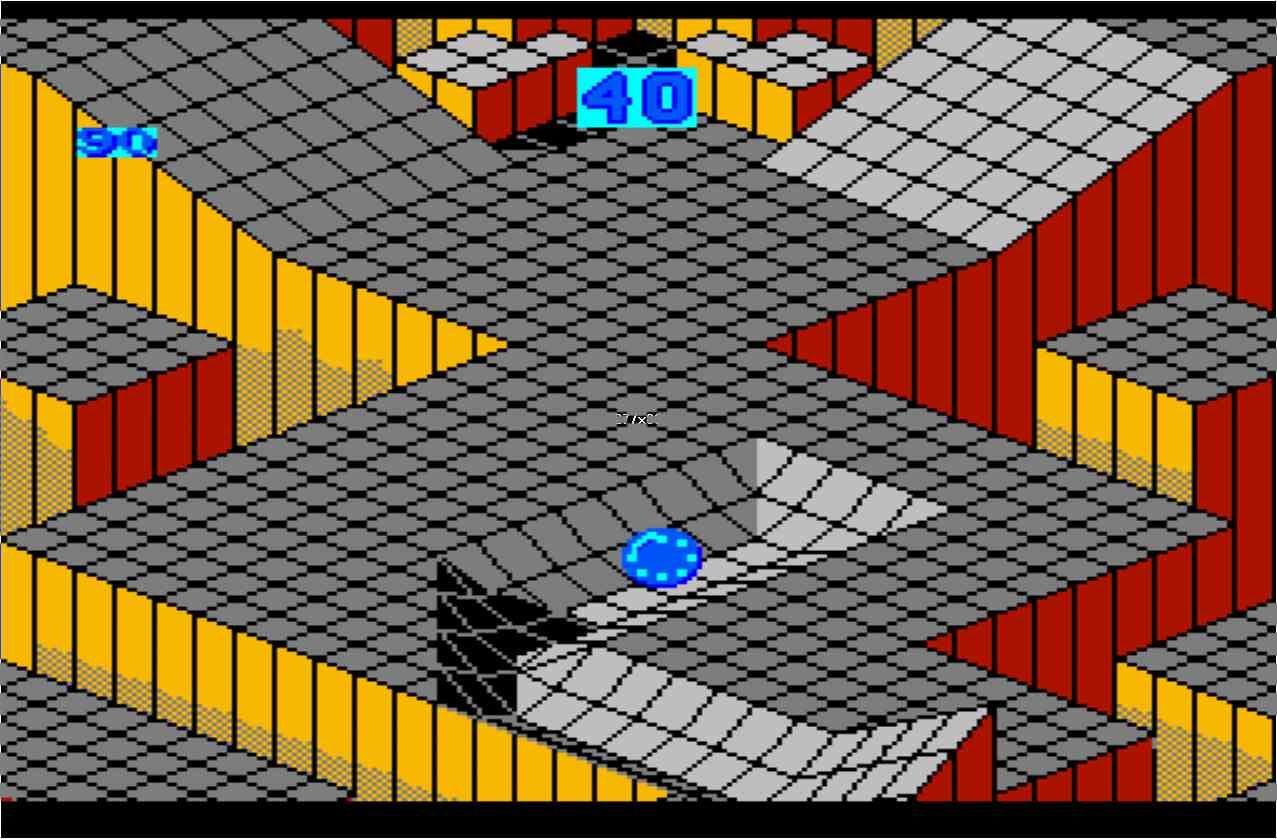
Atari’s 1984 release showcased the potential of trackball controls and isometric 3D graphics in arcade gaming. The game challenged players to navigate marble-like spheres through elaborate obstacle courses that required precise control and careful planning.
Marble Madness demonstrated that arcade games could offer puzzle-solving experiences alongside traditional action gameplay, expanding the definition of what arcade entertainment could be.
The Quarter Stops Here
These sixteen games didn’t just entertain millions of players—they established the foundation for every video game that followed. From the business models that fund today’s mobile games to the character designs that inspire modern developers, the innovations pioneered in dimly lit arcades continue to influence interactive entertainment.
The next time you pick up a controller or tap a smartphone screen, remember that these classic arcade games proved that interactive entertainment could become one of the world’s most important cultural and economic forces.
More from Go2Tutors!

- 18 Unexpectedly Valuable Collectibles You Might Have Lying Around
- 20 Little-Known Historical Battles That Had Huge Consequences
- 20 Historical Artifacts That Scientists Can’t Explain
- 15 Inventions That Were Immediately Banned After Being Created
- 20 Actors Who Were Almost Cast in Iconic Roles
Like Go2Tutors’s content? Follow us on MSN.