16 Times Ancient Literature Predicted Technology
Throughout history, writers have possessed an uncanny ability to glimpse into the future, describing technologies that wouldn’t exist for centuries or even millennia. From ancient Greek myths featuring automated servants to medieval tales of flying machines, literature has consistently served as a crystal globe for human innovation.
What’s truly fascinating is how these authors, working with nothing but imagination and keen observation of human nature, managed to envision devices that would eventually reshape our world. Here are 16 remarkable instances where ancient literature anticipated modern technology with startling accuracy.
Homer’s Golden Servants
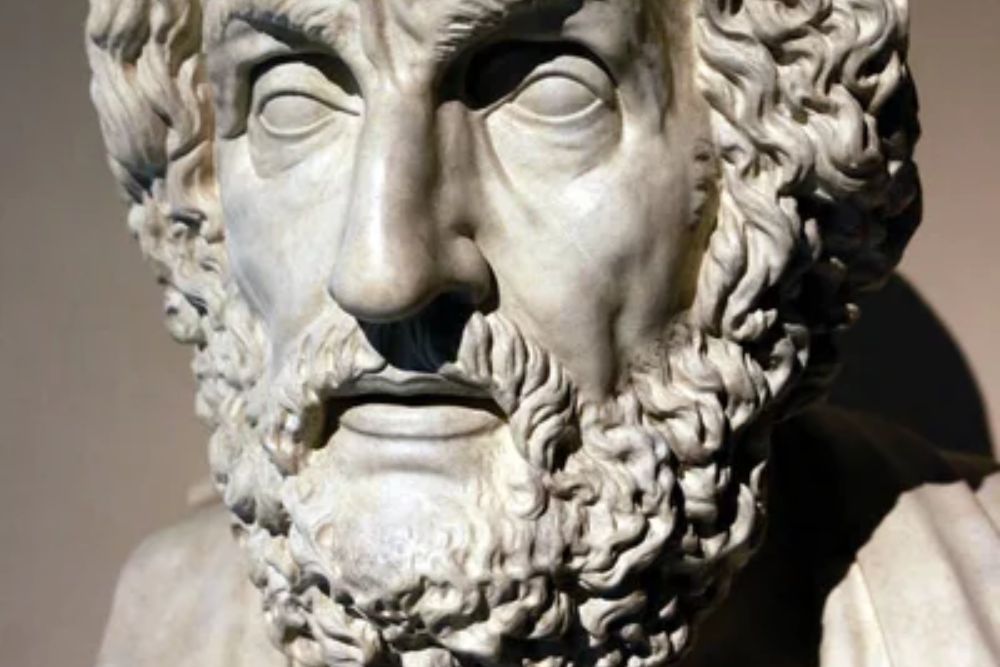
In the Iliad, Homer describes Hephaestus—the god of fire and metalworking—creating golden servants that could move and think independently. These mechanical beings helped him in his workshop. They performed tasks with intelligence and autonomy that seemed almost impossible for 8th-century BCE imagination.
Yet this description bears a striking resemblance to modern robotics and artificial intelligence, complete with the concept of machines designed to assist humans in labor-intensive work.
Lucian’s Moon Travel
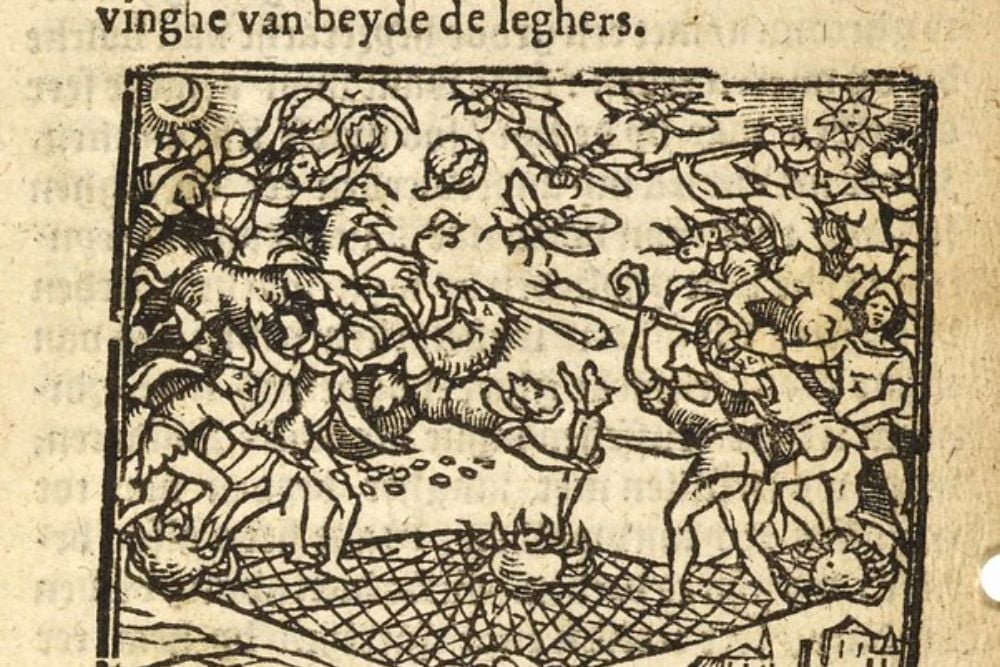
The 2nd-century Greek satirist Lucian of Samosata wrote A True Story featuring characters who travel to the moon using a waterspout that carries their ship into the sky. Though the method differs from rocket propulsion, Lucian accurately predicted space travel and lunar exploration nearly 1,800 years before humans actually set foot on the moon.
His tale even includes encounters with alien life forms—anticipating another major theme in space exploration.
Like Go2Tutors’s content? Follow us on MSN.
Medieval Flying Machines
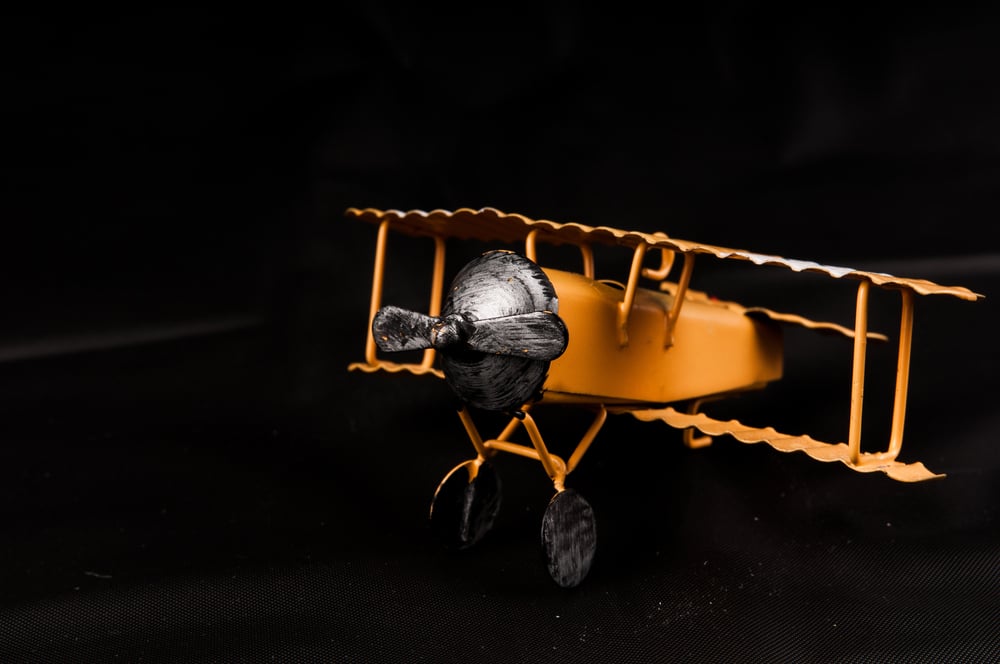
The 13th-century English philosopher Roger Bacon wrote about ‘flying machines’ that could carry humans through the air without flapping wings like birds. In his Opus Majus, he described mechanical devices powered by engines.
These contraptions could transport people across great distances—over 600 years before the Wright brothers’ first flight. The concept captures the essential idea of powered, controlled flight with remarkable accuracy.
Marco Polo’s Black Stones

During his travels in the 13th century, Marco Polo encountered coal being used as fuel in China and wrote about these ‘black stones’ that burned like wood but lasted much longer. While not exactly a prediction, his documentation introduced Europeans to a technology that would later power the Industrial Revolution.
His detailed accounts helped spread knowledge of this efficient energy source across continents—centuries before Europe would fully embrace coal power.
Da Vinci’s Submarine Concepts
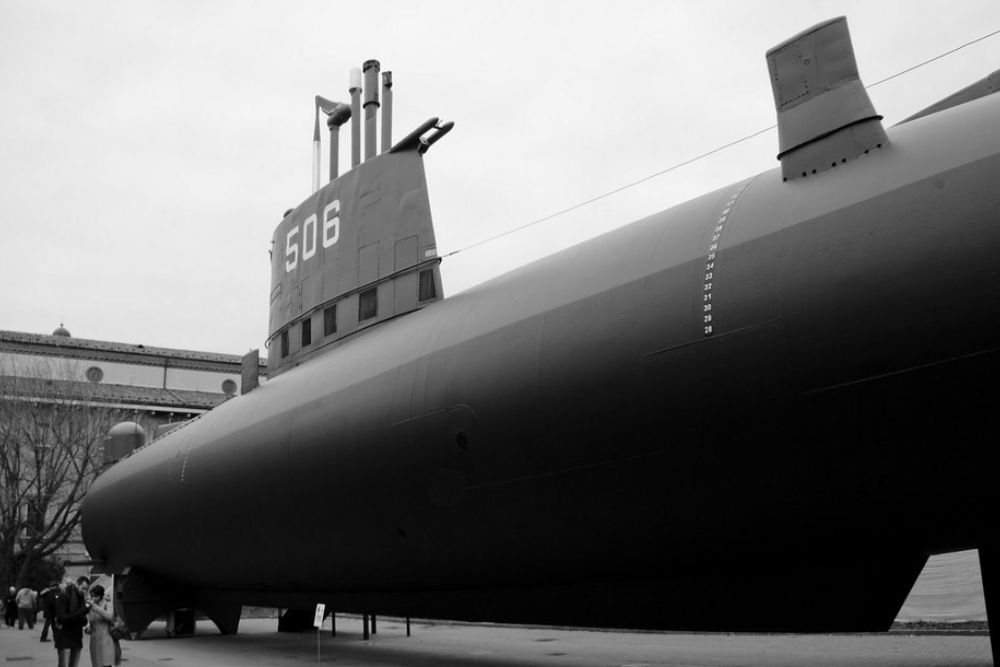
Though Leonardo da Vinci lived in the Renaissance rather than ancient times, his notebooks contain designs for underwater vessels remarkably similar to modern submarines. His sketches show enclosed boats with snorkel-like breathing apparatus.
The propulsion systems he designed for underwater navigation wouldn’t become reality until the 17th and 18th centuries—demonstrating how literature and technical drawings often preceded actual invention by decades or centuries.
Like Go2Tutors’s content? Follow us on MSN.
Ancient Chinese Compass References
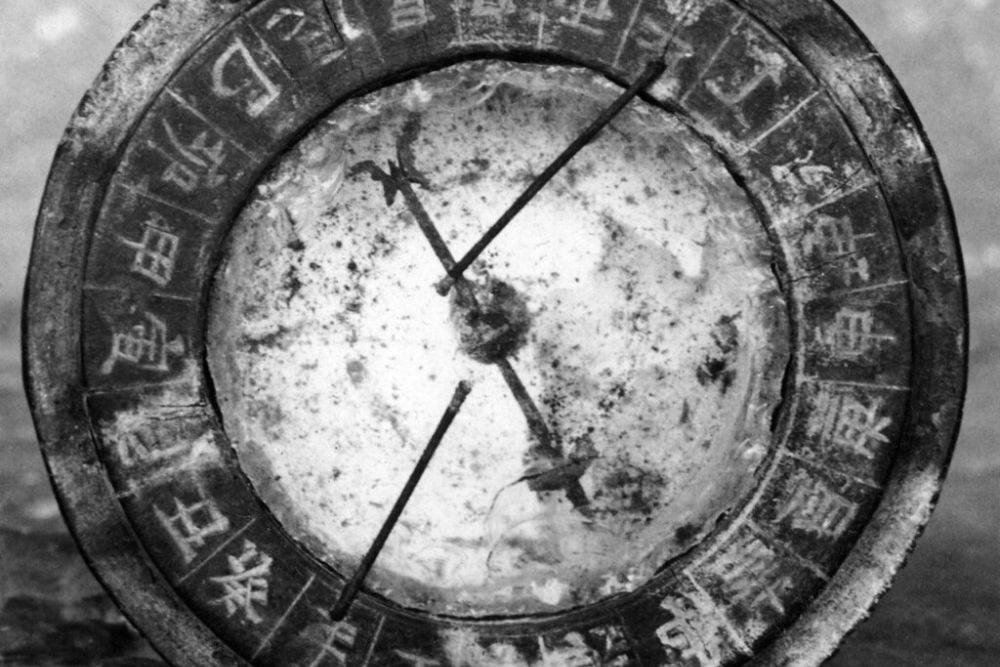
Chinese literature from the Han Dynasty (around 200 BCE) contains references to ‘south-pointing carriages’ and magnetic devices used for navigation. These early texts describe instruments that could determine direction regardless of weather conditions or time of day.
The magnetic compass—essential for global navigation and exploration—was thus documented in literature centuries before it spread to other civilizations through trade routes and cultural exchange.
Greek Fire Projectors
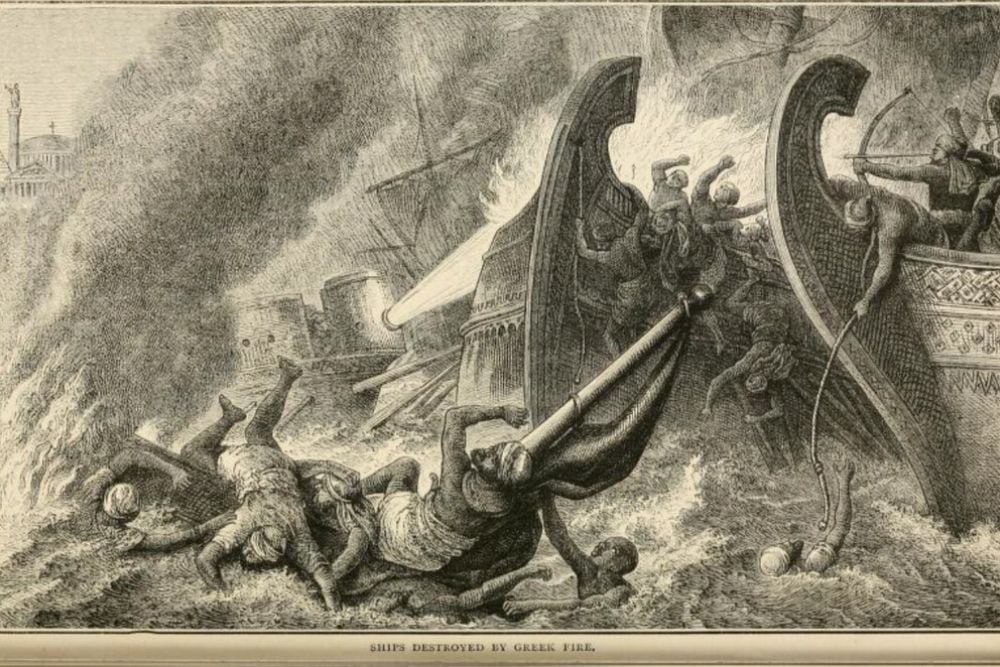
Byzantine texts from the 7th century describe ‘Greek fire’ delivery systems that could project flaming liquids at enemy ships from considerable distances. These accounts detail tube-like devices that functioned similarly to modern flamethrowers.
The technology combined chemical warfare with projectile delivery systems—concepts that wouldn’t be fully developed again until the 20th century’s mechanized conflicts.
Telescopic Vision in Ancient Texts
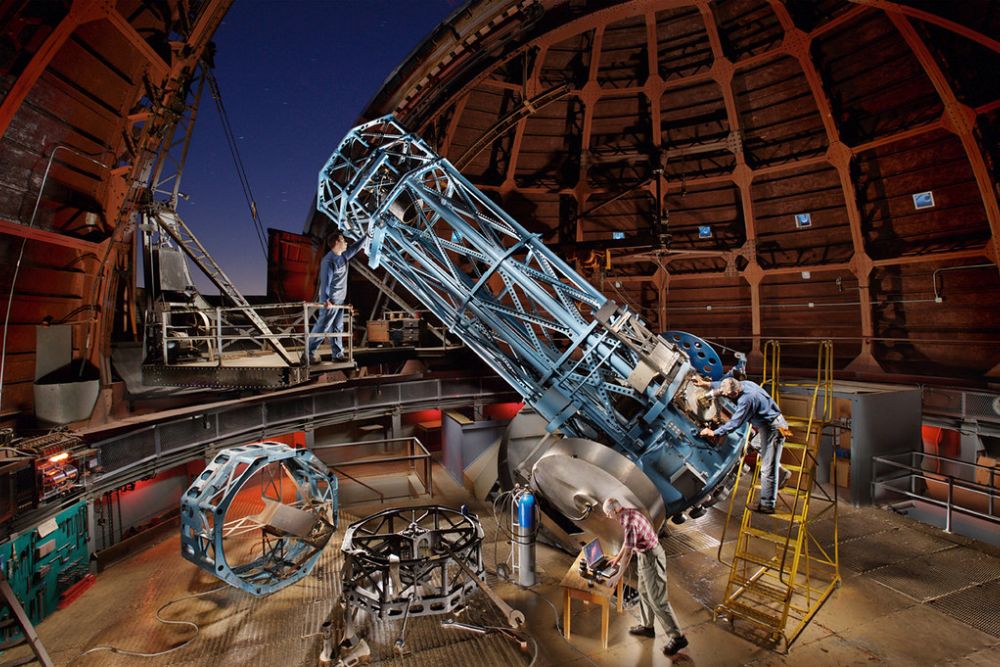
The ancient Indian epic Mahabharata contains descriptions of divine weapons that allowed warriors to see events happening at great distances in real-time. These ‘divine eyes’ provided detailed visual information about remote locations and battles.
Though couched in mythological language, these descriptions parallel modern satellite surveillance and telescopic observation technologies with remarkable precision—almost as if the authors understood the basic principles of remote visual monitoring.
Like Go2Tutors’s content? Follow us on MSN.
Mechanical Calculators in Literature
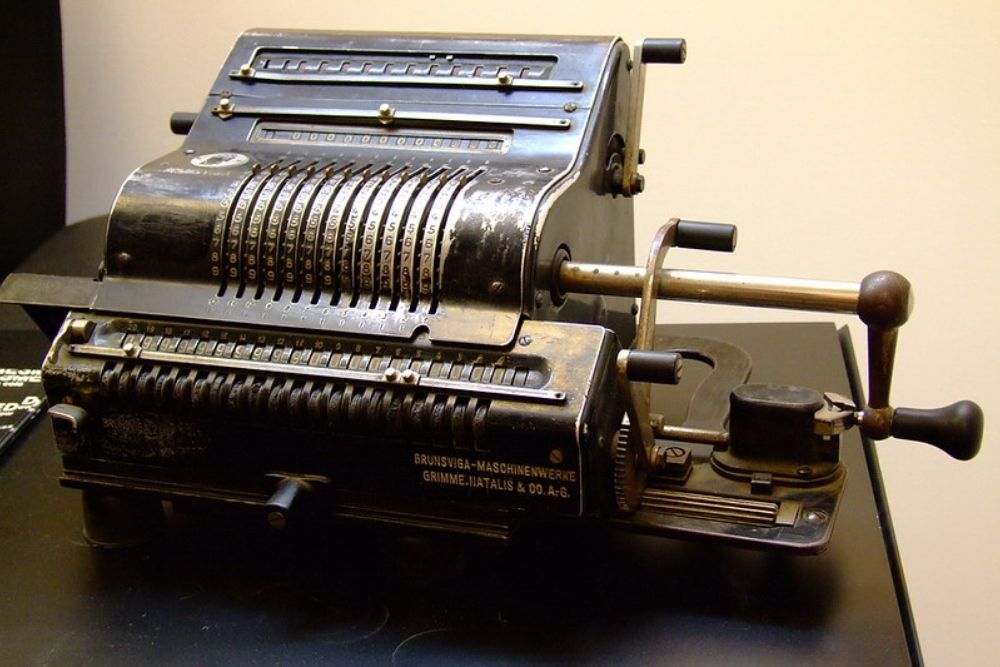
The ancient Greek engineer Hero of Alexandria wrote about mechanical devices that could perform mathematical calculations automatically. His texts describe gear-driven machines that could add, subtract, and even perform more complex operations without human intervention.
These 1st-century CE descriptions predate mechanical calculators and computers by nearly two millennia—yet capture their essential function with startling clarity.
Automated Doors and Gates

Both Greek and Roman literature contain references to doors that opened automatically when approached, often in temple settings. These accounts describe mechanisms triggered by stepping on specific stones or approaching certain thresholds.
Modern automatic doors—whether sensor-activated or pressure-activated—operate on essentially the same principles described in these ancient texts, just with different underlying technology.
Long-Distance Communication Networks
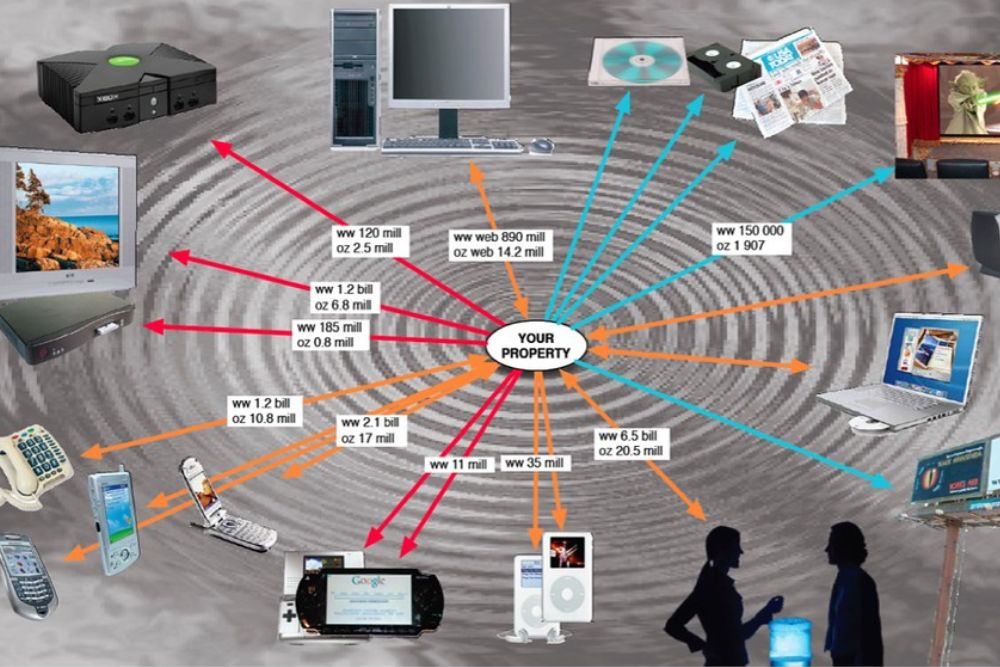
Ancient Persian texts describe relay systems where messages could be transmitted across vast distances using chains of signal fires or mounted messengers. These accounts detail organized communication networks spanning entire empires, with standardized procedures for encoding and transmitting information.
The concept directly parallels modern telecommunications infrastructure, albeit using vastly different technology to achieve the same goal.
Like Go2Tutors’s content? Follow us on MSN.
Magnifying Devices in Ancient Rome
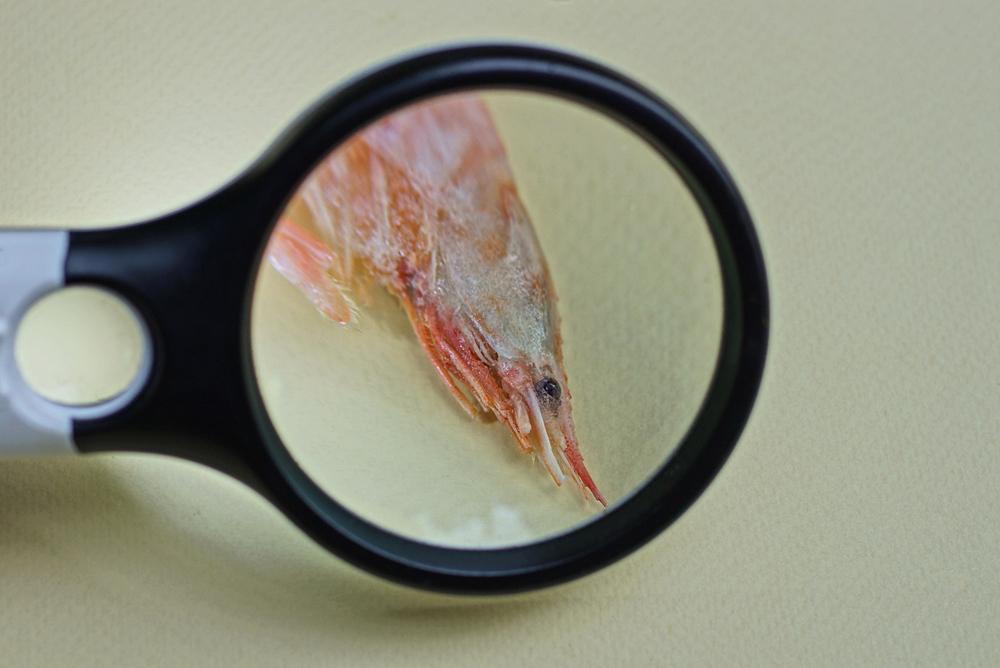
Roman writers like Pliny the Elder described crystal spheres and shaped glass that could make small objects appear larger. These accounts detail the use of transparent materials to enhance vision and examine tiny details invisible to the unassisted eye.
Such descriptions predate the development of microscopes and magnifying glasses by over a thousand years, yet accurately describe their basic function and practical applications.
Weather Prediction Systems
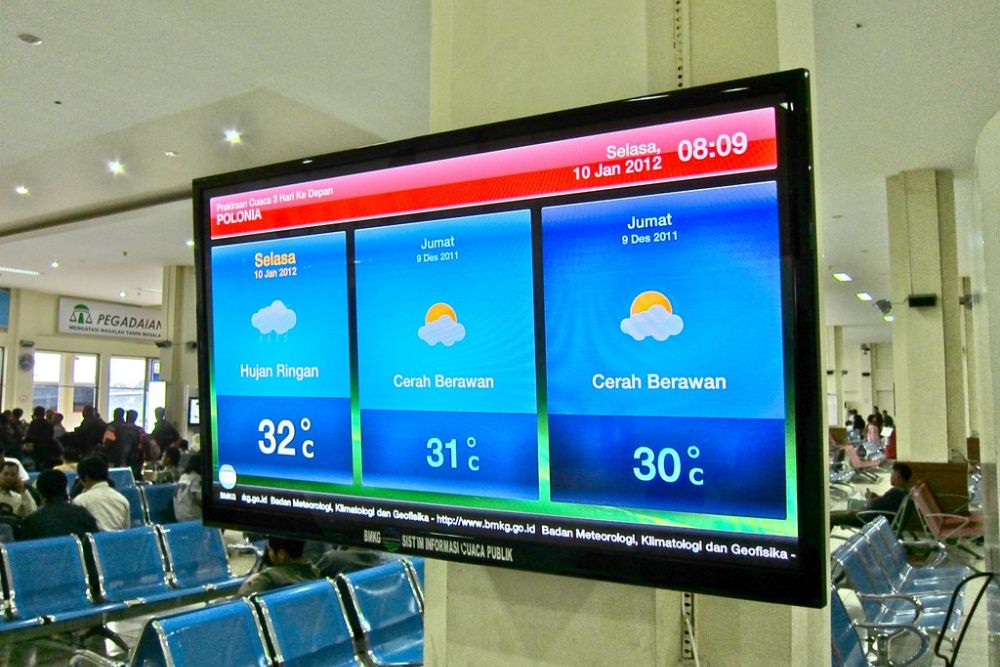
Ancient Chinese texts describe systematic methods for predicting weather patterns using atmospheric observations and celestial movements. These writings detail organized approaches to meteorology that combined multiple data sources to forecast conditions days in advance.
While the underlying science differs significantly, the systematic approach to weather prediction mirrors modern meteorological methods in its comprehensiveness.
Printing and Mass Production
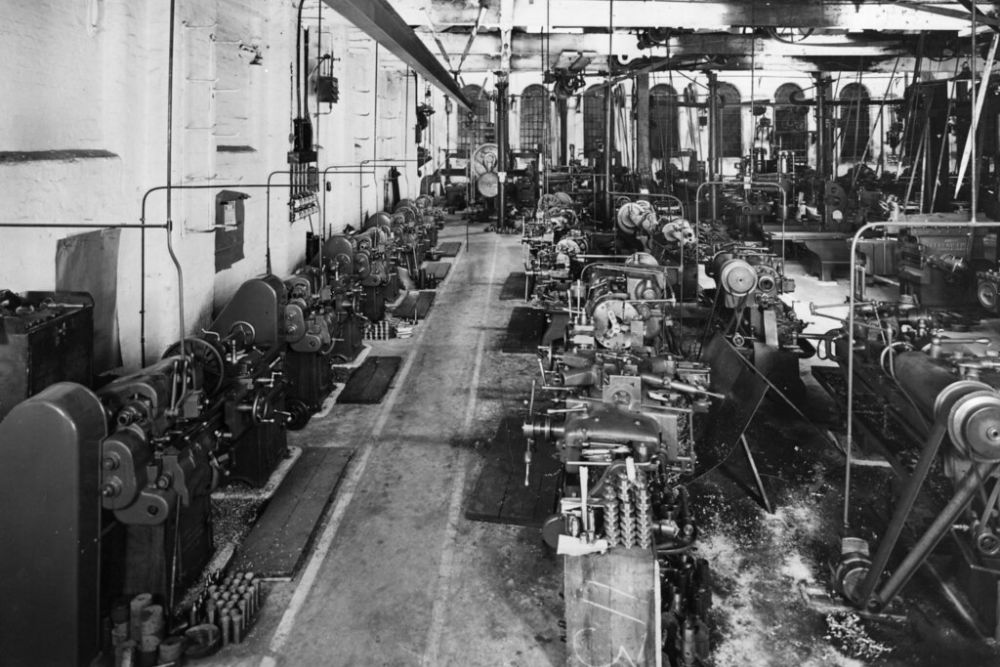
Chinese literature from the Tang Dynasty (7th-10th centuries) describes techniques for reproducing written texts in large quantities using carved blocks and ink transfer. These accounts detail processes for creating multiple identical copies of documents, books, and images with remarkable efficiency.
The described methods essentially outline printing technology several centuries before Gutenberg’s press revolutionized European book production.
Like Go2Tutors’s content? Follow us on MSN.
Surgical Instruments and Procedures

Ancient Indian texts like the Sushruta Samhita describe sophisticated surgical instruments and procedures that wouldn’t be rediscovered in the West until much later. These writings detail cataract surgery, plastic reconstruction, and various other operations using specialized tools designed for specific medical purposes.
The precision and complexity of described procedures parallel many modern surgical techniques, demonstrating advanced medical technology in ancient literature.
Mechanical Timekeeping Devices
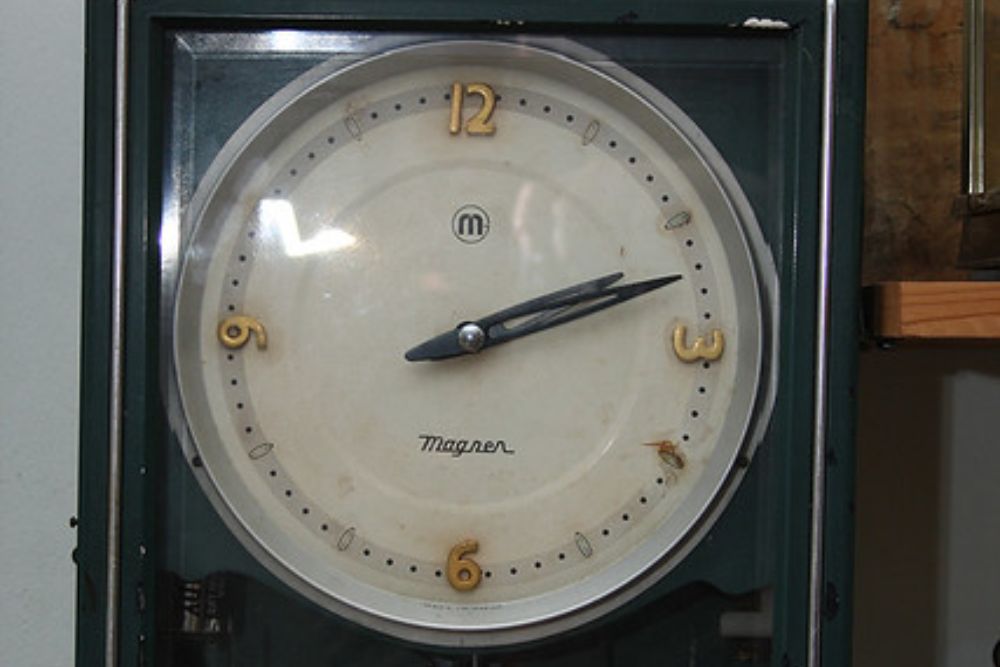
Ancient Greek and Roman texts describe elaborate mechanical devices for measuring time with great precision, including water-powered clocks and gear-driven calendars. These accounts detail automated systems that could track hours, days, and even celestial cycles without constant human adjustment.
Such descriptions predate mechanical clocks by centuries while capturing their essential automated timekeeping function and remarkable accuracy.
When Imagination Meets Innovation
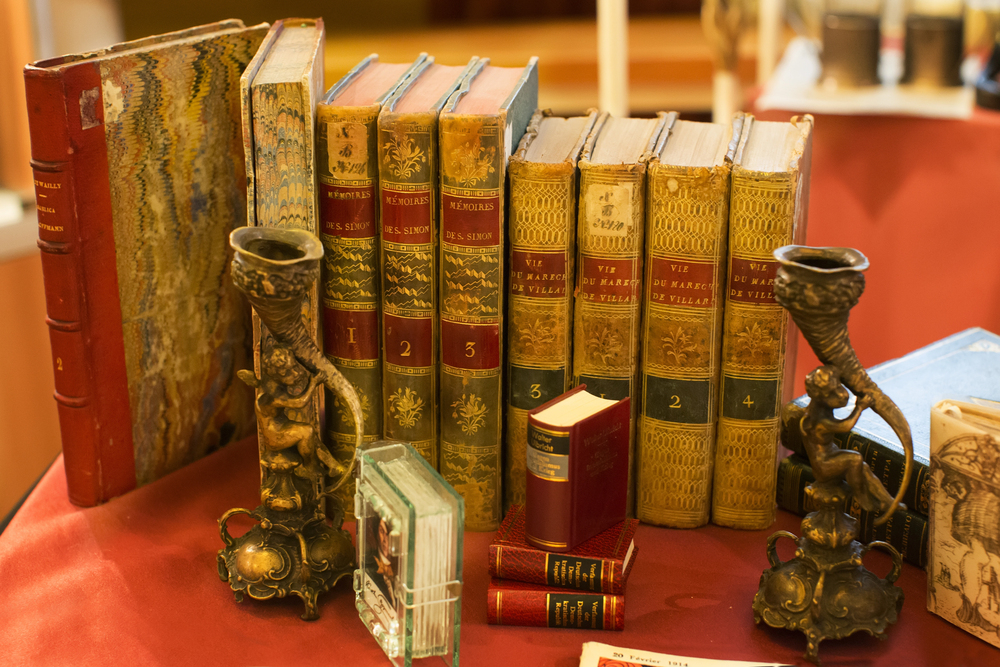
These ancient predictions remind us that human creativity and technological ambition have remained remarkably consistent throughout history. Writers and thinkers have always pushed beyond the limitations of their era, imagining solutions to universal human challenges like communication, transportation, and labor.
Their visions, preserved in literature across cultures and centuries, continue to inspire and guide technological development today. Perhaps most remarkably, many of these ‘predictions’ reveal that the fundamental human desire to transcend physical limitations through technology has never changed—only our ability to actually build what we imagine has evolved.
Like Go2Tutors’s content? Follow us on MSN.
More from Go2Tutors!

- 16 Historical Figures Who Were Nothing Like You Think
- 12 Things Sold in the 80s That Are Now Illegal
- 15 VHS Tapes That Could Be Worth Thousands
- 17 Historical “What Ifs” That Would Have Changed Everything
- 18 TV Shows That Vanished Without a Finale
Like Go2Tutors’s content? Follow us on MSN.



