15 Cast Deals That Changed TV Forever
Television has always been about more than just putting stories on screen—it’s a multi-billion-dollar business. Behind every hit series are behind-the-scenes negotiations that can change careers, redefine networks, and set new standards for years to come. Some deals have been so influential that they permanently reshaped the way Hollywood thinks about television contracts, salaries, and profit-sharing.
The pay structure in TV didn’t start out this way. In the early days, most actors were simply happy to have consistent work. But over time, the industry realized that the right star at the right moment could shift the balance of power. The rise of million-dollar-per-episode paydays didn’t just happen—they were the result of bold negotiations, collective bargaining, and a few actors willing to take big risks.
Here are 15 deals that didn’t just pad bank accounts—they changed the rules of television forever.
Friends’ Million-Dollar Unity

The cast of Friends not only created one of the most beloved sitcoms of all time, they also rewrote the playbook on cast negotiations. David Schwimmer’s idea for the six actors to negotiate together—rather than individually—was a game-changer.
Starting at a modest $22,500 per episode in season one, they eventually reached the unheard-of figure of $1 million each per episode for the last two seasons. Their collective bargaining showed that unity was power, and their move became a model for future ensemble casts.
Seinfeld’s Syndication Gamble
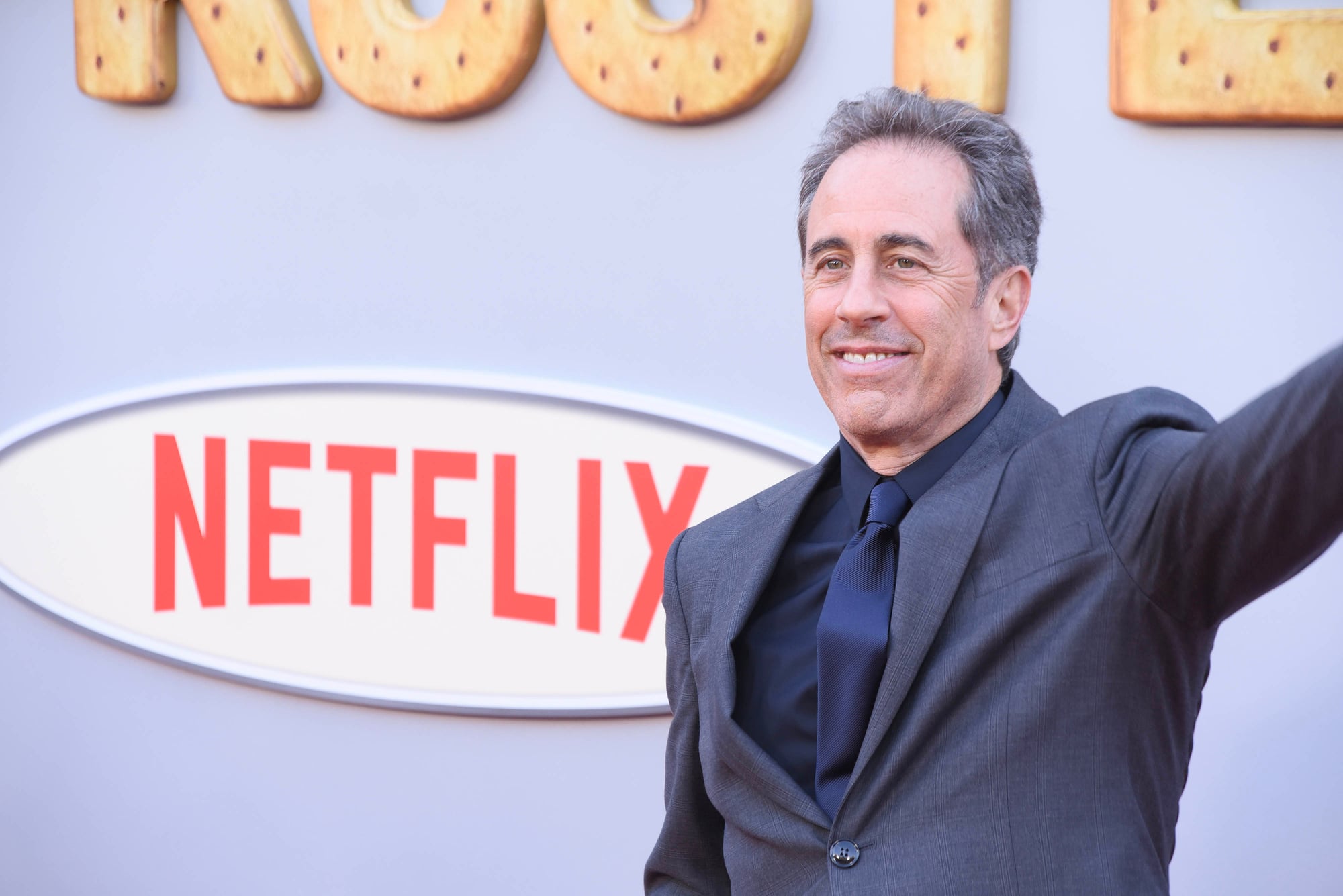
J. Seinfeld may have earned $1 million an episode in the final season, but the real winners were his co-stars. Julia Louis-Dreyfus, Jason Alexander, and Michael Richards secured a percentage of syndication revenue rather than just upfront pay.
When Seinfeld became a rerun juggernaut, that gamble paid off in the hundreds of millions. Jason Alexander once called the deal “detrimental to television” because it set expectations others couldn’t match, but it also proved that long-term profit participation could eclipse weekly salaries.
ER’s Medical Emergency

When George Clooney left ER at its peak, the network scrambled to keep the show’s momentum alive. Their solution? Historic contracts for the remaining stars.
Anthony Edwards landed $35 million over four years, while Noah Wyle and Eriq La Salle scored three-year, $27 million contracts. Wyle even earned a Guinness World Record for his per-episode paycheck.
The Big Bang Theory’s Scientific Method

Jim Parsons, Johnny Galecki, and Kaley Cuoco followed the Friends playbook when they joined forces in negotiations. Their group approach earned them $1 million per episode, along with lucrative backend deals.
Perhaps the most remarkable part: the trio later took voluntary pay cuts so that Melissa Rauch and Mayim Bialik could get raises. It was a rare instance where star power didn’t just elevate a show—it uplifted the whole cast.
Charlie Sheen’s Two and a Half Meltdown

At his peak, Charlie Sheen was making $1.8 million per episode of Two and a Half Men—a record-breaking figure that underscored just how much a single star could mean to a network. But after his very public meltdown and dismissal, Ashton Kutcher was brought in at a still-hefty $755,000 per episode.
The saga became a cautionary tale: yes, networks will pay staggering sums for star power, but only as long as the star can deliver.
Mad About You’s Oscar Timing

Helen Hunt and Paul Reiser pulled off one of the most perfectly timed negotiations in TV history. NBC agreed to bump them up to $1 million per episode—quadruple their previous salaries—just hours before Hunt took home an Oscar for As Good as It Gets.
Had the network waited, the price might have skyrocketed further. This deal highlighted how outside accolades could suddenly make TV talent worth far more overnight.
Kelsey Grammer’s Frasier Fortune
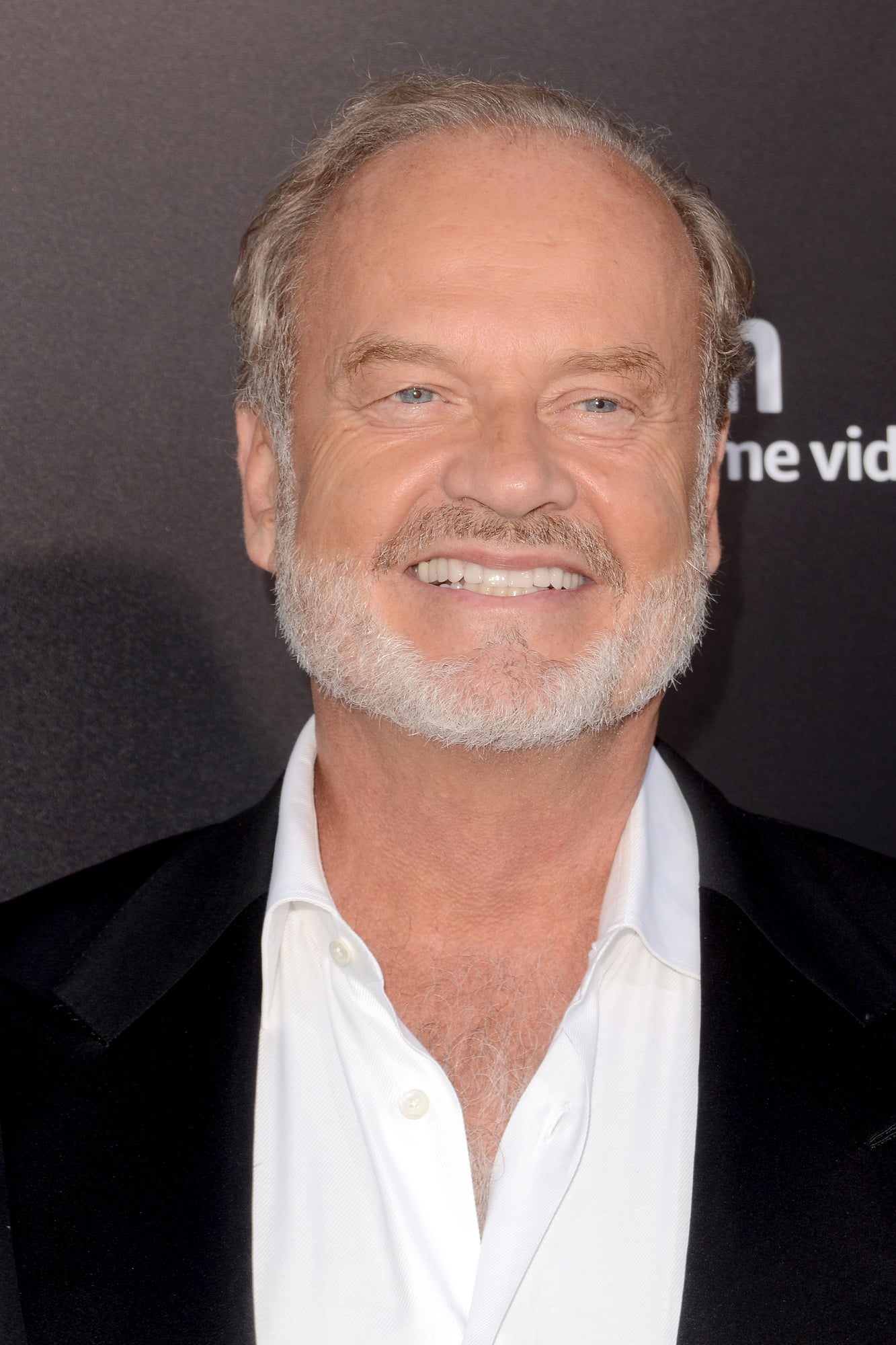
Kelsey Grammer’s final contract on Frasier was jaw-dropping: $1.6 million per episode, which adjusts to more than $2.6 million in today’s dollars. The deal showed that when a star was considered irreplaceable, networks were willing to pay nearly any price.
It also proved that long-running shows with fiercely loyal audiences could justify movie-level paychecks.
Ray Romano’s Family Values
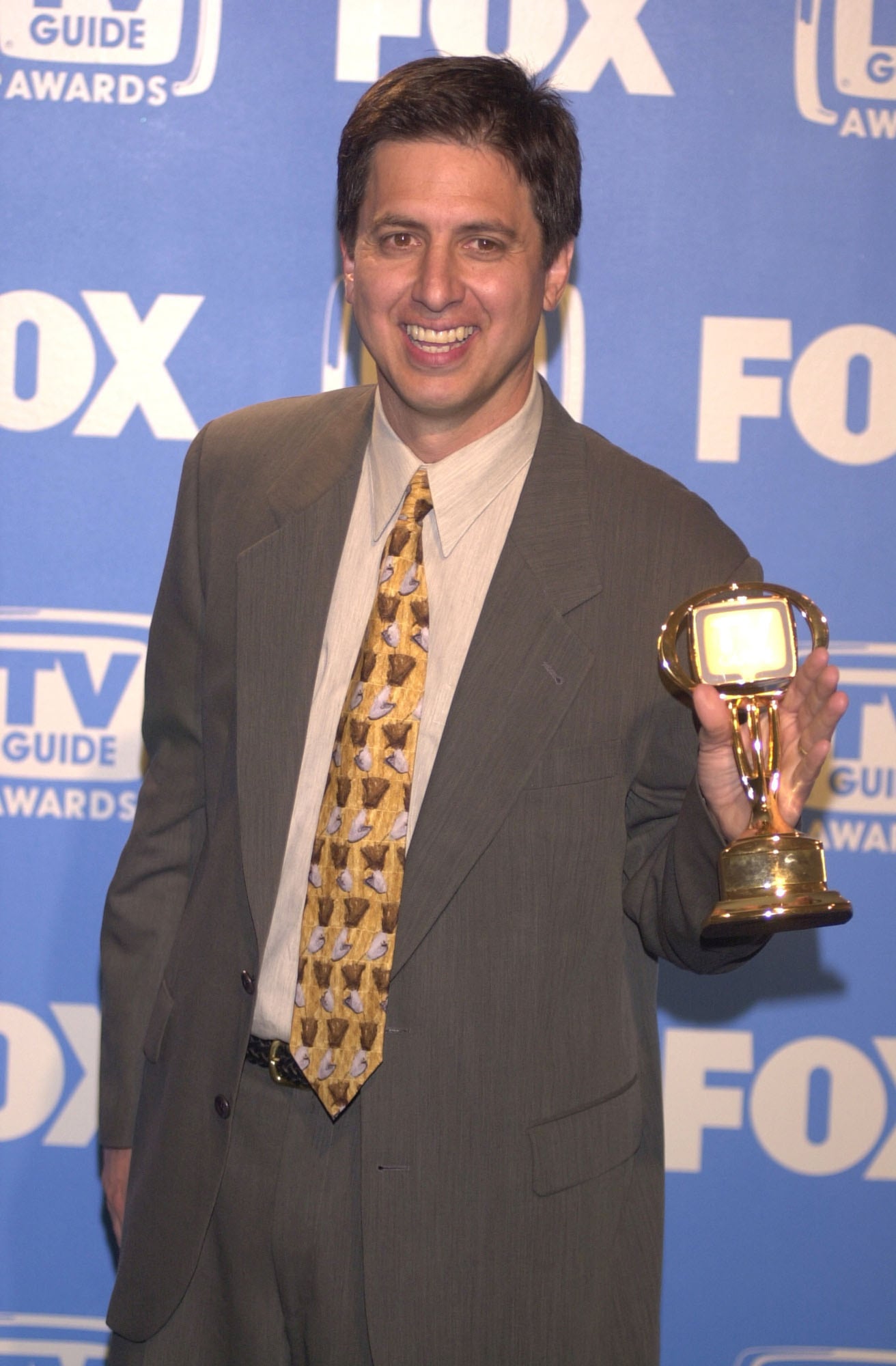
Ray Romano turned his everyday-guy charm into one of TV’s richest contracts, making $1.7 million an episode on Everybody Loves Raymond. Because Romano was both star and creator, he also tapped into other revenue streams.
But his payday caused friction, as fellow cast members demanded raises to close the gap. The situation showed both the upside and downside of creator-led success stories.
South Park’s Digital Revolution

In 1997, Trey Parker and Matt Stone secured what might be the most forward-thinking deal in TV: a 50/50 split of all digital revenue from South Park, in perpetuity. At the time, “digital” meant almost nothing.
But as streaming exploded, that clause turned into hundreds of millions of dollars. Their lawyer’s insistence on including new media rights was a masterstroke—and a lesson in looking beyond the present market.
Game of Thrones’ Final Stand
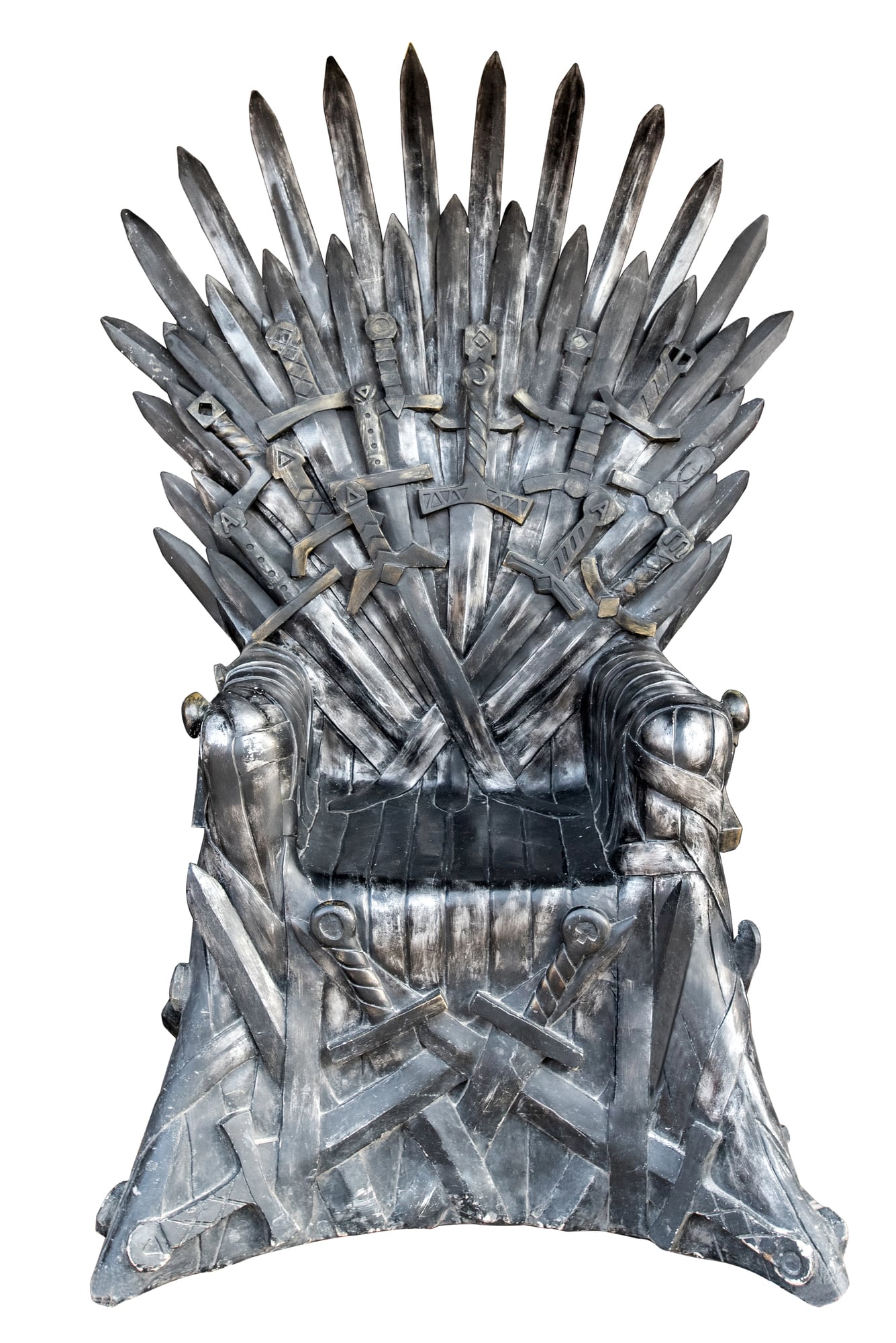
For the last season of Game of Thrones, six core cast members—Peter Dinklage, Emilia Clarke, Kit Harington, Lena Headey, Nikolaj Coster-Waldau, and Maisie Williams—each locked in $1 million per episode. It proved that epic ensemble dramas could command Friends-level paychecks when cultural impact was global.
It also showed that even shorter, limited seasons could justify enormous costs when audiences were hooked worldwide.
The Morning Show’s Streaming Statement

Apple TV+ entered the streaming wars with a bang, paying Jennifer Aniston and Reese Witherspoon $2 million per episode for The Morning Show. Both also served as executive producers, multiplying their earnings.
This deal signaled that streaming platforms weren’t just experimenting—they were ready to pay top dollar to compete with traditional networks.
Tim Allen’s Tool Time

Tim Allen earned $1.25 million per episode for Home Improvement’s final season, making him one of the 1990s’ highest-paid comedy stars. His success showed that family-friendly sitcoms could rake in the same kind of money as edgier shows, giving comedians leverage to demand movie-star salaries for TV work.
James Gandolfini’s Sopranos Struggle
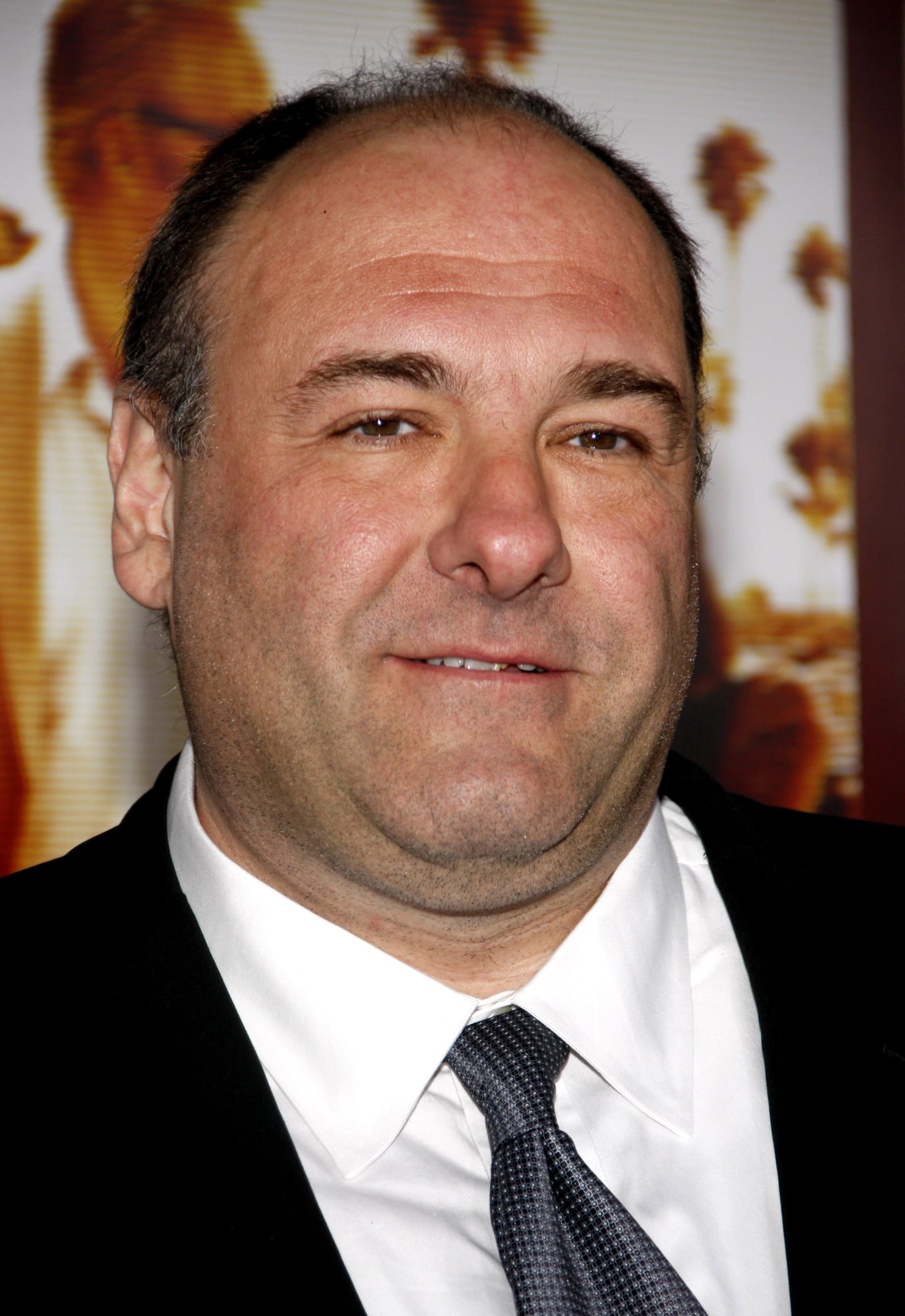
James Gandolfini nearly brought The Sopranos to a halt when he fought for $1 million per episode. He even filed a lawsuit against HBO during the standoff.
Eventually, he got his deal, proving that cable could compete with broadcast networks in paying top-tier salaries. His fight helped cement HBO’s reputation as a premium destination that valued its stars as much as its stories.
The Simpsons Voice Revolution

Voice actors used to be underpaid compared to live-action stars. That changed when the cast of The Simpsons—Dan Castellaneta, Julie Kavner, Nancy Cartwright, Yeardley Smith, Hank Azaria, and Harry Shearer—banded together.
They eventually secured $300,000 per episode each, showing that animated megahits could generate—and share—massive profits. Their victory opened the door for voice actors across the industry to demand fairer pay.
Netflix’s House of Cards

Kevin Spacey’s deal for House of Cards marked a turning point for streaming. While numbers were kept vague, reports suggested several million per episode thanks to his dual role as star and executive producer.
This deal proved that Netflix could compete with the biggest networks in attracting A-list names, helping cement streaming as the future of television.
The Evolution of Power

Each of these deals shifted the balance of power between talent and networks. Once upon a time, actors were grateful for steady paychecks.
Today, they negotiate for million-dollar salaries, backend profits, and creative control. The courage of earlier casts—like Friends and The Big Bang Theory—to bargain collectively, or the foresight of Parker and Stone to secure digital rights, created a blueprint for the industry we see now.
In short, television’s money game was rewritten by these bold negotiations, and we’re still living with the ripple effects.
More from Go2Tutors!

- The Romanov Crown Jewels and Their Tragic Fate
- 13 Historical Mysteries That Science Still Can’t Solve
- Famous Hoaxes That Fooled the World for Years
- 15 Child Stars with Tragic Adult Lives
- 16 Famous Jewelry Pieces in History
Like Go2Tutors’s content? Follow us on MSN.



