16 Backyard Games Every 80s Kid Mastered
The 1980s were a golden era for outdoor play, when kids spent their afternoons creating elaborate games with nothing more than chalk, a tennis court, and boundless imagination. Before video games dominated leisure time, children developed skills through physical activities that required strategy, coordination, and social interaction.
These backyard classics shaped a generation’s childhood memories and taught valuable lessons about teamwork, competition, and creativity. Here is a list of 16 games that defined outdoor fun for 80s kids.
Hide and Seek

This timeless game turned every backyard into a maze of potential hiding spots. Kids would count to ten while others scrambled behind trees, under porches, or inside garden sheds. The thrill came from finding the perfect hiding place that would keep you safe until the next round started.
Red Light, Green Light

One player acted as the traffic controller while others lined up at the starting line. When ‘green light’ was called, everyone raced forward, but had to freeze completely during ‘red light.’ Getting caught moving meant returning to the start, making this game a test of both speed and self-control.
Tag

The simplest game required no equipment, just one person designated as ‘it’ who had to chase and touch other players. Once tagged, that person became the new pursuer. Variations like freeze tag and TV tag added creative twists that kept the game fresh for hours.
Kickball
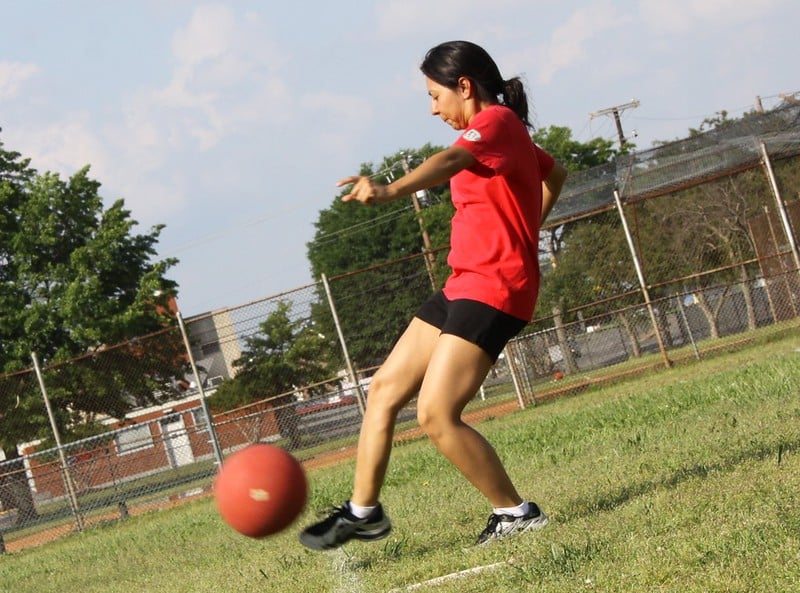
This playground favorite combined elements of baseball with the accessibility of using just a rubber playground sphere. Teams would kick the rolling target toward home base, then run the bases while the opposing team tried to get them out. School parking lots and empty streets became impromptu playing fields.
Four Square

A simple court drawn with chalk created four numbered squares where players bounced a rubber sphere between sections. The goal was advancing to square four while following specific rules about how the sphere could be hit. Getting eliminated meant joining the line to re-enter at square one.
Red Rover

Two teams formed chains by holding hands and called for specific players to run and break through their linked arms. Success meant bringing someone back to your team, while failure resulted in joining the opposing side. This game taught kids about teamwork and strategy.
Hopscotch

Chalk drawings on sidewalks created numbered grids where players tossed stones and hopped through sequences. The challenge involved maintaining balance while avoiding certain squares and retrieving your marker. Each successful round advanced you through increasingly difficult patterns.
Duck Duck Goose

Players sat in a circle while one person walked around tapping heads and saying ‘duck.’ When ‘goose’ was called, both the tapper and the chosen player raced around the circle to claim the empty spot. This game combined suspense with sudden bursts of running.
Mother May I

One player gave commands like ‘take three baby steps’ while others had to remember to ask permission before moving. Forgetting the magic phrase meant returning to the starting line. The game taught patience and attention to detail while building anticipation.
Capture the Flag

Two teams defended their territory while attempting to steal the opposing team’s flag and return it safely. Players caught in enemy territory went to ‘prison’ until rescued by teammates. Large backyards and parks became battlefields for epic strategic campaigns.
SPUD

Players gathered in a circle while one person threw a playground sphere high into the air and called out someone’s name. That person had to catch it and yell ‘SPUD’ to freeze everyone else, then try to hit another player. This game combined reflexes with throwing accuracy.
Sharks and Minnows
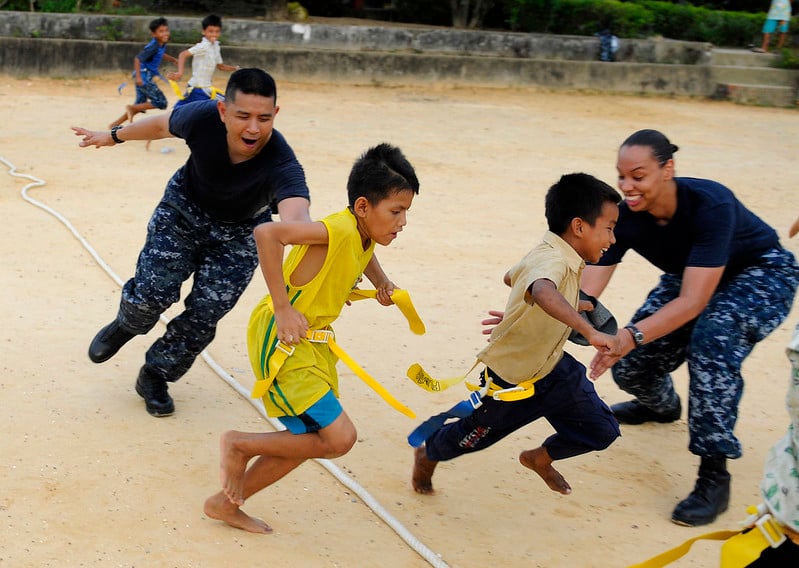
One player started as the shark in the middle while minnows lined up on opposite sides. Minnows had to cross the shark’s territory without being tagged, with caught players becoming additional sharks. The last remaining minnow won the round.
Freeze Dance
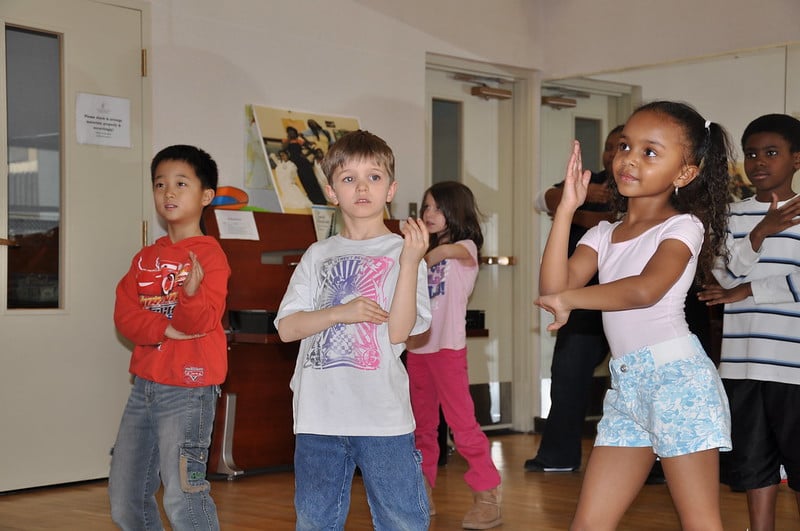
Music played while kids danced freely, but everyone had to stop moving completely when the music stopped. Anyone caught still moving was eliminated until only one dancer remained. This game combined musical appreciation with self-control and creativity.
Simon Says
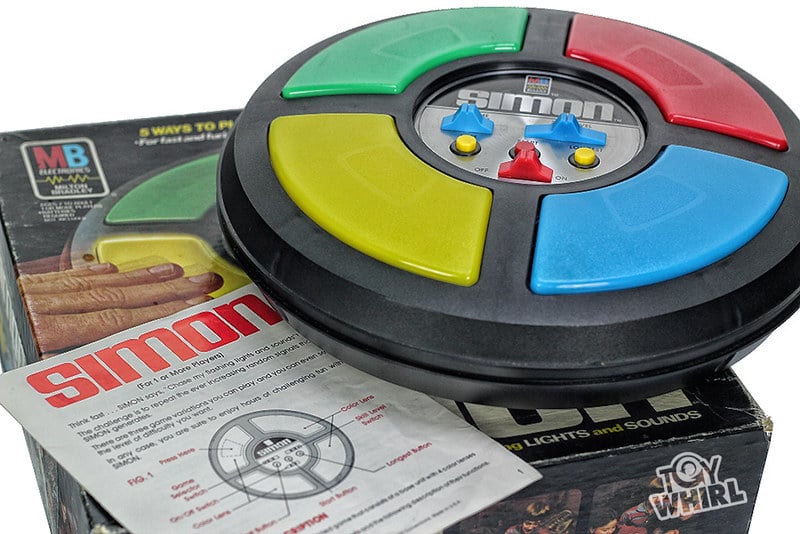
One player gave commands that others had to follow, but only when prefaced with ‘Simon says.’ Commands without this phrase were traps that eliminated players who followed them anyway. The game taught careful listening and quick decision-making skills.
King of the Hill
Players competed to reach and maintain control of an elevated position like a playground structure or small mound. The current king had to defend their position against challengers trying to knock them down. Victory required both physical strength and defensive strategy.
What Time Is It, Mr. Wolf

One player faced away as the wolf while others approached from behind, asking about the time. The wolf would call out times like ‘three o’clock,’ allowing that many steps forward, until suddenly shouting ‘dinner time’ and chasing everyone back. This created suspense through unpredictable timing.
The Games That Built Character

These backyard activities did more than fill empty afternoons—they created a foundation for social interaction, physical fitness, and problem-solving that many adults still draw upon today. While modern children have different entertainment options, the lessons learned from these simple games about fair play, creativity, and perseverance remain timeless. The 1980s generation mastered the art of making fun from nothing, a skill that served them well beyond their childhood years. Perhaps it’s time to dust off these classics and introduce them to a new generation of players.
More from Go2Tutors!

- The Romanov Crown Jewels and Their Tragic Fate
- 13 Historical Mysteries That Science Still Can’t Solve
- Famous Hoaxes That Fooled the World for Years
- 15 Child Stars with Tragic Adult Lives
- 16 Famous Jewelry Pieces in History
Like Go2Tutors’s content? Follow us on MSN.