15 Cooking Shows That Changed How America Eats
Television has always been more than just entertainment — it’s been a window into how we live, what we value, and yes, what we eat. For decades, cooking shows have done far more than teach us how to boil water or flip pancakes. They’ve fundamentally shifted American food culture, introducing us to new flavors, techniques, and ways of thinking about meals.
From the pioneering days of black-and-white television to today’s streaming platforms, certain cooking shows have left an indelible mark on our kitchens and dining tables. Here is a list of 15 cooking shows that didn’t just entertain — they transformed how America eats.
The French Chef
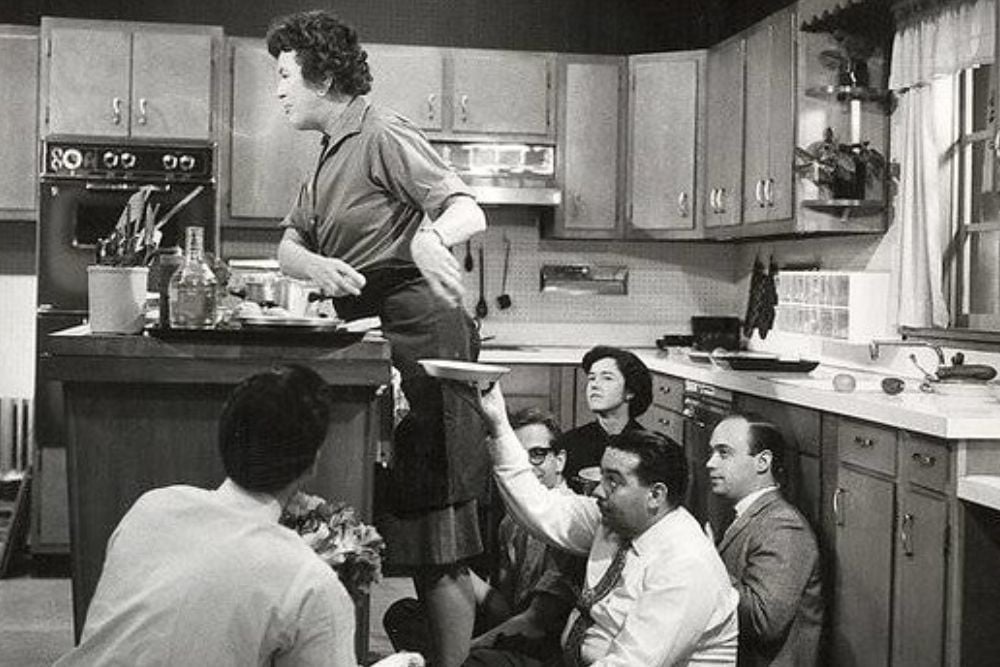
Julia Child’s groundbreaking show premiered in 1963 and instantly made French cuisine accessible to American home cooks. Before Child, French cooking seemed intimidating and overly complicated for the average person.
She demystified techniques like making hollandaise sauce and deboning chicken — proving that anyone could master these skills with patience and practice. Her famous on-air mishaps, like the time she flipped a potato pancake onto the counter, showed viewers that cooking mistakes were normal and recoverable.
Emeril Live
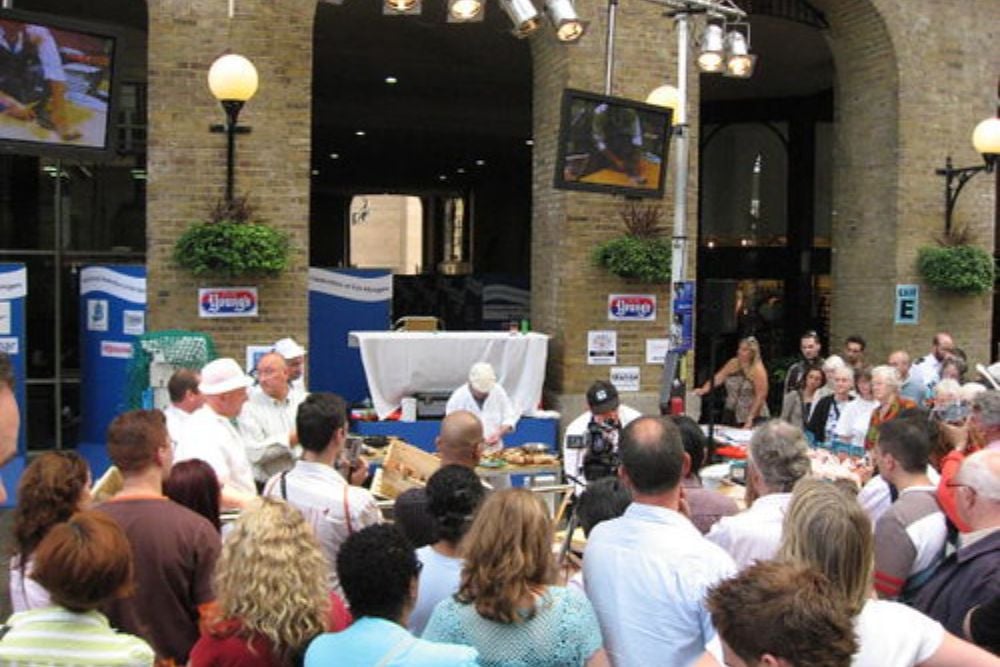
Emeril Lagasse brought rock-star energy to cooking television in the 1990s with his catchphrases and live studio audience. His show popularized Creole and Cajun flavors across America — introducing mainstream audiences to ingredients like andouille sausage and file powder.
The theatrical presentation made cooking feel like a celebration rather than a chore, inspiring countless home cooks to experiment with bolder flavors and techniques.
Like Go2Tutors’s content? Follow us on MSN.
Iron Chef
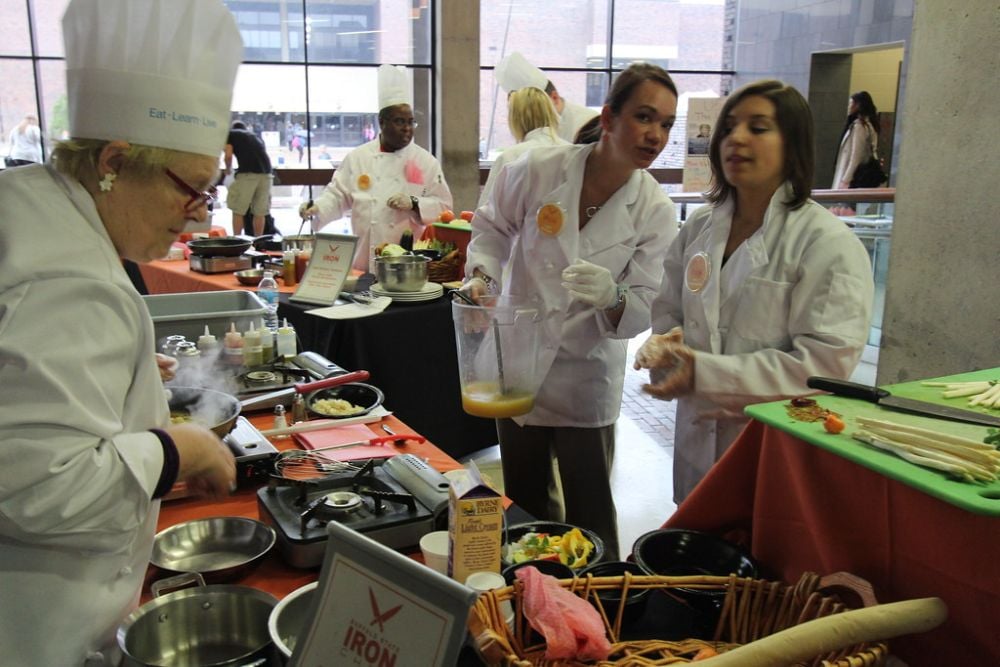
This Japanese competition format introduced American viewers to a completely different style of cooking television. The show elevated cooking to an art form, featuring ingredient-focused battles that showcased creativity and technical skill.
It also introduced many Americans to ingredients they’d never seen before — like sea urchin and exotic mushrooms — expanding palates nationwide.
Good Eats
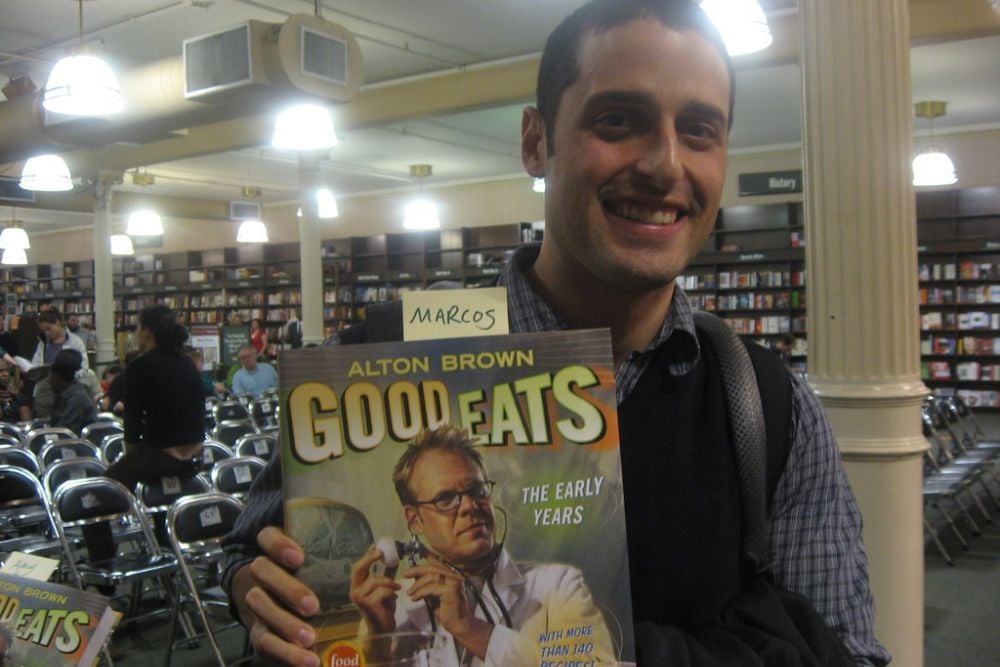
Alton Brown’s science-based approach revolutionized how Americans understood cooking fundamentals. Rather than just showing recipes, the show explained why certain techniques worked and others didn’t.
Brown’s quirky personality and educational format helped viewers become better cooks by understanding the science behind browning, rising, and flavoring food.
Top Chef
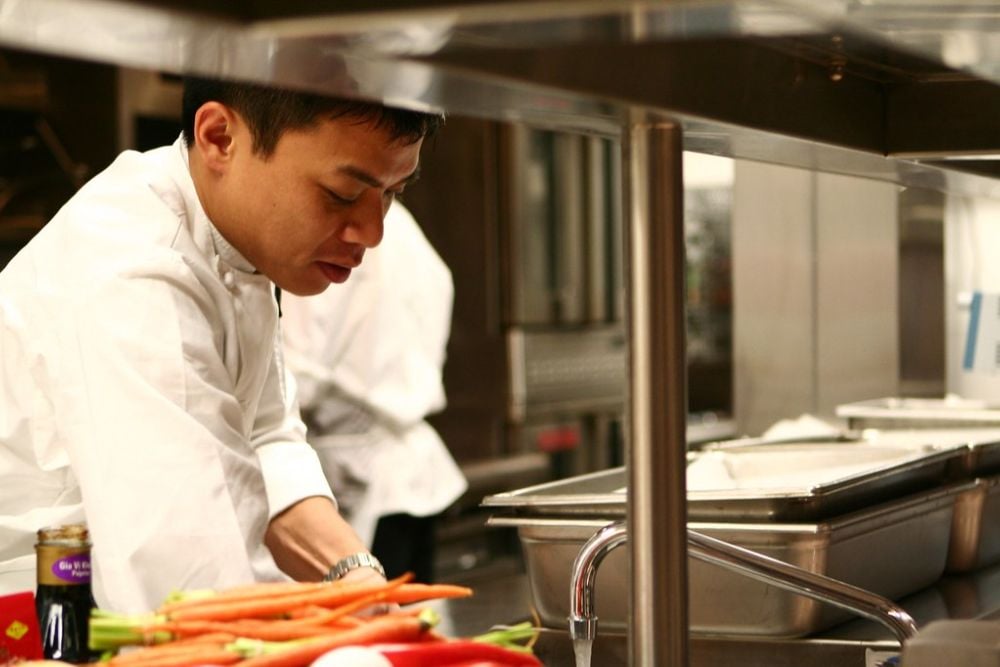
This competition series transformed cooking from a hobby into a legitimate career aspiration for many Americans. The show highlighted the artistry and skill required for professional cooking while introducing viewers to sophisticated techniques and ingredients.
It also showcased diverse culinary traditions — from molecular gastronomy to traditional ethnic cuisines — broadening American food horizons significantly.
Like Go2Tutors’s content? Follow us on MSN.
MasterChef
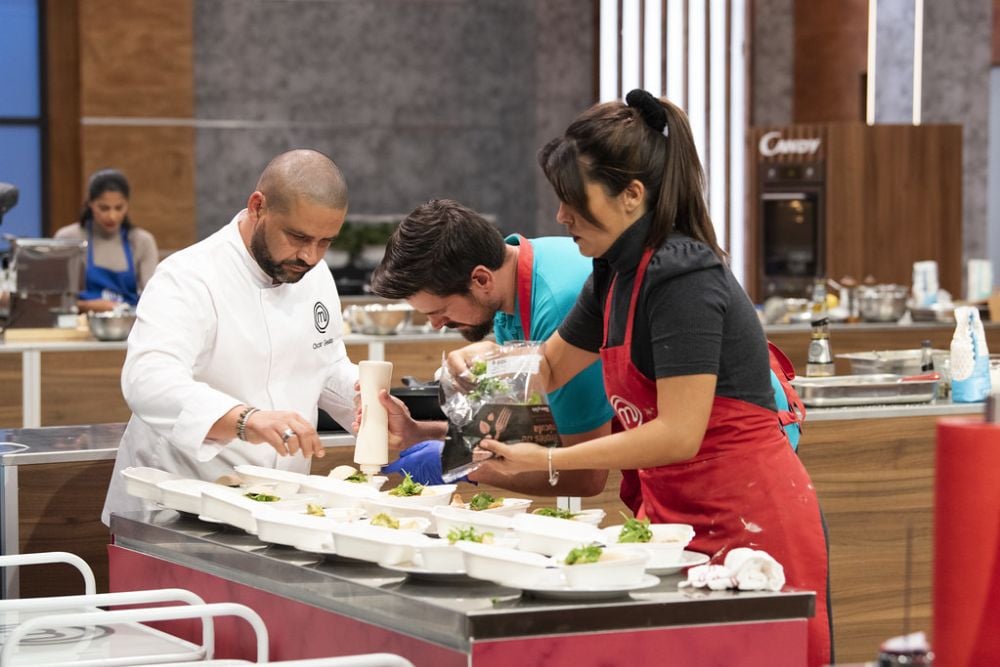
Gordon Ramsay’s American adaptation brought professional cooking standards to home cooks. The show demonstrated that ordinary people could produce restaurant-quality dishes with proper guidance and technique.
It also introduced viewers to international flavors and elevated presentation standards — raising expectations for home cooking across the country.
Chopped
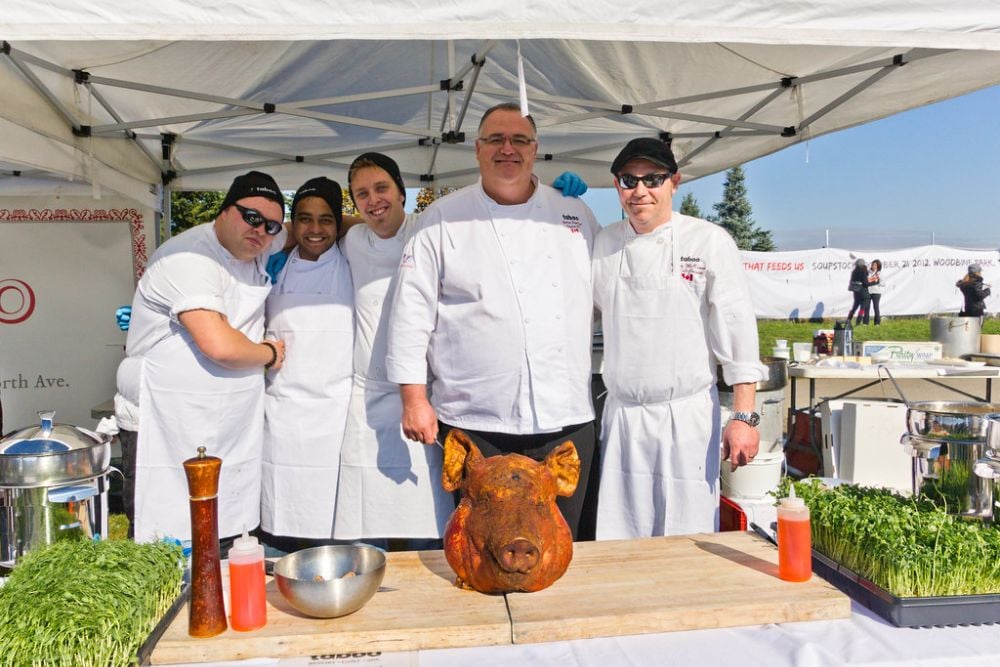
This competition format made cooking under pressure look both challenging and achievable. The show’s mystery basket approach encouraged viewers to think creatively about using whatever ingredients they had on hand.
It also highlighted the importance of technique over expensive ingredients — showing that great dishes could come from humble beginnings.
Diners, Drive-Ins and Dives
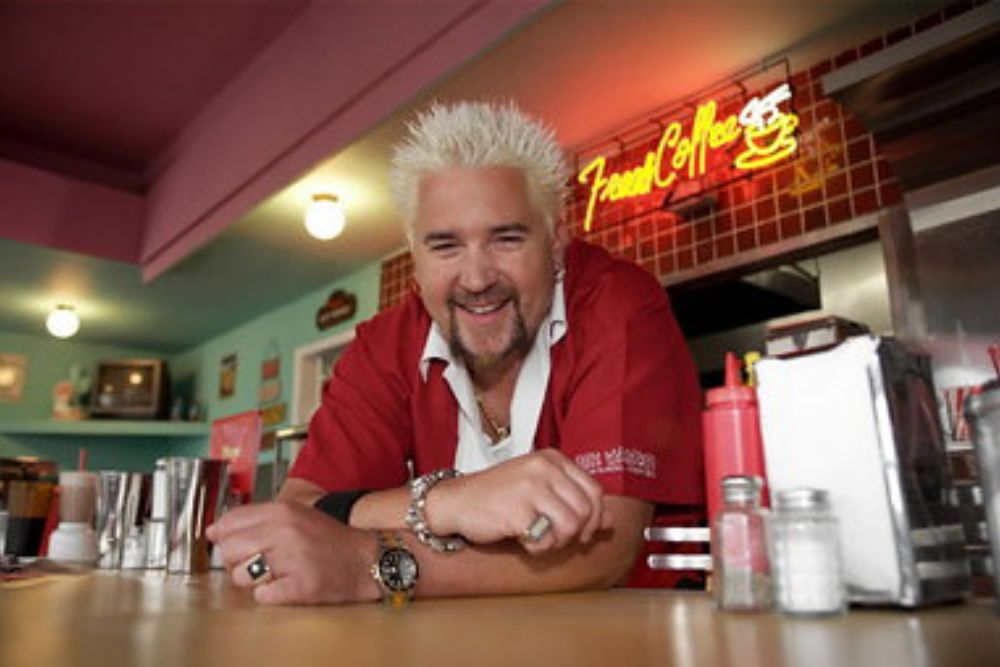
Guy Fieri’s road trip format celebrated American comfort food and local dining establishments. The show highlighted regional specialties and family-owned restaurants — encouraging viewers to explore local food scenes and appreciate regional American cuisine.
It also demonstrated that great food didn’t require fancy restaurants or expensive ingredients.
Like Go2Tutors’s content? Follow us on MSN.
30 Minute Meals
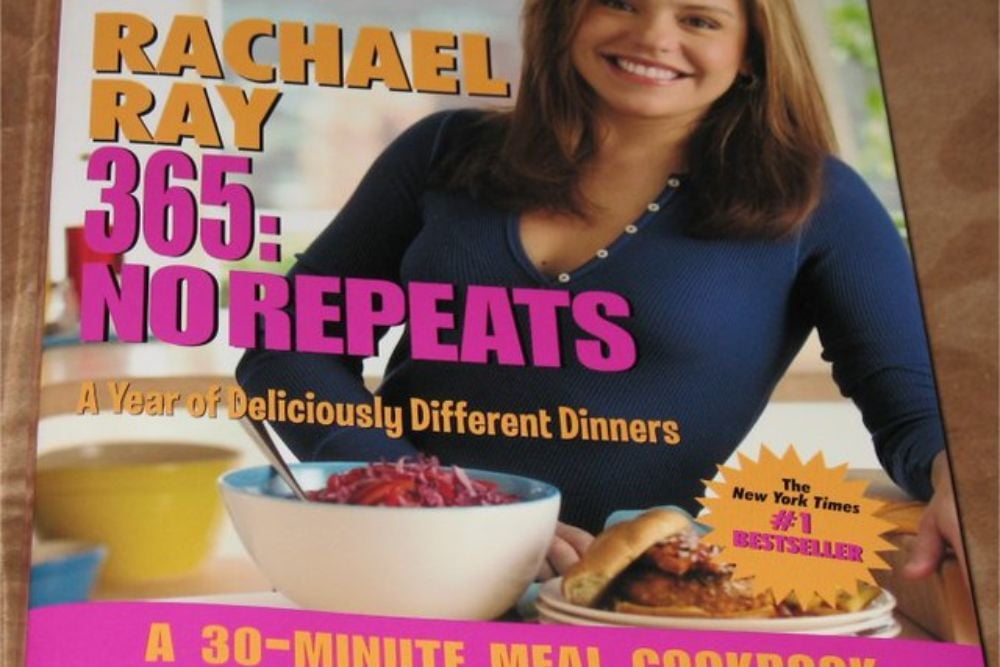
Rachael Ray’s quick-cooking approach addressed the reality of busy American lifestyles. The show proved that homemade meals didn’t require hours of preparation and could compete with takeout options.
Ray’s accessible personality and practical tips made cooking feel manageable for working families and busy individuals.
The Great British Baking Show

This gentle competition series introduced Americans to a completely different style of baking television. The show emphasized technique, tradition, and creativity over drama and conflict — sparking a renewed interest in home baking.
It introduced American audiences to European baking traditions and techniques they’d never encountered.
Hell’s Kitchen
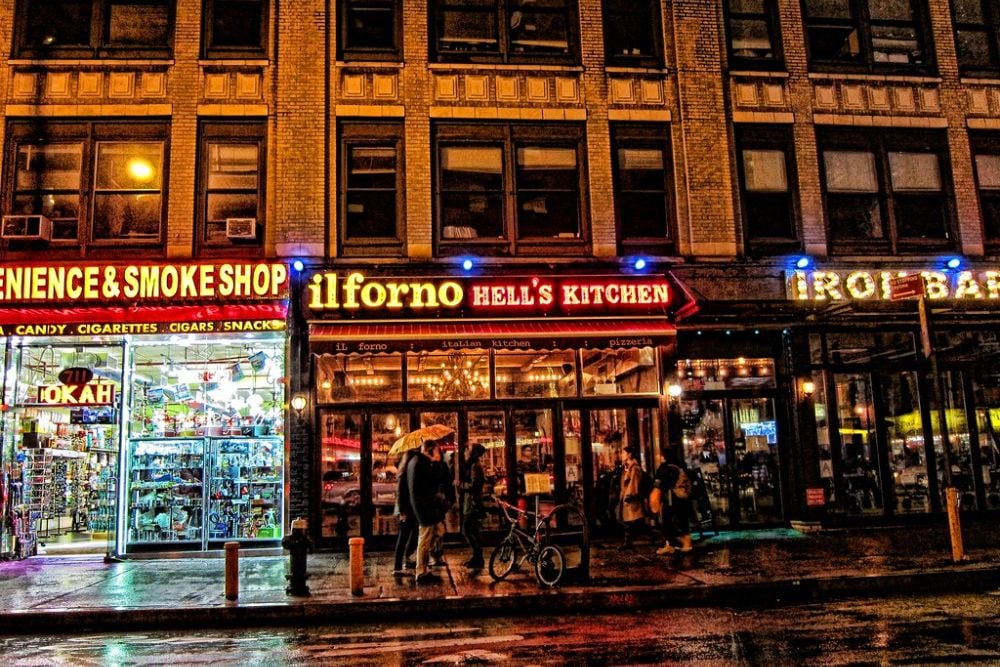
Gordon Ramsay’s intense kitchen environment showed viewers the high standards of professional cooking. While dramatic, the show educated audiences about proper cooking techniques and the importance of consistency in food preparation.
It also highlighted the physical and mental demands of professional cooking, giving viewers new appreciation for restaurant meals.
Like Go2Tutors’s content? Follow us on MSN.
The Pioneer Woman
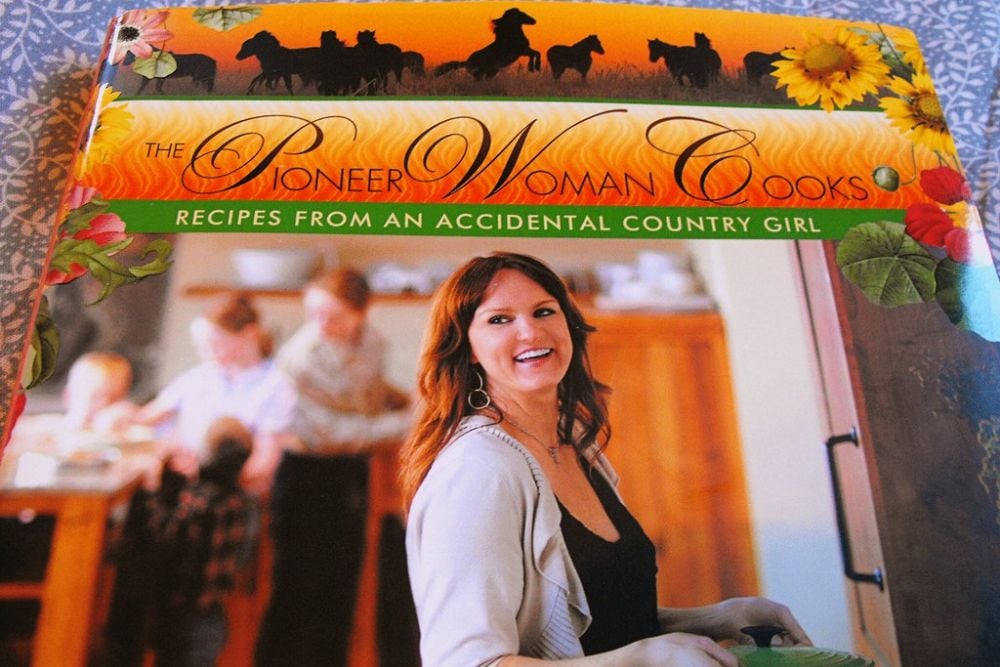
Ree Drummond’s ranch-based show brought comfort food and family cooking back into focus. Her approachable recipes and family-centered approach resonated with viewers seeking authentic, hearty meals.
The show also highlighted the connection between food and family traditions, encouraging viewers to create their own food memories.
Barefoot Contessa
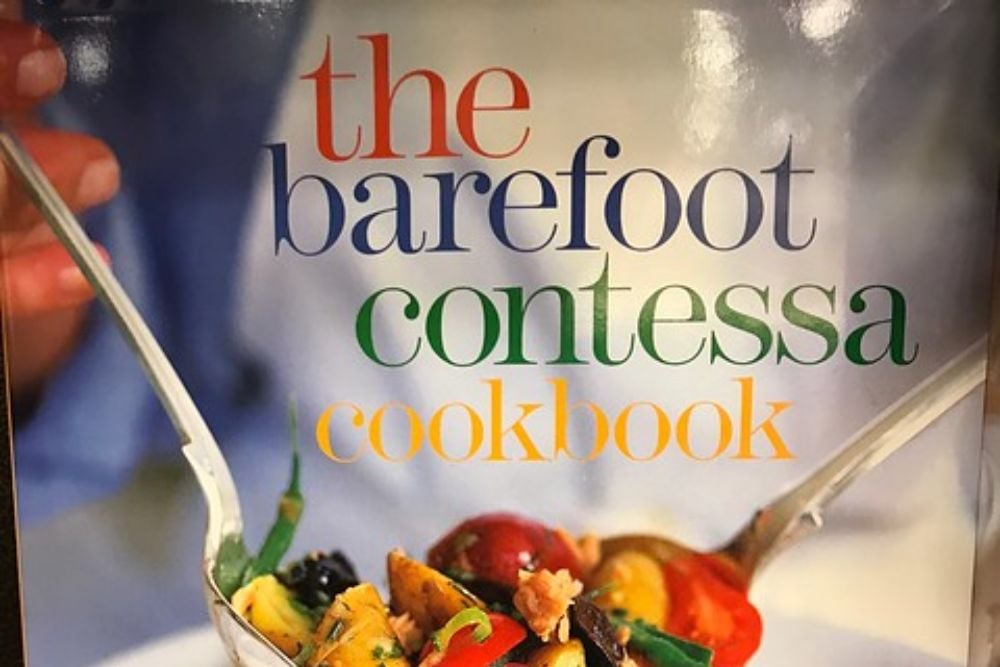
Ina Garten’s elegant yet approachable style elevated home entertaining standards across America. Her emphasis on quality ingredients and simple preparations showed viewers that impressive meals didn’t require complicated techniques.
The show also demonstrated how food could bring people together, emphasizing the social aspect of cooking and dining.
Anthony Bourdain: No Reservations
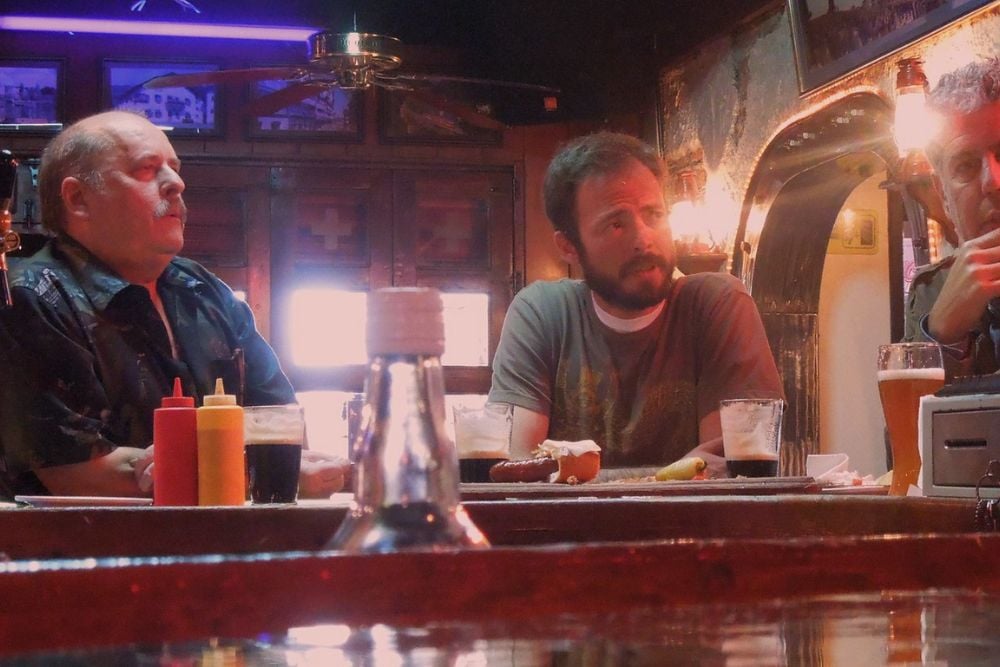
Bourdain’s travel-based food show expanded American palates by showcasing authentic international cuisines. Rather than adapting foreign dishes for American tastes, the show presented them in their original context and cultural setting.
This approach encouraged viewers to seek out authentic ethnic restaurants and try unfamiliar flavors without modification.
Like Go2Tutors’s content? Follow us on MSN.
Chef’s Table
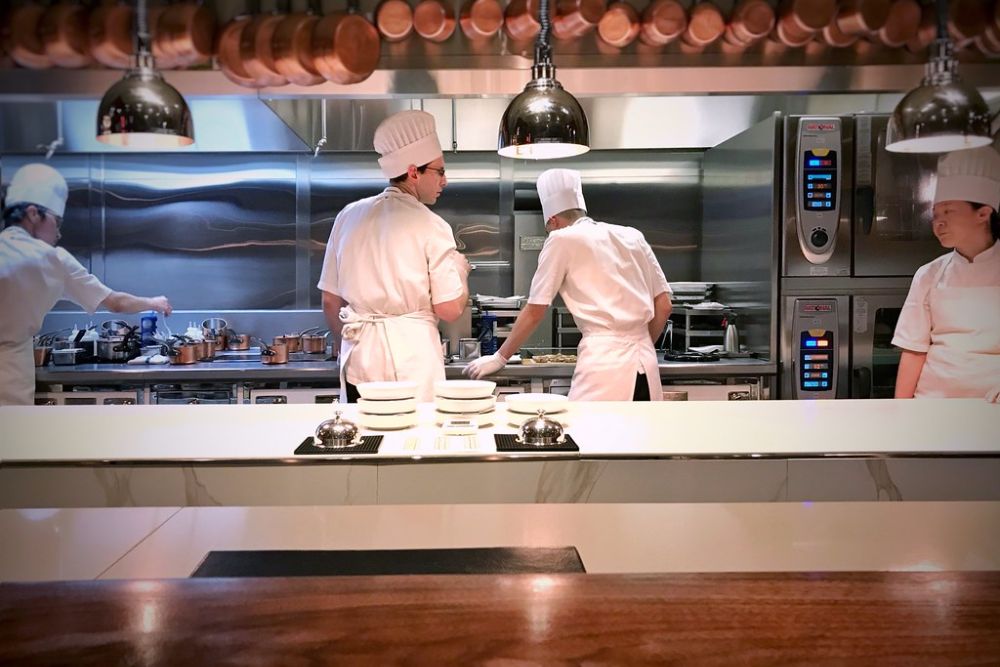
This Netflix series elevated cooking to fine art, showcasing the creativity and philosophy behind high-end cuisine. The show introduced viewers to innovative techniques and artistic presentations while highlighting the dedication required for culinary excellence.
It also demonstrated how personal stories and cultural backgrounds influence cooking styles and flavor profiles.
The Lasting Recipe
These shows didn’t just teach Americans how to cook — they changed what we consider worth cooking. They expanded our ingredient vocabulary, elevated our technique standards, and most importantly, shifted our relationship with food from mere sustenance to cultural expression.
Today’s diverse food landscape, from farmers markets to food trucks, reflects the curiosity and adventurous spirit these programs cultivated. The next time you try a new cuisine or attempt a challenging recipe, remember that somewhere along the way, a cooking show probably planted that seed of culinary courage.
More from Go2Tutors!

- 16 Historical Figures Who Were Nothing Like You Think
- 12 Things Sold in the 80s That Are Now Illegal
- 15 VHS Tapes That Could Be Worth Thousands
- 17 Historical “What Ifs” That Would Have Changed Everything
- 18 TV Shows That Vanished Without a Finale
Like Go2Tutors’s content? Follow us on MSN.