15 Abandoned Concepts That Were Later Revived and Became Huge
Great ideas don’t always find success on their first attempt. Throughout history, promising concepts have been abandoned due to poor timing, technological limitations, or market indifference—only to be revived years later under different circumstances to massive success.
Here is a list of 15 abandoned concepts that were shelved, forgotten, or dismissed before making triumphant comebacks that transformed industries and culture.
Electric Vehicles

In the early 1900s, electric vehicles outpaced gasoline cars in popularity due to their quiet, clean operation in urban areas. But they faded when mass-produced gas cars and cheap fuel became widely available.
Fast forward a century, and Tesla reignited interest—turning electric cars into status symbols and catalysts of a transportation revolution worth billions.
Tablets

Apple introduced the Newton MessagePad in 1993, but it flopped due to its clunky size, high price, and unreliable handwriting recognition. The tech simply wasn’t ready.
In 2010, Apple tried again—with the iPad. This time, improved hardware, user-friendly touch interfaces, and content ecosystems made the tablet a massive success.
Virtual Reality

VR’s early days in the 1990s—think Nintendo Virtual Boy—were plagued with poor graphics and motion sickness, leading to abandonment by mainstream tech.
That changed in 2012 when Oculus launched its Kickstarter. Facebook’s acquisition helped relaunch VR as a serious platform, expanding beyond gaming into business, health, and education.
Subscription Services

The idea of recurring deliveries—like milkmen and book clubs—once flourished but faded with the rise of modern retail.
Digital platforms brought it back. Startups like Dollar Shave Club and Blue Apron modernized the model with convenience, personalization, and scale—creating an entire industry around curated subscriptions.
Plant-Based Meat

Meat substitutes have existed for over a century but were long relegated to niche markets and often lacked flavor or texture.
Then came Impossible Foods and Beyond Meat—science-driven brands that made plant-based meat taste like the real thing. Their innovation turned a fringe food into a booming global movement.
Voice Assistants

Voice recognition has been around since the 1950s but was too slow and inaccurate for everyday use. Products like Dragon NaturallySpeaking didn’t quite catch on with consumers.
Amazon’s Alexa, launched in 2014, changed the game—using AI and the cloud to deliver fast, useful voice interactions. Today, voice assistants are smart-home staples.
Vinyl Records

Vinyl was left behind in favor of CDs and digital files. For decades, it was seen as outdated and bulky.
Surprisingly, vinyl made a major comeback in the 2000s. Audiophiles, collectors, and even young listeners now embrace the analog warmth, making vinyl more popular than at any point in the last 30 years.
Streetcars

Once the heart of urban transport, streetcars disappeared from American cities as cars and buses took over.
But in the late 20th century, they returned. Cities like Portland brought them back as modern light rail systems—reviving streetcars as tools for urban development and cleaner transit.
Mid-Century Design

By the 1970s, the minimalist furniture of the 1950s was dismissed as outdated. Designers like Eames and Nelson fell out of favor.
That all changed in the late ’90s. Vintage enthusiasts and high-end collectors helped spark a resurgence, transforming these pieces into icons of timeless style and modern design.
High-Waisted Fashion

Once deemed “mom jeans,” high-waisted pants disappeared in the 2000s, overtaken by low-rise trends.
But by 2010, the silhouette returned—updated with new fabrics, flattering cuts, and modern styling. Now, it’s a dominant trend seen in everything from streetwear to couture.
Instant Photography

When Polaroid ceased production in 2008, instant photography seemed destined to die out in the digital era.
Enter the Impossible Project, which resurrected film production. Soon, Fujifilm’s Instax cameras made instant prints trendy again—reviving analog charm in a digital world.
Artisanal Foods

Before industrialization, food was made in small batches by hand. Mass production sidelined that tradition in favor of efficiency.
But the 2000s saw a culinary revival—think craft beer, sourdough bread, and farmer’s markets. Artisanal food is now a premium niche fueled by consumers craving authenticity.
Drive-In Theaters
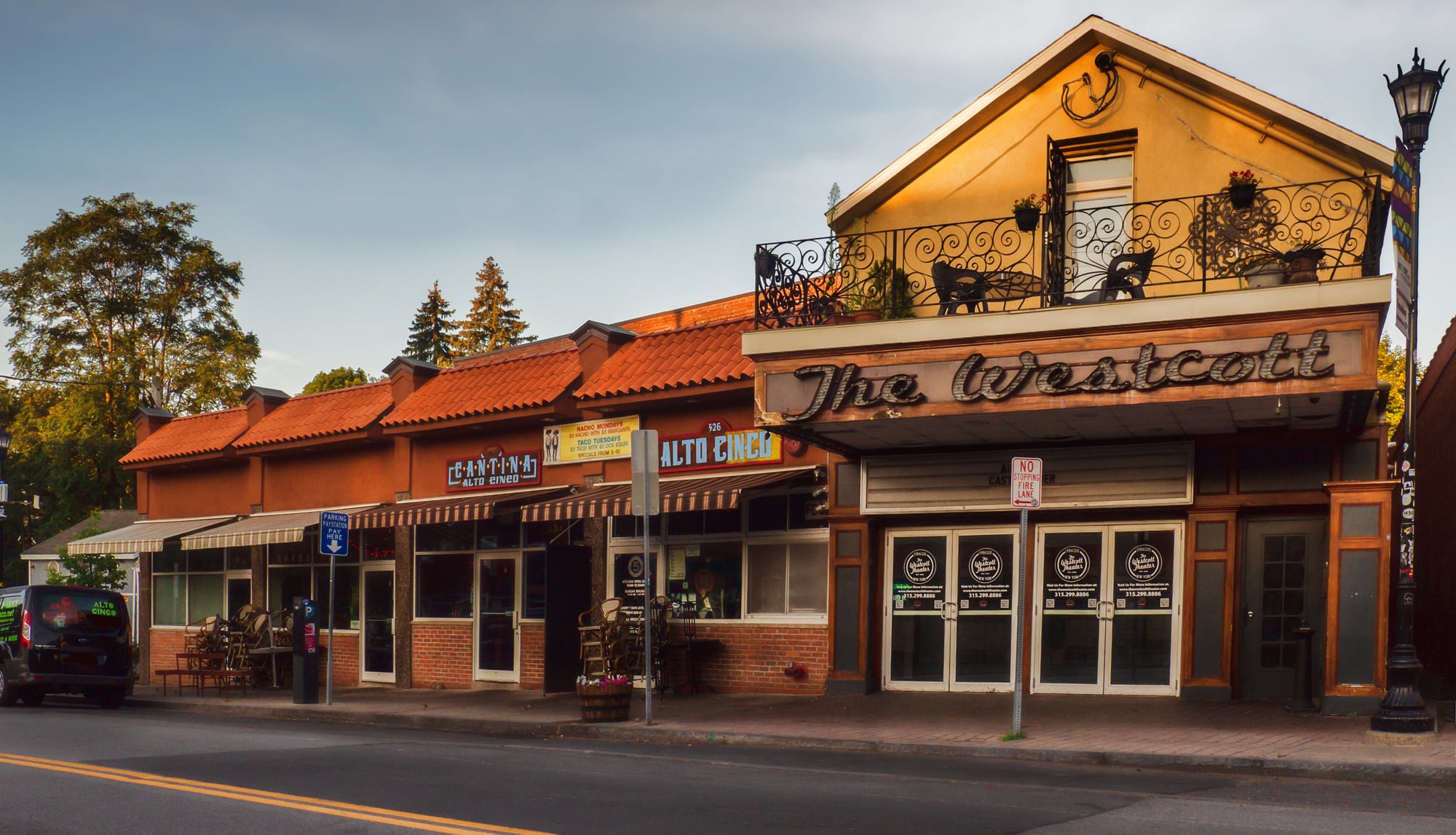
Once a 1950s staple, drive-ins largely disappeared due to the rise of indoor multiplexes and home entertainment.
During the COVID-19 pandemic, they made a comeback—offering a safe, nostalgic way to enjoy movies. Some even evolved into event spaces for concerts and community gatherings.
Mechanical Watches

When quartz watches emerged in the 1970s, mechanical watches seemed doomed—accurate, cheap, and maintenance-free quartz ruled the market.
Then came a luxury revival in the 1990s. Mechanical watches became symbols of heritage and craftsmanship, transforming into coveted status pieces once again.
Board Games

Video games and mobile apps dominated entertainment, causing many to assume traditional board games were fading into obscurity.
But titles like Settlers of Catan sparked a renaissance. A wave of new, creative games hit the market, and board game cafés and communities sprang up around the world.
From Abandoned to Essential

These comeback stories prove that no idea is ever truly dead—just waiting for the right moment to thrive.
Sometimes, a shift in culture, technology, or taste breathes new life into concepts once thought obsolete. And often, the second act is stronger than the first.
More from Go2Tutors!

- The Romanov Crown Jewels and Their Tragic Fate
- 13 Historical Mysteries That Science Still Can’t Solve
- Famous Hoaxes That Fooled the World for Years
- 15 Child Stars with Tragic Adult Lives
- 16 Famous Jewelry Pieces in History
Like Go2Tutors’s content? Follow us on MSN.



