17 Historical Assassinations That Changed World Events
Throughout history, single moments of violence have altered the trajectory of entire civilizations. The sudden death of a leader — whether through political conspiracy or individual fanaticism — has toppled empires, sparked wars, and reshaped the modern world in ways that continue to influence us today.
From ancient Rome to the 20th century, these calculated killings demonstrate how one person’s actions can redirect the course of human events. Here is a list of 17 historical assassinations that fundamentally changed world events.
Julius Caesar (44 BCE)

The stabbing of Julius Caesar on the Ides of March remains one of history’s most famous political murders, orchestrated by a group of Roman senators who feared his growing power. Caesar’s death didn’t restore the Roman Republic as the conspirators hoped — instead, it triggered a series of civil wars that ultimately led to the rise of the Roman Empire under Augustus.
The event showed how removing a leader doesn’t necessarily eliminate the forces that brought them to power.
Archduke Franz Ferdinand (1914)
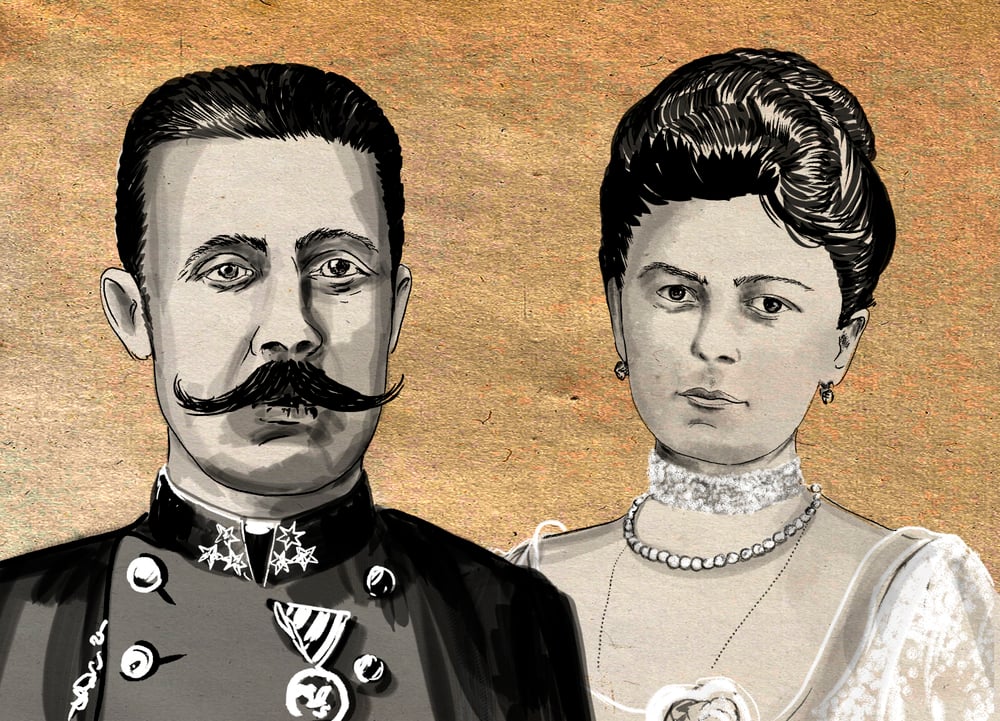
When a 19-year-old Serbian nationalist shot Archduke Franz Ferdinand in Sarajevo, he unknowingly lit the fuse that would explode into World War I. The assassination activated a web of alliances that pulled major European powers into conflict — transforming a regional dispute into a global catastrophe.
This single act of violence would claim millions of lives and reshape the political map of Europe forever.
Like Go2Tutors’s content? Follow us on MSN.
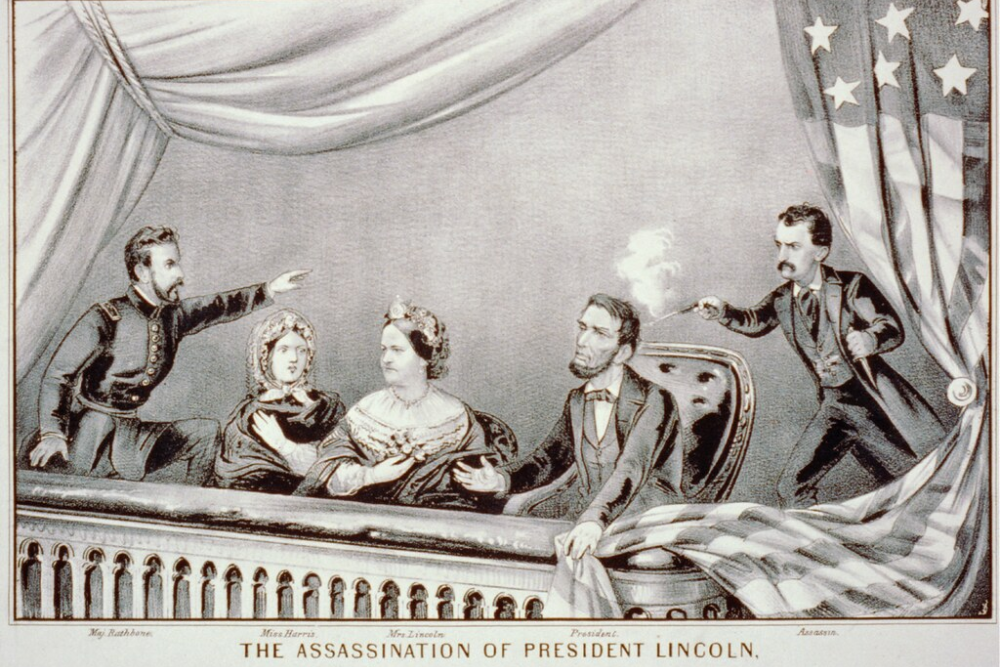
Abraham Lincoln (1865)

John Wilkes Booth’s attack on Lincoln at Ford’s Theatre came at a crucial moment in American history, just days after the Civil War’s end. Lincoln’s death removed the one leader who might’ve guided a more moderate Reconstruction — potentially preventing decades of racial tension and political division.
The assassination transformed Lincoln from a controversial wartime president into a martyred symbol of national unity.
Mahatma Gandhi (1948)

The shooting of Gandhi by a Hindu extremist shocked the world and India, which had just gained independence through his philosophy of non-violent resistance. His death came at a critical time when India was struggling with partition violence and religious tensions.
Gandhi’s assassination robbed India of its most influential voice for peace and tolerance during one of its most turbulent periods.
Martin Luther King Jr. (1968)
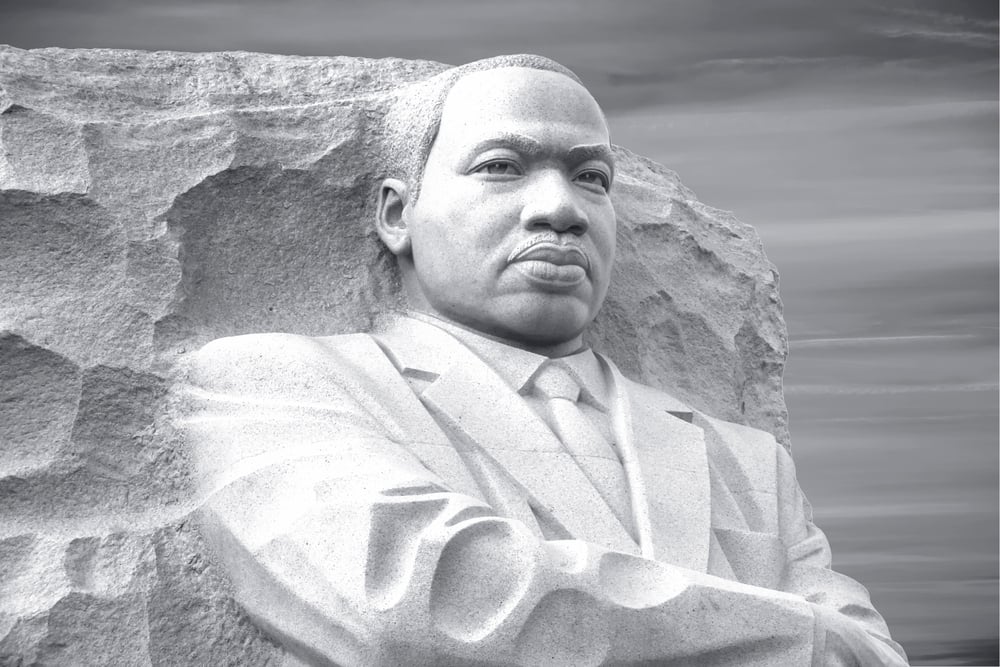
King’s assassination in Memphis galvanized the civil rights movement while simultaneously removing its most prominent advocate for peaceful change. The killing sparked riots in over 100 cities — marking a turning point where many activists began embracing more radical approaches.
His death accelerated the passage of civil rights legislation yet also fractured the movement’s unified approach to social change.
Like Go2Tutors’s content? Follow us on MSN.
John F. Kennedy (1963)
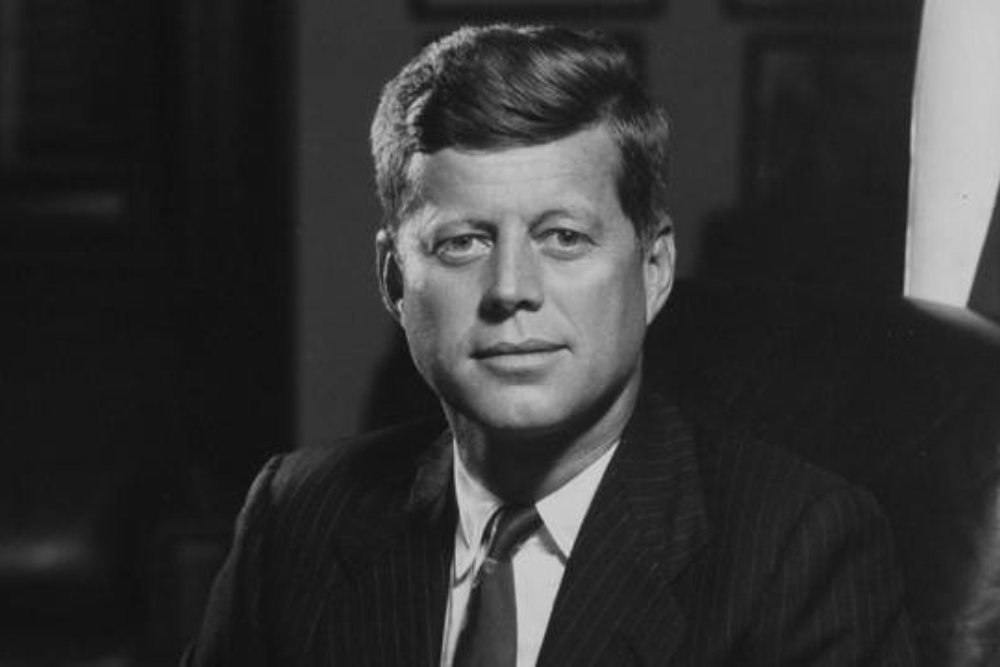
Kennedy’s death in Dallas created a cultural and political watershed that still resonates today — ending what many consider America’s age of innocence. The assassination elevated Lyndon Johnson to the presidency, dramatically altering the course of the Vietnam War and domestic policy.
The event also sparked decades of conspiracy theories that fundamentally changed how Americans view their government.
William McKinley (1901)
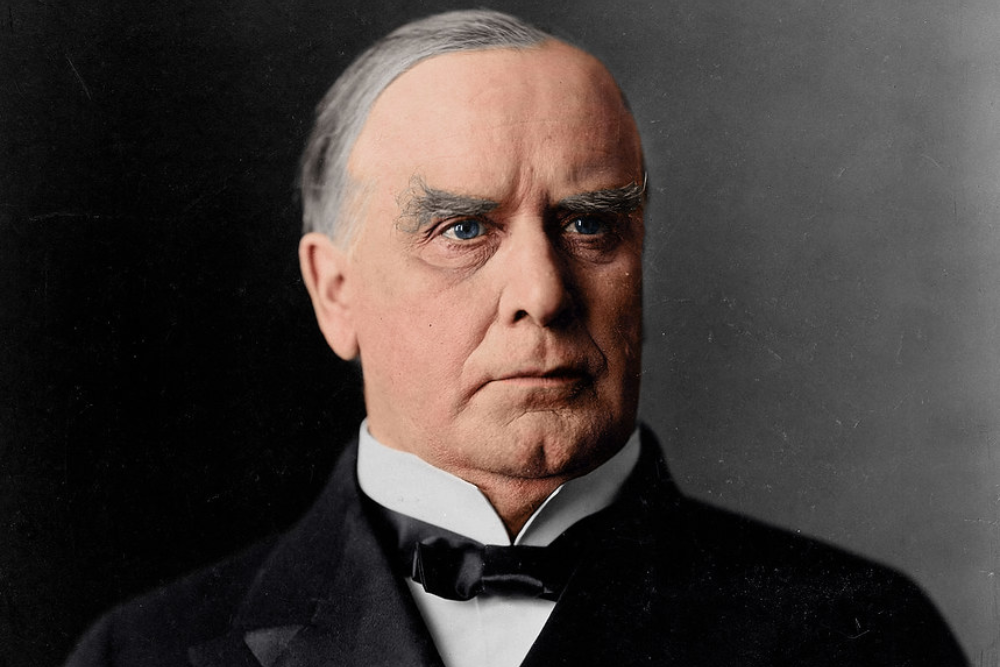
McKinley’s assassination by an anarchist at the Pan-American Exposition brought Theodore Roosevelt to power, transforming American politics and foreign policy. Roosevelt’s progressive agenda and ‘speak softly and carry a big stick’ diplomacy marked a dramatic shift from McKinley’s more conservative approach.
The killing effectively launched the Progressive Era — establishing America as a major world power.
Benazir Bhutto (2007)

Bhutto’s assassination during a campaign rally eliminated Pakistan’s most prominent female political leader and destabilized the country’s fragile democracy. Her death intensified political chaos in a nuclear-armed nation already struggling with terrorism and military influence.
The killing demonstrated how political violence in unstable regions can have global implications for security and democracy.
Like Go2Tutors’s content? Follow us on MSN.
Emperor Alexander II (1881)
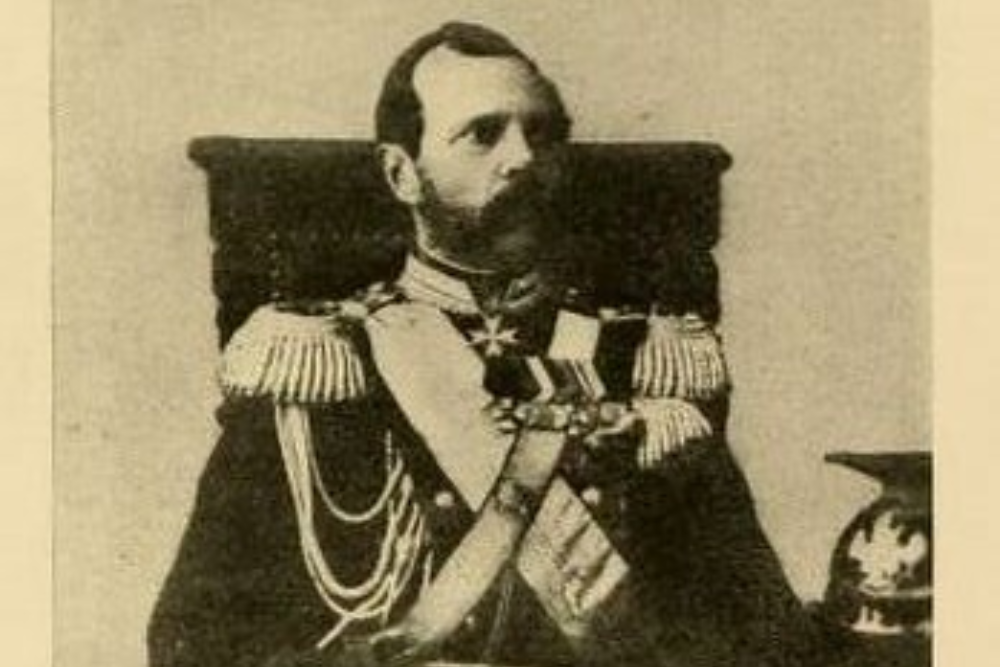
The bombing of Russia’s ‘Liberator Tsar’ by revolutionary terrorists ended his program of reforms — pushing the country toward authoritarianism. Alexander II had freed the serfs and introduced legal reforms, but his death convinced his successors that liberal policies led to chaos.
This assassination helped set Russia on the path toward revolution and eventual communist rule.
Anwar Sadat (1981)
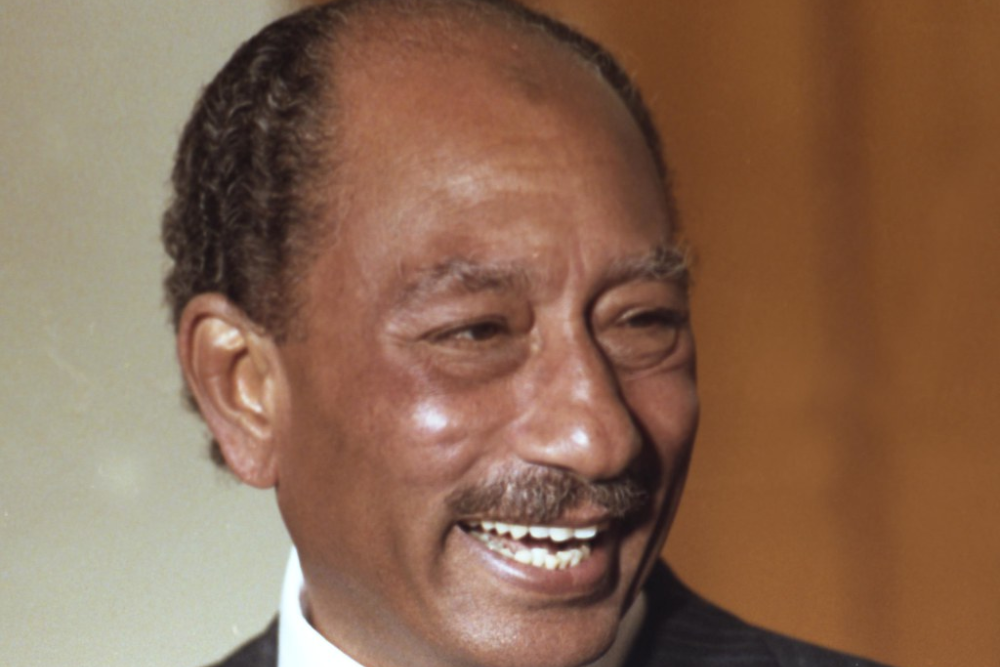
Sadat’s assassination by Islamic extremists in his own military fundamentally altered Middle Eastern politics and the peace process. His death removed the Arab leader most committed to peace with Israel — strengthening radical Islamic movements across the region.
The killing demonstrated how extremists could derail diplomatic progress through targeted violence.
Yitzhak Rabin (1995)
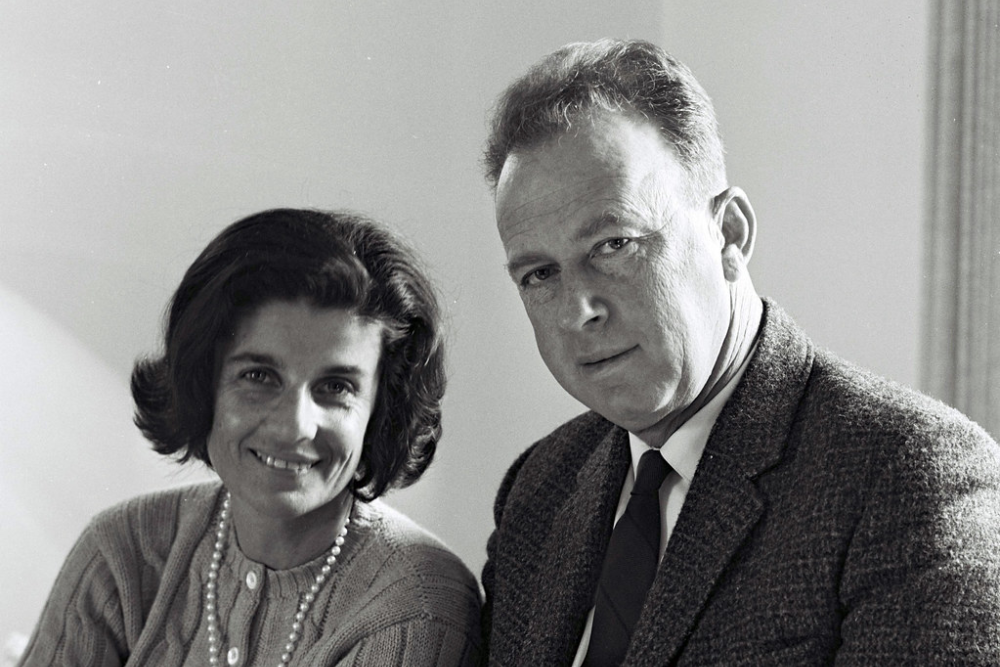
Rabin’s assassination by a Jewish extremist opposing the Oslo Accords effectively ended the most promising Israeli-Palestinian peace process in decades. The killing removed Israel’s most credible advocate for territorial compromise while emboldening opponents of the peace process.
His death showed how internal opposition can be as destructive to peace efforts as external enemies.
Like Go2Tutors’s content? Follow us on MSN.
Indira Gandhi (1984)
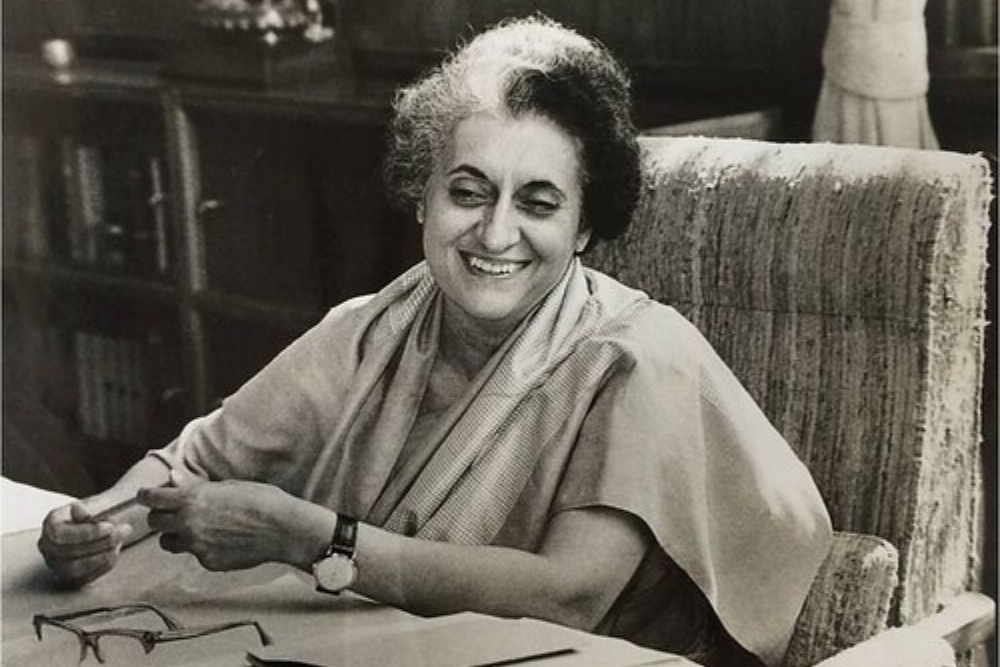
Gandhi’s assassination by her own Sikh bodyguards triggered massive anti-Sikh riots and fundamentally changed Indian politics. Her death brought her son Rajiv to power, demonstrating how ethnic and religious tensions could explode into violence even in established democracies.
The killing highlighted the dangerous intersection of personal security and communal conflict.
Olof Palme (1986)
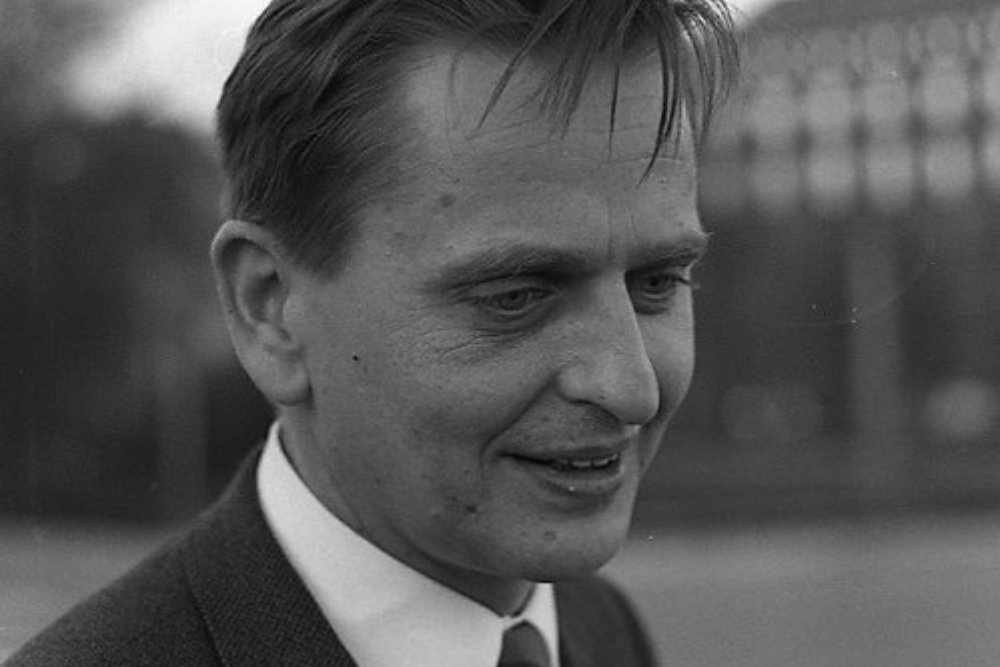
Sweden’s Prime Minister Palme was shot while walking home from a movie theater, shocking a nation unaccustomed to political violence. His death ended an era of Swedish social democracy and changed the country’s approach to personal security for public officials.
The unsolved murder became a symbol of how even peaceful societies aren’t immune to political assassination.
Rajiv Gandhi (1991)
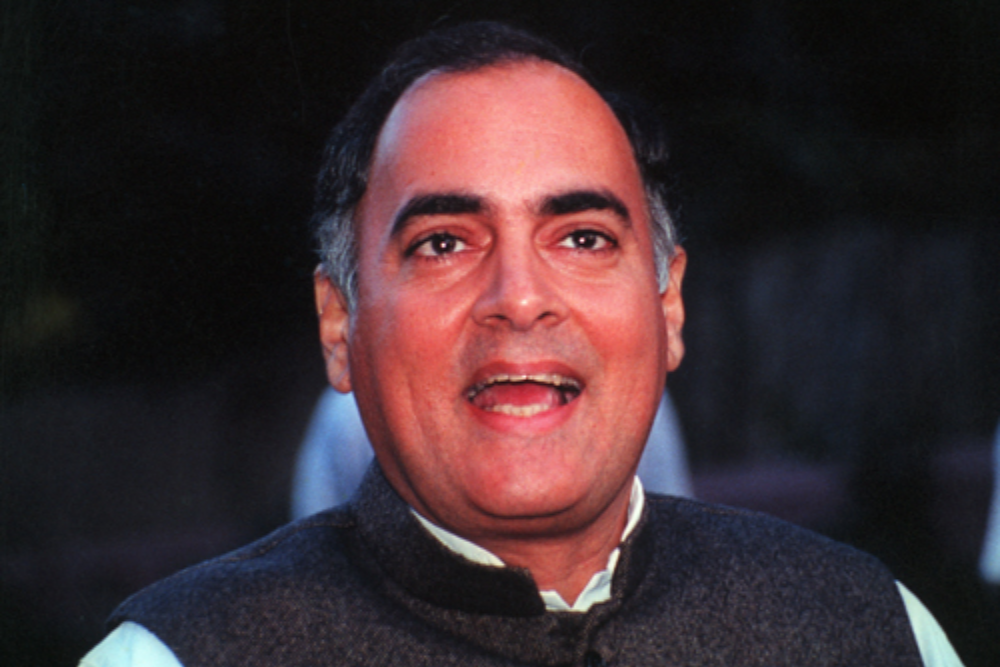
Gandhi’s assassination by a Tamil Tiger radical during an election campaign removed India’s most technologically progressive leader and altered the country’s political landscape. His death ended the Nehru-Gandhi dynasty’s dominance in Indian politics, demonstrating how regional conflicts could reach into national politics.
The killing showed how ethnic separatist movements could destabilize entire nations through targeted violence.
Like Go2Tutors’s content? Follow us on MSN.
Hendrik Verwoerd (1966)
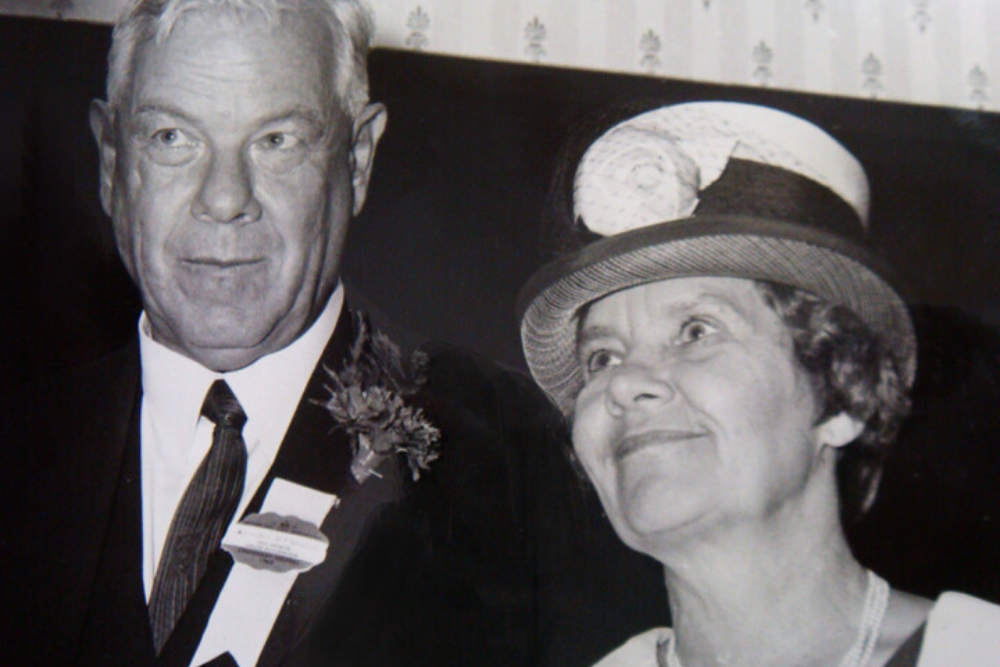
The stabbing of South Africa’s Prime Minister, known as the ‘architect of apartheid,’ created a leadership vacuum though it didn’t immediately change the system he built. Verwoerd’s death removed the intellectual force behind apartheid’s legal framework, yet the system persisted for decades.
His assassination demonstrated how removing a leader doesn’t necessarily eliminate the institutional structures they create.
King Carlos I of Portugal (1908)
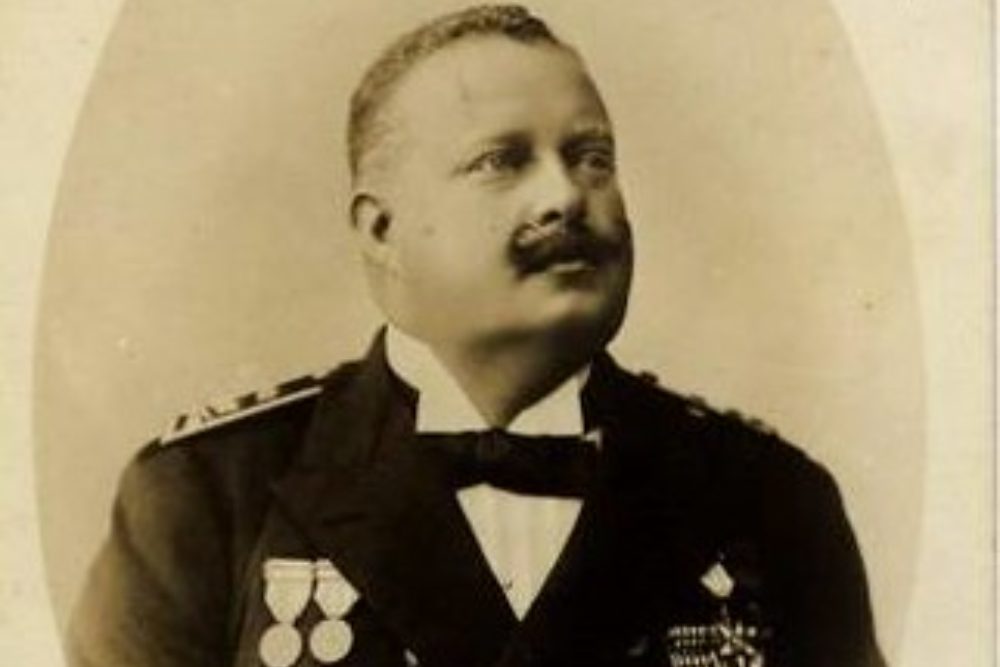
The assassination of Portugal’s king and crown prince in Lisbon effectively ended the Portuguese monarchy and paved the way for republican government. Their deaths removed the last obstacles to political change while accelerating Portugal’s transition to a new form of government.
The double assassination showed how dramatic political violence could completely transform a nation’s governing structure.
Ioannis Kapodistrias (1831)
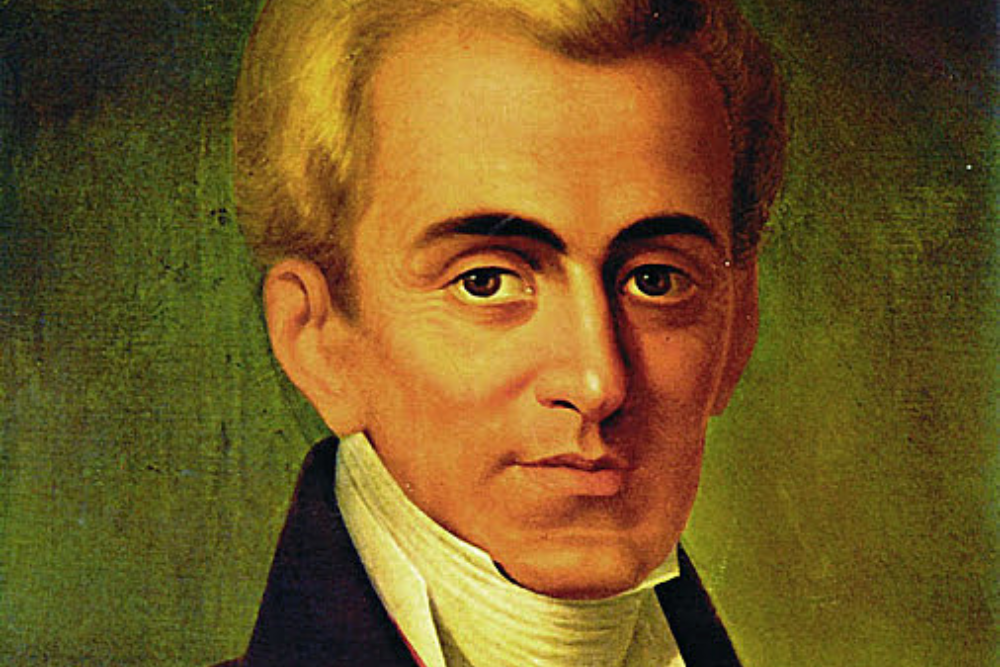
The assassination of Greece’s first head of state plunged the newly independent nation into chaos and foreign intervention. Kapodistrias’ death removed the one leader capable of unifying the fractious Greek factions, leading to the imposition of foreign monarchy.
His killing demonstrated how political violence in weak states can invite outside interference and undermine national sovereignty.
Like Go2Tutors’s content? Follow us on MSN.
When Violence Reshapes History
These assassinations reveal a troubling pattern: removing leaders rarely achieves the political goals that motivate the killers. Instead, these acts of violence often trigger unintended consequences that reshape entire societies, sometimes for generations.
The ripple effects of a single bullet or blade can alter the course of nations, proving that in politics, as in physics, every action creates reactions that extend far beyond the original event. Understanding these historical moments reminds us that individual actions, however brief, can echo through time with consequences no one could’ve predicted.
More from Go2Tutors!

- 16 Historical Figures Who Were Nothing Like You Think
- 12 Things Sold in the 80s That Are Now Illegal
- 15 VHS Tapes That Could Be Worth Thousands
- 17 Historical “What Ifs” That Would Have Changed Everything
- 18 TV Shows That Vanished Without a Finale
Like Go2Tutors’s content? Follow us on MSN.