Most Expensive Materials Found In Nature
Nature creates some things that cost more per gram than a new car, a house, or even a private jet. These materials form deep underground, grow in rare conditions, or come from the ocean floor after thousands of years.
People have searched for them, fought over them, and paid impossible prices to own them. The value comes from scarcity, beauty, or properties that science cannot easily replicate in a lab.
Here’s a look at some of the most valuable substances Earth produces naturally.
Painite

Painite was once listed in the Guinness Book of World Records as the rarest mineral on Earth. British mineralogist Arthur Pain discovered the first crystals in Myanmar during the 1950s.
For decades, only three specimens existed in the entire world. The deep red to brownish-red mineral contains boron, which makes it especially rare since boron-rich minerals don’t form often in nature.
More deposits appeared in Myanmar during the early 2000s, but painite remains incredibly scarce. Prices reach around $60,000 per carat for quality stones.
Red beryl
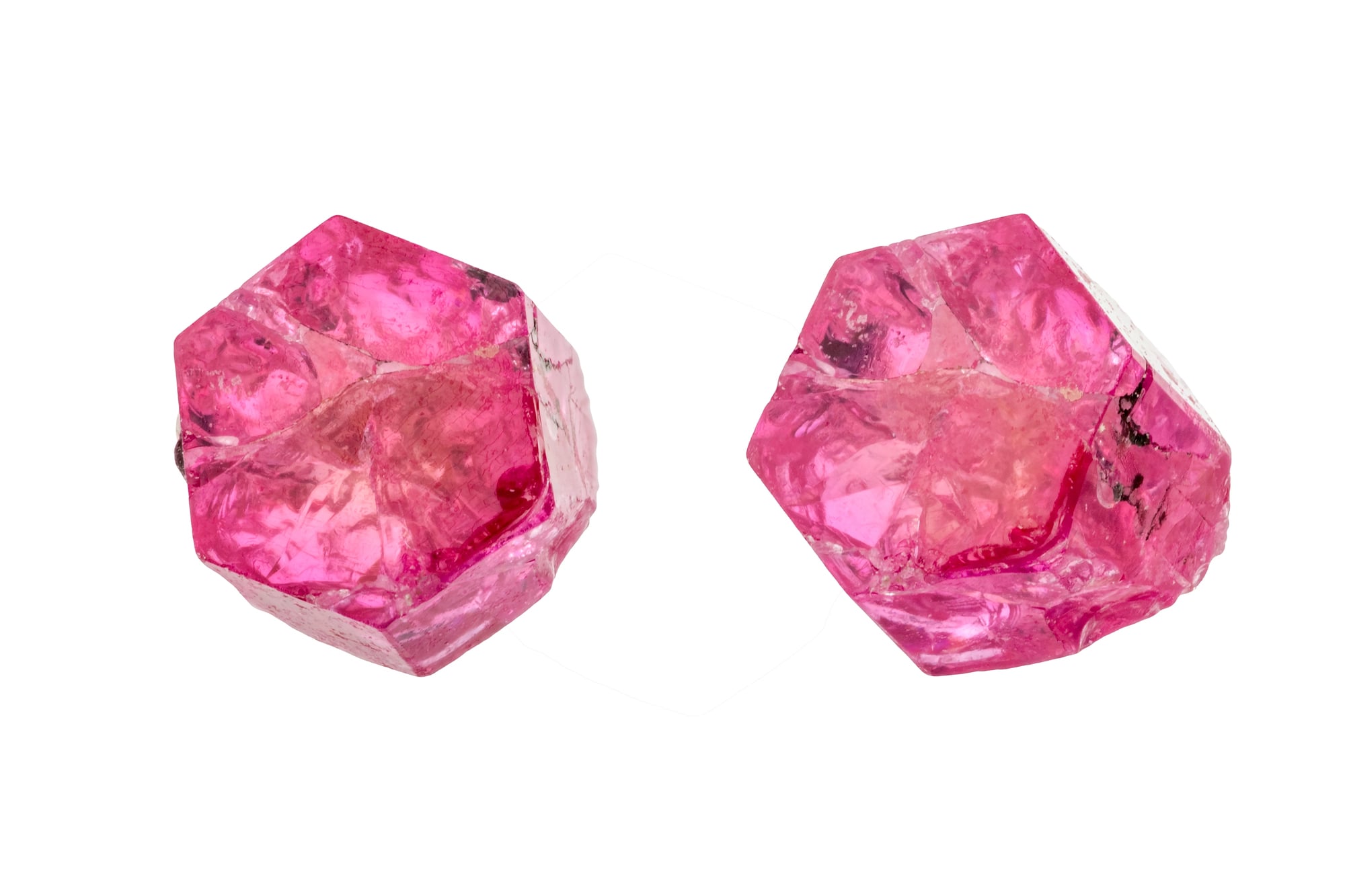
Red beryl grows only in specific volcanic rocks found in Utah and New Mexico. The conditions needed for this gemstone to form are so specific that geologists estimate only one red beryl crystal exists for every 150,000 diamonds.
The red comes from manganese within the crystal structure. Most crystals are tiny, with clean stones large enough to cut into gems being exceptionally rare.
Mining operations in the Wah Wah Mountains of Utah produce most of the world’s supply. Quality specimens can cost up to $10,000 per carat.
Taaffeite

Richard Taaffe discovered this gemstone by accident in 1945 when he found a cut stone in a jeweler’s shop in Dublin that had been misidentified as spinel. The mineral comes from Sri Lanka and Tanzania.
Taaffeite appears in shades of lavender, pink, or colorless. For years, fewer than a dozen cut stones existed, though more material has been found since the 1990s.
The gemstone remains so rare that most people have never seen one in person. Prices range from $2,500 to $20,000 per carat depending on size and color.
Grandidierite

This bluish-green mineral was first found in Madagascar in 1902 and named after French explorer Alfred Grandidier. The stone shows a property called pleochroism, meaning it appears in different colors when viewed from different angles.
Most grandidierite exists as small, cloudy crystals unsuitable for jewelry. Transparent gem-quality pieces are incredibly rare and were almost unknown until recent discoveries in Madagascar and Sri Lanka.
The intense blue-green color in transparent stones creates demand among collectors. Top quality material sells for around $20,000 per carat.
Musgravite

Musgravite belongs to the same mineral family as taaffeite and shares similar rarity. The first specimen was discovered in the Musgrave Ranges of South Australia in 1967.
Additional finds came from Greenland, Madagascar, Antarctica, and Sri Lanka. Most musgravite appears gray or greenish, but rare purple and violet specimens command the highest prices.
Gem-quality transparent stones are extremely scarce. Prices range from $35,000 per carat for commercial quality up to much higher amounts for exceptional pieces.
Benitoite

California designated benitoite as its official state gem because quality specimens come from only one mine in San Benito County. The vivid blue color resembles sapphire but comes from barium titanium silicate rather than corundum.
Under ultraviolet light, benitoite glows bright blue, which helps identify it. The mine that produced most gem-quality material closed in 2006, making existing stones more valuable.
Small deposits exist in Japan and Arkansas but don’t produce gem-quality material. Clean stones larger than one carat are rare and can cost several thousand dollars per carat.
Jeremejevite

This aluminum borate mineral forms in granite and occurs in Namibia, Russia, and Tajikistan. Most crystals are colorless or pale yellow, but rare blue specimens command premium prices.
The mineral is hard and brilliant when cut, making it suitable for jewelry despite its rarity. Most examples in museums and private collections weigh less than two carats.
Blue jeremejevite can reach $2,000 per carat, though colorless material sells for much less. The difficulty of finding clean, cuttable crystals keeps this gemstone among the rarest in existence.
Poudretteite
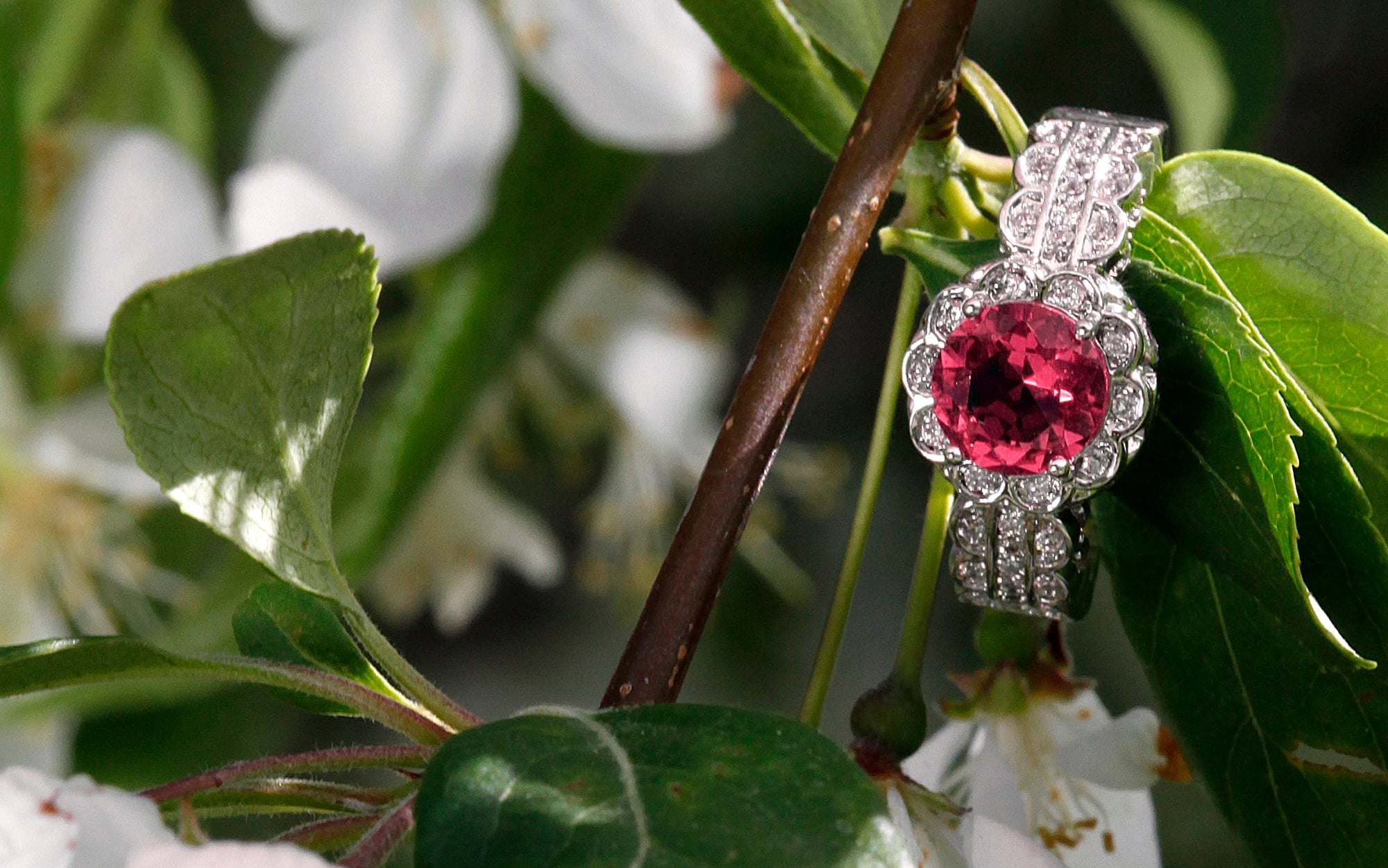
This pink gemstone was discovered in Mont Saint-Hilaire, Quebec in the 1960s but remained a curiosity until facet-grade material appeared in Myanmar in the early 2000s. The mineral contains potassium and boron, elements that rarely occur together in nature.
The delicate pink color comes from trace amounts of iron or manganese. Most stones are small, with pieces over three carats being exceptional.
The combination of rarity and attractive color drives prices above $3,000 per carat for quality examples. Few people outside the gem collecting community know this stone exists.
Blue garnet
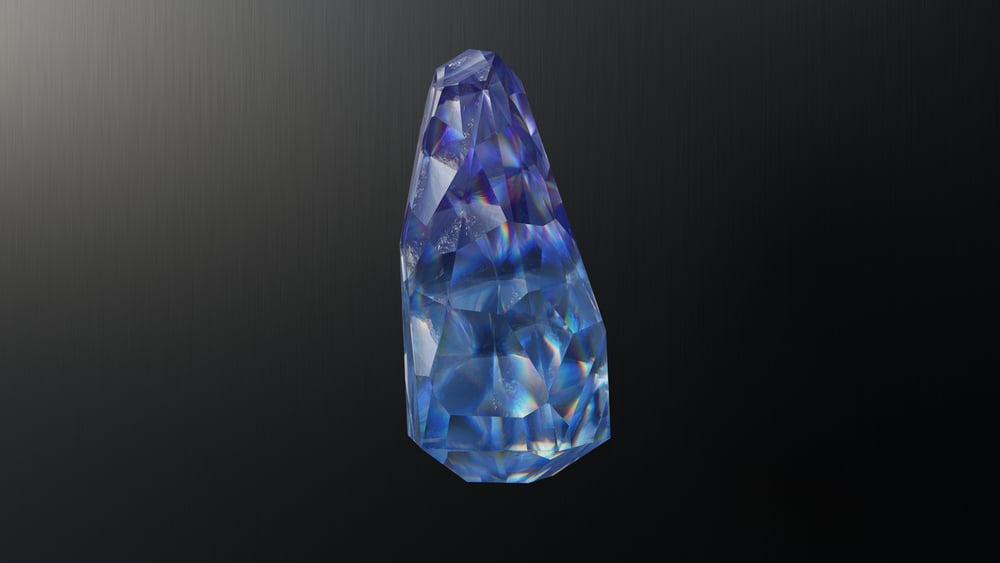
Garnets typically appear red, orange, or green, but a rare color-change variety discovered in Madagascar in the 1990s shifts from blue-green in daylight to purple-red under incandescent light. The phenomenon happens because of high vanadium content.
Most blue garnets are small, with stones over two carats being exceptional. The dramatic color change and extreme rarity make these among the most sought-after garnets.
Prices range from $1,500 to over $10,000 per carat depending on size, intensity of color change, and clarity. Similar material has since been found in parts of East Africa.
Serendibite

This dark greenish-black to black mineral was first discovered in Sri Lanka in 1902 and takes its name from Serendib, the old Arabic name for Sri Lanka. The mineral contains boron, aluminum, magnesium, and other elements in a complex crystal structure.
For over a century, serendibite existed only as tiny crystals unsuitable for cutting. In 2005, gem-quality blue-green serendibite was discovered in Myanmar, creating excitement among collectors.
Transparent stones remain incredibly rare, with prices reaching $18,000 to $20,000 per carat for the finest examples.
Black opal

While common opal is relatively affordable, black opal from Lightning Ridge, Australia ranks among the most valuable gemstones. The dark body tone provides contrast that makes the play of color appear more vibrant.
Opal forms when silica-rich water seeps into cracks and voids in rocks, then evaporates leaving behind layers of silica spheres. The specific conditions at Lightning Ridge produce the finest black opals in the world.
Large stones with intense red and orange fire can sell for $10,000 to $20,000 per carat. The organic nature of opal and its delicate structure add to its value.
Paraiba tourmaline
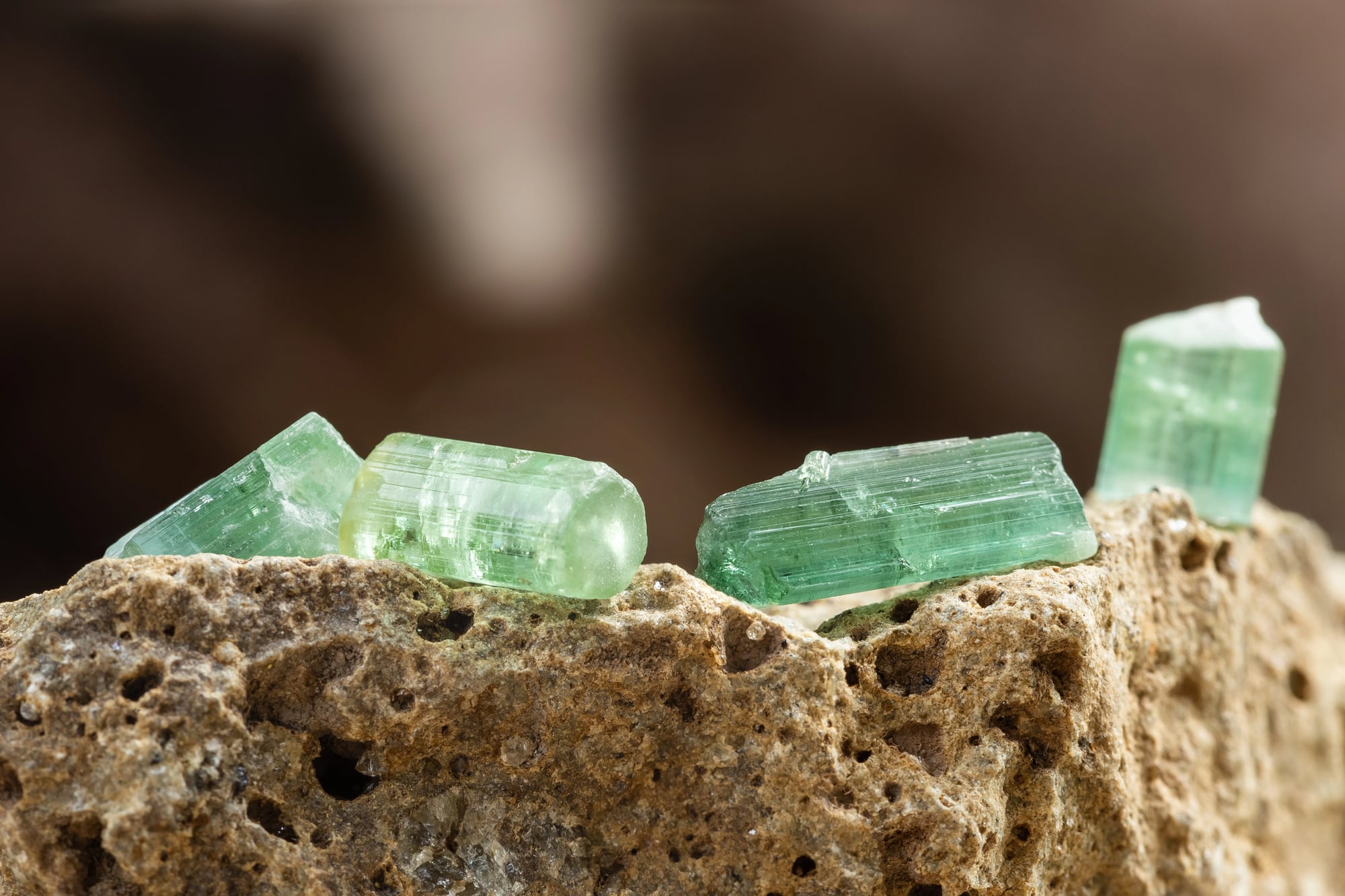
This vivid blue-green tourmaline was discovered in Paraiba, Brazil in 1989 and caused immediate sensation due to its neon electric color. The intense blue comes from copper within the crystal structure, which doesn’t occur in other tourmalines.
The original mine produced limited material before being exhausted. Similar copper-bearing tourmalines were later found in Mozambique and Nigeria, but Brazilian material commands the highest prices due to origin and slightly different color.
Top quality Brazilian Paraiba tourmaline sells for $20,000 per carat or more, rivaling diamonds in price.
Natural pearls
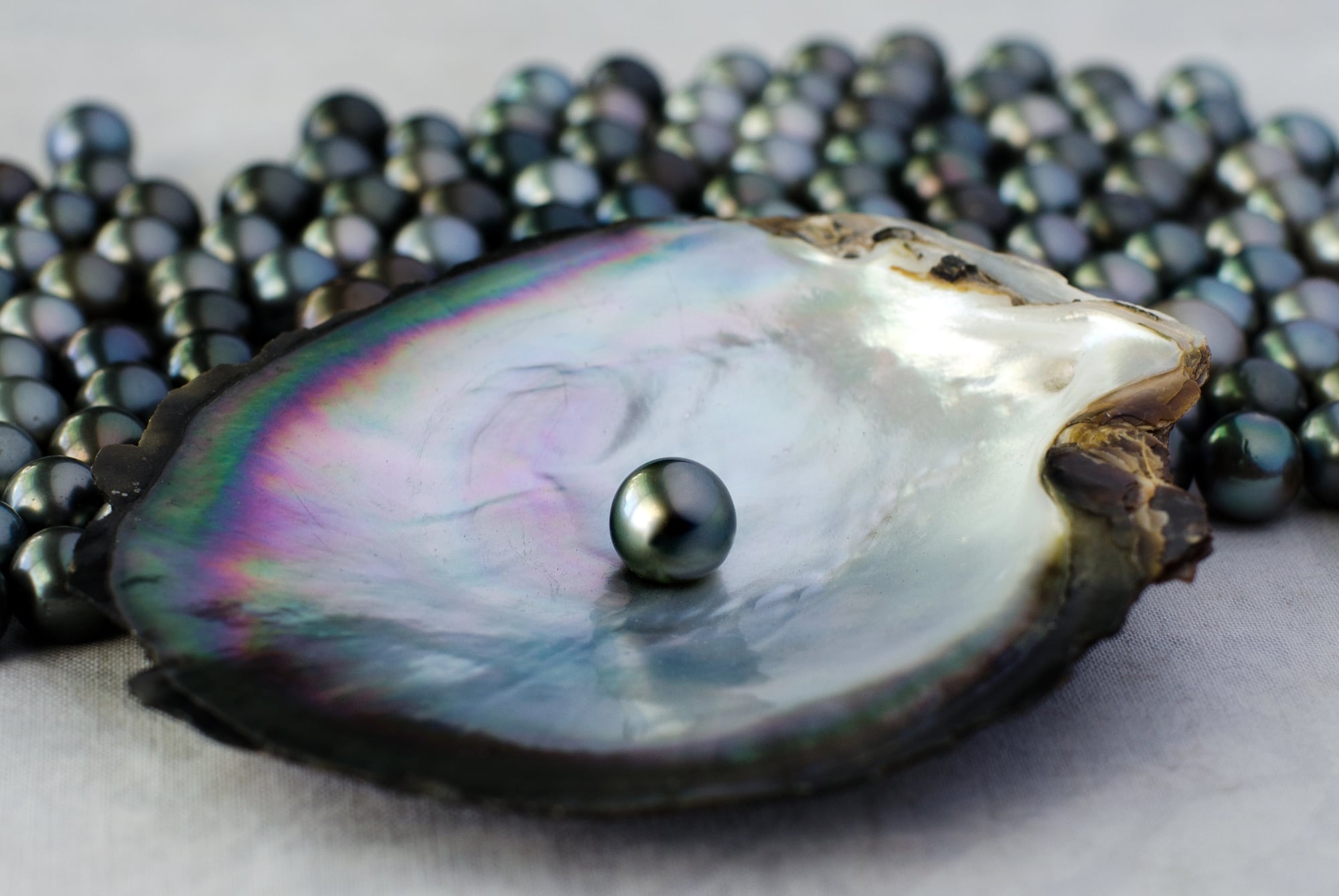
Before pearl farming became widespread in the early 1900s, natural pearls formed when irritants entered oysters and mollusks without human intervention. These pearls took years to develop and were found by chance.
Natural pearls now come primarily from oyster beds in the Persian Gulf, with some from other locations. They show irregular shapes and organic luster that cultured pearls cannot perfectly replicate.
Large natural pearls of exceptional quality can sell for thousands of dollars per carat. The romance and rarity of natural pearls, especially from historic sources, keep prices high among collectors.
Jadeite

Not all jade is equal. Common nephrite jade is relatively affordable, but imperial jadeite from Myanmar reaches extraordinary prices.
The most valuable jadeite appears in intense emerald green with high translucency, called imperial jade. This material comes from specific deposits in Myanmar where geological conditions created the perfect chemistry.
Chinese collectors have prized fine jadeite for centuries, driving demand and prices. Single pieces of jewelry containing top-quality imperial jadeite have sold at auction for millions of dollars.
Per carat prices can exceed $3,000 for the finest material.
Kashmir sapphire

High up in the Himalayas, sapphires were found after a slide shifted the earth in 1881. These stones came from Kashmir, part of India, where they quickly became famous.
Tiny flaws inside gave them a soft, rich color that felt almost like fabric under light. Though people pulled gems from the ground fast and heavy, it didn’t last long.
By the dawn of the twentieth century, the finest ones had vanished from reach. A deep blue glow sets Kashmir sapphires apart – experts spot it instantly.
When papers back their origin, each carat might pull in $30,000 or beyond, especially if the stone stands out. Higher still? Some climb without looking back.
Agarwood

When particular trees across Southeast Asia get invaded by a unique mold, they react by making a rich, scented resin deep inside. That substance slowly soaks into the inner wood over many years – sometimes even generations.
Not every tree responds; just a small fraction ever gets affected on its own. This dense core, known as agarwood, carries weight in ancient practices – from healing remedies to sacred smoke and scent blends – that stretch back more than three millennia.
That deep, resin-rich wood known as kyara – top-tier among natural agarwoods – might cost you ten grand an ounce, sometimes way above. Harvested too much across the years, the wild trees have thinned out, making each bit harder to find, which pushes what’s left even pricier.
Why rarity equals value

Out of reach for most, certain earthborn substances slip through fingers like whispers. Beauty hides where pressure and time twist matter into rarity.
One spot on the planet might hold the sole source. Centuries pass before a fragment becomes what hands seek.
Worth shows up when eye appeal meets extreme lack plus real function. Chemistry rarely lines up just right – when it does, people notice.
When mines run low while need grows, costs rise for nature’s scarcest stuff. What comes from deep time on this planet often stays beyond our reach – money and machines fail to copy it.
More from Go2Tutors!

- The Romanov Crown Jewels and Their Tragic Fate
- 13 Historical Mysteries That Science Still Can’t Solve
- Famous Hoaxes That Fooled the World for Years
- 15 Child Stars with Tragic Adult Lives
- 16 Famous Jewelry Pieces in History
Like Go2Tutors’s content? Follow us on MSN.