World Heritage Day: 15 Monuments That Nearly Didn’t Survive
World Heritage Day, celebrated annually on April 18th, reminds us of the cultural treasures that connect humanity across time. These architectural marvels and historical sites tell stories of civilizations past, technological achievements, and the human drive to create lasting beauty.
Yet many of the most iconic monuments we cherish today have faced threats that nearly erased them from existence. Here is a list of 15 remarkable monuments that came dangerously close to being lost forever, surviving against incredible odds to remain standing for future generations to appreciate.
Angkor Wat
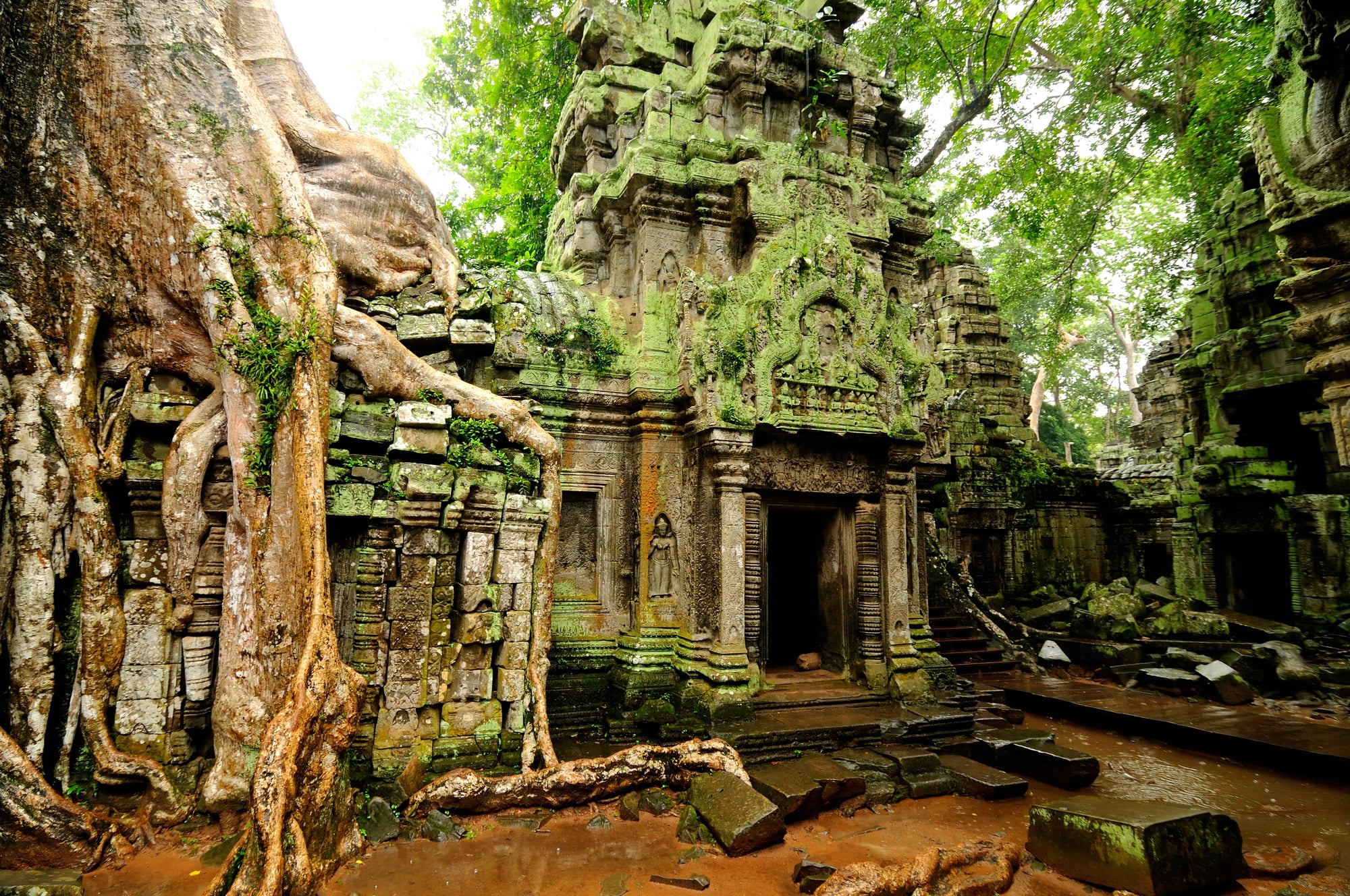
Cambodia’s crown jewel narrowly escaped total destruction during the Khmer Rouge regime, which targeted cultural heritage sites across the country. The massive temple complex was engulfed by jungle for centuries, with tree roots threatening to tear apart the stone structures.
International conservation efforts beginning in the 1990s have stabilized the site, removing harmful vegetation while preserving the haunting tree-covered sections that have become emblematic of the complex.
The Leaning Tower of Pisa
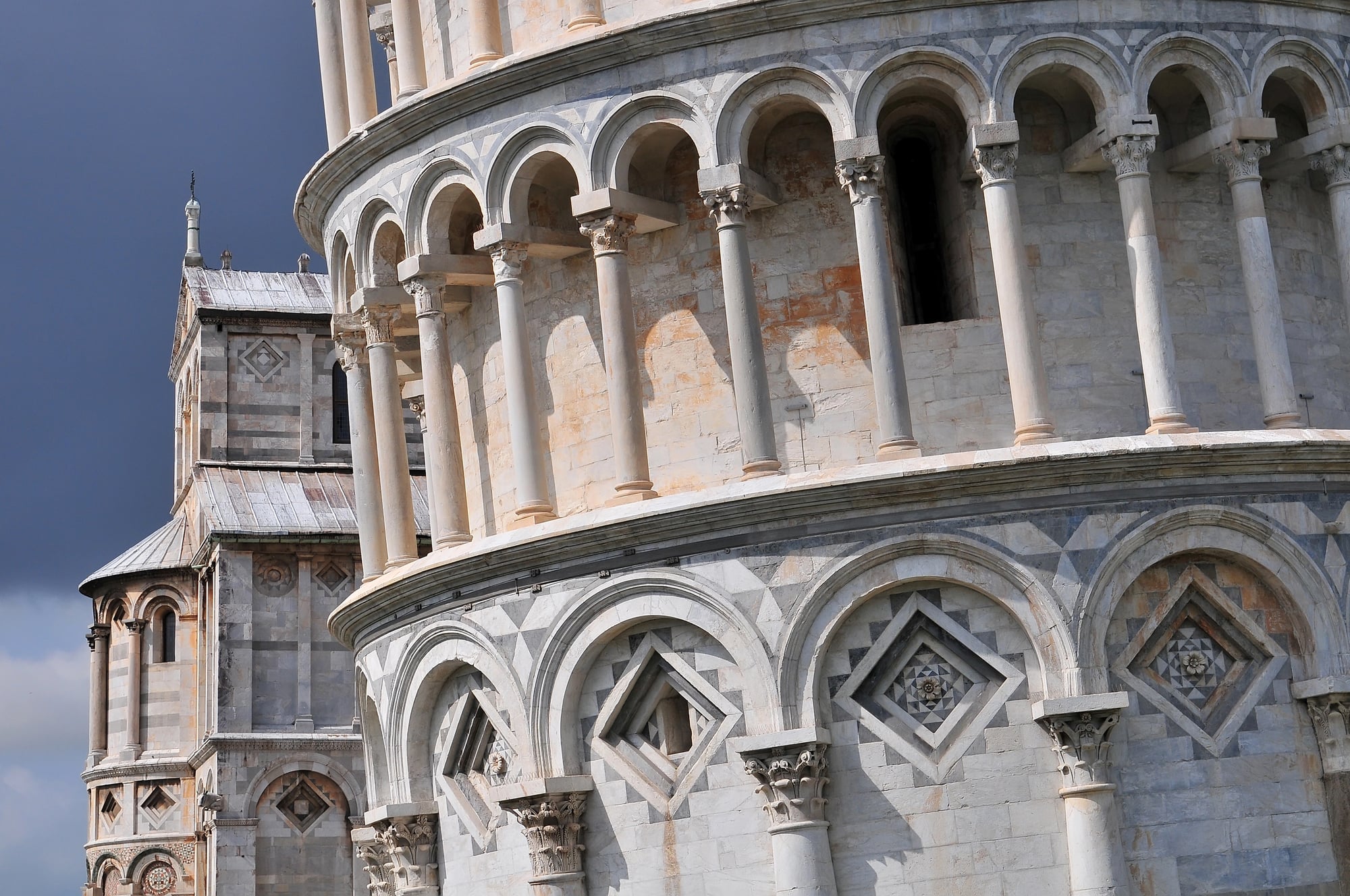
With its renowned tilt growing every year, this Italian landmark was literally fading into obscurity. When the lean hit a dangerous 5.5 degrees in the late 20th century, engineers foresaw that it would eventually collapse.
Between 1993 and 2001, a large stabilization effort meticulously excavated earth from beneath the higher side, lowering the tilt to a safe 3.97 degrees and adding at least 300 years to the tower’s lifespan.
Pompeii
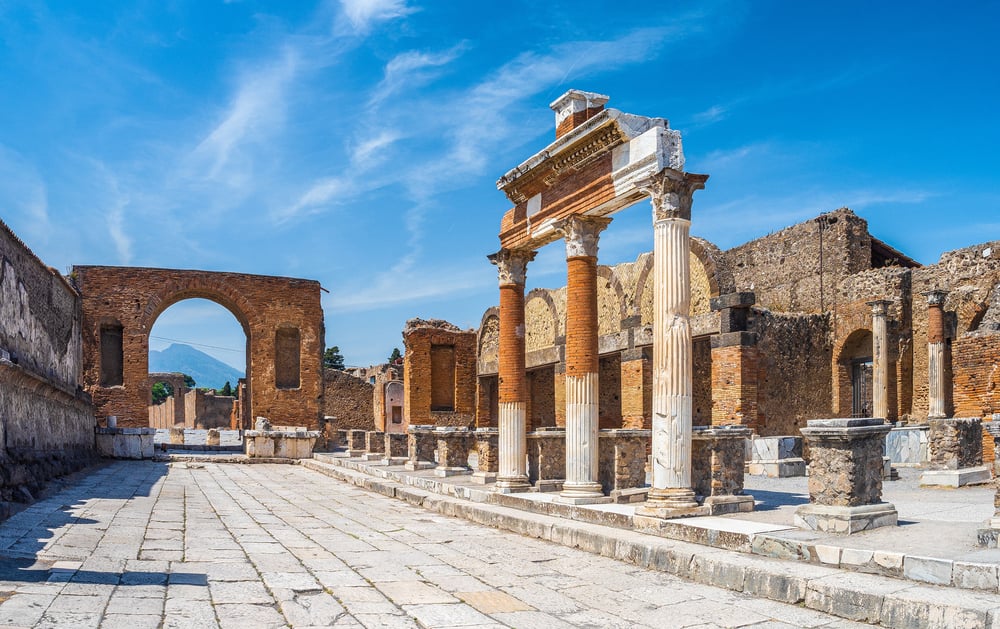
The ancient Roman city that was preserved by volcanic ash almost disappeared because of modern dangers. Years of poor management, lack of conservation, and weathering led to many collapses, such as the iconic House of Gladiators in 2010.
Italy issued a state of emergency for the site in 2008, initiating the Great Pompeii Project with essential EU funding to stabilize buildings and enhance drainage systems that were eroding the last remnants of this ancient gem.
Machu Picchu

Peru’s mountaintop Incan citadel faced an unusual threat—too much tourism. The UNESCO site was handling nearly 1.6 million visitors annually, far exceeding the recommended capacity and causing rapid erosion of pathways and structures.
Conservation authorities implemented strict visitor limits in 2019, creating timed entry permits and requiring guides, measures that likely saved the site from irreversible damage just before the pandemic temporarily halted tourism altogether.
Notre-Dame Cathedral
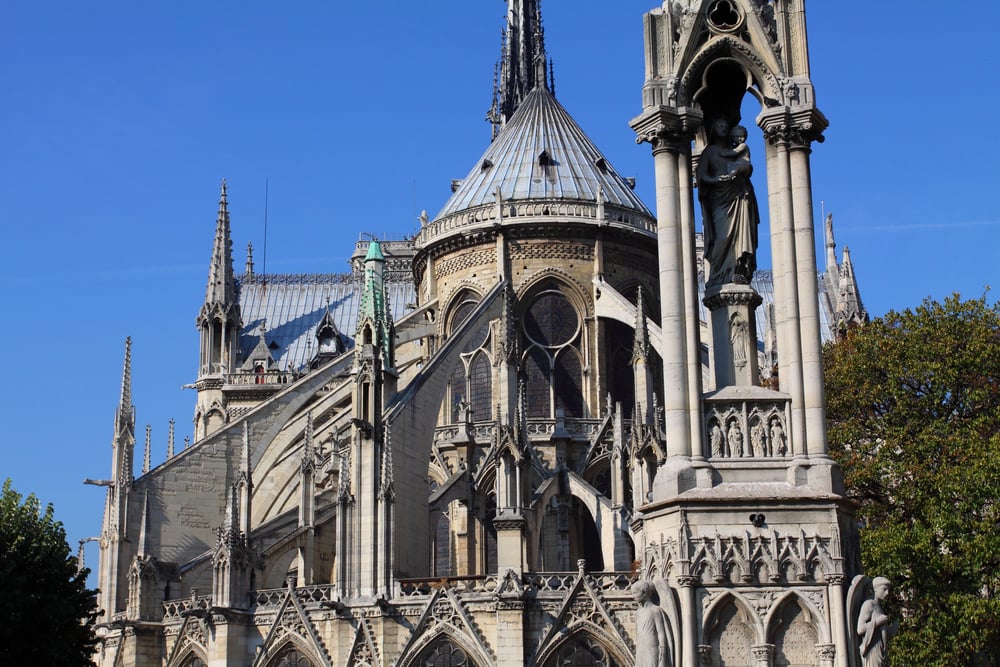
The medieval masterpiece of Gothic architecture nearly disappeared in a matter of hours on April 15, 2019, when a devastating fire destroyed its roof and iconic spire. Firefighters fought through the night, making critical decisions that saved the main structure despite fears the entire cathedral would collapse.
The ongoing restoration project aims to reopen this Parisian landmark by 2024, with traditional craftsmanship playing a key role in its rebirth.
The Colosseum
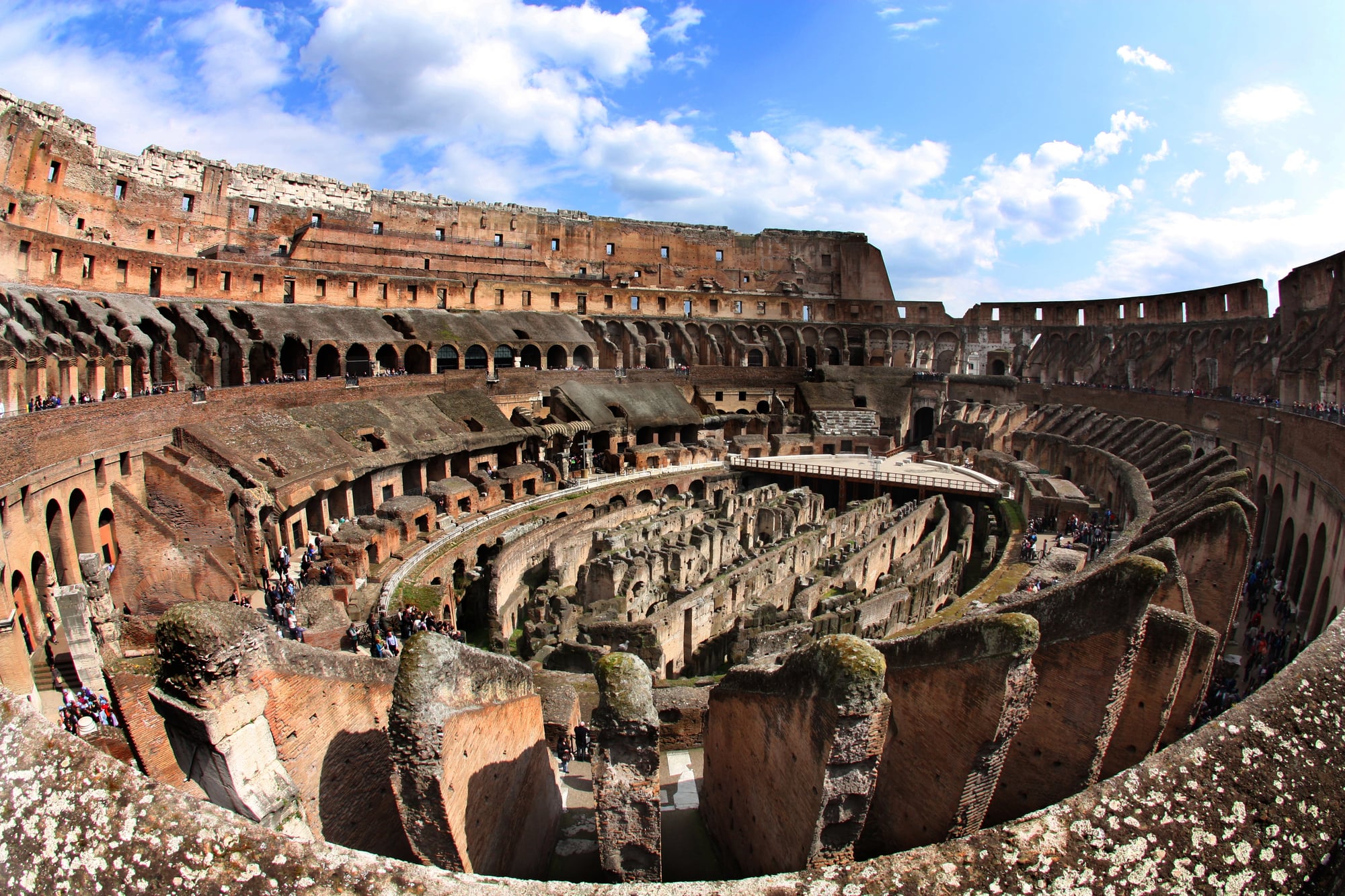
Rome’s ancient amphitheater survived earthquakes and fires only to become a convenient quarry for building materials after the fall of the Roman Empire. Nearly two-thirds of the original structure disappeared as its stones were repurposed for palaces and churches throughout medieval Rome.
Only an 18th-century papal decree declaring it a sacred site due to its history of Christian martyrdom halted further destruction, preserving what remains today.
Petra
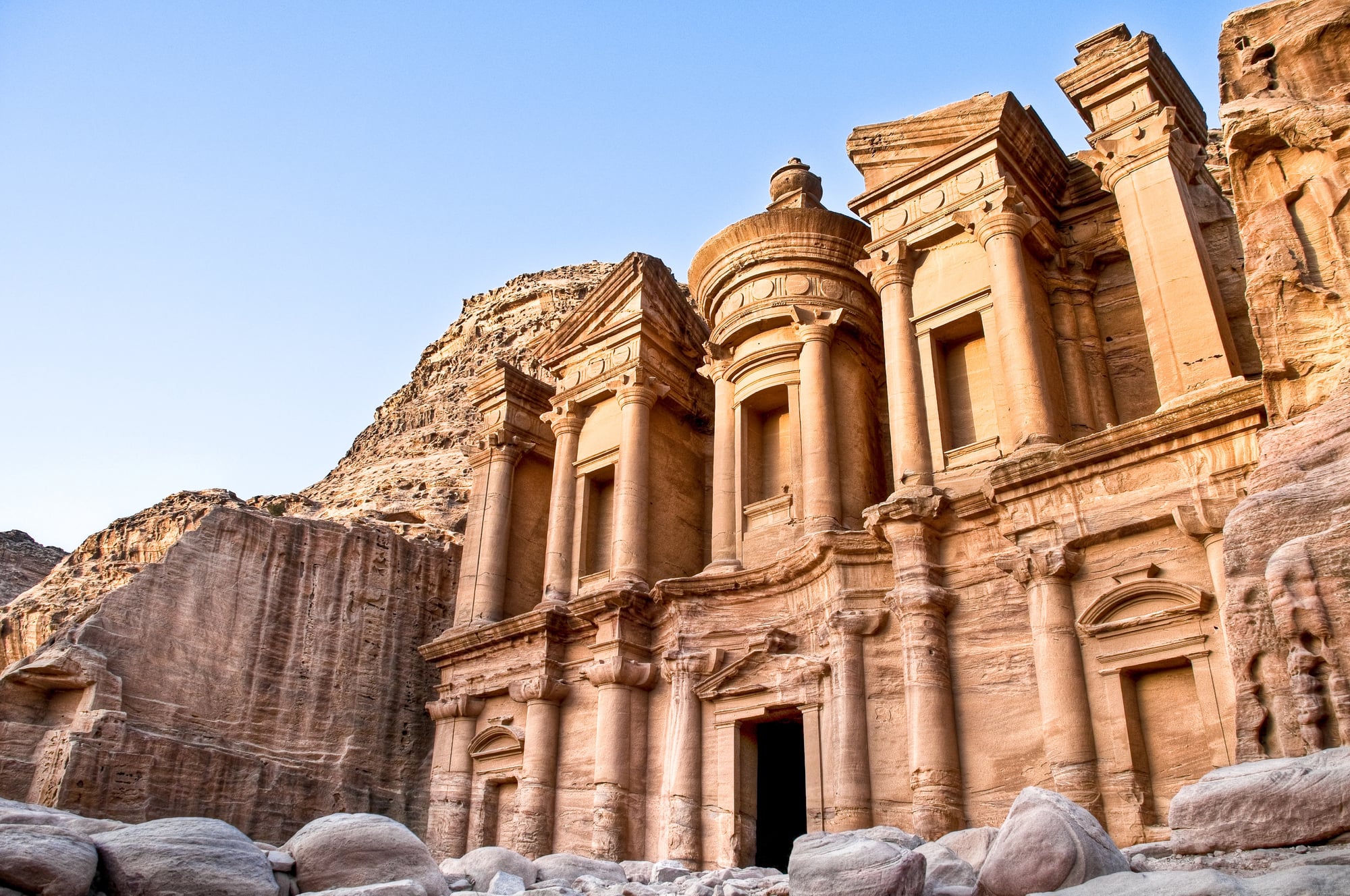
Jordan’s rose-colored city carved into sandstone cliffs faced both natural and human threats to its survival. Water erosion steadily wore away the intricate facades, while early 20th-century looting and improper tourism practices accelerated the damage.
International conservation experts developed water management systems to divert flash floods that were washing away the site, while careful restoration work strengthened the most vulnerable sections without compromising authenticity.
Moai Statues of Easter Island
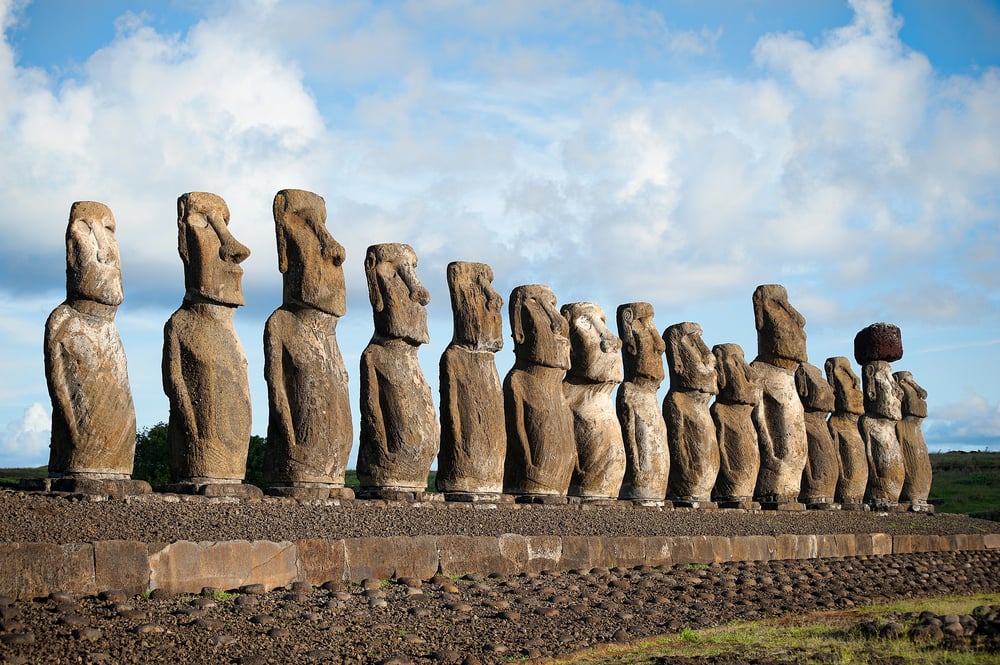
These monolithic human figures carved by the Rapa Nui people faced extinction from environmental collapse and colonial exploitation. The island’s ecosystem degradation left the statues exposed to erosion, while many were toppled during tribal conflicts.
Recent preservation efforts focus on stabilizing the remaining statues against rising sea levels and increasingly violent storms that threaten to wash away these mysterious sentinels.
Acropolis of Athens
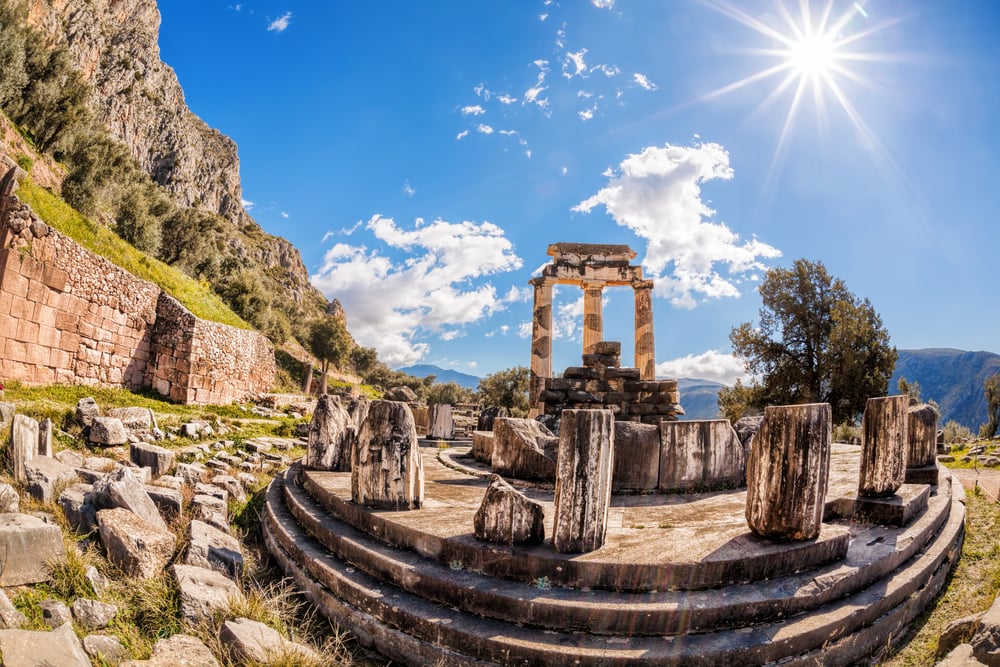
The ancient citadel housing the Parthenon has weathered everything from wartime bombardment to industrial pollution. Air pollution from modern Athens caused more damage in the 20th century than the previous 2,400 years combined, eating away at the marble monuments.
A comprehensive restoration project launched in 1975 continues today, carefully replacing damaged sections with compatible marble while removing rusty metal reinforcements from earlier, misguided restorations.
Taj Mahal

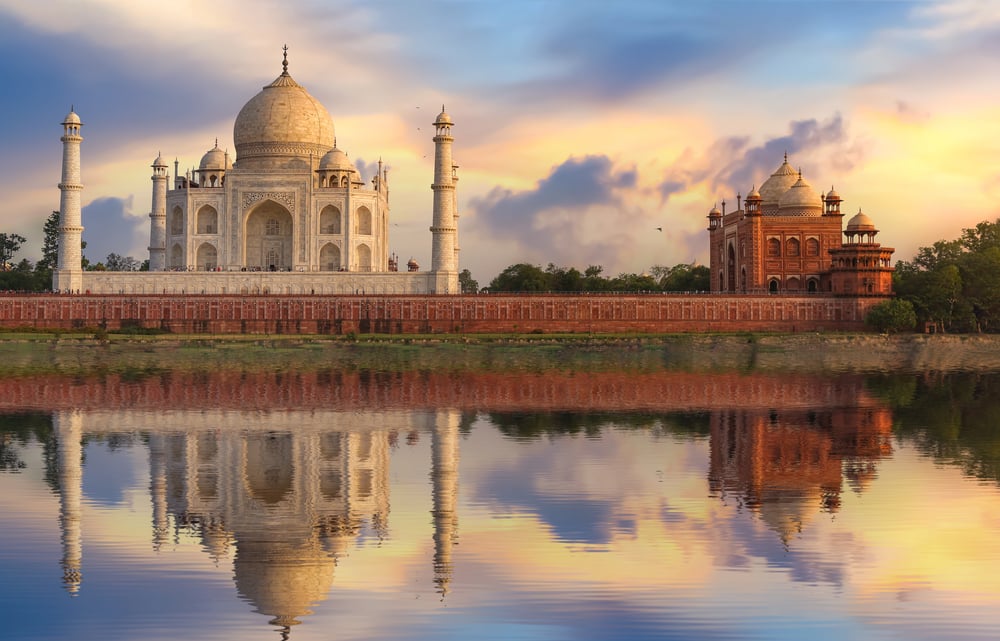
India’s marble mausoleum faced a silent threat from air pollution, which turned its pristine white surfaces yellow and brittle. Industrial emissions and vehicle exhaust from the surrounding city of Agra created acid rain that gradually dissolved the delicate inlay work and marble details.
Government intervention created an air pollution exclusion zone around the monument, banning nearby factories and requiring visitors to wear protective footwear to prevent further damage.
Stonehenge
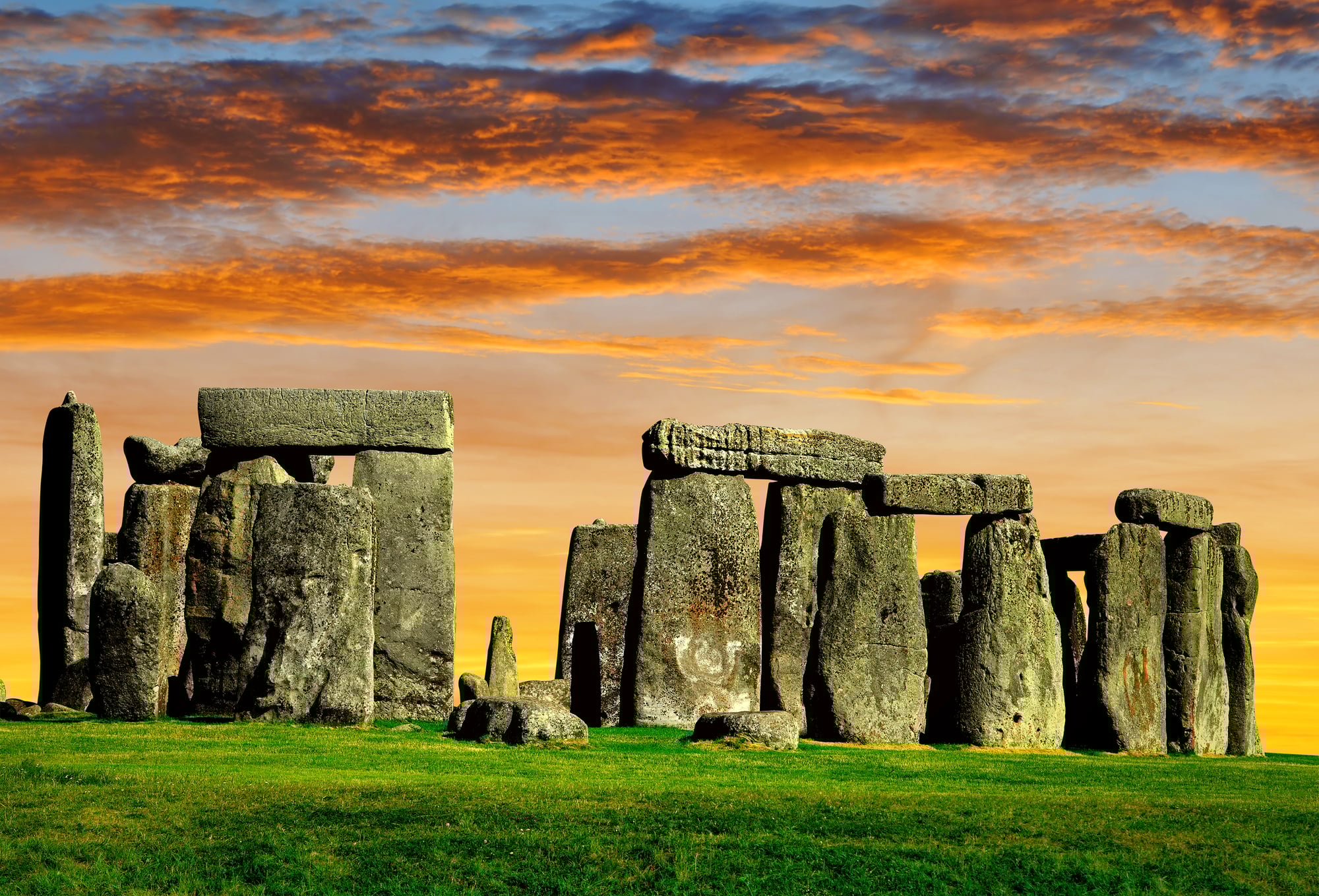
The prehistoric monument in England was once available for visitors to climb and carve their names into the ancient stones. Pieces were regularly chipped away as souvenirs, while nearby road construction and agricultural activity threatened the wider archaeological landscape.
The site was finally roped off in 1977, and a major project completed in 2013 removed a nearby highway and visitor center to restore the monument’s setting and protect underground artifacts.
The Great Wall of China
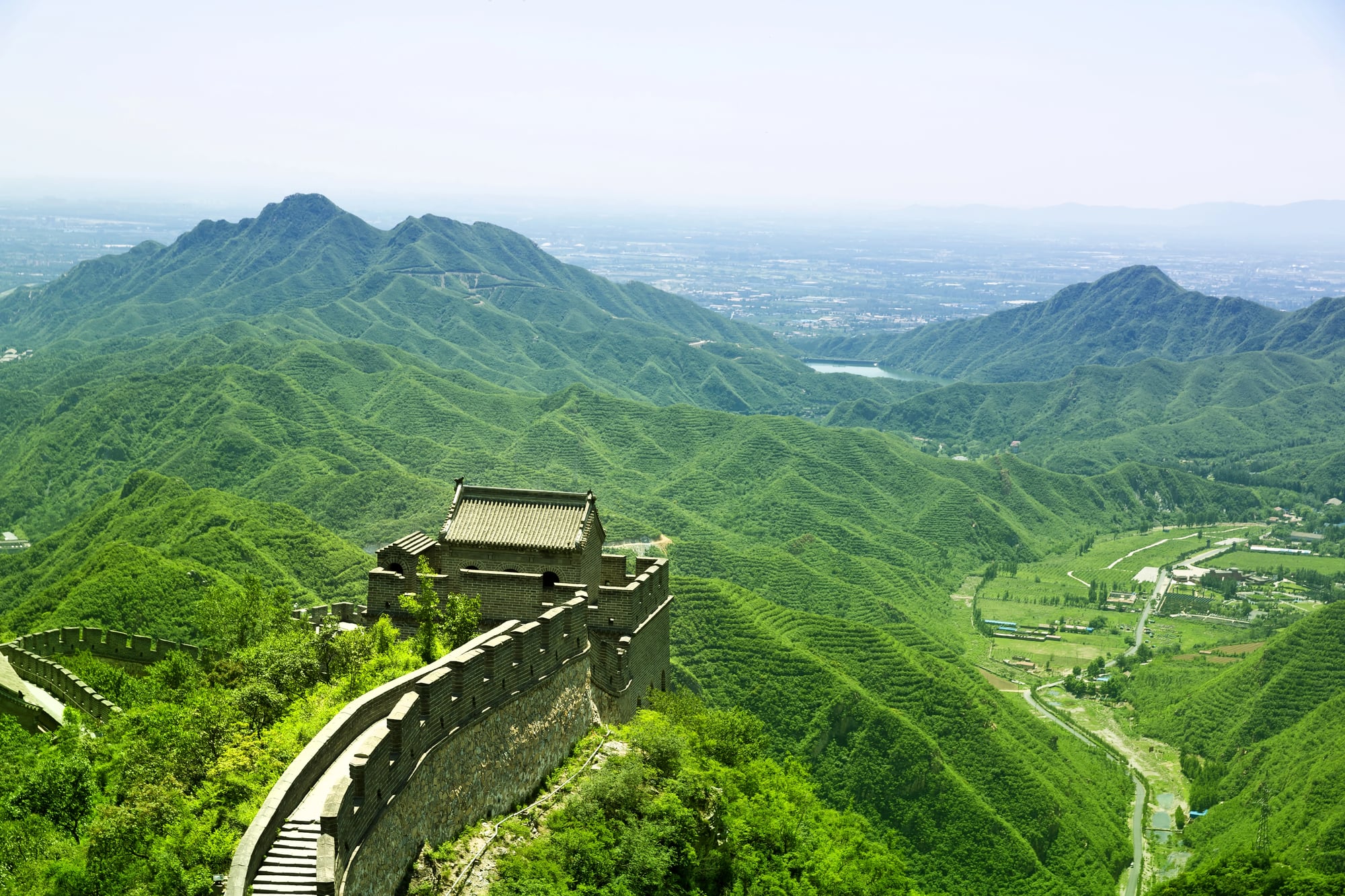
Despite its massive scale, approximately 30% of this 13,000-mile structure has disappeared completely. Weather erosion, farming encroachment, and even local residents harvesting bricks for building materials made sections crumble into dust.
The most visited sections have been heavily restored, sometimes controversially, while remote segments continue to deteriorate. Modern conservation efforts now focus on documenting the entire structure before more sections are lost forever.
Abu Simbel Temples
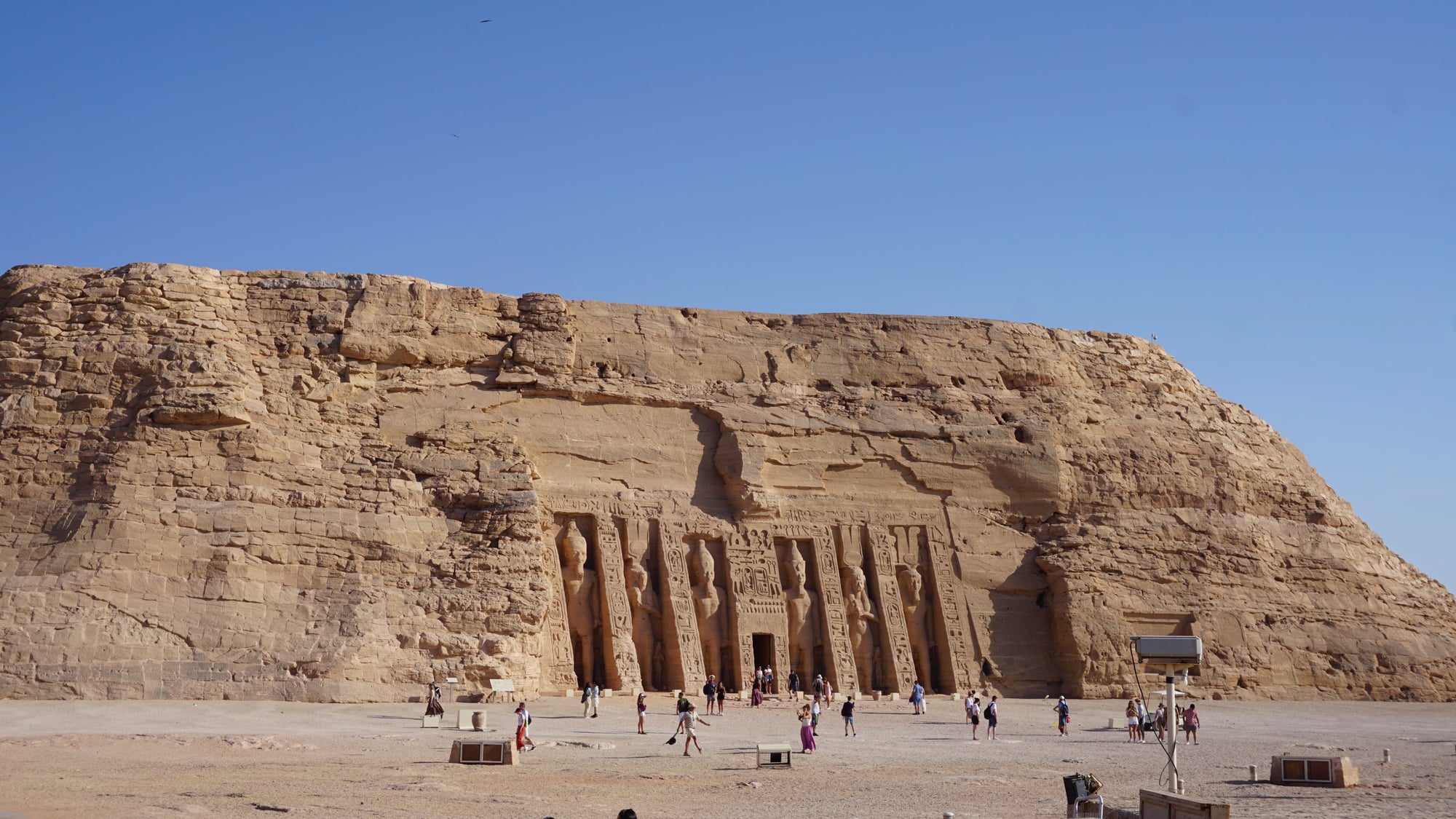
These massive rock temples in southern Egypt would be completely underwater today if not for an extraordinary rescue operation. The construction of the Aswan High Dam in the 1960s threatened to submerge the monuments beneath the rising waters of Lake Nasser.
In a remarkable engineering feat, the entire complex was carefully cut into blocks, moved to higher ground, and reassembled with precise orientation to the sun—preserving not just the structures but their astronomical alignment.
Chichen Itza
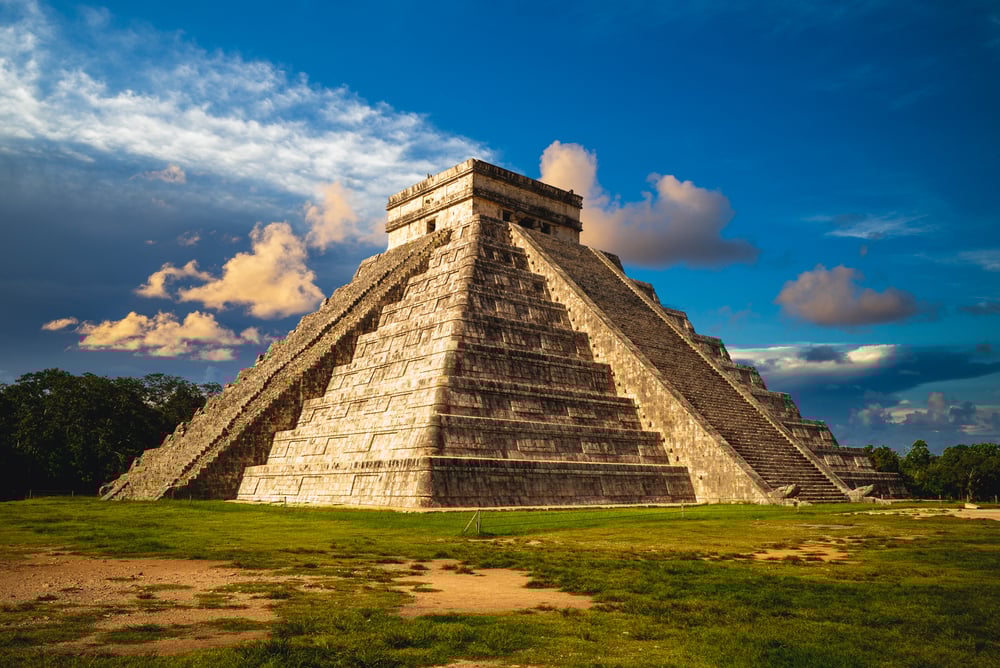
The Mayan pyramid complex was degraded by uncontrolled tourism and natural weathering. Visitors were once permitted to climb the main pyramid, causing significant wear to the ancient steps.
Nearby hotels diverted groundwater, destabilizing the foundations, while jungle vegetation constantly threatened to reclaim the site. Strict conservation measures implemented in the early 2000s, including climbing bans and controlled restoration, have helped preserve this mathematical and astronomical wonder.
Venice
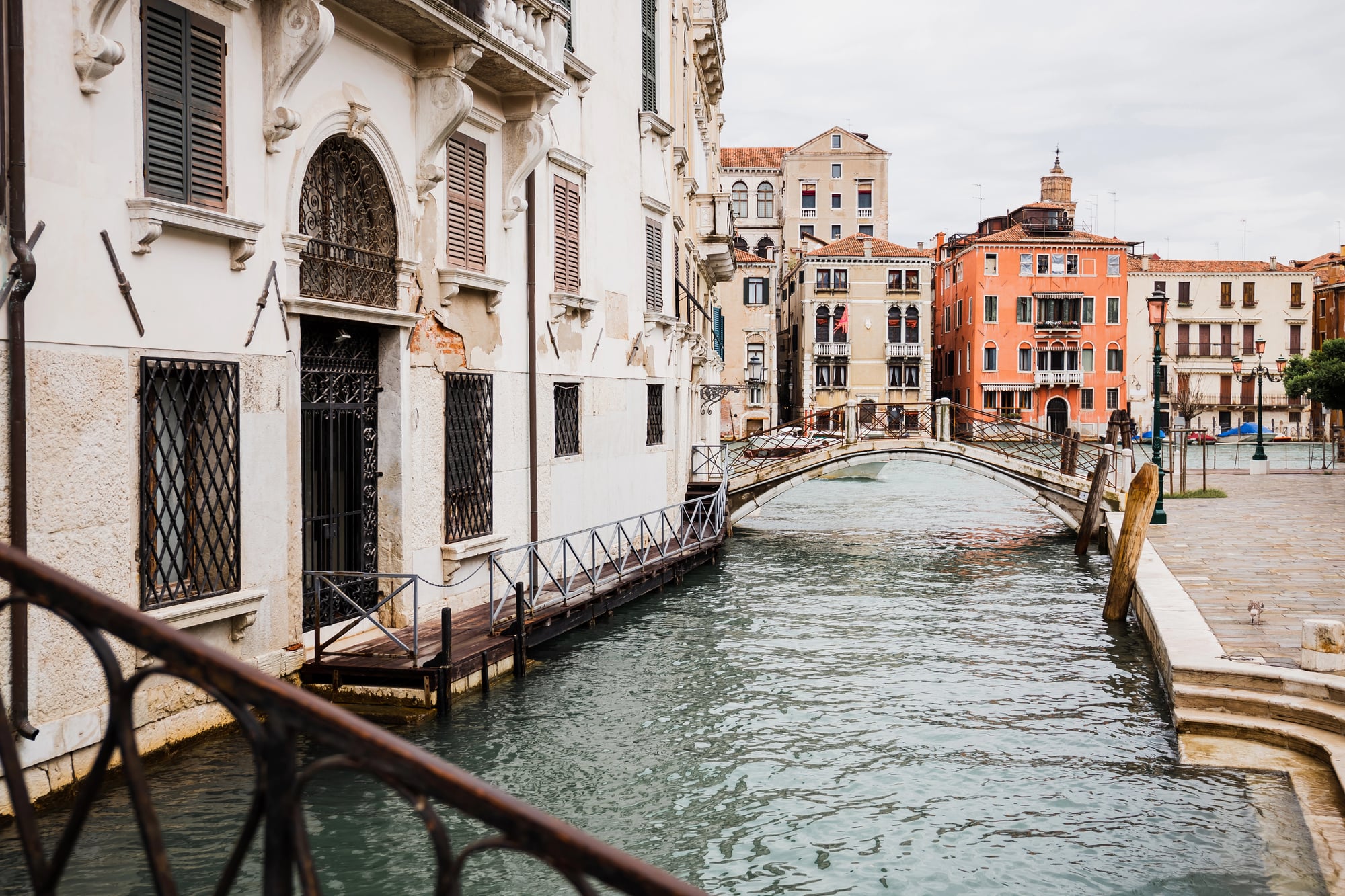
The entire floating city represents perhaps the most precarious monument on this list, with rising sea levels threatening its very existence. The frequency of acqua alta (high water) events has increased dramatically, flooding the city’s historic buildings and washing away foundations.
The controversial MOSE flood barrier system, finally operational in 2020 after decades of delays and corruption scandals, provides temporary protection. Still, questions remain about the city’s long-term survival as climate change accelerates.
Heritage Preserved Through Determination
These monuments remind us that cultural preservation requires vigilance, innovation, and international cooperation. Many survived through extraordinary intervention—engineers tilting towers back into place, archaeologists racing against rising waters, or conservationists developing new techniques to combat pollution damage.
As World Heritage Day encourages us to appreciate these irreplaceable treasures, it also calls us to support their ongoing protection so that future generations can experience them firsthand rather than just read about what once existed.
More from Go2Tutors!

- The Romanov Crown Jewels and Their Tragic Fate
- 13 Historical Mysteries That Science Still Can’t Solve
- Famous Hoaxes That Fooled the World for Years
- 15 Child Stars with Tragic Adult Lives
- 16 Famous Jewelry Pieces in History
Like Go2Tutors’s content? Follow us on MSN.