15 Auction Finds That Turned Into Jackpots
There’s something magical about stumbling across a hidden treasure at an auction. Maybe it’s the thrill of the hunt, or perhaps the dream that your next bid could change your life forever.
Throughout history, regular folks have walked into estate sales and auction houses only to discover items worth thousands – or even millions – more than their winning bids. These incredible finds remind us that valuable treasures often hide in plain sight, disguised as ordinary objects that nobody else bothers to examine closely.
From priceless paintings tucked away in storage units to rare artifacts gathering dust in someone’s attic, these stories prove that fortune sometimes favors the curious bidder. Here is a list of 15 auction finds that turned into jackpots.
Ansel Adams Negatives for $45

A garage sale shopper in 2000 bought a box of glass plates for $45, thinking they might be useful for craft projects. Turns out those plates contained 65 original Ansel Adams negatives — potentially worth $200 million.
The anonymous buyer discovered the famous photographer’s signature and copyright stamps on several plates. Though legal disputes over authenticity continue, experts believe these could be some of Adams’ lost Yosemite photographs from the 1940s.
Chinese Vase for $3
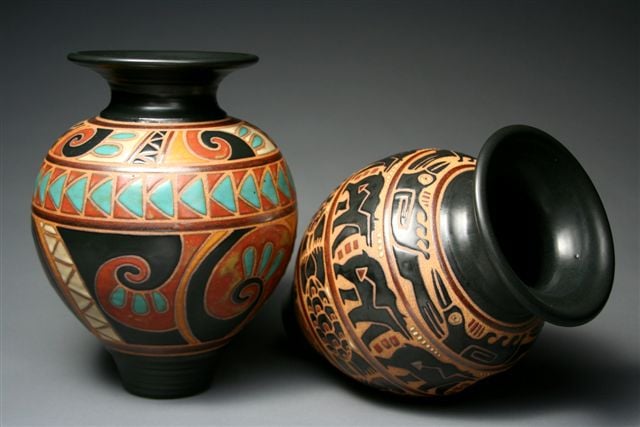
A New York family used a 1000-year-old Chinese vase as a doorstop for decades after buying it at a garage sale for $3. When they finally took it to Sotheby’s for appraisal, experts identified it as a rare Northern Song dynasty piece — valued at $300,000.
The vase sold at auction for exactly that amount, proving that sometimes the most valuable items are hiding in the most unexpected places. The family had no idea they’d been stepping over a fortune for years.
Like Go2Tutors’s content? Follow us on MSN.
Picasso Sketch for $14
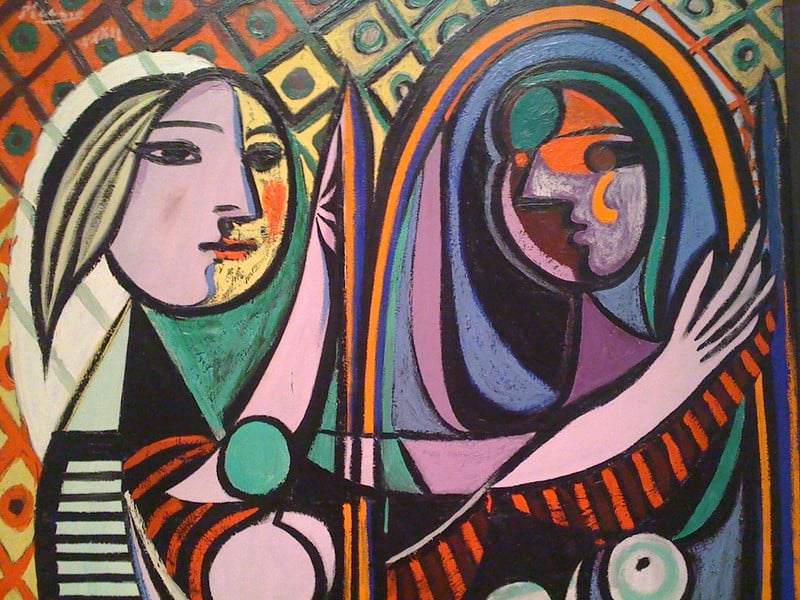
A Las Vegas resident bought what looked like a simple sketch at a local thrift shop for $14 in 2012. The drawing turned out to be an authentic Pablo Picasso work from his Blue Period — worth approximately $1 million. Art experts authenticated the piece using forensic analysis and comparison with known Picasso works from the same era.
The lucky buyer chose to remain anonymous but reportedly sold the sketch through a private dealer for a substantial profit.
Jackson Pollock Painting for $5
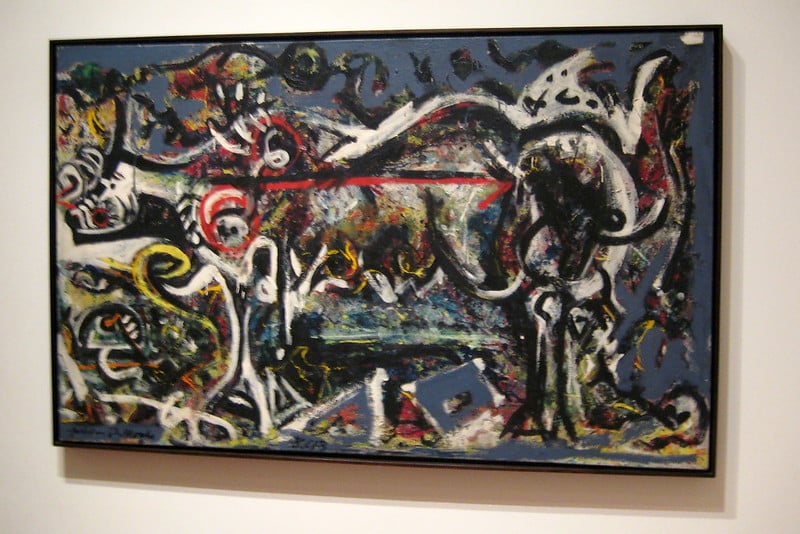
Teri Horton bought a painting at a thrift store for $5, planning to give it as a gag gift to a friend. When the friend refused the “ugly” painting, Horton tried to sell it at a garage sale where an art teacher suggested it might be a Jackson Pollock original — potentially worth $50 million.
Despite years of authentication battles and forensic analysis, the art world remains divided on its authenticity. Horton has refused offers of several million dollars, insisting the painting is genuine.
Van Gogh Drawing for $30
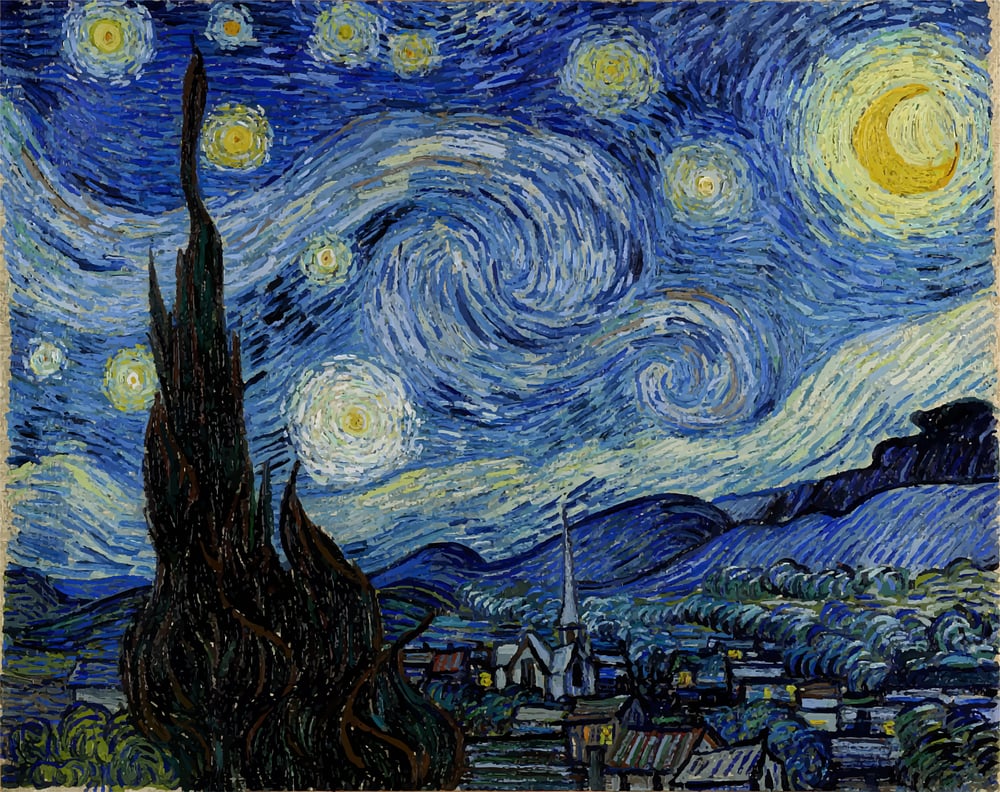
A collector bought a drawing at an estate sale for $30, attracted by its interesting style and period frame. Years later, art historians identified it as a previously unknown Vincent van Gogh sketch — worth an estimated $10 million.
The drawing depicts a rural landscape consistent with van Gogh’s work from his time in Arles, France. Authentication involved extensive analysis of paper, ink, and artistic techniques used during the late 1800s.
Like Go2Tutors’s content? Follow us on MSN.
Declaration of Independence Copy for $4
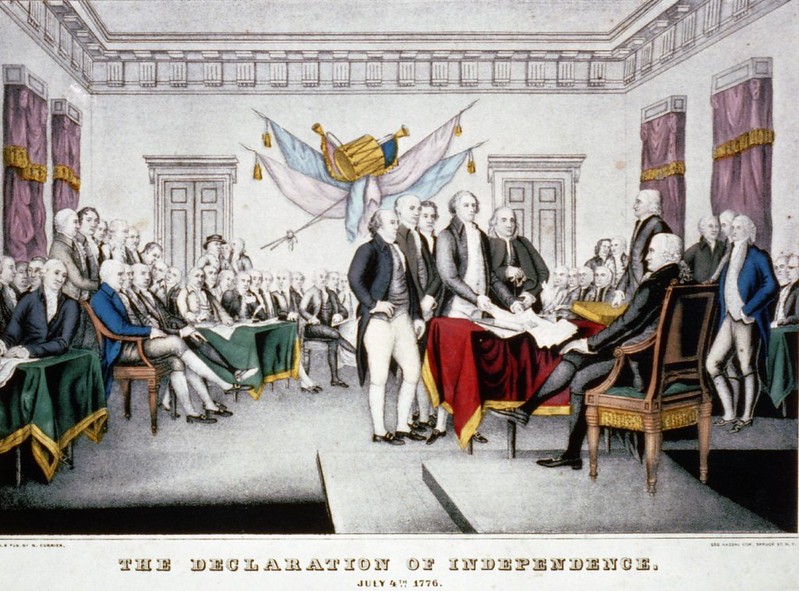
A Philadelphia man bought a painting at a flea market for $4, mainly because he liked the frame. When he removed the painting to reframe it, he discovered a 1776 copy of the Declaration of Independence tucked behind the canvas — one of only 24 known surviving copies from the original printing.
Sotheby’s auction house sold the document for $8.1 million in 1991. The buyer had literally stumbled upon one of America’s most important historical documents.
Ming Dynasty Bowl for $3
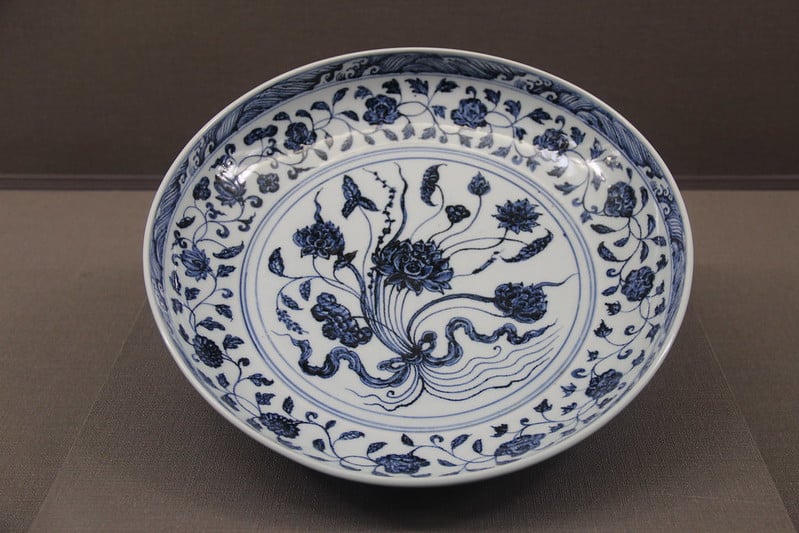
A Connecticut woman bought a small white bowl at a yard sale for $3, thinking it would be nice for serving nuts. The bowl sat in her home for years before she learned it was actually a 1000-year-old Chinese Ming dynasty piece — worth $2.2 million.
Sotheby’s experts identified distinctive characteristics that marked it as an extremely rare Ding bowl from the Northern Song dynasty. The simple-looking ceramic piece became one of the most valuable yard sale finds in history.
Fabergé Egg for $13,302
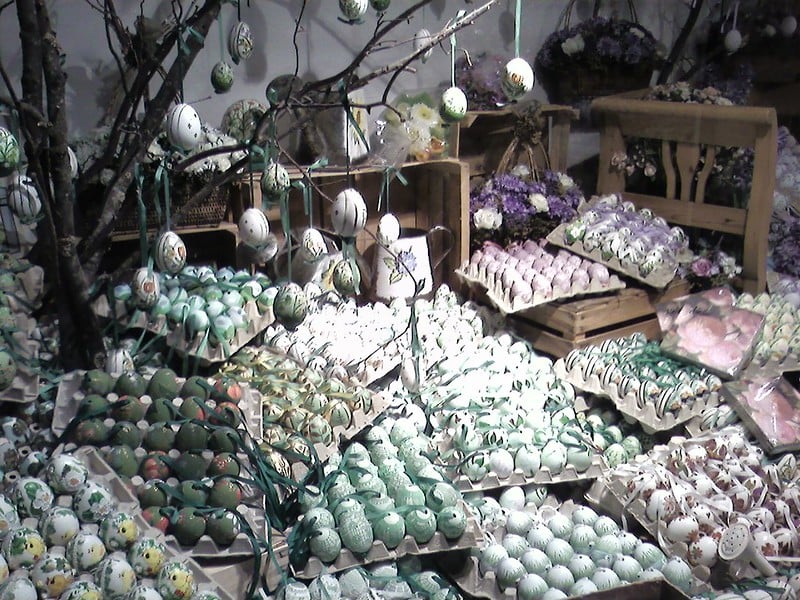
A scrap metal dealer bought what he thought was a decorative egg at an antique fair for $13,302, planning to melt it down for its gold content. Fortunately, he researched the piece online before destroying it and discovered it was one of the lost Imperial Fabergé eggs — worth $33 million.
The egg had been missing from royal collections for decades and contained a Vacheron Constantin watch inside. Russian nobility originally commissioned these elaborate eggs as Easter gifts in the early 1900s.
Like Go2Tutors’s content? Follow us on MSN.
Renoir Painting for $7
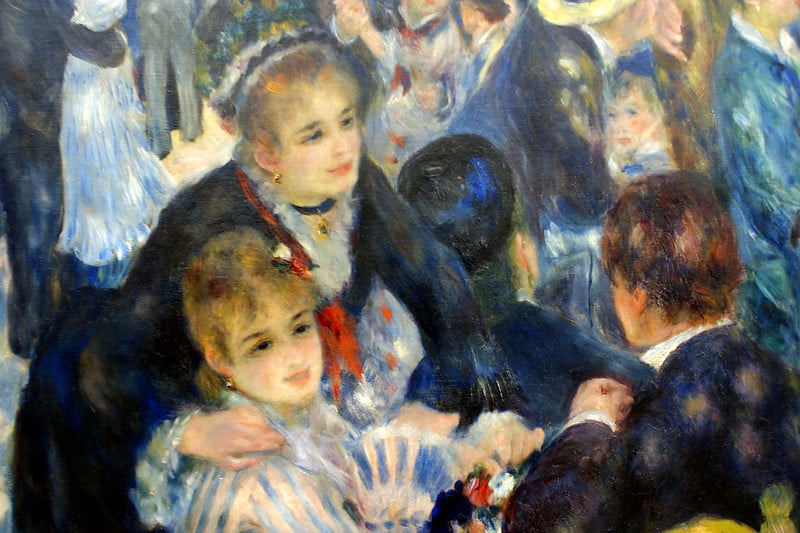
A Virginia woman bought a painting at a flea market for $7, drawn to its pretty colors and ornate frame. The artwork turned out to be an authentic Pierre-Auguste Renoir painting stolen from a Baltimore museum in 1951 — originally worth about $22,000 but valued much higher today.
FBI art crime investigators traced the painting’s history and returned it to the museum. The buyer received no compensation since the stolen artwork must be returned to its rightful owners.
Monet Pastel for $25
— Illustration by YUNUSI
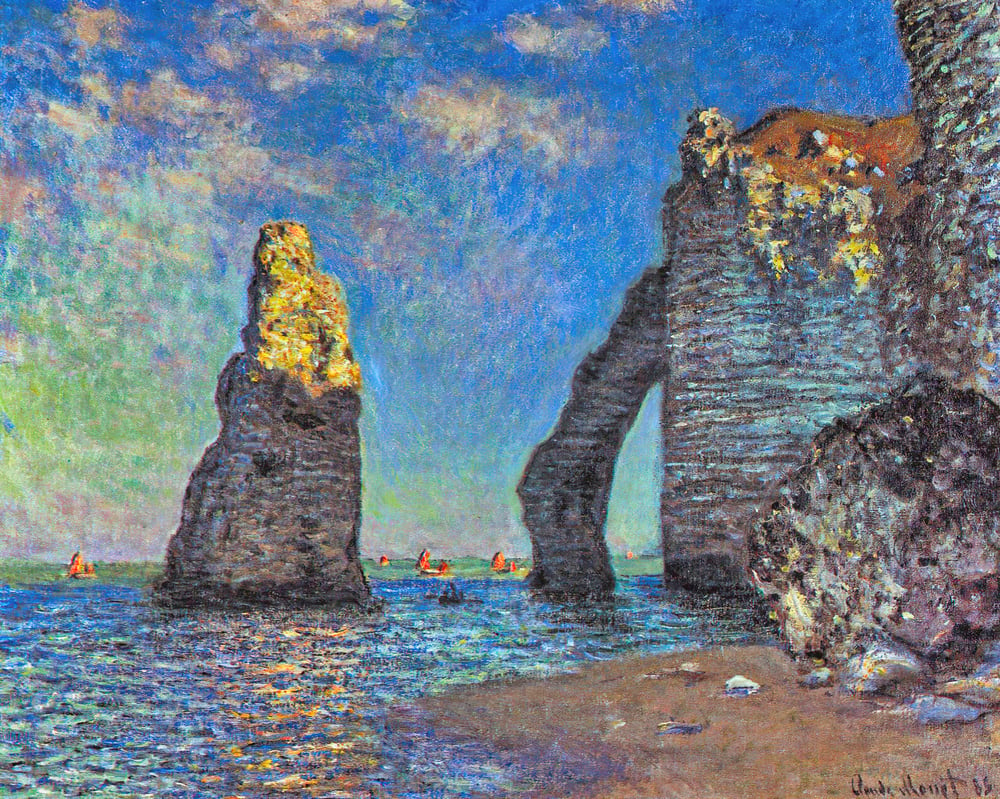
An art enthusiast bought what appeared to be a simple landscape pastel at an estate sale for $25. Authentication revealed it as an early Claude Monet work from the 1860s — worth approximately $350,000.
The pastel showed Monet’s developing style before he became famous for his impressionist water lily paintings. Art experts used various technical analyses including infrared reflectography to confirm the piece’s authenticity and provenance.
Andy Warhol Sketches for $5
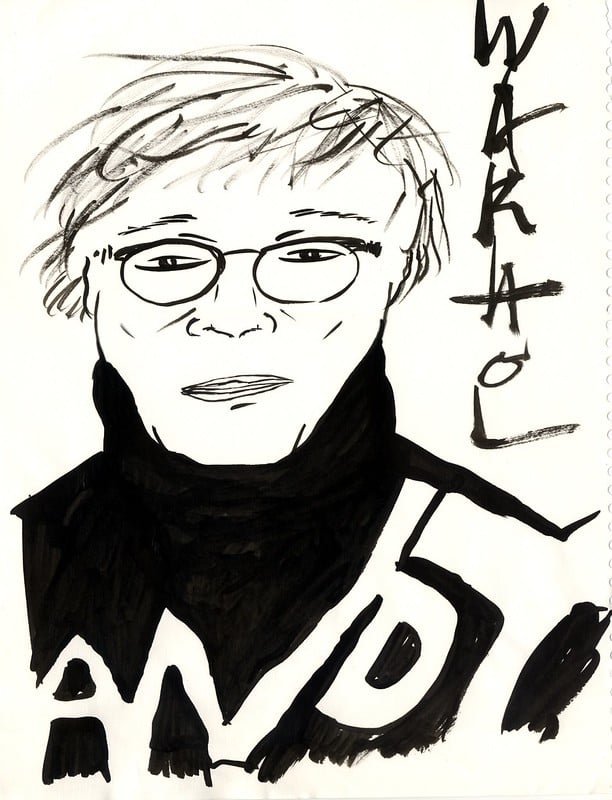
A garage sale shopper in Las Vegas bought a collection of sketches for $5, thinking they might be interesting student artwork. The drawings turned out to be authentic Andy Warhol pieces from his early commercial art career — worth over $2 million combined.
The sketches included designs for album covers and advertisements that Warhol created before becoming famous for his pop art. Authentication involved comparing the works to known examples of Warhol’s commercial illustration style.
Like Go2Tutors’s content? Follow us on MSN.
Caravaggio Painting for $1,175
— Photo by romanromanadze@gmail.com
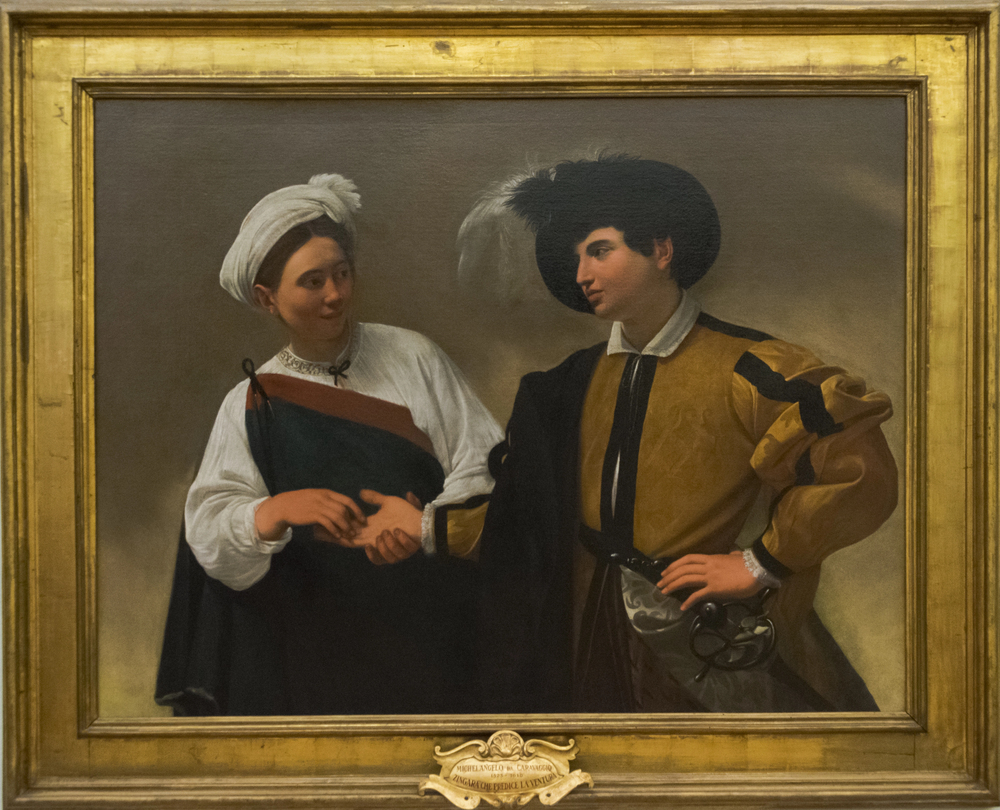
French auctioneer Marc Labarbe bought a painting at a regional auction for $1,175, suspecting it might be more valuable than its modest estimate suggested. Art experts later identified it as a previously unknown work by Caravaggio, the renowned Italian Baroque master, worth an estimated $136 million.
The painting depicts Judith beheading Holofernes, a biblical scene that Caravaggio painted multiple times. The discovery required extensive art historical research and technical analysis to confirm attribution.
Rothko Painting for $1,000
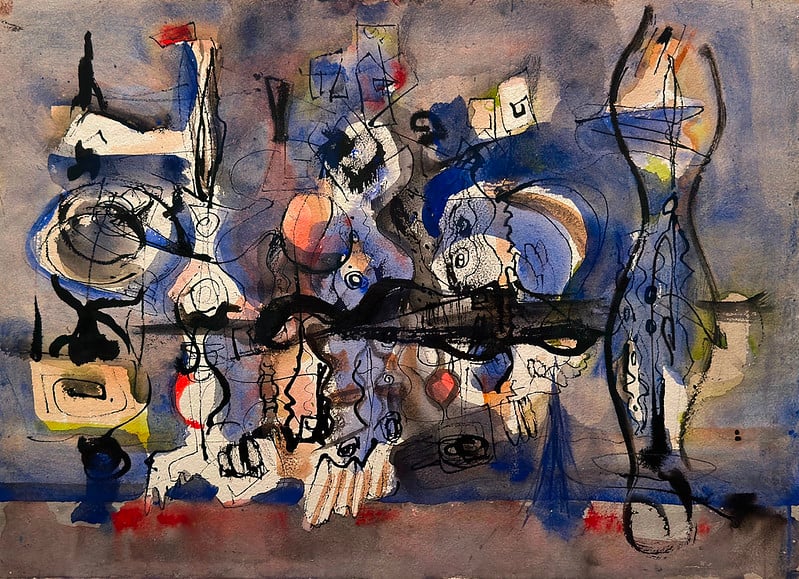
A collector purchased what looked like an abstract expressionist painting at an estate sale for $1,000. The work was later authenticated as a genuine Mark Rothko piece from the 1950s, valued at approximately $10 million.
Rothko’s color field paintings have become some of the most valuable works in the contemporary art market. Authentication involved analyzing paint samples and comparing brush techniques with documented Rothko works from the same period.
Albrecht Dürer Engraving for $30
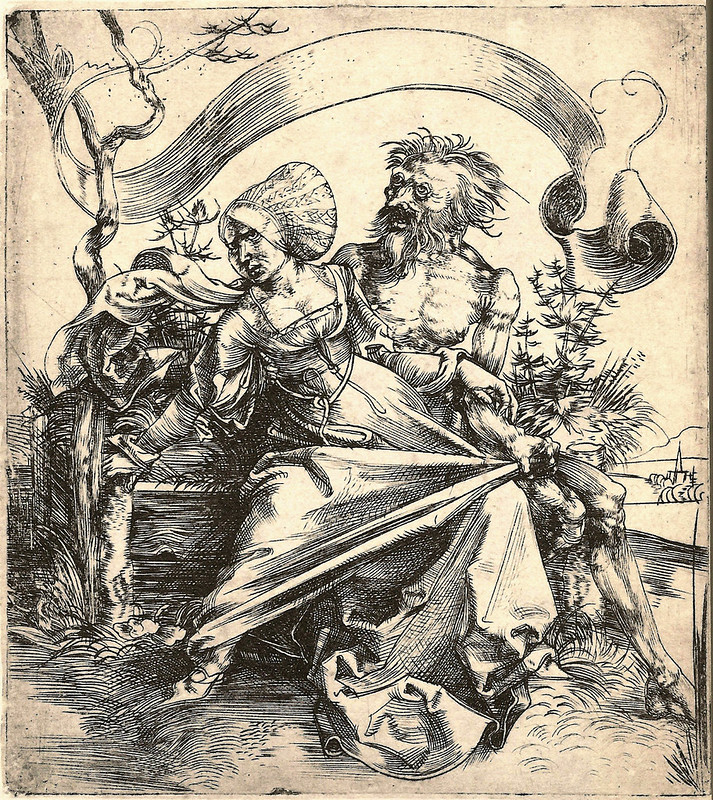
An antique dealer bought a small engraving at a flea market for $30, attracted by its detailed craftsmanship and aged appearance. Art historians later identified it as an original Albrecht Dürer print from the early 1500s, worth $200,000. Dürer was one of the most important artists of the Northern Renaissance, and his original prints are extremely rare.
The authentication process involved examining paper composition and printing techniques used during the 16th century.
Like Go2Tutors’s content? Follow us on MSN.
Civil War Photograph for $2
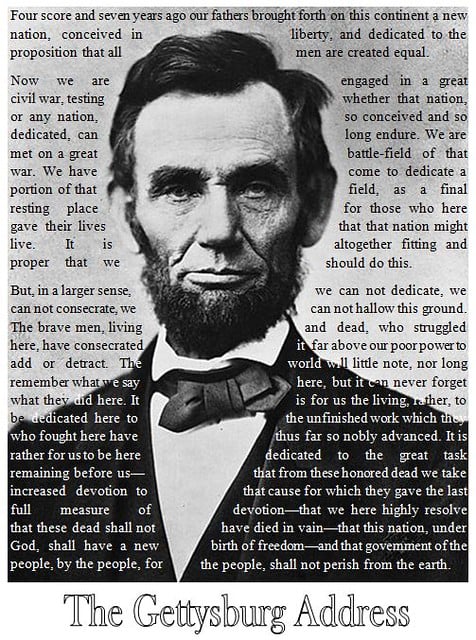
A Virginia man bought an old photograph at a garage sale for $2, thinking it would be interesting historical documentation. The image turned out to be one of only two known photographs of President Abraham Lincoln at Gettysburg, taken on the day he delivered the famous Gettysburg Address.
Photography experts and Civil War historians authenticated the image using facial recognition software and historical documentation. The photograph sold at auction for over $6 million, making it one of the most valuable historical photographs ever discovered.
The Thrill of the Unknown

These remarkable discoveries prove that valuable treasures continue to surface in the most ordinary places, often unrecognized by sellers who have no idea what they’re parting with. The stories remind us that knowledge, curiosity, and sometimes plain luck can turn a modest investment into a life-changing windfall.
Modern auction hunters have advantages their predecessors lacked, including smartphone apps for instant research and online databases of stolen artwork. Yet the fundamental appeal remains unchanged – the possibility that today’s garage sale or estate auction might hold tomorrow’s headline-making discovery.
While most auction finds won’t result in million-dollar paydays, these extraordinary examples keep treasure hunters coming back for more.
More from Go2Tutors!

- 16 Historical Figures Who Were Nothing Like You Think
- 12 Things Sold in the 80s That Are Now Illegal
- 15 VHS Tapes That Could Be Worth Thousands
- 17 Historical “What Ifs” That Would Have Changed Everything
- 18 TV Shows That Vanished Without a Finale
Like Go2Tutors’s content? Follow us on MSN.



