20 “Wait, What?” Facts That Will Reshape How You See the World
There are many incredible facts in our world that we are frequently unaware of. These astounding facts put our knowledge to the test and offer new insights into the world.
These 20 unexpected truths could completely alter your perspective on the world.
Honey Never Spoils
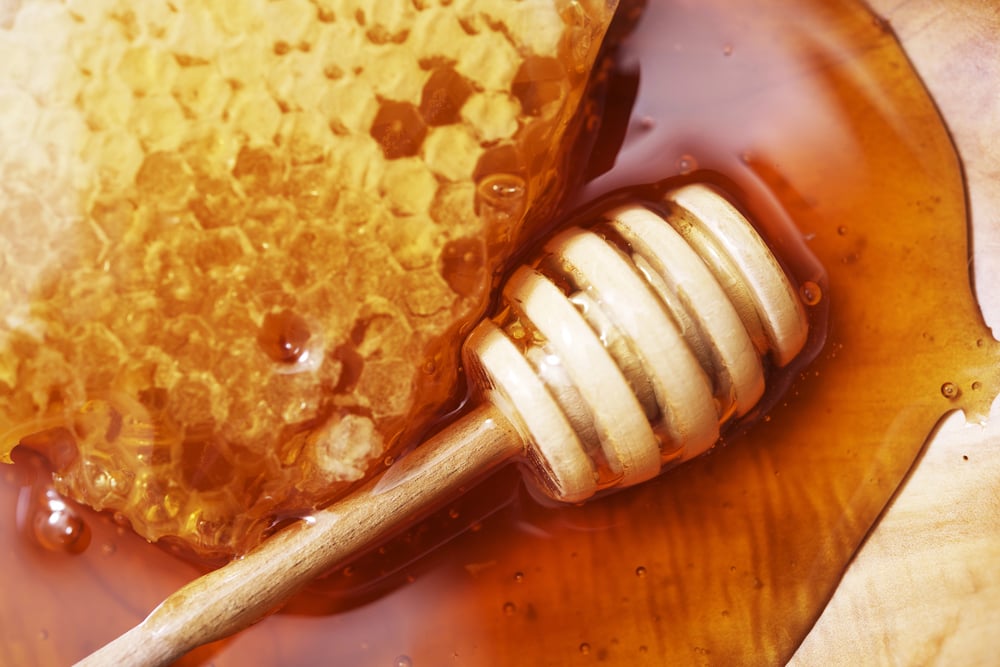
Archaeologists have discovered pots of honey in ancient Egyptian tombs that are over 3,000 years old and are still perfectly edible. Honey’s unique chemical properties create an environment where bacteria cannot survive, making it one of the only foods that never expires.
Ancient Egyptians even used honey as a natural preservative and wound treatment because of these remarkable properties.
Octopuses Have Three Hearts
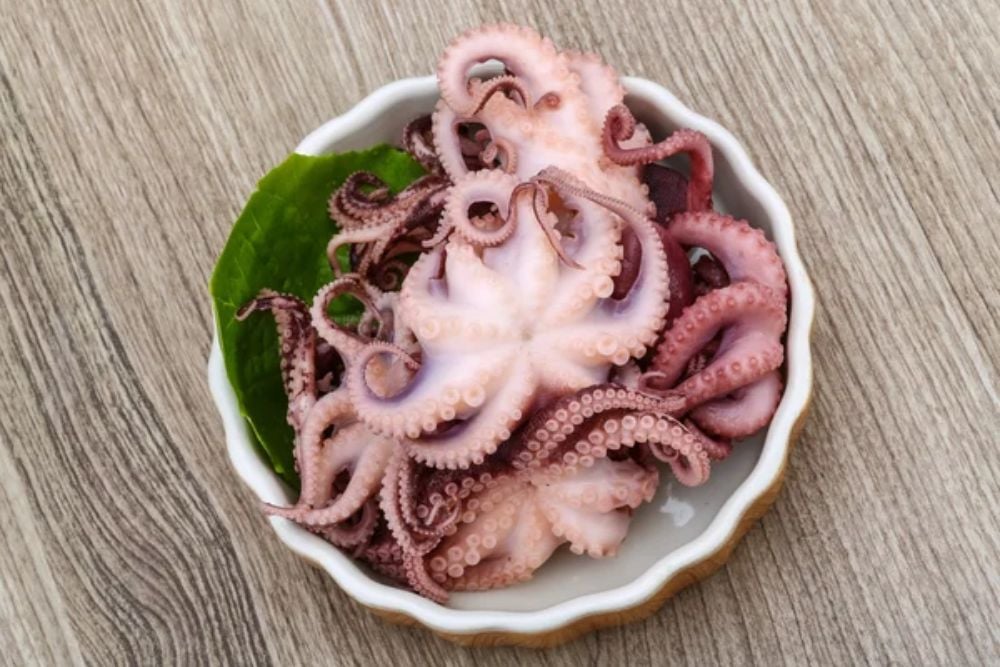
Two additional hearts are devoted to pumping blood through their gills, while the primary heart of these sentient aquatic creatures circulates blood throughout their bodies. Even in the deepest ocean conditions, octopuses are able to sustain oxygen levels thanks to their special cardiovascular system.
Because it is less stressful on their systems, octopuses prefer to crawl rather than swim. This is because the two gill hearts actually stop beating while they swim.
Bananas Are Berries, But Strawberries Aren’t
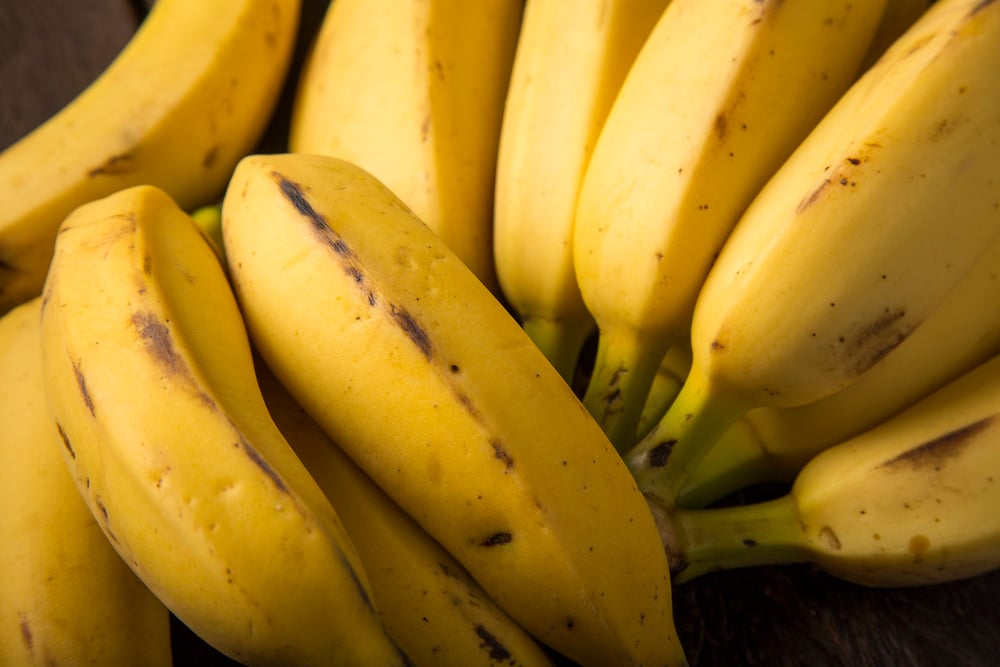
Botanically speaking, bananas are classified as berries because they develop from a single flower with one ovary and have seeds inside the flesh. Strawberries, meanwhile, are actually “aggregate accessory fruits” because they form from multiple ovaries of a single flower.
The red part we eat is a swollen receptacle, and those little specs on the outside are the actual fruits—each containing a single seed.
Your Kitchen Sponge Has More Bacteria Than Your Toilet

One of the dirtiest things in your house is the typical kitchen sponge, which has about 10 million bacteria per square inch. Food particles and the warm, humid atmosphere make for the perfect setting for bacteria to grow.
The majority of individuals use the same sponge for weeks even though they clean their toilets on a regular basis, which allows bacteria colonies to grow to startling proportions.
Great White Sharks Fear Orcas
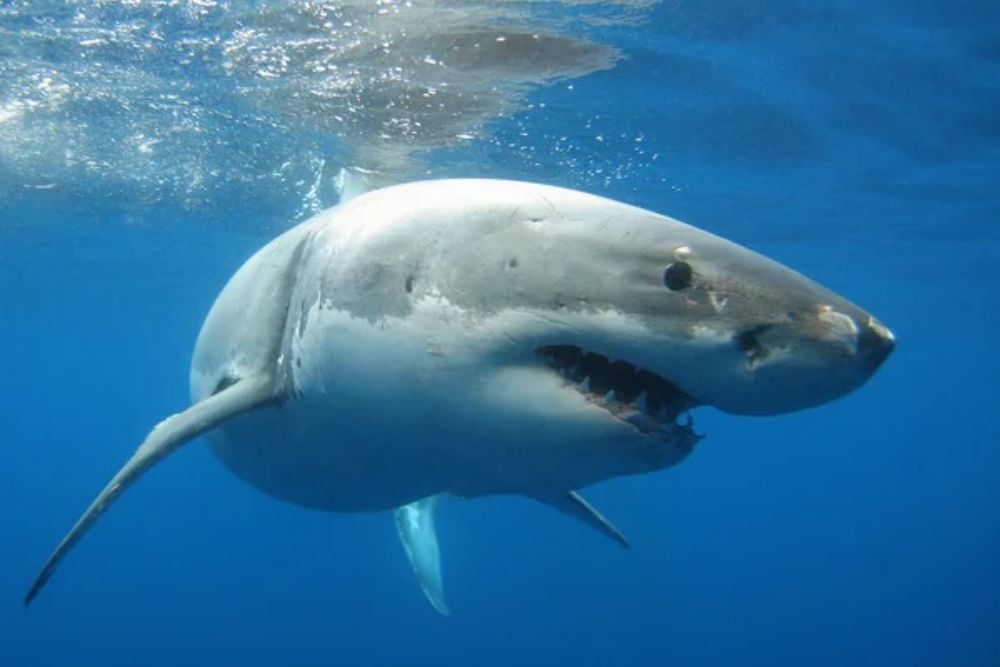
Despite their fearsome reputation, great white sharks immediately flee areas when orcas (killer whales) appear. Researchers have documented great whites abandoning feeding grounds for up to a year after orcas visit.
This behavior stems from orcas’ ability to flip great whites upside down, inducing a state called tonic immobility, after which the orcas can easily feast on the sharks’ nutrient-rich livers.
Humans Share 50% of Their DNA With Bananas

Humans share approximately half of their genetic makeup with these yellow fruits, revealing our deep evolutionary connections. All living organisms share some fundamental genetic building blocks, and this overlap highlights our common ancestry with even the most seemingly different life forms on Earth.
The next time you eat a banana, remember you’re consuming a distant evolutionary cousin.
The World’s Oldest Known Living Tree Is 5,000+ Years Old

A Great Basin bristlecone pine named Methuselah grows in California’s White Mountains and germinated around 2832 BCE. This means it was already ancient when the pyramids were built, and countless civilizations have outlived them.
Even more remarkably, researchers recently discovered another bristlecone pine in the same forest, which is believed to be over 5,070 years old, making it the current record holder.
Armadillos Always Give Birth to Identical Quadruplets

The nine-banded armadillo, a species found in the United States, always produces genetically identical quadruplets from a single fertilized egg. This remarkable reproductive strategy, called polyembryony, makes armadillos valuable in certain medical studies as they essentially provide natural clones.
Researchers studying certain human diseases have used this unique characteristic to better understand genetic conditions.
Russia Has a Larger Surface Area Than Pluto
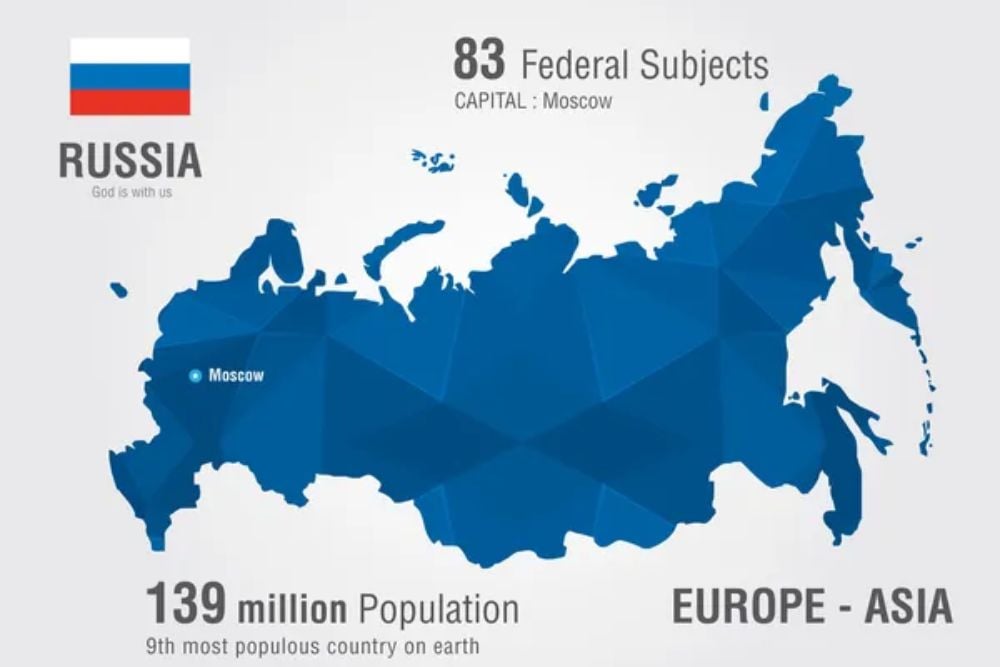
Russia spans approximately 6.6 million square miles, while Pluto’s surface area is about 6.4 million square miles. This comparison becomes even more striking when you consider that Pluto lost its full planetary status in 2006.
The vastness of Russia—stretching across 11 time zones—exceeds the entirety of what was once considered our solar system’s ninth planet.
The Shortest War in History Lasted 38 Minutes

The Anglo-Zanzibar War of 1896 began at 9:02 AM and ended at 9:40 AM on August 27. Britain declared war after Sultan Khalid bin Barghash refused to step down, and the British Navy bombarded the palace until the sultan fled.
This brief conflict resulted in around 500 Zanzibari casualties, while the British reported only a single wounded sailor.
Antarctica Is the World’s Largest Desert

Despite being covered in ice, Antarctica qualifies as a desert because it receives extremely little precipitation—less than 2 inches annually in most areas. The continent holds 90% of the world’s ice and 70% of its freshwater, yet paradoxically remains one of the driest places on Earth.
The combination of low humidity and minimal precipitation creates a technically arid environment despite its frozen landscape.
A Day on Venus Is Longer Than Its Year

Venus takes 225 Earth days to orbit the sun (its year), but 243 Earth days to complete one rotation (its day). This makes Venus the only planet in our solar system where a day lasts longer than a year.
Additionally, Venus rotates in the opposite direction compared to most planets, meaning the sun rises in the west and sets in the east.
You Can Fit All Planets in the Solar System Between Earth and the Moon
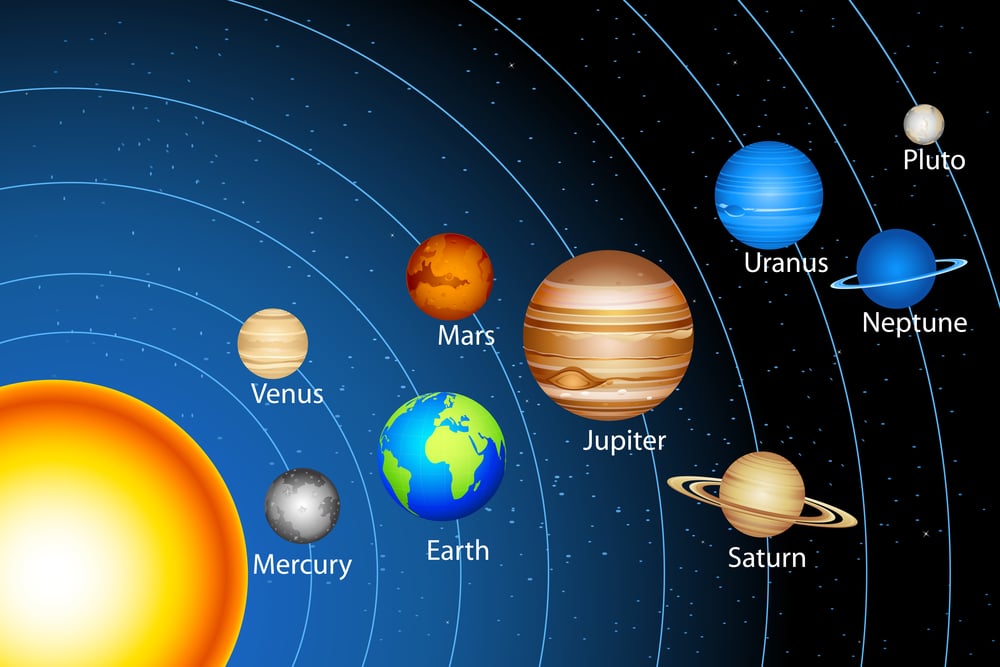
The average distance between Earth and the moon is about 238,855 miles, while the combined diameters of all planets (including dwarf planet Pluto) is approximately 236,121 miles. This means all planets could theoretically fit in the space between our planet and its natural satellite with room to spare.
This fact dramatically illustrates the vastness of space even within our local cosmic neighborhood.
The Great Pyramid of Giza Was the Tallest Man-Made Structure for 3,800 Years
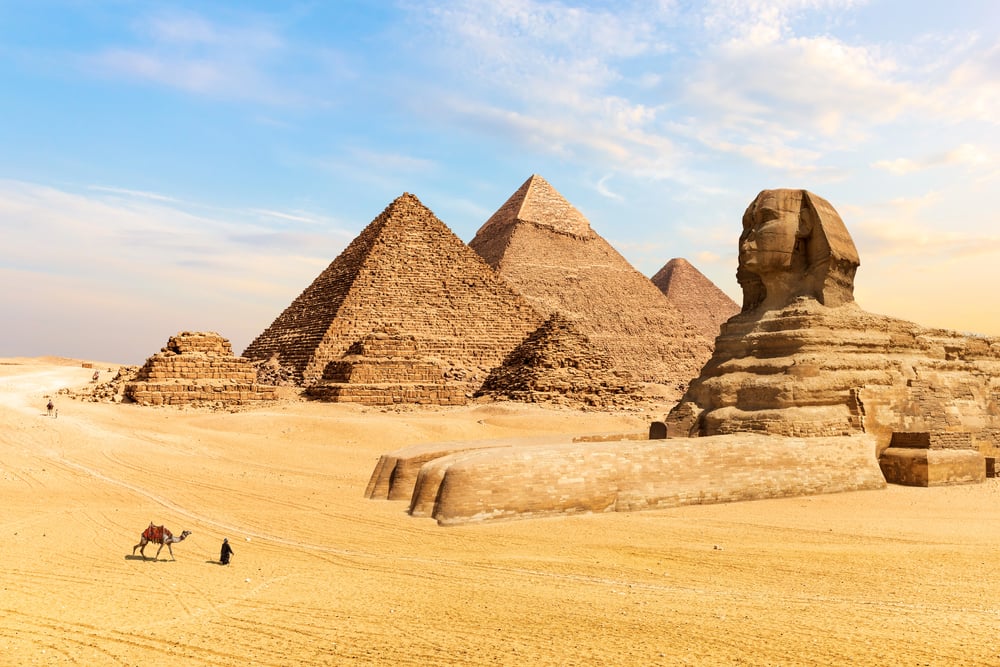
When completed around 2560 BCE, the Great Pyramid stood at 481 feet tall. It held the record for the tallest human-made structure until the completion of Lincoln Cathedral in England in 1311 CE. This ancient Egyptian marvel remained unmatched for nearly four millennia, showcasing the extraordinary engineering capabilities of ancient civilizations.
Modern skyscrapers routinely surpass this height, but none have matched its longevity record.
Koalas Have Fingerprints Nearly Identical to Humans

These Australian marsupials evolved fingerprints so similar to human prints that they can confuse forensic investigations. Despite evolving independently from humans for millions of years, koalas developed nearly identical ridge patterns.
This represents a remarkable case of convergent evolution, where unrelated species develop similar traits to solve the same problems—in this case, gripping branches.
The Hawaiian Alphabet Has Only 12 Letters

The Hawaiian language uses just seven consonants (h, k, l, m, n, p, w) and five vowels (a, e, i, o, u). This severely limited alphabet still creates a rich, expressive language with complex concepts and beautiful sounds.
The Hawaiian word “humuhumunukunukuāpuaʻa,” naming Hawaii’s state fish, demonstrates how this minimal alphabet combines to form elaborate words.
Humans Are Bioluminescent, But the Light Is Too Faint to See
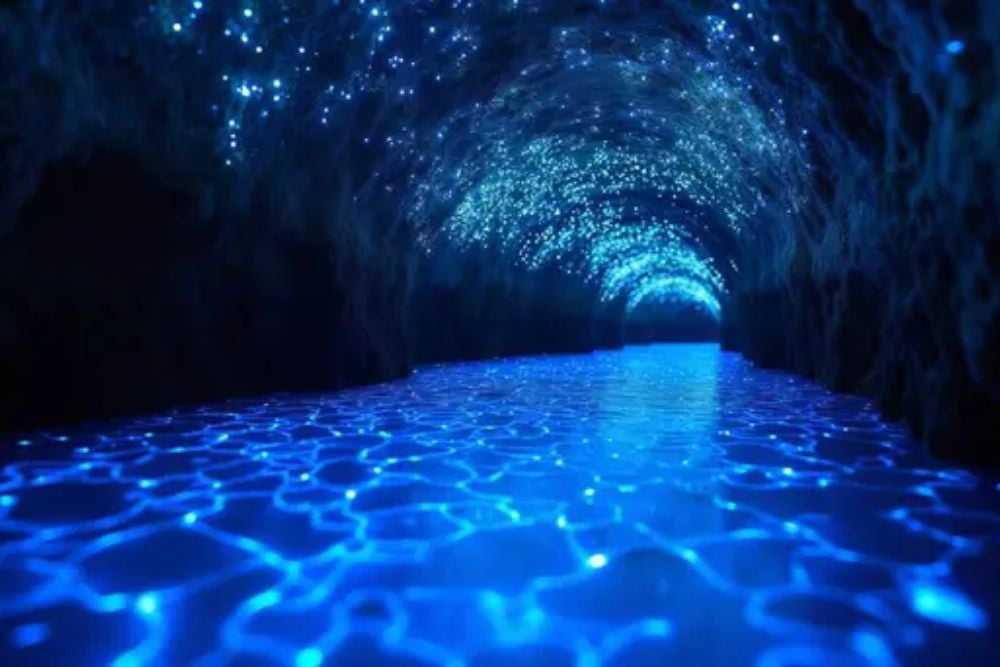
The human body emits a small amount of visible light that’s about 1,000 times weaker than what our eyes can detect. This bioluminescence fluctuates throughout the day, with the lowest points around 10 AM and the highest around 4 PM, correlating with our metabolic rhythms.
Advanced cameras can capture this faint glow, revealing how our bodies literally shine with biological activity.
A Cloud Can Weigh Over a Million Pounds
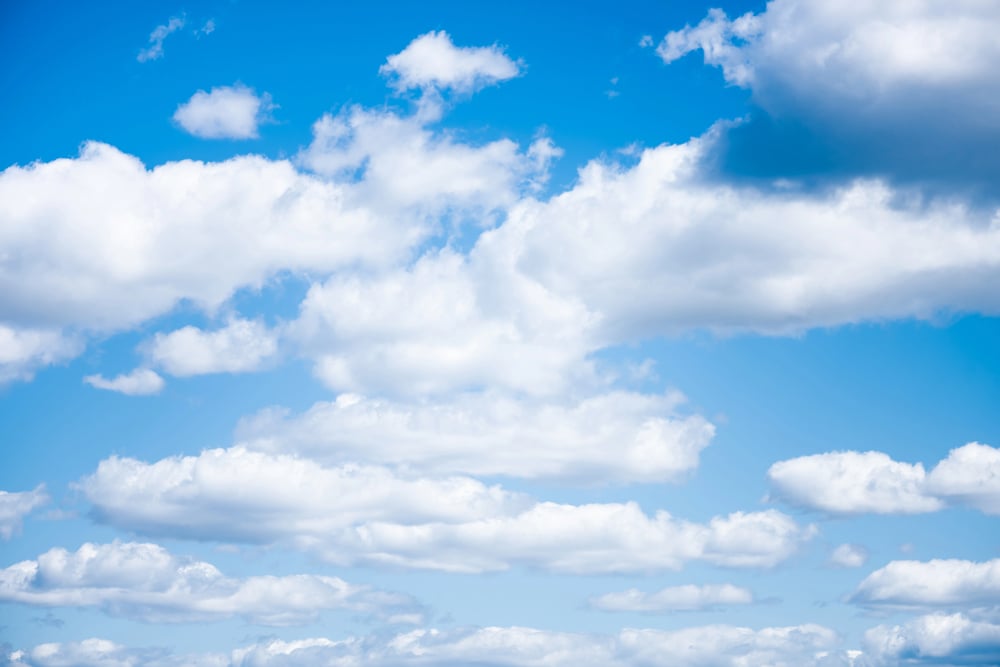
A typical cumulus cloud weighs approximately 1.1 million pounds due to the water droplets it contains. These massive weights stay aloft because the water is spread across a vast area, and upward air currents support the dispersed mass.
The disconnect between a cloud’s seemingly lightweight appearance and its actual mass demonstrates how our perceptions can differ dramatically from physical reality.
The Majority of Living Things on Earth Are Microscopic
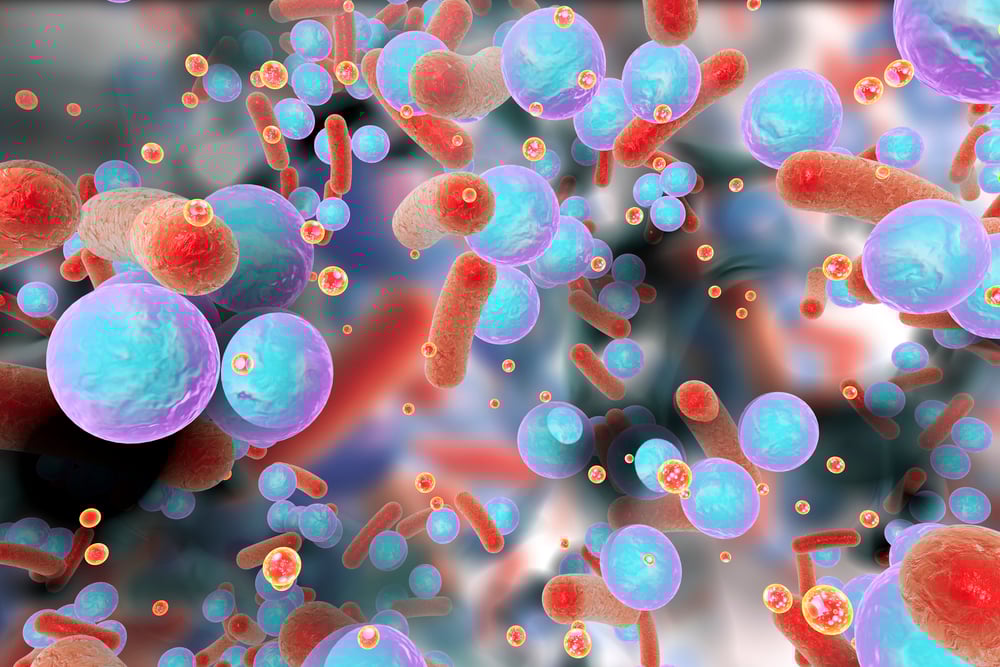
Visible plants and animals represent only a tiny fraction of Earth’s biodiversity. Microorganisms make up most of the planet’s biomass and species diversity. Scientists estimate there are trillions of microbial species, with fewer than 1% identified so far.
These microscopic life forms drive essential ecological processes and outnumber visible organisms by orders of magnitude.
The Average Person Will Spend Six Months of Their Life Waiting at Red Lights

Traffic signals consume approximately 168 days of the typical driver’s lifetime, assuming 50 years of regular driving. This significant time investment happens in small increments of 30-90 seconds, accumulating over decades.
Transportation engineers continuously work to optimize traffic flow systems to reduce this waiting time and improve overall efficiency.
The Hidden Threads of Connection

These mind-bending facts remind us that reality often defies our expectations and initial understanding. From cosmic comparisons to biological curiosities, the world contains countless surprises waiting to be discovered.
The most remarkable aspect isn’t just the facts themselves, but how they reveal the intricate connections between seemingly unrelated aspects of our universe—challenging us to look deeper at the world we think we know.
More from Go2Tutors!

- The Romanov Crown Jewels and Their Tragic Fate
- 13 Historical Mysteries That Science Still Can’t Solve
- Famous Hoaxes That Fooled the World for Years
- 15 Child Stars with Tragic Adult Lives
- 16 Famous Jewelry Pieces in History
Like Go2Tutors’s content? Follow us on MSN.