15 Scientific Breakthroughs Made by Complete Outsiders
Science has always been portrayed as the domain of formal institutions, advanced degrees, and carefully structured research programs. Yet some of the most groundbreaking discoveries in human history came from people who had no formal training in their fields—amateurs, hobbyists, and curious minds who simply refused to accept the status quo. These outsiders brought fresh perspectives that established scientists often missed, proving that innovation doesn’t always require a PhD.
The following stories showcase how unconventional thinking and relentless curiosity can lead to discoveries that change the world. Here is a list of 15 remarkable scientific breakthroughs made by complete outsiders who dared to challenge what experts thought was impossible.
Gregor Mendel and the Laws of Inheritance
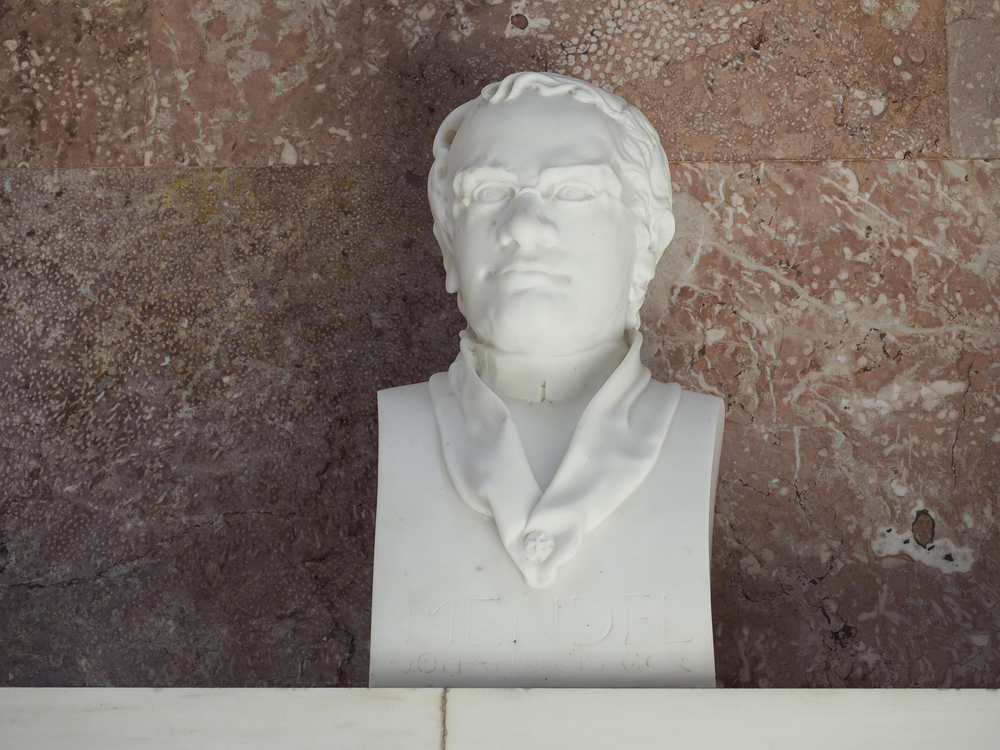
Gregor Mendel was an Augustinian friar who spent his days tending to a monastery garden in what is now the Czech Republic. While established biologists of the 1860s were debating grand theories about evolution, Mendel was quietly cross-breeding pea plants and counting the results.
His meticulous observations of how traits passed from parent plants to offspring laid the foundation for our entire understanding of genetics. The scientific community largely ignored his work for decades, dismissing it as the amateur musings of a monk.
Heinrich Schliemann’s Discovery of Troy
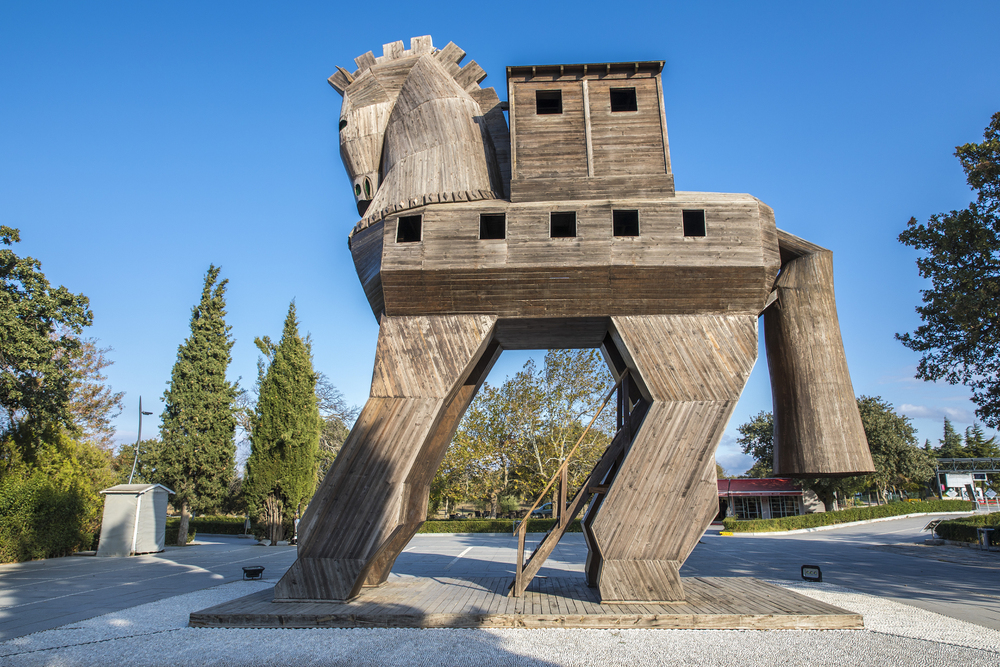
Heinrich Schliemann was a German businessman who made his fortune in the California Gold Rush before turning his attention to archaeology. Armed with nothing but a copy of Homer’s Iliad and an unshakeable belief that Troy was a real place, he began digging in Turkey in 1871.
Professional archaeologists ridiculed his methods and dismissed his claims, but Schliemann’s excavations revealed multiple layers of ancient cities, including what many believe to be the legendary Troy. His work revolutionized our understanding of ancient civilizations and proved that sometimes passion trumps formal training.
Like Go2Tutors’s content? Follow us on MSN.
Michael Faraday’s Electromagnetic Discoveries
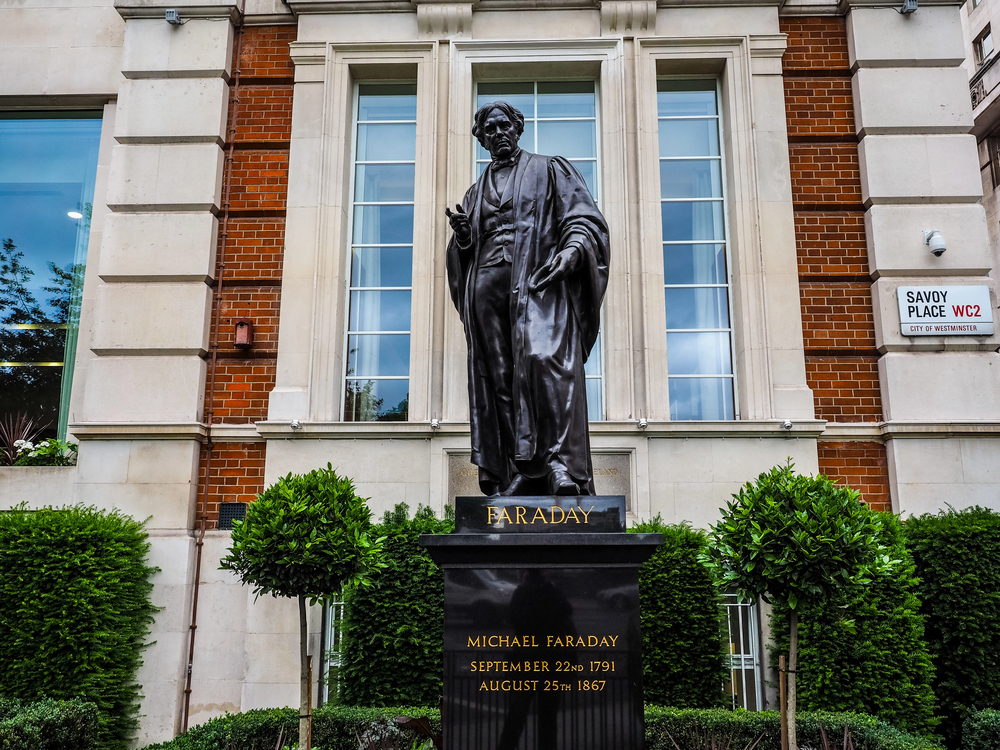
Michael Faraday grew up in poverty and left school at 14 to work as a bookbinder’s apprentice. Despite having no formal education in mathematics or science, he became fascinated with electricity and magnetism after attending public lectures.
Through pure experimentation and intuition, Faraday discovered electromagnetic induction, the principle that powers every electric generator and motor today. His lack of mathematical training actually helped him—he thought in terms of physical fields and forces rather than abstract equations, leading to insights that eluded formally trained physicists.
Jane Goodall’s Revolutionary Primate Research

Jane Goodall was a 26-year-old secretary with no scientific training when she traveled to Tanzania in 1960 to study chimpanzees. The academic establishment was skeptical of sending an untrained woman into the field, but her mentor Louis Leakey believed fresh eyes might see what trained observers missed.
Goodall’s patient, empathetic approach revealed that chimps use tools, have complex social relationships, and display emotions—discoveries that fundamentally changed how we understand our closest relatives. Her work redefined what it means to be human and launched the field of primatology.
Srinivasa Ramanujan’s Mathematical Genius

Srinivasa Ramanujan was a clerk in the accounts department of a port trust in India when he sent a letter filled with mathematical theorems to Cambridge University in 1913. Despite having almost no formal training in advanced mathematics, his intuitive understanding of numbers was so profound that it stunned established mathematicians.
Many of his seemingly impossible formulas turned out to be correct, and his work continues to influence fields from physics to computer science. His story shows how raw talent and obsessive curiosity can overcome any educational disadvantage.
Like Go2Tutors’s content? Follow us on MSN.
Barbara McClintock’s Genetic Revolution
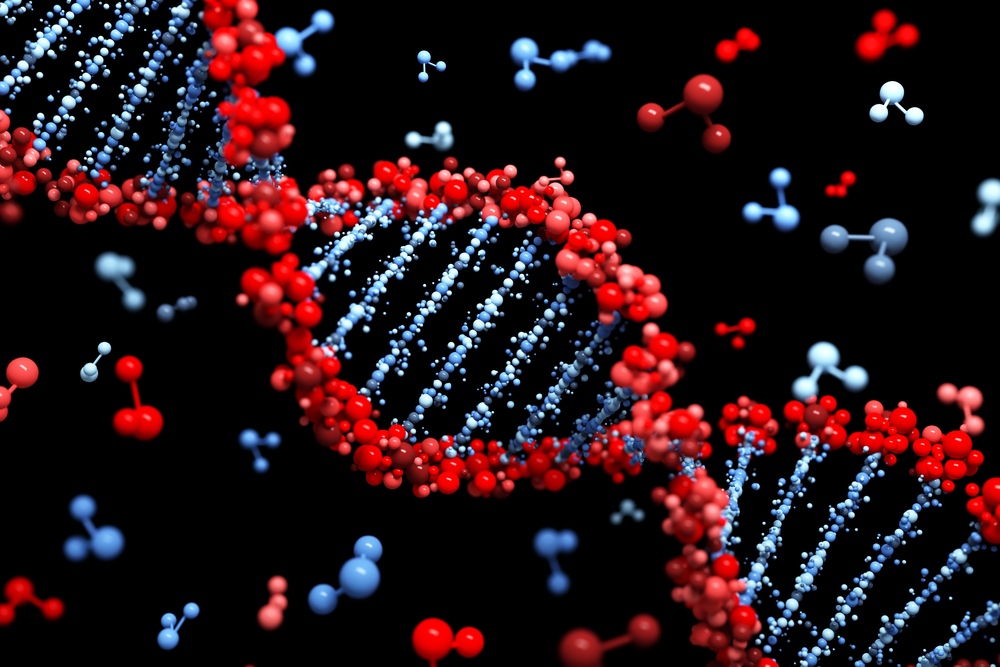
Barbara McClintock was trained as a botanist, but her groundbreaking work on genetic regulation put her far outside the mainstream of 1940s genetics. While other scientists focused on the static structure of genes, McClintock discovered that genes could move around chromosomes and turn on and off in response to environmental stress.
The scientific community initially dismissed her ‘jumping genes’ as impossible, but decades later her discoveries became fundamental to our understanding of how genes actually work. Her outsider status within her own field allowed her to see patterns that others missed.
Ignaz Semmelweis’s Hand Hygiene Campaign

Ignaz Semmelweis was a Hungarian physician who noticed something odd about maternity wards in Vienna during the 1840s. Women giving birth in wards staffed by doctors and medical students died from childbed fever at much higher rates than those in wards run by midwives.
Through careful observation, he realized that doctors were performing autopsies before delivering babies without washing their hands. His insistence on hand disinfection dramatically reduced mortality rates, but the medical establishment rejected his ideas as absurd.
Alfred Wegener’s Continental Drift Theory

Alfred Wegener was a meteorologist and Arctic explorer who proposed one of the most revolutionary ideas in geology—that continents move across the Earth’s surface. In 1912, he noticed how the coastlines of South America and Africa seemed to fit together like puzzle pieces, and he found matching fossils and rock formations on both sides of the Atlantic.
Professional geologists ridiculed his theory because he couldn’t explain how continents could move. It wasn’t until the 1960s that the discovery of plate tectonics proved Wegener right, revolutionizing our understanding of Earth’s geology.
Like Go2Tutors’s content? Follow us on MSN.
Rosalind Franklin’s X-ray Crystallography Work
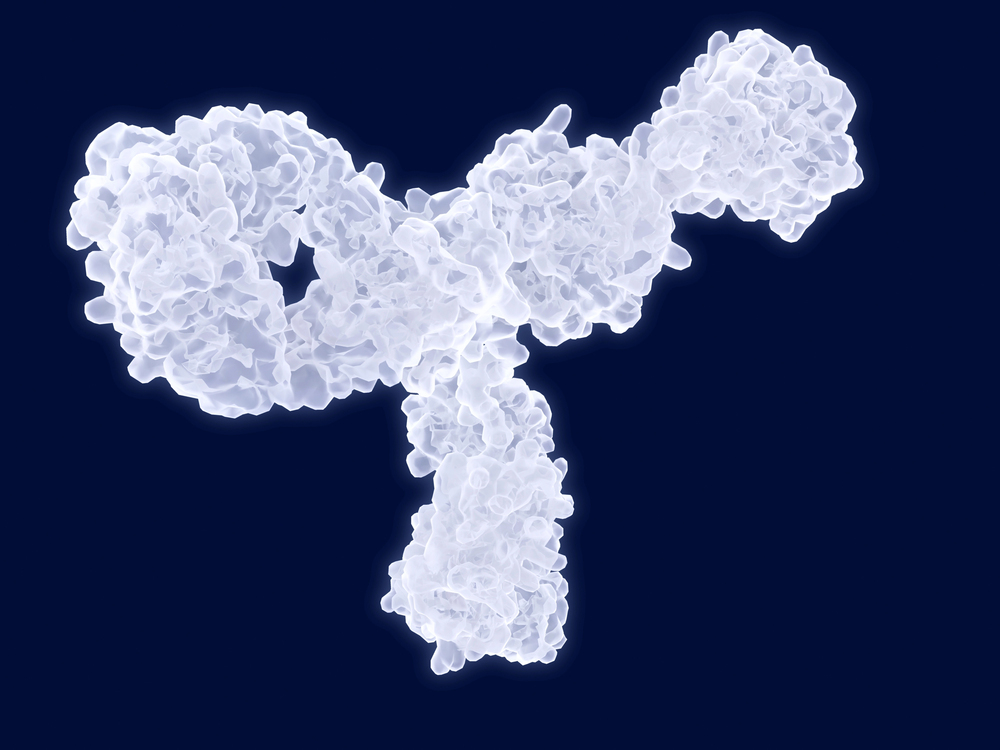
Rosalind Franklin was a chemist who applied her expertise in X-ray crystallography to study the structure of DNA. While Watson and Crick were trying to build theoretical models, Franklin was using precise experimental techniques to reveal DNA’s actual structure.
Her famous ‘Photo 51’ provided crucial evidence for the double helix structure, though she received little credit at the time. As a woman in a male-dominated field, she was considered an outsider, but her meticulous experimental work was essential to one of biology’s greatest discoveries.
George Washington Carver’s Agricultural Innovations
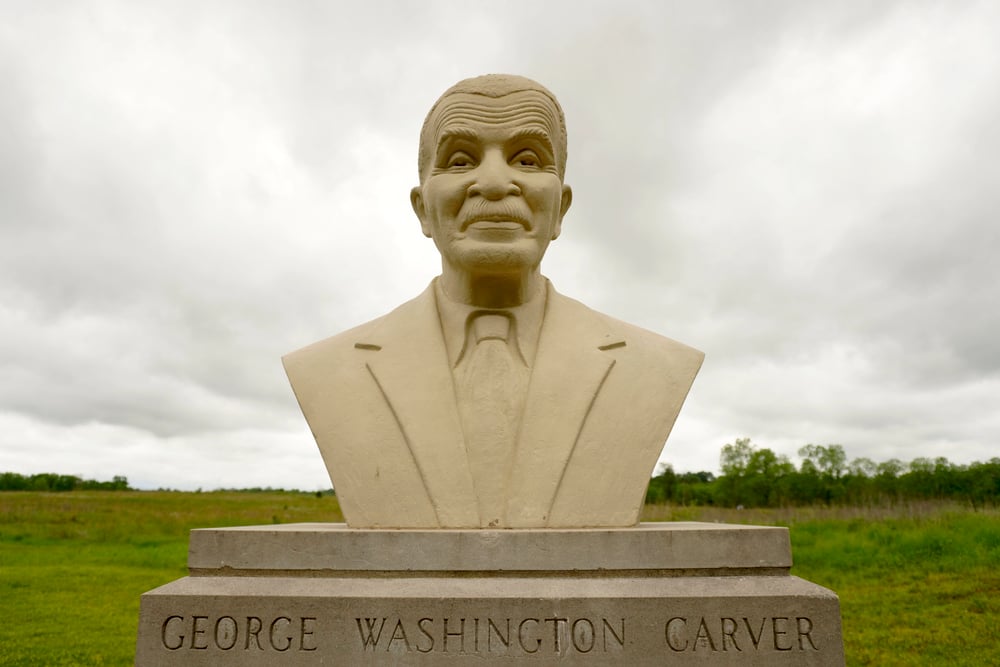
George Washington Carver was born into slavery and overcame enormous obstacles to become one of America’s most influential agricultural scientists. Without access to expensive laboratory equipment, he developed hundreds of uses for peanuts, soybeans, and sweet potatoes that helped Southern farmers diversify their crops.
His practical approach to science—focusing on solving real problems for real people—contrasted sharply with the academic research of his time. Carver proved that scientific innovation could come from anyone willing to combine careful observation with creative problem-solving.
Antonie van Leeuwenhoek’s Microscopic World
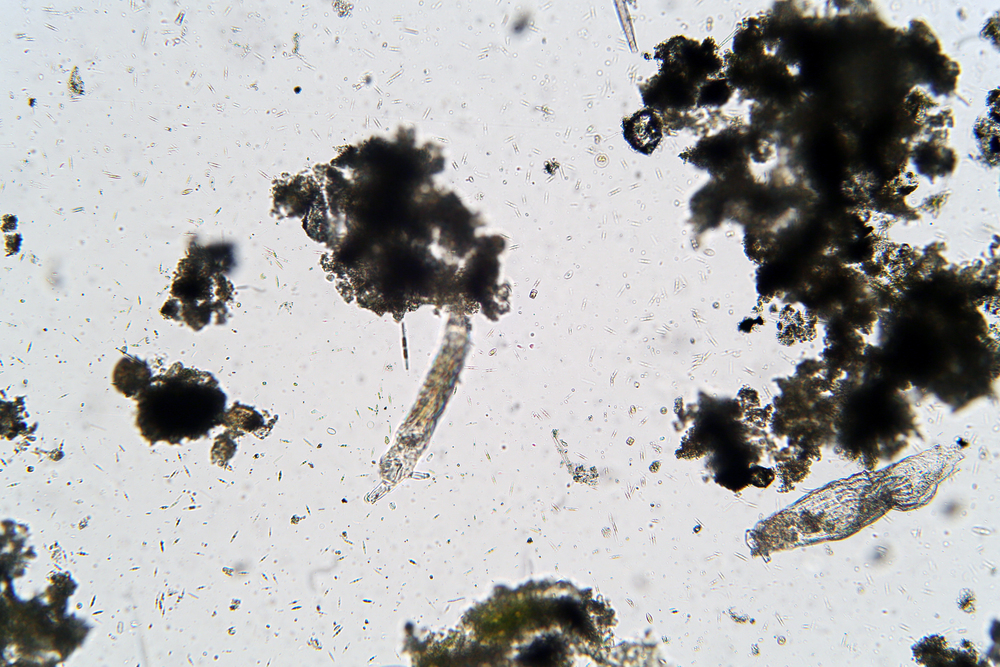
Antonie van Leeuwenhoek was a Dutch cloth merchant who became fascinated with grinding lenses as a hobby. Using microscopes he made himself, he became the first person to observe bacteria, sperm cells, and other microorganisms in the 1670s.
Despite having no formal scientific training, his detailed observations and beautiful drawings opened up an entirely new world to science. The Royal Society in London was initially skeptical of reports from a tradesman, but his discoveries were so groundbreaking that they had to take him seriously.
Like Go2Tutors’s content? Follow us on MSN.
Mary Anning’s Fossil Discoveries
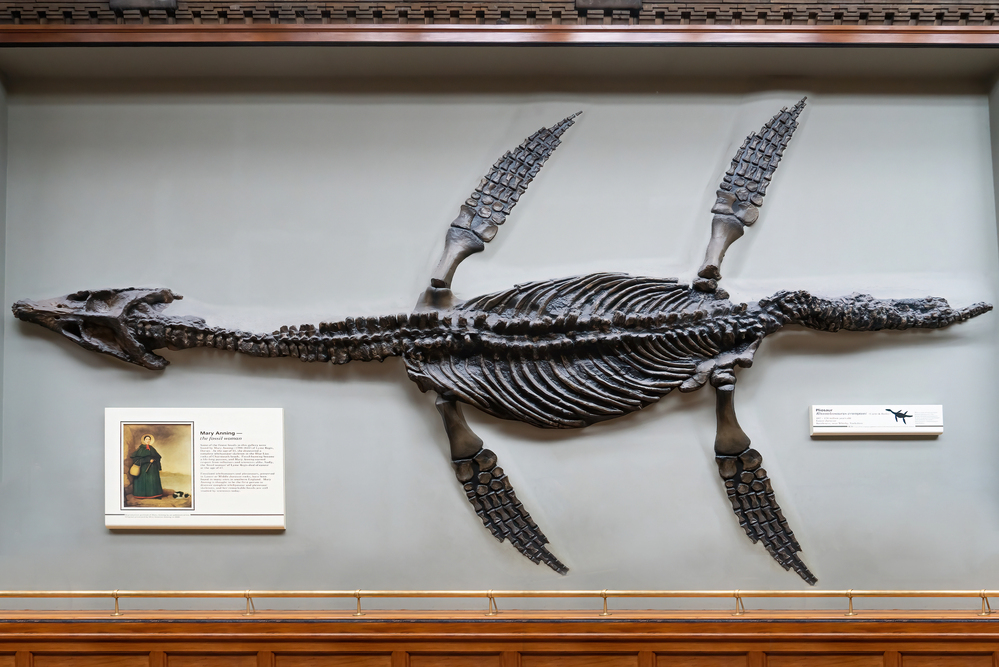
Mary Anning was a working-class woman who collected fossils along the English coast to support her family. Despite having little formal education, she became one of the most important fossil hunters in history, discovering the first correctly identified ichthyosaur, plesiosaur, and pterosaur.
Her finds revolutionized understanding of prehistoric life and extinction, but as a woman from a poor family, she was often excluded from the scientific community that built their careers on her discoveries. Her story shows how some of paleontology’s greatest advances came from someone society considered an outsider.
John Harrison’s Marine Chronometer

John Harrison was a self-taught clockmaker who solved one of the 18th century’s greatest scientific challenges—determining longitude at sea. While the world’s leading scientists and mathematicians struggled with complex astronomical solutions, Harrison approached the problem as a mechanical engineer.
His marine chronometer was so accurate that it finally allowed sailors to navigate precisely across the oceans, revolutionizing maritime travel and trade. The scientific establishment initially rejected his practical solution in favor of more ‘elegant’ theoretical approaches.
Dmitri Mendeleev’s Periodic Table
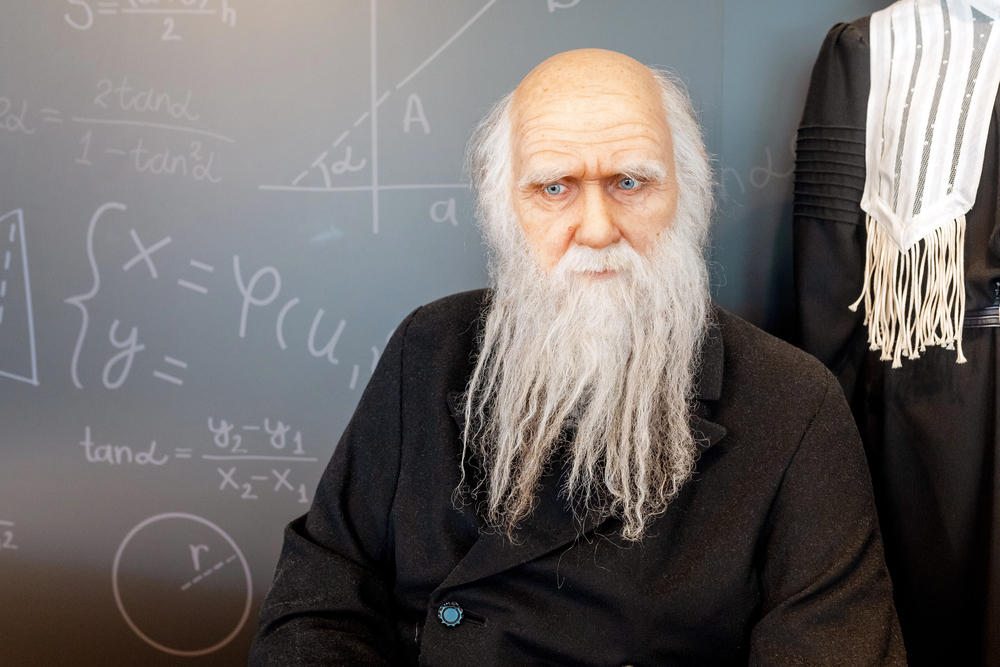
Dmitri Mendeleev was a Russian chemistry professor who created the periodic table not through careful experimentation, but through an almost intuitive understanding of chemical patterns. While other chemists were cataloging elements, Mendeleev saw the deeper organizational principles that governed their properties.
His table not only organized known elements but predicted the existence and properties of elements that hadn’t been discovered yet. When those elements were later found exactly as he predicted, it proved that sometimes pattern recognition matters more than formal methodology.
Like Go2Tutors’s content? Follow us on MSN.
Charles Darwin’s Natural Selection Theory
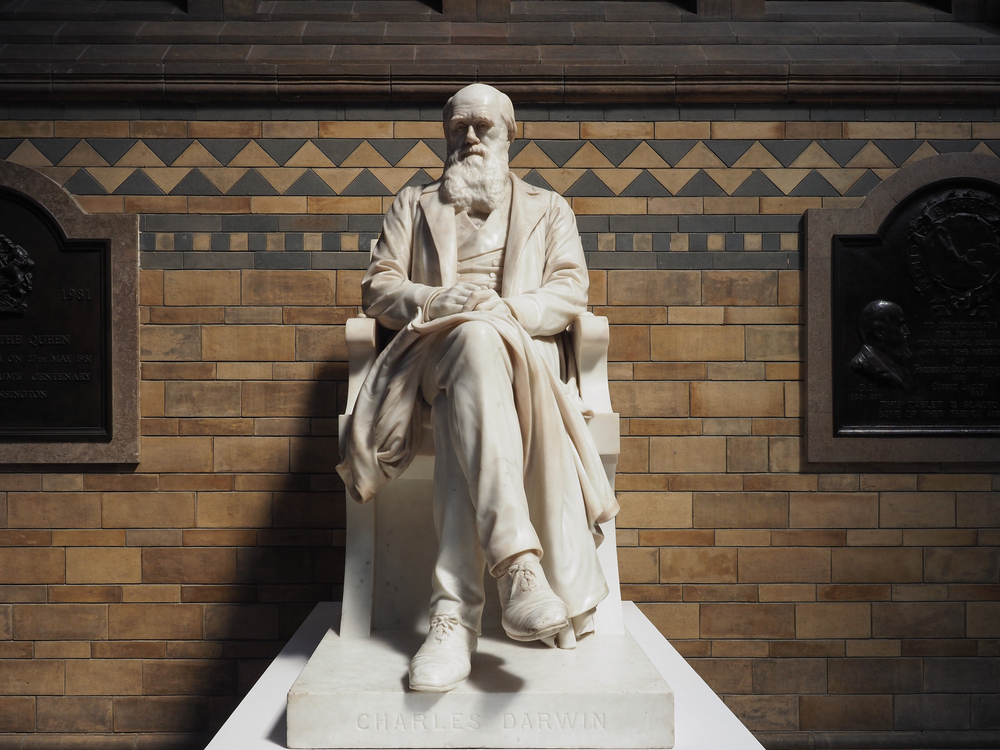
Charles Darwin was a gentleman naturalist who developed the theory of evolution through natural selection during his voyage on the HMS Beagle. While professional biologists were debating abstract theories about the origin of species, Darwin was collecting specimens and making detailed observations about how animals and plants adapted to their environments.
His lack of formal training in biology may have actually helped him see patterns that specialists missed. The theory that emerged from his observations fundamentally changed how we understand life on Earth.
When Curiosity Conquers Credentials
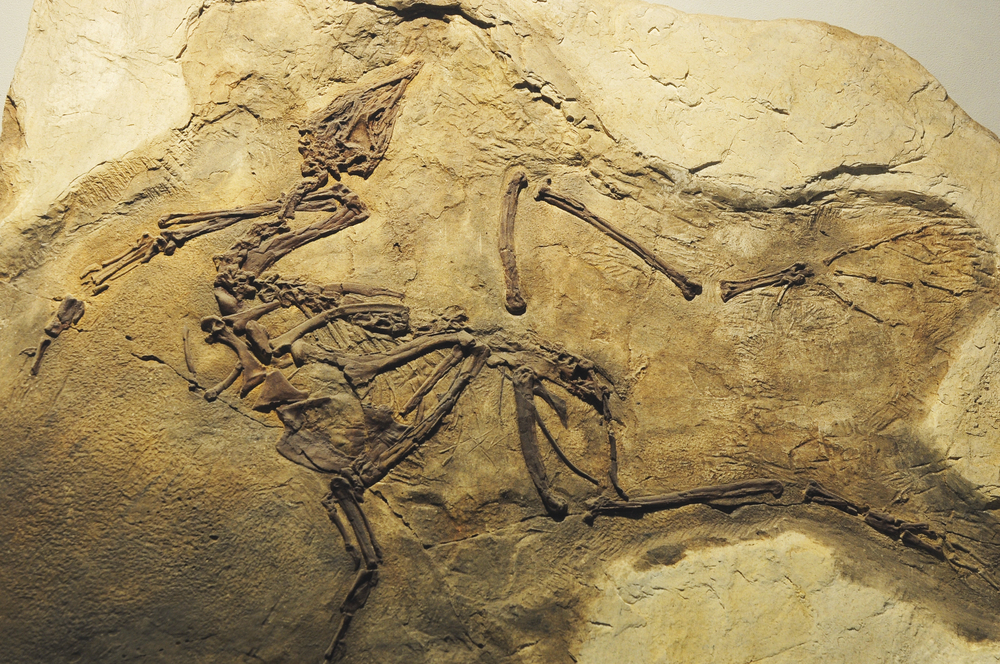
These stories reveal a pattern that continues today—breakthrough discoveries often come from people who approach problems with fresh eyes and unconventional methods. The outsiders who made these discoveries shared common traits: intense curiosity, willingness to challenge established thinking, and the persistence to pursue their ideas despite ridicule from experts.
Their contributions remind us that scientific progress depends not just on formal institutions and established methods, but on the human capacity to observe, question, and imagine new possibilities. In a world that increasingly values specialization and credentials, these pioneers prove that sometimes the most important discoveries come from those brave enough to think differently.
More from Go2Tutors!

- 16 Historical Figures Who Were Nothing Like You Think
- 12 Things Sold in the 80s That Are Now Illegal
- 15 VHS Tapes That Could Be Worth Thousands
- 17 Historical “What Ifs” That Would Have Changed Everything
- 18 TV Shows That Vanished Without a Finale
Like Go2Tutors’s content? Follow us on MSN.



