15 Reasons Why Frankfurt, Germany is Europe’s Most Underrated Cities
Most travelers skip Frankfurt entirely, treating it as nothing more than a layover city on their way to Berlin or Munich. They’re missing something spectacular.
While everyone flocks to the obvious European capitals, Frankfurt quietly offers everything you’d want from a world-class city—minus the crowds, the inflated prices, and the tourist traps that plague its more famous neighbors.
Financial Capital with Character
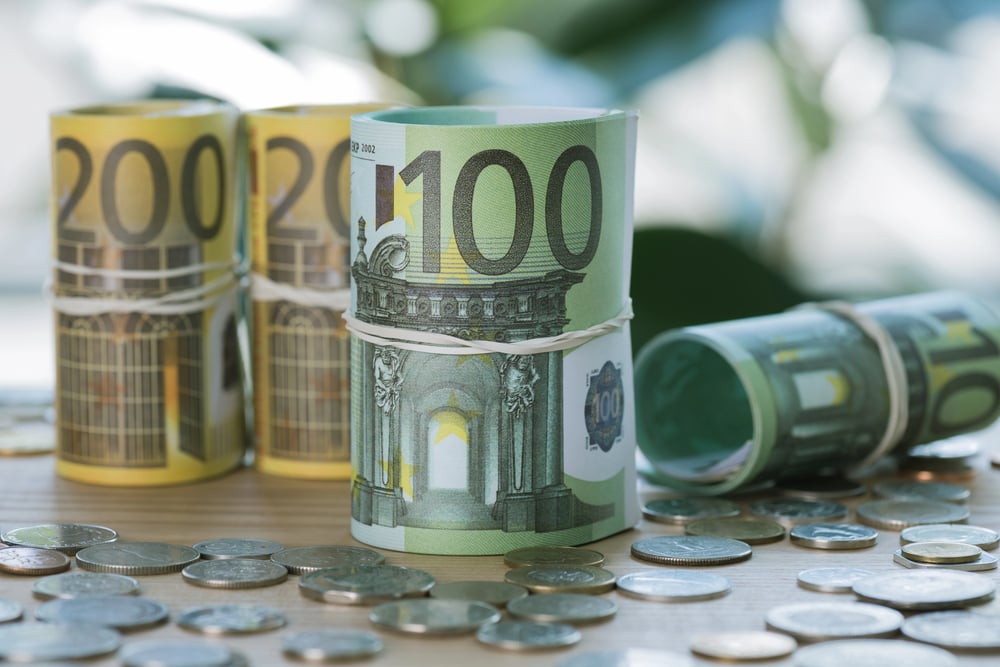
Frankfurt runs Europe’s money. The European Central Bank, the German Stock Exchange, and hundreds of international banks call this city home.
That might sound sterile, but here’s what’s interesting—all that financial power created something unexpected. The city invested its wealth back into culture, parks, and quality of life rather than just building more office towers.
Museum District That Rivals Paris
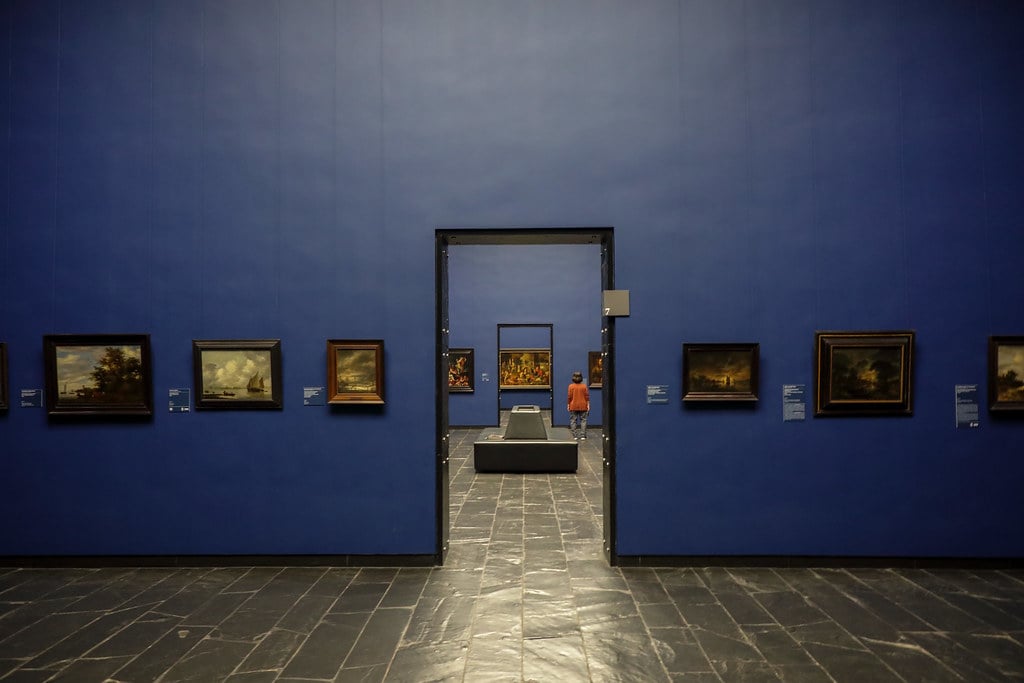
Thirteen world-class museums line the banks of the Main River. The Städel Museum alone houses 700 years of European art, including works by Monet, Picasso, and Botticelli.
The Film Museum, the Architecture Museum, the German Leather Museum—Frankfurt collected cultural institutions the way other cities collect tourist buses (and with considerably more success, it turns out). Most of these museums stay open late one evening per week, so you can wander through centuries of art while the rest of Europe fights crowds at the Louvre.
The riverbank setting makes the experience feel less like cultural obligation and more like stumbling across hidden treasures. Which, frankly, is exactly what this is.
Green City in Disguise
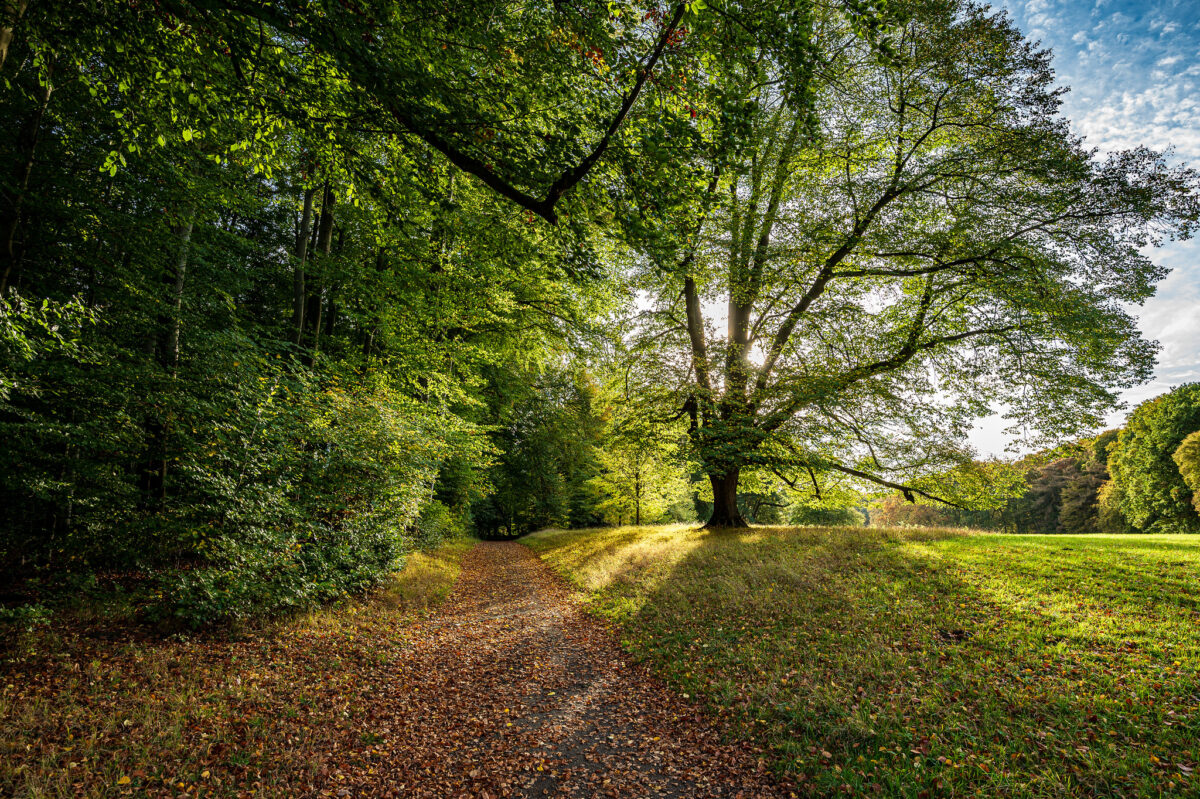
Frankfurt hides its environmental credentials behind all that glass and steel, but this city runs on renewable energy and green planning in ways that would make Copenhagen jealous. The GrünGürtel—a green belt that circles the entire city—provides 8,000 hectares of parks, forests, and recreational space. That’s more green space per capita than almost any major European city.
But it’s not just about acreage. Frankfurt’s city planners treat nature as infrastructure rather than afterthought, weaving parks and gardens through neighborhoods so seamlessly that you’re never more than a few minutes from trees and quiet spaces.
The Palmengarten botanical garden alone spans 50 acres of themed landscapes from around the world—subtropical houses, rose gardens, Alpine rock formations. It’s the kind of place where you go to kill an hour and emerge three hours later wondering where the afternoon went.
Skyline That Actually Works
European cities usually handle tall buildings badly. Frankfurt figured it out.
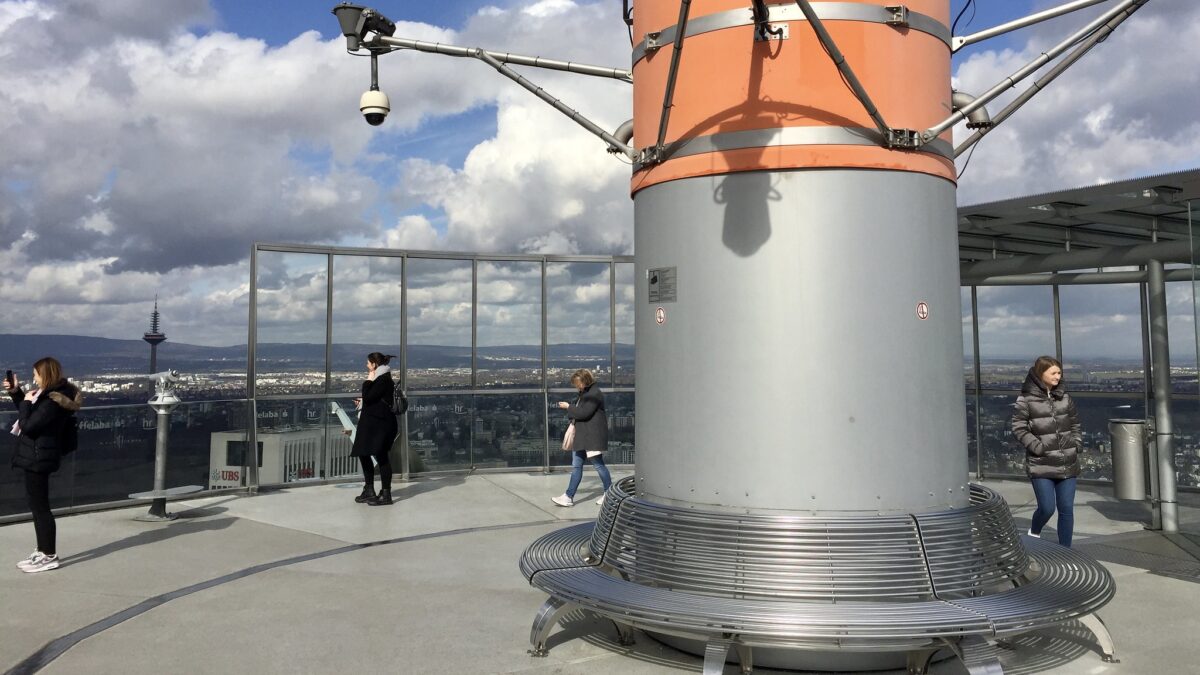
The skyline here isn’t an accident or the result of developers run amok—it’s deliberately concentrated in one district, leaving the rest of the city human-scaled and walkable. Those towers aren’t just impressive from a distance; they house observation decks, restaurants, and public spaces that give you perspectives on the city impossible to find elsewhere in Europe.
The Main Tower’s observation deck stays open until 9 PM on weekends. Standing there at sunset, watching the city spread out below while planes trace paths toward the airport in the distance—it’s the kind of view that reframes how you think about German cities.
Food Scene Without the Hype
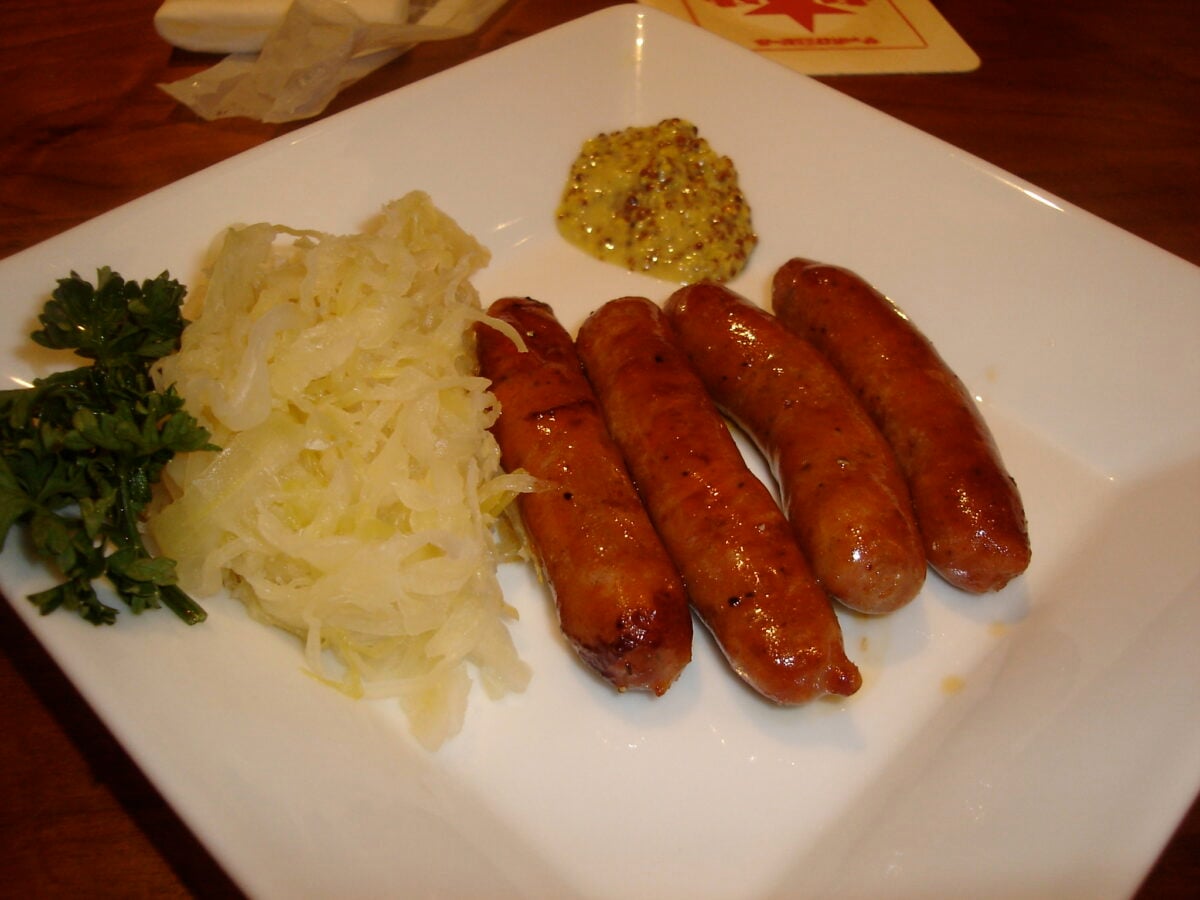
Frankfurt’s restaurants don’t make international headlines, which keeps them honest. The city’s international business community created demand for authentic cuisine from everywhere—Korean barbecue, Ethiopian injera, Lebanese mezze, Peruvian ceviche. These aren’t tourist-friendly approximations; they’re the real thing, cooked for people who know the difference.
The traditional German side holds up too. Apfelwein taverns in Sachsenhausen serve the local hard cider alongside massive platters of sausages and sauerkraut, but the quality rises above typical tourist fare because locals actually eat there. Fair enough—when bankers and lawyers are your regular customers, you can’t get away with mediocre schnitzel.
Transport Hub That Benefits Visitors
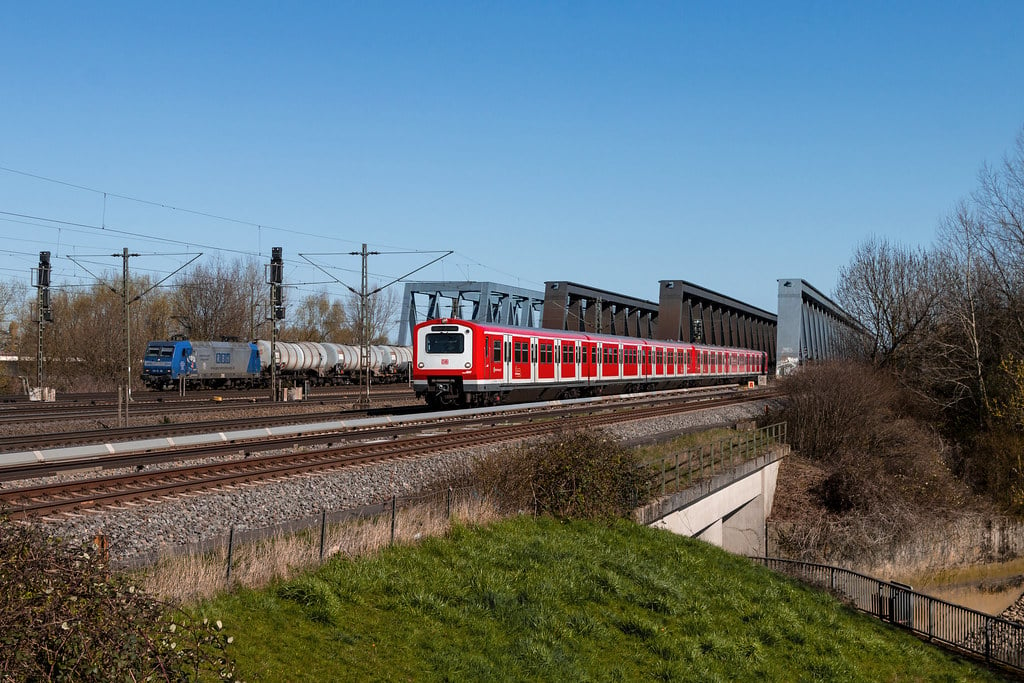
Being Europe’s transportation crossroads sounds like a drawback until you realize what it actually means for travelers. Frankfurt Airport connects to over 300 destinations worldwide.
The main train station links directly to every major European city. But more importantly, this infrastructure means getting around the city itself is effortless.
The public transportation system was built to handle international business travelers in a hurry, which means it’s fast, frequent, and covers everything worth seeing. The S-Bahn connects the airport to downtown in 11 minutes.
Trams run every few minutes. The U-Bahn never leaves you stranded.
When a city’s transportation actually works this well, it changes how much you can see and do in a limited time.
Neighborhoods with Distinct Personalities
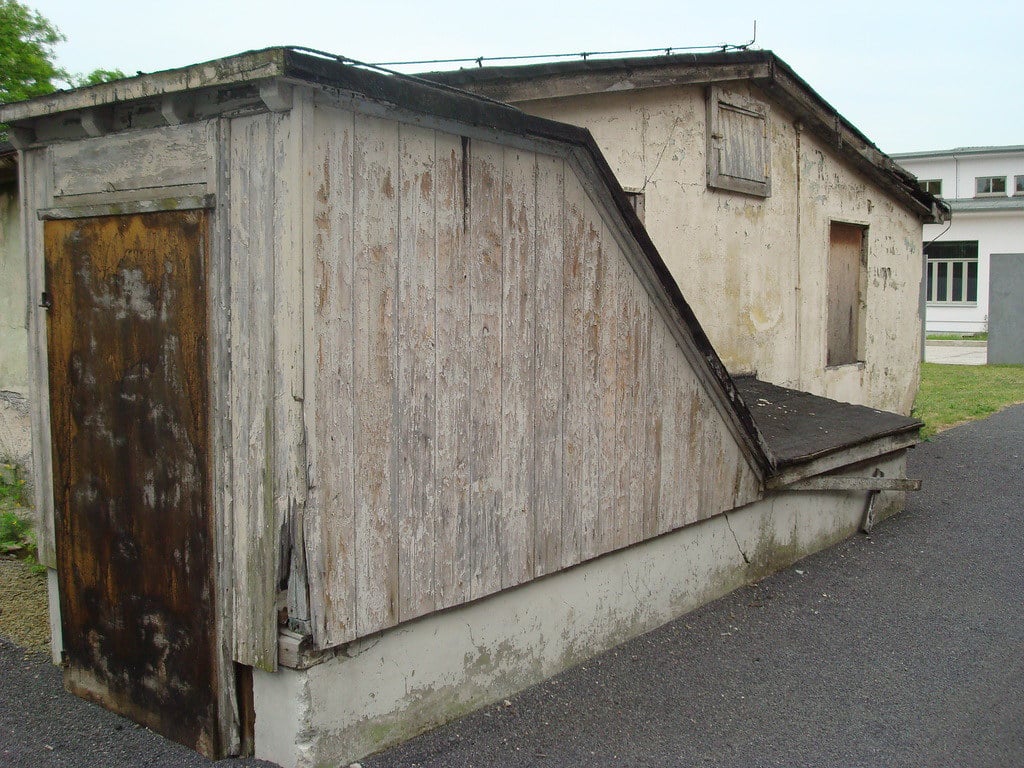
Sachsenhausen feels like a village that happened to end up inside a major city—cobblestone streets lined with half-timbered houses, traditional taverns, and small shops that have been family-owned for generations. Cross the river to Nordend, and suddenly you’re surrounded by Art Nouveau architecture, independent bookstores, and cafes where locals spend entire afternoons reading newspapers.
Each district developed its own character organically rather than through tourism marketing, which means the differences feel authentic rather than performed. Westend showcases elegant 19th-century mansions and tree-lined boulevards.
Bornheim buzzes with student life and cheap restaurants. Höchst maintains its medieval layout complete with castle ruins and market squares.
You can walk from one neighborhood to another and feel like you’ve traveled between different centuries.
Christmas Market Worth the Trip
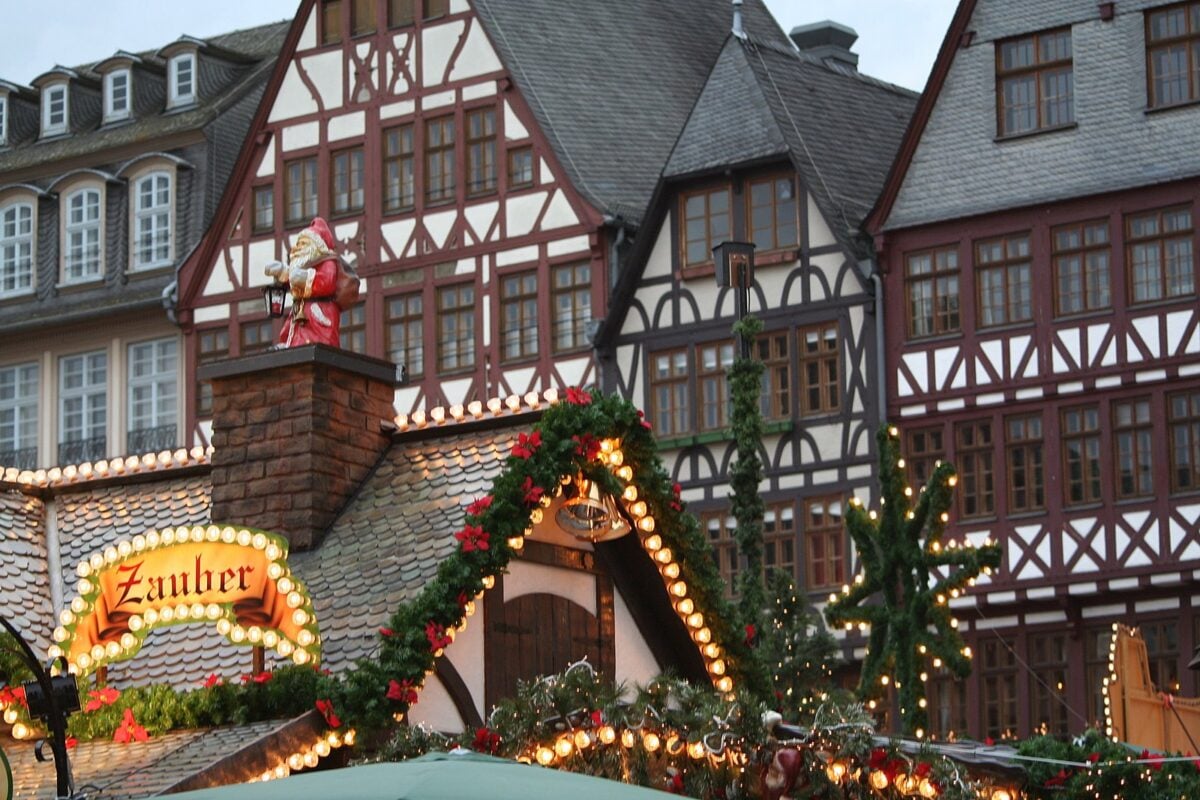
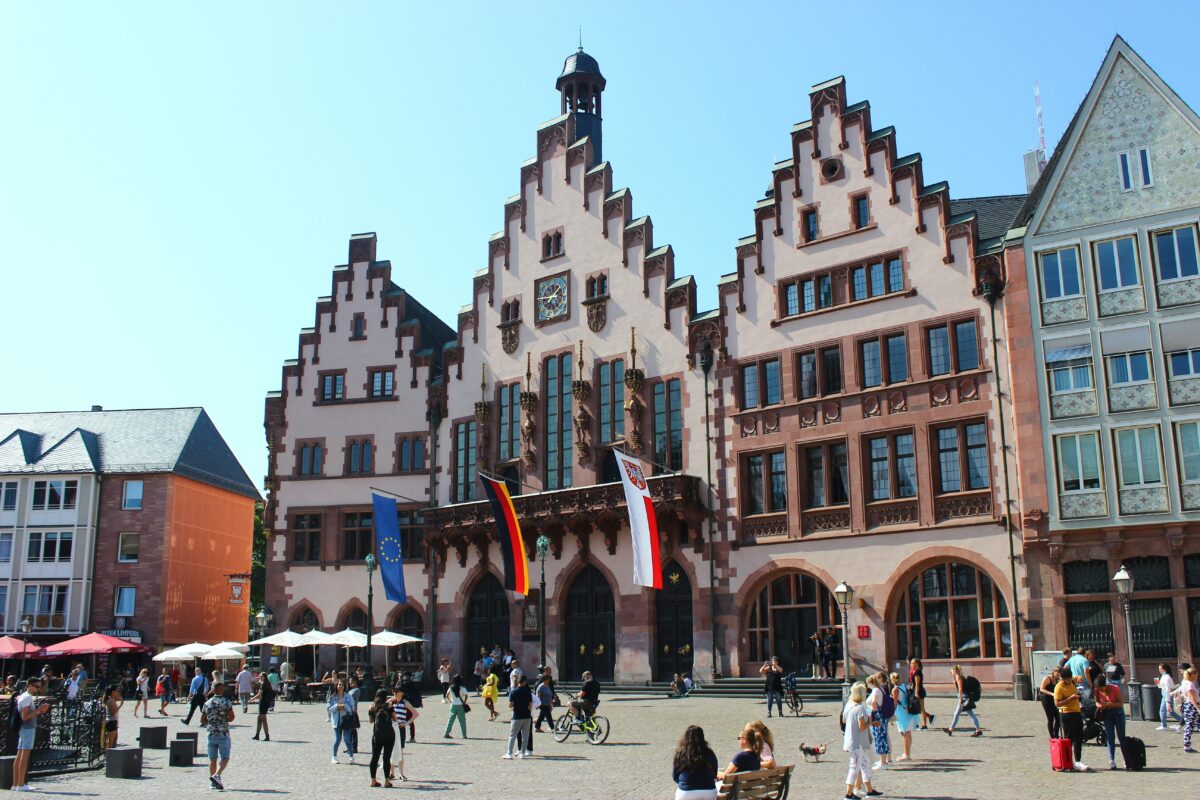
German Christmas markets have become tourist spectacles, but Frankfurt’s manages to stay magical without losing its soul. The Römerberg Christmas Market, set against the backdrop of medieval guild houses, creates the kind of atmospheric perfection that usually only exists in movies.
But unlike some famous German markets that have become overcrowded tourist attractions, this one maintains its local character. The mulled wine actually tastes good.
The handmade ornaments and crafts come from regional artisans rather than mass production. Children ride carousel horses while their parents browse wooden toys and woolen scarves.
The smell of roasted almonds and bratwurst fills the air without competing with chain restaurant odors. It’s everything people hope European Christmas markets will be and rarely are.
River Culture
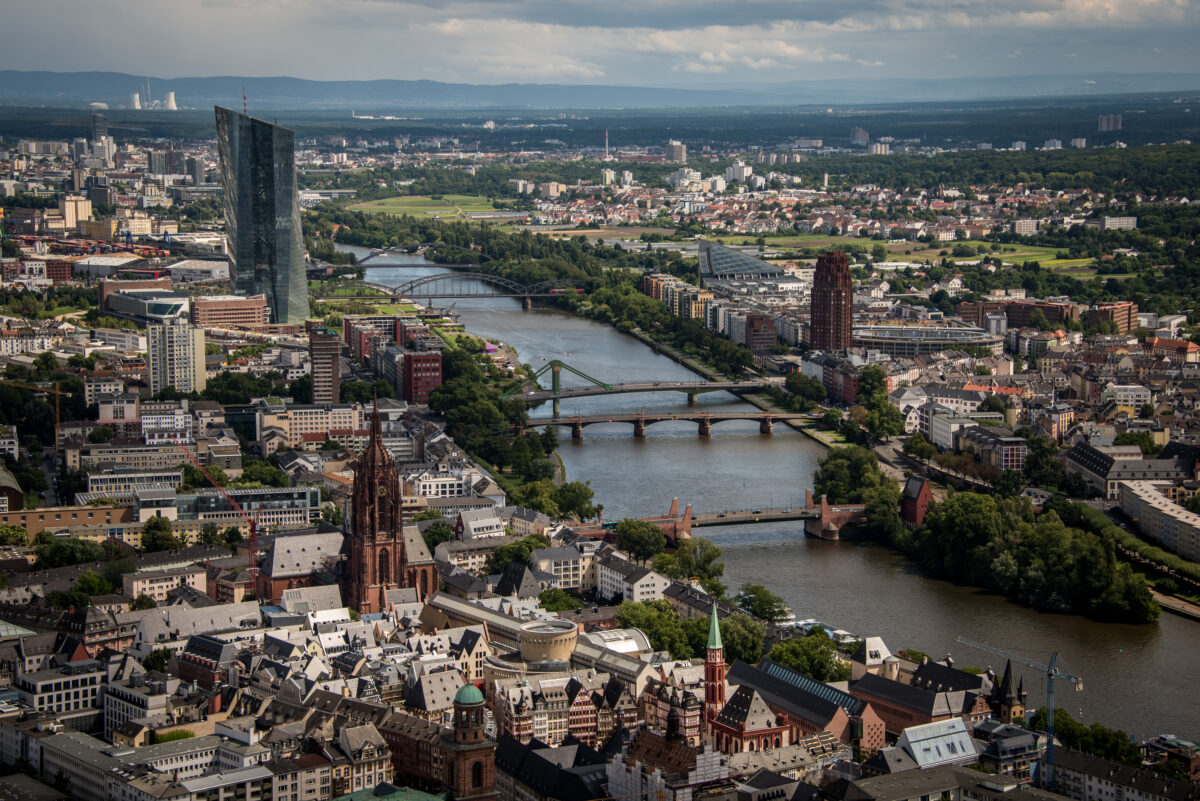
The Main River isn’t just scenery—it’s Frankfurt’s social center. During summer months, the riverbanks transform into Europe’s largest open-air bar and restaurant scene.
Locals spread blankets on the grass for impromptu picnics, street musicians set up along the promenades, and the museums open their doors wide to let the indoor and outdoor spaces flow together. River cruises run regularly but avoid the tourist-trap formula of most European boat tours.
Instead, they focus on the city’s relationship with the water—how the river shaped Frankfurt’s development, why certain bridges were built where they were, how the port district evolved into today’s financial center. The boats themselves feel more like floating cafes than tour vessels, complete with local wines and regional specialties.
Architecture Beyond the Skyscrapers
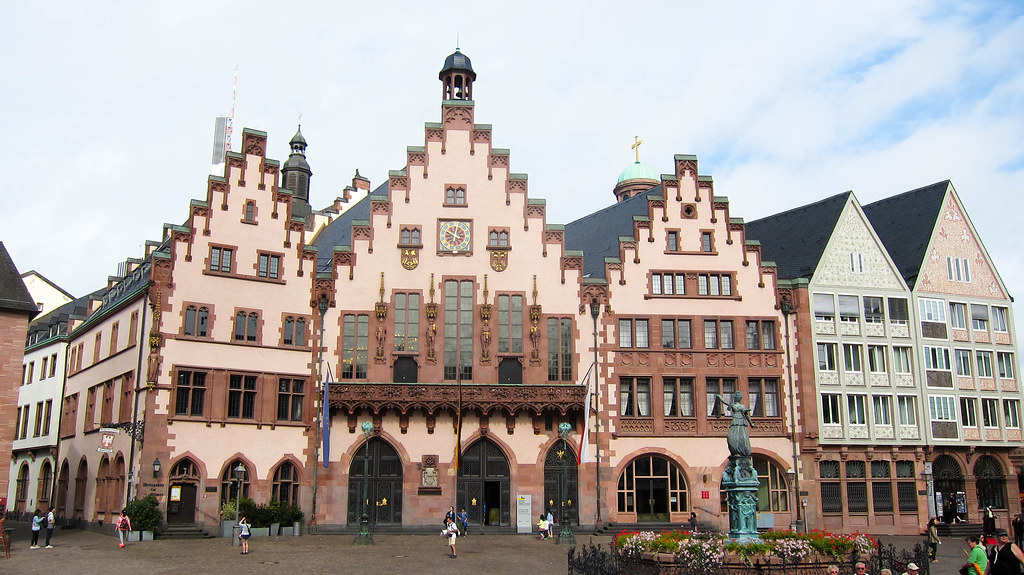
Frankfurt’s architectural story goes far beyond those famous towers. The Römerberg square showcases perfectly preserved medieval guild houses with their distinctive stepped gables and timber framing.
The Paulskirche, where Germany’s first democratically elected parliament met in 1848, represents a crucial moment in European political history. The Opera House combines 19th-century grandeur with modern acoustic engineering.
But it’s the residential architecture that really sets Frankfurt apart—entire neighborhoods of Gründerzeit buildings from the late 1800s, their facades decorated with intricate stonework and wrought-iron balconies. These aren’t museum pieces; they’re living spaces where people actually live and work, maintaining their original character while adapting to contemporary life.
The contrast between old and new feels natural rather than jarring.
International Community That’s Actually Integrated
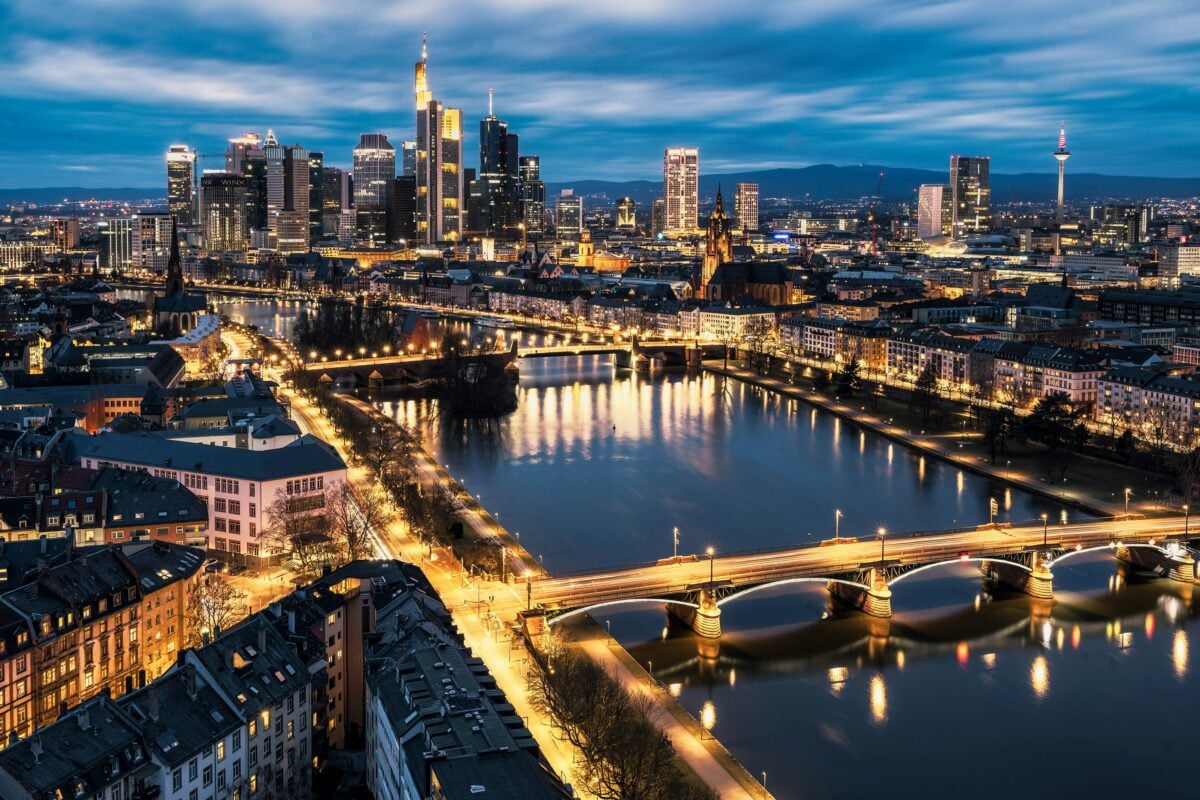
Frankfurt hosts one of Europe’s largest international populations, but unlike some global cities where expat communities remain isolated, the different nationalities here actually mix. Business brings people from everywhere to Frankfurt, but many stay because the city makes integration possible rather than just tolerated.
This shows up in unexpected ways—Turkish-German fusion restaurants, international school events that include the entire neighborhood, business networking groups where five languages might be spoken in a single conversation. The result is a cosmopolitan atmosphere that feels genuine rather than constructed for tourism purposes.
You overhear conversations in Japanese, Arabic, and Portuguese while walking through the city center, and it all seems perfectly natural.
Value That Makes Sense
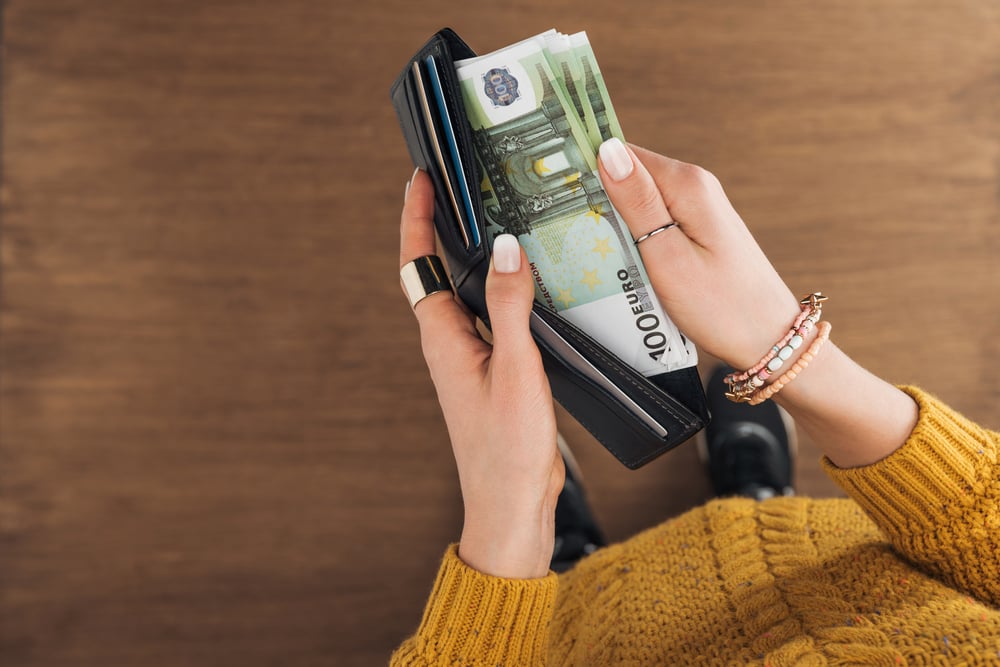
Frankfurt costs significantly less than London, Paris, or Zurich while offering comparable amenities and cultural opportunities. Museum admission rarely exceeds 12 euros. Excellent meals at neighborhood restaurants run 15–25 euros per person.
Public transportation day passes cost under 7 euros. Hotel rates stay reasonable even during major trade fairs, partly because the city has enough accommodation to meet demand without gouging visitors.
The value extends beyond money—Frankfurt respects your time. Museums don’t require advance reservations.
Restaurants don’t keep you waiting for hours. Public services work efficiently.
When you can accomplish more in less time while spending less money, it changes the entire experience of visiting a European city.
Trade Fair Capital
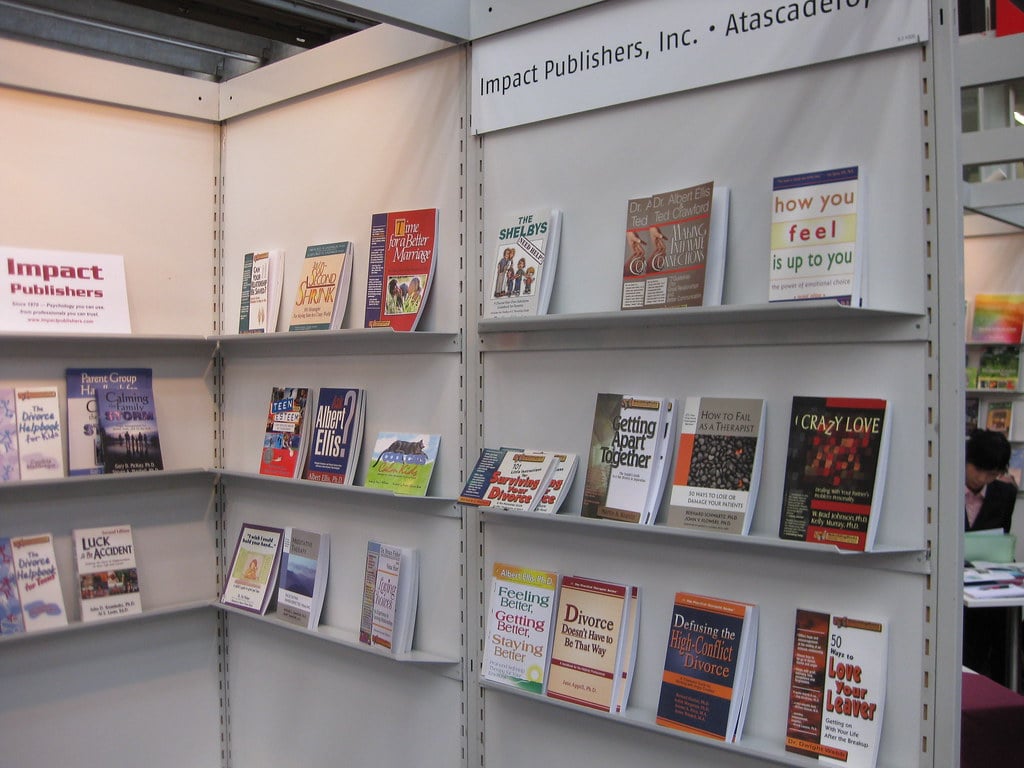
Frankfurt hosts some of the world’s largest trade fairs, which might seem like a reason to avoid the city during certain weeks. Actually, it’s often worth planning your visit around them.
The Frankfurt Book Fair transforms the entire city into a celebration of literature, with author readings, publisher parties, and bookstore events throughout the week. The Frankfurt Motor Show brings automotive innovation and spectacular displays to multiple venues.
Even if the trade fair topics don’t interest you directly, the energy and international atmosphere they create can be infectious. Hotels and restaurants prepare special offerings, cultural events multiply, and the city feels more alive than usual.
Plus, trade fair weeks often coincide with shoulder seasons when the weather is pleasant and regular tourist crowds are lighter.
Airport City Integration
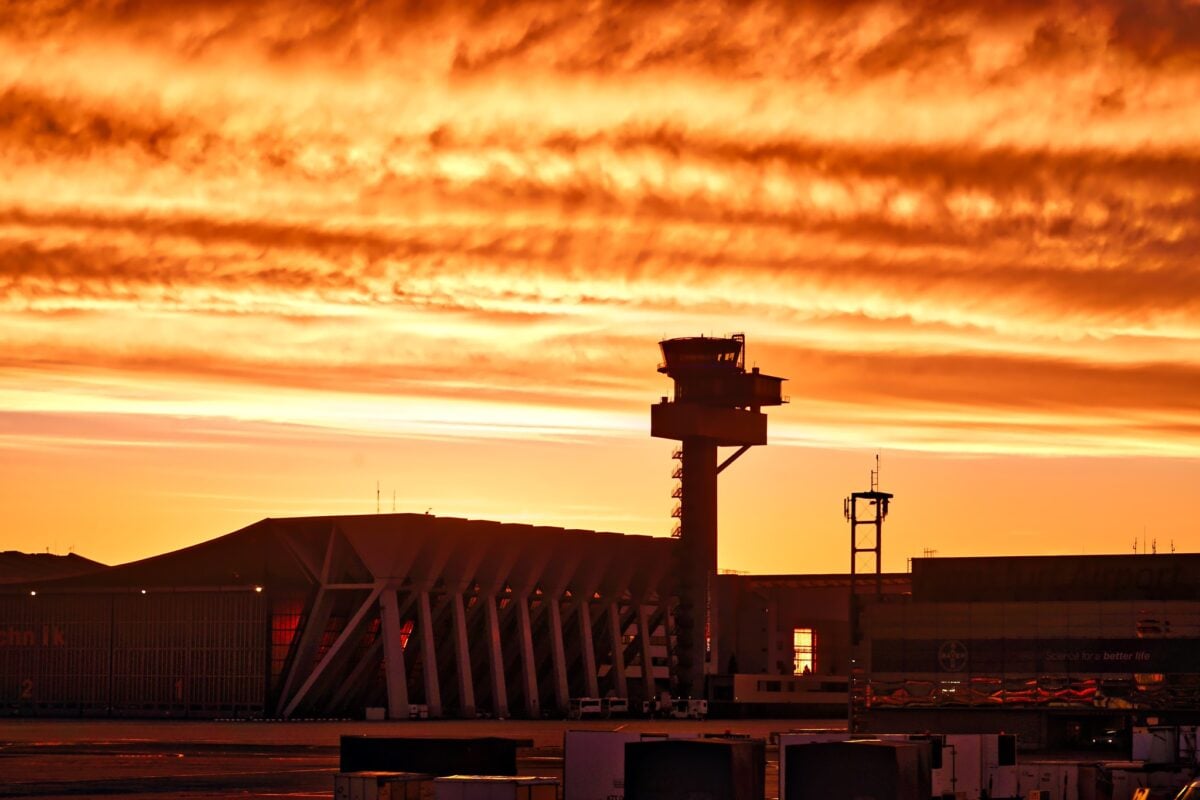
Most major airports feel disconnected from their cities, but Frankfurt Airport functions as an integral part of the urban landscape. The airport employment center creates a genuine business district with hotels, conference facilities, shopping, and restaurants that serve both travelers and locals.
Two train stations within the airport connect directly to Frankfurt’s public transportation network and to long-distance routes across Europe. This integration means you can easily visit Frankfurt during long layovers, but it also means the airport enhances rather than detracts from the city’s international character.
The constant flow of people from everywhere creates an energy that permeates the entire metropolitan area, making Frankfurt feel more connected to the rest of the world than many larger European capitals.
Quality of Life That Shows
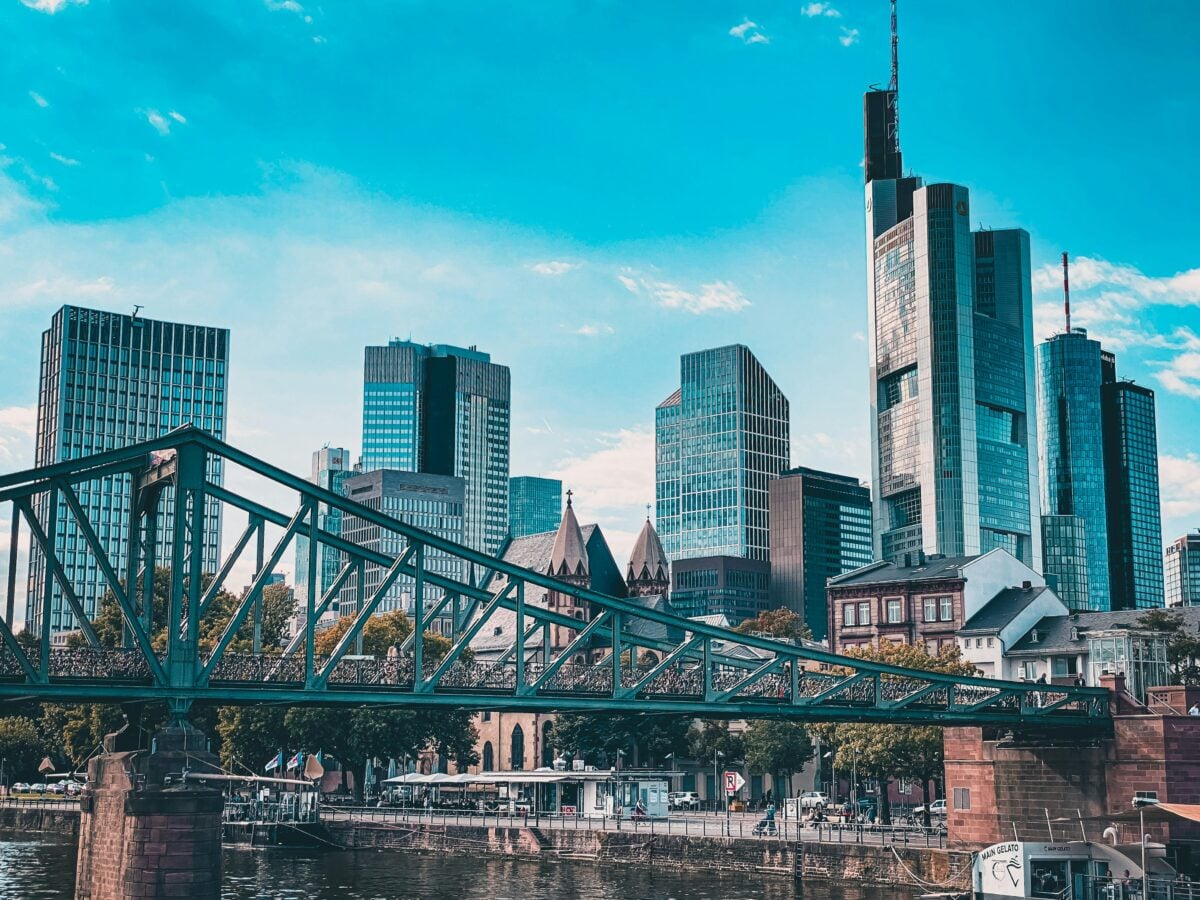
Frankfurt consistently ranks among the world’s most livable cities, and that quality shows up in ways that benefit visitors too. Streets stay clean without feeling sterile.
Public spaces are well-maintained and actively used. The infrastructure works reliably.
People seem generally satisfied with their city rather than merely tolerating it. This civic pride translates into better service, more care taken with public amenities, and a general atmosphere where things function as they’re supposed to.
It’s the kind of quality that’s hard to quantify but easy to experience—when you’re not constantly working around broken systems or poor planning, you can focus on actually enjoying yourself.
Europe’s Best-Kept Urban Secret
Frankfurt succeeds precisely because it doesn’t try to compete with Paris’s romance or London’s history. Instead, it built something different — a thoroughly modern European city that works exceptionally well while maintaining its own distinct character.
The absence of tourist crowds means you experience the city as it actually is rather than as a performance for visitors. Perhaps that’s Frankfurt’s greatest strength.
It doesn’t need to convince anyone of its worth, so it simply continues being an excellent place to spend time. For travelers willing to look beyond the obvious destinations, that might be exactly what Europe needs more of.
More from Go2Tutors!

- The Romanov Crown Jewels and Their Tragic Fate
- 13 Historical Mysteries That Science Still Can’t Solve
- Famous Hoaxes That Fooled the World for Years
- 15 Child Stars with Tragic Adult Lives
- 16 Famous Jewelry Pieces in History
Like Go2Tutors’s content? Follow us on MSN.



