15 Historic Cruises That Ended in Panic
Ocean travel has always carried an element of risk, though some voyages have become legendary for all the wrong reasons. From mechanical failures to natural disasters, these maritime disasters transformed what should’ve been relaxing getaways into nightmarish ordeals that passengers would never forget.
Here’s a list of 15 historic cruises that descended into chaos, leaving passengers and crew scrambling for survival.
RMS Titanic (1912)
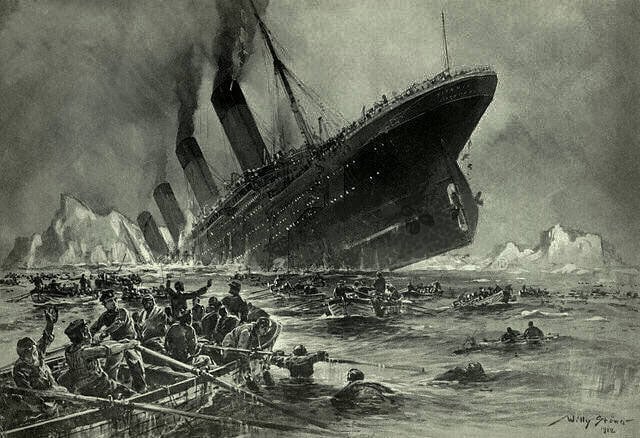
The most famous maritime disaster in history began as the epitome of luxury travel. This ‘unsinkable’ ship struck an iceberg on its maiden voyage from Southampton to New York City — creating a gash that doomed the vessel. Over 1,500 people perished in the icy North Atlantic waters, largely because there weren’t enough lifeboats for everyone aboard.
SS Eastland (1915)
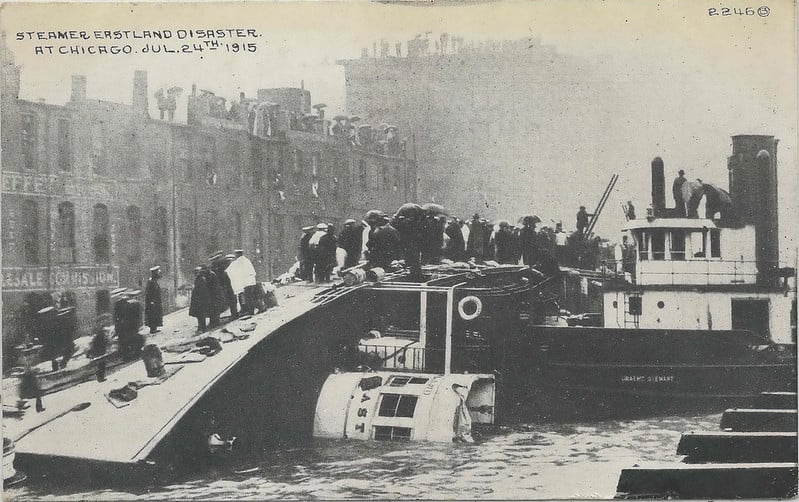
This passenger steamer capsized right at the dock in Chicago River, killing 844 people in one of the deadliest maritime disasters on the Great Lakes. The ship had been modified to carry more lifeboats after the Titanic disaster — yet the extra weight made it top-heavy and unstable. Passengers were boarding for a company picnic when the vessel suddenly rolled over onto its side.
MS Estonia (1994)
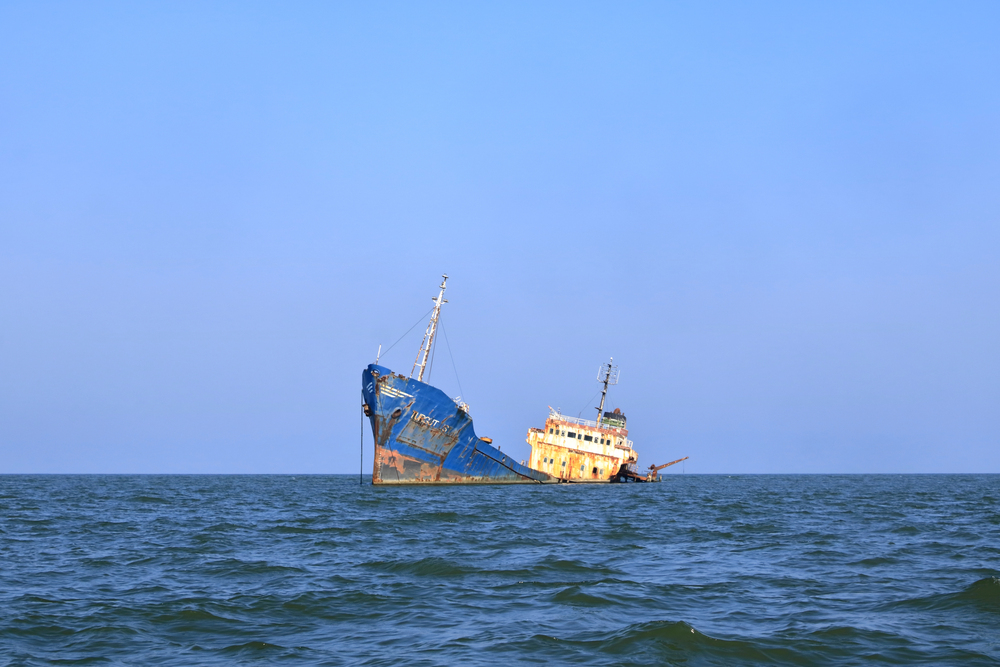
While crossing the Baltic Sea from Estonia to Sweden, this ferry encountered massive waves that caused the bow visor to break off. Water rushed into the car deck — and the ship sank within an hour, taking 852 lives with it. Survivors described the ship tilting so severely that people couldn’t reach the lifeboats on the higher side.
MV Wilhelm Gustloff (1945)
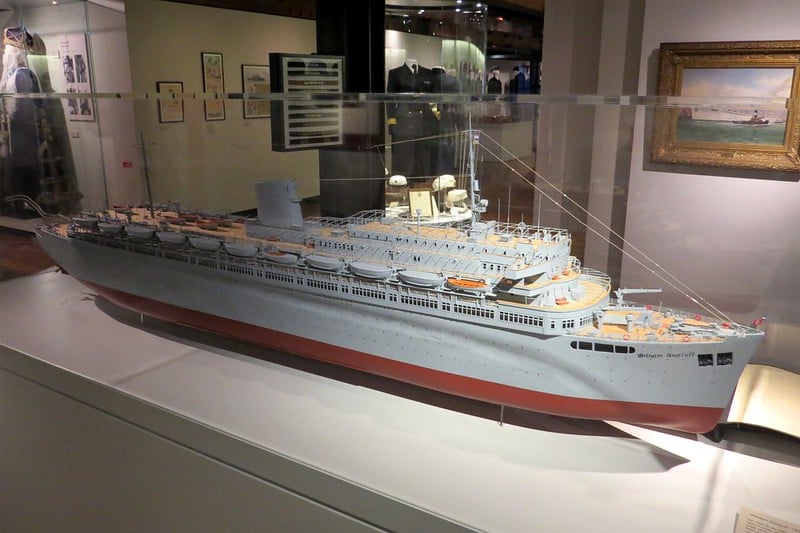
Originally a cruise ship, this vessel was evacuating German civilians when it was torpedoed by a Soviet submarine. An estimated 9,400 people died — making it the deadliest maritime disaster in history. The ship was overcrowded with refugees fleeing the advancing Soviet army during the final months of World War II.
SS Andrea Doria (1956)
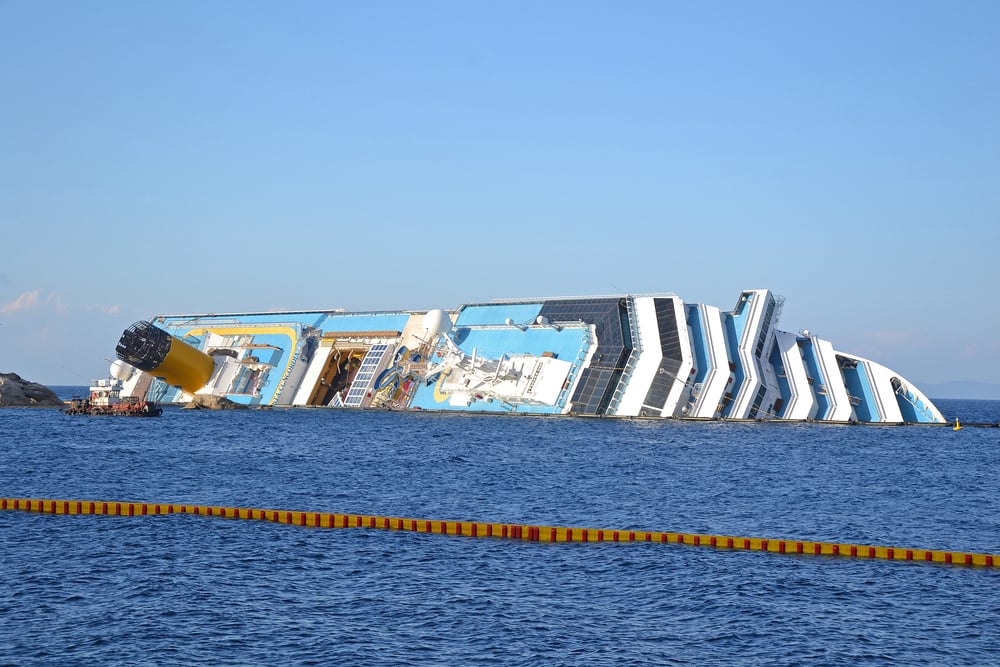
This Italian ocean liner collided with the MS Stockholm in thick fog off Nantucket — creating a massive puncture in its starboard side. Though the ship took 11 hours to sink, which gave rescuers time to save most passengers, 46 people still died. The collision happened despite both ships having radar technology, highlighting the limitations of 1950s navigation systems.
MTS Oceanos (1991)
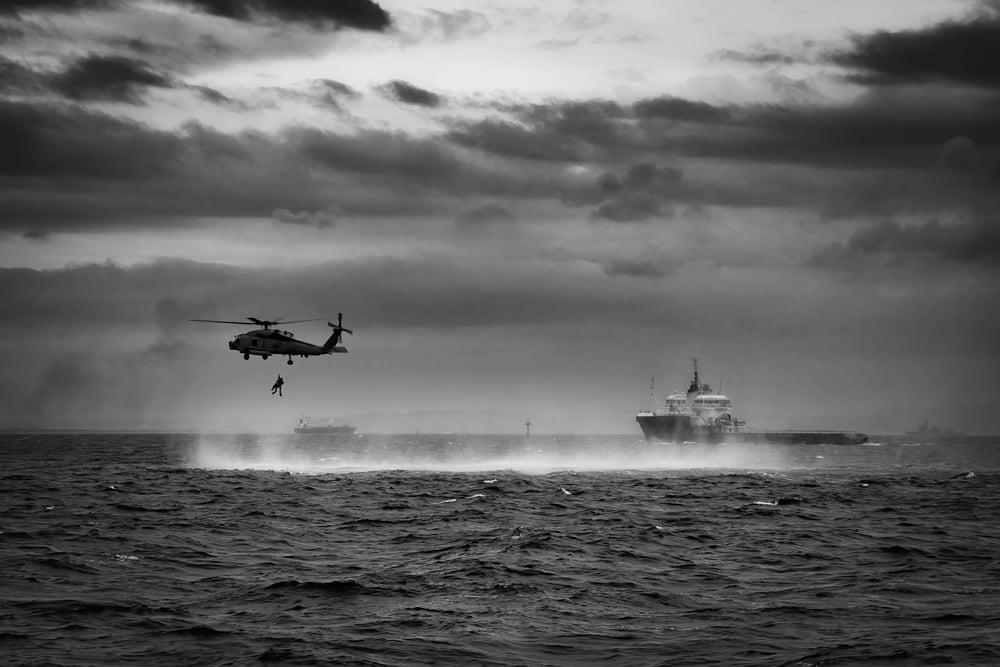
The captain and crew of this Greek cruise ship abandoned the vessel off the coast of South Africa — leaving passengers and entertainers to organize their own rescue. A hull explosion had caused flooding, yet the ship’s officers simply fled without helping anyone else. Incredibly, all 571 people aboard survived thanks to the courage of the entertainment staff and rescue helicopters.
SS Morro Castle (1934)
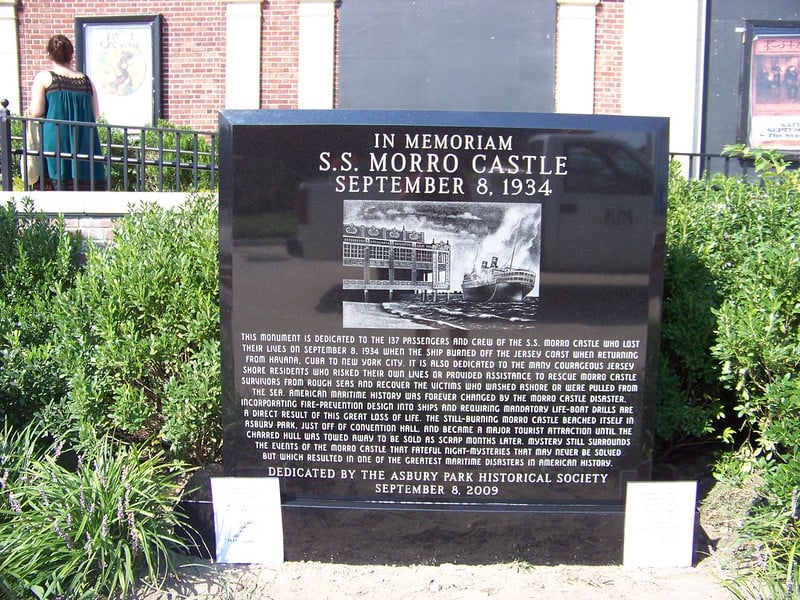
Fire broke out on this passenger liner during its return trip from Havana to New York — killing 137 people in the process. The blaze started in a storage locker and spread rapidly through the ship’s wooden interiors. Strong winds fanned the flames while the ship was still at sea, creating what witnesses described as a floating inferno.
MS Costa Concordia (2012)
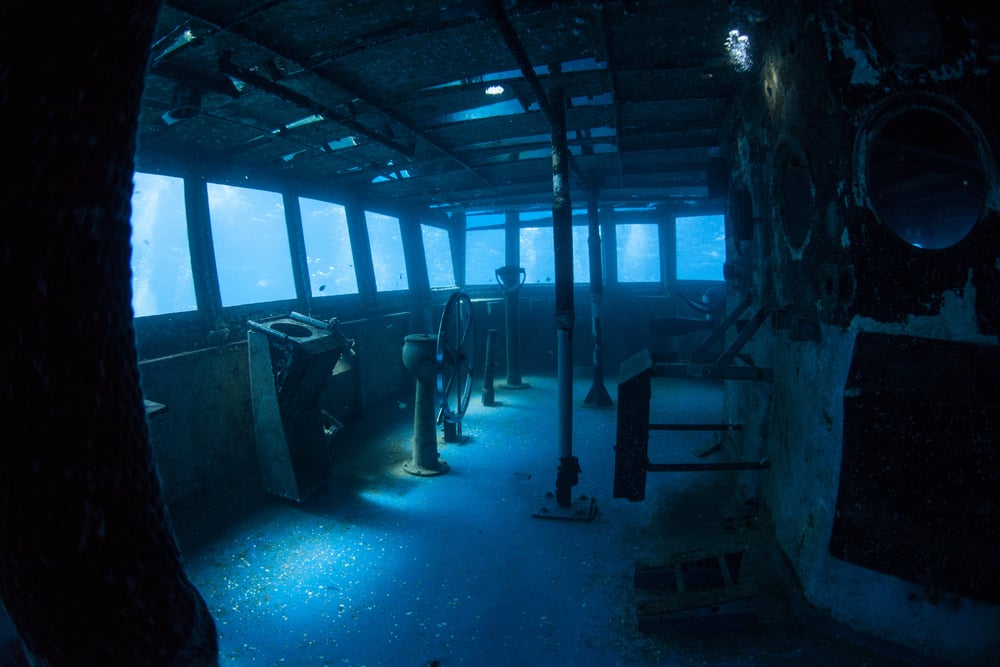
This massive cruise ship ran aground off the Italian coast when the captain deviated from the planned route to perform a ‘salute’ near Giglio Island. The vessel struck underwater rocks — tore open its hull — and partially capsized with over 4,000 people aboard. Thirty-two people died during the chaotic evacuation process that stretched on for hours.
SS Prinsendam (1980)
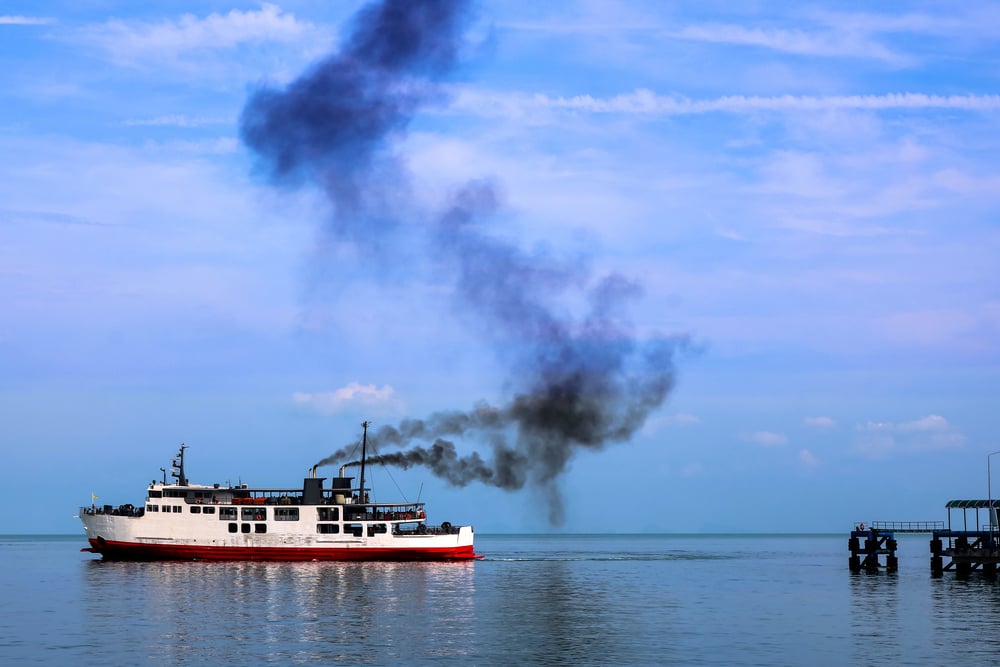
An engine room fire forced the evacuation of this cruise ship in the Gulf of Alaska during particularly rough seas. All 524 passengers and crew were rescued in what became known as the largest peacetime rescue operation by the U.S. Coast Guard. The elderly passengers faced terrifying conditions as they waited in lifeboats and life rafts — some for many hours — before rescue ships could reach them.
MS Sea Diamond (2007)
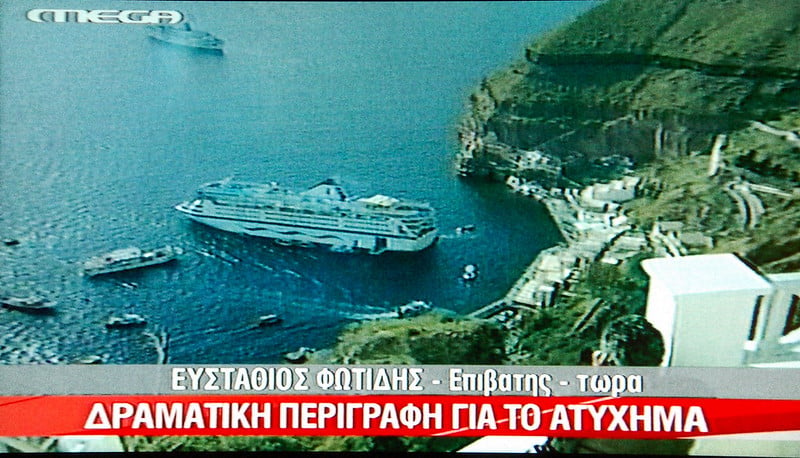
This cruise ship struck a volcanic reef near the Greek island of Santorini and began taking on water at an alarming rate. The vessel listed heavily to one side as passengers scrambled to evacuate — while two passengers went missing and were presumed drowned. The ship eventually sank in one of the most pristine marine environments in the Mediterranean, causing significant environmental concerns.
MS Sun Vista (1999)
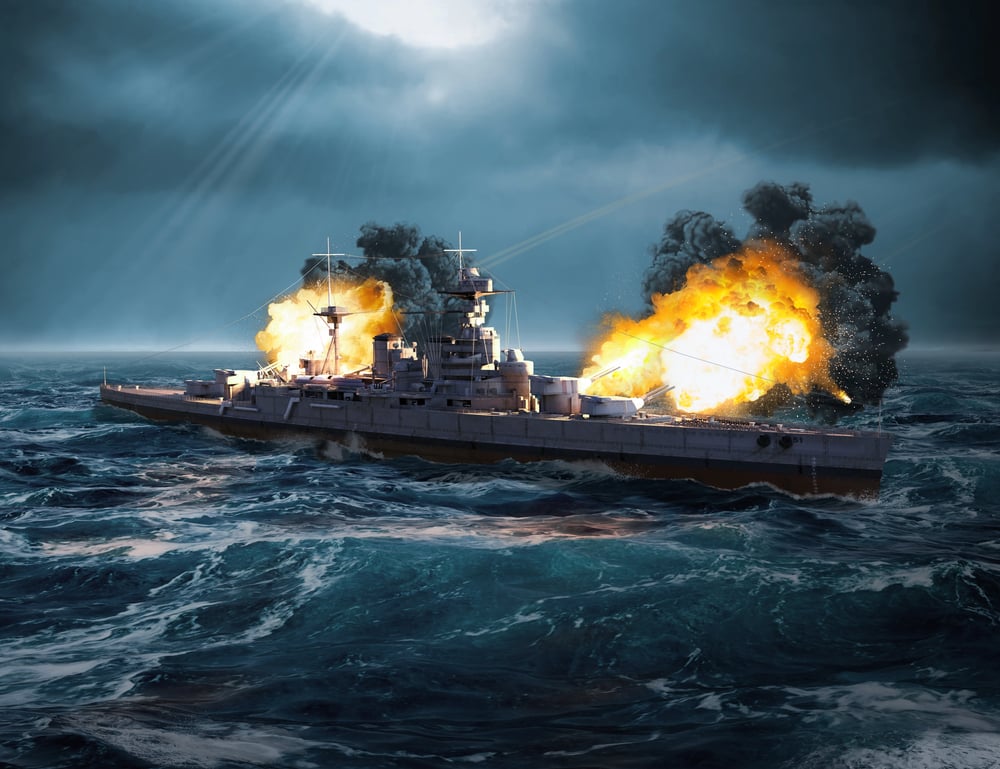
Fire erupted in the engine room of this cruise ship while sailing off Malaysia’s coast. The blaze quickly spread throughout the vessel, forcing all 1,090 people aboard to abandon ship in the middle of the night. Passengers spent hours bobbing in lifeboats before nearby vessels could reach them.
SS Heraklion (1966)
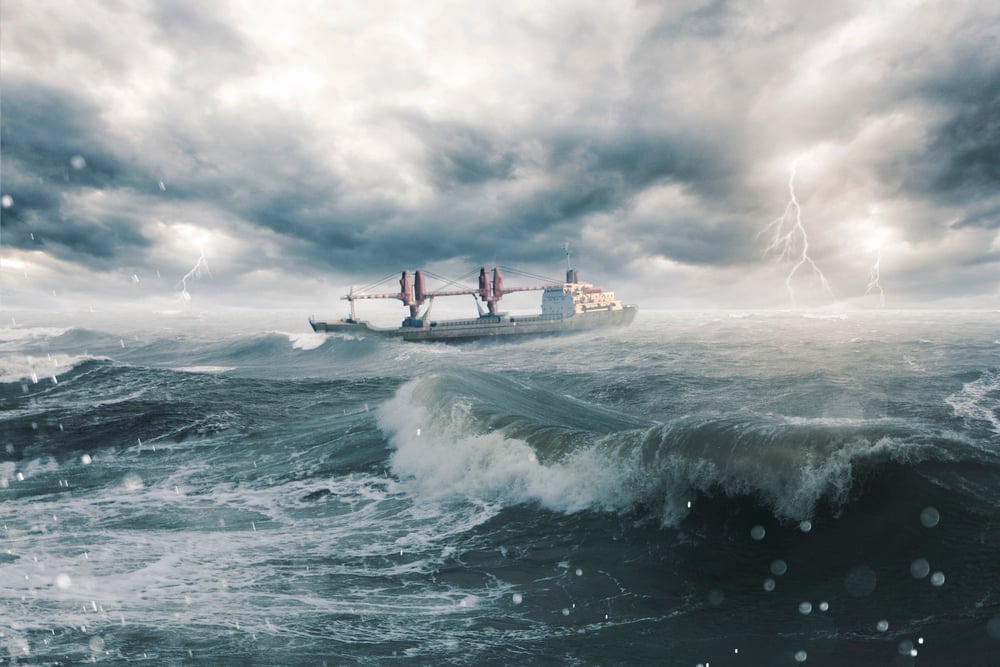
This Greek ferry was traveling from Crete to Piraeus when it encountered a severe storm in the Aegean Sea. Water entered through an improperly secured loading door, causing the ship to sink rapidly with the loss of 217 lives. The disaster highlighted serious safety deficiencies that plagued Greek ferry operations at the time.
MV Explorer (2007)
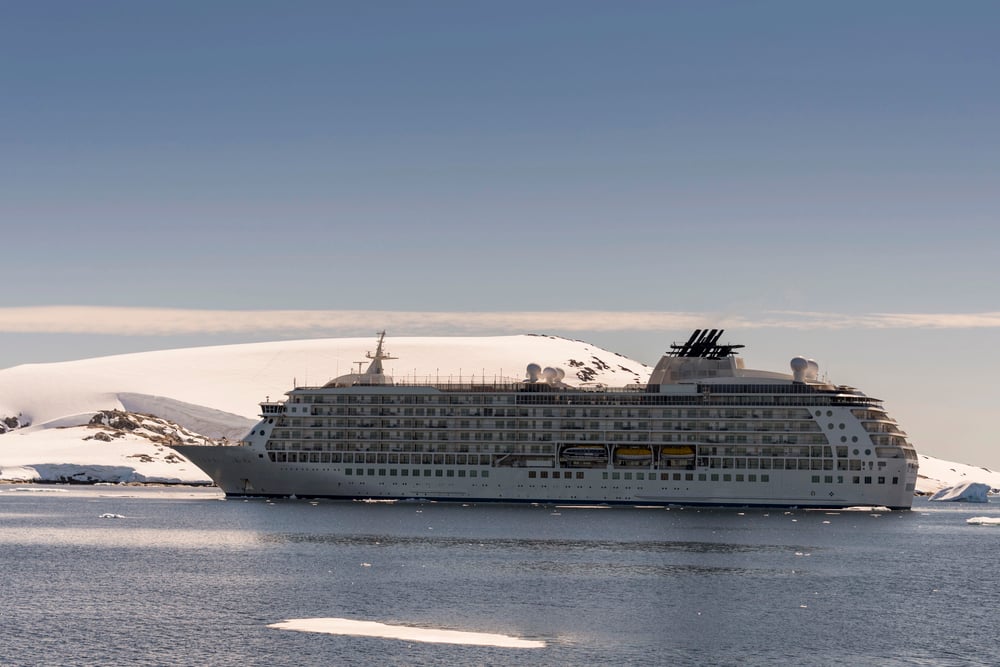
This expedition cruise ship struck ice in Antarctic waters and began taking on water through a significant hull breach. All 154 passengers and crew were evacuated to lifeboats in some of the world’s most remote waters. The ship sank the following day, becoming the first passenger vessel to be lost in Antarctic waters.
MS Star Princess (2006)
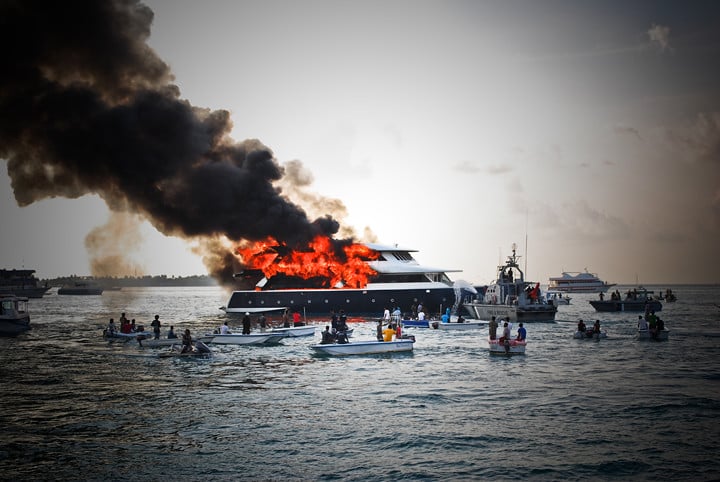
A balcony fire on this cruise ship spread rapidly to other decks, killing one passenger while injuring several others. The blaze started on a passenger’s balcony and quickly climbed the ship’s exterior, creating panic among the 3,800 people aboard. The incident demonstrated how quickly flames could spread on modern cruise ships with extensive balcony configurations.
SS Yarmouth Castle (1965)
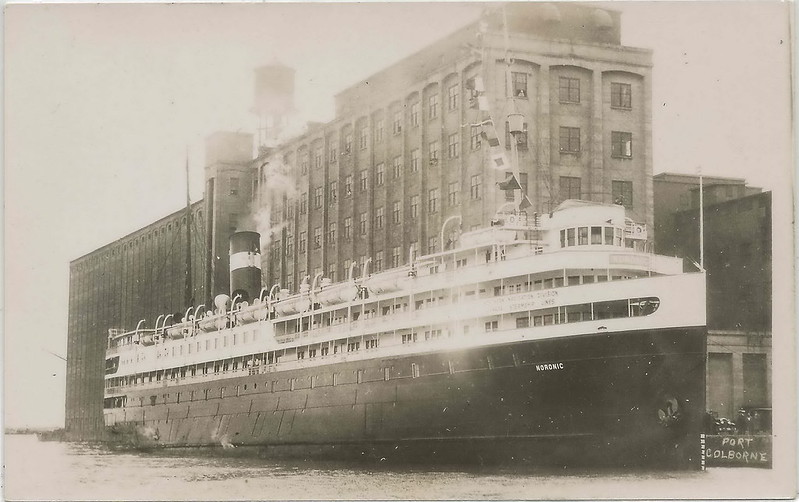
Fire consumed this aging cruise ship during an overnight voyage from Miami to Nassau, ultimately killing 90 people. The vessel had been converted from a cargo ship and lacked adequate fire suppression systems. Passengers awoke to find flames and smoke blocking escape routes throughout the ship, turning what should’ve been a pleasant Caribbean cruise into a nightmare.
When Leisure Meets Disaster
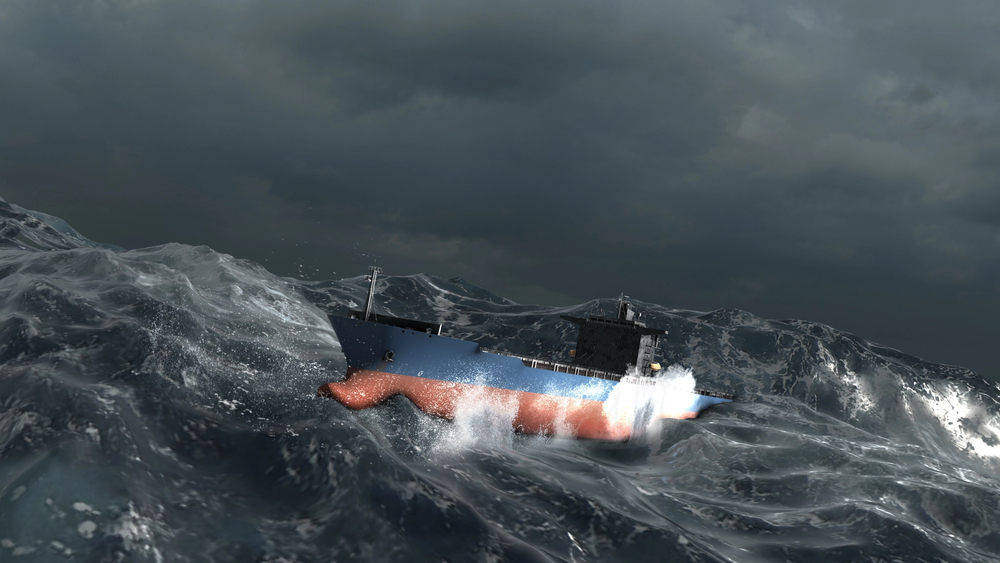
These maritime catastrophes serve as stark reminders that even the most carefully planned voyages can turn deadly within moments. Modern cruise ships feature significantly better safety systems and evacuation procedures than their predecessors, largely due to lessons learned from these tragic events. Yet the ocean remains an unpredictable environment where human error, mechanical failure, or natural forces can transform a dream vacation into a desperate fight for survival. While cruise travel today is statistically quite safe, these historical disasters remind us why maritime safety regulations exist and why vigilance at sea must never be compromised.
More from Go2Tutors!

- The Romanov Crown Jewels and Their Tragic Fate
- 13 Historical Mysteries That Science Still Can’t Solve
- Famous Hoaxes That Fooled the World for Years
- 15 Child Stars with Tragic Adult Lives
- 16 Famous Jewelry Pieces in History
Like Go2Tutors’s content? Follow us on MSN.