17 Products That Came From Military Gear
The military has always been at the forefront of innovation, developing cutting-edge technology to give soldiers every possible advantage. What many people don’t realize is how much of this military-developed tech eventually makes its way into our everyday lives, transforming from battlefield necessities into household staples.
From the internet you’re using right now to the GPS in your phone, military research has quietly revolutionized civilian life. Here are 17 products that started as military gear and found their way into our homes, offices, and daily routines.
Duct Tape
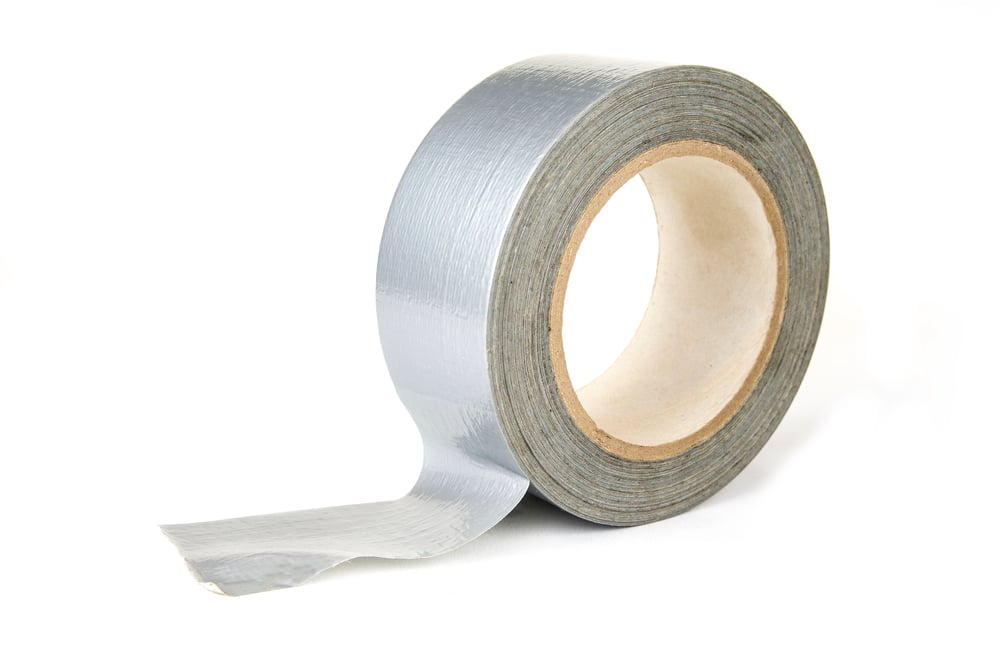
During World War II, ammunition boxes kept failing because moisture seeped through their cloth tape seals. Johnson & Johnson stepped up to create a waterproof, cloth-backed tape that could withstand harsh conditions and be easily torn by hand.
Soldiers quickly discovered this versatile tape could fix almost anything, from patching equipment to emergency repairs on vehicles. The military called it ‘100-mph tape’ because it could supposedly hold together at highway speeds.
After the war, civilians found endless uses for this miracle fix-all, and it became the silver-colored household hero we know today.
The Internet
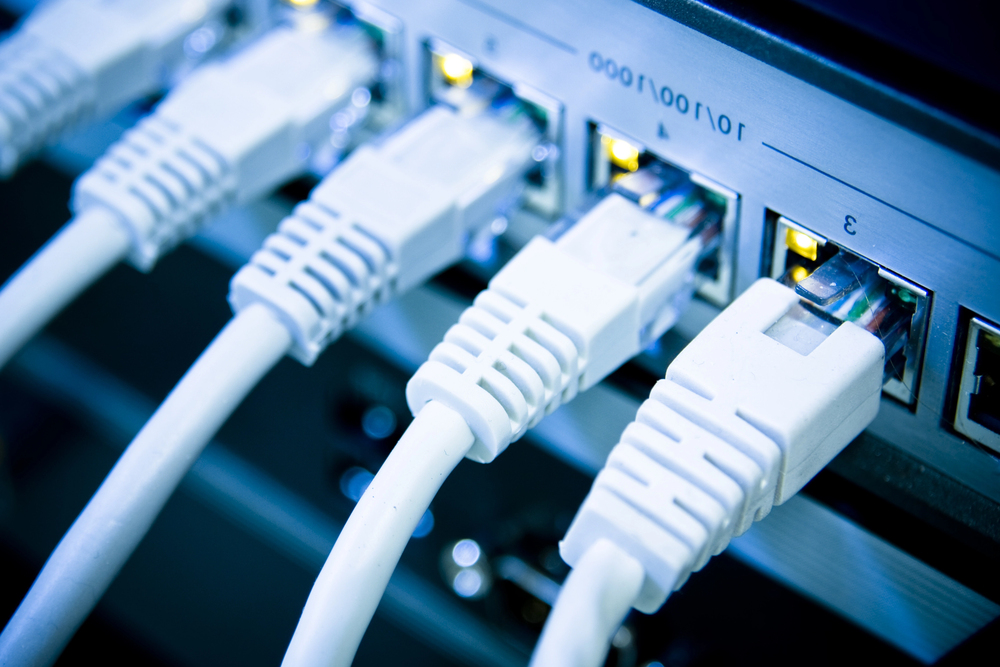
The internet began as ARPANET in 1969, a project funded by the Department of Defense to create a communication network that could survive nuclear attacks. The idea was revolutionary: instead of relying on a single central hub, information would travel through multiple routes, making the network nearly indestructible.
Researchers at universities and military installations used this early network to share data and communicate. By the 1990s, this military communication system had evolved into the World Wide Web, fundamentally changing how humans connect and share information.
Like Go2Tutors’s content? Follow us on MSN.
GPS Technology

The Global Positioning System started as a military navigation tool in the 1970s, designed to help submarines, aircraft, and ground forces pinpoint their exact locations anywhere on Earth. The system uses a constellation of satellites to provide precise coordinates, initially reserved exclusively for military use.
In 2000, the government removed the artificial errors that had been built into civilian GPS signals, making the technology accurate enough for everyday navigation. Now GPS guides everything from your morning commute to food delivery drivers finding your front door.
Microwave Ovens
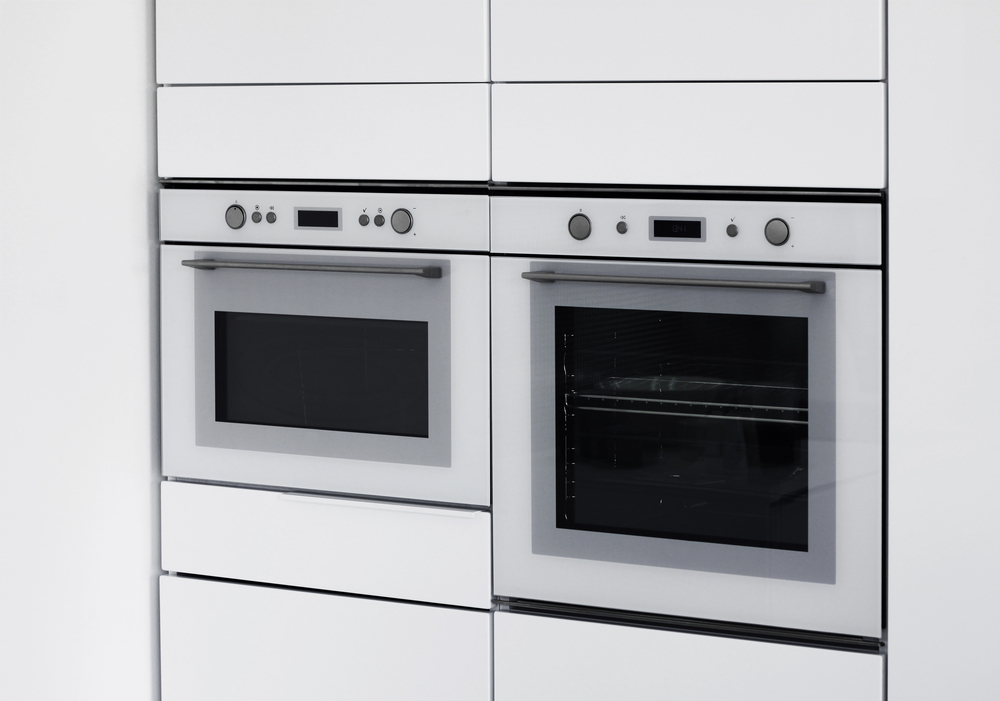
Percy Spencer was working on military radar technology in 1945 when he noticed something odd: the chocolate bar in his pocket had melted. The magnetron he was testing had cooked his snack with invisible microwaves, the same technology used in radar systems to detect enemy aircraft.
Spencer experimented further, successfully popping corn and cooking an egg with focused microwave energy. Raytheon, his employer, quickly saw the potential for a new kind of cooking appliance, leading to the first commercial microwave oven in 1947.
Jeep Vehicles
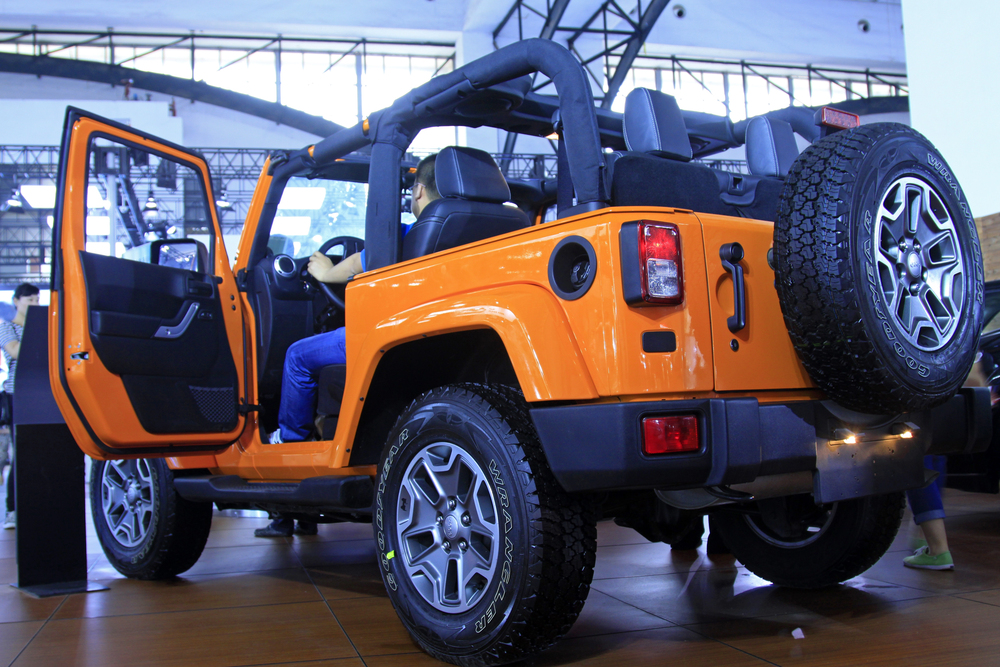
The U.S. military needed a lightweight, all-terrain vehicle that could navigate rough battlefield conditions while carrying soldiers and supplies. In 1940, they issued specifications for what they called a ‘general purpose’ vehicle, which troops shortened to ‘GP’ and eventually ‘Jeep.’
Willys-Overland won the contract and produced over 360,000 of these rugged vehicles during World War II. After the war, civilians fell in love with the Jeep’s durability and off-road capabilities, making it the foundation for the modern SUV market.
Like Go2Tutors’s content? Follow us on MSN.
Canned Food
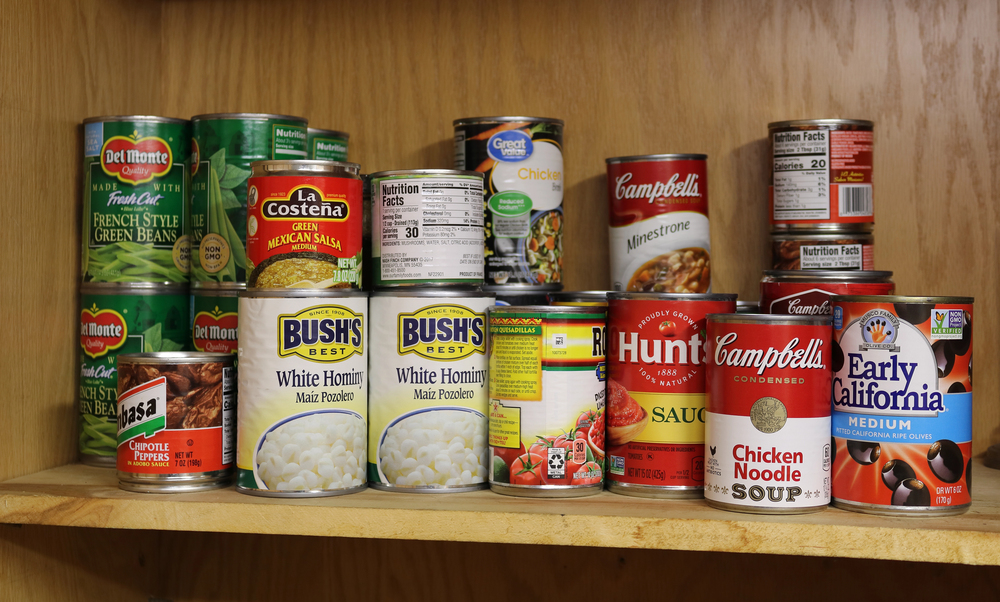
Napoleon’s army needed a way to feed soldiers during long campaigns without food spoiling, leading to the invention of canning in 1810. The military quickly adopted this preservation method, using tin cans to store everything from meat to vegetables for troops in the field.
The process remained expensive and time-consuming until the Civil War, when demand for preserved military rations drove innovations that made canned food more affordable. By the late 1800s, canned goods had become a staple in American households.
Walkie-Talkies
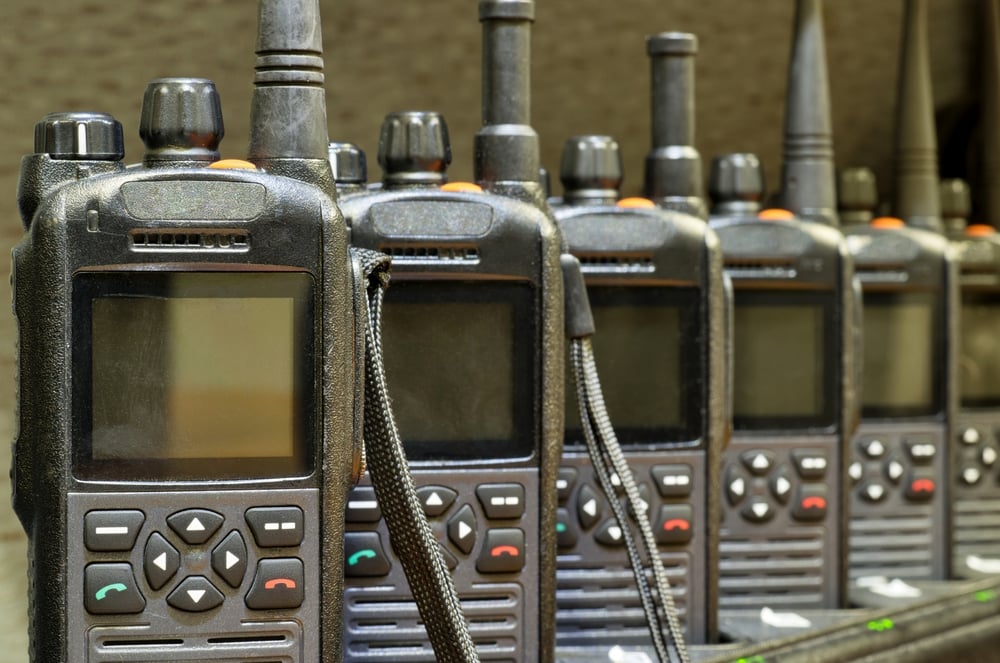
Motorola developed the first practical handheld radio for the U.S. Army Signal Corps in 1940, creating the SCR-300 ‘walkie-talkie’ that allowed infantry units to communicate over distances up to several miles. These 35-pound backpack radios gave ground forces unprecedented coordination capabilities.
The technology rapidly improved during the war, becoming lighter and more reliable. Construction crews, security teams, and outdoor enthusiasts quickly adopted civilian versions, making walkie-talkies essential tools for any job requiring instant communication across distances.
Silly Putty
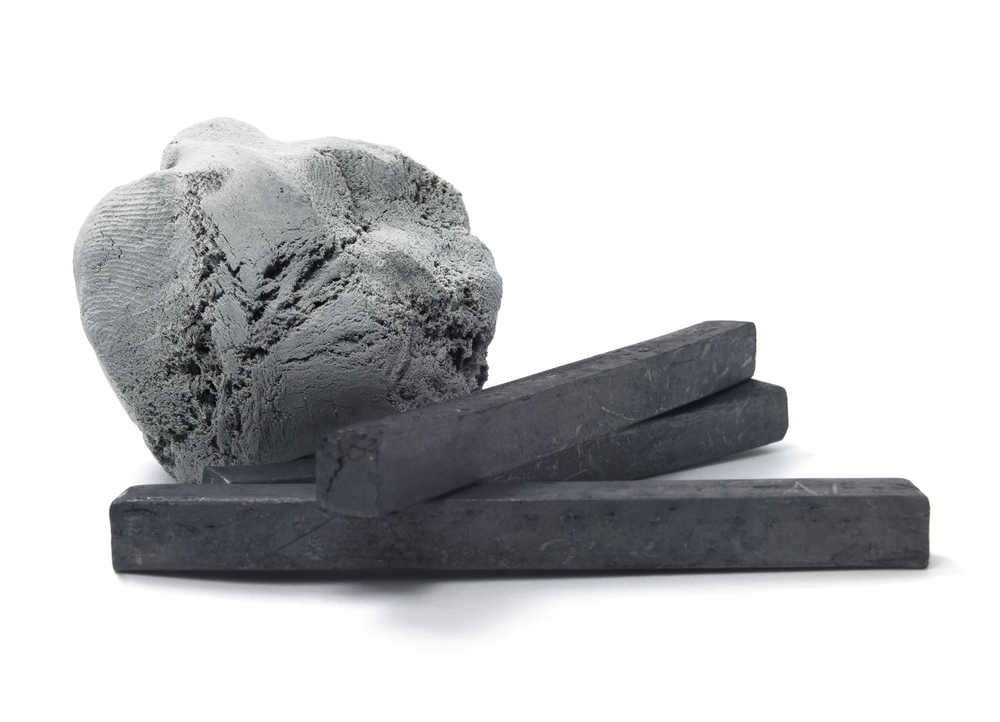
General Electric was trying to create a synthetic rubber substitute during World War II when engineer James Wright accidentally created a bouncy, stretchy substance that seemed to have no practical military application. The strange material could copy text from newspapers, stretch without breaking, and bounce higher than rubber.
For years, this accidental invention sat unused until a toy store owner recognized its entertainment potential in 1950. Silly Putty became an instant hit with children and adults alike, selling millions of units within just a few years.
Like Go2Tutors’s content? Follow us on MSN.
Super Glue
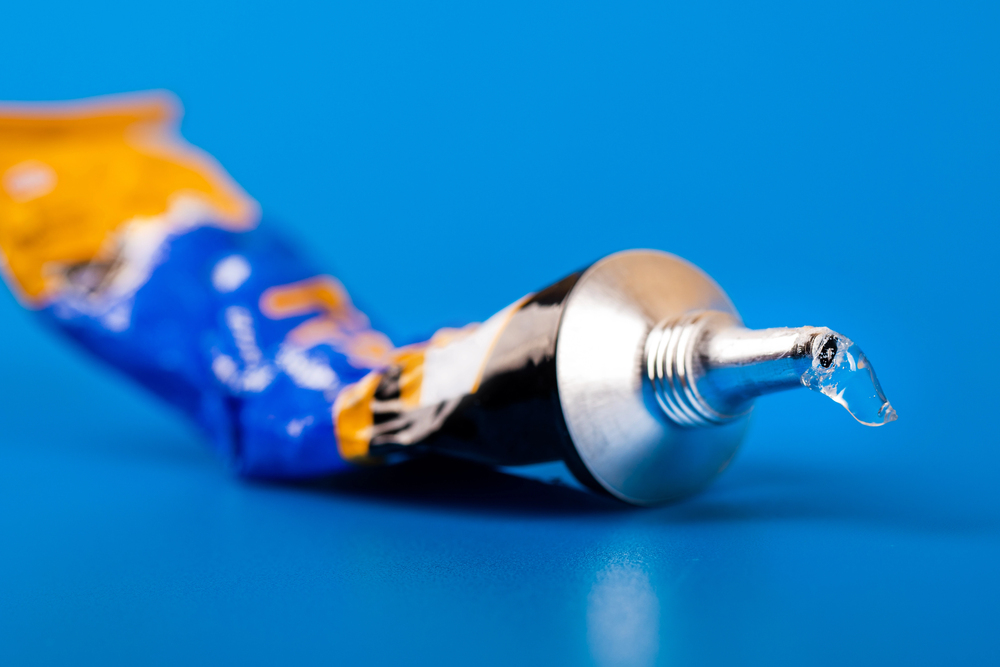
Researchers at Eastman Kodak were developing clear plastics for military gun sights in 1942 when they stumbled upon cyanoacrylate, a substance that stuck to everything it touched. The compound was far too sticky for precision optical work, so they shelved it as a failed experiment.
Nine years later, the same researchers rediscovered their sticky creation and realized its potential as an instant adhesive. Super Glue hit the market in 1958, becoming the go-to solution for quick repairs and emergency fixes around the house.
Freeze-Dried Food

The military needed lightweight, nutritious meals that could last for years without refrigeration, leading to the development of freeze-drying technology during World War II. This process removes moisture from food while preserving nutrients and flavor, creating meals that weigh 90% less than their fresh counterparts.
Space programs further refined the technology for astronaut meals, making freeze-dried food even more compact and flavorful. Today, backpackers, emergency preppers, and busy families rely on freeze-dried meals for convenient, long-lasting nutrition.
Aviator Sunglasses
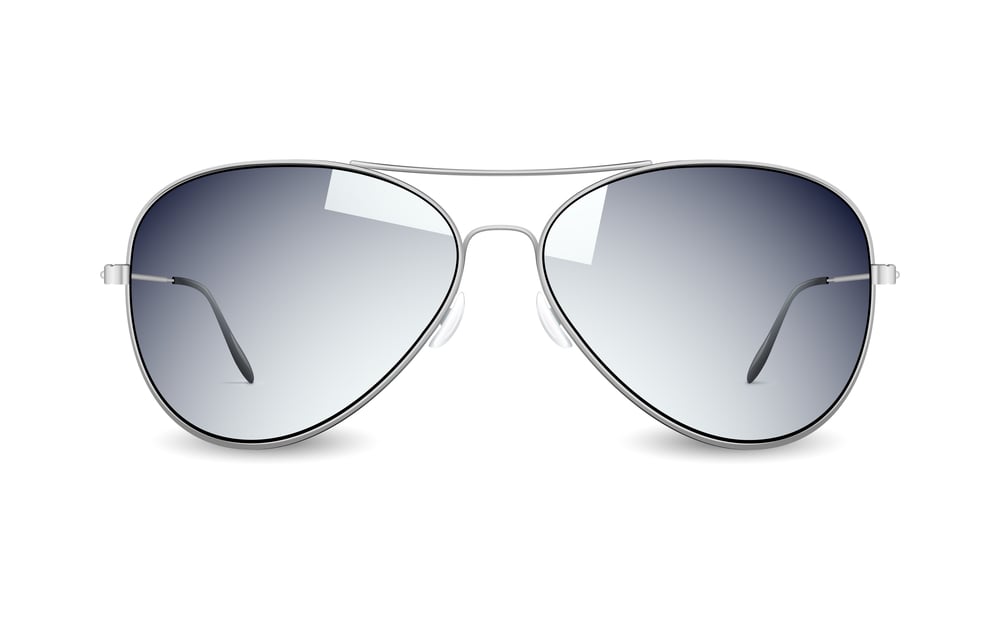
Army Air Corps pilots in the 1930s complained that standard sunglasses created glare and didn’t adequately protect their eyes during high-altitude flights. Ray-Ban partnered with the military to create the first aviator sunglasses, featuring large lenses that covered the entire eye area and thin metal frames that fit comfortably under flight helmets.
The distinctive teardrop shape and reflective coating became standard military issue, protecting pilots’ vision during combat missions. Hollywood stars adopted the style after the war, making aviators a timeless fashion statement that still screams confidence and adventure.
Like Go2Tutors’s content? Follow us on MSN.
Cargo Pants
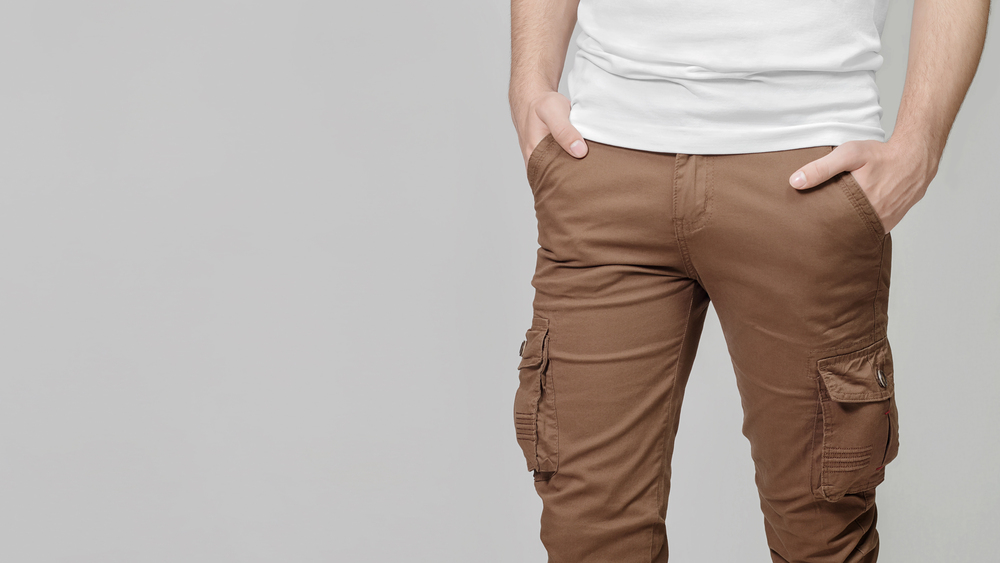
Paratrooper units needed clothing that could carry essential gear while allowing freedom of movement during jumps and combat operations. Military designers created pants with large pockets on the thighs, giving soldiers easy access to maps, ammunition, and survival equipment.
The practical design caught on with civilians who appreciated the extra storage space for tools, phones, and everyday items. Cargo pants became a fashion trend in the 1990s, though their military origins remain evident in their utilitarian design.
Energy Bars
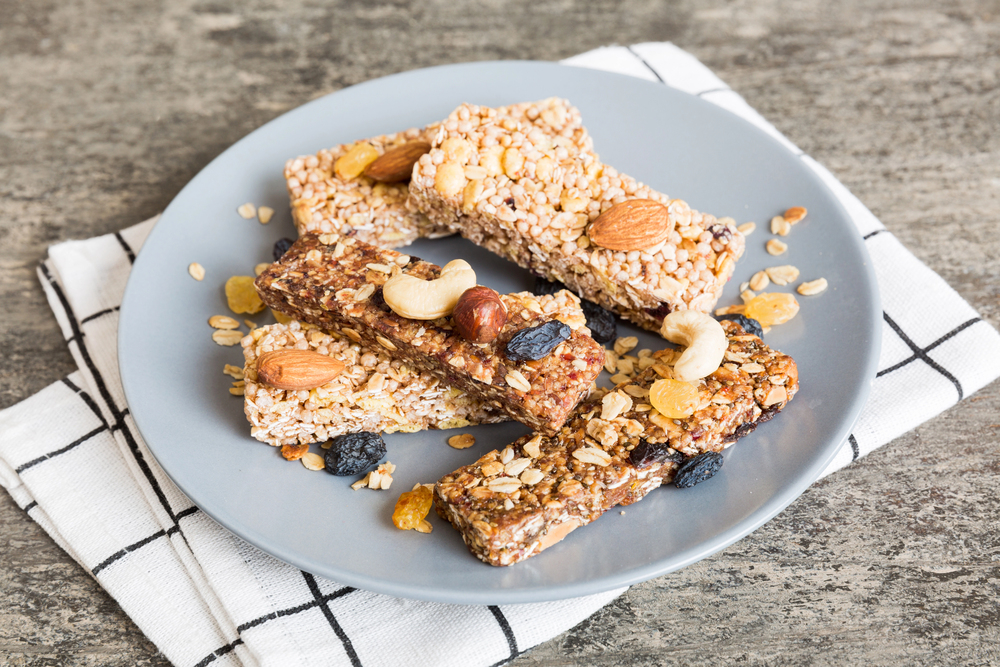
Military researchers developed compressed food bars that could provide maximum nutrition in minimal space, creating high-energy rations for soldiers in combat zones. These early energy bars were designed to sustain troops for extended periods without access to regular meals.
The concept appealed to athletes and outdoor enthusiasts who needed portable, nutritious fuel for their activities. Companies began marketing civilian versions with better flavors and more appealing packaging, creating the modern sports nutrition industry.
Bungee Cords

Paratroopers needed a way to secure equipment during jumps without adding excessive weight or bulk to their gear. Military engineers developed elastic cords with hooks that could stretch to accommodate different loads while maintaining tension.
The simple but effective design proved useful for securing cargo in vehicles and aircraft, eventually finding its way into civilian applications. Today, bungee cords are essential tools for moving, camping, and organizing equipment in trucks and storage areas.
Like Go2Tutors’s content? Follow us on MSN.
Digital Cameras
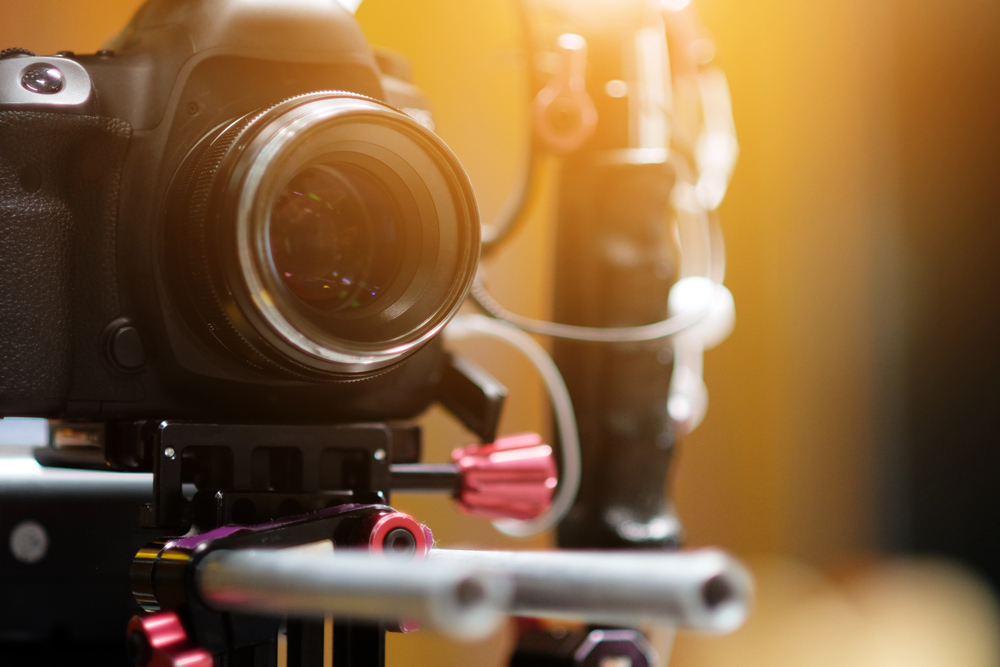
The military wanted surveillance equipment that could capture images without the delays and logistics of film processing, leading to early digital camera development in the 1970s. These cameras used electronic sensors to convert light into digital signals, allowing instant image review and transmission.
The technology remained expensive and bulky for decades, primarily used by military and intelligence agencies. As costs dropped and quality improved, digital cameras revolutionized photography, eventually making film cameras nearly obsolete.
Velcro
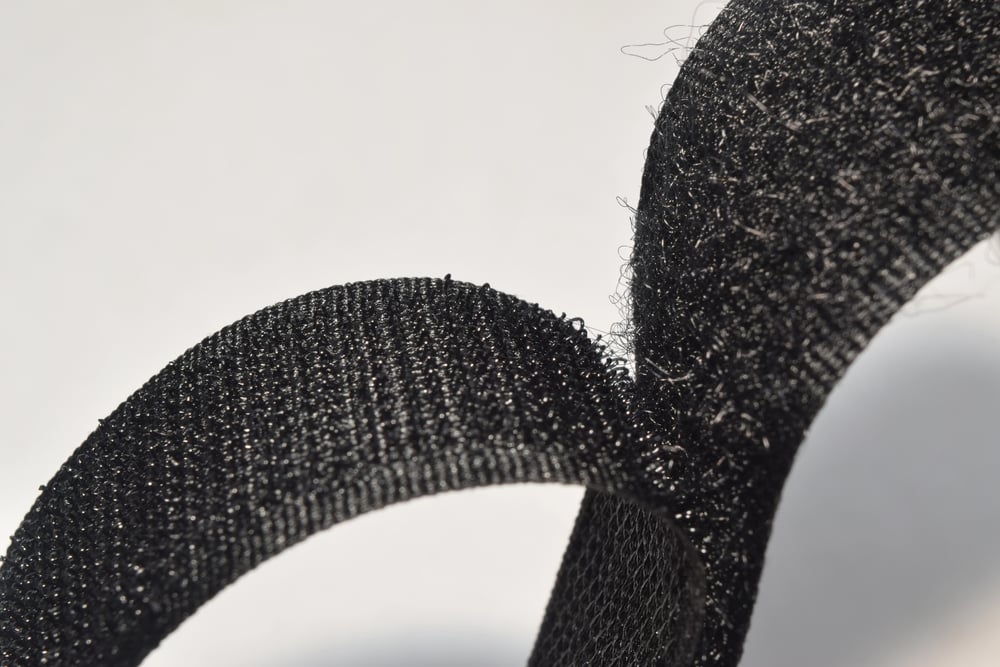
Swiss engineer George de Mestral was hunting in 1941 when he noticed burr seeds sticking to his dog’s fur and his own clothing. Under a microscope, he discovered tiny hooks that caught onto fabric loops, inspiring him to create a fastening system based on this natural mechanism.
The military immediately saw potential in this hook-and-loop fastener for astronaut suits and equipment, where traditional buttons and zippers might fail in zero gravity. Velcro became ubiquitous in civilian life, from children’s shoes to medical devices.
Computers

The U.S. military funded early computer development to calculate artillery trajectories and break enemy codes during World War II, leading to room-sized machines like ENIAC that could perform thousands of calculations per second. These early computers were so large they required entire buildings to house them.
Military research continued driving computer miniaturization and improvement throughout the Cold War, eventually creating machines small enough for offices and homes. The same technology that once guided missiles now helps you check email and watch videos.
Like Go2Tutors’s content? Follow us on MSN.
From Battlefield to Breakfast Table

These innovations remind us that military necessity often drives civilian convenience, creating products that improve our daily lives in unexpected ways. The next time you microwave lunch, check your GPS, or stick something with Velcro, remember that these everyday items began as solutions to military challenges.
The cycle continues today, with military research in artificial intelligence, renewable energy, and advanced materials likely to produce the next generation of household innovations.
More from Go2Tutors!

- 16 Historical Figures Who Were Nothing Like You Think
- 12 Things Sold in the 80s That Are Now Illegal
- 15 VHS Tapes That Could Be Worth Thousands
- 17 Historical “What Ifs” That Would Have Changed Everything
- 18 TV Shows That Vanished Without a Finale
Like Go2Tutors’s content? Follow us on MSN.