17 Times History Got the Inventor Wrong
History loves a good story, especially one with a clear hero who changes the world with a brilliant flash of inspiration. The problem is, real innovation rarely works that way. Most inventions build on previous work, involve multiple contributors, or get hijacked by someone with better marketing skills or legal connections. The result? We end up celebrating the wrong people while the actual inventors fade into obscurity.
From household items to world-changing technologies, countless inventions have been misattributed over the centuries. Here is a list of 17 times history got the inventor completely wrong.
The Light Bulb
— Vector by Simplyamazing
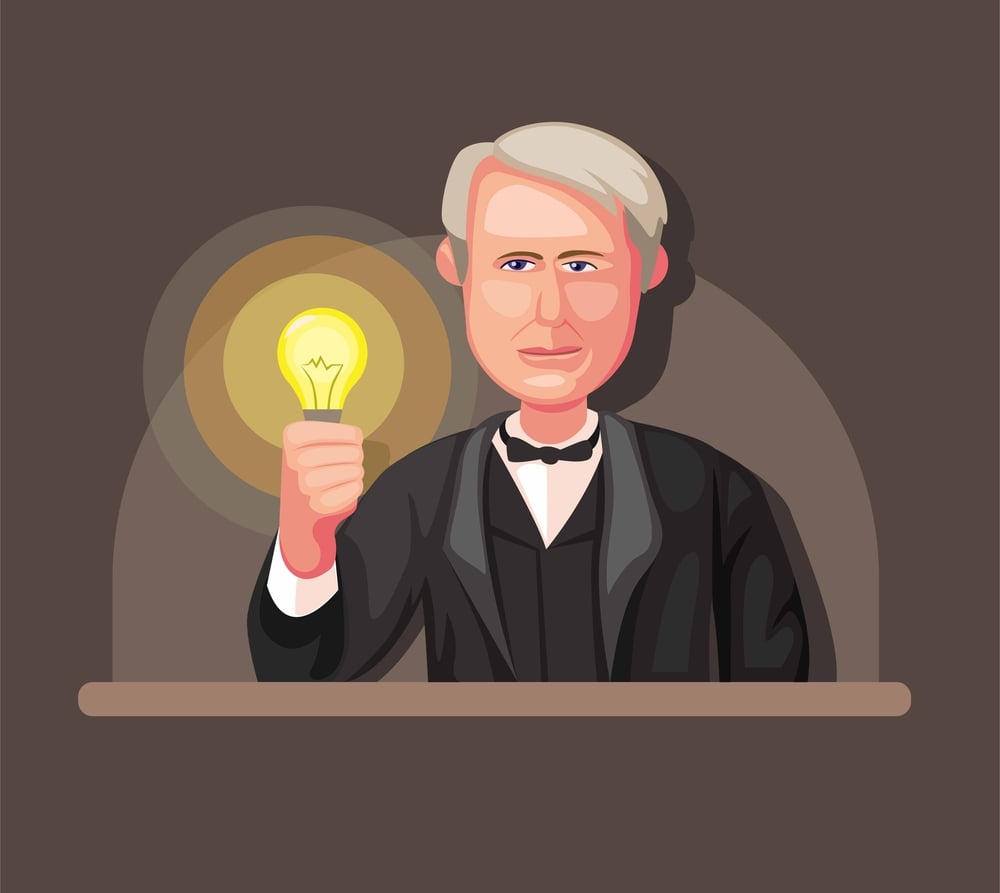
Thomas Edison gets all the credit for inventing the light bulb, but he was basically the last guy in a very long line of innovators. Careful research leads us to 1809 when the Englishman Humphrey Davy made an arched lamp. Some ten years later, Warren de la Roux made the first sealed light bulb – and in 1840, William Robert Grove lit up the whole room with lamps. Edison’s real genius wasn’t invention—it was turning those earlier designs into something commercially viable and affordable.
The Telephone

— Vector by Simplyamazing
Alexander Graham Bell might be the most famous phone thief in history. Antonio Meucci (not among history’s most famous inventors, but among its most important), who had achieved success with primitive telephones all the way back in the 1830s, and was able to transmit his voice electromagnetically, as Bell eventually would, by the mid-1850s. Even more dramatic was Bell’s rivalry with Elisha Gray, whose patent application arrived at the same office on the same day as Bell’s, but got buried under paperwork while Bell’s was fast-tracked.
Powered Flight
— Photo by jacklondon
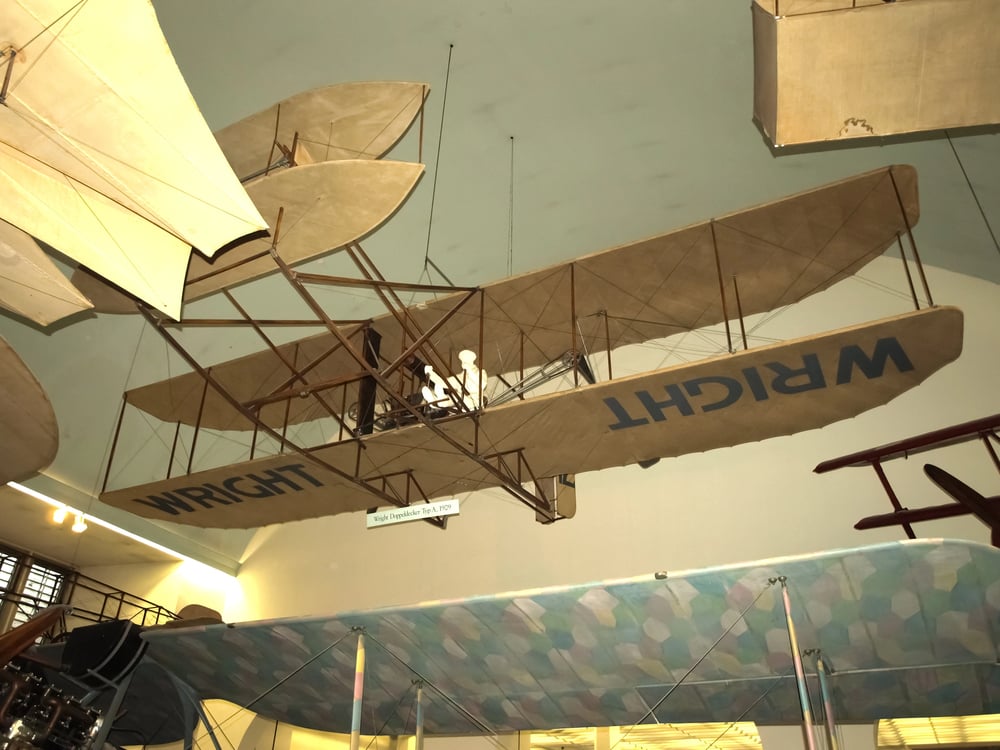
The Wright Brothers get the glory for that famous 1903 flight at Kitty Hawk, but they weren’t actually first. Nine months prior to their famous takeoff on the 17th of December, 1903 at Kitty Hawk, New Zealander Richard Pearse performed the same feat in Timaru, New Zealand (31 March 1903). Pearse’s design was even more modern than the Wright brothers’ machine, featuring a monoplane design and rear stabilizers that actually resembled today’s aircraft more closely.
The Cotton Gin
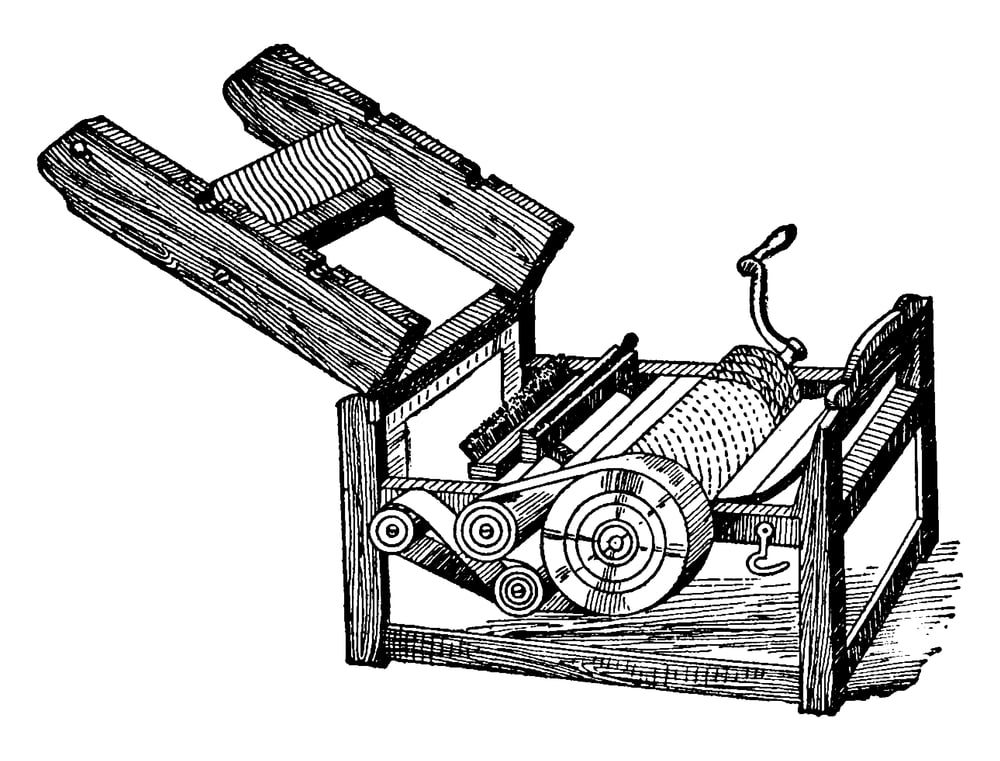
Eli Whitney supposedly revolutionized American agriculture with his cotton gin in 1793, but similar machines had been separating cotton from seeds for centuries. India had been using the cotton gin since the fifth century. Granted, those gins didn’t have moving double rollers to separate the seeds, like Whitney’s. No, that revolutionary advancement belonged to China. Chinese cotton producers had been using an almost identical cotton gin to Eli Whitney’s since the 12th century. Whitney just happened to be the first person smart enough to patent the design in America.
Moving Pictures
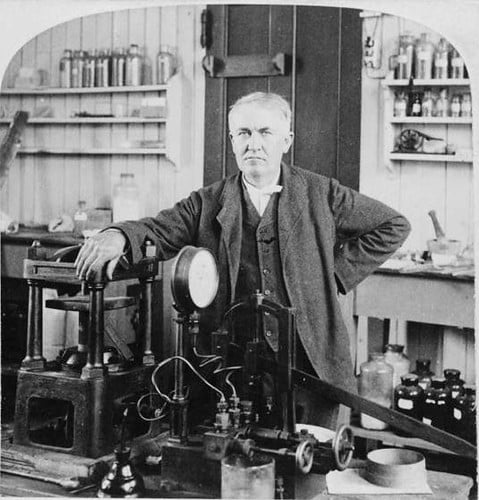
Edison claimed another invention that wasn’t his when he took credit for motion pictures. The real pioneer was French inventor Louis Le Prince, who created the first moving picture in 1888. Even more suspicious, Le Prince mysteriously disappeared from a train in 1890, and his son was later found dead after testifying against Edison in a patent dispute.
The Phonograph
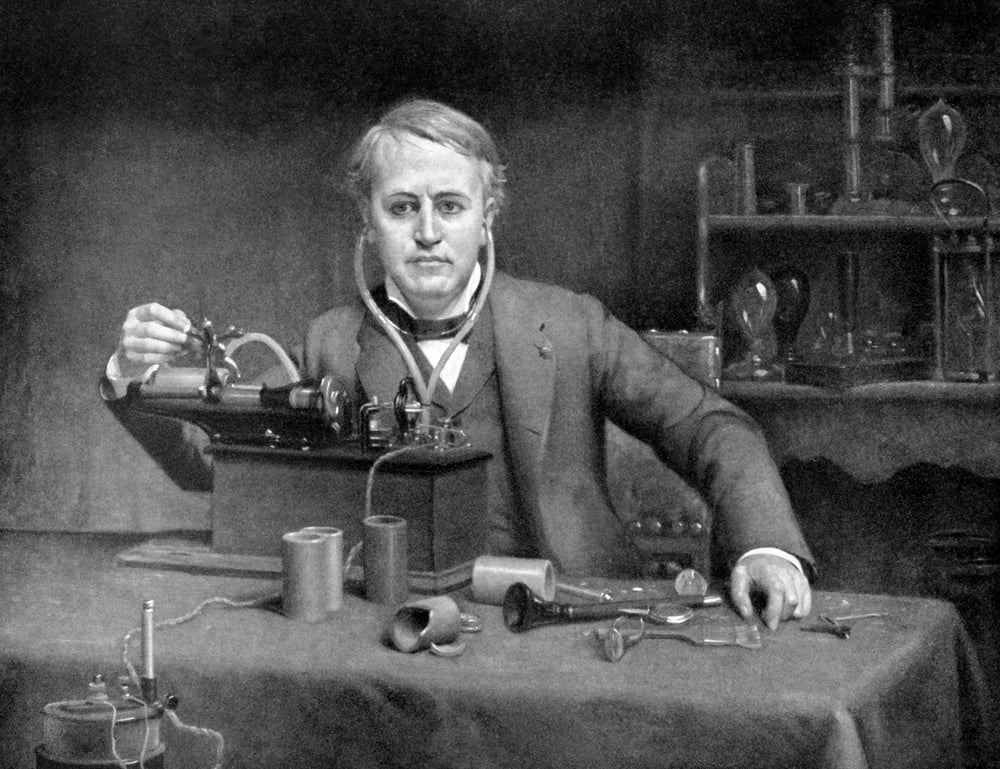
While Edison did improve the phonograph significantly, he wasn’t the original inventor of sound recording. Fully 17 years earlier (1860), Frenchman Édouard-Léon Scott de Martinville invented the phonautograph. It could transcribe sound to a visible medium, but had no means to play back the sound after it was recorded. The recordings from 1860 were successfully played back using modern computer technology in 2008, proving that recorded sound existed long before Edison touched the concept.
The Assembly Line
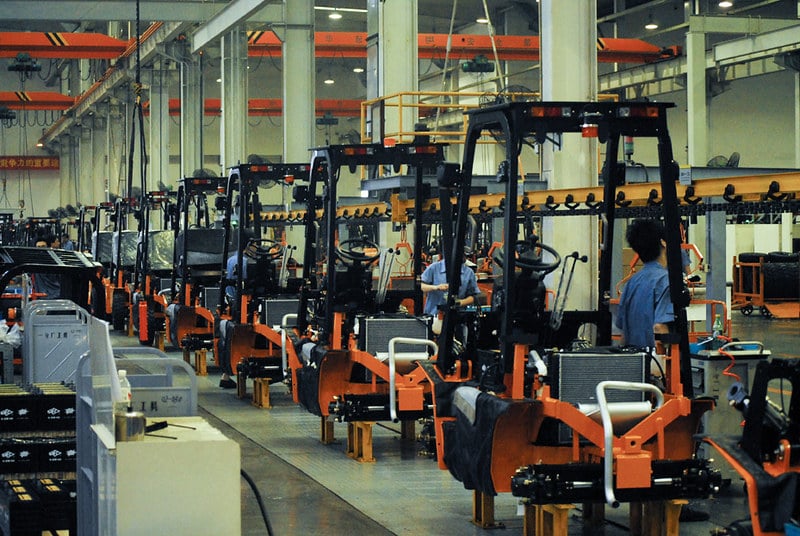
Henry Ford is synonymous with the assembly line, but he didn’t invent it. The basic process was invented by the Chinese, during the reign of Qin Shi Huang, the first Emperor of China, and was used to build the famous Terracotta Army. The various parts which make up the statues were built in different areas of China (even stamped with their specific factory) and brought together to be assembled at a different place and time. Ford perfected the moving assembly line for automobile production, but the core concept was over 2,000 years old.
The Automobile
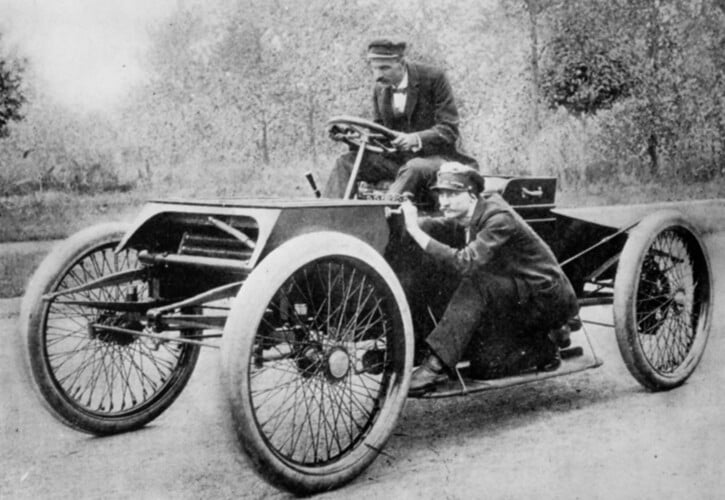
Speaking of Henry Ford, he also gets wrongly credited with inventing the car itself. It was actually the German engineer Karl Benz, the founder of Mercedes-Benz. In 1879, Karl Benz demonstrated the first gasoline-powered automobile, 17 years before Henry Ford first drove his Ford Quadricycle. Ford’s contribution was making cars affordable for regular people, not creating the first one.
The Steam Engine
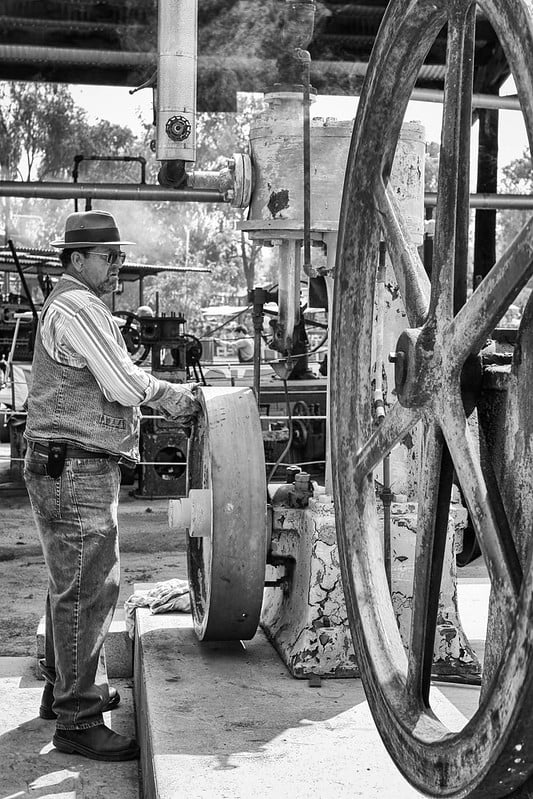
James Watt is famous for inventing the steam engine, but like many others on this list, he just improved an existing technology. The first use of a steam engine was described as a machine in Alexandria which only had one use: to turn a globe on its axis, through a sealed cauldron and a series of pipes. That ancient Greek device was forgotten for centuries until English inventors like Thomas Savery and Thomas Newcomen built practical steam engines before Watt ever got involved.
The Flush Toilet
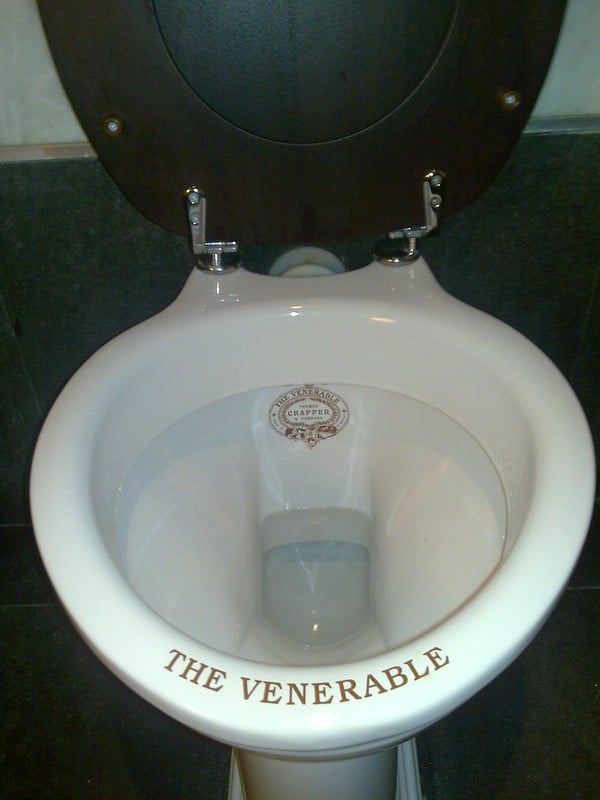
Thomas Crapper’s name appears on so many toilets that people assume he invented them, but that’s just coincidental wordplay. Much earlier, in 1596, John Harington, an English courtier and the godson of Queen Elizabeth I, described what can be considered the first flush toilet, which involved a 2-foot-deep bowl and a massive 7.5 gallons of water per flush. The Chinese had working flush toilets over 2,000 years ago, while Crapper just patented some components in the 1880s.
The Sewing Machine
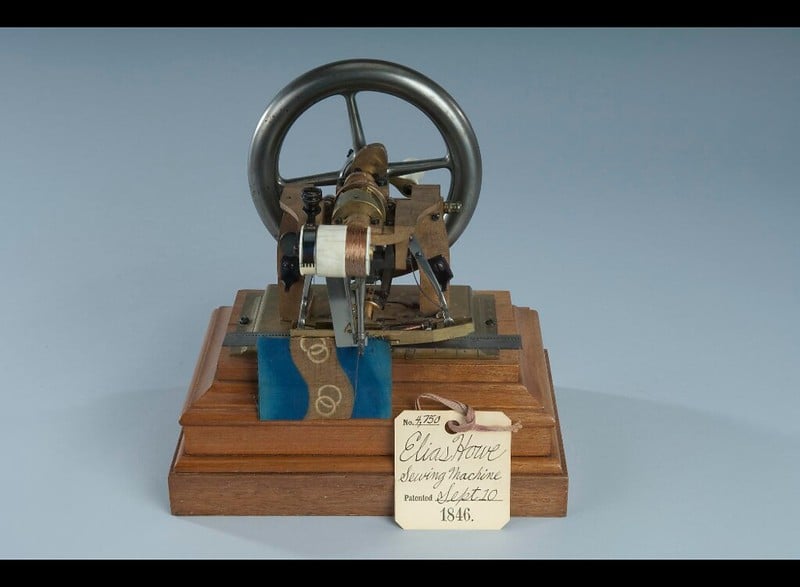
Elias Howe patented the first practical sewing machine in 1846, but Walter Hunt had been building and selling similar machines since 1833. Hunt had never applied for a patent on his machine, though he did patent one of his later inventions, the safety pin, in 1849. Hunt’s lockstitch design was remarkably similar to Howe’s later patent, but since Hunt never bothered with paperwork, Howe got the credit and the profits.
Monopoly
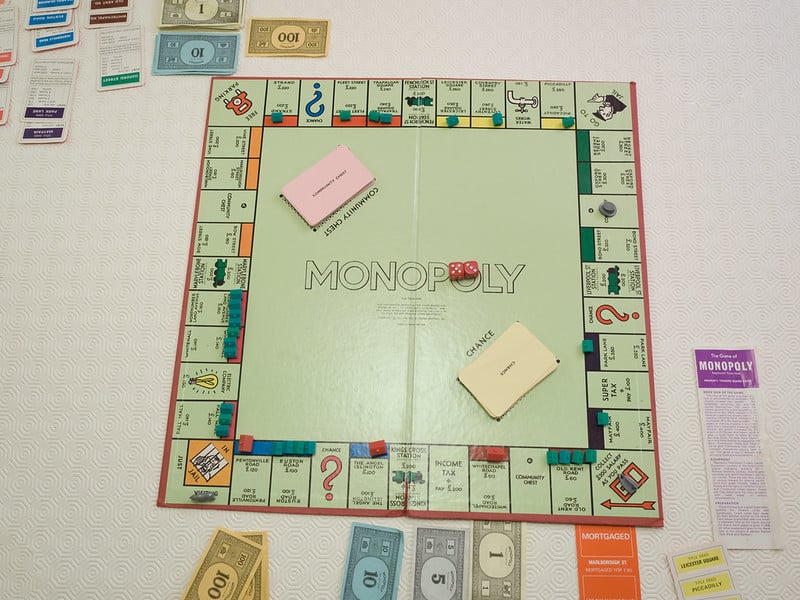
The board game Monopoly was supposedly invented by Charles Darrow during the Great Depression, but he actually stole the design from an earlier game. Darrow had copied much of the game he claimed to have invented from another game, known as The Landlord’s Game, which had been developed by Elizabeth Magie and patented in 1903. Magie created her game to demonstrate the problems with land monopolies, which makes it ironic that her own creation was essentially monopolized by someone else.
The Telescope
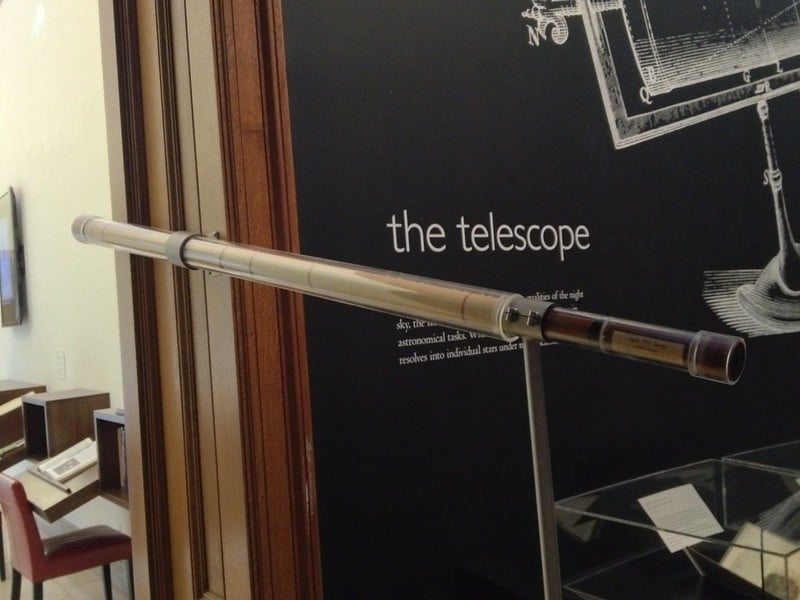
Galileo revolutionized astronomy with his telescope observations, leading many to assume he invented the device itself. The first person to apply for a patent for a telescope was Dutch eyeglass-maker Hans Lippershey in 1608, a year before Galileo. Galileo improved the design dramatically, but he built his first telescope after hearing about the Dutch ‘perspective glasses’ already being made in the Netherlands.
The iPod
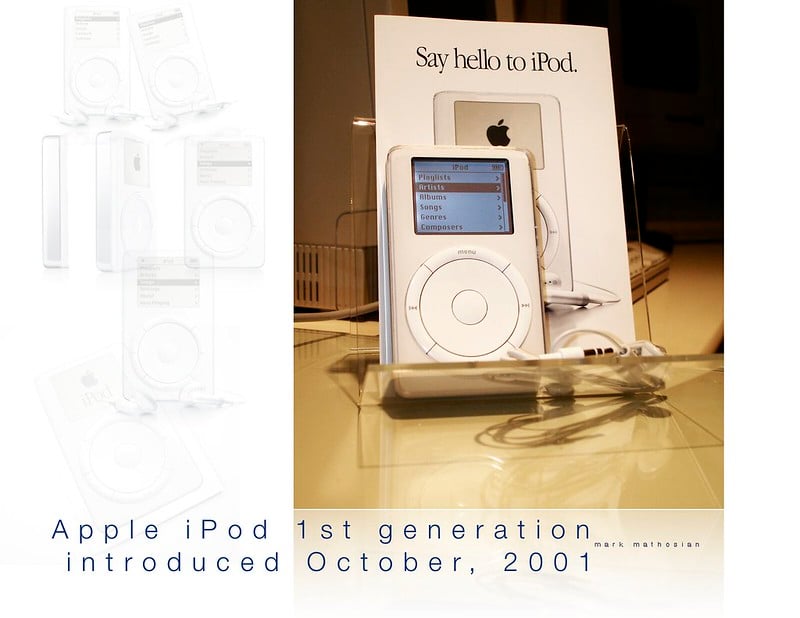
Apple’s iPod revolutionized portable music, but the core technology came from British inventor Kane Kramer. British inventor Kane Kramer actually developed the technology behind the iPod as far back as 1979. His credit card-sized music player, which looked very similar to the iPod, could store only 3.5 minutes of music, but he was sure the storage capacity would increase over time. Unfortunately, company problems led to his patent lapsing, making the technology public domain just in time for Apple to use it.
The Telegraph
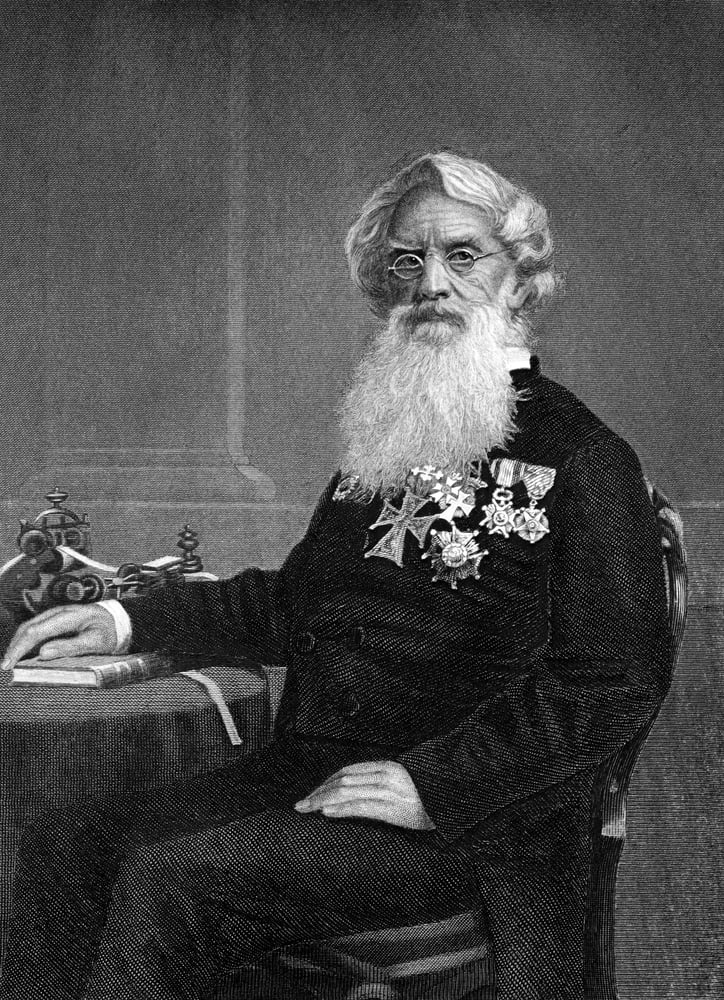
Samuel Morse gets credit for inventing the telegraph, but British inventors William Cooke and Charles Wheatstone had a working electrical telegraph system in commercial use before Morse’s design. By the time of the American Civil War, the Morse system was the standard in Europe and the United States, but the Cooke and Wheatstone system was the first patented electrical telegraph system to be put into commercial use, making Morse’s reputation as the inventor of the electrical telegraph dubious. Morse’s lasting contribution was actually the code system, not the telegraph itself.
The Guillotine

Despite its name, Dr. Joseph Guillotin didn’t invent the guillotine. There were in fact several machines developed for the purpose of quickly removing the head from the human body over the centuries, but that which most resembles the guillotine of France was developed by a German, Tobias Schmidt, working with the Frenchman Louis Antoine. Guillotin simply proposed using the machine for executions as a more humane method of capital punishment.
Baseball

— Photo by rose.mosteller@gmail.com
The official story claims Abner Doubleday invented baseball in Cooperstown, New York in 1839, but this tale was deliberately fabricated. The story that Abner Doubleday invented baseball was deliberately created in 1908, by a group known as the Mills Commission, in order to separate the American game from the ancient British game of rounders. References to games called ‘baseball’ and ’rounders’ appear in American documents from well before 1839, suggesting the sport evolved gradually rather than being invented by one person.
Looking Back at Innovation

These misattributions reveal something important about how we remember innovation. We prefer simple stories with clear heroes over the messy reality of collaborative development and incremental progress. The real inventors often lacked the business connections, marketing savvy, or legal resources to protect their work, while the people we remember were skilled at turning existing ideas into commercial successes. Understanding this pattern helps us appreciate that innovation is usually a team sport, even when history gives all the credit to one player.
More from Go2Tutors!

- 16 Historical Figures Who Were Nothing Like You Think
- 12 Things Sold in the 80s That Are Now Illegal
- 15 VHS Tapes That Could Be Worth Thousands
- 17 Historical “What Ifs” That Would Have Changed Everything
- 18 TV Shows That Vanished Without a Finale
Like Go2Tutors’s content? Follow us on MSN.



