15 Fascinating Facts About the Alaskan Wood Frog
The Alaskan wood frog might be one of nature's most incredible survivors, living in some of the harshest conditions on Earth. These small amphibians have developed amazing abilities that seem almost impossible to believe. They can literally freeze solid for months and then come back to life when spring arrives. These tiny creatures prove that sometimes the smallest animals have the biggest superpowers when it comes to surviving extreme weather.
Ready to discover what makes these remarkable frogs so special? Let's explore the amazing world of Alaska's most resilient amphibian.

They freeze solid for up to seven months
For as long as seven months, up to 60 percent of their bodies freeze solid. The Alaskan wood frog basically becomes a frogsicle every winter, with ice forming throughout their body tissues. Research shows that Alaskan wood frogs can survive being frozen for up to 7 months with minimum temperatures below -18°C. This means they spend more than half the year completely frozen, which would kill most other animals instantly. When spring finally arrives, they thaw out and hop away like nothing happened.

Their hearts completely stop beating
They stop breathing and their heart stops beating during the freezing process. All of the frog's vital functions shut down completely. No heartbeat, no breathing, no brain activity that scientists can detect. This isn't just slowing down like hibernation – it's a complete pause of life as we know it. Yet somehow they manage to restart everything perfectly when temperatures warm up again.

They survive temperatures as low as negative 18 degrees Celsius
Wood frogs in Fairbanks, Alaska, stay frozen for 6 months in temperatures as low as -18.1°C. Researchers have recorded average minimum temperatures of -14.6°C with 100% survival rates. These temperatures would be deadly to most animals within minutes. The fact that wood frogs can survive these extreme cold snaps for months shows just how tough these little creatures really are. Even experienced researchers are amazed by their ability to handle such brutal conditions.

They produce glucose as natural antifreeze
One crucial mechanism utilized by the wood frog is the accumulation of high amounts of glucose that act as a cryoprotectant. The frogs flood their bodies with this sugar to prevent deadly ice crystal formation inside their cells. Frogs prevent this freeze damage by packing their cells with glucose, which reduces drying and stabilizes cells. This glucose acts like antifreeze in a car radiator, keeping the most important parts from being destroyed by ice. Without this natural antifreeze system, the frogs would die from cellular damage within hours of freezing.

They can only freeze about 65-70 percent of their body water
Frogs can survive many freeze-thaw events during winter if no more than about 65%-70% of the total body water freezes. This is a delicate balance – too little freezing and they won't enter the protective frozen state properly. Too much freezing and vital organs get damaged beyond repair. The frogs have somehow evolved to hit this sweet spot consistently, year after year. Scientists are still studying exactly how they control this process so precisely.
Alaska wood frogs are more freeze-tolerant than southern populations
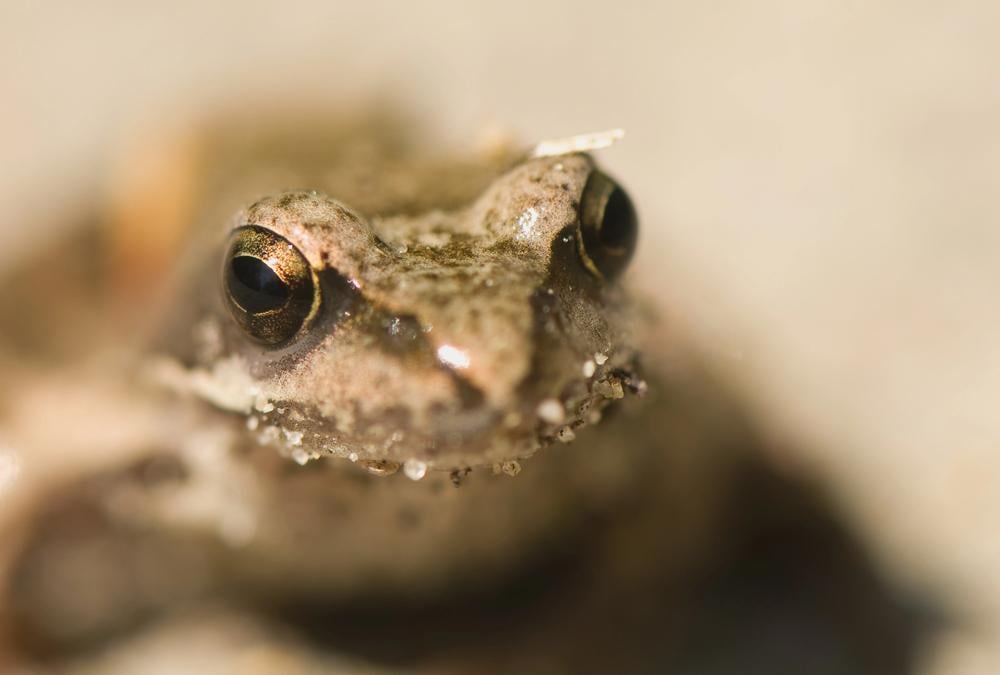
Frogs found in southern Canada and the American midwest can tolerate freezing temperatures of -3 to -6°C. However, wood frogs in Interior Alaska exhibit even greater tolerance. The same species living in warmer climates can't handle nearly as much cold as their Alaskan cousins. In the southern part of their range, like Ohio, wood frogs can withstand temperatures of -2 to -3°C, but in Georgia and Alabama, they might not freeze at all. This shows how these frogs have adapted differently based on where they live, with the Alaskan ones becoming true freezing champions.
They use multiple types of antifreeze compounds
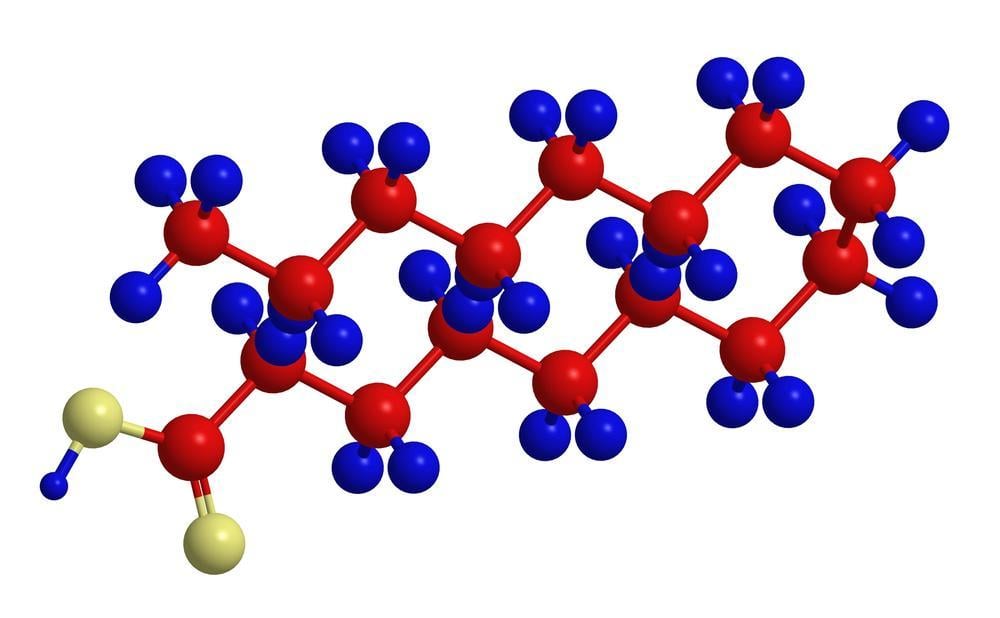
While glucose is the main cryoprotectant, these frogs don't rely on just one type of antifreeze. These frogs engage in a process called cryo-preservation, concentrating the sugar alcohol glycerol in their blood to serve as antifreeze. They also produce antifreeze proteins and antifreeze glycolipids that give them the ability to almost completely freeze solid over winter and thaw in the spring with minimal cellular damage. This multi-layered approach gives them extra protection against the extreme cold. Having backup systems means they're less likely to suffer fatal damage if one type of antifreeze isn't enough.
They're among the first frogs to breed each spring
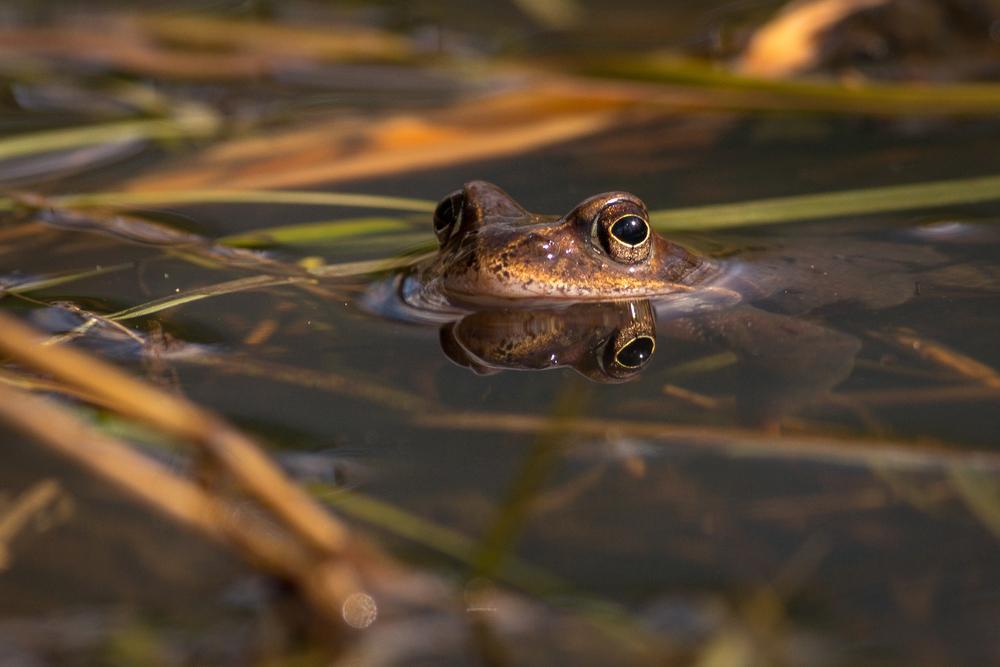
Wood frogs are one of the first frogs to begin the breeding season, usually in early March. After spending months frozen solid, these frogs waste no time getting back to the business of making more frogs. They need to breed early because the growing season is so short in Alaska. During the breeding season, males can be heard making quack-like calls day and night. Their eagerness to breed right after thawing shows just how well their freeze-survival system works.
Females lay thousands of eggs at once
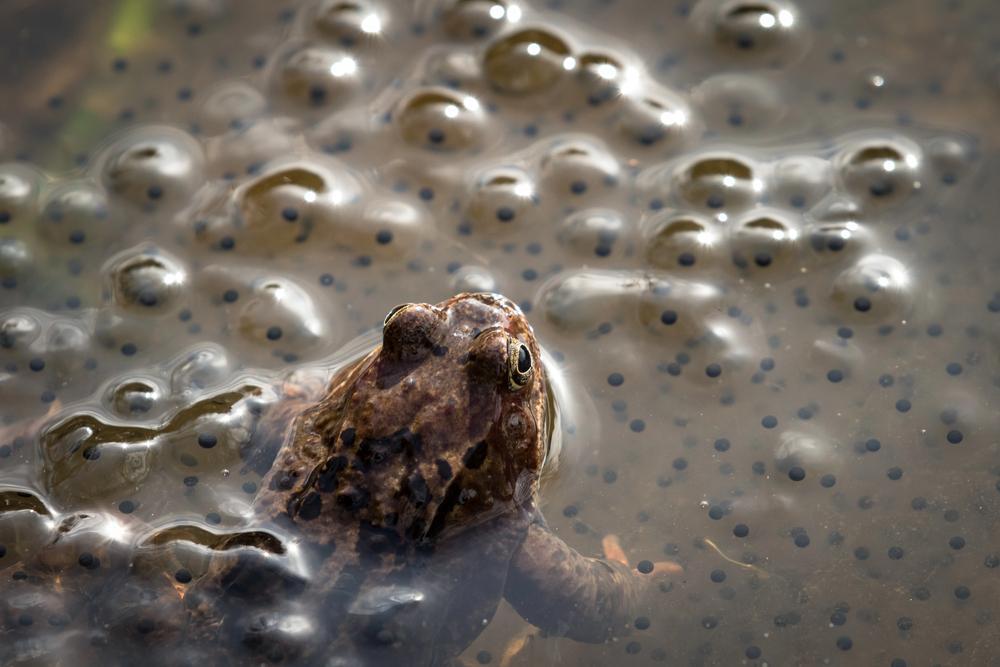
Females lay masses of 1,000 to 3,000 eggs, which hatch between 9 and 30 days later. These large egg masses help ensure that at least some offspring survive the harsh conditions. The eggs develop quickly because summer is brief in Alaska, and tadpoles need time to grow and prepare for their first winter freeze. This reproductive strategy shows how every aspect of their life cycle is adapted to extreme conditions. The more eggs they lay, the better chances some will make it through to become freeze-tolerant adults.

They need fish-free water to reproduce successfully
Wood frogs are aquatic breeders and require fish-free seasonal or semi-permanent bodies of water to reproduce. Fish would eat their eggs and tadpoles, so wood frogs specifically seek out ponds and temporary pools where fish can't survive. This requirement limits where they can breed, but it gives their offspring a much better chance of survival. These frogs seek out terrestrial locations with ample cover to hibernate which may or may not be near a breeding pond. They're willing to travel between different habitats to find the right conditions for both breeding and surviving winter.
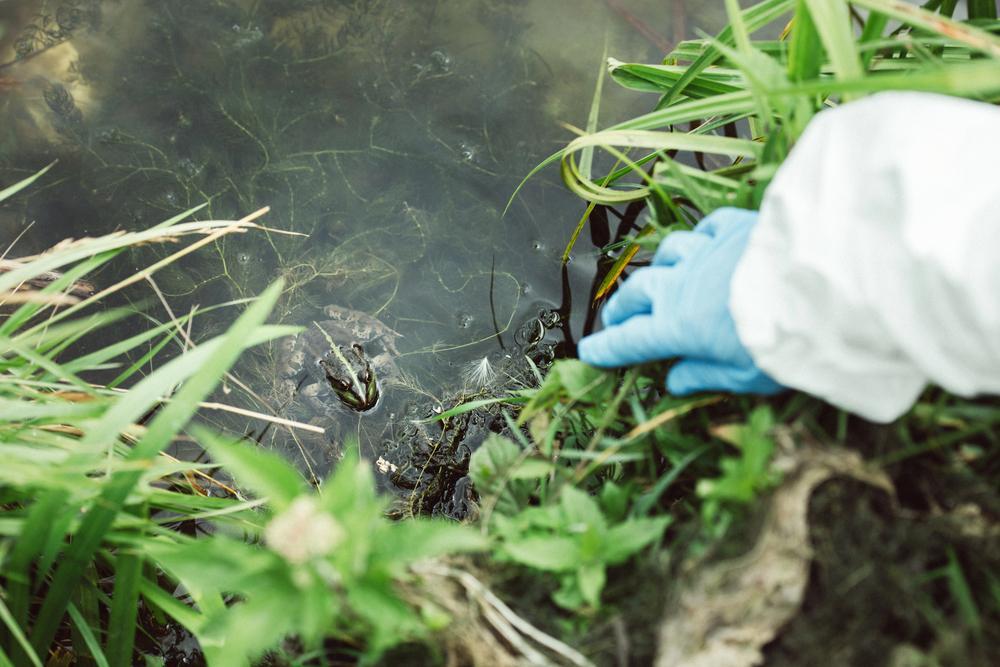
Scientists study them to understand freeze tolerance
Researchers are fascinated by wood frogs because they represent one of the most extreme examples of freeze tolerance in vertebrates. Only the Siberian salamanders show similar abilities to survive being frozen for extended periods. Understanding how wood frogs do this could lead to breakthroughs in organ preservation for medical transplants. Scientists hope to learn from these frogs to help save human lives through better tissue storage techniques. The frogs have essentially solved a problem that medical researchers have been working on for decades.

They migrate to find the right hibernation spots
Wood frogs don't just freeze wherever they happen to be when winter arrives. They actively seek out protected locations with good insulation from snow and debris. These hibernation sites, called hibernacula, provide crucial protection from the most extreme temperatures and wind. The frogs often travel significant distances to find the perfect spot to spend their frozen months. Choosing the right location can mean the difference between surviving winter and becoming permanently frozen.
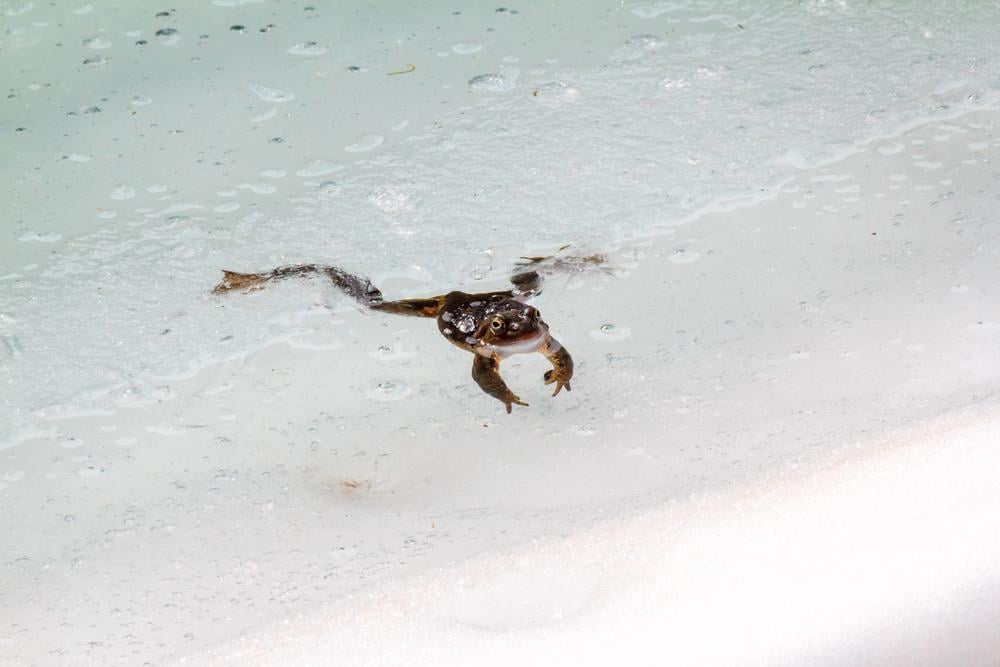
Their freeze tolerance has genetic components
Scientists have discovered that Alaskan wood frogs have genetic adaptations that help them survive extreme cold better than wood frogs from warmer regions. Wood frogs have a series of seven amino acid sequences that play important roles in their freeze tolerance abilities. These genetic differences developed over thousands of years as the frogs adapted to Alaska's harsh climate. The genes that control antifreeze production and cellular protection are more active in Alaskan populations than in southern ones.

They can survive multiple freeze-thaw cycles
Winter in Alaska doesn't mean staying frozen solid for months straight – temperatures often fluctuate above and below freezing multiple times. Wood frogs have adapted to handle these repeated freeze-thaw cycles without suffering damage. Each time they freeze and thaw, their bodies go through incredible stress, but they've evolved systems to cope with this repeated trauma. This ability to bounce back from multiple freezing events makes them even more remarkable than animals that only freeze once per winter.
Climate change threatens their survival strategy
As Alaska's climate warms, wood frogs face new challenges that their freeze-tolerance adaptations may not help them handle. Warmer winters could disrupt their carefully timed breeding cycles and hibernation patterns. If temperatures become too warm, they might not be able to enter their protective frozen state properly. Changes in snowfall and ice formation could also affect the insulation they rely on during hibernation. These climate-adapted specialists may struggle more than other animals to adjust to rapidly changing conditions.
From frozen to future research
The Alaskan wood frog's incredible survival abilities continue to amaze scientists and inspire new research into extreme cold adaptation. These remarkable amphibians have mastered one of nature's most challenging survival strategies, proving that even small creatures can overcome seemingly impossible obstacles. Their freeze-tolerance mechanisms offer valuable insights for medical research, particularly in organ preservation and understanding cellular protection during extreme stress. As climate change threatens their specialized lifestyle, studying these frogs becomes even more urgent for both conservation efforts and potential medical breakthroughs. The lessons learned from Alaska's frozen frogs may ultimately help save both their species and human lives through better understanding of how life can persist under the most extreme conditions.
More from Go2Tutors!

- 16 Historical Figures Who Were Nothing Like You Think
- 12 Things Sold in the 80s That Are Now Illegal
- 15 VHS Tapes That Could Be Worth Thousands
Like Go2Tutors’ content? Follow us on MSN.



