17 Old-School Pranks That Wouldn’t Fly Today
There was a time when pranks were considered harmless fun, a rite of passage that everyone expected to endure and eventually pass along to the next generation. Back then, what we now recognize as bullying, harassment, or even dangerous behavior was often brushed off as ‘boys being boys’ or simple mischief. The cultural shift toward greater awareness of mental health, personal boundaries, and safety has fundamentally changed what society considers acceptable humor.
The pranks that once filled school hallways, summer camps, and neighborhood streets would likely result in serious consequences today. Here are 17 old-school pranks that definitely wouldn’t fly in our current world.
Saran Wrapping Someone’s Car
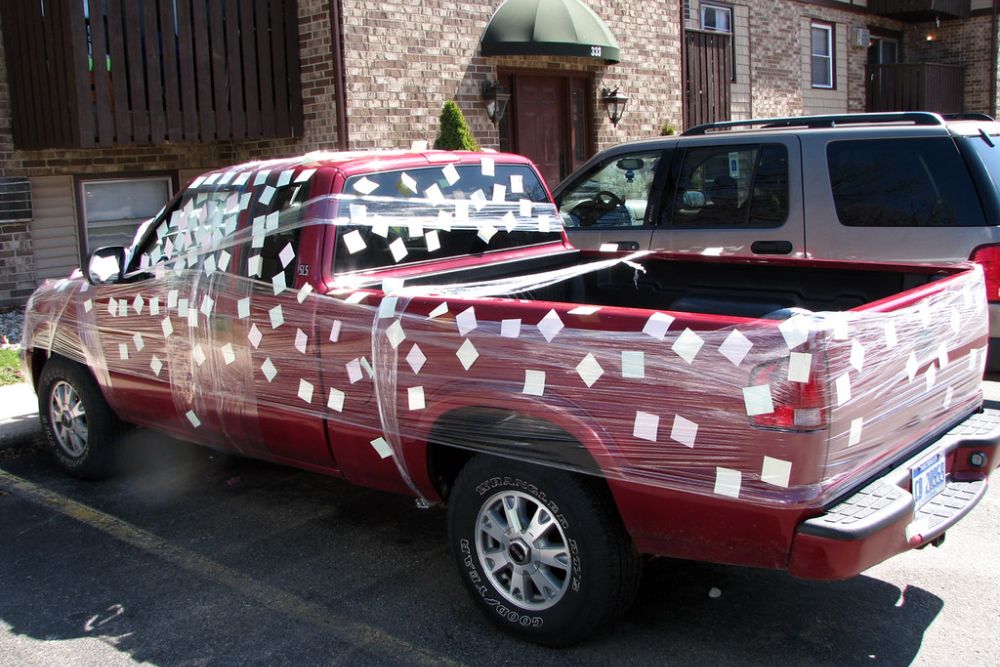
This classic prank involved covering an entire vehicle with plastic wrap, creating a translucent cocoon that took considerable time and effort to remove. While it might seem relatively harmless, today’s understanding of property damage and the potential for emergency situations makes this prank problematic.
Imagine if the car owner needed to rush to a hospital or had another urgent situation – the time spent unwrapping could have serious consequences.
Short-Sheeting Beds

Camp counselors and overnight guests once regularly fell victim to short-sheeted beds, where pranksters would fold the top sheet in half to prevent the person from fully extending their legs. This created frustration and disrupted sleep, which we now understand can affect mental health and daily functioning.
Modern perspectives on consent and personal space make tampering with someone’s sleeping arrangements a clear boundary violation.
Like Go2Tutors’s content? Follow us on MSN.
Putting Plastic Wrap Over Toilet Seats
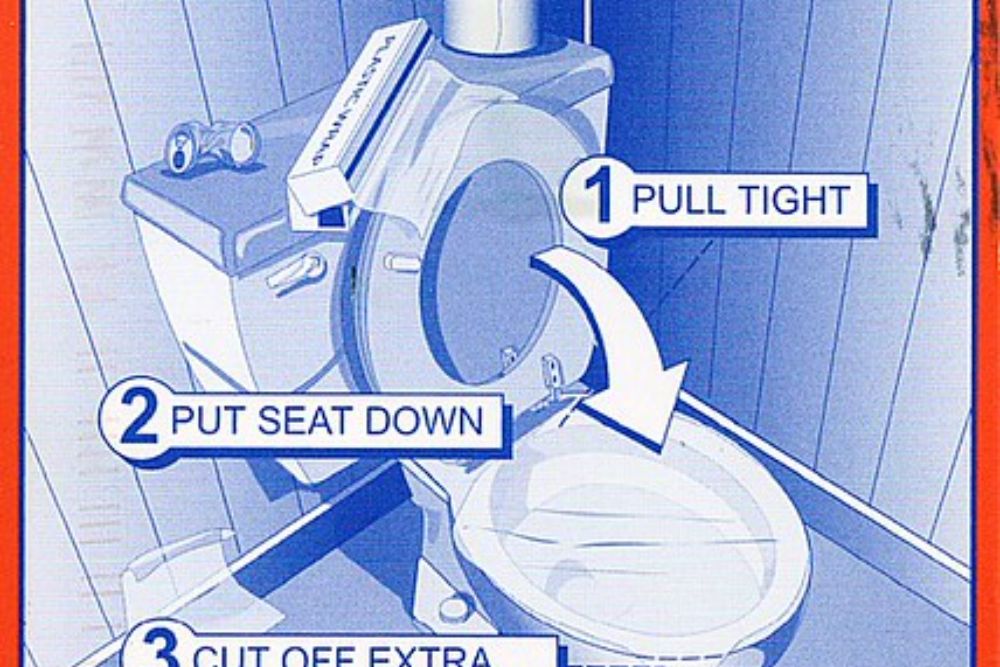
This bathroom prank caused unsuspecting victims to encounter a messy surprise when nature called. Beyond the obvious hygiene concerns, this prank could cause genuine distress and embarrassment for the victim.
Today’s heightened awareness of dignity and respect makes this type of humiliation-based humor completely unacceptable in most social settings.
Fake Spiders in Unexpected Places
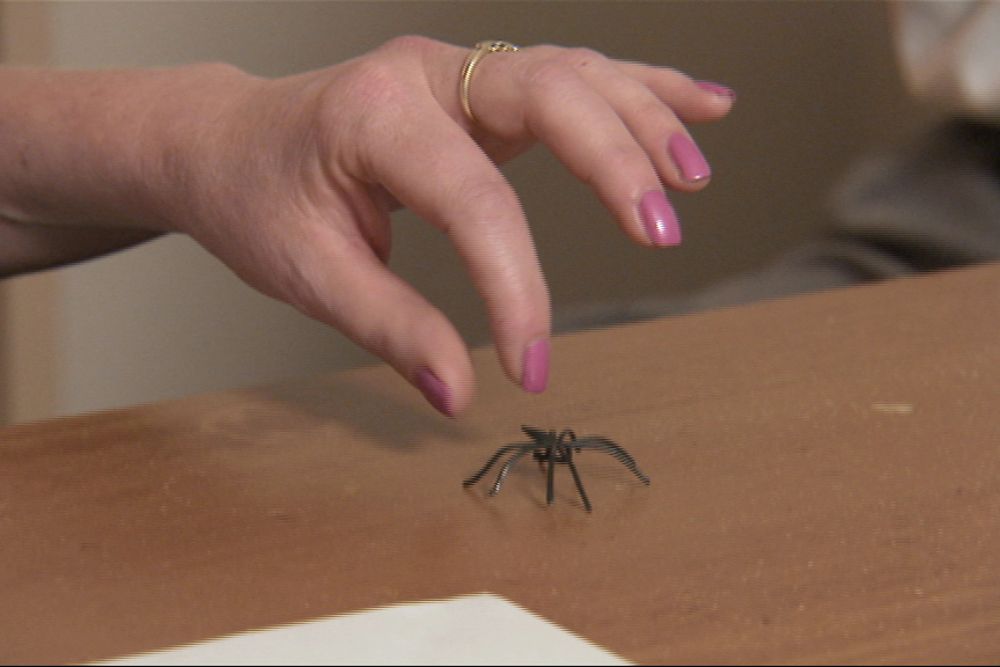
Rubber spiders hidden in desks, lunch boxes, or beds were once considered hilarious surprises. However, we now better understand that phobias are real psychological conditions that can trigger panic attacks and genuine trauma.
Deliberately triggering someone’s fear response for entertainment would be seen as cruel rather than funny by today’s standards.
Prank Phone Calls
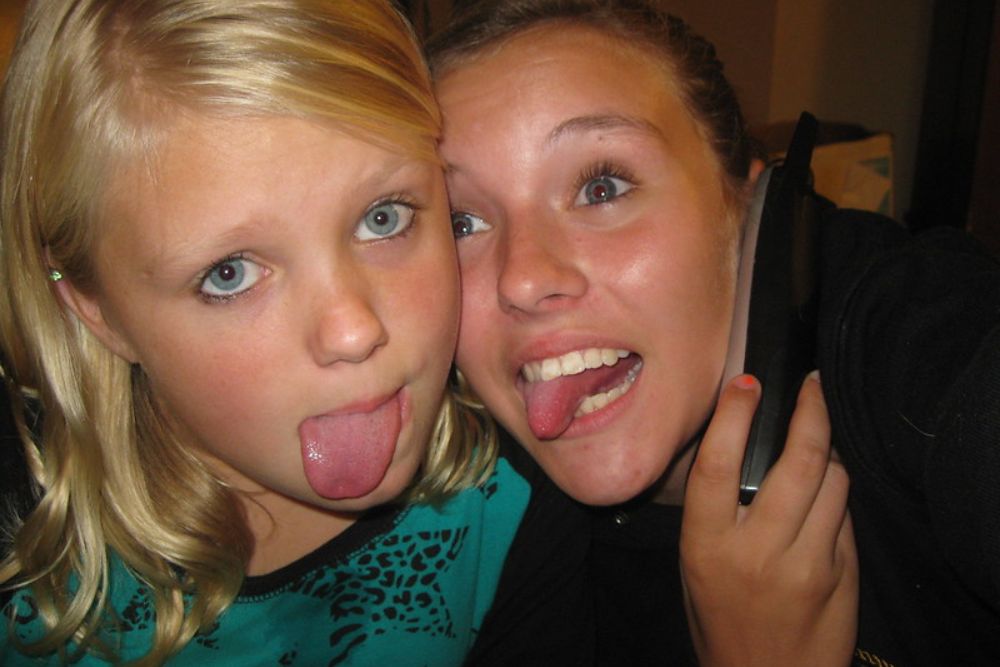
Before caller ID, prank phone calls were a popular pastime for teenagers, ranging from asking if someone’s refrigerator was running to more elaborate scenarios. Today, this behavior constitutes harassment and can be traced back to the caller, potentially resulting in legal consequences.
The understanding of how such calls can genuinely frighten or distress recipients has made this practice socially unacceptable.
Like Go2Tutors’s content? Follow us on MSN.
Putting Salt in Sugar Dispensers
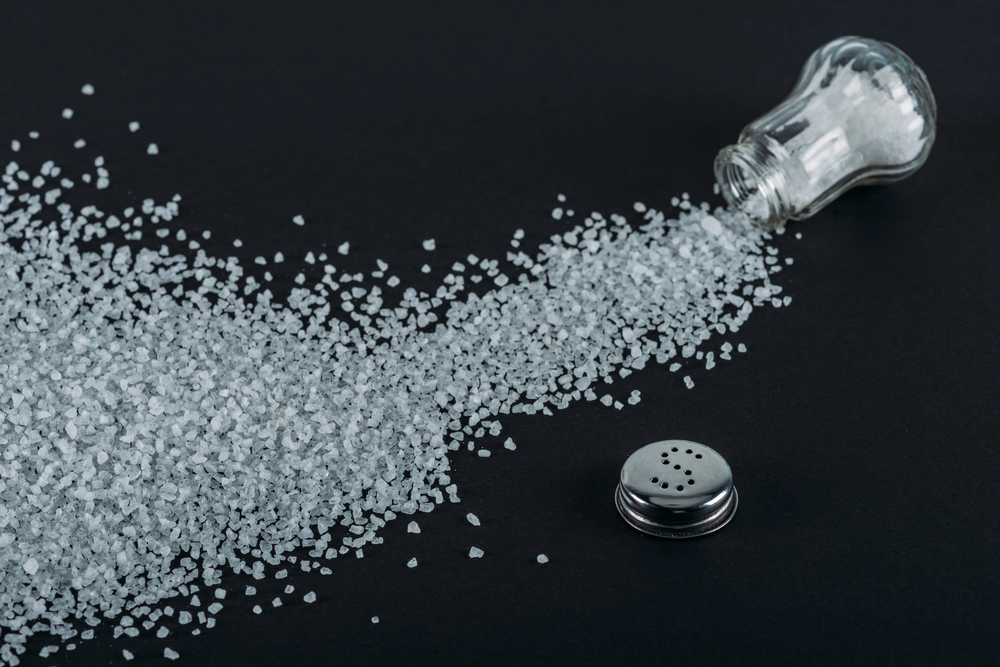
Switching salt and sugar at diners, restaurants, or in home kitchens was considered a harmless swap that would result in surprised faces and ruined coffee. Modern awareness of dietary restrictions, diabetes, and other health conditions makes food tampering a serious safety concern.
What seemed like innocent mischief could now potentially harm someone with specific medical needs.
Fake Parking Tickets
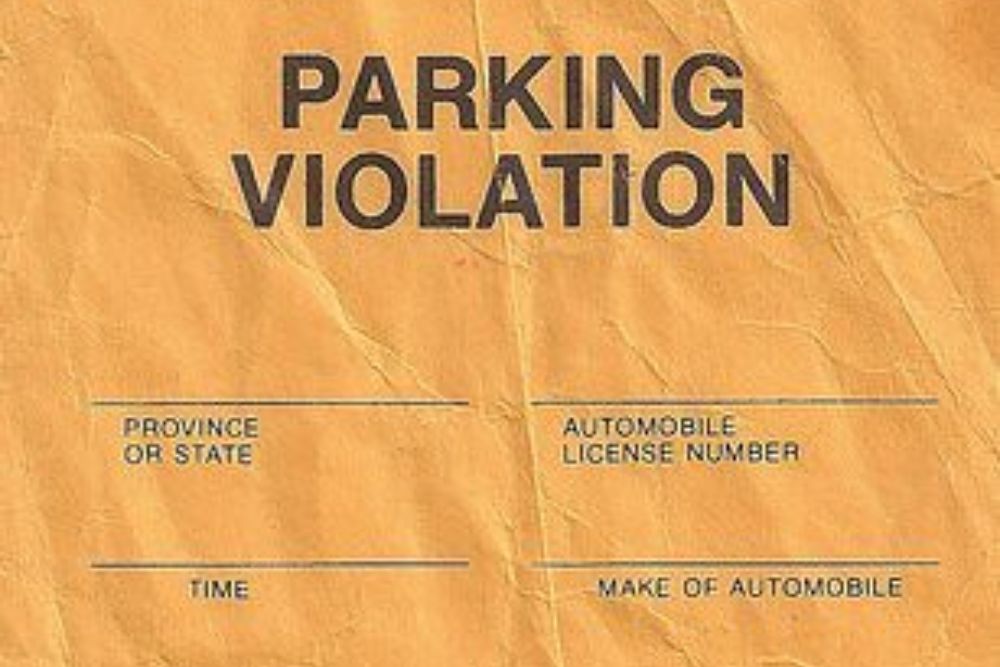
Creating convincing fake parking violations to place on cars was once a popular prank that caused temporary panic before the relief of discovery. Today’s understanding of the stress and anxiety that financial concerns can cause makes this type of prank particularly cruel.
Additionally, impersonating official government documents could have legal ramifications that pranksters of the past didn’t consider.
Itching Powder in Clothing
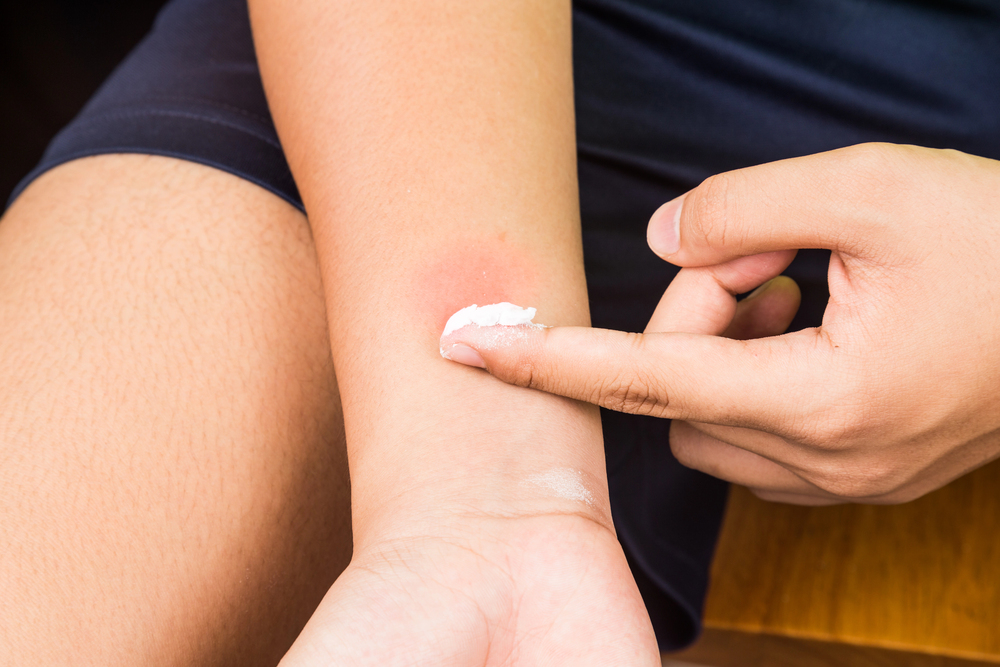
Sprinkling itching powder in someone’s clothes or bedding created uncomfortable situations that were meant to be temporary annoyances. Modern recognition of skin sensitivities, allergies, and the potential for genuine harm makes deliberately causing physical discomfort unacceptable.
What was once seen as harmless fun could now be considered assault or bodily harm.
Like Go2Tutors’s content? Follow us on MSN.
Fake Dog Mess on Walkways
Realistic-looking fake dog droppings placed strategically on sidewalks or in yards were designed to make people carefully navigate around the perceived obstacle. Today’s focus on public cleanliness and the understanding that such pranks can cause genuine disgust and anxiety makes this behavior inconsiderate at best.
The prank also plays on people’s reasonable expectations of clean public spaces.
Putting Vaseline on Door Handles
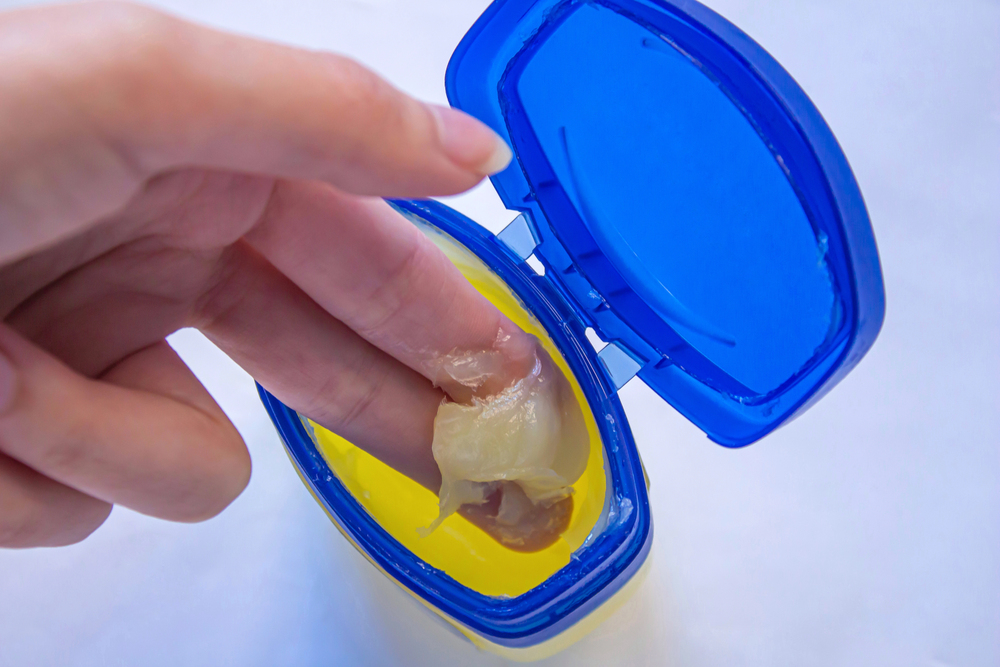
Coating door handles with petroleum jelly created slippery surprises that prevented easy entry and left victims with greasy hands. This prank could now be seen as creating safety hazards, particularly for elderly individuals or those with mobility issues who might lose their balance.
The mess created could also damage clothing or personal items, leading to property damage claims.
Fake Vomit Placement
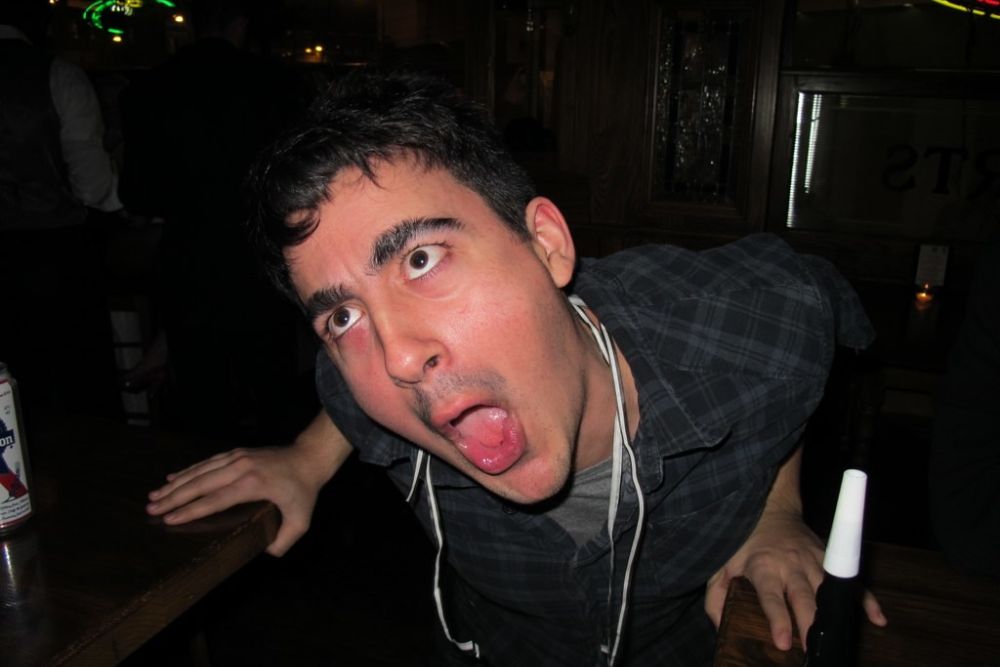
Realistic-looking artificial vomit strategically placed in hallways, classrooms, or other common areas was designed to create disgust and chaos. Today’s understanding of how such images can trigger genuine nausea, eating disorders, or trauma responses makes this prank particularly problematic.
The cleanup effort required from custodial staff also represents an unfair burden on working people.
Like Go2Tutors’s content? Follow us on MSN.
Water Balloons From Heights
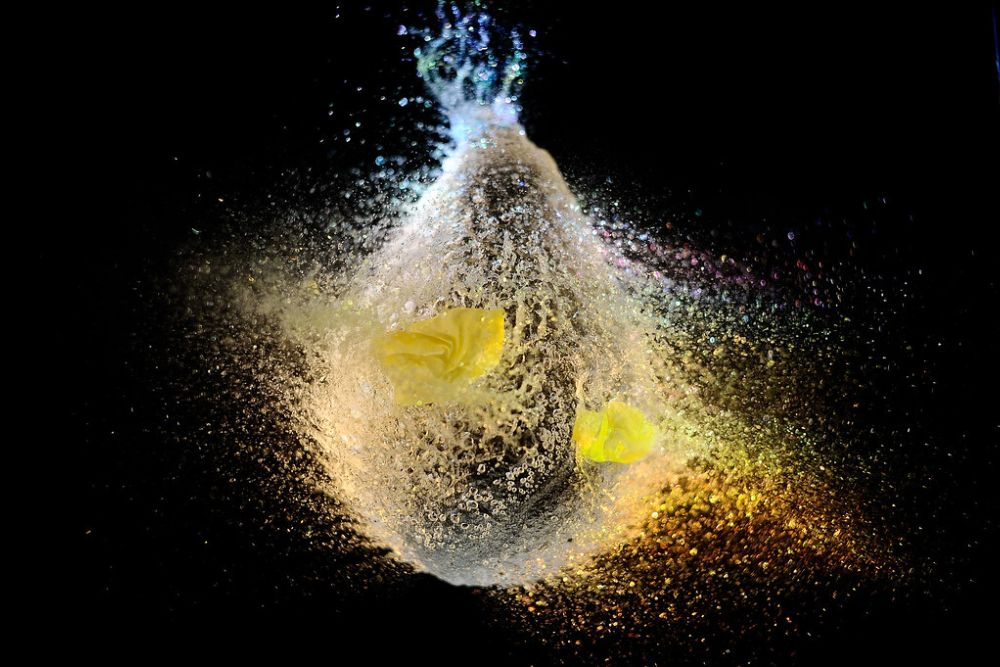
Dropping water balloons from second-story windows or rooftops onto unsuspecting pedestrians below was once considered a summer tradition. Modern liability awareness and understanding of potential injuries make this clearly dangerous behavior.
A water balloon dropped from significant height could cause serious injury, and the surprise element could cause someone to fall or react dangerously.
Putting Toothpaste in Oreos
Replacing the cream filling in sandwich cookies with toothpaste created a nasty surprise for snack seekers. Today’s understanding of food safety, allergies, and the psychological impact of food tampering makes this prank problematic.
The mint-flavored deception could also trigger eating disorders or create lasting anxiety around food for sensitive individuals.
Fake Lottery Tickets
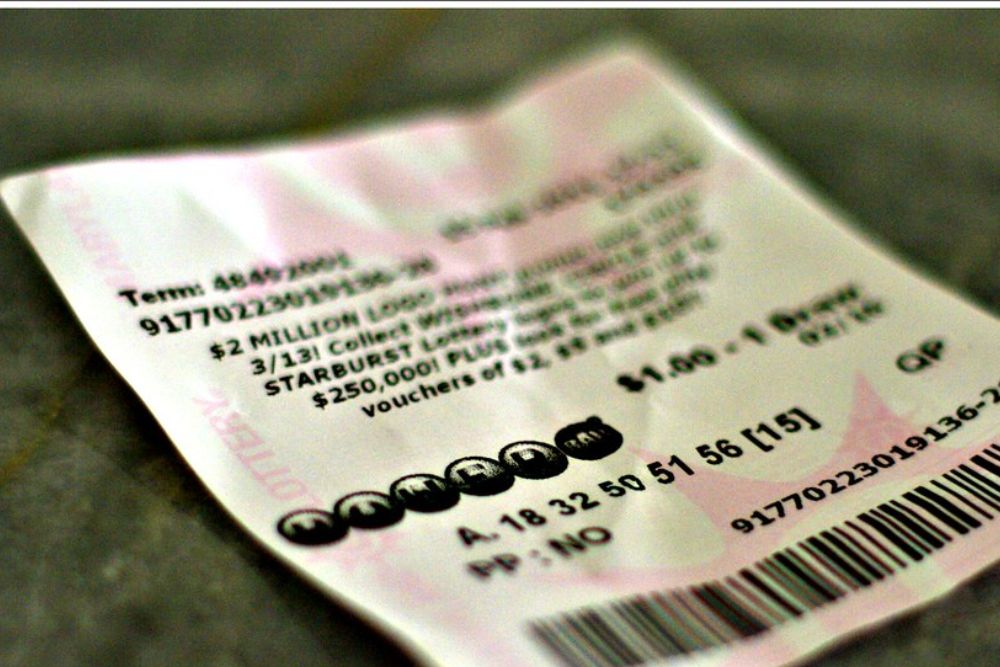
Giving someone a fake winning lottery ticket as a gift or prank created temporary joy followed by crushing disappointment. Modern understanding of gambling addiction, financial stress, and emotional manipulation makes this type of prank particularly cruel.
The psychological impact of false hope followed by disappointment can be genuinely traumatic for people facing financial difficulties.
Like Go2Tutors’s content? Follow us on MSN.
Putting Clear Tape Over Faucets
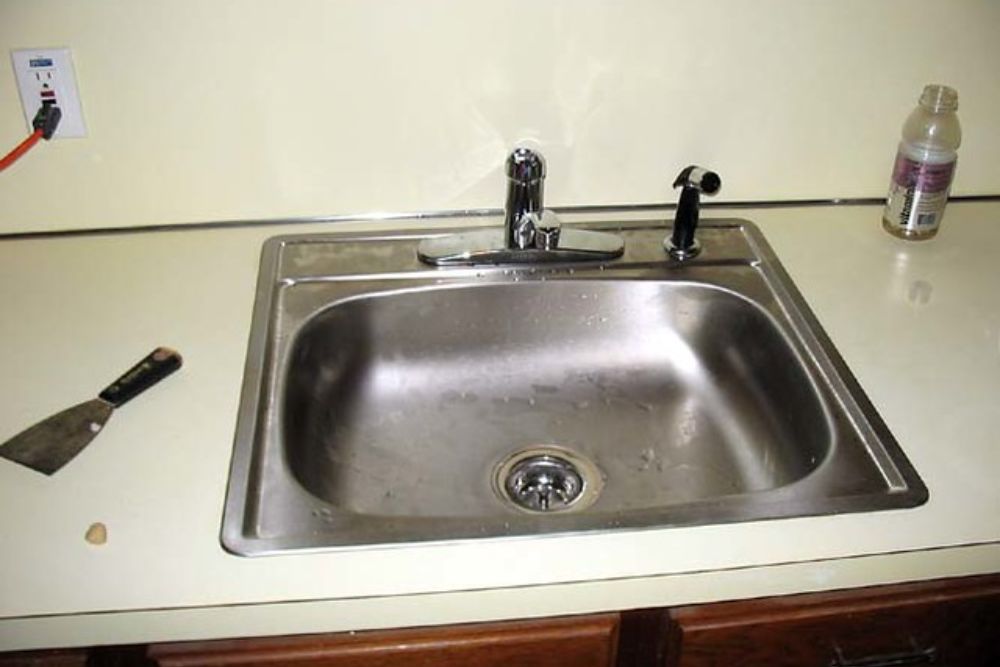
Taping over the end of faucets so water sprayed in unexpected directions soaked unsuspecting users and created cleanup challenges. Beyond the obvious mess, this prank could damage clothing, electronics, or other valuable items in the vicinity.
Today’s awareness of water damage costs and the inconvenience to building maintenance makes this clearly problematic behavior.
Fake Blood at Crime Scenes
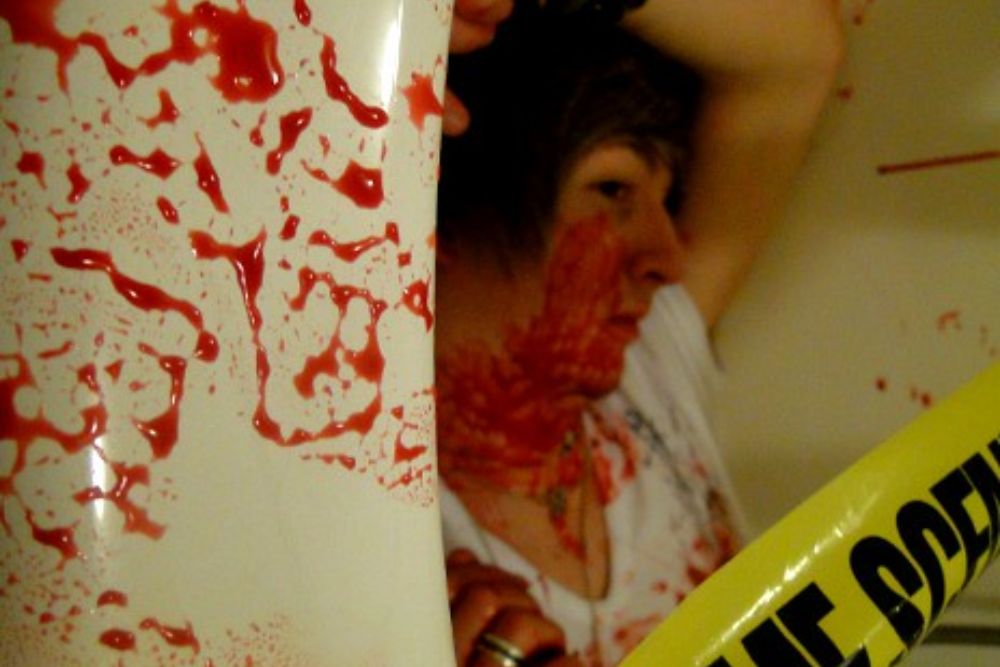
Creating elaborate fake crime scenes with artificial blood and staged evidence was once considered an elaborate prank worthy of admiration. Today’s understanding of trauma responses, the potential to trigger PTSD in witnesses, and the waste of emergency resources makes this completely unacceptable.
Such scenes could also interfere with actual police work and create genuine panic in communities.
Buckets of Water Over Doors
The classic bucket-balanced-on-a-door prank soaked victims as they entered rooms, creating surprise and often ruining clothing or electronics. This prank represents multiple safety hazards, from slippery floors to potential electrical dangers if the water reaches outlets or devices.
The surprise element could also cause someone to fall or injure themselves during the shock of getting soaked.
Like Go2Tutors’s content? Follow us on MSN.
From Mischief to Mindfulness
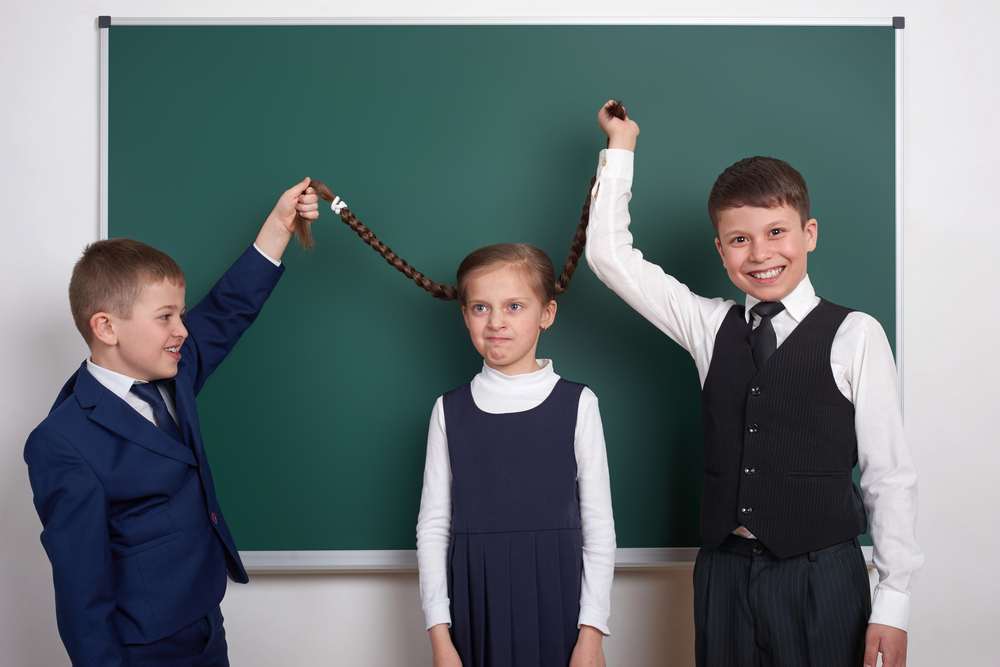
These pranks represent more than just changing times – they reflect our growing understanding of empathy, consent, and personal boundaries. What previous generations dismissed as character-building experiences, we now recognize as potentially harmful interactions that can cause genuine distress, property damage, or even physical injury.
The shift away from these behaviors represents positive progress toward a more considerate society where humor doesn’t come at the expense of others’ wellbeing. Today’s comedy tends to punch up rather than down, targeting those in power rather than vulnerable individuals, and the world is better for it.
More from Go2Tutors!

- 16 Historical Figures Who Were Nothing Like You Think
- 12 Things Sold in the 80s That Are Now Illegal
- 15 VHS Tapes That Could Be Worth Thousands
- 17 Historical “What Ifs” That Would Have Changed Everything
- 18 TV Shows That Vanished Without a Finale
Like Go2Tutors’s content? Follow us on MSN.


