16 Smart People Who Failed School Spectacularly
School success doesn’t always predict real-world brilliance. Some of history’s most innovative minds struggled with traditional education, clashing with rigid systems that couldn’t accommodate their unique thinking styles or interests.
Here’s a list of 16 remarkably intelligent people who had spectacular difficulties with formal schooling, yet went on to change the world in extraordinary ways.
Albert Einstein
— Photo by teddybearpicnic
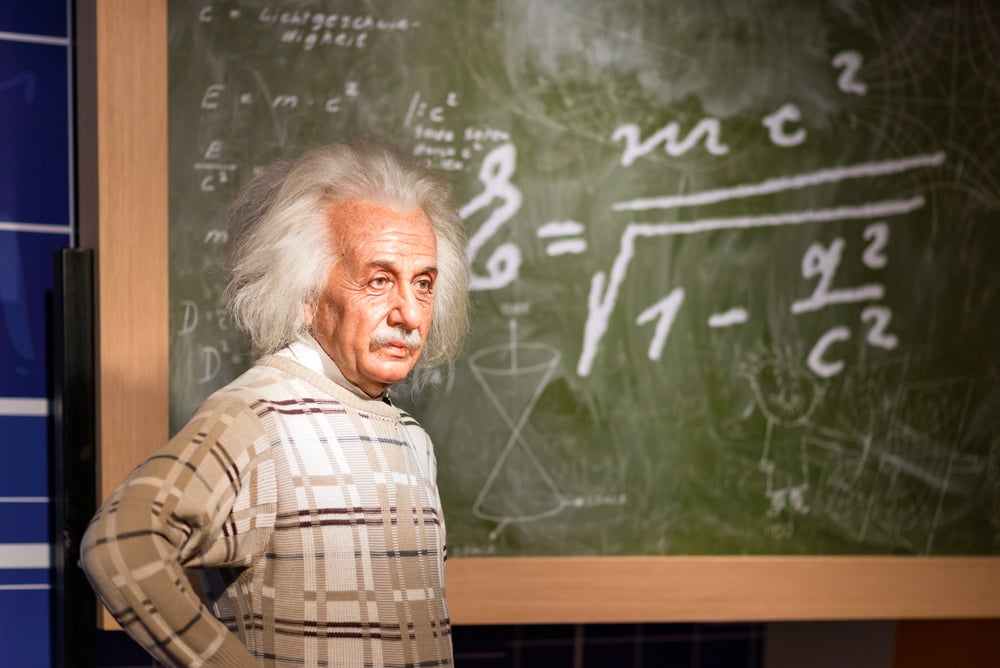
Einstein’s early academic struggles are legendary — though often exaggerated. He actually excelled in mathematics and physics but clashed with the authoritarian teaching methods of German schools. His teachers found him disruptive and overly questioning, leading one to famously declare he’d ‘never amount to much.’
Richard Branson
— Photo by Jean_Nelson
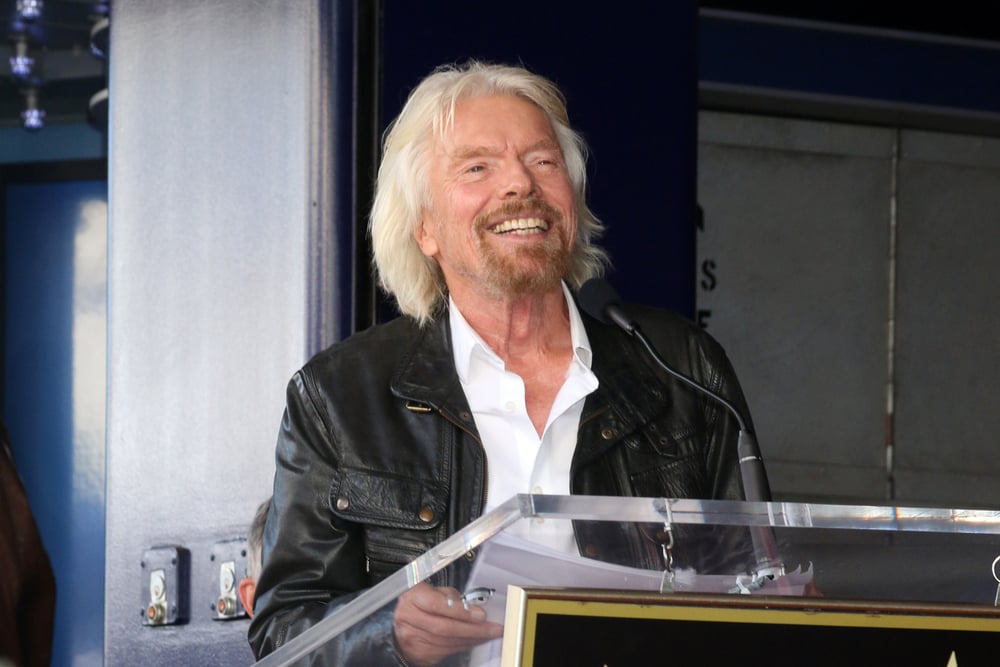
The Virgin Group founder left school at 16 due to severe dyslexia that made traditional learning nearly impossible. Teachers consistently labeled him as lazy or unintelligent, never recognizing that his brain simply processed information differently. His entrepreneurial instincts emerged early when he started a student magazine — one that became more engaging than his actual coursework.
Thomas Edison
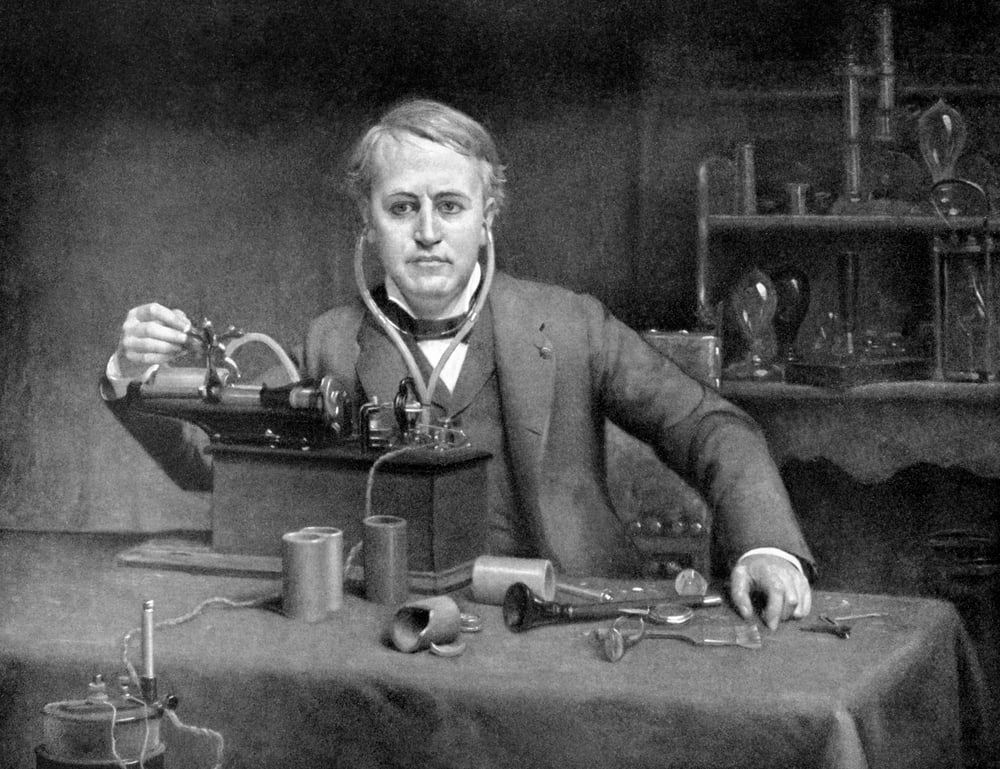
Edison spent only three months in formal school before his teacher declared him ‘too dumb to learn anything.’ His mother pulled him out and homeschooled him instead. The industrial inventor would later joke that his brief school experience nearly ruined his natural curiosity about how things worked.
Winston Churchill

— Photo by jax10289
The future British Prime Minister was consistently at the bottom of his class at Harrow School. He failed the entrance exam to the Royal Military College twice while struggling with Latin and mathematics. His teachers saw him as rebellious and unfocused — never imagining he’d become one of history’s most influential leaders.
Steve Jobs
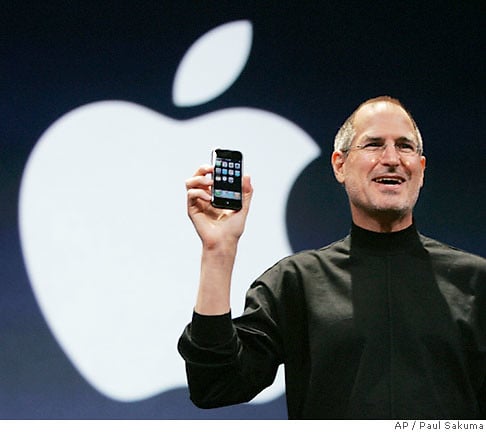
Jobs was a mediocre student who found traditional classroom learning stifling and irrelevant. He dropped out of Reed College after just one semester, though he continued auditing classes that interested him, like calligraphy. His unconventional educational path ultimately contributed to Apple’s revolutionary design philosophy.
Bill Gates
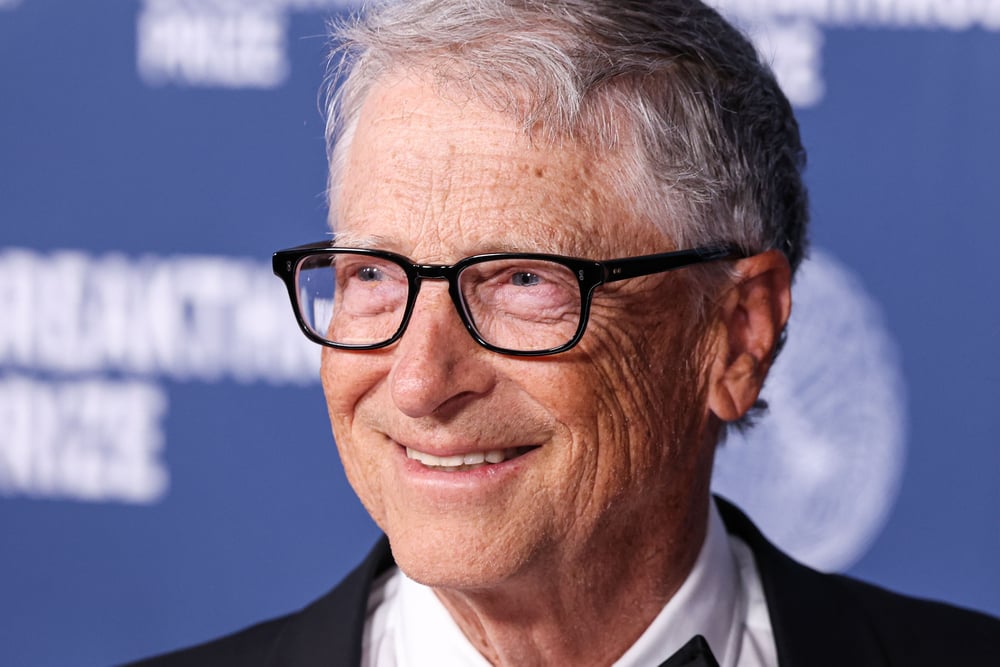
— Photo by Image Press Agency
While Gates was academically capable, he became increasingly disengaged with formal education as his interest in computers grew. He famously dropped out of Harvard during his sophomore year to start Microsoft — despite his teachers and parents worrying he was throwing away a prestigious education for an uncertain future in technology.
Mark Zuckerberg
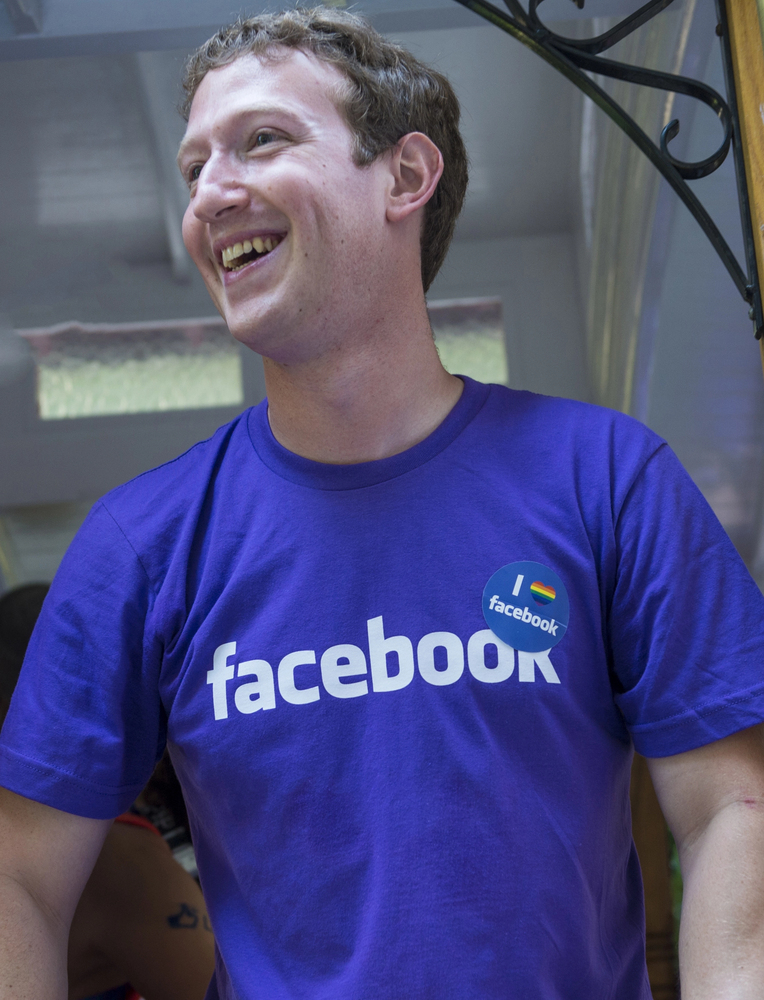
— Photo by kobbydagan
Zuckerberg left Harvard during his sophomore year to focus on developing Facebook full-time. His computer science professors recognized his talent, but traditional coursework couldn’t compete with his passion for building the social networking platform. Academic administrators tried to convince him to stay — warning about the risks of leaving such a prestigious institution.
Walt Disney
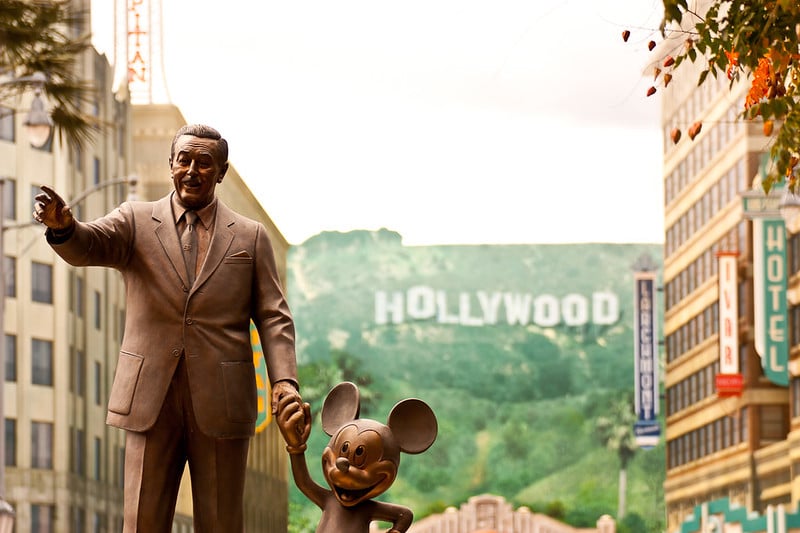
Disney was fired from a newspaper job because his editor felt he ‘lacked imagination and had no good ideas.’ He struggled in traditional educational settings while being more interested in drawing than paying attention to lessons. His early academic failures never dampened his creative vision for animation and entertainment.
Agatha Christie
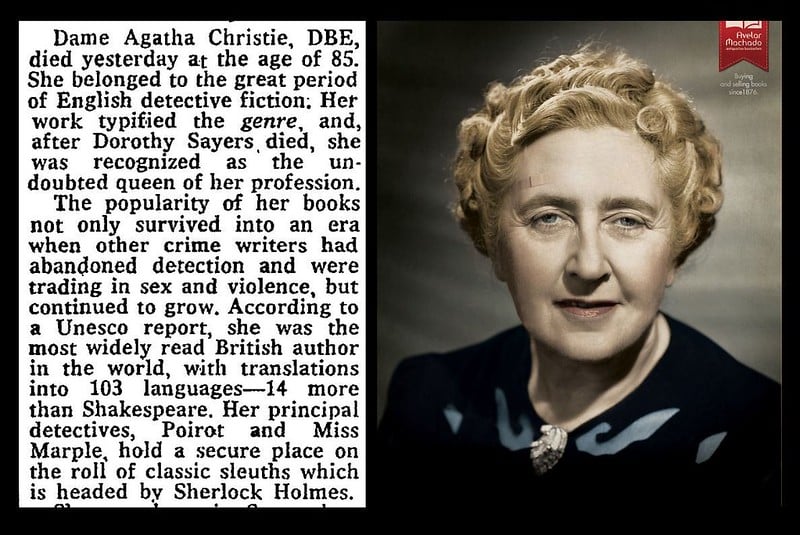
The world’s best-selling novelist never attended formal school — she was educated at home by her mother and governesses. She struggled with mathematics and felt intellectually inferior to her more formally educated peers. Her unconventional education actually helped develop her unique storytelling voice and observational skills.
Henry Ford
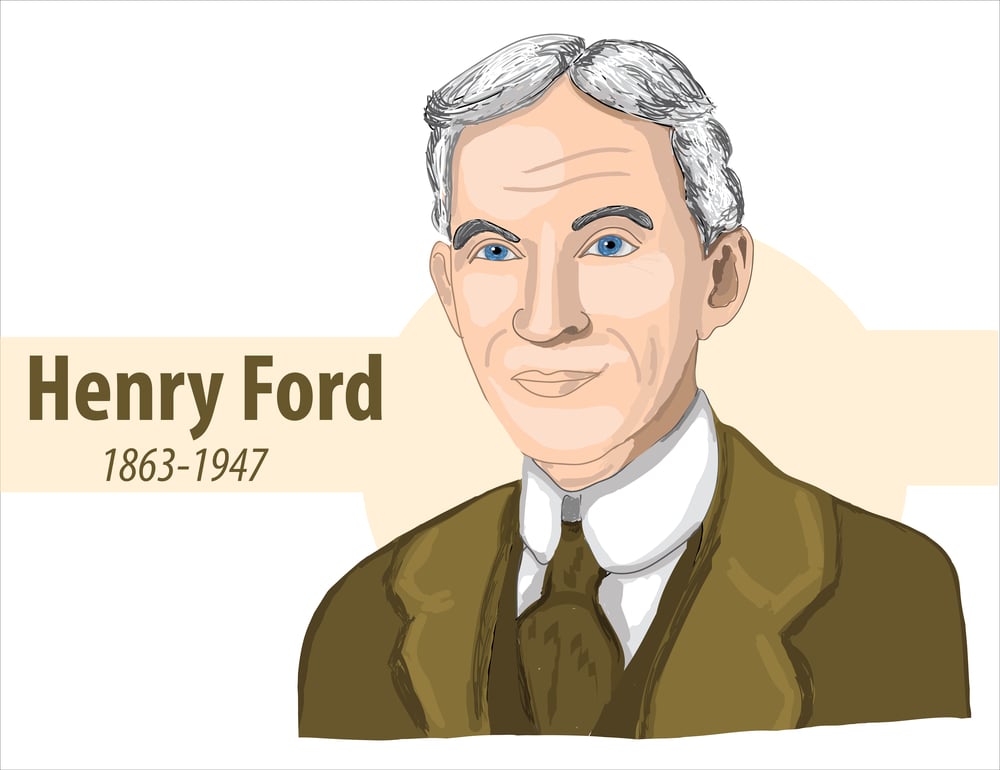
— Vector by mtesla
Ford was an indifferent student who preferred working with machinery at his family’s farm to sitting in classrooms. He left school at 15 to become a machinist’s apprentice — finding hands-on learning far more engaging than textbooks. His practical education in mechanics would eventually revolutionize manufacturing and transportation.
Whoopi Goldberg
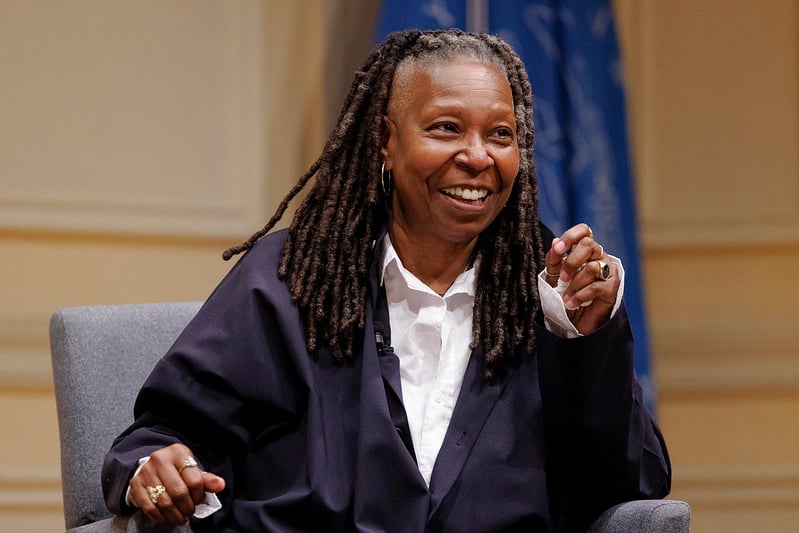
Goldberg dropped out of high school due to undiagnosed dyslexia that made reading and writing extremely challenging. Teachers often dismissed her as unintelligent or lazy, never recognizing her sharp wit and creative abilities. She later became one of the few entertainers to achieve EGOT status, winning Emmy, Grammy, Oscar, and Tony awards.
John D. Rockefeller
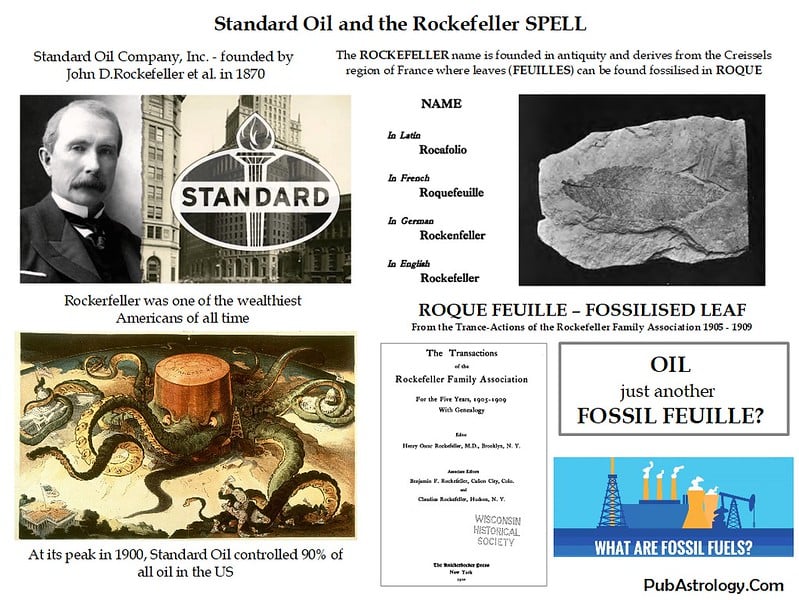
The oil magnate was a poor student who left high school before graduating to take a business course. His academic performance was unremarkable, yet he showed an early aptitude for numbers and business transactions. Traditional education simply couldn’t contain his entrepreneurial ambitions and practical intelligence.
Michael Dell

Dell was more interested in taking apart computers than studying traditional subjects in school. He started his computer business from his University of Texas dorm room and dropped out during his freshman year when sales took off. His parents were initially horrified that he was abandoning his pre-med studies for what seemed like a hobby.
David Karp
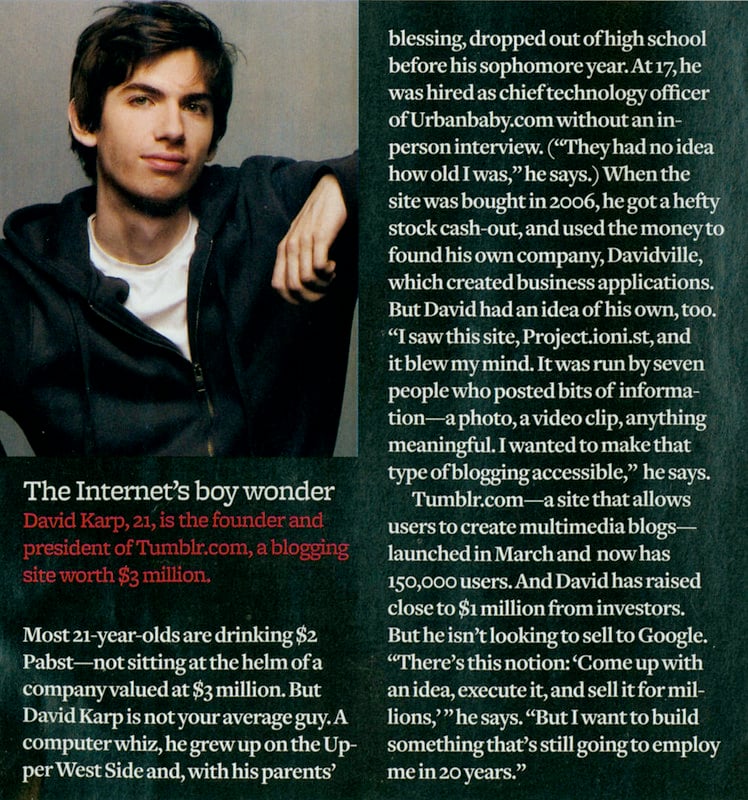
The Tumblr founder dropped out of high school at 15, finding the traditional classroom environment stifling and irrelevant to his interests in technology. He was largely self-taught in programming and web development. His unconventional educational path led him to create one of the most influential social media platforms of the 2000s.
Anna Wintour

The legendary Vogue editor was asked to leave multiple schools due to her rebellious attitude and lack of interest in traditional academics. She was more focused on fashion and creative pursuits than standard coursework. Her early struggles with formal education never hindered her rise to become one of the most powerful figures in fashion.
Quentin Tarantino
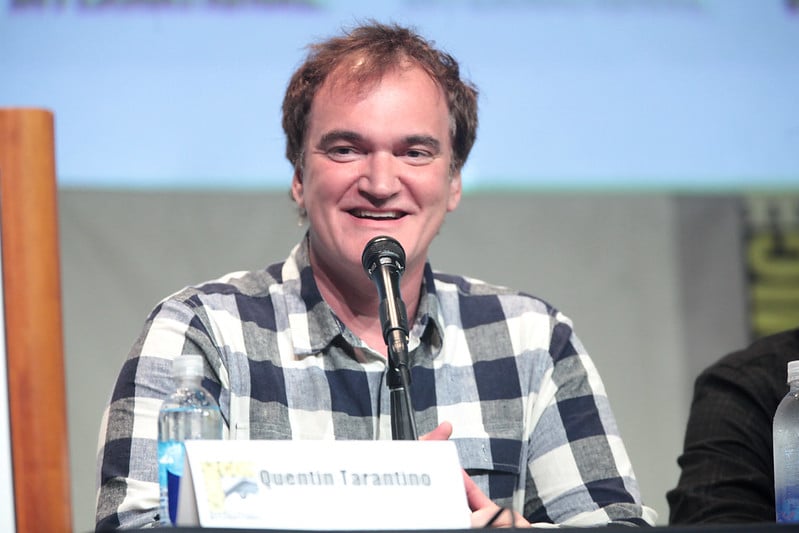
Tarantino dropped out of high school at 15 and never attended college, instead educating himself by working at a video rental store and obsessively watching films. His teachers saw him as a disruptive student with poor academic prospects. His unconventional film education through video store employment became the foundation for his unique directorial style.
Intelligence Beyond the Classroom

These remarkable individuals prove that academic performance rarely captures the full spectrum of human intelligence. Their struggles with traditional schooling often stemmed from learning differences, creative thinking styles, or simply finding conventional education irrelevant to their passions. Many discovered that their greatest strengths lay outside the structured world of textbooks and standardized tests, while their stories remind us that innovation and success can emerge from the most unexpected educational journeys.
More from Go2Tutors!

- 16 Historical Figures Who Were Nothing Like You Think
- 12 Things Sold in the 80s That Are Now Illegal
- 15 VHS Tapes That Could Be Worth Thousands
- 17 Historical “What Ifs” That Would Have Changed Everything
- 18 TV Shows That Vanished Without a Finale
Like Go2Tutors’s content? Follow us on MSN.



