18 Harbor Towns That Became Smuggling Capitals
Harbor towns have always walked a fine line between legitimate trade and shadowy dealings. Their strategic locations, maze-like waterfronts, and constant flow of ships made them perfect staging grounds for illicit activities.
What started as convenient ports for honest merchants often evolved into havens for smugglers, pirates, and black market traders. Here is a list of 18 harbor towns that earned notorious reputations as smuggling capitals throughout history.
Port Royal, Jamaica

Port Royal earned the title “wickedest city on earth” during the 17th century, serving as headquarters for Caribbean pirates and smugglers. The town’s location at the mouth of Kingston Harbor made it an ideal base for intercepting Spanish treasure fleets and conducting illegal trade.
Pirates like Henry Morgan used Port Royal as their primary port, fencing stolen goods and organizing raids on Spanish colonies.
Havana, Cuba

Spanish colonial restrictions turned Havana into a thriving smuggling hub where contraband goods flowed freely between the Caribbean islands. The city’s complex harbor system and numerous hidden coves provided perfect cover for ships avoiding Spanish customs officials.
French, English, and Dutch traders regularly used Havana to smuggle everything from manufactured goods to enslaved people throughout the 18th century.
Like Go2Tutors’s content? Follow us on MSN.
Newport, Rhode Island

Newport became America’s smuggling capital during the colonial period, with wealthy merchants openly defying British trade laws. The town’s location on Narragansett Bay offered multiple escape routes and hidden anchorages that customs officials couldn’t effectively patrol.
Local families like the Browns built fortunes smuggling molasses from the French West Indies, avoiding British taxes that would have crippled their rum distilleries.
Marseille, France

Marseille’s ancient port has been a smuggling gateway for over two millennia, connecting the Mediterranean world with contraband networks. The city’s labyrinthine old quarter and countless small boats made it nearly impossible for authorities to monitor all trade activity.
During the 19th and 20th centuries, Marseille became notorious for smuggling opium, arms, and people across the Mediterranean.
Tangier, Morocco

Tangier’s unique status as an international zone from 1923 to 1956 made it a paradise for smugglers and black market traders. The city’s position at the crossroads of Europe, Africa, and the Mediterranean created perfect conditions for contraband operations.
Everything from currency to weapons passed through Tangier’s ports, often with the tacit approval of the international administration.
Like Go2Tutors’s content? Follow us on MSN.
Hong Kong

British colonial Hong Kong became the Far East’s premier smuggling hub, facilitating illegal trade between China and the Western world. The colony’s free port status and complex geography of islands and channels provided ideal conditions for contraband operations.
Opium smuggling dominated the early years, but Hong Kong later became a gateway for everything from gold to electronics moving in and out of China.
Macau

Portuguese-controlled Macau served as China’s primary smuggling port for over 400 years, operating in the shadows of strict Chinese trade restrictions. The tiny colony’s unique legal status allowed it to conduct business that was forbidden elsewhere in China.
Portuguese, Dutch, and British traders used Macau to smuggle silver, opium, and manufactured goods throughout the Pearl River Delta.
Galveston, Texas

Galveston transformed into a major smuggling port during the 19th century, taking advantage of its isolated location and complex network of barrier islands. The city became a primary entry point for contraband entering the United States from Mexico and the Caribbean.
During Prohibition, Galveston’s smugglers perfected their craft, moving massive quantities of alcohol through the Gulf Coast.
Like Go2Tutors’s content? Follow us on MSN.
Key West, Florida
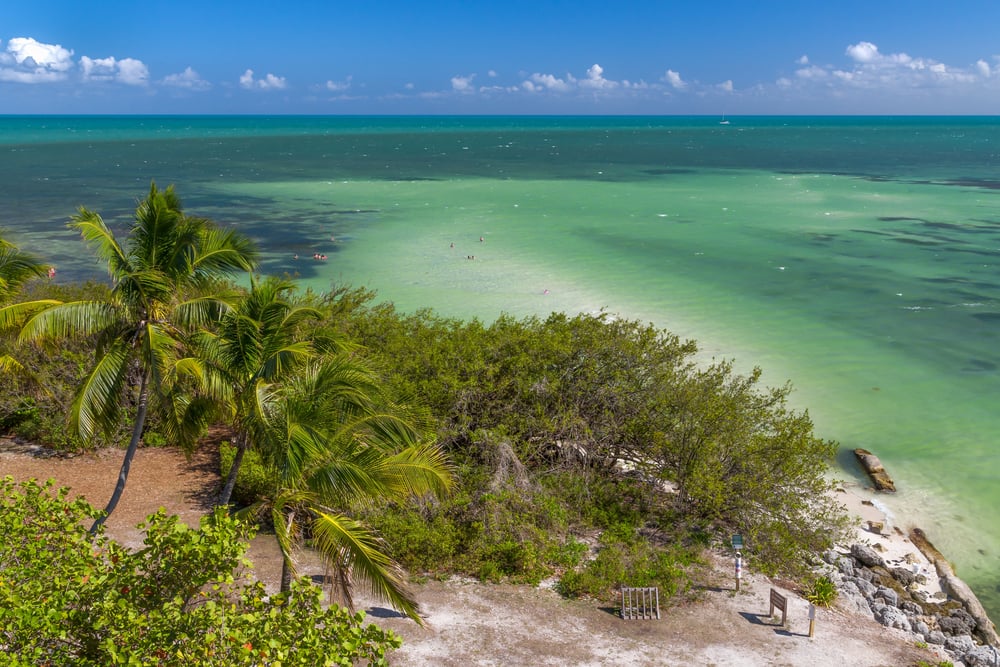
Key West’s position at the southern tip of Florida made it a natural smuggling capital for trade between the United States, Cuba, and the Bahamas. The town’s shallow waters and maze of mangrove islands provided perfect hiding spots for smugglers avoiding federal authorities.
Everything from Cuban cigars to Bahamian rum passed through Key West’s informal markets.
Salé, Morocco

The Moroccan port of Salé became one of the Mediterranean’s most feared pirate republics, operating as an independent smuggling state for nearly two centuries. The town’s location on the Atlantic coast provided access to both European and African trade routes.
Salé’s corsairs didn’t just engage in piracy; they created sophisticated smuggling networks that moved goods throughout North Africa and southern Europe.
Dunkirk, France

Dunkirk’s strategic location on the English Channel made it a premier smuggling port between France and England for centuries. The town’s extensive beach system and tidal patterns created perfect conditions for small boats to land contraband under cover of darkness.
French smugglers used Dunkirk to move everything from tea to silk and brandy across the Channel.
Like Go2Tutors’s content? Follow us on MSN.
Rye, England
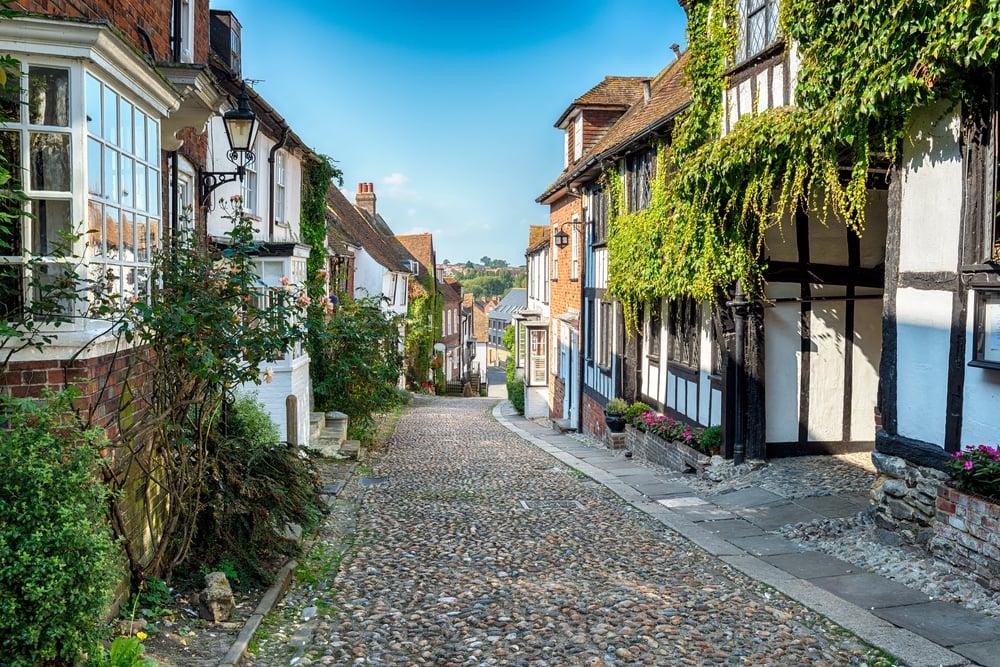
The English port of Rye became synonymous with smuggling during the 18th century, when local gangs like the Hawkhurst Gang terrorized customs officials. The town’s location on the Romney Marsh provided numerous hidden channels and landing spots that authorities couldn’t effectively monitor.
Rye’s smugglers moved French brandy, tea, and silk into England while avoiding heavy government duties.
Boston, Massachusetts

Colonial Boston’s merchants turned smuggling into an art form, systematically avoiding British trade restrictions that threatened their profits. The city’s complex harbor system and strong merchant community created an environment where contraband trade flourished openly.
Boston’s Tea Party was essentially the culmination of decades of organized smuggling operations that had made the city wealthy.
Charleston, South Carolina
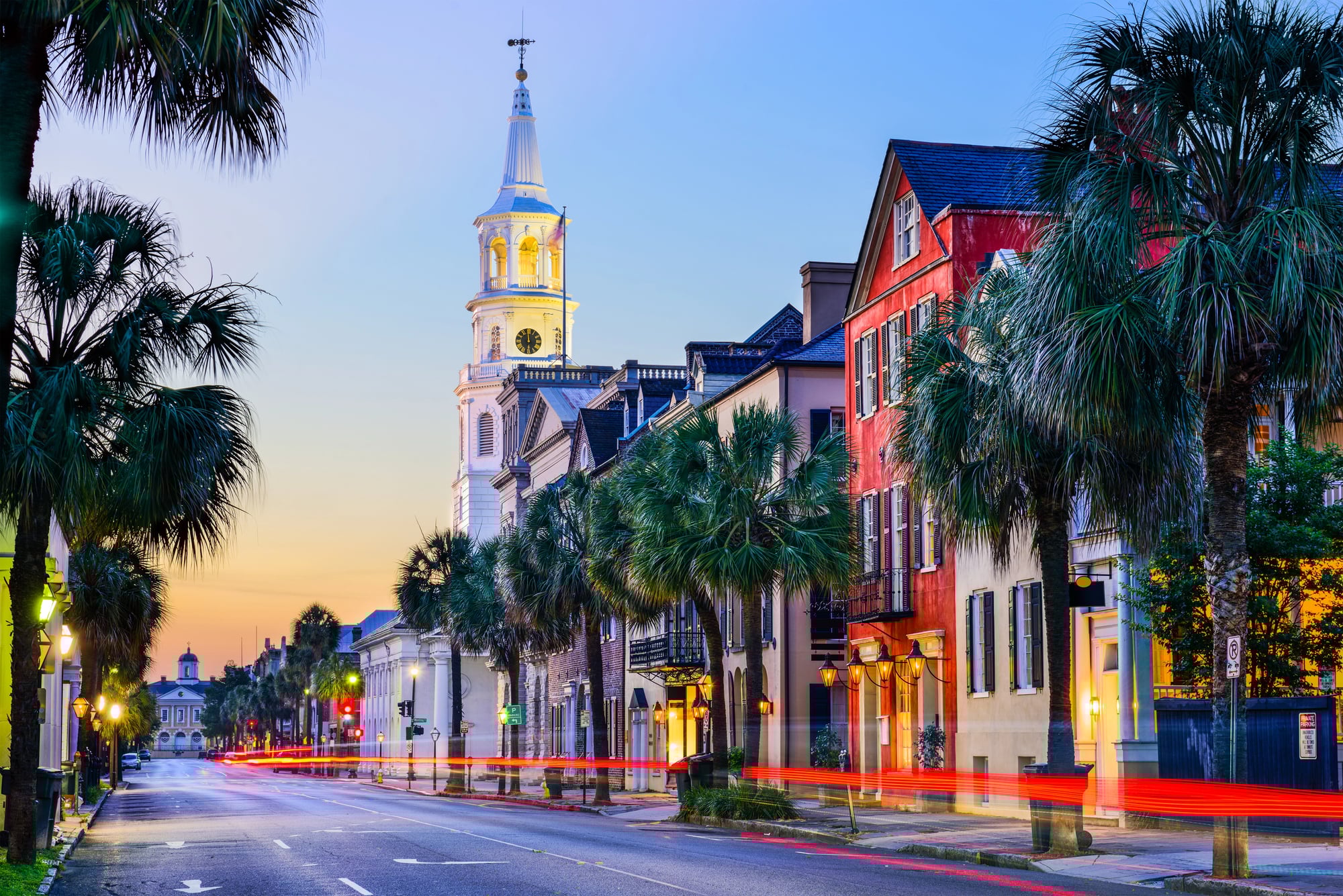
Charleston’s extensive network of rivers, islands, and marshes made it one of America’s most effective smuggling ports throughout the colonial and antebellum periods. The city’s merchants used their knowledge of local waterways to avoid customs officials and import goods without paying duties.
During the Civil War, Charleston became the Confederacy’s primary port for running the Union blockade.
Like Go2Tutors’s content? Follow us on MSN.
Cadiz, Spain

Cadiz served as Spain’s gateway to the Americas, but its merchants regularly engaged in smuggling to avoid the Crown’s strict trade monopolies. The city’s location on the Atlantic coast made it an ideal launching point for ships heading to Spanish colonies in the Caribbean and South America.
Local traders developed sophisticated networks for moving contraband silver, gold, and manufactured goods.
Bridgetown, Barbados

Bridgetown became the Caribbean’s sugar smuggling capital, where planters and merchants conspired to avoid British trade restrictions. The port’s strategic location made it a natural hub for inter-island trade, much of which violated imperial regulations.
Barbadian smugglers perfected techniques for moving sugar, molasses, and rum throughout the Caribbean while avoiding customs duties.
Trieste, Italy

Trieste’s unique position as a free port under Austrian rule made it the Adriatic’s premier smuggling hub throughout the 18th and 19th centuries. The city’s merchants took advantage of complex political boundaries and competing jurisdictions to move contraband throughout Central Europe.
Everything from coffee and spices to silk and precious metals passed through Trieste’s warehouses on their way to illegal markets.
Like Go2Tutors’s content? Follow us on MSN.
Gdansk, Poland

The Baltic port of Gdansk became Northern Europe’s smuggling capital, taking advantage of its position between competing empires and trade routes. The city’s merchants developed sophisticated networks for moving goods between Scandinavia, Russia, and Western Europe while avoiding various customs regulations.
Gdansk’s smugglers were particularly skilled at moving amber, grain, and timber through unofficial channels.
Where Trade Meets Temptation

These harbor towns remind us that the line between legitimate commerce and illicit trade has always been surprisingly thin. Their stories reveal how geography, politics, and economics combined to create perfect conditions for smuggling operations that often lasted for centuries.
Today, many of these same ports continue to grapple with modern forms of contraband trade, proving that some aspects of human nature never really change.
More from Go2Tutors!

- 16 Restaurant Chains That Went Too Fast
- 12 Things Sold in the 80s That Are Now Illegal
- 15 Strange Things People Have Tried to Ban (And Failed)
- 16 Collectibles People Tossed Out Too Soon
- 17 Myths from Your Childhood That Were Actually Based on Real Things
Like Go2Tutors’s content? Follow us on MSN.