15 Rescue Missions That Beat All Odds
Throughout history, there have been moments when everything seemed lost, when hope appeared to be nothing more than wishful thinking. Yet time and again, extraordinary individuals have defied impossible circumstances, turning certain disasters into miraculous salvation. These aren’t just stories of bravery—they’re testaments to human ingenuity, determination, and the refusal to give up when lives hang in the balance.
From deep underground mines to flooded caves, from hostile territories to the vacuum of space, rescuers have pushed beyond what anyone thought possible. Here is a list of 15 rescue missions that proved miracles can happen when courage meets impossible odds.
Apollo 13 Space Recovery
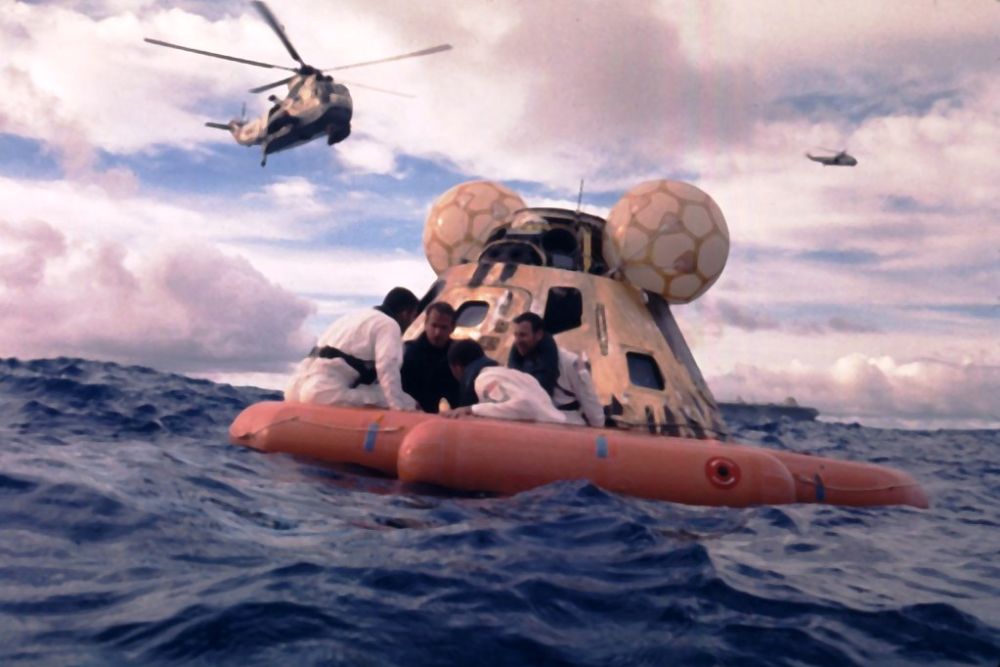
When Apollo 13’s oxygen tank exploded 200,000 miles from Earth in April 1970, three astronauts faced almost certain death in the cold void of space. The spacecraft’s life support systems were failing, and NASA had to figure out how to bring the crew home using limited power and resources.
Mission Control worked around the clock, essentially turning the damaged spacecraft into a lifeboat and using the lunar module as a backup system. The crew splashed down safely in the Pacific Ocean after a harrowing four-day journey, proving that even in space, no situation is truly hopeless.
Thai Cave Soccer Team Rescue
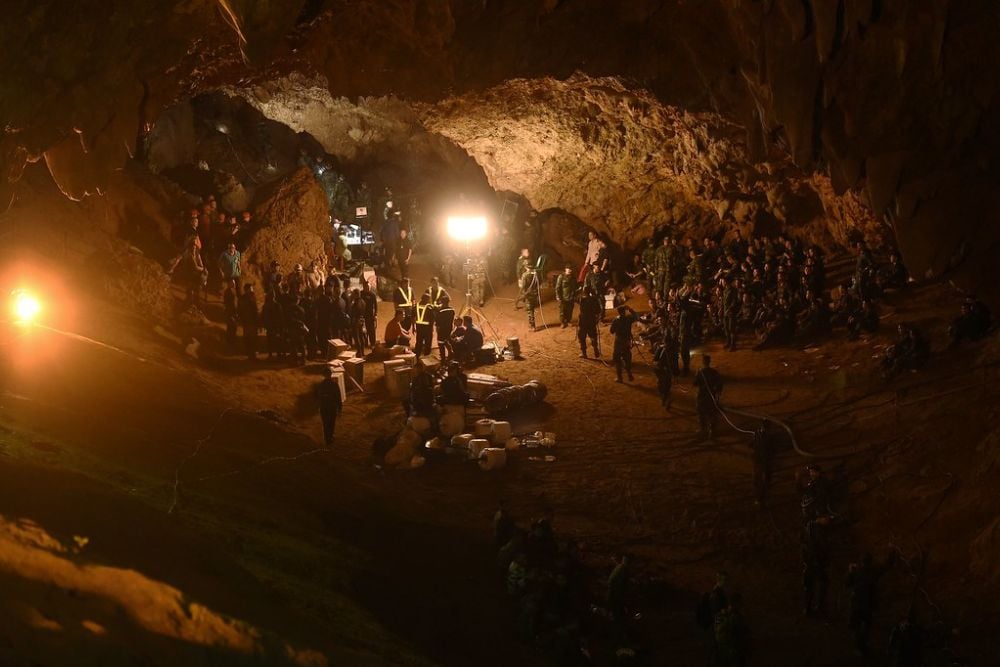
In July 2018, twelve boys and their soccer coach became trapped in Thailand’s Tham Luang cave system when monsoon floods blocked their exit. The rescue operation involved 18 divers—13 international cave divers and five Thai Navy SEALs—who had to navigate treacherous underwater passages to reach the team.
After a grueling 18-day operation, all 13 people were rescued alive, though one Thai Navy SEAL, Saman Kunan, tragically died during the mission. The operation required sedating the boys and having expert divers guide each one through the flooded tunnels—a technique never attempted before on such a scale.
Like Go2Tutors’s content? Follow us on MSN.
Chilean Miners Underground Survival
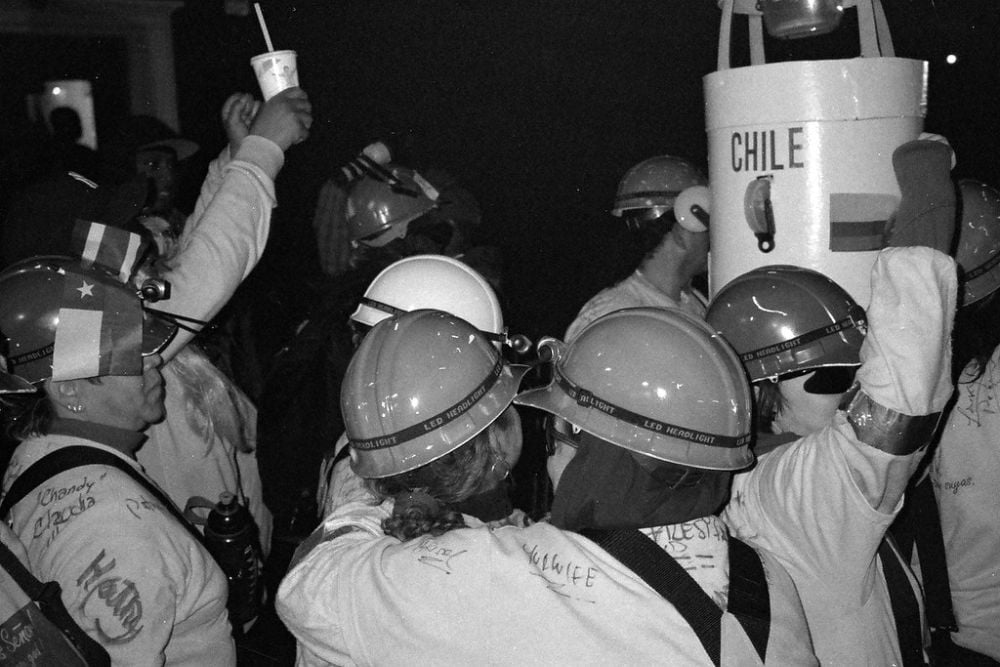
In 2010, 33 Chilean miners survived 69 days trapped underground after a mine collapse, capturing worldwide attention. The initial rescue attempts seemed futile as drilling equipment struggled to reach the miners nearly half a mile below ground.
What made this rescue extraordinary wasn’t just the duration, but the logistics—engineers had to design a custom rescue capsule and create a precise drilling operation to extract each miner safely. The final rescue took 22 hours as each man was pulled to the surface one by one, with the last miner emerging to global celebration.
Operation Entebbe Hostage Liberation

In 1976, Operation Thunderbolt, also known as Operation Entebbe, became one of the most famous rescue missions after Palestinian militants hijacked an Air France flight. The hijackers, supported by Ugandan dictator Idi Amin, held over 100 hostages at Entebbe Airport, demanding the release of imprisoned terrorists.
Israeli commandos flew 2,500 miles to Uganda in a daring nighttime raid, rescuing 102 of the 106 hostages in just 90 minutes. The operation’s success hinged on split-second timing and the element of surprise, with commandos arriving in a vehicle disguised to look like Amin’s official car.
Dunkirk Evacuation Operation
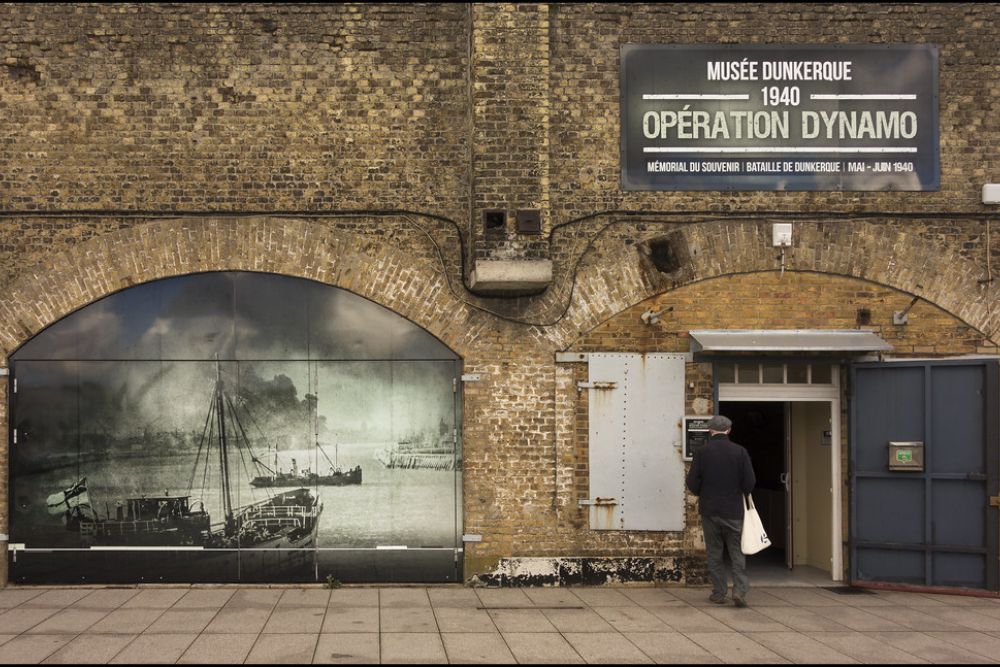
Operation Dynamo in 1940 rescued British, Belgian, and French forces from the beaches of Dunkirk after being surrounded and cut off by German forces. With the German army closing in and traditional rescue ships too large for the shallow waters, Britain launched an unprecedented civilian rescue effort.
Over 800 vessels—from Royal Navy destroyers to fishing boats and pleasure craft—crossed the English Channel under constant enemy fire. In nine days, they evacuated 338,000 soldiers who would have otherwise faced capture or death, saving the core of Britain’s army for the rest of World War II.
Like Go2Tutors’s content? Follow us on MSN.
Shackleton’s Antarctic Expedition Rescue
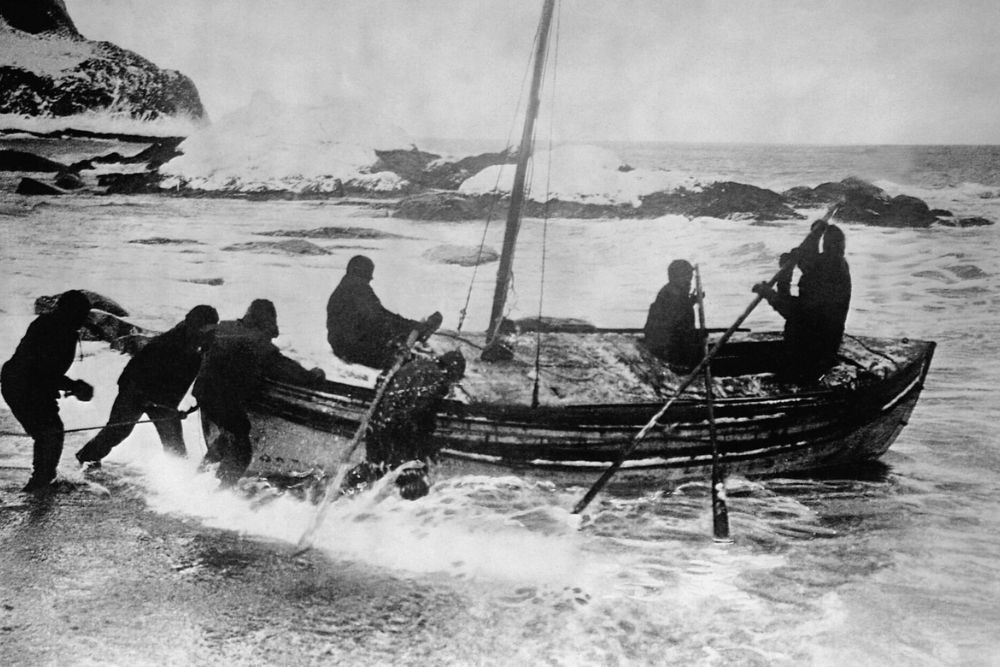
Ernest Shackleton’s rescue of his crew from the Antarctic ice in 1916 stands as one of history’s most incredible survival stories. When the story of Shackleton’s dramatic rescue mission finally hit the papers in early June 1916, it represented a rare moment of good news in the midst of World War I.
After their ship Endurance was crushed by ice, Shackleton and five men sailed 800 miles across the Southern Ocean in a tiny lifeboat to reach South Georgia Island. He then had to cross the island’s treacherous mountain terrain on foot before organizing a rescue ship to return for the rest of his crew—every single man survived the ordeal.
Son Tay Prison Camp Raid
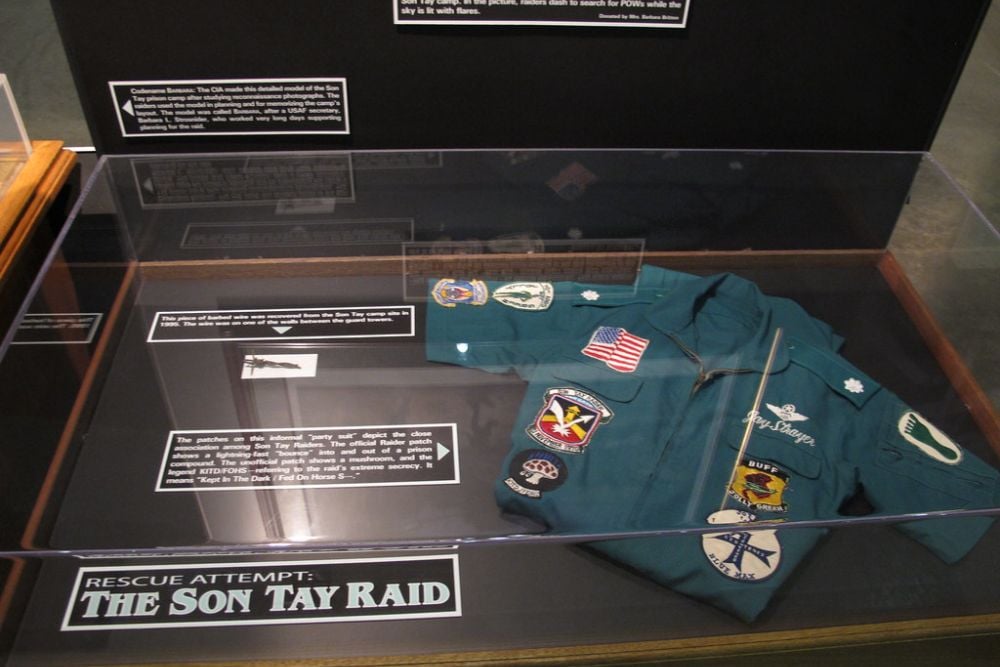
Operation Kingpin, commanded by legendary Army Special Forces Col. Arthur D. ‘Bull’ Simons, was one of the riskiest missions in special operations history when it targeted the Son Tay prison camp in North Vietnam.
In November 1970, American special forces flew deep into enemy territory to rescue POWs held at the camp. Although the prisoners had been moved shortly before the raid, the mission demonstrated incredible precision and courage.
The raiders successfully infiltrated North Vietnamese airspace, fought off enemy forces, and extracted without losing a single American life—proving that even failed rescue attempts can be victories in their own right.
Great Raid on Cabanatuan
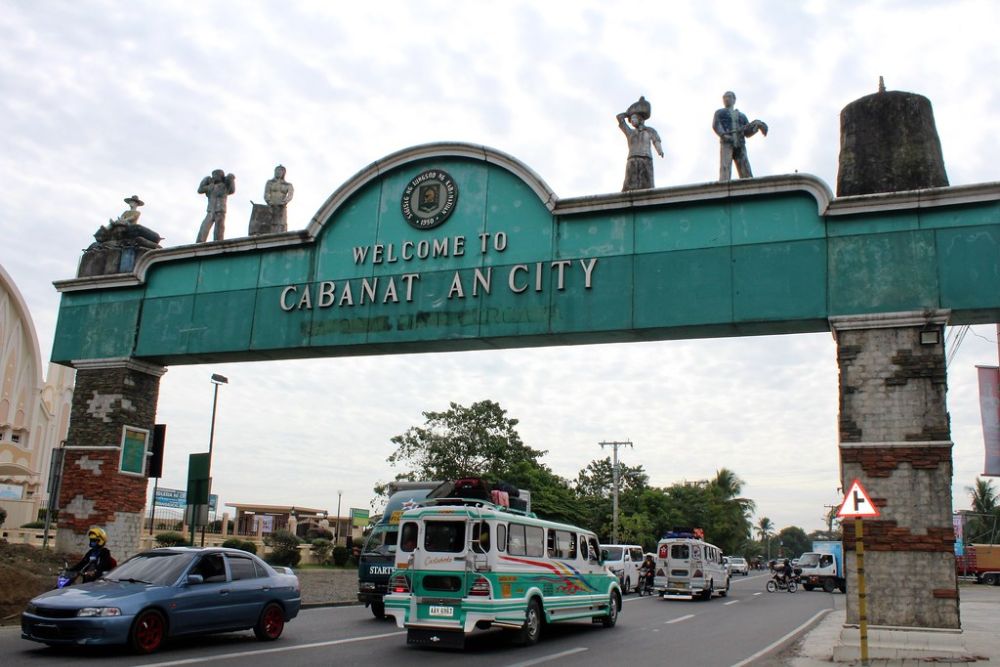
The raid on Cabanatuan prison camp in the Philippines during World War II resulted in 510 prisoners being released with just two Army casualties, earning recognition as ‘The Great Raid’ and celebration as one of the bravest rescue missions of all time. In January 1945, American and Filipino forces traveled 30 miles behind enemy lines to liberate Allied prisoners held in horrific conditions.
The raiders had to cross open terrain without detection, synchronize their attack perfectly, and then escort hundreds of weakened prisoners back to safety. The mission succeeded despite being outnumbered by Japanese forces and operating deep in enemy territory.
Like Go2Tutors’s content? Follow us on MSN.
Andrea Doria Passenger Rescue
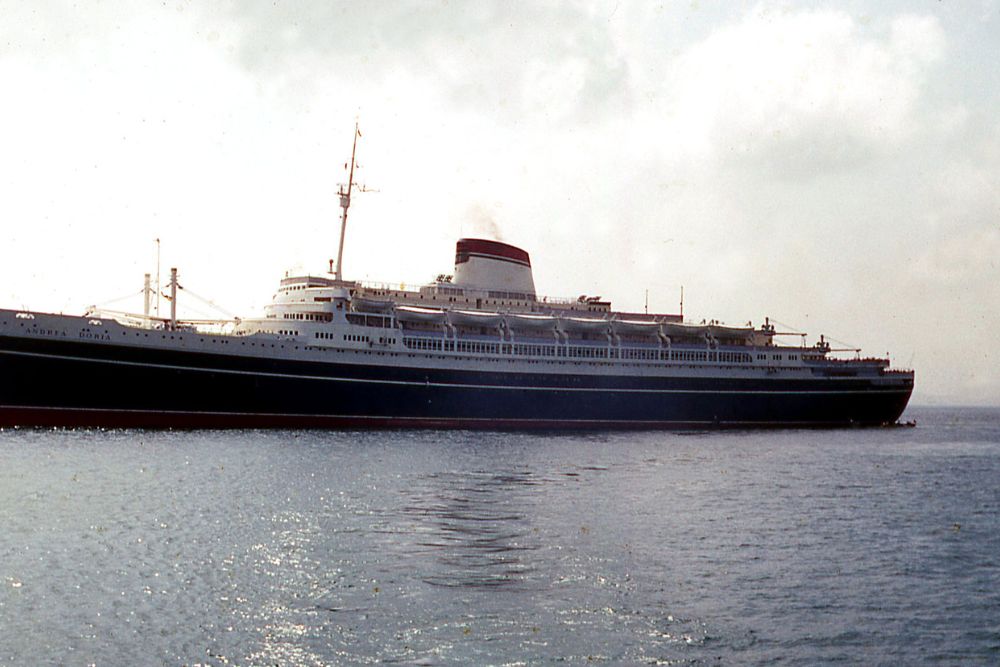
When the luxury liner Andrea Doria collided with the MS Stockholm off Nantucket in July 1956, rescuers faced a race against time to save passengers from a rapidly sinking ship. The vessel was listing so severely that half the lifeboats couldn’t be launched, trapping over 1,600 people aboard.
Multiple ships responded to the distress call, including the Île de France, whose crew worked through the night to evacuate passengers in heavy fog and rough seas. Despite the ship’s severe list and the darkness, rescuers saved 1,660 people, with only 46 lives lost—a remarkable achievement given the circumstances.
Baby Jessica Well Rescue

In October 1987, 18-month-old Jessica McClure fell into an abandoned well in Midland, Texas, captivating the nation during a 58-hour rescue operation. The toddler was trapped 22 feet underground in a shaft only 8 inches wide—too narrow for adult rescuers to reach her.
Engineers and workers drilled a parallel shaft and then tunneled horizontally to reach Jessica, all while keeping her conscious and calm. The rescue required precision drilling to avoid causing a cave-in, and paramedic Robert O’Donnell had to be lowered into the narrow tunnel to extract the child, who survived with only minor injuries.
Ernest Hemingway’s Wartime Rescue
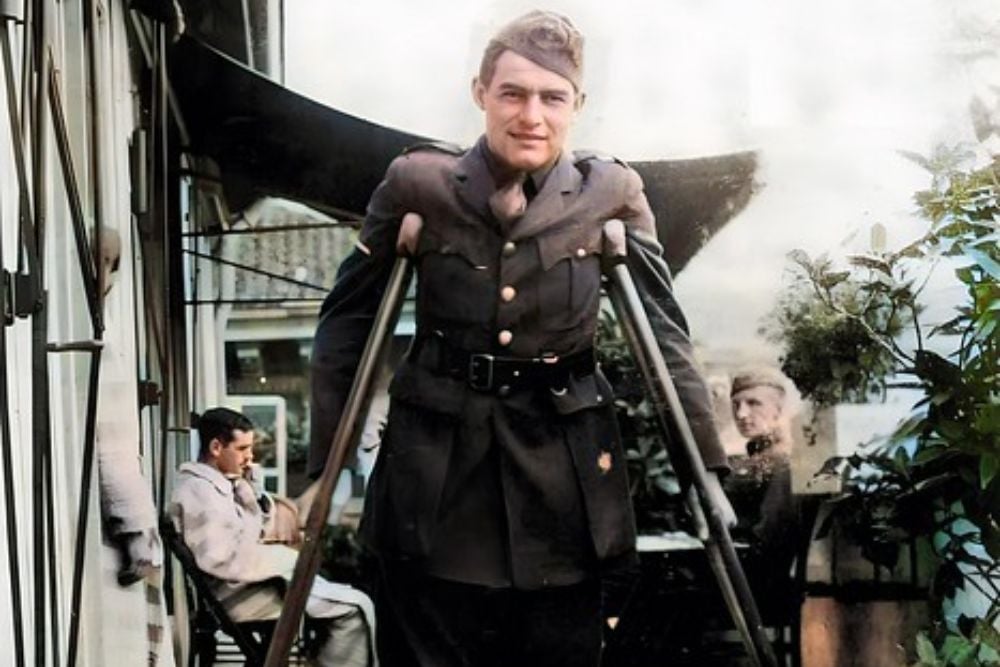
During World War II, author Ernest Hemingway found himself in an unexpected rescue situation when his fishing boat was used to search for survivors of German U-boat attacks off the Cuban coast. In one particular incident, Hemingway and his crew spotted a life raft with survivors who had been drifting for days after their merchant ship was torpedoed.
Despite the risk of attracting enemy submarines, they pulled the survivors aboard and delivered them to safety. Hemingway’s boat became an unofficial rescue vessel, saving multiple crews during the war and proving that heroism can come from the most unlikely sources.
Like Go2Tutors’s content? Follow us on MSN.
Mount Hood Climbing Rescue
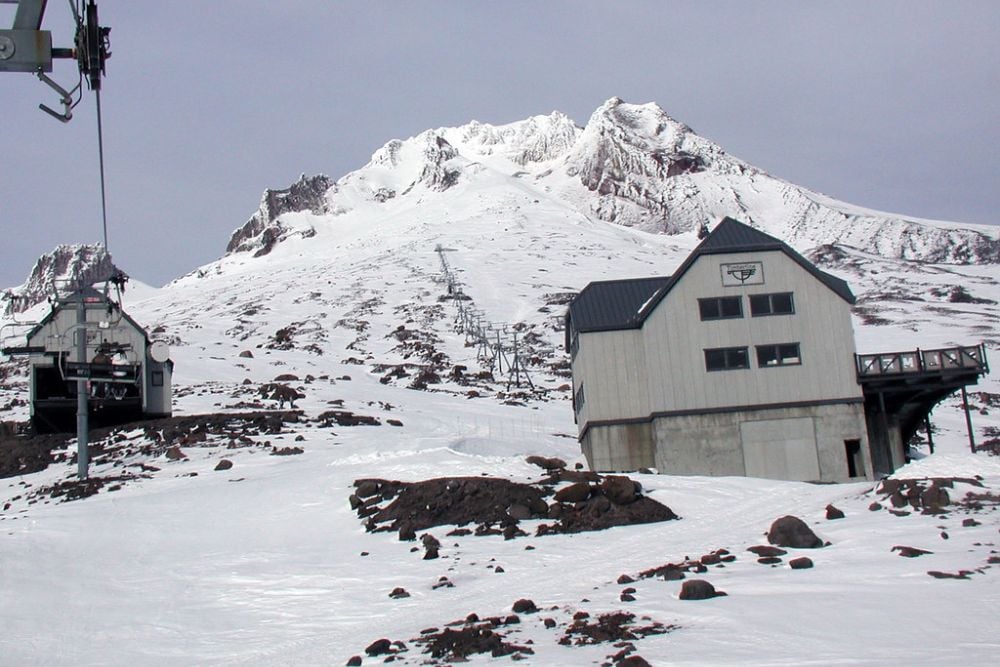
In May 2002, three experienced climbers became trapped in a snow cave near the summit of Mount Hood during a fierce blizzard that lasted several days. Search and rescue teams battled 100-mile-per-hour winds and whiteout conditions to locate the missing climbers.
After five days, rescue helicopters finally spotted signals from the survivors and managed to execute a dangerous high-altitude rescue despite the continuing storm. The operation required multiple attempts and specialized equipment, with rescuers risking their own lives to reach the climbers who were suffering from severe hypothermia and frostbite.
USS Pueblo Crew Release
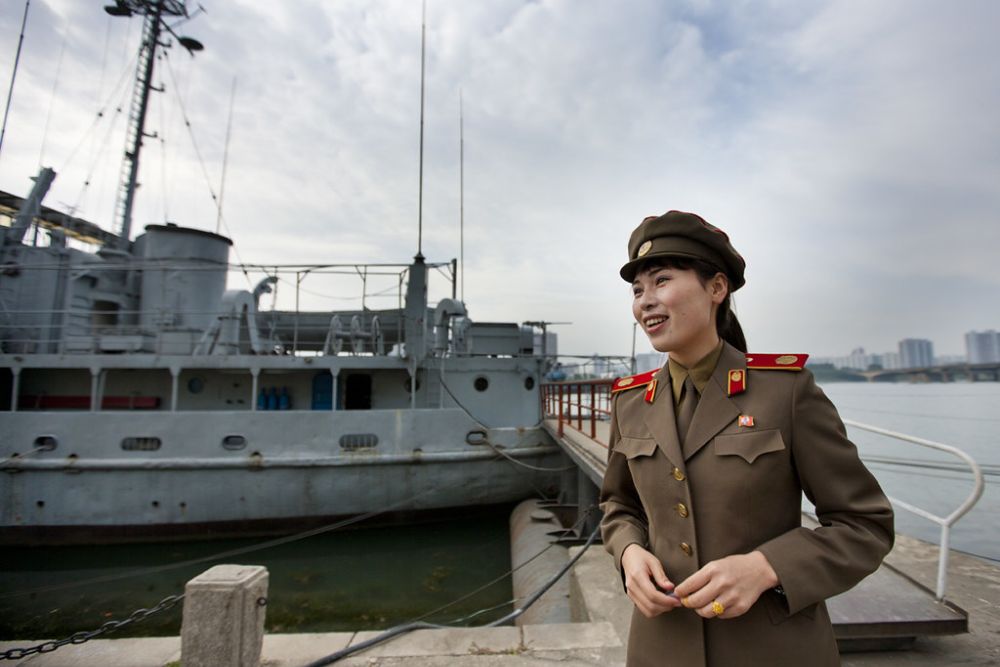
When North Korea captured the USS Pueblo and its 83 crew members in 1968, it triggered an 11-month international crisis with seemingly no solution. The crew endured brutal treatment and forced confessions while diplomatic efforts appeared to fail.
The breakthrough came through a complex negotiation where the U.S. agreed to apologize for the ship’s presence in North Korean waters while simultaneously disavowing the apology. This diplomatic rescue mission freed all surviving crew members on December 23, 1968, proving that sometimes the most effective rescues happen in conference rooms rather than on battlefields.
Quecreek Mine Rescue
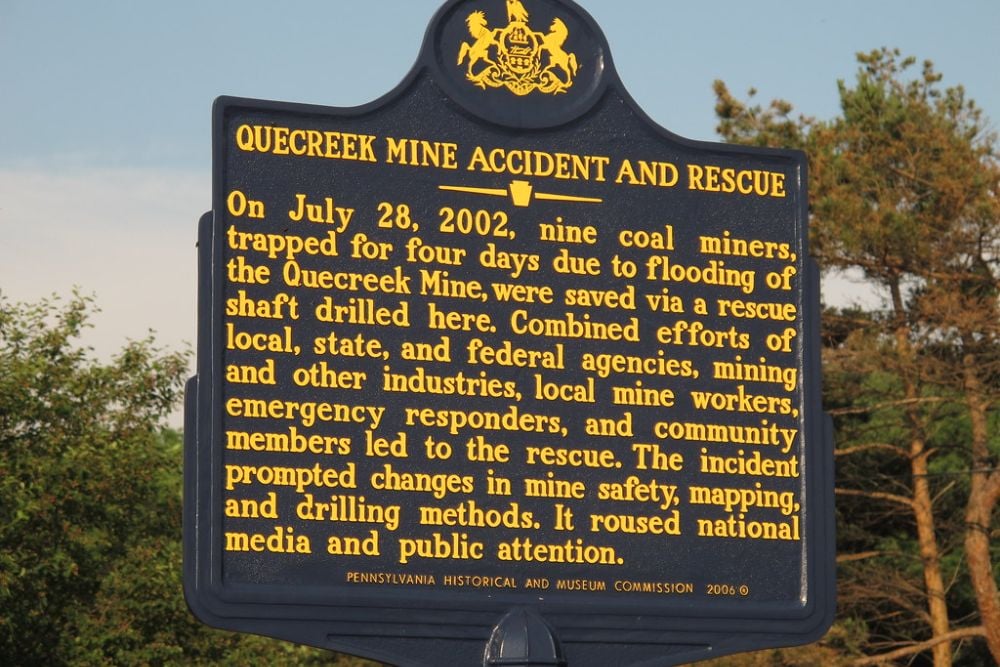
In July 2002, nine Pennsylvania coal miners became trapped when they accidentally broke through into an abandoned, flooded mine. Water rushed in so quickly that the miners barely had time to reach higher ground in their section of the mine.
Rescue teams worked for 77 hours straight, drilling through 240 feet of rock to reach the trapped men while pumping out millions of gallons of water. The miners survived by sharing body heat and rationing their supplies, while above ground, engineers battled constant equipment failures and unstable ground conditions to complete the rescue shaft.
Like Go2Tutors’s content? Follow us on MSN.
Iranian Embassy Siege Resolution

In May 1980, six gunmen took 26 people hostage at the Iranian Embassy in London, demanding the release of political prisoners. After six days of failed negotiations and the murder of one hostage, British SAS forces launched Operation Nimrod.
The rescue team rappelled from the roof and stormed through windows while the world watched on live television. In just 17 minutes, the SAS killed five terrorists, captured one, and rescued all but one of the remaining hostages.
The operation became a textbook example of precision counter-terrorism tactics and marked a turning point in how governments respond to hostage situations.
When Courage Rewrites the Rules
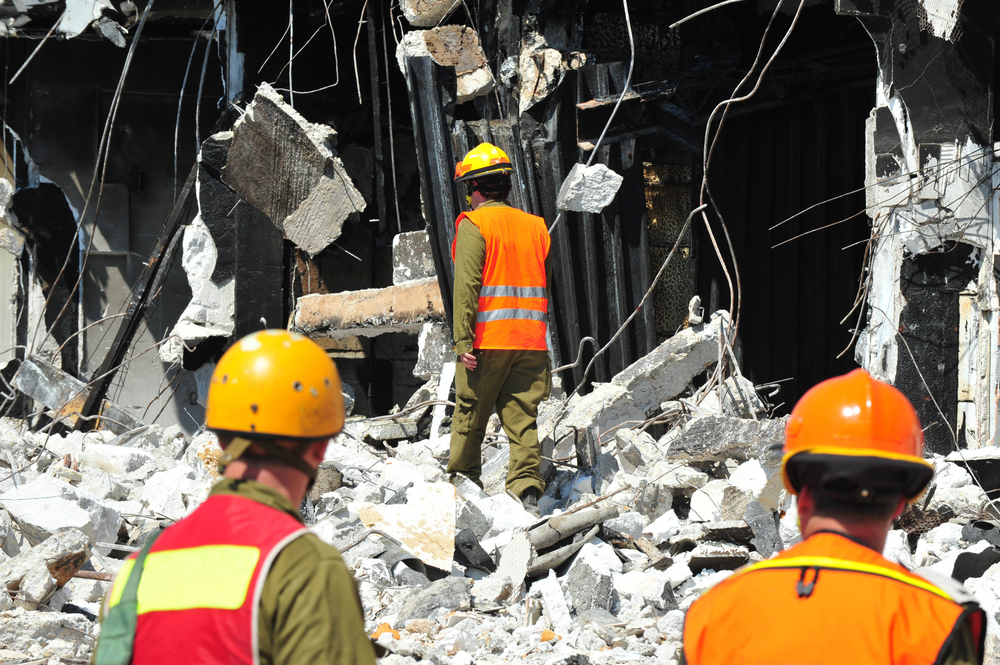
These rescue missions share a common thread that goes beyond their dramatic circumstances—they all required people to abandon conventional thinking and attempt the impossible. Whether it was NASA engineers improvising life support systems with spare parts, cave divers sedating children to guide them through underwater tunnels, or miners sharing warmth in flooded darkness, each situation demanded solutions that had never been tried before.
The rescuers didn’t just save lives; they expanded our understanding of what humans can accomplish when everything is on the line. Today, the techniques and lessons learned from these missions continue to influence emergency response protocols worldwide, ensuring that future impossible situations might have better odds of becoming tomorrow’s miracle rescues.
More from Go2Tutors!

- 16 Historical Figures Who Were Nothing Like You Think
- 12 Things Sold in the 80s That Are Now Illegal
- 15 VHS Tapes That Could Be Worth Thousands
- 17 Historical “What Ifs” That Would Have Changed Everything
- 18 TV Shows That Vanished Without a Finale
Like Go2Tutors’s content? Follow us on MSN.