17 Times Animals Were Used In Combat
Throughout human history, warfare has pushed people to think outside the box, and sometimes that box included recruiting some unlikely four-legged, winged, and finned allies. From ancient battlefields to modern conflicts, animals have served as everything from living tanks to secret messengers, often with results that were both ingenious and completely unpredictable.
The relationship between humans and animals in warfare reveals both our creativity and desperation when facing seemingly impossible odds. These partnerships weren’t always voluntary for the animals involved, but their contributions changed the course of battles and sometimes entire wars.
Here is a list of 17 fascinating times when animals became unlikely warriors, messengers, and even weapons of war.
Ancient War Elephants
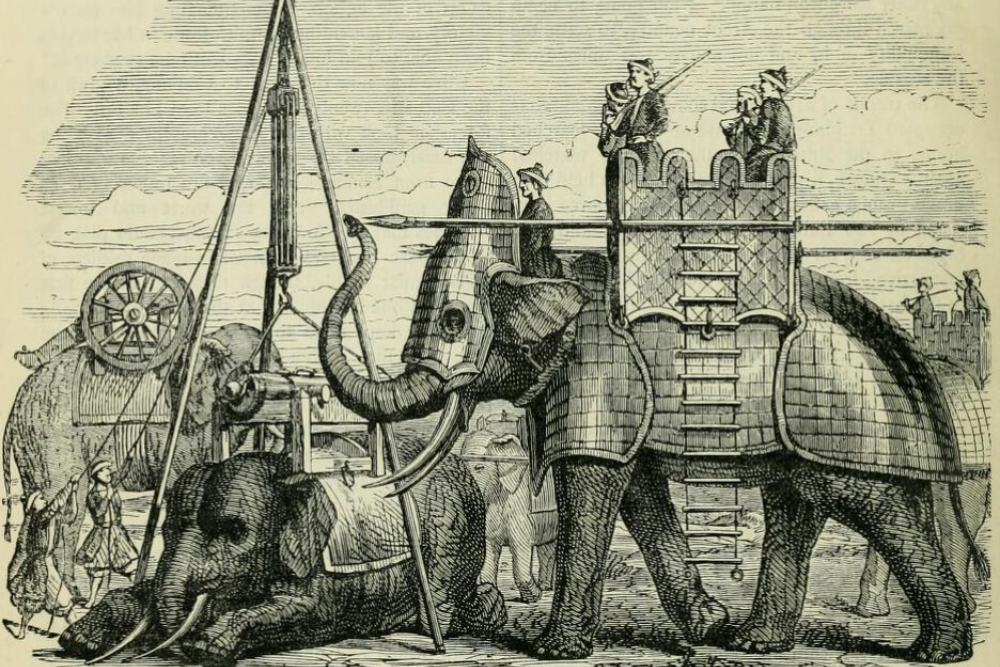
War elephants served as the tanks of the ancient world, carrying armored soldiers and striking terror into enemy ranks across Asia, Africa, and the Mediterranean. These massive creatures were equipped with armor and tusk swords, controlled by skilled mahouts, and could perform the work of machines in locations where vehicles couldn’t penetrate.
The most famous deployment came when Hannibal crossed the Alps with his elephant corps during the Second Punic War, though many of these giants didn’t survive the harsh mountain conditions.
Incendiary Pigs Against Elephants
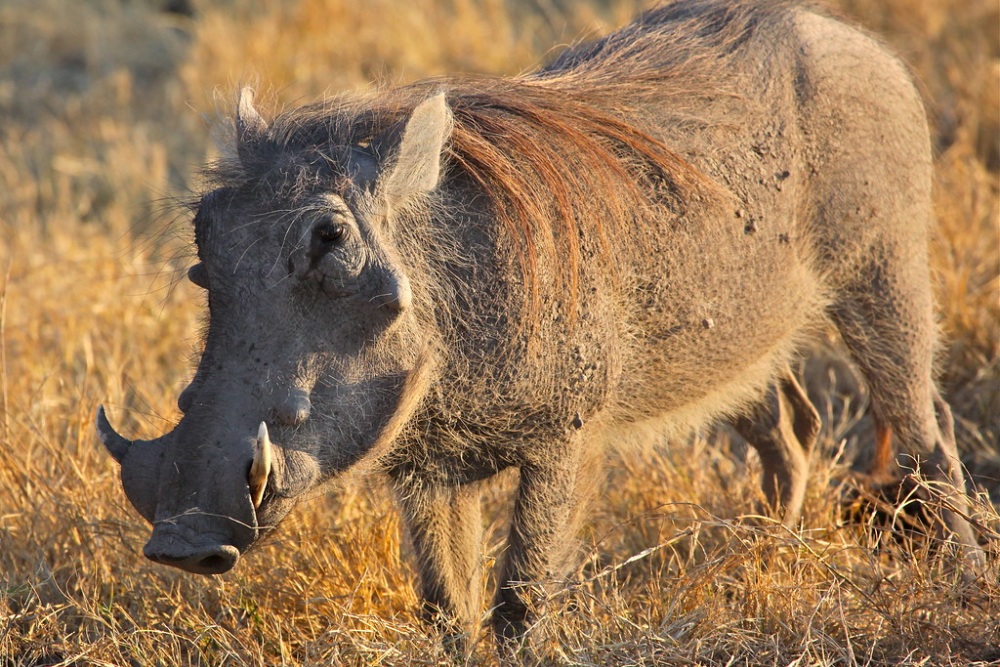
In 266 BC, during the siege of Megara, defenders doused pigs with combustible pitch and set them ablaze, driving the flaming animals toward enemy war elephants. The elephants bolted in terror from the squealing, burning pigs and trampled many of their own soldiers to death.
This bizarre tactic worked because elephants have an instinctive fear of pigs’ high-pitched squeals, making the flaming swine an effective psychological weapon despite the obvious logistical challenges.
Like Go2Tutors’s content? Follow us on MSN.
Messenger Pigeons in World Wars
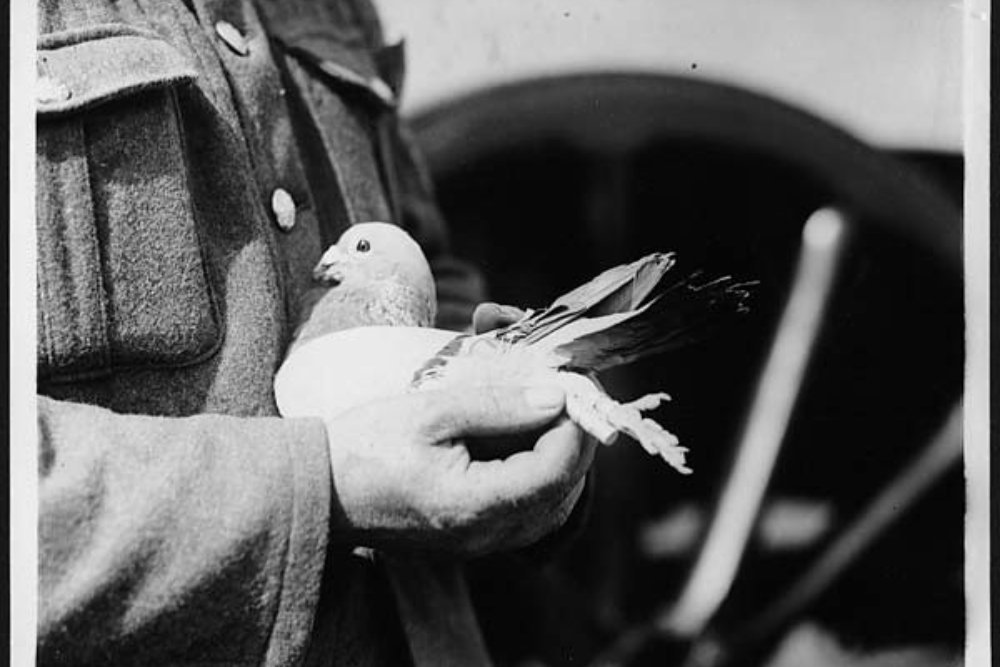
More than 200,000 messenger pigeons served Allied forces during World War I, just before the widespread adoption of radio communication. One famous pigeon named Cher Ami earned the French ‘Croix de Guerre’ for delivering 12 messages despite suffering serious bullet wounds, and is credited with saving the ‘Lost Battalion’ of the U.S. 77th Infantry Division.
These birds could find their way home from over 1,800 miles away, making them invaluable when electronic communication failed.
Dogs of War
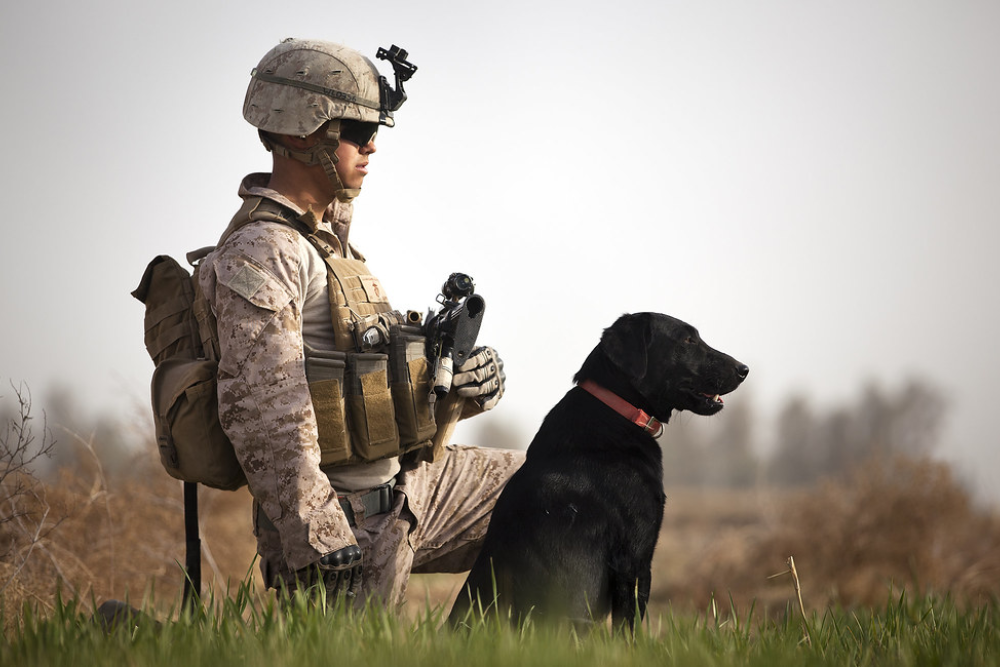
Over 20,000 dogs served the U.S. Army, Coast Guard, and Marine Corps during World War II, working as guards, messengers, scouts, and rescue animals. The Romans trained the Molossian dog specifically for battle, coating them in protective spiked metal collars and mail armor, and arranging them into attack formations.
Modern military dogs continue this tradition, focusing on bomb detection and security work in places like Afghanistan and Iraq.
Horses in Cavalry Charges
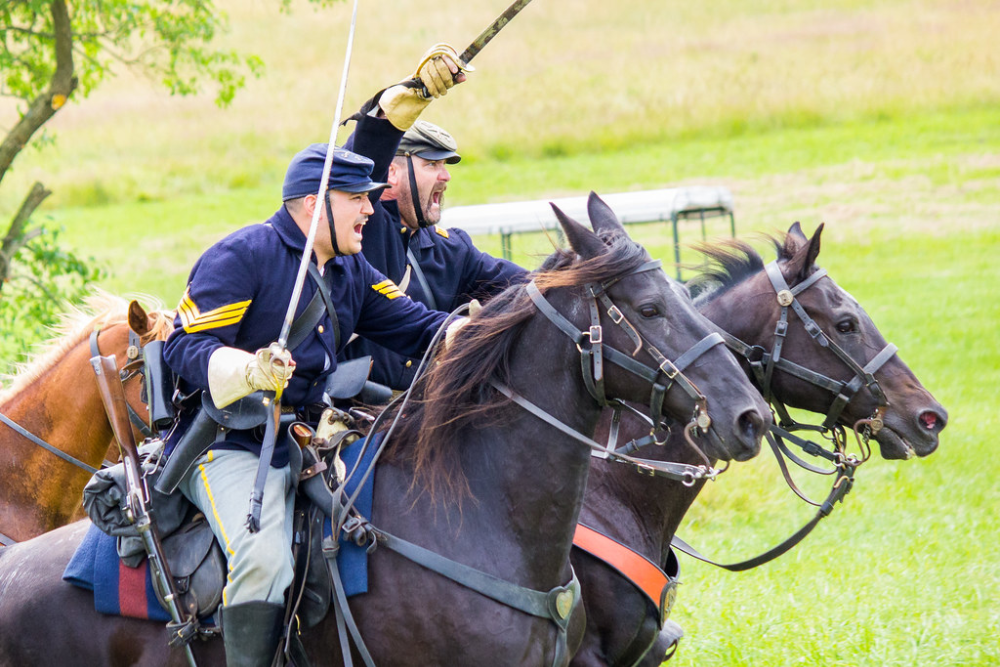
No other animal has played so great a role in warfare history as the horse, with archaeological evidence showing their use by raiding nomads as early as 5,000 years ago. One of the last cavalry charges occurred in 1942 when the Italian Savoia Cavalleria successfully charged Russian infantry at Isbushenskij on the Eastern Front.
The invention of the stirrup and modern saddle transformed horse-mounted warriors into formidable fighting machines that dominated European battlefields for centuries.
Like Go2Tutors’s content? Follow us on MSN.
Camel Corps in Desert Warfare
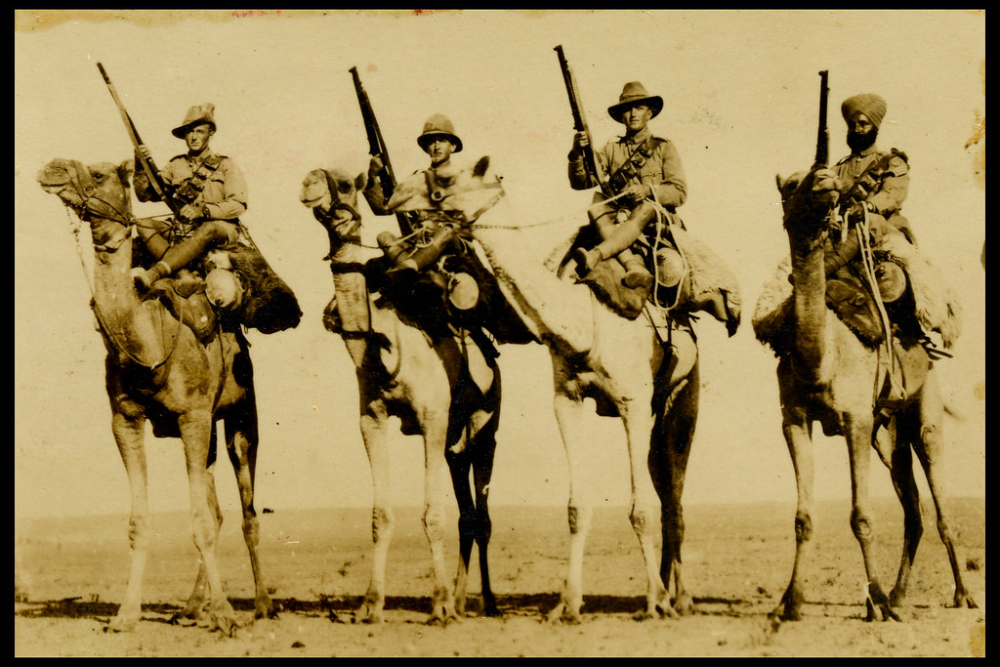
Camels have been used in Middle Eastern warfare for millennia, with the first recorded use at the Battle of Qarqar in 853 BCE when Neo-Assyrian forces deployed a thousand camels. During World War I, the Imperial Camel Corps operated in Middle Eastern and African deserts, using about 4,000 camels to transport troops and evacuate wounded soldiers using stretchers placed on each side of the animals’ humps.
Napoleon even employed a camel corps during his Egyptian campaigns from 1798 to 1801.
Dolphins in Modern Naval Operations
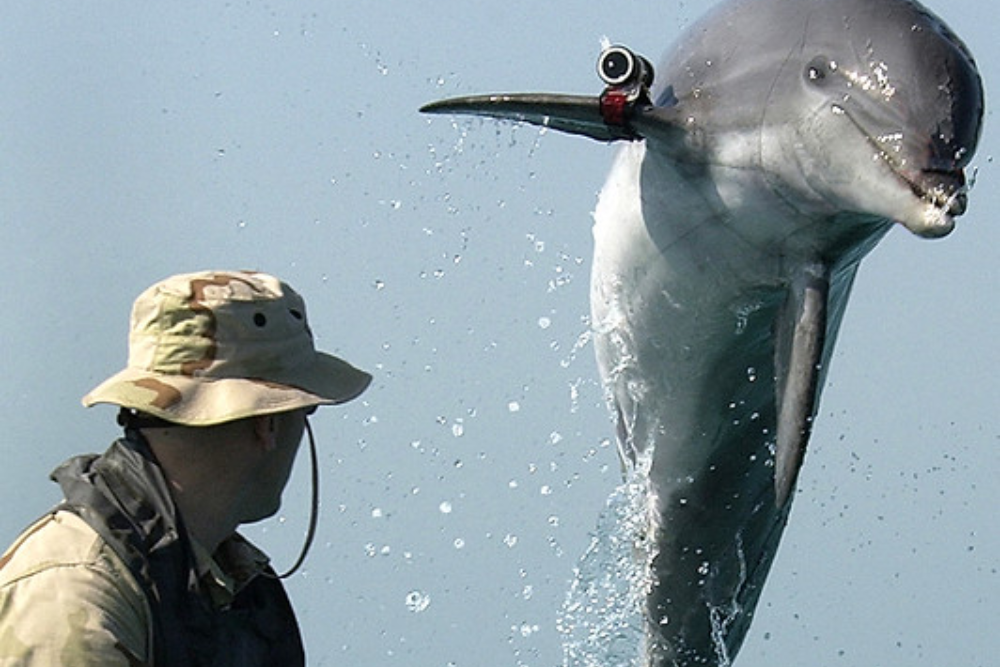
The U.S. Navy has been training bottlenose dolphins for marine patrols since the 1960s, after they were identified for their intelligence and sonar capabilities. These marine mammals prove their worth in mine detection and disposal, as well as protecting ships by patrolling areas and tagging enemy swimmers attempting sabotage.
Their natural echolocation abilities make them incredibly effective at detecting underwater threats that electronic systems might miss.
Japanese Insect Warfare
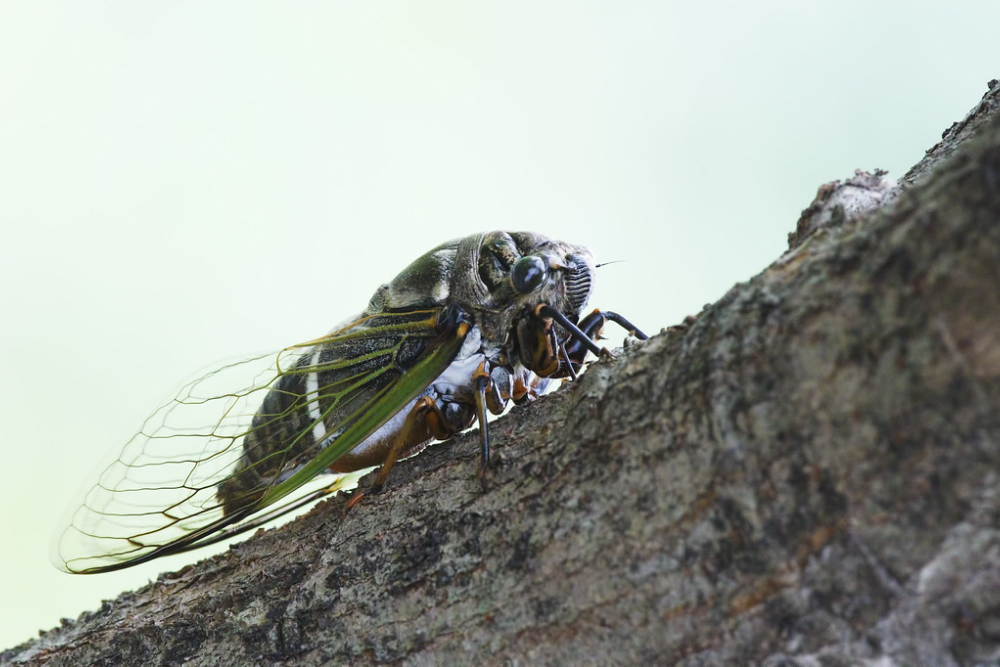
During World War II, Japan used insects as biological weapons to infect China with cholera and plague, dropping fleas and flies from airplanes over heavily populated areas. An international symposium of historians found that these operations resulted in around 440,000 Chinese deaths.
This represented one of the most devastating examples of biological warfare using animals as delivery systems for disease.
Like Go2Tutors’s content? Follow us on MSN.
The American Bat Bomb Project
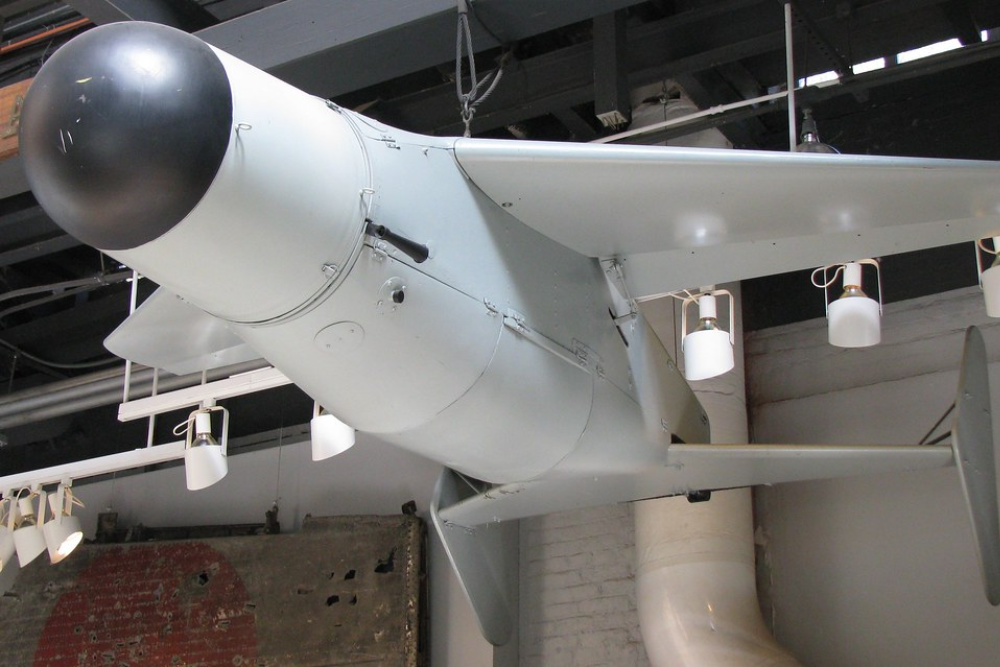
The U.S. military’s Project X-Ray planned to release thousands of bats equipped with napalm charges over Japan, but the plan backfired when some test bats escaped in New Mexico and destroyed an aircraft hangar and a general’s car. The concept was to use the bats’ natural roosting behavior to start fires in Japanese cities, but controlling where the armed bats went proved impossible.
The project was ultimately scrapped in favor of more conventional weapons.
Wojtek the Soldier Bear
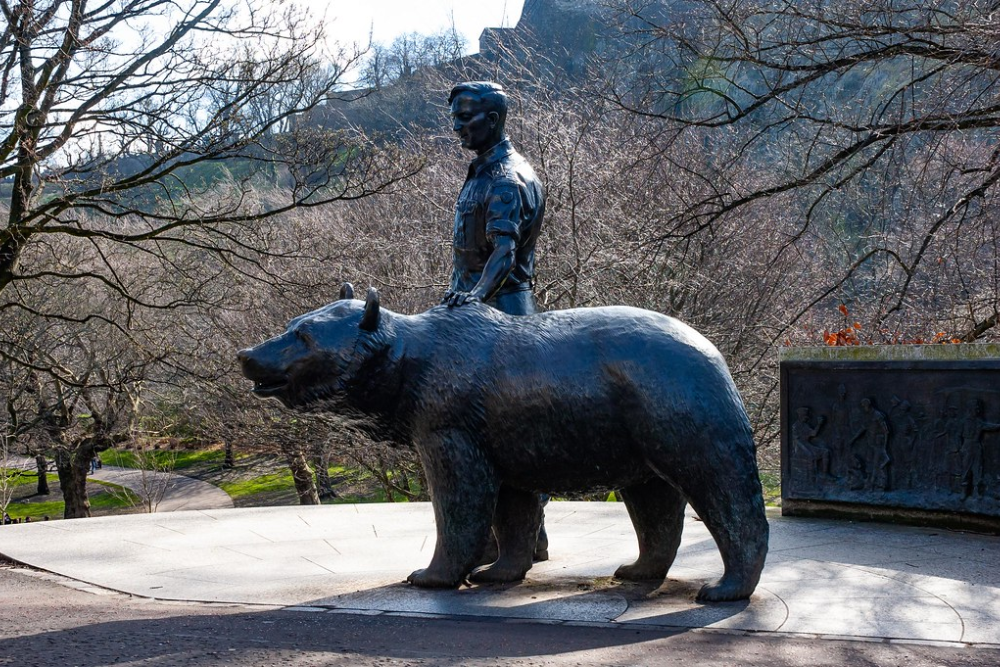
During World War II, Polish forces adopted an orphaned brown bear cub named Wojtek who eventually achieved the rank of corporal and helped carry ammunition during the Battle of Monte Cassino. After the war, Wojtek lived at Edinburgh Zoo until his death in 1963 and has since been commemorated with monuments in Canada, Scotland, and London.
His story represents the unique bond that can form between soldiers and animal companions during wartime.
Cats as Sacred Weapons
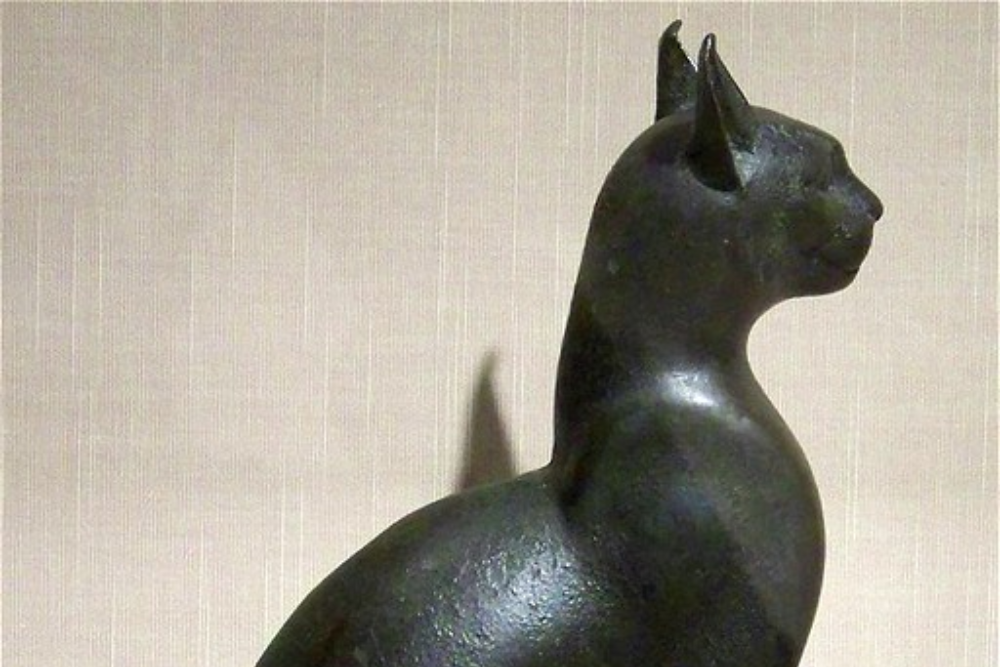
At the Battle of Pelusium in 525 BC, Persian king Cambyses II deployed cats on the front lines because he knew the Egyptians considered them sacred and would cease using projectile weapons to avoid harming the animals. This psychological warfare tactic exploited religious beliefs rather than the cats’ natural abilities.
The strategy proved effective, as Egyptian forces were reluctant to attack when their sacred animals were in harm’s way.
Like Go2Tutors’s content? Follow us on MSN.
Cattle Stampedes as Chaos Weapons
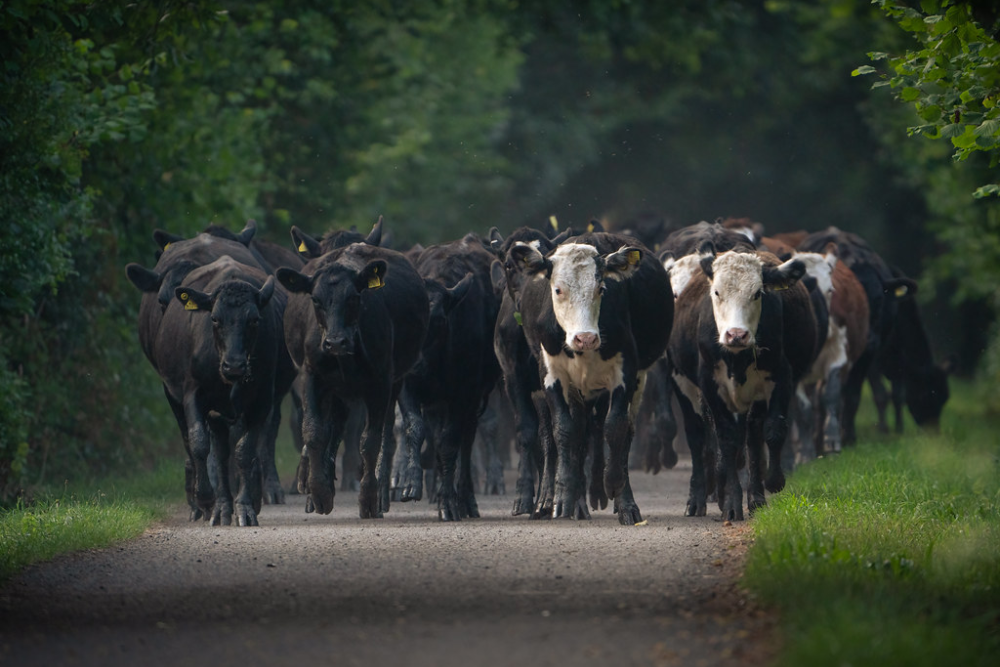
Cattle were sometimes used in battle through artificial stampedes of panicking herds driven toward the enemy, though this tactic often backfired after the invention of gunpowder. In both the Battle of Tondibi and Henry Morgan’s siege of Panama, herds of cattle stampeded back into their own army’s lines due to gunfire from the opposing forces.
The unpredictable nature of frightened animals made this a risky strategy that could easily turn against the users.
Monkeys as Living Incendiaries
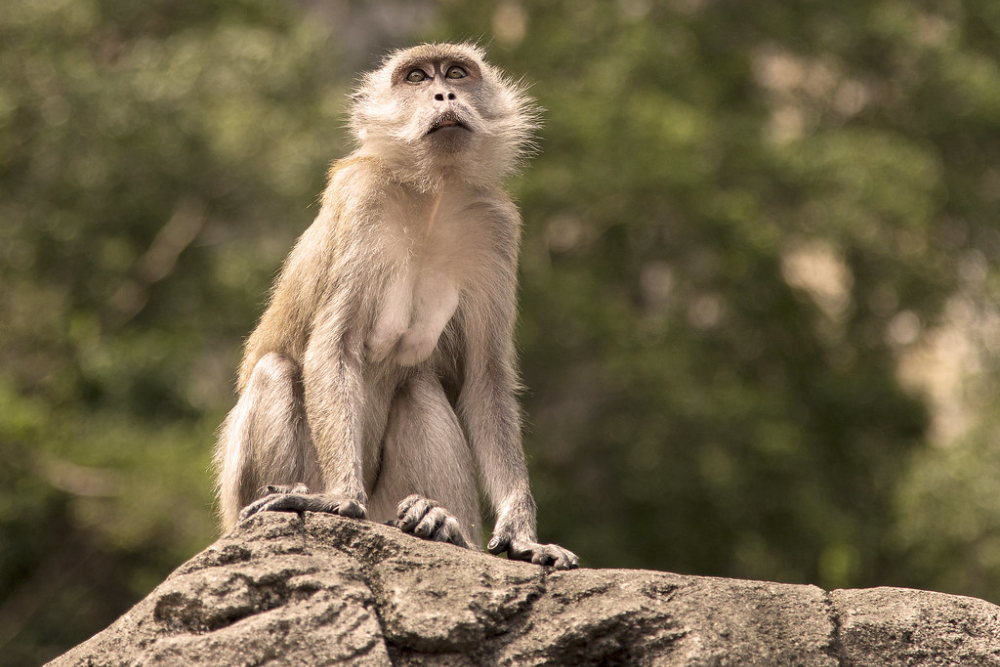
During the Southern Song dynasty, monkeys were used as live incendiary devices in battles between rebels and the Chinese Imperial Army, with the animals clothed in straw, dipped in oil, and set on fire before being released into enemy camps. Indian sources from the 4th century BC also describe trained monkeys carrying incendiary devices over fortification walls to set fires.
While effective at creating chaos, these tactics were extremely difficult to control and often endangered friendly forces as well.
Soviet Moose Cavalry Experiments

Both Sweden and the Soviet Union attempted to use moose as deep-snow cavalry, but discovered the animals were unsuitable for warfare because they easily contracted livestock diseases, were difficult to feed, and fled the battlefield. The Soviets later trained moose not to be gun-shy, but were unable to deploy their unusual cavalry due to the outbreak of the Soviet-Finnish War and World War II.
The experiment shows how desperate conditions can lead to creative but ultimately impractical solutions.
Like Go2Tutors’s content? Follow us on MSN.
G.I. Joe the Hero Pigeon
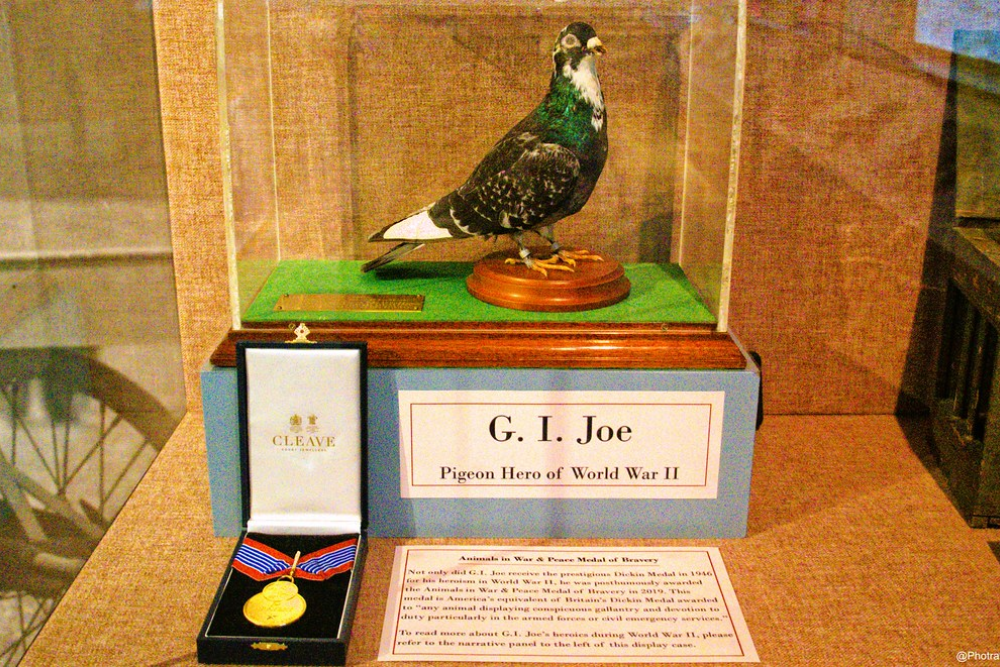
An American pigeon named G.I. Joe prevented a catastrophic friendly fire incident by flying 25 miles in 25 minutes to bring news of a British regiment’s position just as Allied bombers were preparing to bomb that very location. G.I. Joe was subsequently awarded the Dickin Medal, a British citation for war animals displaying gallantry and devotion to duty, considered the animal equivalent of the Victoria Cross.
His split-second timing saved an entire regiment from being bombed by their own allies.
Hannibal’s Alpine Elephant March
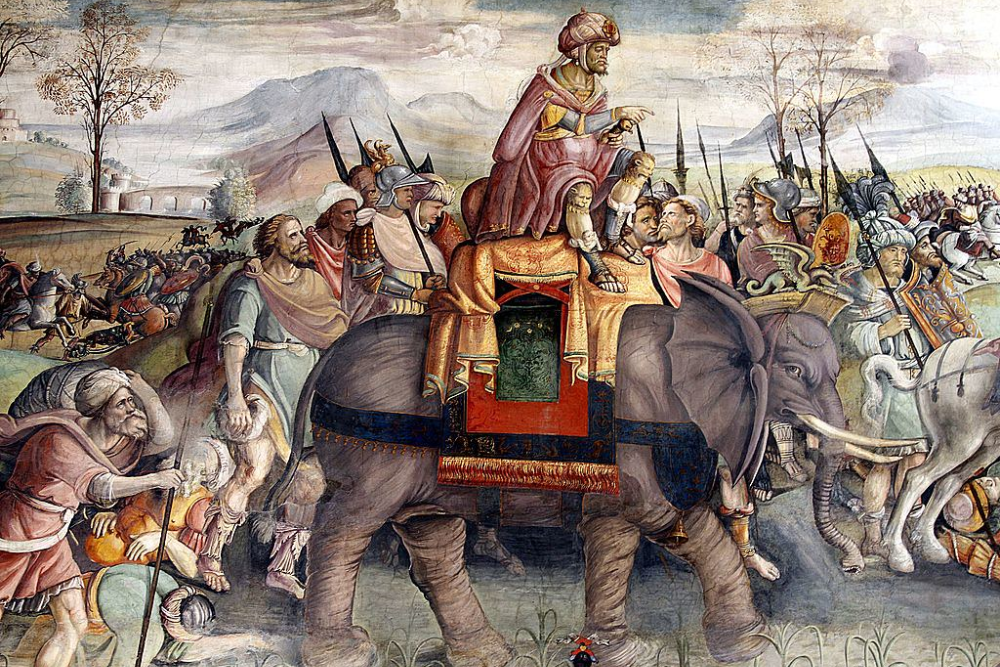
Hannibal’s deployment of 80 elephants against Rome became legendary, though Roman general Scipio Africanus had prepared for this moment by ordering his legions to shout and bang on their mess pots. The loud sounds spooked the war elephants so badly that many turned around and trampled Carthaginian soldiers, while others were channeled into gaps between Roman columns and easily dispatched.
This demonstrates how even the most fearsome animal weapons could be countered with the right tactics.
Camels as Elephant Deterrents
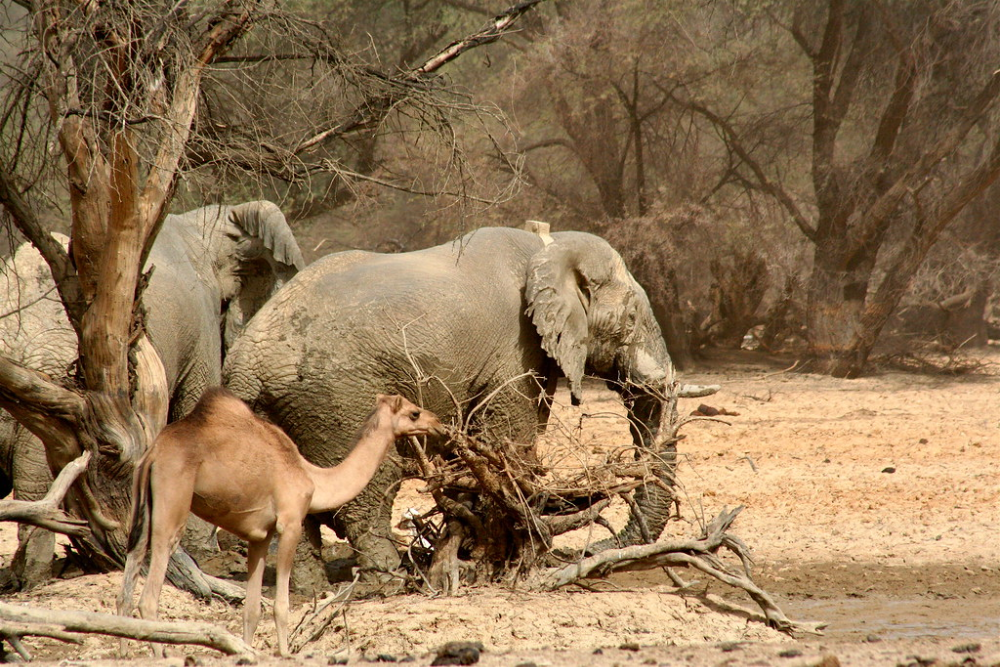
At the Battle of Thymbra in 547 BCE, Persian king Cyrus the Great used camels against the Lydians because the smell of camels disoriented enemy horses. Greek historian Herodotus noted this unusual side effect of inter-species warfare, where one animal’s natural scent could panic another species entirely.
This principle was exploited repeatedly throughout history, with armies learning to use unfamiliar animals to spook enemy mounts and disrupt cavalry charges.
Like Go2Tutors’s content? Follow us on MSN.
When Nature Reclaimed the Battlefield
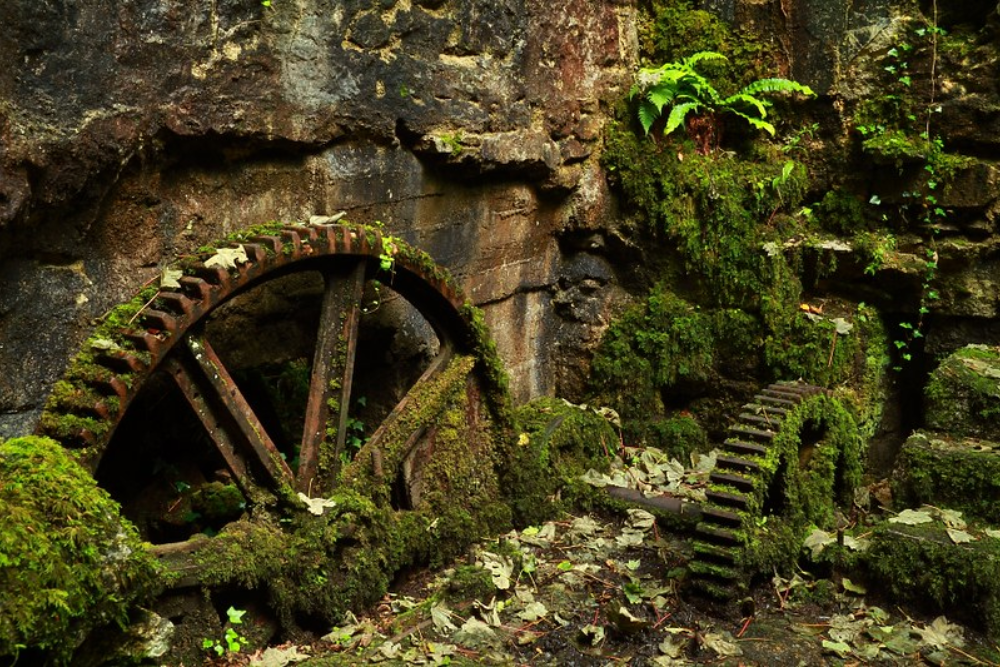
The history of animals in combat reveals humanity’s endless creativity when facing desperate circumstances, but it also shows our willingness to adapt and learn from both successes and failures. Many of these animal tactics disappeared as technology advanced, but some principles remain relevant today.
Modern military forces still rely on dogs for detection work and dolphins for underwater operations, proving that the partnership between humans and animals in warfare continues to evolve rather than disappear entirely.
More from Go2Tutors!

- 16 Historical Figures Who Were Nothing Like You Think
- 12 Things Sold in the 80s That Are Now Illegal
- 15 VHS Tapes That Could Be Worth Thousands
- 17 Historical “What Ifs” That Would Have Changed Everything
- 18 TV Shows That Vanished Without a Finale
Like Go2Tutors’s content? Follow us on MSN.