Unusual Foods Served At Ancient Roman Feasts
The Roman Empire wasn’t built on bread alone. While modern dinner parties might feature a cheese board and wine, ancient Romans turned their banquets into theatrical displays of wealth, power, and culinary audacity.
These weren’t just meals — they were statements that pushed the boundaries of taste, both literal and figurative. Roman hosts competed to serve the most exotic, expensive, and downright bizarre dishes they could source from across their vast empire.
What landed on their tables would make today’s most adventurous food enthusiasts pause. Some delicacies were prized for their rarity, others for their supposed medicinal properties, and a few simply because they could afford what others couldn’t.
Flamingo Tongues

Flamingo tongues topped the list of prestigious Roman delicacies. These pink birds were imported from Africa specifically for their tongues, which Romans believed possessed an exceptionally delicate flavor.
The rest of the bird was often discarded. Wealthy Romans served flamingo tongues at their most exclusive gatherings.
The dish represented the height of extravagance — killing an entire exotic bird for a single bite-sized morsel.
Peacock Brains
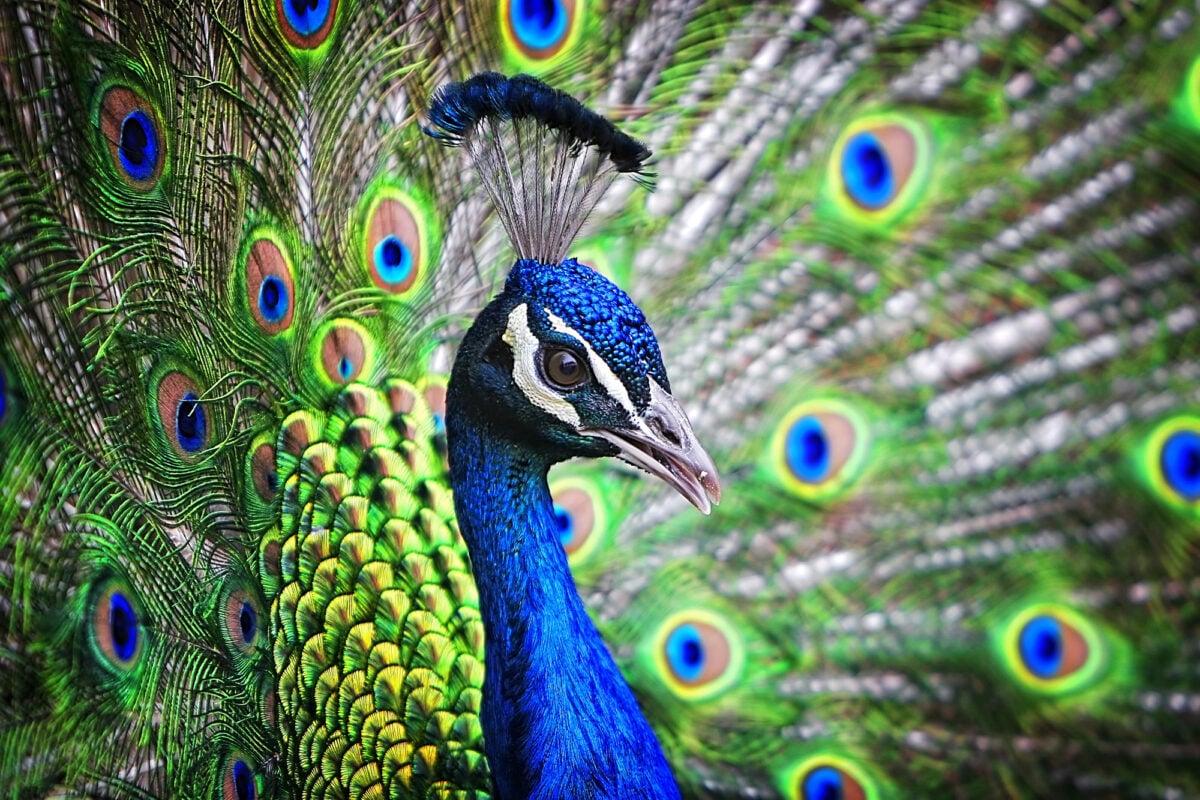
The peacock held sacred status in Roman religion, associated with the goddess Juno. Yet this didn’t stop wealthy Romans from serving peacock brains as a luxury appetizer.
The brains were typically extracted and prepared with honey and spices. Hosts would often present the peacock with its magnificent plumage intact, then dramatically reveal that the brain had been removed and prepared separately.
This theatrical presentation added to the dish’s appeal among status-conscious diners.
Dormice Stuffed With Nuts

Picture a Roman cook (and this might be the strangest sentence you read today) carefully fattening dormice in special clay jars called gliraria, feeding them nothing but acorns and chestnuts until they reached the perfect plumpness. The Romans didn’t just stumble upon this delicacy — they engineered it, creating what amounts to an ancient form of specialized livestock farming that would make modern artisanal food producers seem almost conventional by comparison.
And here’s where it gets even more elaborate: once the dormice reached the desired weight, cooks would stuff them with a mixture of pork, pine nuts, and additional nuts (because apparently regular stuffing wasn’t quite indulgent enough), then roast them whole and serve them as a kind of Roman equivalent to what we might think of as an appetizer, though calling these plump, nut-fed rodents an “appetizer” feels like calling a Lamborghini “transportation.”
The preparation process could take months. Romans built entire cottage industries around dormouse farming, with specialized equipment and feeding schedules designed to maximize both size and flavor.
Ostrich Meat

Romans developed a fascination with ostrich meat that bordered on obsession — partly because the birds were massive enough to feed dozens of guests, but mostly because serving African ostrich at your dinner party was the ancient equivalent of parking a Ferrari in your driveway.
Nobody needed ostrich meat. The birds were dangerous to hunt, expensive to import, and honestly tasted like oversized chicken.
But that was exactly the point. Smart hosts learned to make a production out of ostrich service.
They’d carry the enormous roasted bird into the dining room on special platters, sometimes with the neck and head still attached for maximum visual impact. Guests were expected to marvel at both the size and the expense.
Jellyfish

Roman cooks discovered that certain Mediterranean jellyfish, when properly prepared, offered a unique texture prized by adventurous diners. The preparation required careful timing — too long in the heat and the jellyfish dissolved into nothing.
Jellyfish appeared at banquets more for novelty than flavor. Diners enjoyed the unusual sensation and the bragging rights that came with eating something most people wouldn’t dare touch.
The dish usually arrived early in the meal, when guests were most alert and appreciative of unusual presentations.
Moray Eel

There’s something unsettling about a fish that wealthy Romans loved so much they kept them as pets before eating them. Moray eels lived in specially constructed pools at Roman villas, where owners would hand-feed them and watch them grow.
Then, when dinner party season arrived, the same eels that had been swimming lazily in decorative ponds became the evening’s main course. The Romans believed moray eels developed better flavor when they were familiar with human contact.
Some owners claimed their eels recognized individual voices. Whether this improved the taste or just made the eventual meal more dramatic remains unclear, but Roman dinner guests certainly seemed to enjoy the backstory along with their eel.
Parrot
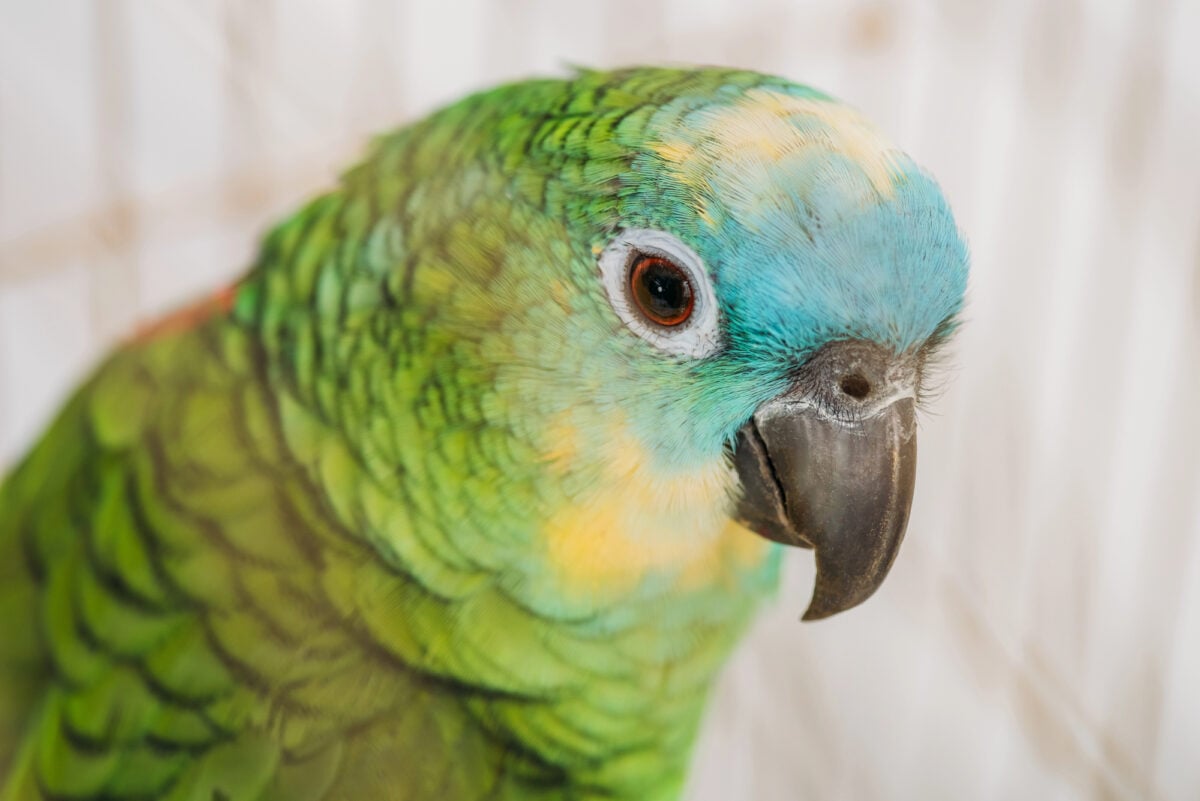
Parrots represented the ultimate conversation starter at Roman feasts. Not just because they could talk back before becoming dinner, but because they embodied everything Roman hosts loved about exotic cuisine: rarity, expense, and a touch of the absurd.
Most parrots served at Roman banquets had been imported from India or Africa at considerable cost. The irony wasn’t lost on Roman diners.
They appreciated both the novelty and the slight transgression of eating something that could speak. Some hosts would have the parrot “perform” before the meal, allowing guests to hear it talk before it appeared on their plates.
Sea Urchin
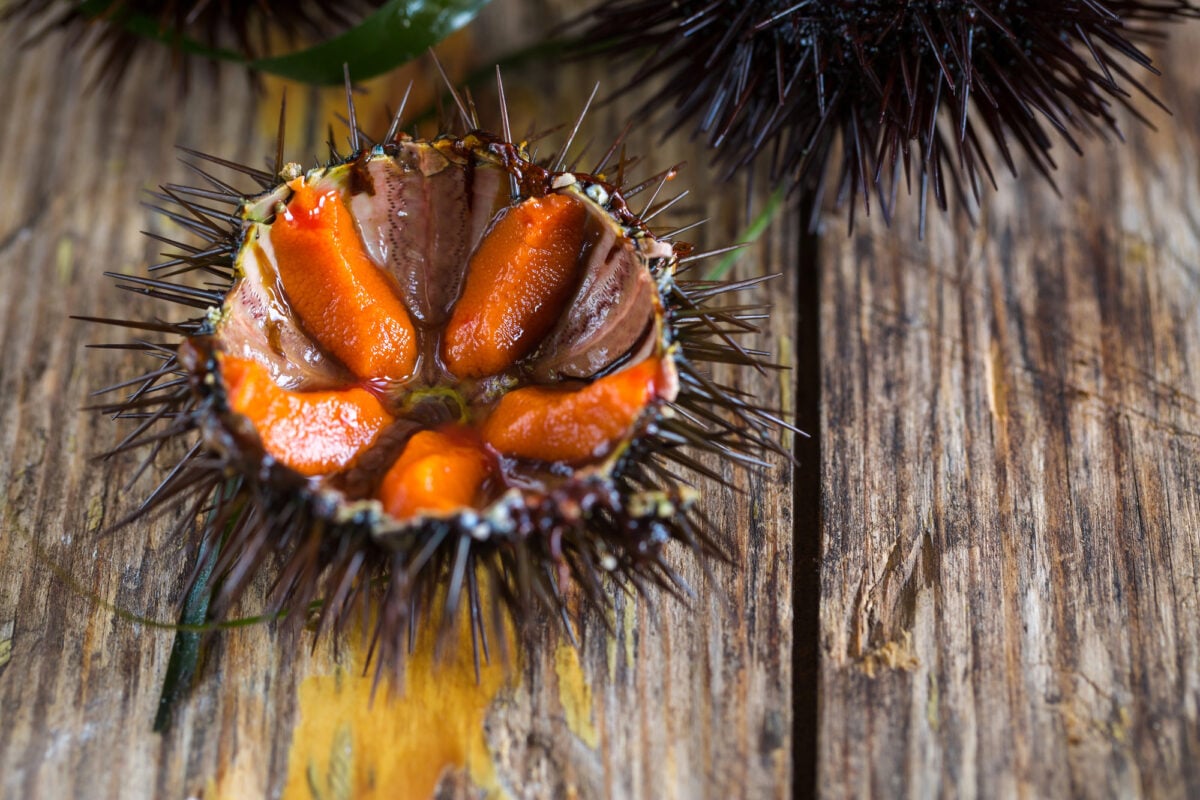
Imagine reaching for what looks like a spiny underwater grenade and thinking, “This would be perfect for dinner tonight” — and that’s essentially how Romans approached sea urchin, though they had the good sense to prize only the varieties from specific Mediterranean locations where the water was cleanest and the flavor most refined.
Roman cooks became specialists at cracking open these prickly creatures to extract the soft interior, which they served raw with just a splash of vinegar or wine (because apparently the goal was to taste the sea urchin, not mask it with elaborate seasonings).
The dish required both skill to prepare properly and courage to eat, since one poorly cleaned sea urchin could ruin an entire dinner party — and possibly several guests along with it.
Romans served sea urchin as a palate cleanser between courses. The clean, briny flavor helped reset the taste buds before moving on to richer dishes.
Experienced diners could identify sea urchins from different coastal regions by their subtle flavor variations.
Lark Tongues

Lark tongues pushed the boundaries of both delicacy and practicality to an almost ridiculous extreme. A single dish required hundreds of tiny birds, each contributing just a morsel of tongue meat barely larger than a grain of rice.
The preparation took entire kitchen staffs working for days. Roman cookbook writers dedicated elaborate instructions to lark tongue preparation, treating it as high culinary art.
The dish appeared at only the most exclusive banquets, where the sheer impracticality of the preparation became part of its appeal. Guests understood they were eating something that represented pure extravagance — hundreds of birds died to create a few bites of food.
Crane

Cranes held a special place in Roman cuisine because they migrated seasonally, making them available only during specific times of the year. Roman hosts planned their most important banquets around crane migration patterns to ensure fresh birds for their guests.
The birds were typically roasted whole and presented with elaborate garnishes. Their long necks made for dramatic presentation, and skilled carvers would separate the meat at the table while guests watched.
Crane was considered one of the more flavorful exotic birds, with meat that actually justified its prestigious reputation.
Mullet Liver
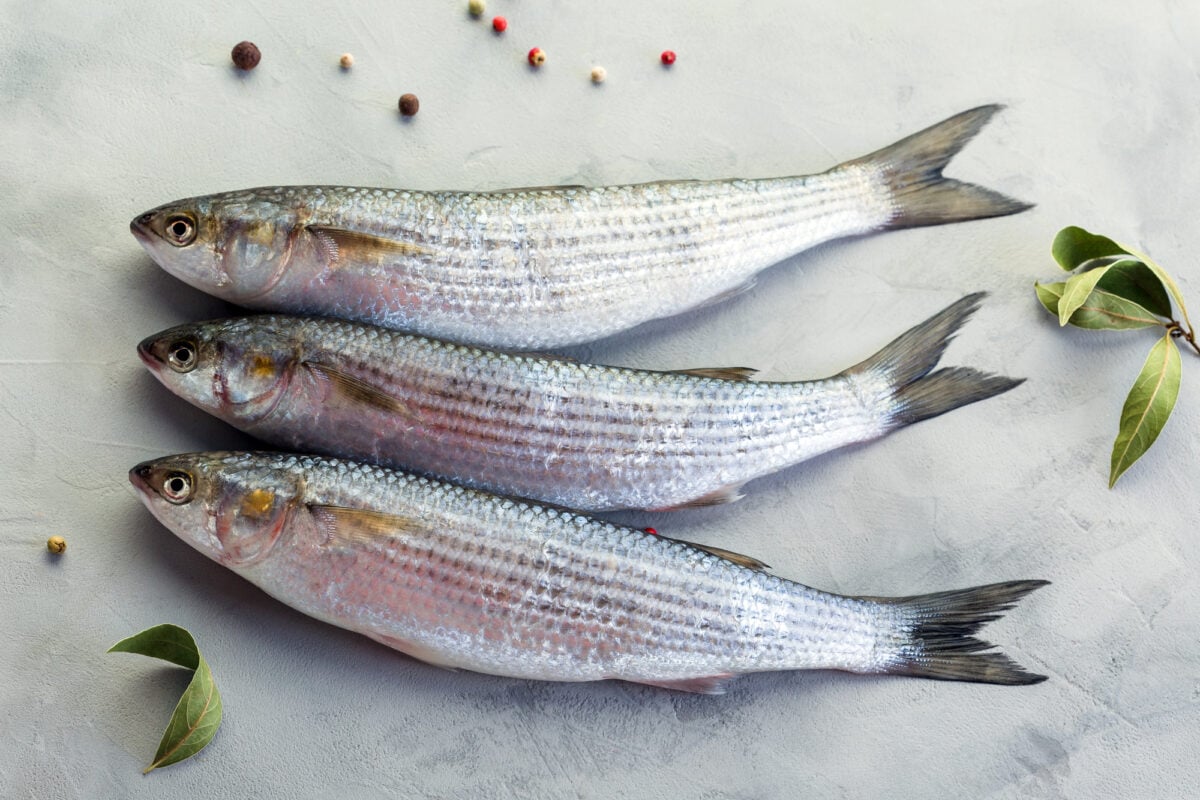
Romans developed an intricate grading system for mullet liver based on the fish’s diet, size, and the waters where it was caught. The most prized livers came from mullet caught in specific lagoons near Rome, where the fish fed on particular types of vegetation that enhanced the liver’s flavor and texture.
Preparation required precise timing. The livers were extracted immediately after the fish was killed and prepared within hours to maintain peak flavor.
Roman gourmets could distinguish between livers from different regions and would debate the merits of various preparations with the intensity of modern wine enthusiasts.
Thrush

The Romans discovered that thrushes developed different flavors depending on what they ate in the wild. Birds that fed primarily on grapes produced sweeter meat, while those that ate insects had a more complex, earthy taste.
This led to the development of specialized thrush farming, where the birds were fed controlled diets to enhance specific flavors. Thrush appeared on Roman tables both roasted and in elaborate pies.
The small size of the birds meant that each guest might receive several whole thrushes, carefully arranged and garnished. The dish was prized not just for its taste but for the skill required to eat it properly — removing the tiny bones without disrupting the social flow of the dinner party required practice and finesse.
Snails Fed On Milk
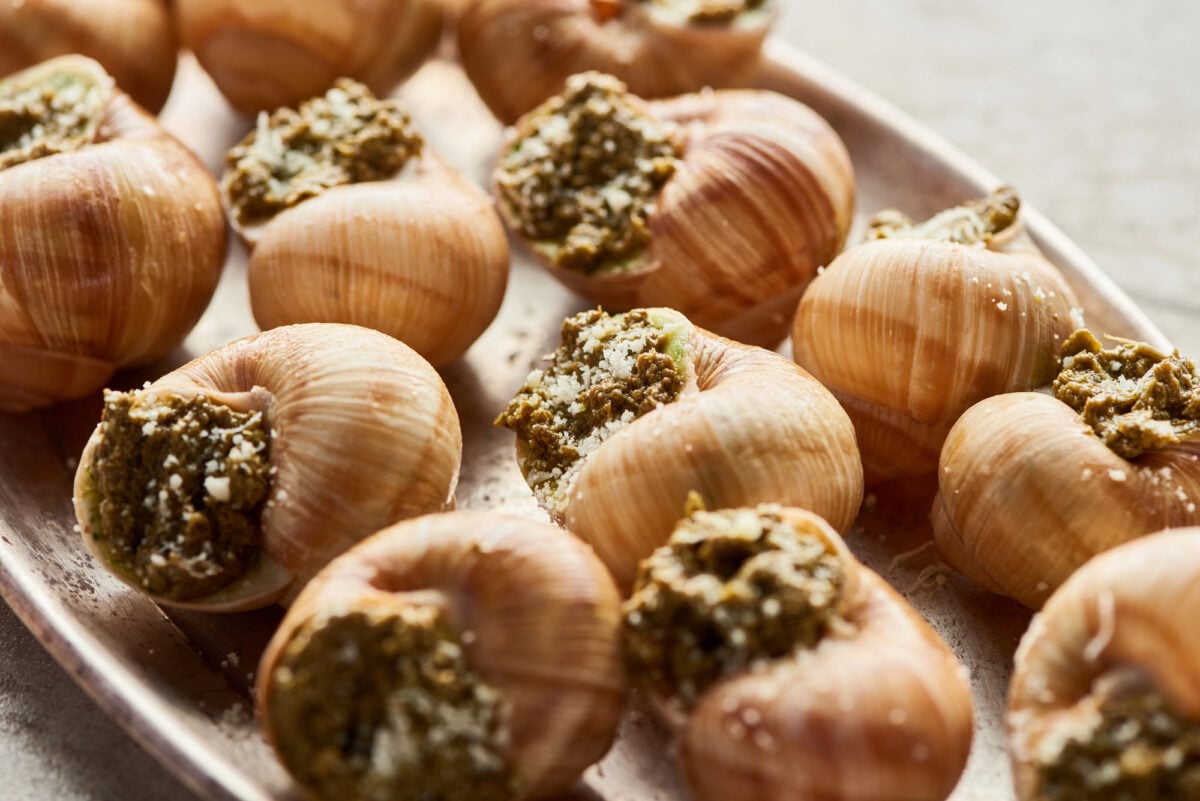
Roman snail preparation elevated what might seem like garden pests into genuine delicacies through an elaborate fattening process. Snails were kept in special enclosures and fed a diet of milk, wine, and aromatic herbs for weeks before cooking.
This specialized feeding changed both the texture and flavor of the meat. The preparation process was as important as the feeding.
Snails were purged, cleaned, and cooked in wine with herbs and spices. They were often served in their shells with special picks for extraction, making the eating process part of the entertainment.
Roman cookbook writers provided detailed instructions for optimal snail farming techniques, treating it as a serious culinary art form.
The Feasts That Defined An Empire
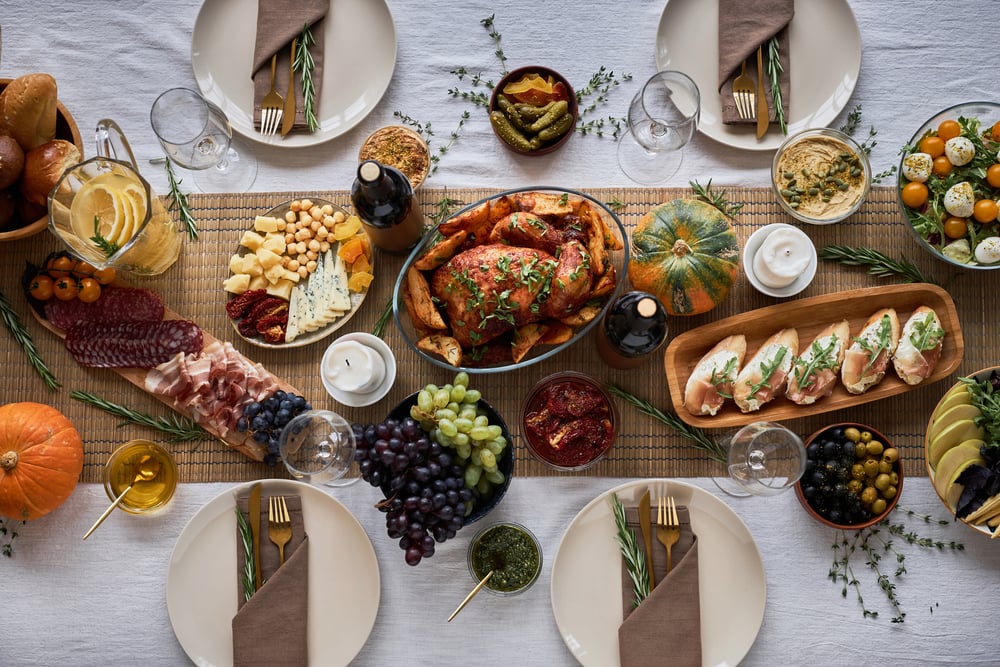
These elaborate dishes reveal something deeper about Roman society than simple culinary adventurousness. Each exotic ingredient represented a thread in the vast network of trade routes, conquests, and cultural exchanges that held the empire together.
When wealthy Romans gathered to eat flamingo tongues and stuffed dormice, they were consuming not just food but the very idea of Roman dominance over the known world. The extremes they reached in pursuit of culinary novelty mirror the extremes of the empire itself — magnificent, excessive, and ultimately unsustainable.
Yet these ancient dinner parties created a tradition of culinary adventurousness that echoes through history, reminding us that the human desire to push boundaries extends even to what we’re willing to put on our plates.
More from Go2Tutors!

- The Romanov Crown Jewels and Their Tragic Fate
- 13 Historical Mysteries That Science Still Can’t Solve
- Famous Hoaxes That Fooled the World for Years
- 15 Child Stars with Tragic Adult Lives
- 16 Famous Jewelry Pieces in History
Like Go2Tutors’s content? Follow us on MSN.