16 Secret Detention Sites You Never Heard Of
When most people think of detention facilities, they picture regular prisons with their official oversight and legal processes. But scattered across the globe, governments have operated shadowy facilities that exist completely outside normal legal frameworks. These aren’t your typical correctional institutions—they’re places where people simply vanish without a trace, held without charges, and often subjected to treatments that would be illegal anywhere else.
The existence of these clandestine facilities reveals a parallel system of justice that operates in the shadows, far from public scrutiny or accountability. Here is a list of 16 secret detention sites that most people have never heard of.
The Salt Pit
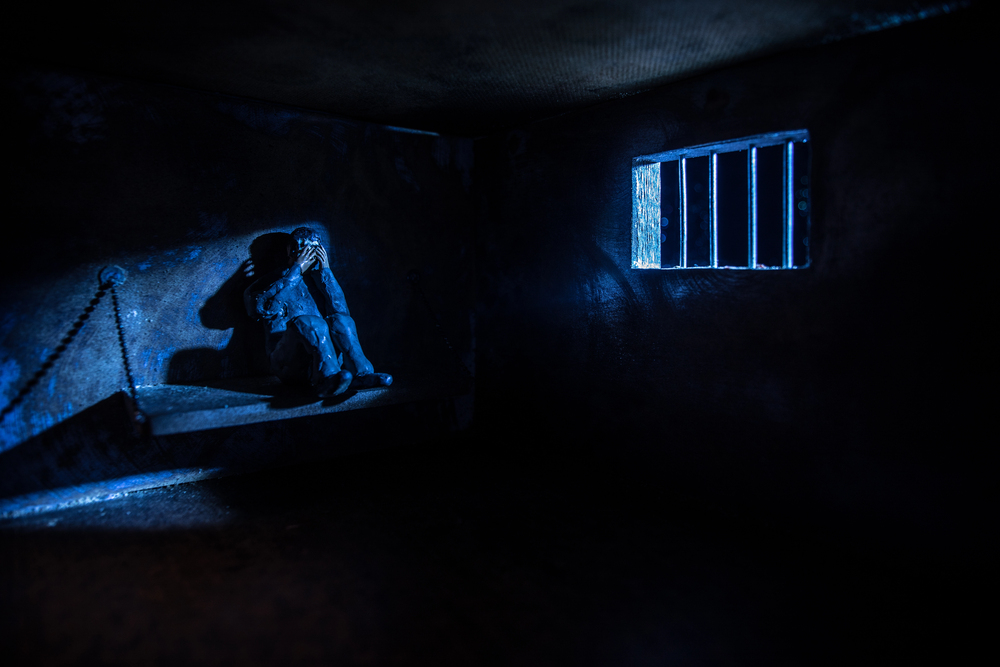
This CIA-operated facility in Afghanistan earned its grim nickname from the abandoned brickmaking factory where it was initially housed. The site became notorious after Gul Rahman froze to death there in November 2002, after being stripped naked, chained to a concrete floor, and left overnight without blankets. The facility later moved to Bagram Air Base but retained its reputation as one of the harshest detention sites in the CIA network.
Detention Site Green
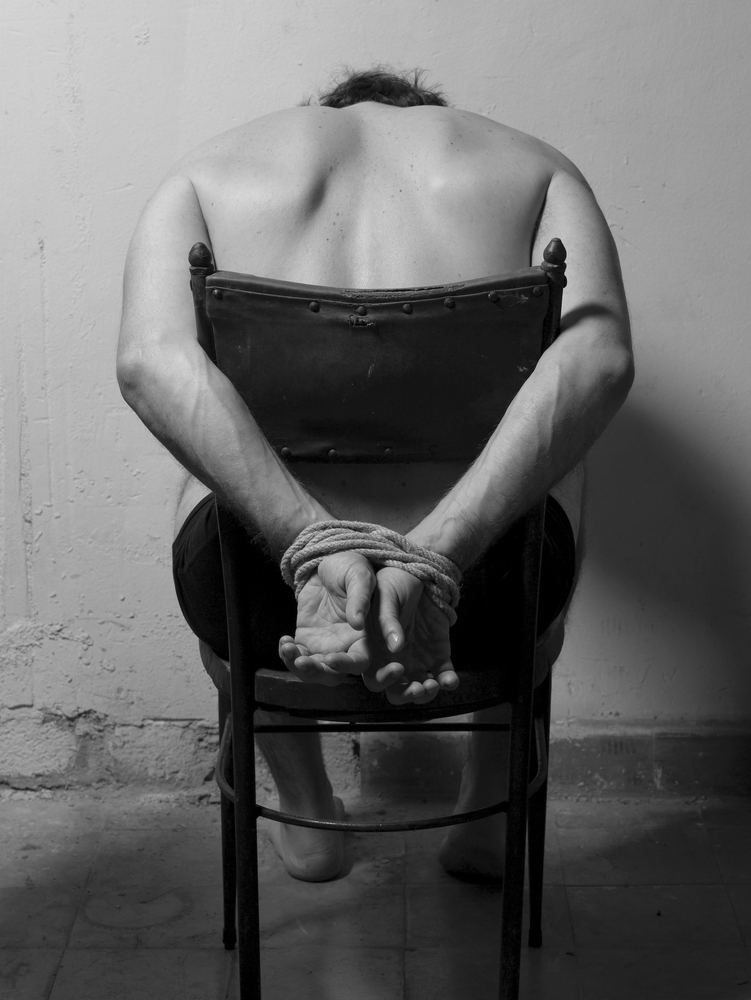
Thailand’s secret contribution to the CIA’s detention program was codenamed ‘Detention Site Green,’ believed to be located at Udorn Royal Thai Air Force Base. This facility served as the testing ground for what would become standard ‘enhanced interrogation techniques’ throughout the CIA program, with Abu Zubaydah as its first prisoner in March 2002. The site was hastily closed when too many Thai officials learned of its existence, compromising its secrecy.
Camp 7
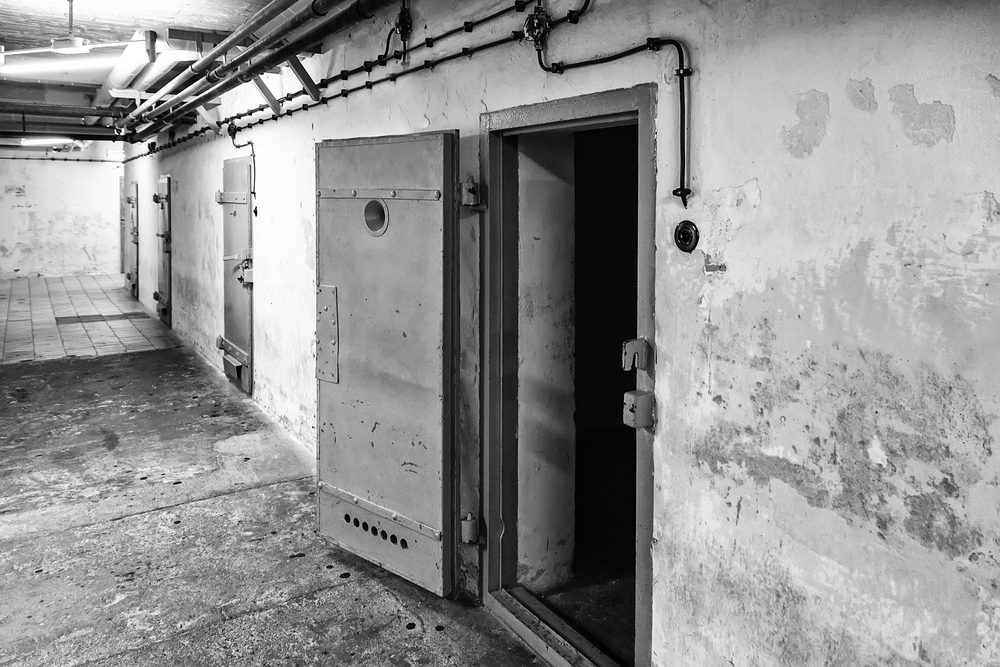
Hidden within the already secretive Guantanamo Bay complex, Camp 7 remained completely unknown to the public for two years after its construction. This facility within a facility housed what the CIA considered its most valuable prisoners, operating under even stricter secrecy than the main Guantanamo camps. The specific activities that took place there remain classified, but former officials suggest the treatment was particularly harsh.
Stare Kiejkuty
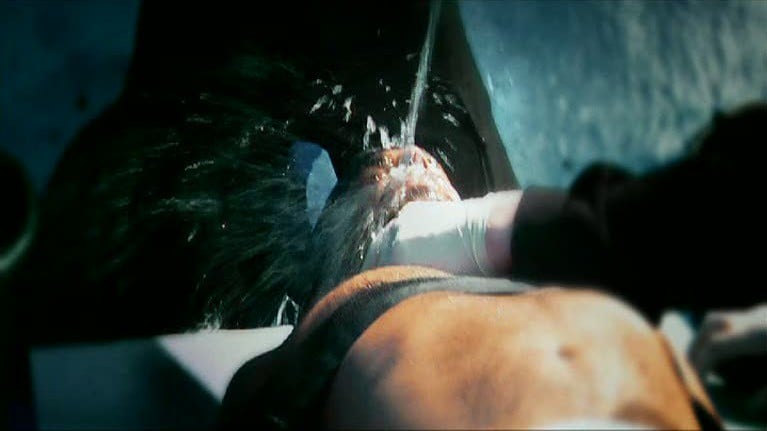
The CIA paid Polish intelligence services $15 million to establish this black site in a remote villa in Poland’s lake district. This facility became arguably the most important CIA prison in Europe, housing high-profile detainees including Khalid Sheikh Mohammed, who was waterboarded 183 times while held there. Abd al-Rahim al-Nashiri endured mock executions with power drills and threats against his family while detained at this site.
Antaviliai Forest
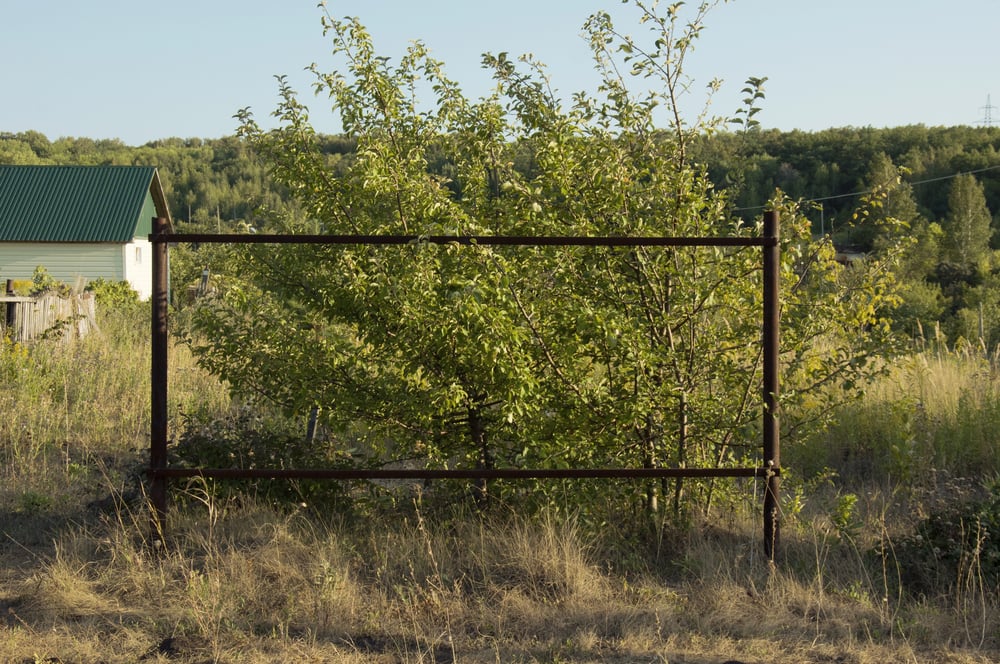
In 2004, the CIA established its final European black site in Antaviliai, a quiet hamlet surrounded by lakes and woods outside Lithuania’s capital. The European Court of Human Rights later ruled that Lithuania violated international law by hosting this facility, where detainees like Abu Zubaydah were held and tortured. The facility operated until March 2006, when mounting international pressure forced its closure.
Bright Light
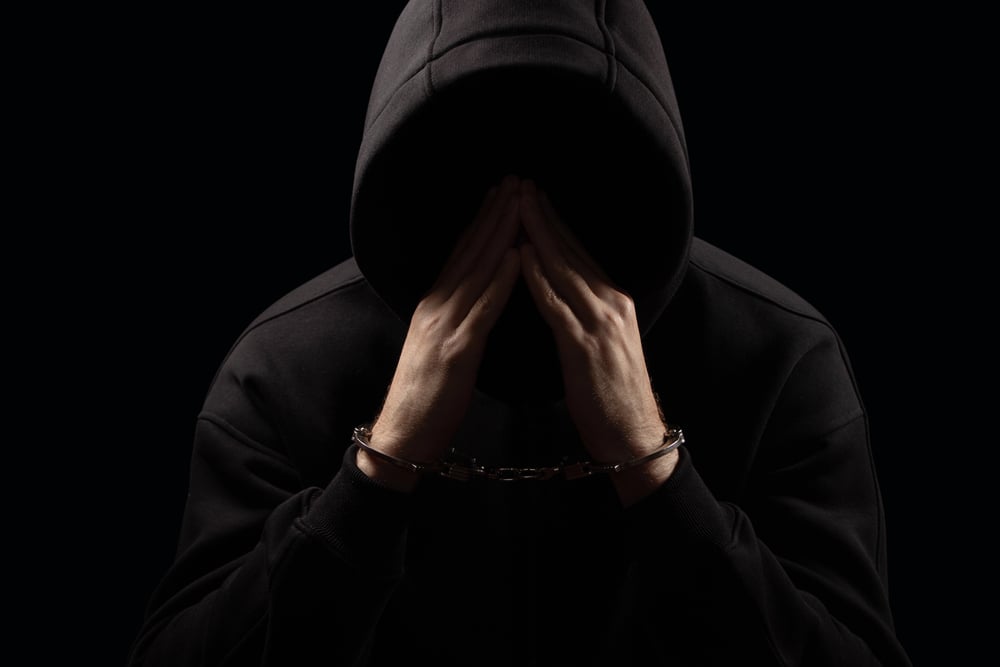
Romania’s contribution to the CIA detention network was established in 2003 and operated until 2005. The European Court of Human Rights concluded in a 300-page ruling that Romania indeed hosted this secret facility, where Abd al-Rahim al-Nashiri was detained and abused. Despite overwhelming evidence, Romanian officials continued denying the site’s existence for over a decade.
Strawberry Fields
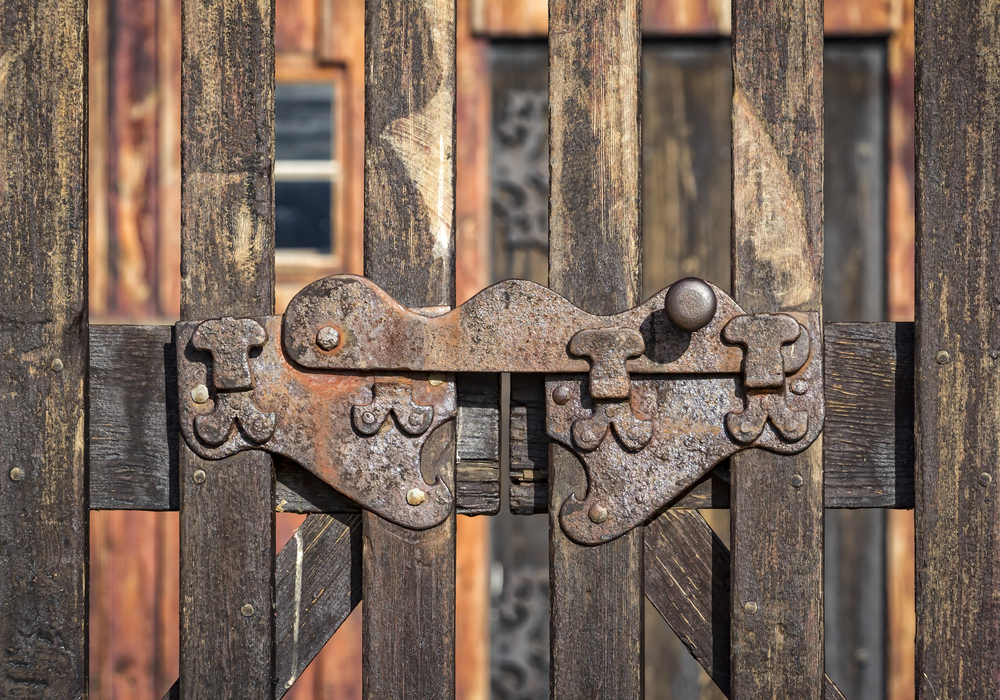
CIA agents gave this Guantanamo facility its Beatles-inspired nickname because detainees could conceivably remain there ‘forever’. The facility secretly housed four high-value detainees in 2003, including two 9/11 suspects, before flying them back to other black sites to evade a Supreme Court ruling that would have given prisoners access to lawyers. This site operated completely separate from the main Guantanamo complex.
Cat’s Eye
Also known as Detention Site Green, this Thai facility’s existence is officially denied by both the CIA and Thai government, though many believe it operated near Bangkok. The site was hurriedly established in 2002 to hold Abu Zubaydah, with some sources placing it in Udon Thani province. The facility’s closure came when media organizations began tracking down the location of the CIA’s most important prisoner.
Black Jails
China operates numerous illegal detention facilities throughout its provinces, known locally as ‘black jails’. Local governments employ over 10,000 people to hunt, kidnap, and detain citizens who attempt to report grievances to Beijing. These facilities exist specifically to prevent complaints from reaching the central government, operating completely outside China’s official legal system.
The Resort
North Korea’s luxury detention facility near the Chinese border houses academics and officials deemed dangerous by the government. Prisoners here experience surprisingly comfortable conditions compared to other North Korean facilities, including free meals and no hard labor. The facility’s unusual approach reflects its purpose of housing educated political prisoners rather than common criminals.
Camp 1391
Israel’s equivalent to Guantanamo, this facility was dubbed the ‘Israeli Guantanamo’ by human rights organizations. The site operated for years before human rights groups exposed its existence and forced its closure. Former detainees described a facility that existed completely off the official books, where prisoners could be held indefinitely without any legal process.
Khiam Detention Center
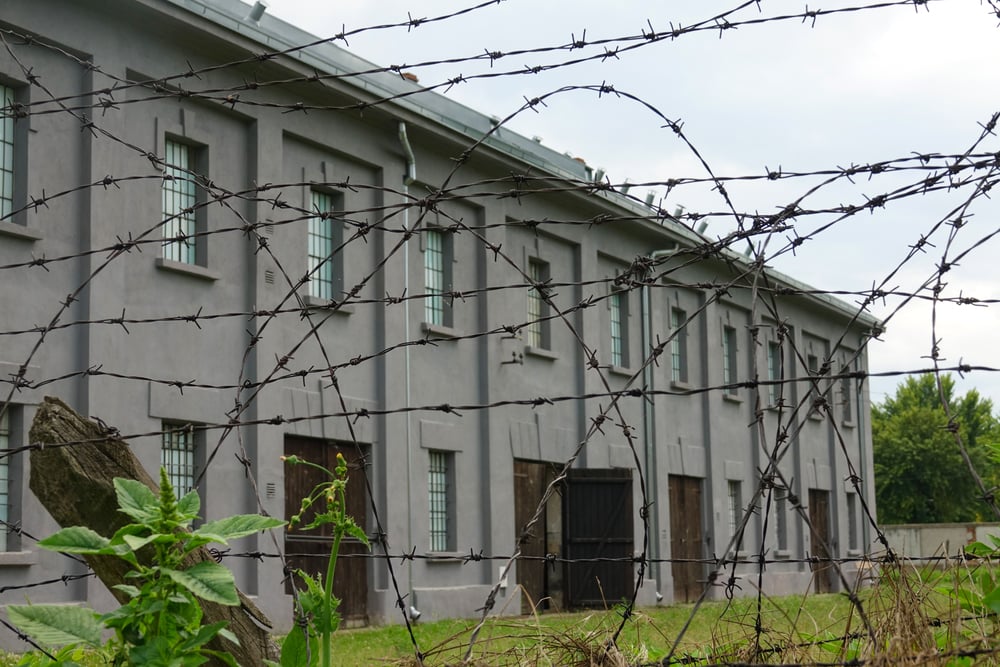
Israel maintained this facility in occupied South Lebanon, where Palestinian and Lebanese prisoners, journalists, and civilians were held. Human rights organizations documented extreme torture methods at the facility, though Israel blamed its Lebanese proxy forces for the site’s operation. The facility operated for years as part of Israel’s occupation apparatus in southern Lebanon.
Penny Lane
This unusual Guantanamo facility treated its prisoners remarkably well, providing luxury accommodations compared to the main detention areas. The humane treatment served a specific purpose: preparing captured terrorists to become double agents who would return to their organizations and report back to the CIA. The program ultimately failed because terrorist organizations became suspicious of any released prisoners.
Chechen Torture Sites
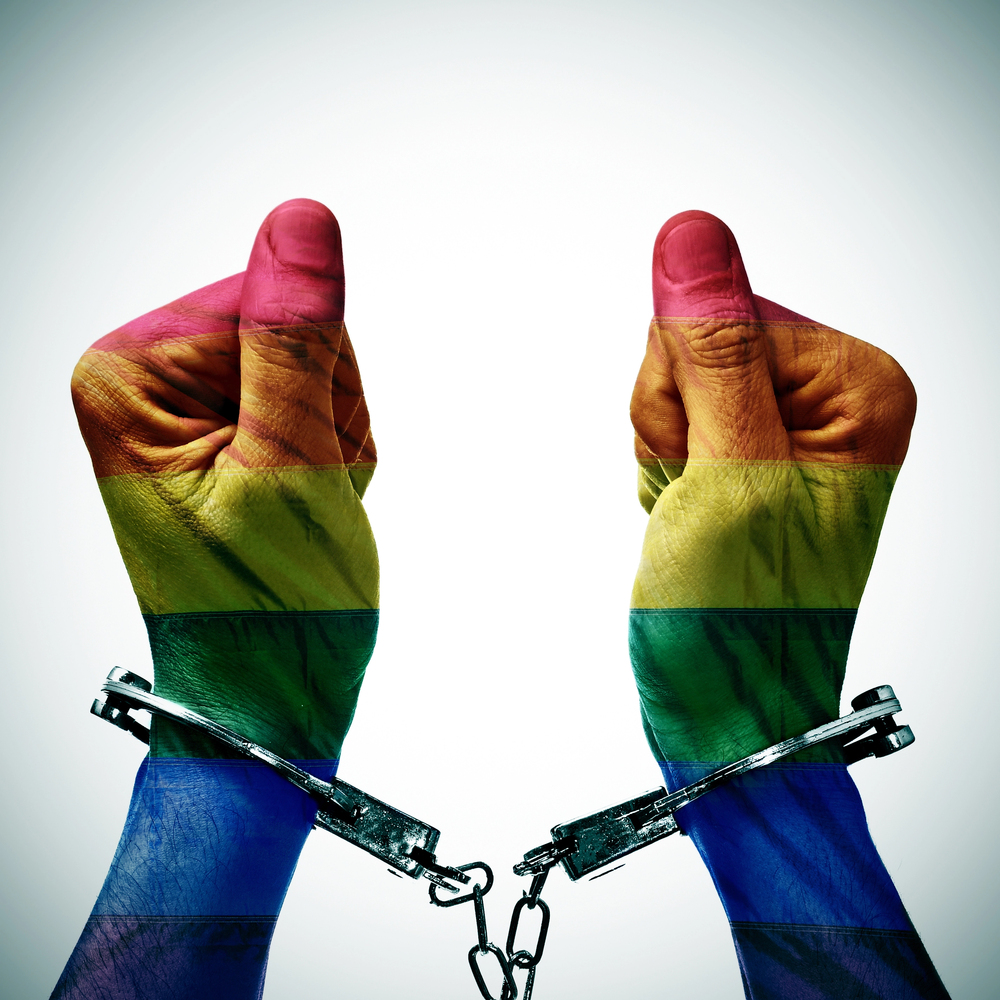
Chechen authorities operate secret detention centers specifically targeting gay men, with over 100 tortured and some killed. The Russian LGBT Network documented cases of gay men from other parts of Russia being kidnapped and transported to these Chechen facilities. Journalists who reported on these facilities faced death threats, with at least six reporters from Novaya Gazeta killed for their coverage.
Ukrainian SBU Sites
Between 2014 and 2016, Ukraine’s Security Service operated a secret prison in Kharkiv for people suspected of supporting Russia during the conflict. Human rights organizations accused the agency of maintaining additional secret facilities in Kramatorsk, Izium, and Mariupol. These sites operated during the height of the Ukrainian conflict, holding civilians suspected of pro-Russian sympathies.
Diego Garcia
This remote U.S. military base in the Indian Ocean has been suspected of hosting secret detention operations. The island’s isolation and restricted access make it an ideal location for clandestine activities that authorities want to keep completely hidden from public view. Former officials have hinted at the base’s role in the broader detention network, though specific details remain classified.
Beyond the Shadows
These facilities represent more than just individual cases of government overreach—they reveal systematic efforts to operate outside legal constraints that societies typically take for granted. As one expert noted, secretive prisons for ‘second-tier’ terrorists often lead to secretive prisons for ‘third-tier’ and ‘fourth-tier’ suspects, gradually expanding the definition of who deserves to disappear. The existence of such sites demonstrates how quickly constitutional protections can erode when governments convince themselves that extreme circumstances justify extreme measures. What’s perhaps most troubling is how many of these facilities operated for years before being exposed, suggesting that others may still be operating in complete secrecy today.
More from Go2Tutors!

- 16 Historical Figures Who Were Nothing Like You Think
- 12 Things Sold in the 80s That Are Now Illegal
- 15 VHS Tapes That Could Be Worth Thousands
- 17 Historical “What Ifs” That Would Have Changed Everything
- 18 TV Shows That Vanished Without a Finale
Like Go2Tutors’s content? Follow us on MSN.