Popular Tourist Traps That Are Completely Fake
Every year, huge crowds head off to visit well known sites while chasing real cultural moments. Yet many things sold as old, classic, or timeless fail to match what was promised.
Often, popular destinations are actually recent creations, smart rebuilds, because someone figured out how to profit from travelers’ expectations. Famous places often fall short of their reputation.
Some look different up close than in pictures. Others feel crowded, noisy, underwhelming.
A few seem built just for photos, not real moments. Most lose magic once you arrive.
The Hollywood Sign

High up on Mount Lee in L.A., that famous cluster of big white letters stands out. Folks travel far just to snap pictures beneath its glow.
Truth be told, it began not as art but an ad – back in 1923, pushing lots in a place named ‘Hollywoodland’. Those final four characters were part of the deal then, yet vanished through decades.
Today’s version? Not the weathered first model at all; rebuilt in 1978 after rot set in. So what eyes land on now only dates from half a century ago.
Plymouth Rock
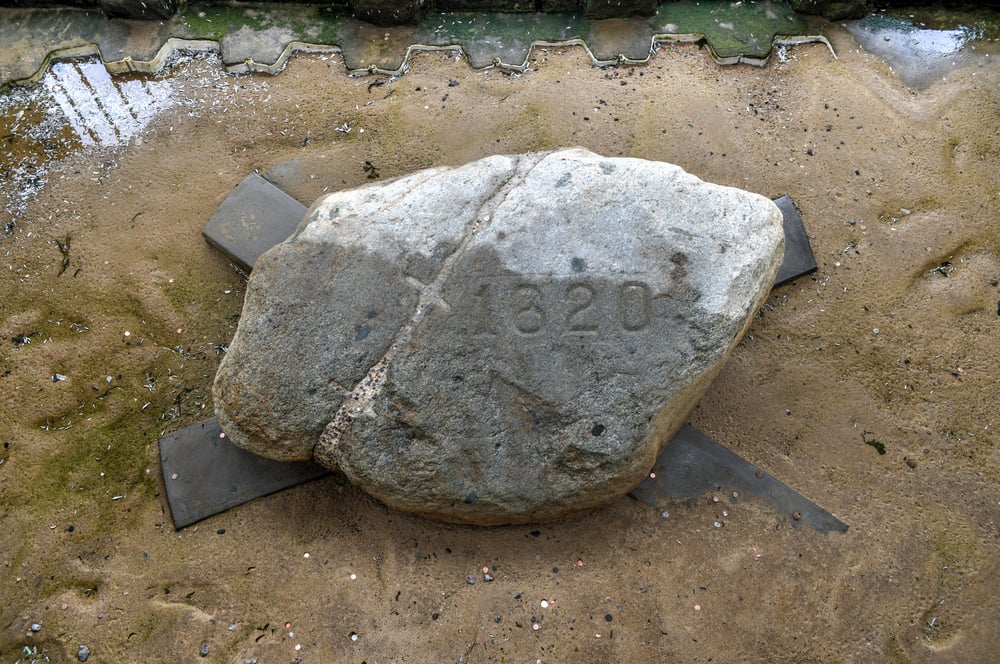
Kids in U.S. classrooms hear how the Pilgrims stepped onto a rock in Massachusetts back in 1620. Waiting near water, tourists take turns viewing the stone under a decorated canopy with pillars.
Yet documents reveal no one ever spoke of this exact boulder before 1741 – more than 100 years past the event. One elderly witness, nearly a century old, said his dad pointed out the stone, sparking belief that endured.
What stands now is only part of what once was; workers broke it trying to haul it away in 1774.
The Blarney Stone

Upside down they go, thousands every year, leaning back just to touch their mouth to a rock at Blarney Castle. Supposedly it gives them smooth words – though nobody really knows why people started doing it.
Started by castle folks in the 1800s, mostly as a way to bring crowds through the gates. Not one real record shows an old tale behind the act – it didn’t come from long ago.
Lips meet stone anyway, pressed where who-knows-how-many others did the same, chasing a belief built out of thin air two centuries past.
Juliet’s Balcony
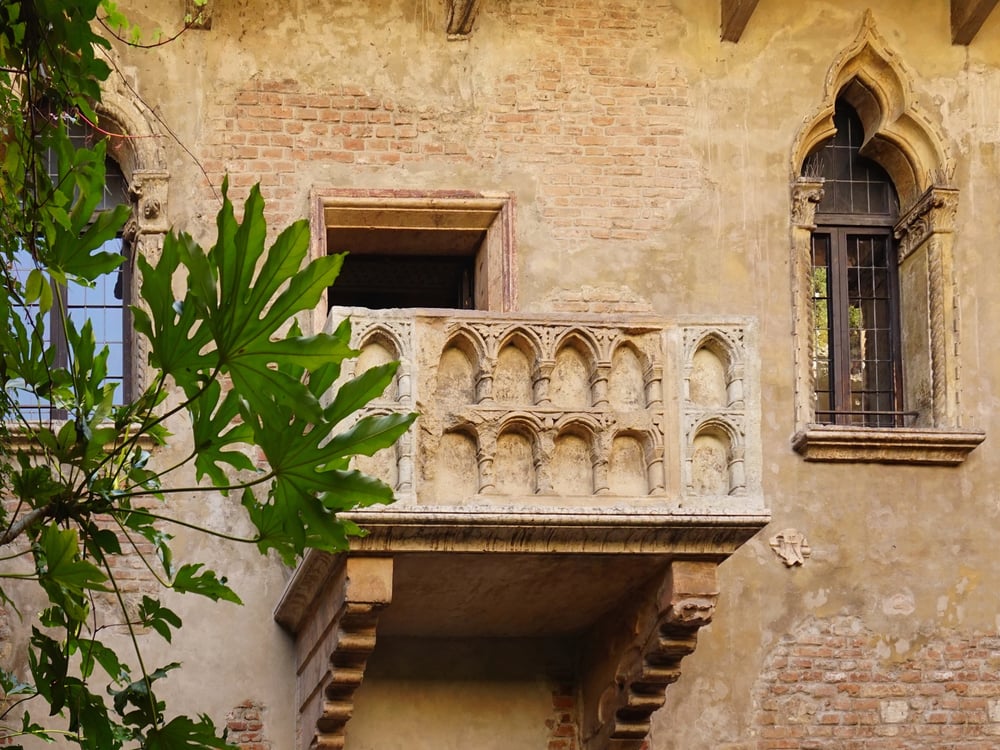
Out here in northern Italy, a worn stone house pulls crowds who know the tale of two star-crossed teens. Though penned by Shakespeare, those names never walked these streets – just ink on paper.
A slim ledge juts from one window now, built decades after the story bloomed in theaters. That bit of masonry? Tacked on during the nineteen-thirties, shaped for sightseers.
Officials pointed at an aged structure with no proof, then called it hers. Time turned fiction into address.
The Little Mermaid

A little bronze figure perched on a stone near Copenhagen’s water draws more visitors than any other site there. Made in 1913, it shows a character from one of Hans Christian Andersen’s stories.
A beer company paid for it back then, hoping to gain attention through art. Many arrive thinking they will see something large and striking – instead find a modest piece just four feet tall.
Since its installation, vandals have damaged the work multiple times; two separate thefts took off the head entirely. Still, crowds line up, drawn by habit or curiosity, making it an odd kind of national symbol despite itself.
Checkpoint Charlie

This Berlin crossing point between East and West Germany during the Cold War draws crowds who want to experience history. The guard booth tourists photograph is a 2000 replica placed there for tourism purposes.
Soviet and American forces removed the actual checkpoint in 1990 after German reunification. Actors dressed as soldiers pose for photos with visitors for a fee, creating an entirely staged historical experience at what is essentially a movie set.
The London Bridge in Lake Havasu
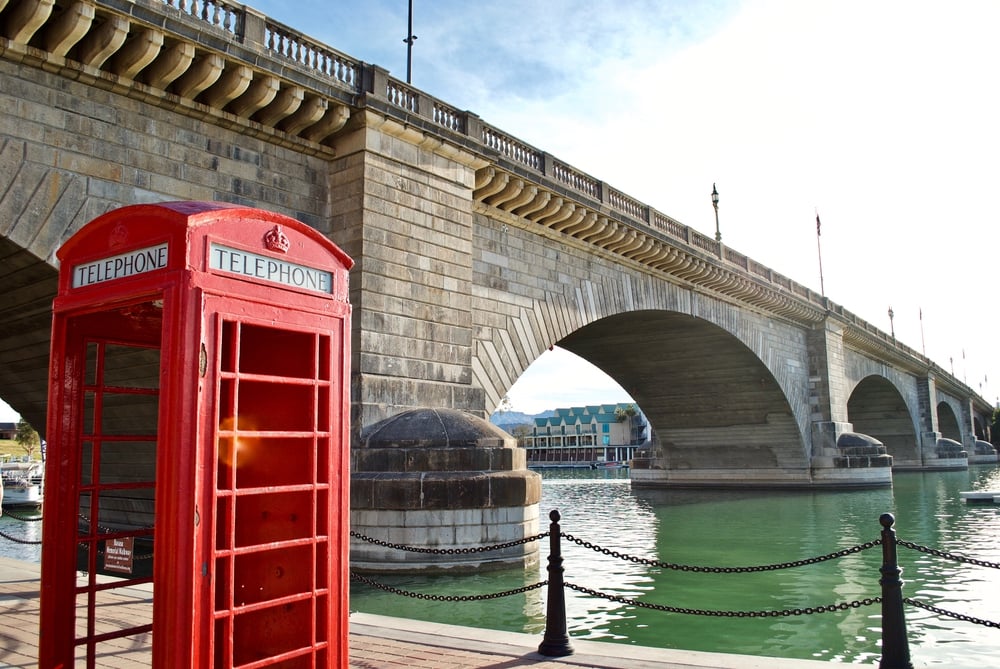
Lake Havasu City, Arizona advertises that it owns and displays the actual London Bridge from England. The American developer who bought the bridge in 1968 thought he was purchasing the famous Tower Bridge, not the plain, unremarkable London Bridge.
What stands in Arizona is just the exterior granite blocks from the original bridge, reassembled around a concrete structure. The historic bridge itself was demolished, making this reconstruction more prop than a preserved landmark.
King Tut’s Curse

Tour guides at Tutankhamun’s tomb in Egypt’s Valley of the Kings love telling visitors about the deadly curse that killed those who opened the tomb in 1922. Newspapers invented this curse to sell copies, and it has no basis in ancient Egyptian beliefs or inscriptions.
Lord Carnarvon, who funded the excavation, died from an infected mosquito bite, not supernatural revenge. Most of the excavation team lived long lives, but the curse story proved too profitable for the tourism industry to abandon.
Sacré-Cœur’s Ancient History

This white domed church towers over Paris from Montmartre hill, and many assume it’s centuries old like Notre-Dame. Construction only began in 1875, making it younger than the Eiffel Tower.
The French government built it as a symbol after losing the Franco-Prussian War, not for religious or historical significance. The church’s Romano-Byzantine style was chosen to make it look older than it actually is, fooling tourists into believing they’re experiencing ancient Paris.
Casa Bonita
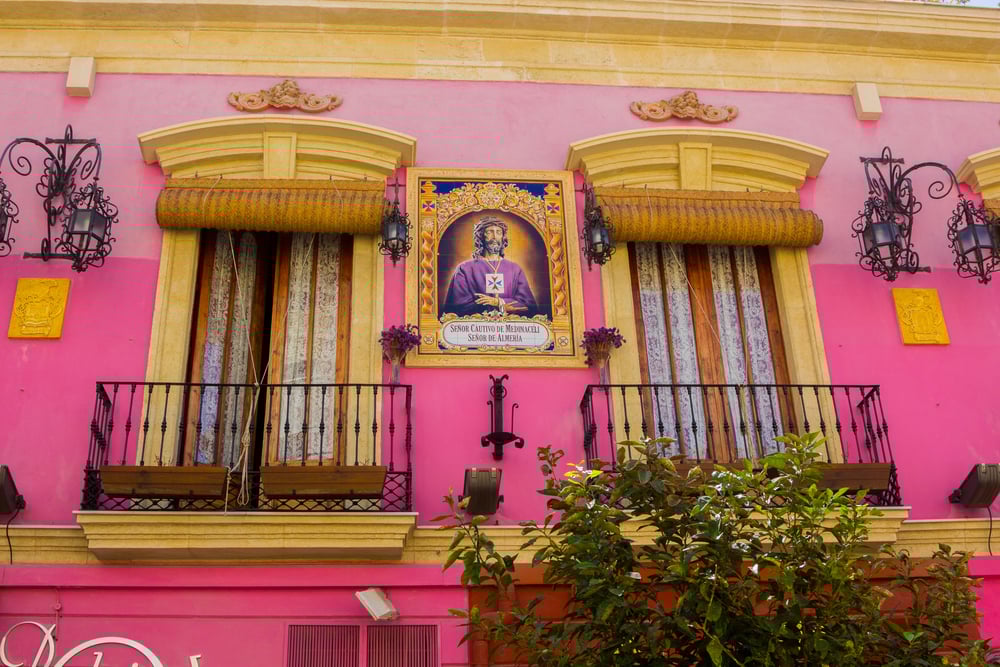
This Denver, Colorado restaurant markets itself as authentic Mexican culture and architecture. The massive 52,000-square-foot building resembles a theme park more than anything remotely connected to Mexico.
Colorado businessmen created Casa Bonita in 1974 as pure entertainment, complete with cliff divers, puppet shows, and arcade games. The food is famously terrible, but people still visit for the spectacle of this fabricated Mexican village that has nothing to do with actual Mexican heritage.
The Leaning Tower of Pisa’s Lean
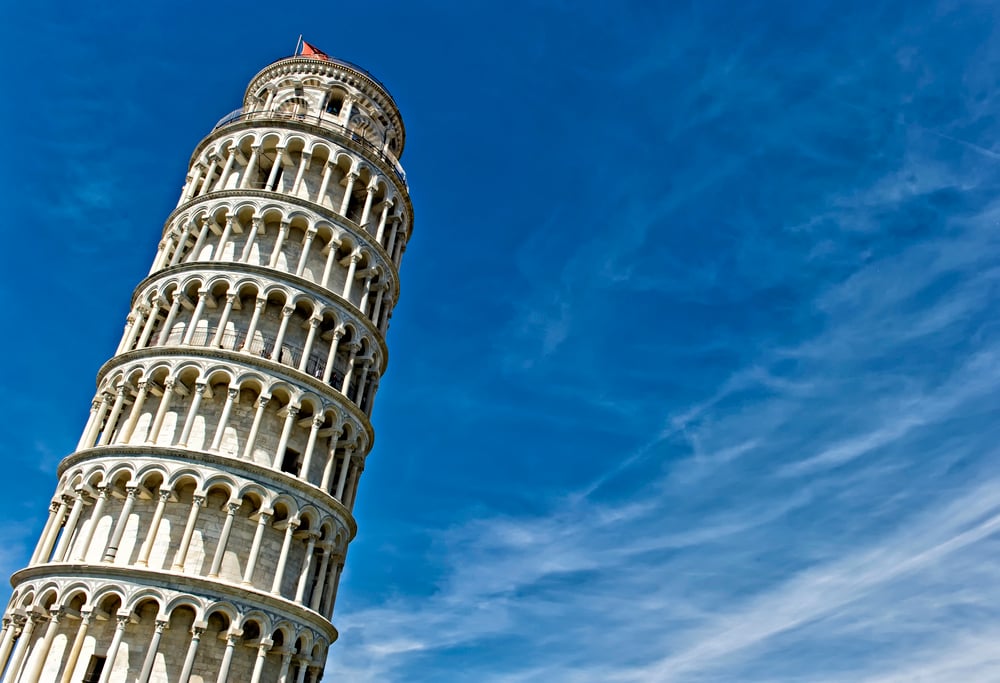
Tourists pay to climb this Italian tower and take photos pretending to hold it up. Most believe the tilt was always part of the design or happened mysteriously over centuries.
The tower started leaning during construction in the 12th century because builders constructed it on soft clay and sand without a proper foundation. Engineers have spent decades and millions of dollars stabilizing it to prevent collapse.
The lean is actually an embarrassing construction mistake that became a tourist attraction by accident.
Stonehenge’s Original Arrangement
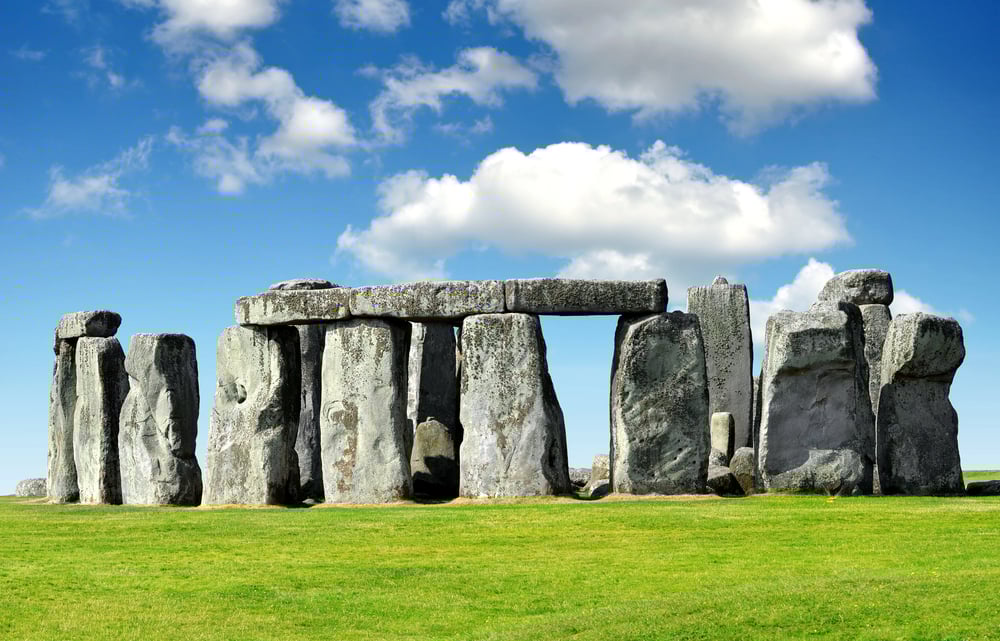
Visitors expect to see Stonehenge exactly as ancient druids left it thousands of years ago. The truth is that the stones fell over and were scattered across the landscape for centuries.
British authorities heavily restored and repositioned the stones throughout the 1900s, using cranes, concrete, and guesswork. Photos from 1920 show some stones propped up with wooden supports before workers set them in concrete.
Today’s arrangement represents what archaeologists thought it might have looked like, not verified historical accuracy.
Shakespeare’s Birthplace

Stratford-upon-Avon, England charges admission to see the house where William Shakespeare was supposedly born in 1564. No definitive records prove Shakespeare was born in this specific building.
The structure was a run-down inn when preservationists purchased it in 1847 and restored it to look Tudor period. Much of what visitors see, including furniture and layout, comes from educated guesses about 16th-century life, not documented facts about Shakespeare’s actual childhood home.
The Manneken Pis

Brussels promotes this tiny statue of a urinating boy as an essential tourist attraction with centuries of cultural significance. The current bronze statue only dates to 1965, replacing previous versions that wore out or were stolen.
The first recorded mention of such a fountain appears in 1451, but the statue’s supposed deep meaning and various origin legends were mostly invented later to justify its fame. The 24-inch statue disappoints most visitors who expected something more impressive based on its reputation.
The Original Alamo

San Antonio, Texas preserves the Alamo as the site where brave defenders died fighting for independence in 1836. The building tourists visit is just the chapel, which wasn’t where the famous battle actually occurred.
Most of the original fort has been demolished or buried under modern streets and buildings. The Daughters of the Republic of Texas reconstructed much of what stands today based on assumptions, and the site includes buildings added decades after the battle for tourism purposes.
Where History Meets Marketing

These attractions succeed because people want to believe in the stories behind them. Tourism industries worldwide understand that a good tale sells tickets better than boring facts.
The fake becomes real through repetition, and eventually, nobody bothers checking whether the legend holds up to scrutiny. Travelers who know the truth can still enjoy these places, just with the understanding that they’re experiencing theater as much as history.
More from Go2Tutors!

- The Romanov Crown Jewels and Their Tragic Fate
- 13 Historical Mysteries That Science Still Can’t Solve
- Famous Hoaxes That Fooled the World for Years
- 15 Child Stars with Tragic Adult Lives
- 16 Famous Jewelry Pieces in History
Like Go2Tutors’s content? Follow us on MSN.