17 Surprising Facts About Special Forces Units
Most people think they know what special forces are all about—elite warriors who live in the shadows, single guys who dedicate their entire existence to combat training. The reality is far more fascinating and surprising than Hollywood movies would have you believe.
These highly trained military units have histories, capabilities, and human stories that defy common assumptions. From ancient warfare tactics to modern medical expertise, special forces units around the world possess capabilities that extend far beyond their reputation for direct action missions.
Here is a list of 17 surprising facts about special forces units that reveal the true depth and complexity of these remarkable military organizations.
Most special forces operators are married with kids
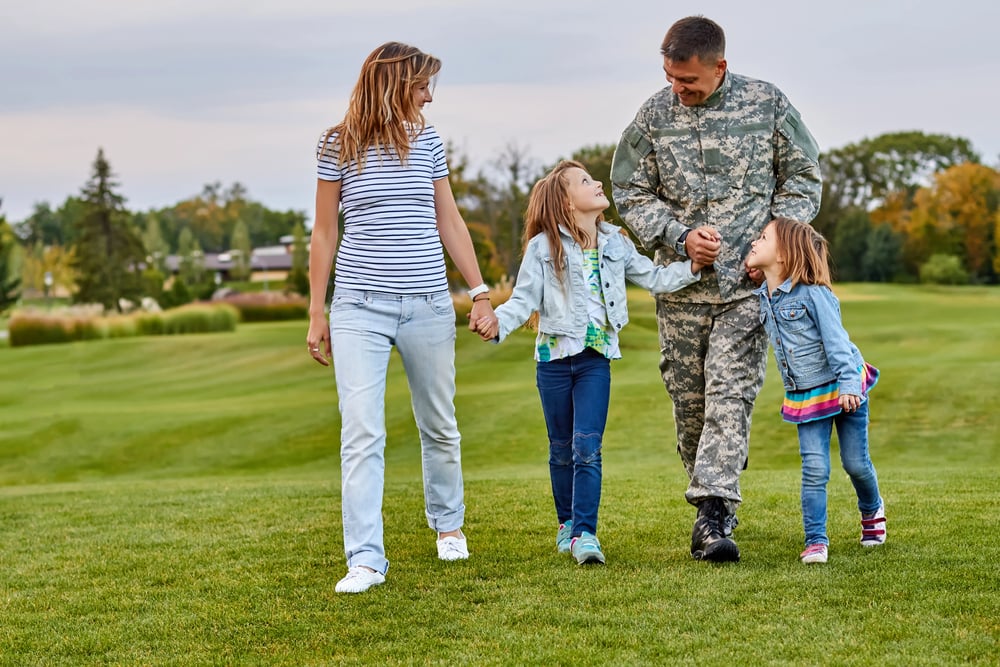
Forget the stereotype of the lone warrior with no attachments. The reality is that most soldiers in special ops are married with at least two children.
The average age for enlisted special forces members is 29, while officers average 34 years old. These aren’t fresh recruits straight out of high school—they’re experienced professionals who’ve proven themselves in conventional military roles first.
If you encountered them in civilian life, they’d look like any other family walking down the street.
They’re required to learn foreign languages
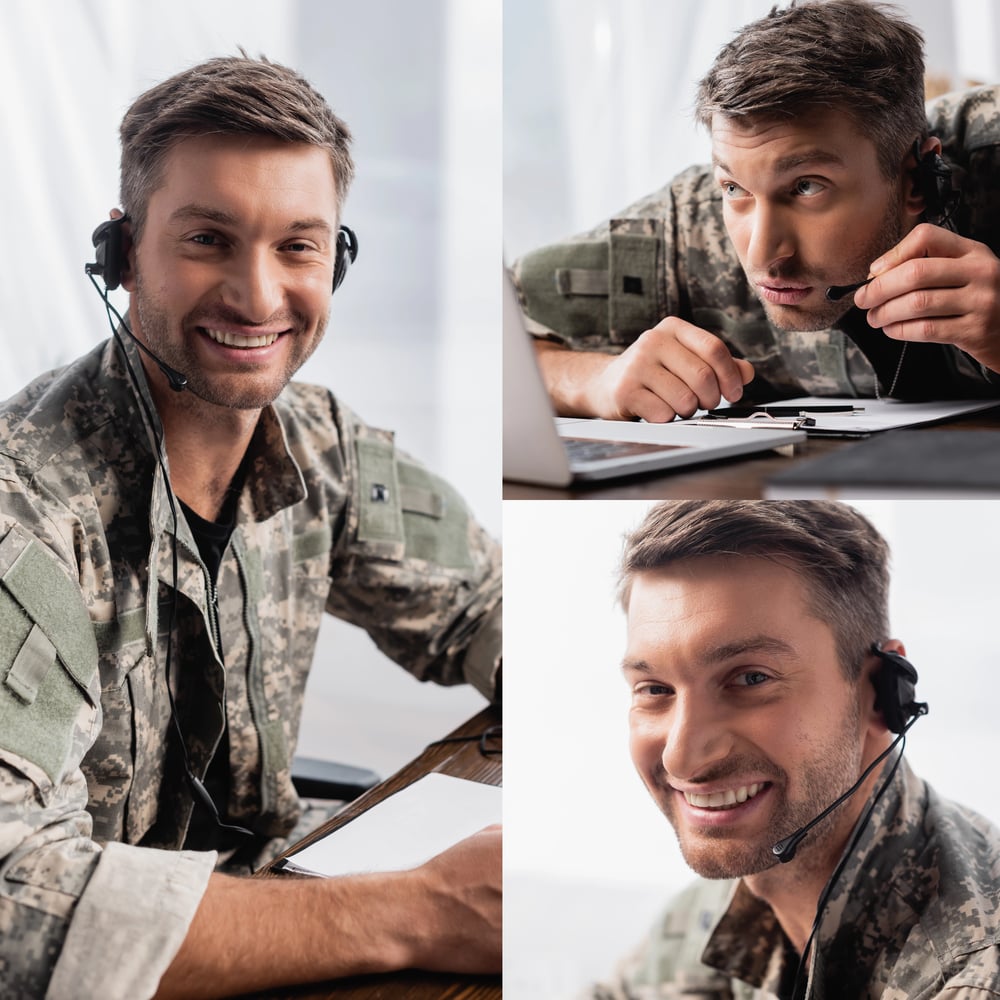
All Special Operations forces know how to speak a language other than English. Current regulations mandate that at least 80% of personnel must qualify for minimum proficiency in the foreign language of their deployment region.
The U.S. military offers training in 35 different languages at their special operations schools. This linguistic requirement reflects their primary mission of working with foreign forces and understanding local cultures—something that goes far beyond the action-movie portrayal of kicking down doors.
Special forces medics can deliver babies and perform surgery
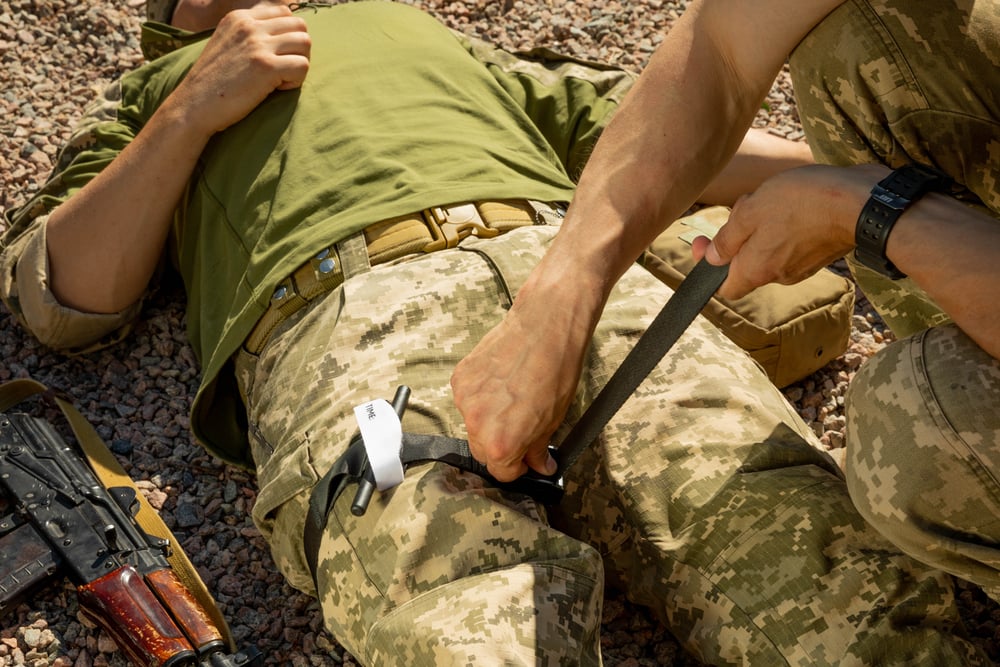
While every special forces operator receives basic medical training, their medics are among the most skilled medical professionals in the world. They can perform physical exams, diagnose diseases, prescribe medicine for treatment, vaccinate villagers, perform minor surgery, deliver babies, treat infants and even conduct dental work in the field.
These capabilities make them invaluable for humanitarian missions and winning hearts and minds in remote areas where medical care is scarce.
The green beret tradition started in Scotland during WWII
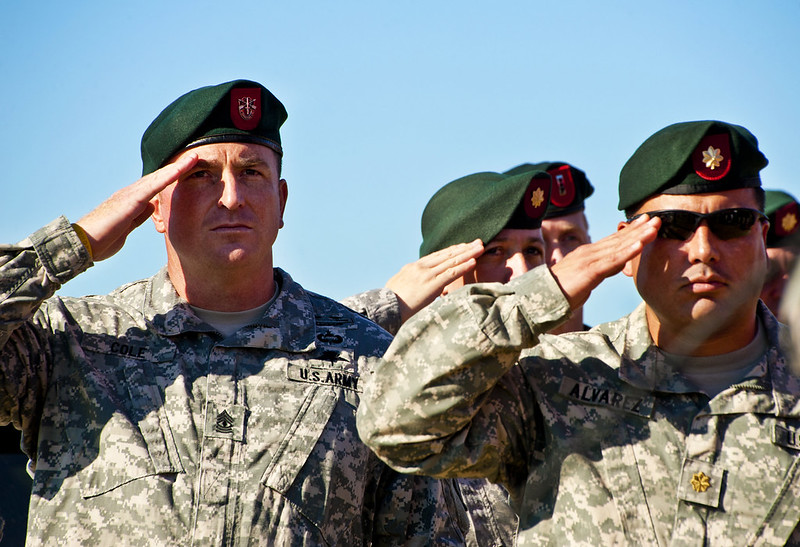
During World War II, a group of elite U.S. Army Rangers trained at an intensive commando school in Scotland, run by British fighters who wore distinctive green berets. Upon graduation from the grueling program, American soldiers were rewarded with the same berets.
The U.S. Special Forces adopted this tradition in 1954, though their official right to wear the green beret wasn’t recognized until President Kennedy authorized it in 1962.
President Kennedy personally championed the green beret
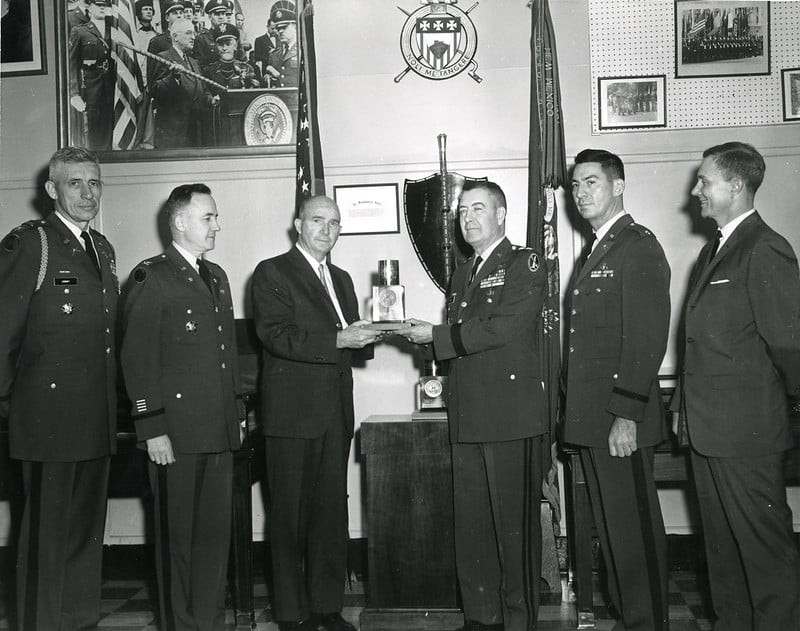
In 1961, when President Kennedy was preparing to travel to Fort Bragg, North Carolina, he sent word to Brigadier General William Yarborough for all Army Special Forces soldiers to wear their green berets for his visit. Kennedy called the green beret ‘a symbol of excellence, a badge of courage, a mark of distinction in the fight for freedom.’
After his assassination, Green Berets participated in his honor guard, and to this day they lay a wreath and green beret on his grave every November 22nd.
Special forces have grooming standards unlike the rest of the military
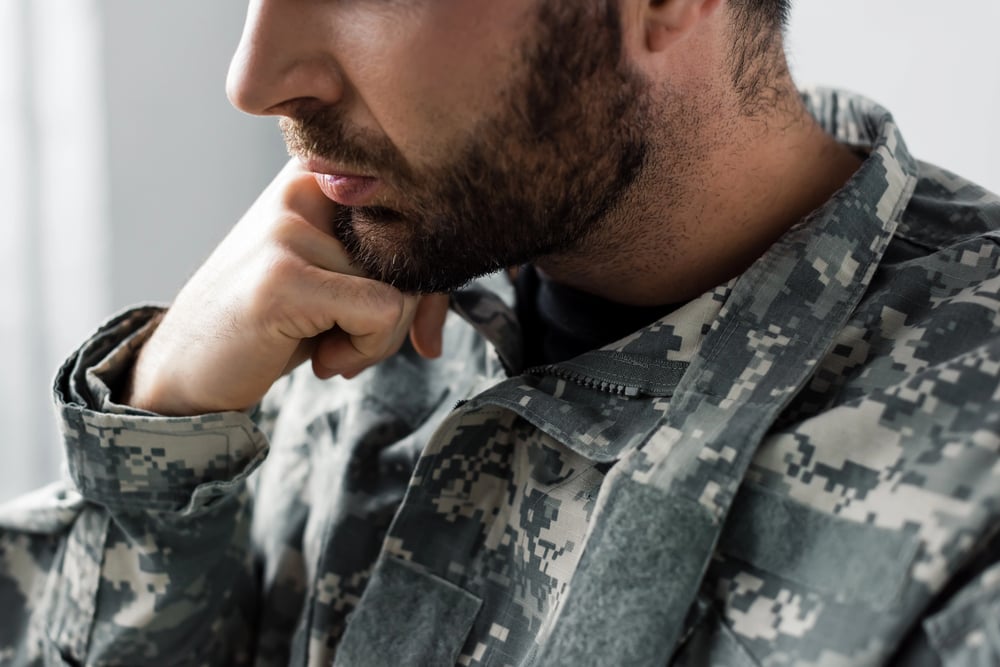
Operators have special grooming standards, separate from the rest of the military. They’re allowed to have beards and long hair if they choose to when other service members may not.
This isn’t about looking cool—it’s about operational necessity. When working undercover or with local populations in certain regions, fitting in with local customs and appearance standards can be critical for mission success and personal safety.
Delta Force recruits from all military branches, even the Coast Guard
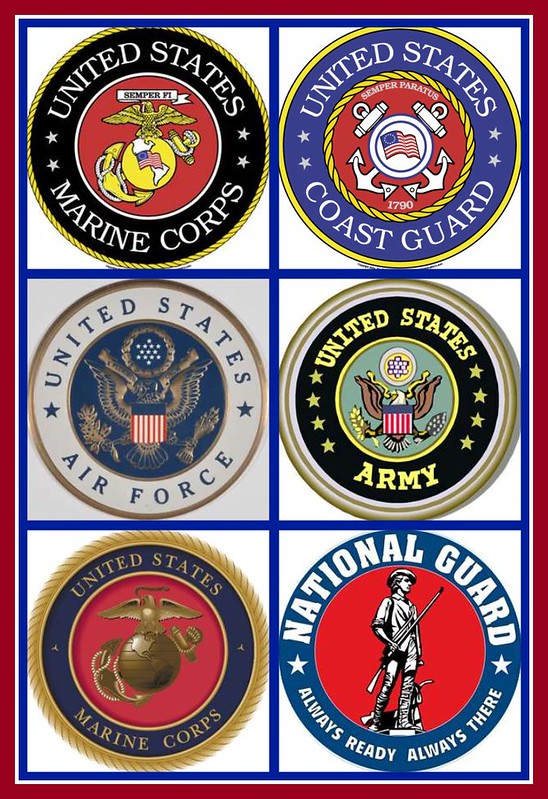
While many assume Delta Force only takes Army personnel, the group also selects individuals from other branches of the military, including the Coast Guard, National Guard and even Navy SEALs. This cross-branch recruitment creates a unique melting pot of skills and perspectives.
In contrast, SEAL Team Six exclusively recruits from existing SEAL units, maintaining a more homogeneous maritime-focused culture.
Special forces lineage traces back over 200 years
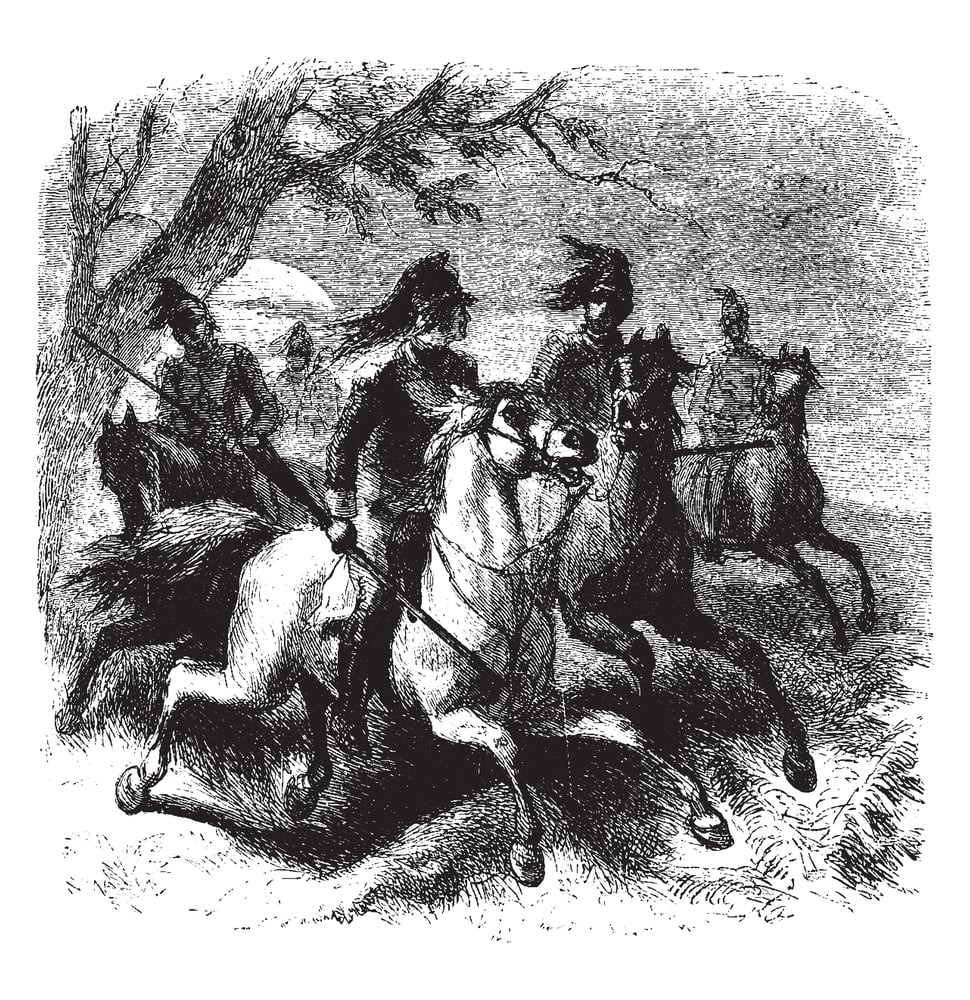
Their lineage dates back to include more than 200 years of unconventional warfare history, with notable predecessors including the American Revolutionary War ‘Swamp Fox’ Francis Marion, Benjamin Forsyth in the War of 1812, Frederick Funston of the Philippine–American War. The concept of small, highly trained units conducting irregular warfare isn’t new—it’s been evolving for centuries.
Modern special forces simply represent the latest evolution of this ancient military concept.
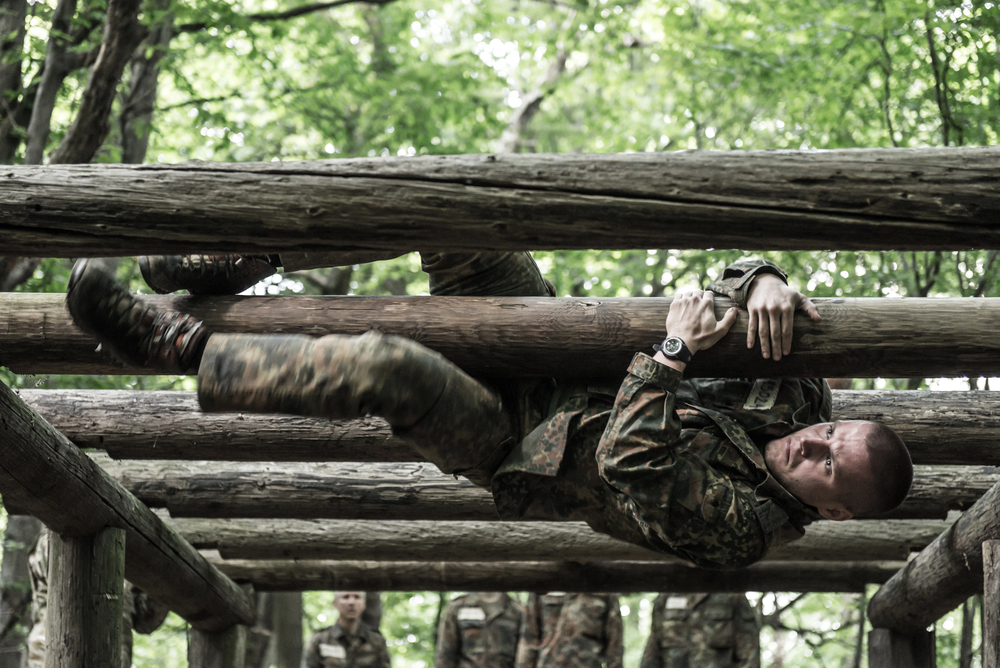
Selection courses have failure rates exceeding 90%
— Photo by Geribody
The numbers are staggering when it comes to who makes the cut. Former Delta operator Paul Howe mentioned that out of his two classes of 120 applicants each, 12 to 14 completed the selection.
Another former operator noted that in his class, 120 candidates started, 16 passed initial selection, and only eight finished the full training course. These aren’t just physical challenges—they test mental resilience, decision-making under pressure, and the ability to operate independently in ambiguous situations.
They carry specialized equipment like shark bite kits
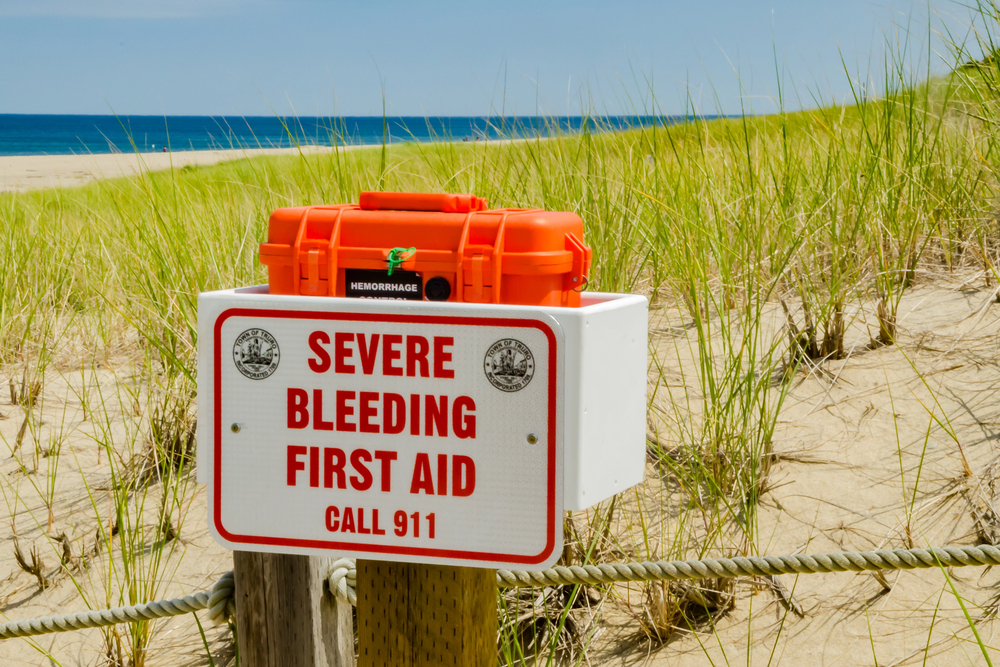
The gear special forces carry depends entirely on their operational environment. Any special ops soldiers operating near or by the ocean will be provided with a SharkBite kit.
This attention to environment-specific threats extends to every piece of equipment they carry. Desert operations require different medical supplies than arctic missions, and everything is tailored to the specific challenges they might face in their area of operations.
One man served in both SEAL Team Six and Delta Force
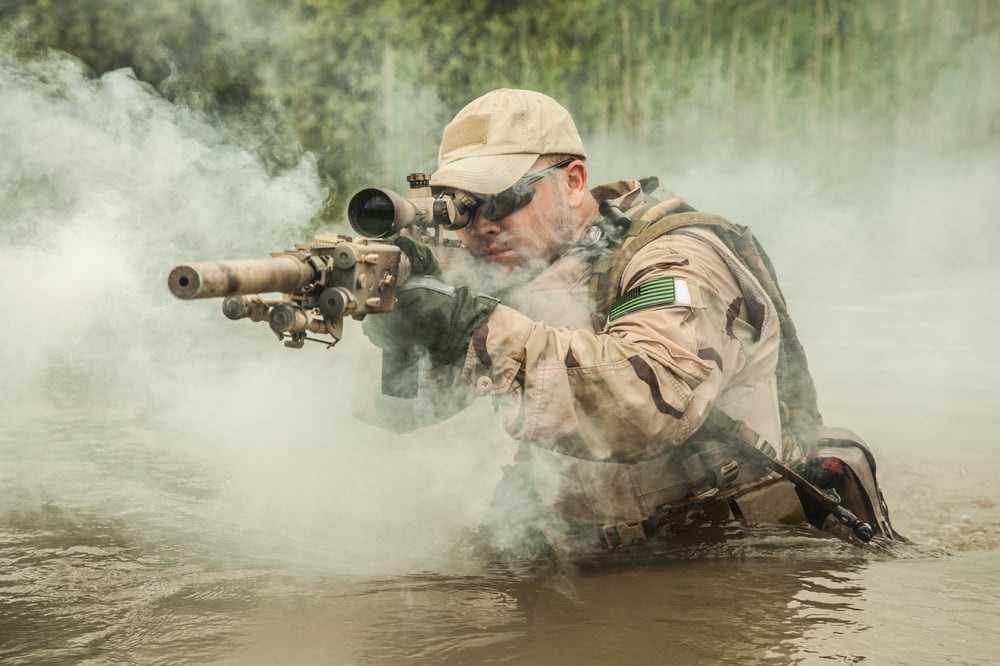
Master Sergeant Kevin Holland holds a unique distinction in the world of U.S. special operations—he is the only publicly known individual to have served in both of America’s premier counter-terrorism units: SEAL Team 6 and Delta Force.
After serving as a SEAL and leaving the Navy in 1995, he was motivated to return to service after 9/11 and successfully completed Delta Force selection. His rare career path demonstrates the exceptional skill required to excel in either unit.
Special forces often work as teachers and advisors
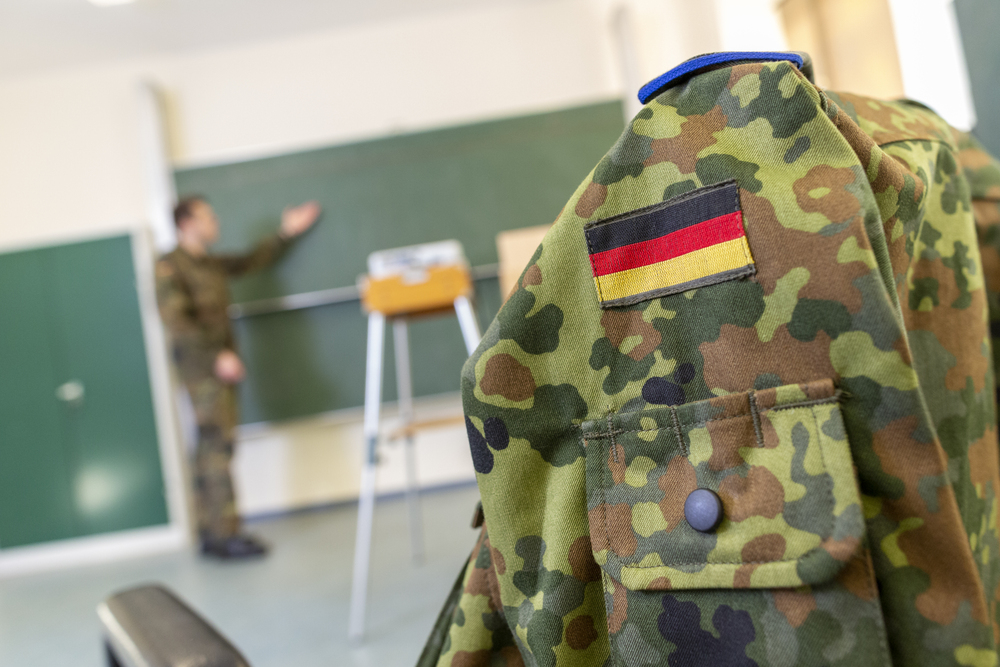
Beyond their combat reputation, special forces excel at what they call ‘force multiplication.’ The Delta, on the other hand, are masters in training and counseling. They are also called Multipliers.
During the 1980s conflicts in El Salvador, the U.S. secretly sent Delta Force teams to organize and train anti-terrorism units for the local military. This advisory role—training foreign forces to handle their own security challenges—represents a huge portion of special forces missions that never make headlines.
The first Special Forces unit was created for psychological warfare
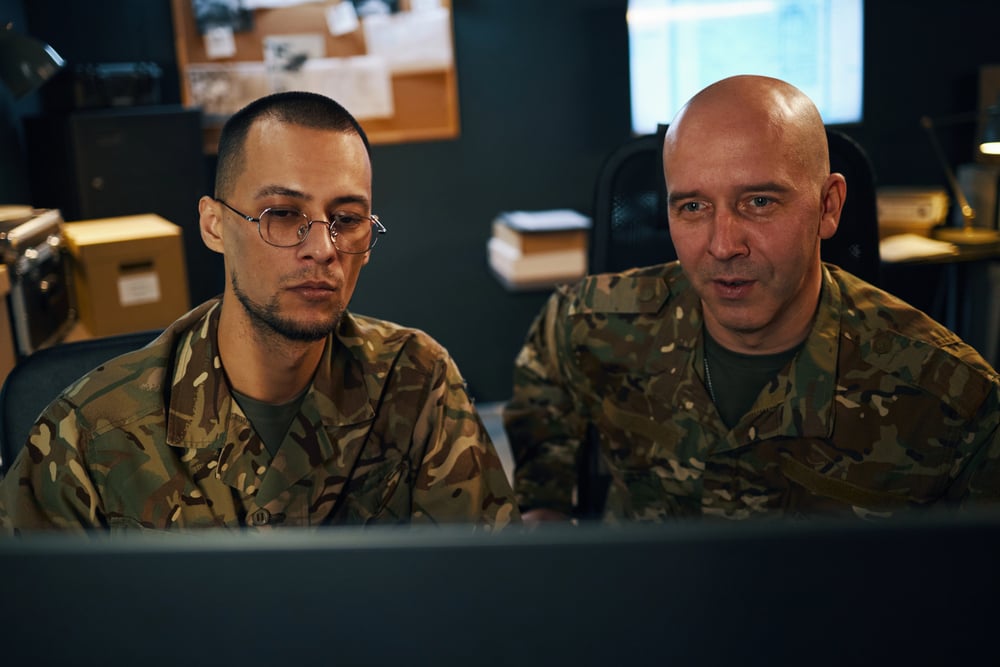
The first Special Forces unit was formed in 1952, under the U.S. Army Psychological Warfare Division. This origin story reveals something important about their original purpose.
They weren’t initially conceived as direct action units but as specialists in unconventional warfare, working with resistance movements and conducting operations behind enemy lines. The psychological aspect—winning hearts and minds—remains central to their mission today.
SEAL Team Six uses a unique photo-based selection process
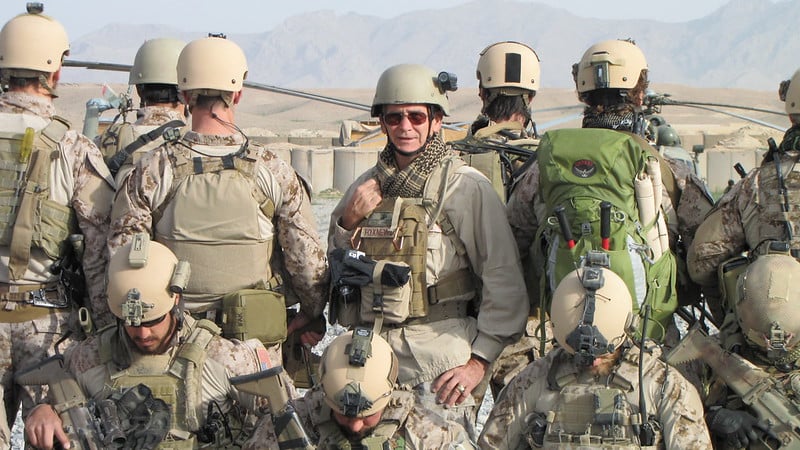
Once the dossier is presented, something unique happens in the panorama of special departments. The photos of the candidates are posted on a wall in a corridor in Dam Neck.
It will be up to the individual members of the ST6 to block the candidate’s photo or not. If any current SEAL Team Six member objects to a candidate by writing on their photo, that person is eliminated from consideration.
This peer review system ensures that only individuals who can mesh with the existing team culture make it through to the actual selection process.
They score higher than average on military intelligence tests
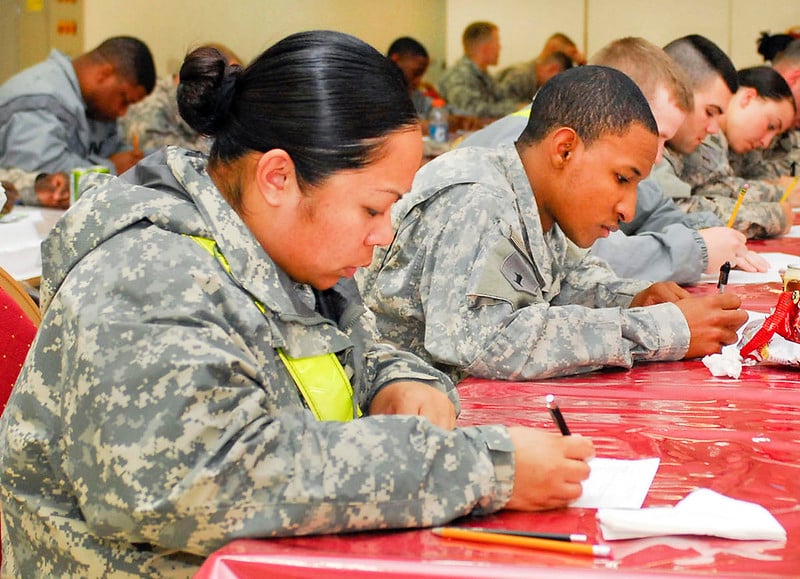
Special Operations isn’t just about brawn – troops are also valued for their superior intelligence. They score better than average at the Armed Services Vocational Aptitude Battery and many have college degrees.
The stereotype of the all-brawn, no-brains warrior doesn’t apply here. Modern special operations require personnel who can think critically, adapt quickly to changing situations, and understand complex political and cultural dynamics in their operational areas.
Ancient military leaders used special forces tactics
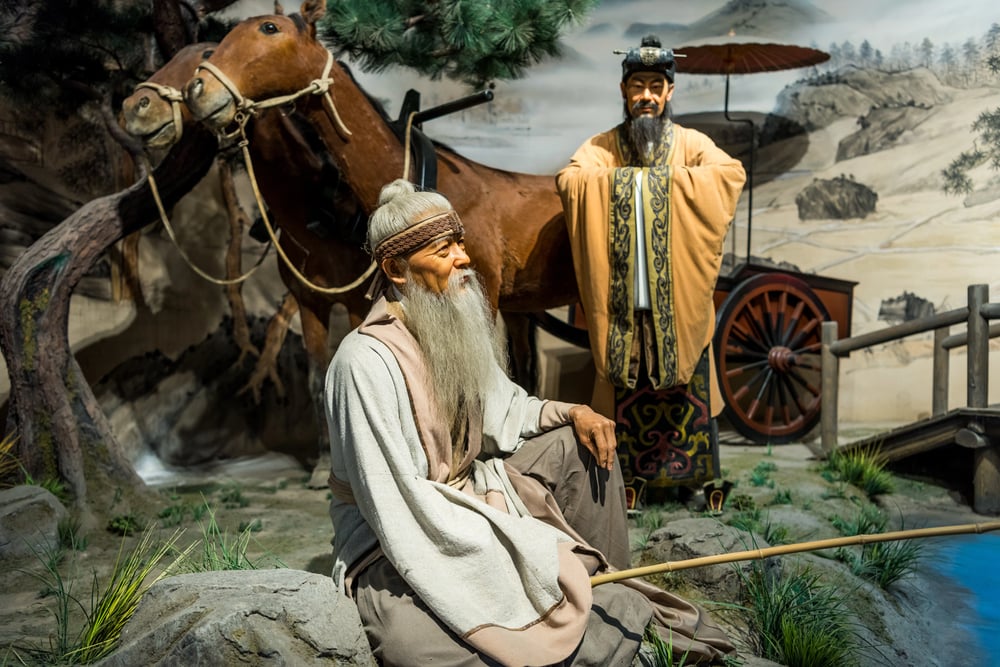
— Photo by VictorJiang
The concept isn’t modern at all. Chinese strategist Jiang Ziya, in his Six Secret Teachings, describes recruiting talented and highly motivated men for serving in specialized elite units with such functions as commanding heights and making rapid long-distance advances.
Even in ancient times, military leaders recognized the value of small, highly trained units capable of missions that conventional forces couldn’t accomplish. Today’s special forces are the latest chapter in a very old story.
Special forces units have their own university
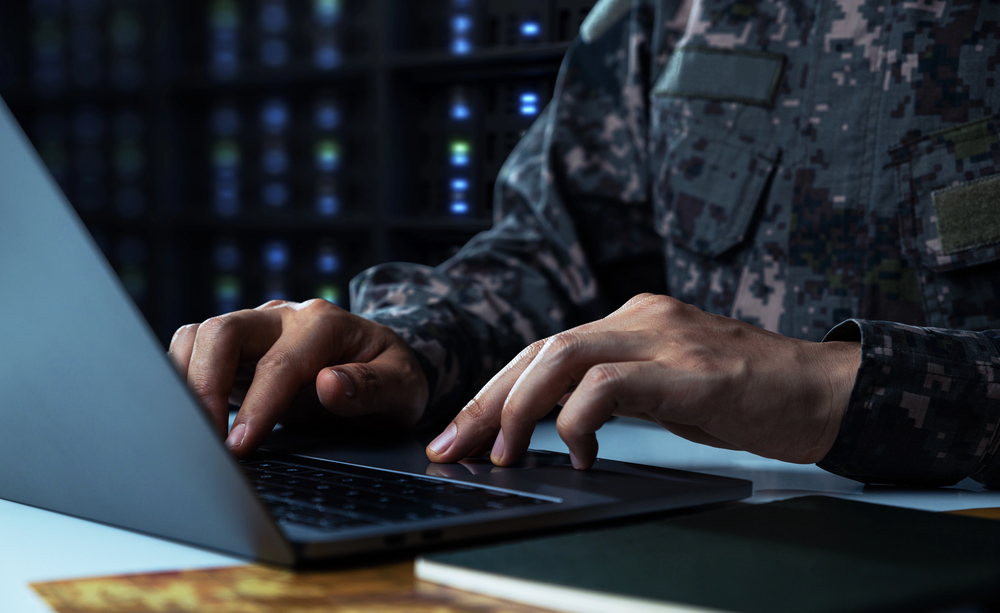
The Special Operations university, called the Joint Special Operations University, is located at the MacDill Air Force Base in Florida. The university serves active duty, reserve and civilian faculty members from the Army, Navy, Air Force and Marine Corps.
This institution reflects the intellectual demands of modern special operations, offering advanced education at no cost to students. The curriculum goes far beyond military tactics, covering subjects like cultural anthropology, foreign languages, and regional studies.
The modern legacy continues to evolve
The transformation of special forces from their historical roots to today’s highly sophisticated units reflects broader changes in warfare itself. What started as small bands of irregular fighters has evolved into technologically advanced, highly educated professional units capable of everything from direct action to humanitarian assistance.
Their ability to adapt to new challenges while maintaining the core principles of unconventional warfare ensures their continued relevance in an ever-changing global security environment. These units represent not just military capability, but the evolution of human potential when training, technology, and determination converge.
More from Go2Tutors!

- The Romanov Crown Jewels and Their Tragic Fate
- 13 Historical Mysteries That Science Still Can’t Solve
- Famous Hoaxes That Fooled the World for Years
- 15 Child Stars with Tragic Adult Lives
- 16 Famous Jewelry Pieces in History
Like Go2Tutors’s content? Follow us on MSN.



