15 Rare Animal Species You Missed
While everyone knows about pandas and tigers being endangered, countless other species are quietly disappearing from our planet without much fanfare. The IUCN classifies nearly 4,000 species as critically endangered, meaning they face such severe threats that they could soon become extinct in the wild.
Many of these animals are so rare that most people have never heard of them, yet they represent unique evolutionary stories millions of years in the making.These forgotten creatures are fighting for survival in remote corners of the world. Here is a list of 15 rare animal species you missed.
Vaquita porpoise
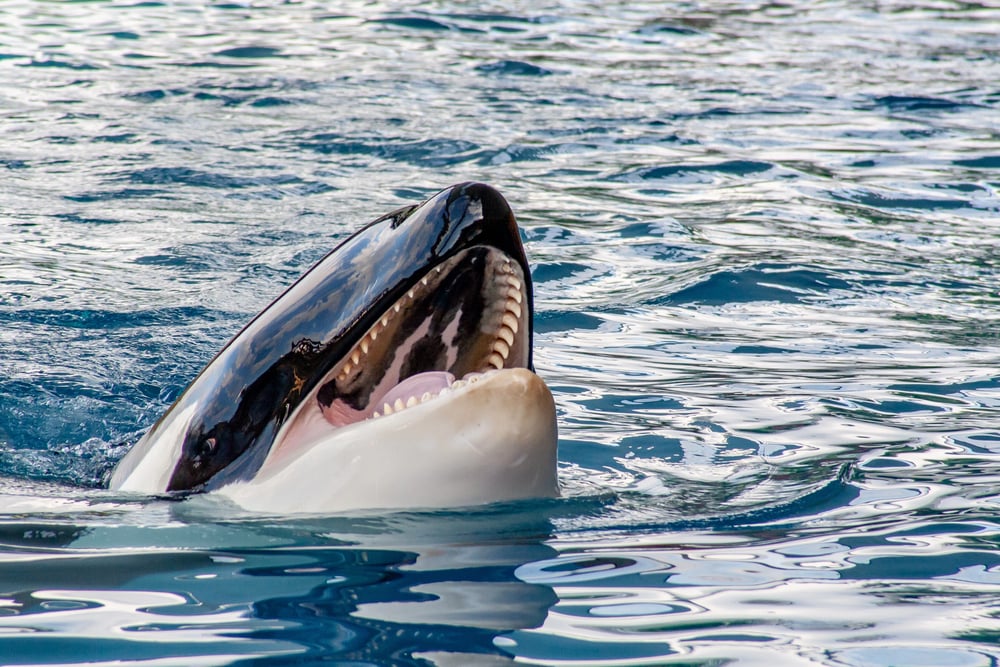
The vaquita, the world’s rarest marine mammal, is on the edge of extinction with about 10 individuals remaining. This small porpoise lives only in Mexico’s Gulf of California and wasn’t even discovered by scientists until 1958.
The population in 1997 was 600, but conservationists have invested millions of dollars into efforts to keep the species alive as they remain under threat from illegal fishing.
Amur leopard
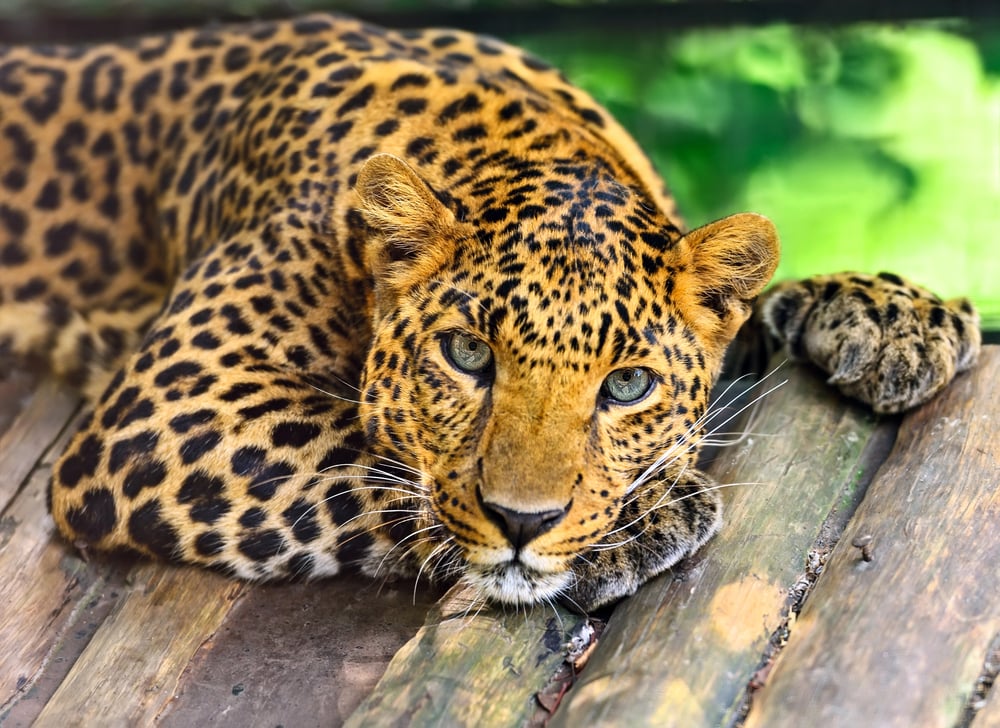
Residing in the temperate forests of the Russian Far East, near the borders of China and North Korea, this elusive feline has adapted to survive in harsh, cold conditions with a population of barely 100 individuals. Hunted largely for its beautiful, spotted fur, the loss of each Amur leopard puts the species at greater risk of extinction.
These leopards can survive temperatures as low as -25°F and are excellent climbers despite their stocky build.
Saola
Often called the ‘Asian unicorn,’ the saola was only discovered in 1992 in Vietnam’s remote mountains. The Saola represents a flagship species for conserving the entire ecosystem it inhabits.
Scientists believe fewer than 100 individuals remain in the wild, and this antelope-like creature is so elusive that it’s been photographed alive in the wild only a handful of times.
Javan rhinoceros
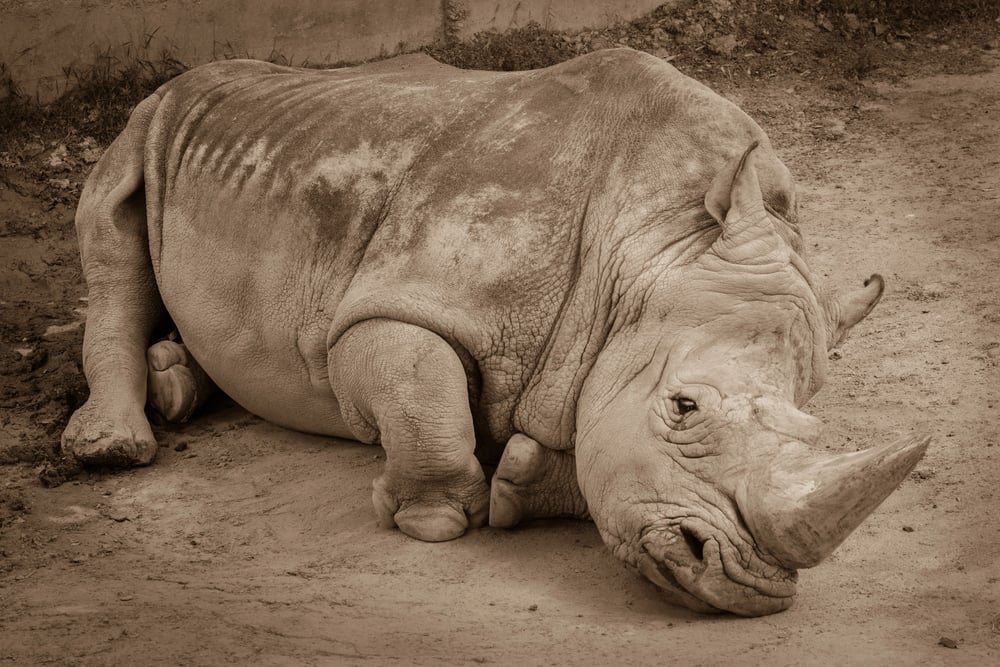
Javans Rhinos are the most threatened out of all five rhinos. Only about 75 individuals survive in Java’s Ujung Kulon National Park, making this the rarest large mammal on Earth.
Unlike other rhino species, Javan rhinos have just one horn and prefer dense tropical forests where they browse on young shoots and fallen fruit.
Kakapo
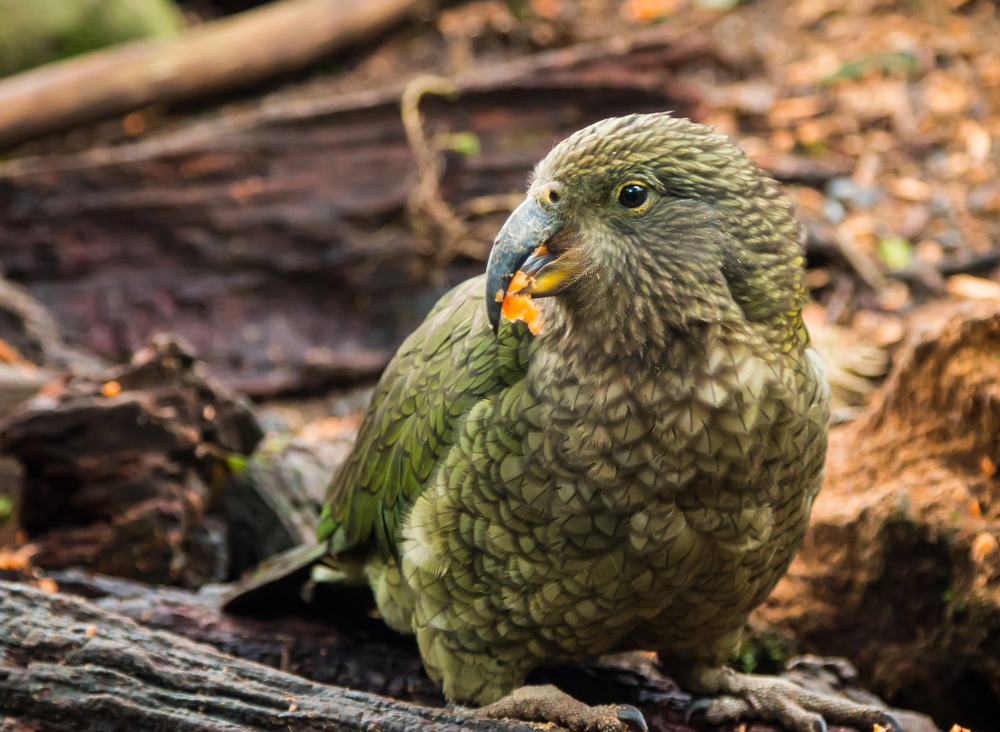
New Zealand’s kakapo is the world’s only flightless parrot and one of the heaviest. These nocturnal birds can live over 100 years and have a distinctive musty-sweet odor that helped early Māori hunters track them.
Current conservation efforts have brought the population up to around 250 individuals from a low of just 51 in 1995.
Cross River gorilla
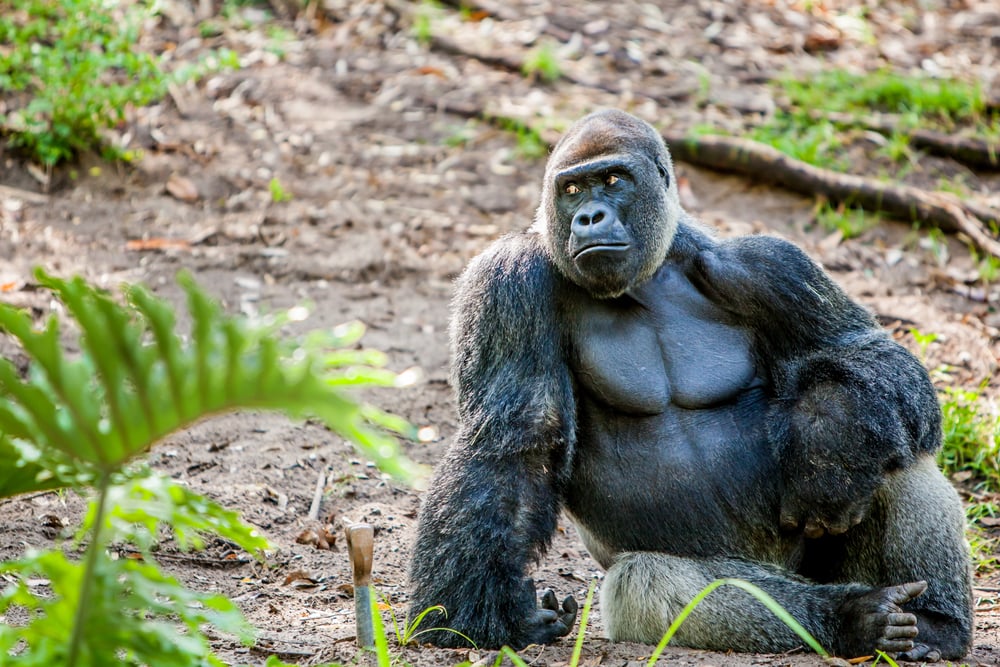
Living in the forests between Cameroon and Nigeria, Cross River gorillas are the world’s rarest great ape species. Only about 300 individuals remain scattered across a few isolated forest fragments.
They’re slightly smaller than other gorilla subspecies and have developed unique behaviors to avoid human contact, making them incredibly difficult to study.
Hawksbill sea turtle

Hawksbill turtles have survived for millions of years but now face extinction due to illegal trade of their stunning shells. Their distinctive hooked beak allows them to reach into coral reef crevices to feed on sponges that would be toxic to other animals.
Climate change threatens their nesting beaches while plastic pollution fills their feeding grounds.
South China tiger
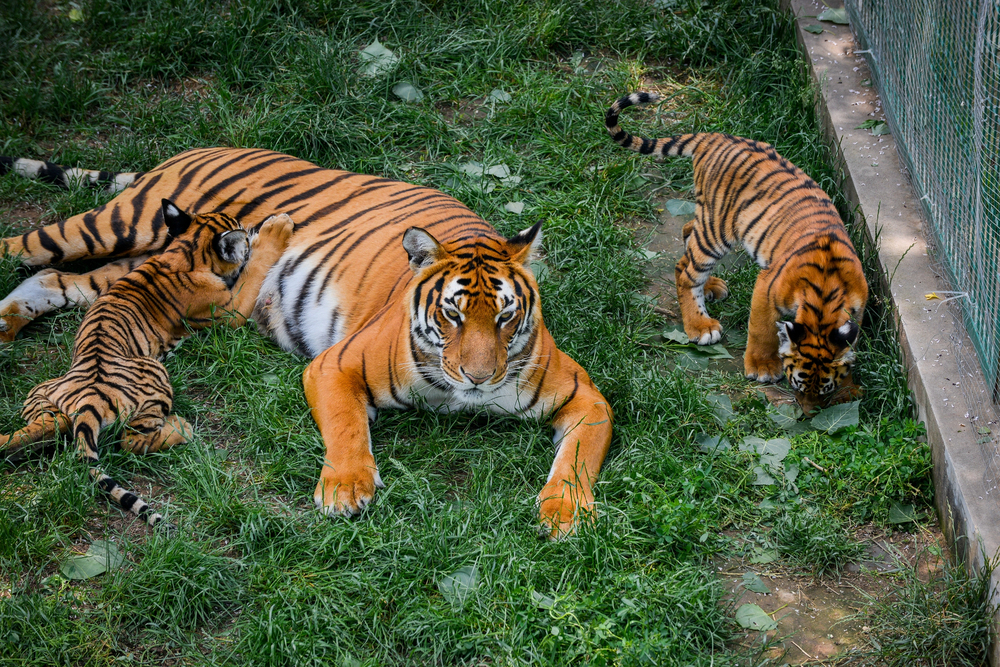
The South China tiger might already be functionally extinct in the wild, with no confirmed sightings since the 1970s. These tigers were once widespread across southern China but were hunted relentlessly during government campaigns.
A few dozen survive in captivity, but their genetic diversity is so limited that successful reintroduction seems nearly impossible.
Hainan gibbon
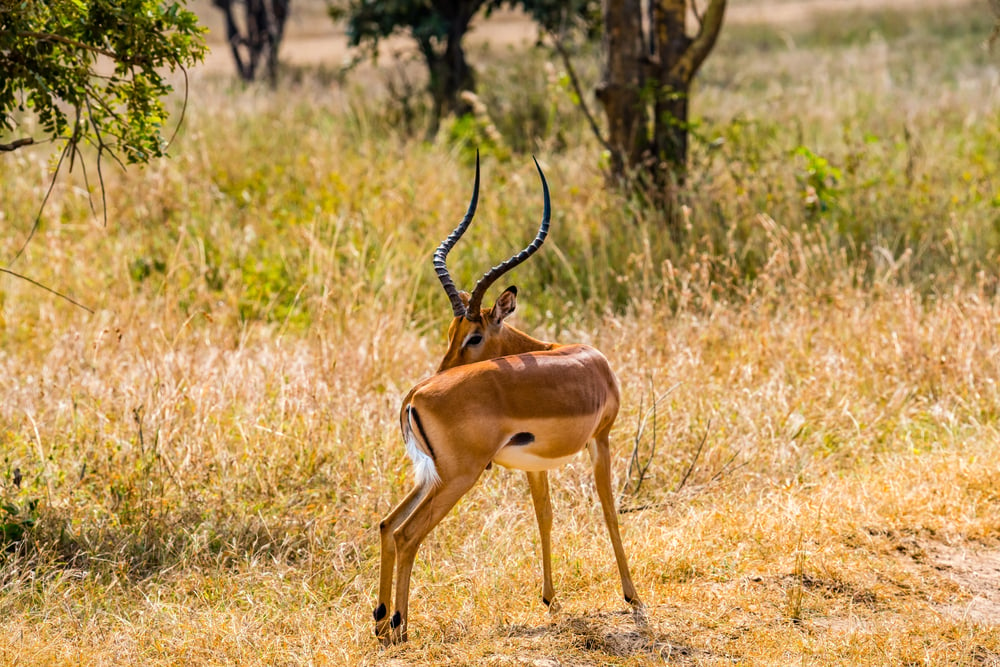
The Hainan Gibbon resides in a small patch of forest on China’s Hainan Island and is the world’s rarest primate, with deforestation and hunting having brought this species to the brink of extinction. Only about 30 individuals remain in their tropical forest home.
These acrobatic apes can swing through trees at speeds up to 35 mph and are known for their elaborate morning song duets.
Tapanuli orangutan
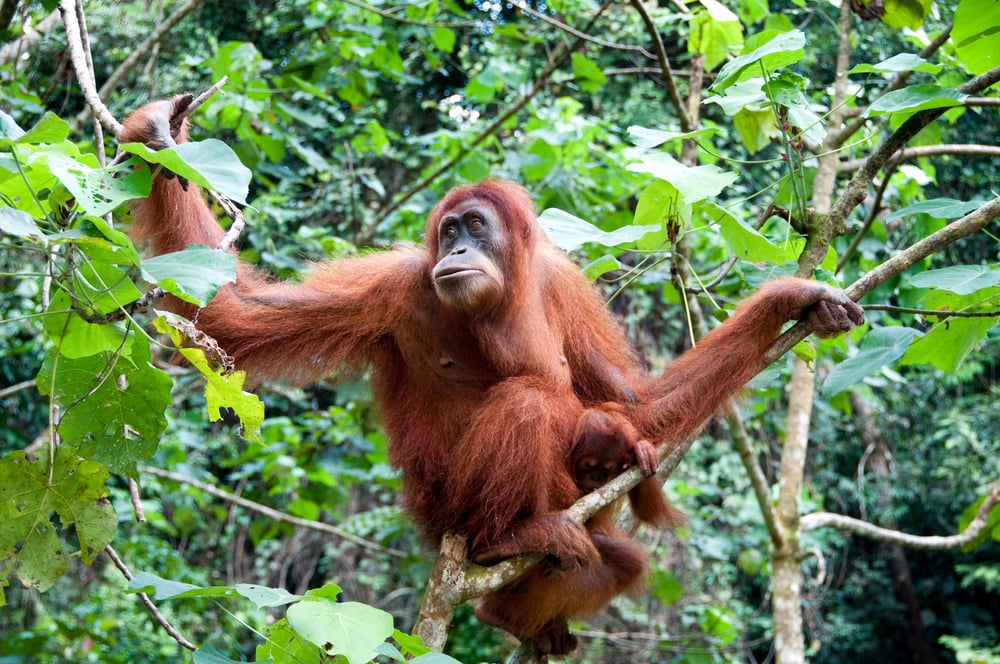
Scientists only identified this orangutan species in 2017, making it the eighth known great ape species. Fewer than 800 Tapanuli orangutans live in the forests of northern Sumatra, and they’re already critically endangered due to habitat destruction.
They have frizzier hair and different skull features compared to their Bornean and Sumatran cousins.
North Atlantic right whale
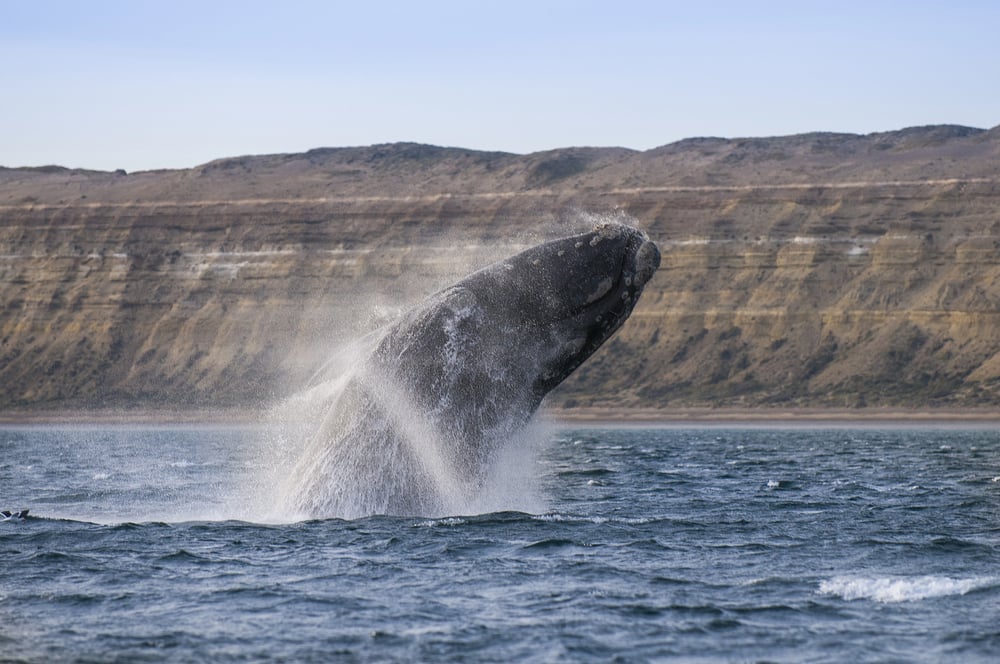
There are only about 350 North Atlantic right whales left, including only 70 calving-age females, making the North Atlantic right whale one of the world’s most endangered whale species. Ship strikes and fishing gear entanglement are the biggest threats to these massive marine mammals.
Despite their name, they’re actually the ‘wrong’ whales to hunt because they don’t produce much oil, which ironically helped some survive the whaling era.
Addax antelope
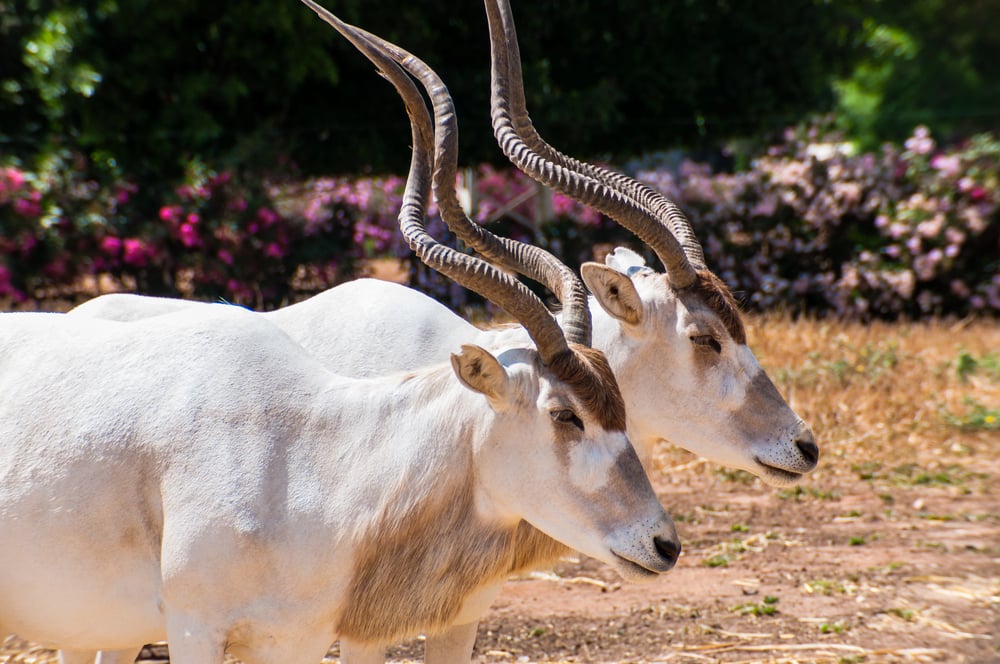
The addax once roamed across the entire Sahara Desert but now survives only in small numbers in Niger and Chad. These pale antelopes have adapted perfectly to desert life, getting all their water from the plants they eat and having broad hooves that work like snowshoes in sand.
Fewer than 100 individuals remain in the wild, though captive breeding programs maintain larger populations.
Pangolin species
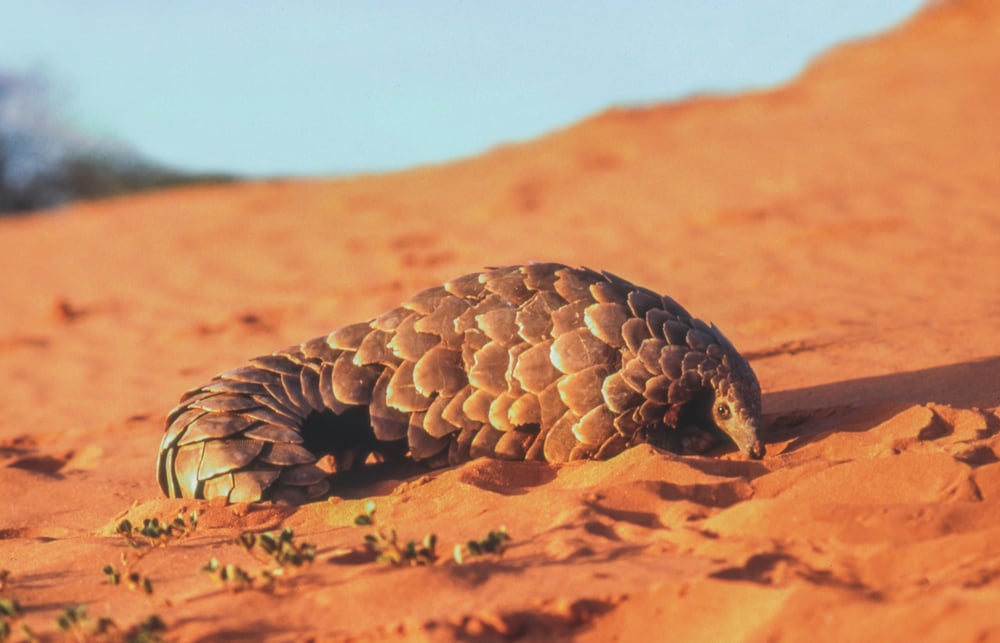
All eight pangolin species are threatened, with some facing extinction within decades. These armored mammals are the world’s most trafficked animals, hunted for their scales and meat despite having no proven medicinal value.
Pangolins are the only mammals completely covered in scales, and they can curl into a perfect defensive orb when threatened.
Gharial crocodile
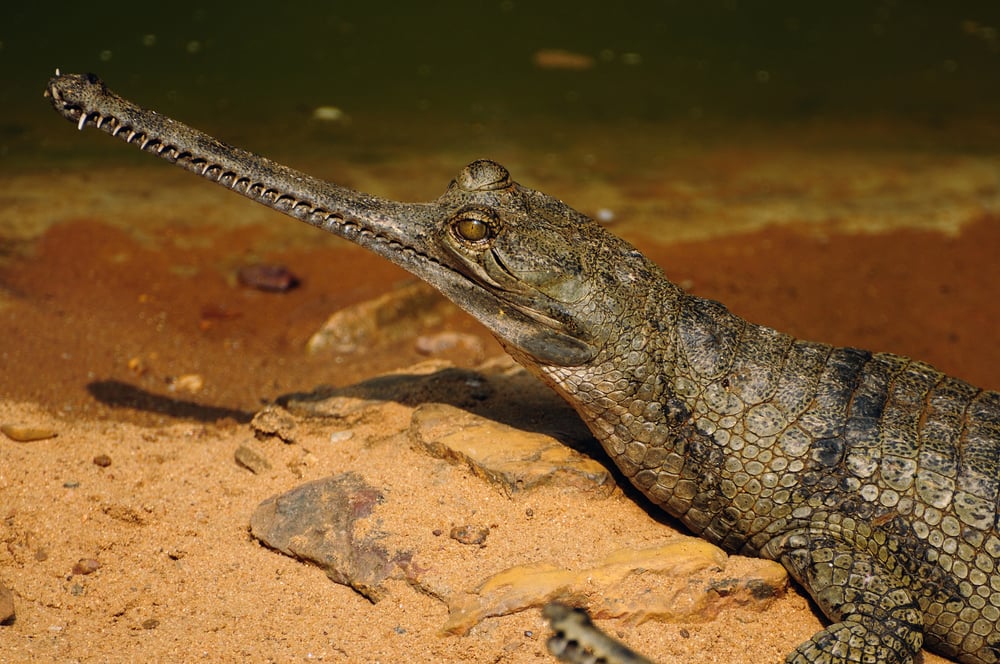
The gharial’s distinctive long, narrow snout filled with interlocking teeth makes it perfectly adapted for catching fish. Male gharials develop a bulbous growth called a ‘ghara’ on their snout tip that amplifies their vocalizations during mating season.
Fewer than 200 breeding adults remain in India and Nepal, down from thousands just decades ago.
Bornean orangutan
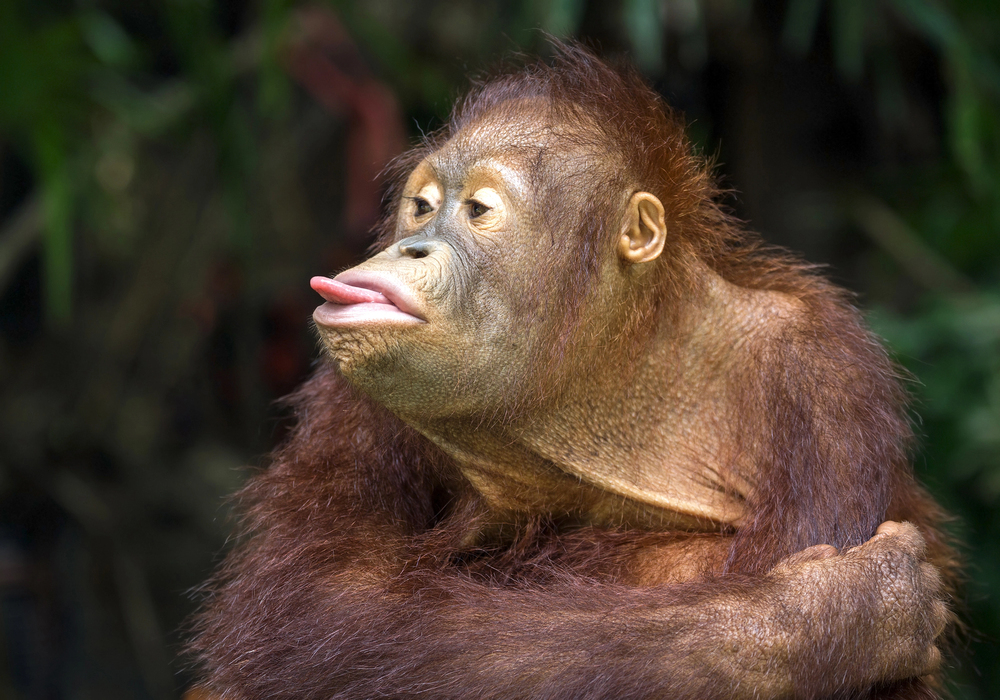
While not as rare as their Tapanuli cousins, Bornean orangutans have lost over half their population in just 60 years. These intelligent apes spend most of their lives in trees and have been observed using tools to extract honey and insects.
Palm oil plantations continue destroying their rainforest homes across Borneo, fragmenting populations into isolated pockets.
The quiet extinction crisis continues
Several species remain critically endangered, and 2025 is projected to see continued threats to some of the most vulnerable animals. Each of these remarkable creatures represents millions of years of evolution and adaptation, yet most people will never hear their names before they vanish forever.
The race to save them continues in remote research stations and conservation centers around the world, where dedicated scientists work against time and shrinking budgets. While the odds seem impossible, success stories like the California condor and black-footed ferret prove that even species on the brink can recover with enough determination and resources.
The question isn’t whether we can save these animals, but whether we will choose to do so before it’s too late.
More from Go2Tutors!

- The Romanov Crown Jewels and Their Tragic Fate
- 13 Historical Mysteries That Science Still Can’t Solve
- Famous Hoaxes That Fooled the World for Years
- 15 Child Stars with Tragic Adult Lives
- 16 Famous Jewelry Pieces in History
Like Go2Tutors’s content? Follow us on MSN.