16 Weird Car Tech From the Past
Back when carmakers were still figuring out how to mix comfort with cool, some of their ideas turned out… a little strange. Not every experiment aged well, but every single one had a story—and a few probably caused some head scratching even at the time. These weren’t just design decisions. They were bold swings at innovation, sometimes solving problems that didn’t exist or creating new ones by accident.
From the outside, they looked like futuristic touches or luxury upgrades. But from behind the wheel, some of them felt more like weird science projects than practical features. Still, they made cars fun to talk about—and unforgettable for the people who drove them.
Here are 16 weird car tech ideas from the past that tried to change the game—and sometimes just changed the radio station instead.
Talking dashboards
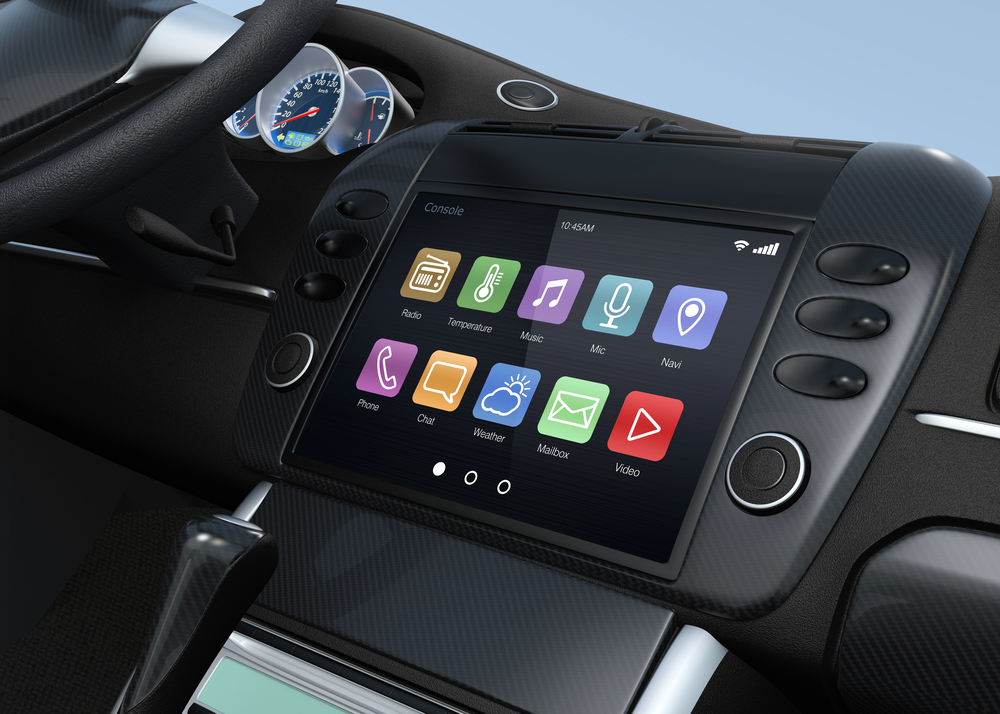
In the 1980s, some cars tried to act like your friendly co-pilot with digital dashboards that talked to you. The Nissan Maxima was one of the first to say things like, “Your door is ajar,” in a calm robotic voice.
It was helpful the first few times, but it didn’t take long before drivers found it annoying. A lot of people would just turn the voice off or pull the fuse entirely.
Still, for its time, it felt like driving with a robot buddy.
Car phones with cords
Before Bluetooth and hands-free everything, rich folks made calls from inside their cars using a phone with a cord. These weren’t your average mobile phones either—they were chunky, fixed to the center console, and came with real buttons.
Using one made you feel super important, even if it was just to say, “I’m five minutes away.” The signal wasn’t great, and the bills were even worse.
But for a while, that wired car phone was the ultimate status symbol.
Like Go2Tutors’s content? Follow us on MSN.
Automatic seat belts
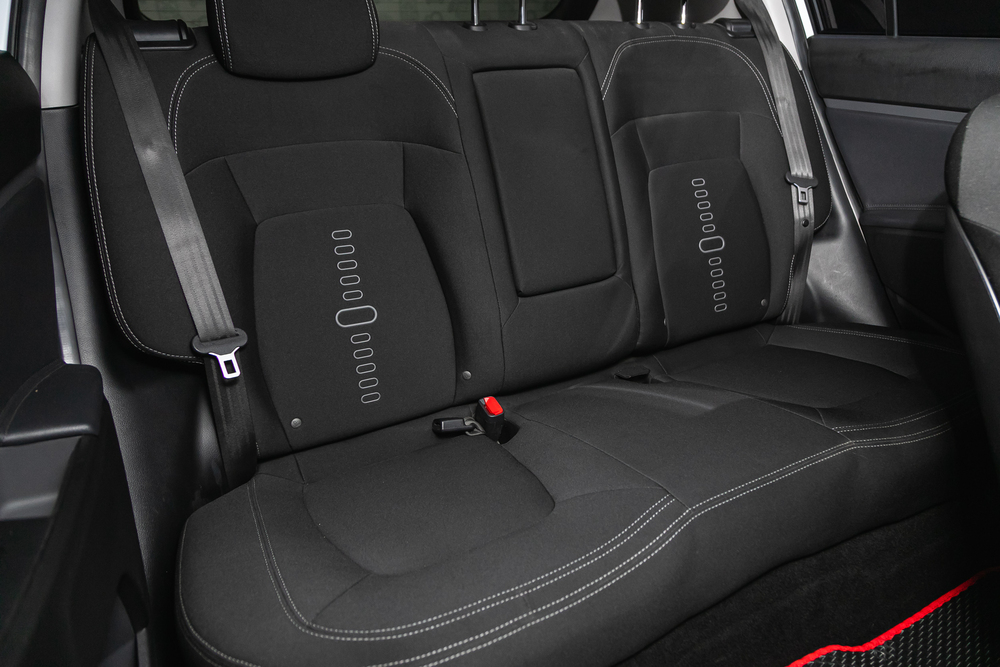
If you’ve ever sat in an older car and suddenly had a belt glide across your chest on its own, then you’ve met the automatic seat belt. These belts moved along a track to secure you as soon as you shut the door.
In theory, they were meant to make things safer. But in real life, they often confused people and occasionally smacked passengers in the face.
Most folks just hated them, and thankfully, airbags came along and made them unnecessary.
Record players in the glovebox
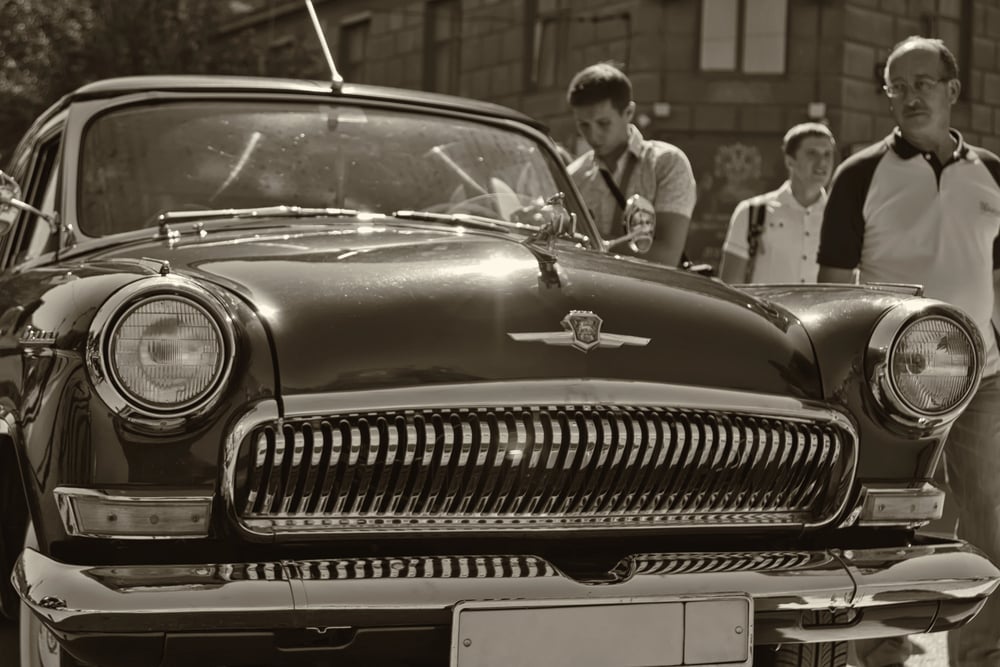
Yes, this actually happened. In the late 1950s, Chrysler introduced an in-car record player called the “Highway Hi-Fi.”
The idea was to let people play their favorite vinyl while cruising. But there was one big problem—cars bounced.
And records don’t like bouncing. Every little bump in the road made the music skip, so the whole idea didn’t last long.
Swing-away steering wheels
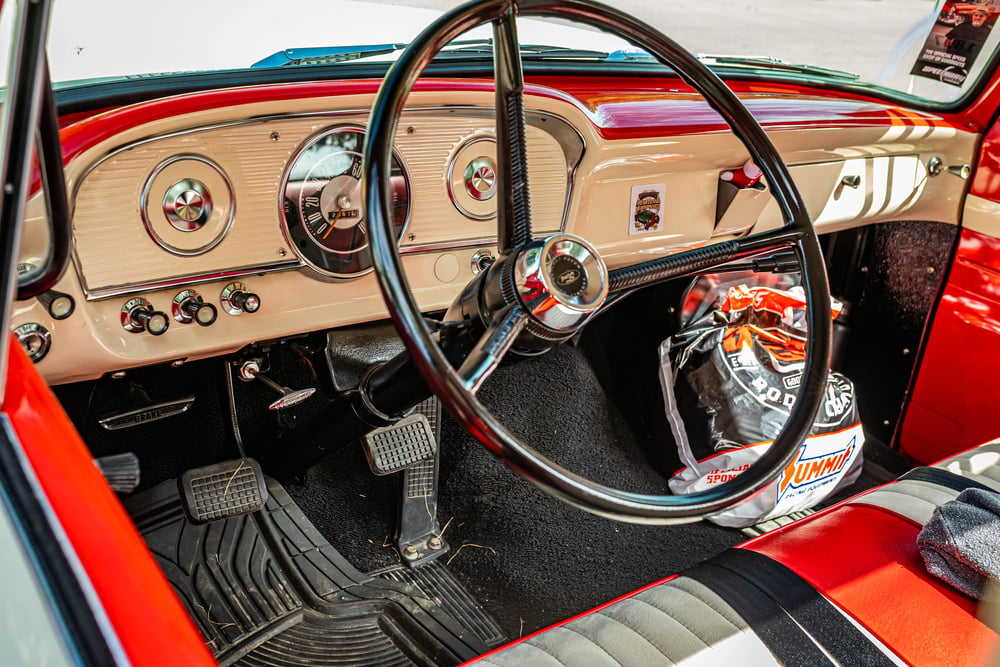
Ford offered something called a swing-away steering wheel in some models during the early 1960s. When the car was parked, the steering wheel slid to the right to give drivers more room to get in and out.
It sounded fancy and actually looked pretty cool. But over time, the moving parts wore out or jammed, and repairs were not cheap.
The whole feature quietly disappeared a few years later.
Like Go2Tutors’s content? Follow us on MSN.
Digital speedometers
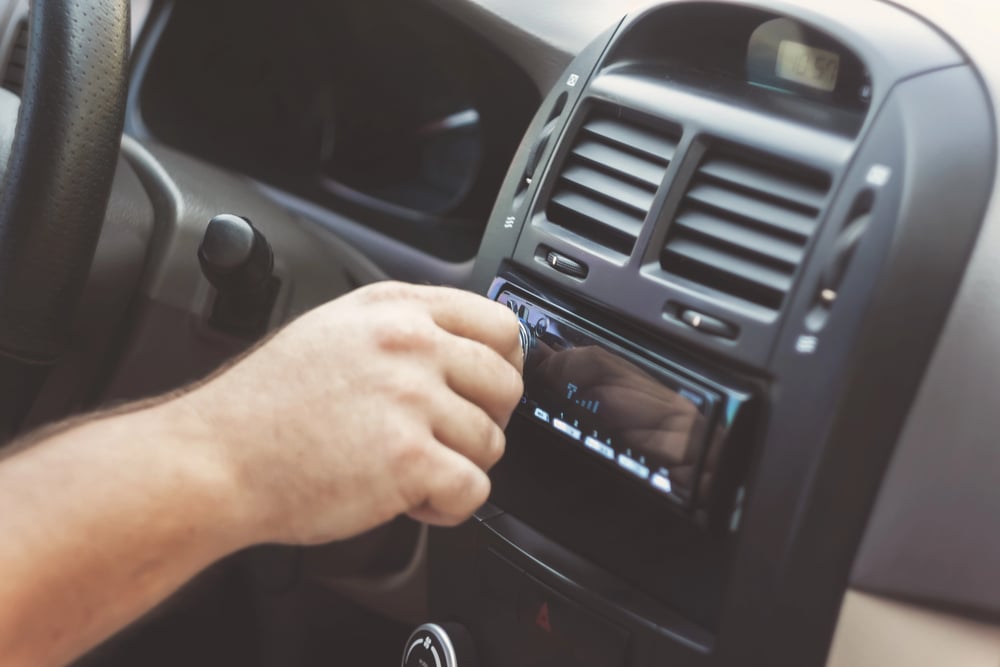
In the 1980s and early ’90s, everyone thought digital was the future—even when it came to speedometers. So instead of a moving needle, drivers got a bright screen with glowing numbers.
It looked modern, like something from a spaceship. But it was hard to read at a glance, especially in sunlight.
And once the electronics started acting up, fixing it wasn’t fun or cheap.
Hideaway headlights

Some cars came with headlights that tucked themselves away when not in use. These pop-up or flip-up headlights gave vehicles a sleek look and a fun little “blink” effect.
While fans loved the style, the mechanics didn’t always cooperate. If the motor fails, the lights might stay stuck halfway open—making your car look more sleepy than sporty.
Eventually, regulations and repairs helped kill the trend.
Built-in vacuum cleaners

Honda tried something different with their Odyssey minivan by installing a vacuum cleaner in the trunk. It seemed smart at first—parents could clean up after snack time on the road.
But people quickly realized that lugging the hose across the car was awkward, and the suction wasn’t great. Plus, regular vacuums did a better job anyway.
Still, points for trying.
Like Go2Tutors’s content? Follow us on MSN.
Push-button gear selectors
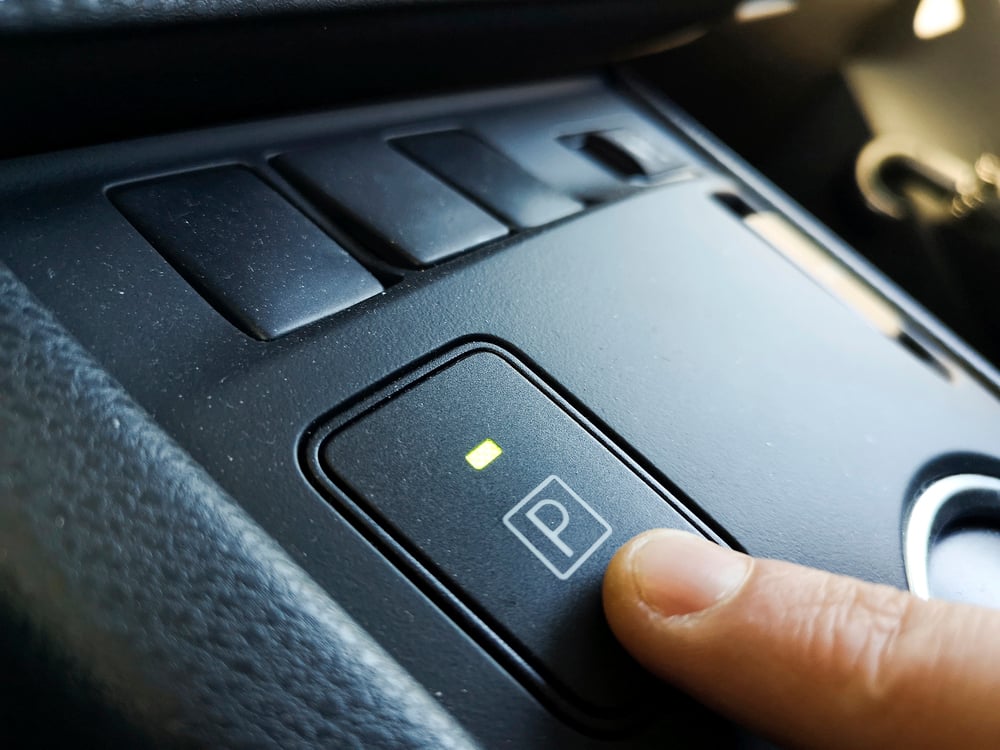
Instead of using a traditional gear shifter, some older cars came with buttons on the dashboard to select drive, reverse, or park. Chrysler rolled this out in the ’50s, thinking it looked futuristic.
While it definitely turned heads, it also confused new drivers and mechanics alike. The buttons sometimes stuck, and if you were in a rush, things could go wrong fast.
Most companies dropped the idea after a short run.
Voice-controlled features (before smartphones)
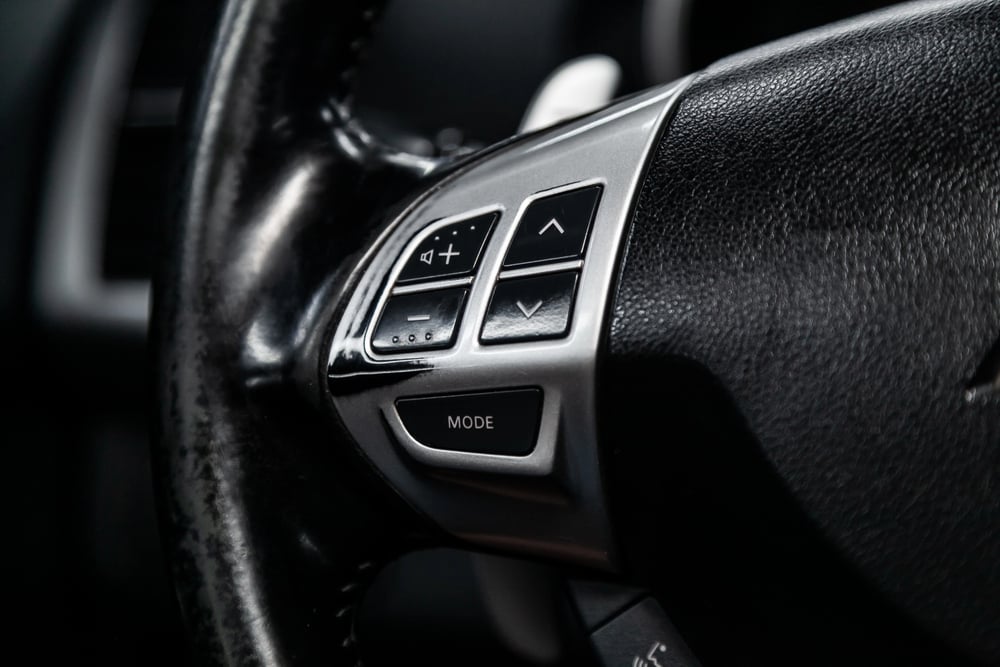
Long before Siri or Alexa, a few luxury cars tried voice control for things like air conditioning or radio. It sounded impressive on paper.
But in real life, it barely worked. The systems struggled to understand accents or background noise, and drivers ended up repeating themselves a lot.
Talking to your car felt more like arguing with it.
Dashboard ashtrays for everyone

Cars from the 1960s and 70s often had multiple ashtrays—one for the driver, another for the front passenger, and even ones in the back seats. Some even had built-in lighters at each spot.
It was a different time, and puffing nicotine was more socially accepted. But it made cleaning up a mess, especially for people who didn’t smoke.
Today’s cup holders have taken over that real estate.
Like Go2Tutors’s content? Follow us on MSN.
Car-mounted televisions
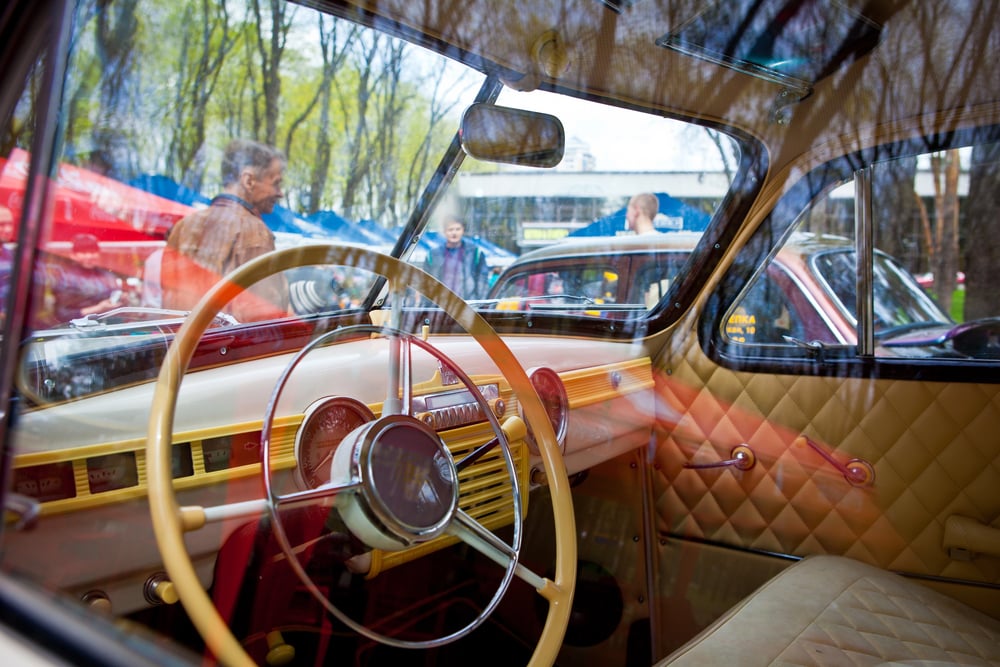
In the 1980s, some luxury vans and large family cars came with small TVs mounted inside. They weren’t flat screens—these were actual mini CRTs, just like old-school TVs.
But the signal was poor unless you used a giant antenna, and watching anything while moving was tough. Plus, most kids just ended up staring at static.
It looked impressive but didn’t work out so well.
Ice makers and drink coolers
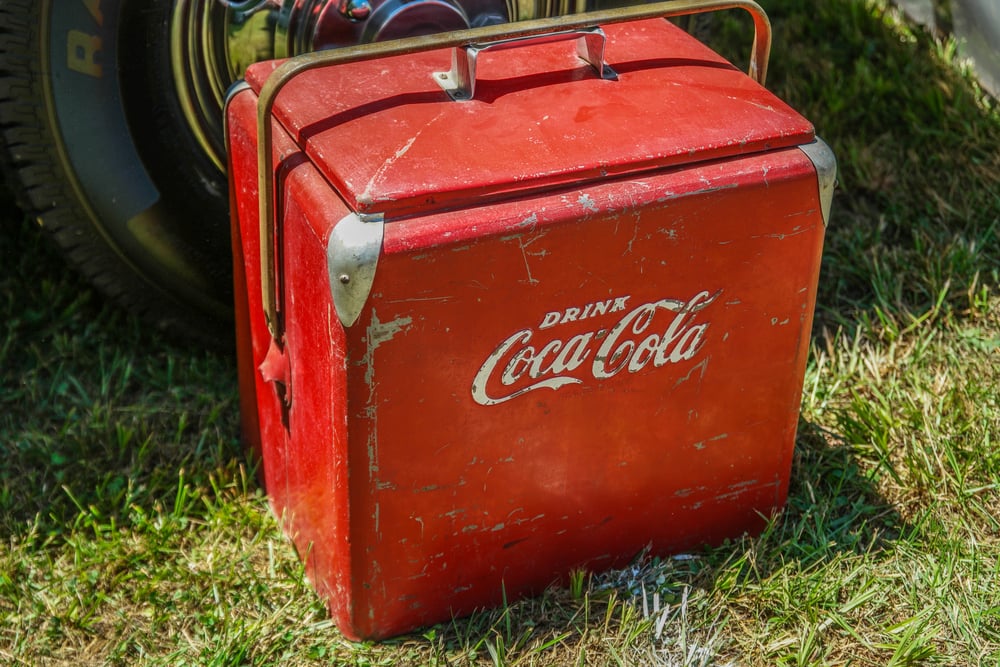
A few high-end cars came with built-in drink coolers or even mini ice makers. The idea was to let passengers enjoy a cold soda without needing a separate cooler.
While it sounded luxurious, these add-ons took up space and didn’t always chill things well. And if they broke? Good luck fixing them.
Still, they gave off serious limousine vibes.
In-car fax machines
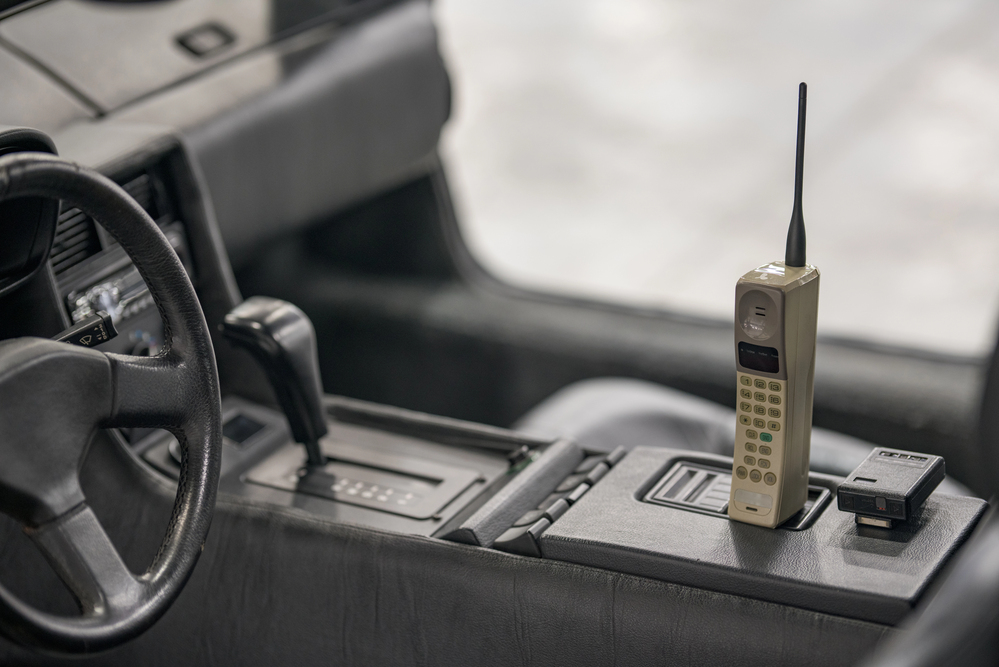
Yes, that’s a real thing. In the 1990s, some expensive models included a built-in fax machine to help businesspeople stay connected on the road.
But sending or receiving a fax while driving made very little sense. The machines were clunky, slow, and nearly impossible to use without pulling over.
It didn’t take long for everyone to realize they were more trouble than they were worth.
Like Go2Tutors’s content? Follow us on MSN.
External temperature displays in weird places
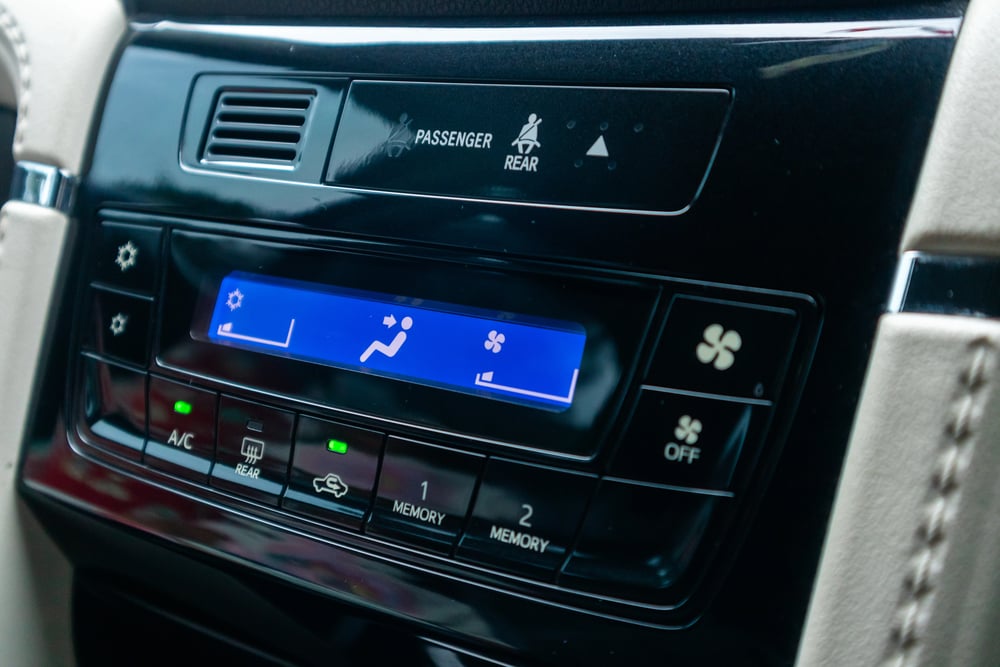
Some cars used to show the outside temperature on the rearview mirror or even down near the gear shifter. While useful in theory, the location often meant you forgot to look at it.
Sometimes it wasn’t even accurate, especially if the car had just been sitting in the sun. It was a cool touch, but didn’t always work the way drivers expected.
Headlight wipers
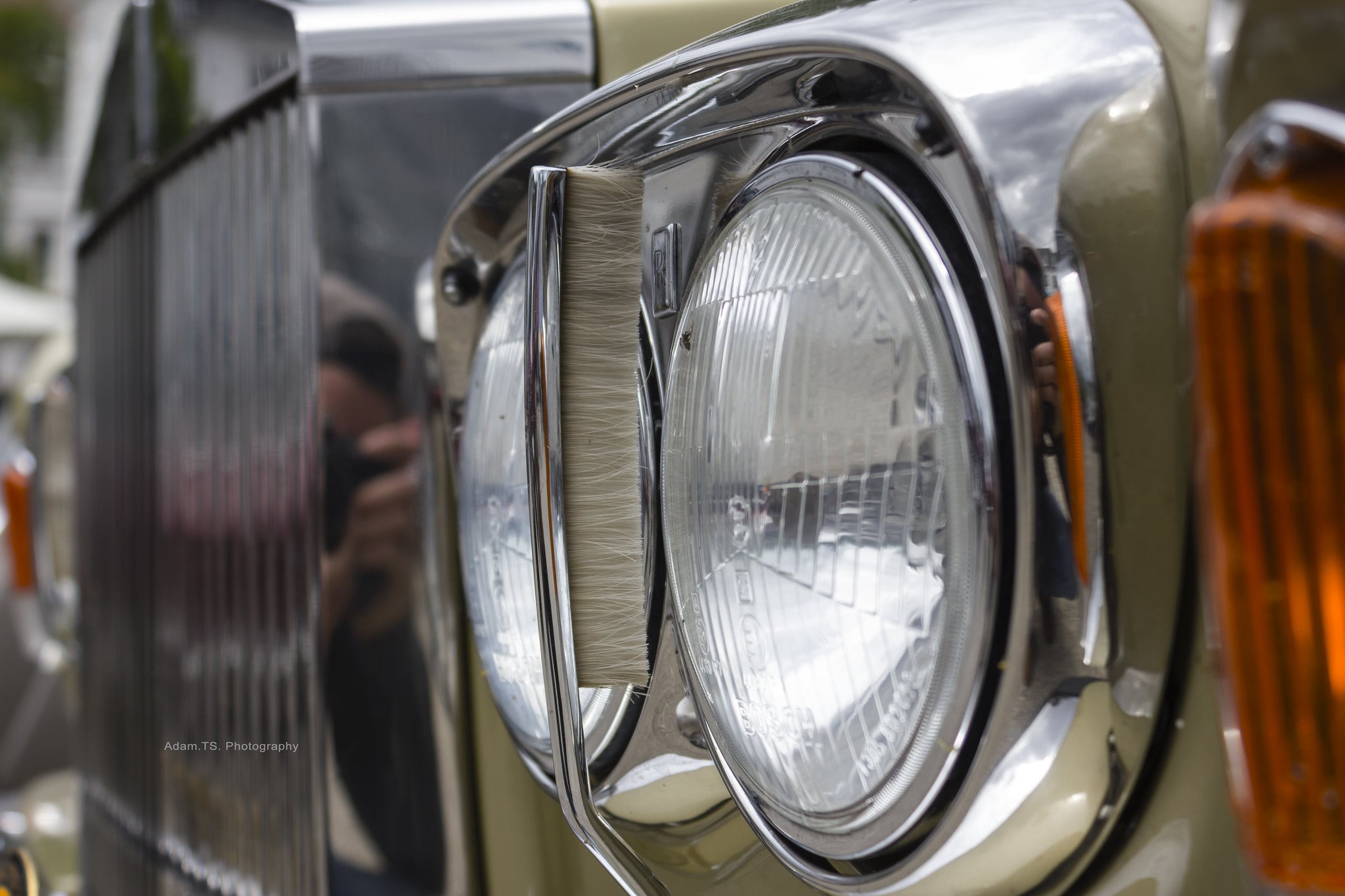
This one showed up mostly in European cars. Headlights got their own tiny windshield wipers to clean off snow, mud, or bugs.
It looked clever, but many drivers found it unnecessary. The small wipers were prone to breaking, and fixing them wasn’t cheap.
In the end, regular car washes handled the job just fine.
When ideas outrun the road

Some of these gadgets were ahead of their time. Others were just strange experiments that probably looked better in a brochure than they did on the highway.
But they all had one thing in common: they showed how car makers weren’t afraid to try something different, even if it didn’t always work.
Like Go2Tutors’s content? Follow us on MSN.
Looking back, it’s easy to laugh at some of these ideas

But they also helped shape the features we take for granted today. Whether useful or not, each one played a small part in the story of car innovation.
More from Go2Tutors!

- 16 Historical Figures Who Were Nothing Like You Think
- 12 Things Sold in the 80s That Are Now Illegal
- 15 VHS Tapes That Could Be Worth Thousands
- 17 Historical “What Ifs” That Would Have Changed Everything
- 18 TV Shows That Vanished Without a Finale
Like Go2Tutors’s content? Follow us on MSN.