18 Unusual Gemstones with Unique Colors
When most people think of gemstones, they picture the classic brilliance of diamonds, the deep red of rubies, or the ocean blue of sapphires. Hidden within the Earth’s depths, though, lie gemstones that display colors so unusual and captivating they seem almost otherworldly.
These rare beauties showcase nature’s incredible ability to create stunning hues that challenge our expectations and redefine what we consider possible in the mineral kingdom.
From stones that change color depending on the light to gems displaying colors so rare they were only recently discovered, these unusual gemstones represent some of the most extraordinary treasures our planet has produced. Each one tells a unique story of geological processes, chemical composition, and the incredible forces that create such remarkable beauty.
Here are 18 unusual gemstones whose unique colors make them among the most fascinating and sought-after minerals on Earth.
Painite – Deep Reddish-Brown to Orange-Red

Once considered the rarest mineral on Earth, painite displays a mesmerizing reddish-brown to orange-red color that seems to glow from within. For decades after its discovery in 1951 — only two specimens existed worldwide, making it literally priceless.
The gemstone’s unique color comes from its unusual combination of boron and zirconium, elements that rarely occur together in nature. Today, fewer than 1,000 painite specimens have been found, mostly in Myanmar’s Mogok region — their hexagonal crystal structure creates remarkable pleochroism that shows different colors from different angles.
Red Beryl (Bixbite) – Intense Strawberry Red
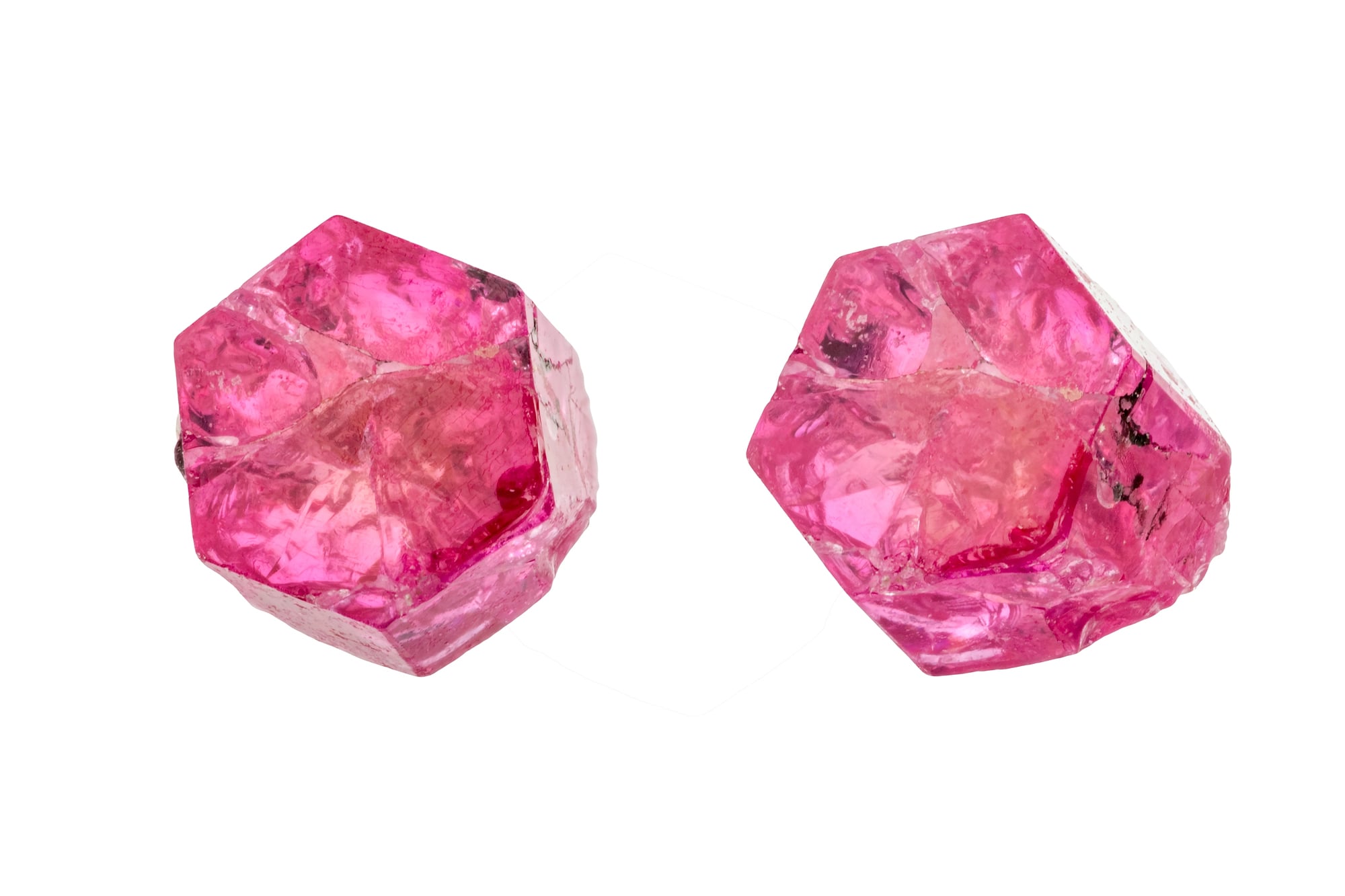
Red beryl, also known as bixbite, displays an intense strawberry-red color that’s estimated to be 1,000 times rarer than diamonds. Found primarily in Utah’s Wah Wah Mountains, this gemstone gets its stunning red hue from trace amounts of manganese within its crystal structure.
Only about 5% of all red beryl discovered is gem-quality — approximately one out of every 150,000 crystals meets the standards for faceting. The vibrant red color is so pure and intense that red beryl can cost $10,000 per carat, making it one of the most expensive gemstones per carat in the world.
Like Go2Tutors’s content? Follow us on MSN.
Alexandrite – Color-Changing Green to Red
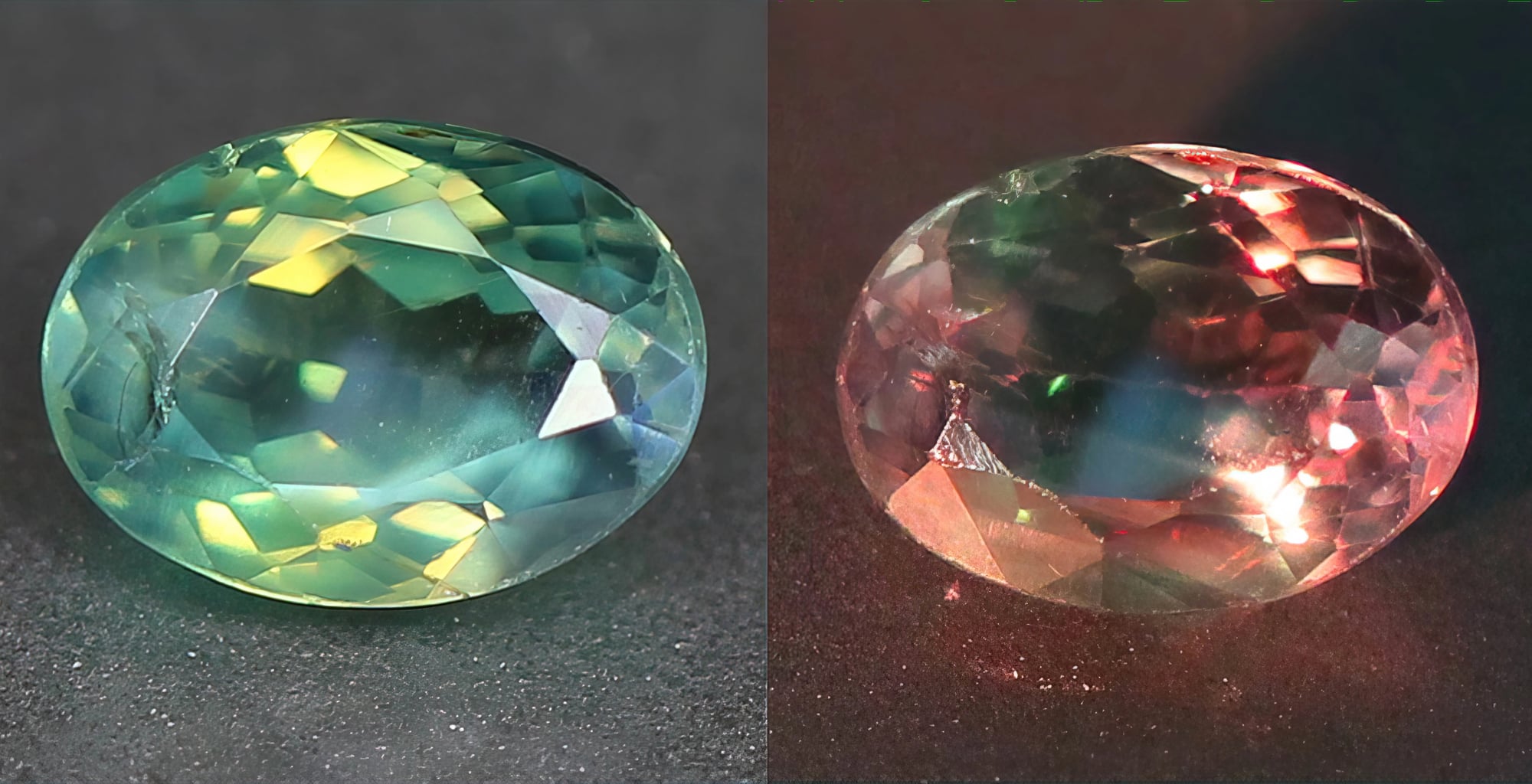
Known as “emerald by day, ruby by night,” alexandrite exhibits one of nature’s most dramatic color changes — shifting from bluish-green in daylight to purplish-red under incandescent light. This rare variety of chrysoberyl was first discovered in Russia’s Ural Mountains in 1830 and named after the future Tsar Alexander II.
The color change occurs due to the gemstone’s unique light-absorbing properties, specifically how chromium ions within the crystal structure interact with different wavelengths of light. The most valuable alexandrites show a complete color transformation — specimens larger than one carat with strong color change can command prices exceeding $15,000 per carat.
Paraiba Tourmaline – Electric Neon Blue-Green
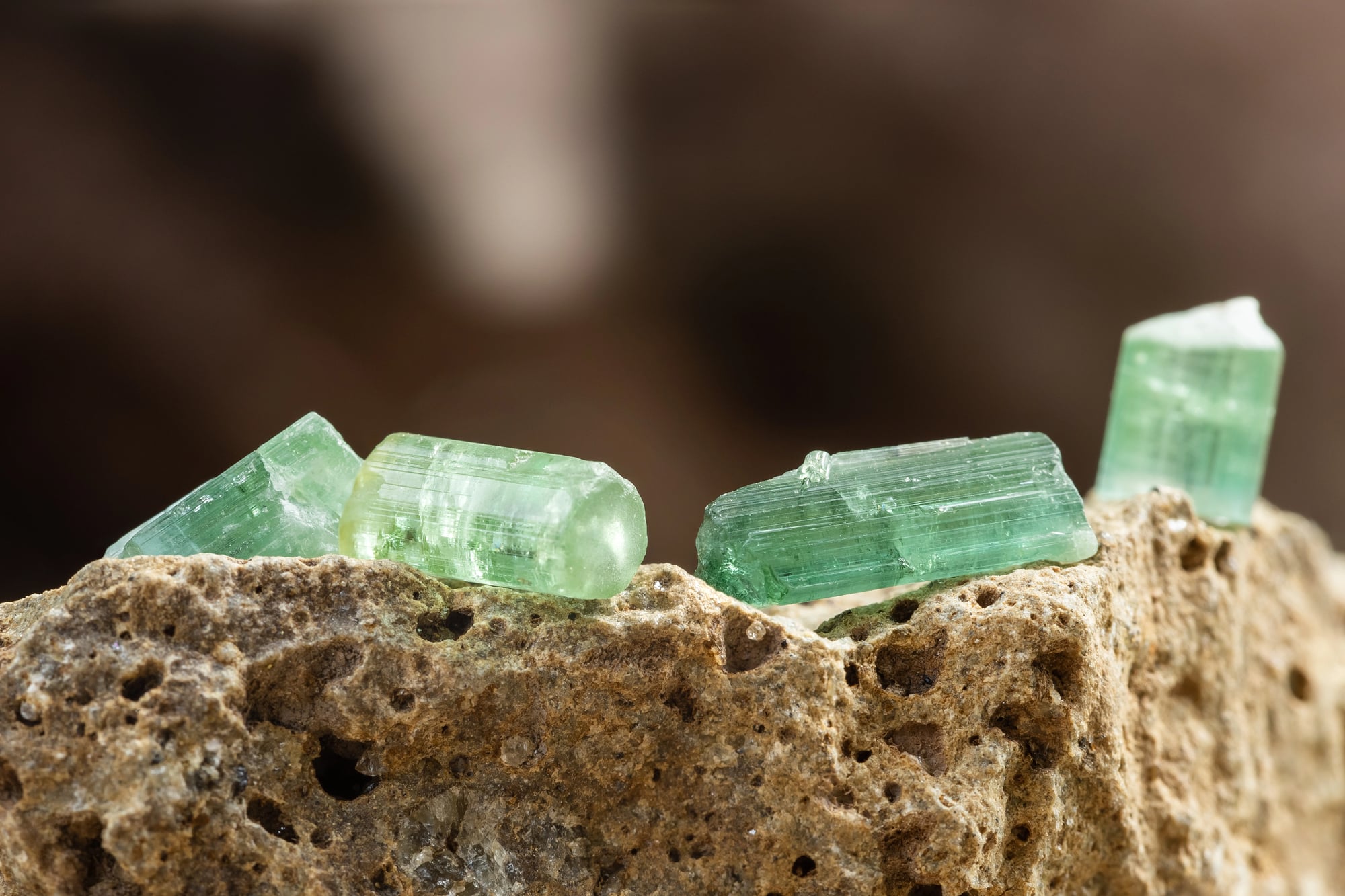
When paraiba tourmaline was discovered in Brazil’s Paraíba state in the 1980s, its electric neon blue-green color stunned the gemstone world with its unprecedented intensity. The gemstone’s remarkable coloration comes from copper and manganese traces that create a luminous glow unlike any other mineral.
These copper-bearing gems also occur in Mozambique and Nigeria — though Brazilian specimens remain the most prized. The vivid, almost supernatural blue-green hue appears to glow from within, while high-quality specimens can sell for $60,000 per carat, making them among the most expensive tourmalines ever discovered.
Jeremejevite – Colorless to Pale Blue
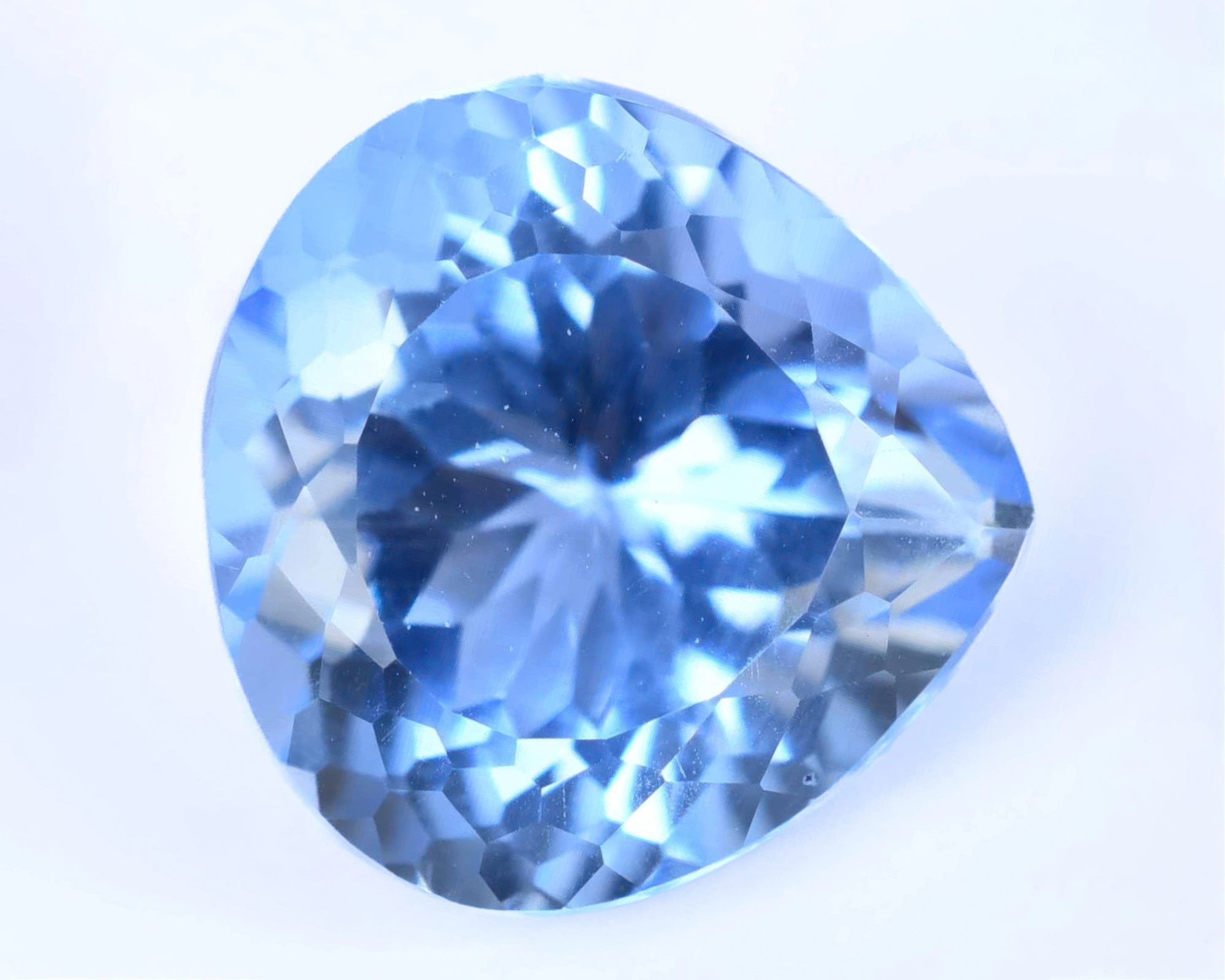
Jeremejevite displays a delicate palette ranging from completely colorless to the palest sky blue — creating an ethereal beauty that seems almost too perfect to be natural. First discovered in Siberia in 1883 and initially mistaken for aquamarine, this aluminum borate mineral is incredibly rare and seldom seen in jewelry.
The pale blue varieties get their subtle color from iron impurities — while the colorless specimens are prized for their exceptional clarity and brilliance. Most jeremejevite crystals are kept by mineral collectors rather than being faceted, as their extreme rarity makes them too valuable to risk cutting.
Like Go2Tutors’s content? Follow us on MSN.
Benitoite – Sapphire Blue with Exceptional Fire
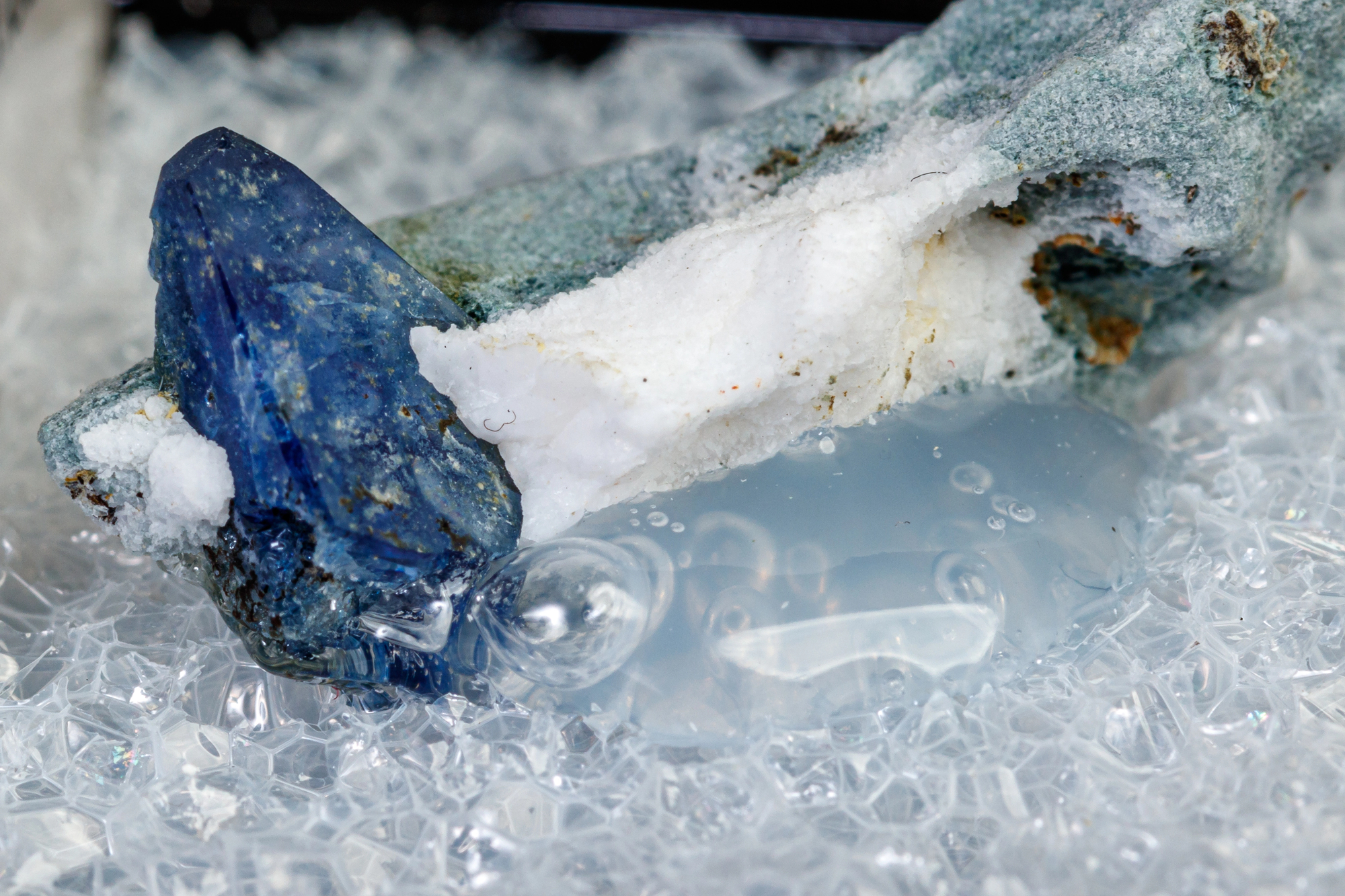
Found only in San Benito County, California, benitoite displays a pure sapphire-blue color combined with light dispersion that exceeds even diamonds. This unique gemstone is California’s official state gem and represents one of the rarest crystal structures in the world.
The intense blue color comes from titanium impurities — under ultraviolet light, benitoite fluoresces bright blue-white, creating an almost magical appearance. Its exceptional “fire” or light dispersion creates rainbow flashes that make it more brilliant than many better-known gemstones, yet its extreme rarity means few people have ever seen one.
Padparadscha Sapphire – Lotus Blossom Pink-Orange
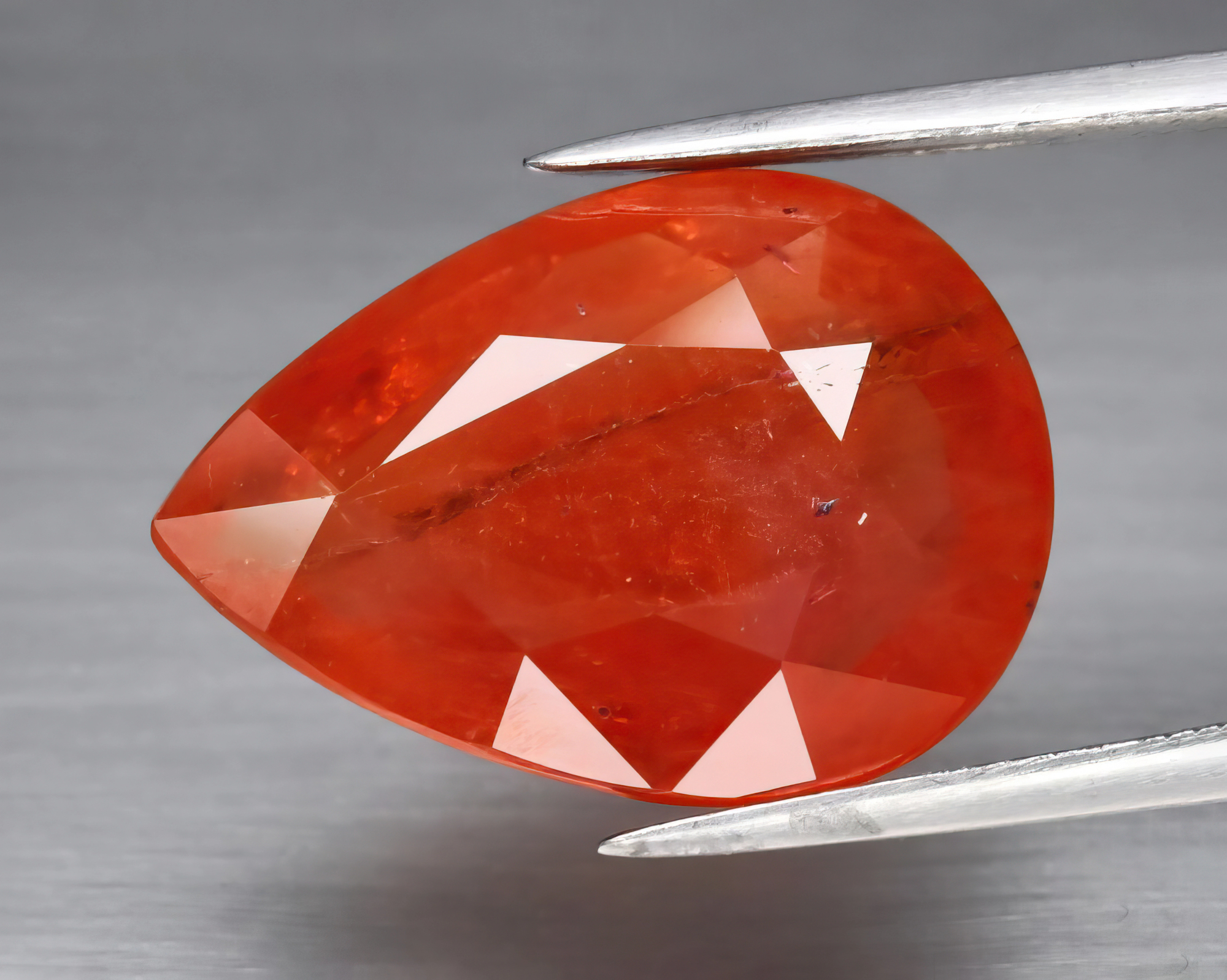
Padparadscha sapphires display a unique pink-orange color reminiscent of a tropical sunset — with hues that perfectly blend the warmth of pink with the vibrancy of orange. The name comes from the Sinhalese word for lotus blossom, reflecting the gemstone’s delicate, flower-like coloration.
These rare sapphires are found primarily in Sri Lanka and Madagascar — the finest specimens showing an even balance of pink and orange without one color dominating the other. The subtle color blend makes padparadscha sapphires among the most valuable colored sapphires, often commanding higher prices than blue sapphires of similar quality.
Taaffeite – Lavender to Mauve Purple
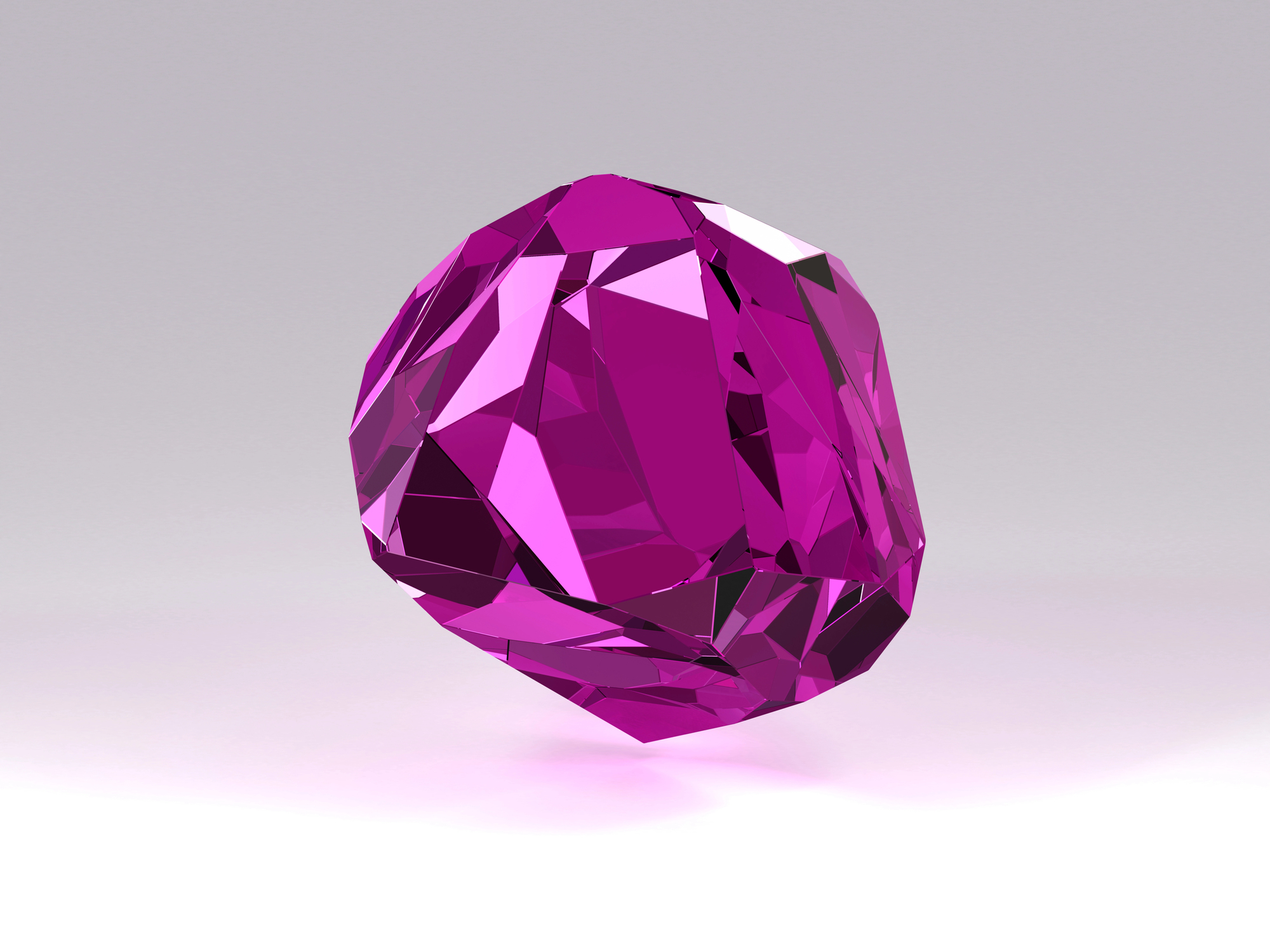
Unlike other gemstones, taaffeite exhibits delicate lavender to mauve purple hues that produce a subtle elegance. With the majority of specimens found in Tanzania and Sri Lanka, this extremely rare mineral is thought to be more than a million times rarer than diamonds.
When taaffeite was first found, it was thought to be spinel. Its complex chemical composition, which includes beryllium, magnesium, and aluminum, gives it its distinctive color.
Because of its scarcity, most people will never see a real taaffeite specimen. The gemstone’s soft purple hues range from pale lavender to deeper mauve tones.
Like Go2Tutors’s content? Follow us on MSN.
Color-Change Garnet – Blue-Green to Purple-Red
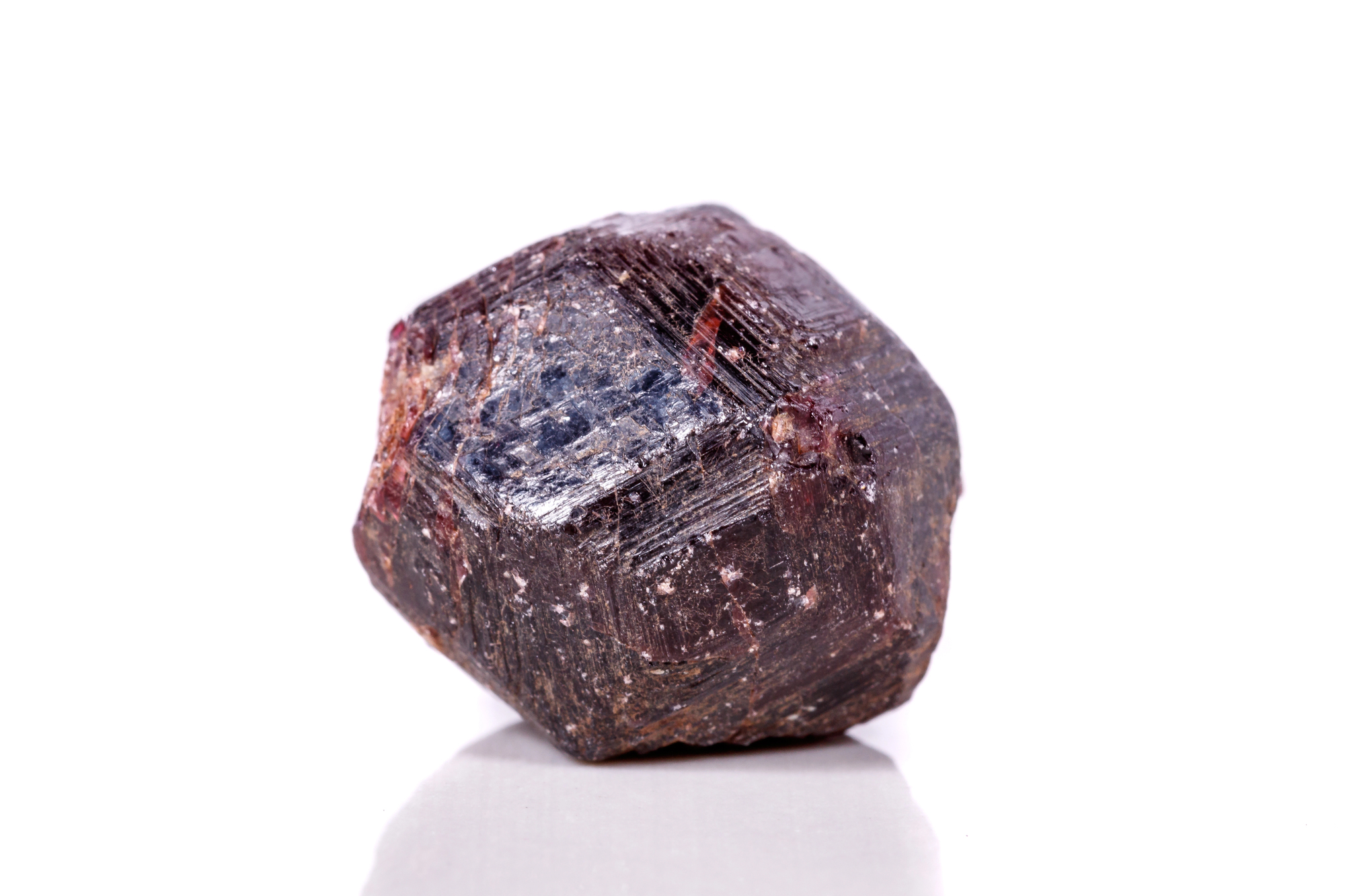
Color-change garnets exhibit some of the most dramatic color transformations in the mineral kingdom — shifting from blue-green in daylight to vibrant purple-red under incandescent lighting. These remarkable gems are often mistaken for alexandrite due to their similar color-changing properties, yet they belong to the garnet family and display their own unique characteristics.
The color change occurs due to specific combinations of chromium and vanadium within the crystal structure — the finest specimens show a complete transformation between two distinct colors. Some color-change garnets can even display three different colors depending on the lighting conditions.
Zultanite (Diaspore) – Kiwi Green to Raspberry Pink
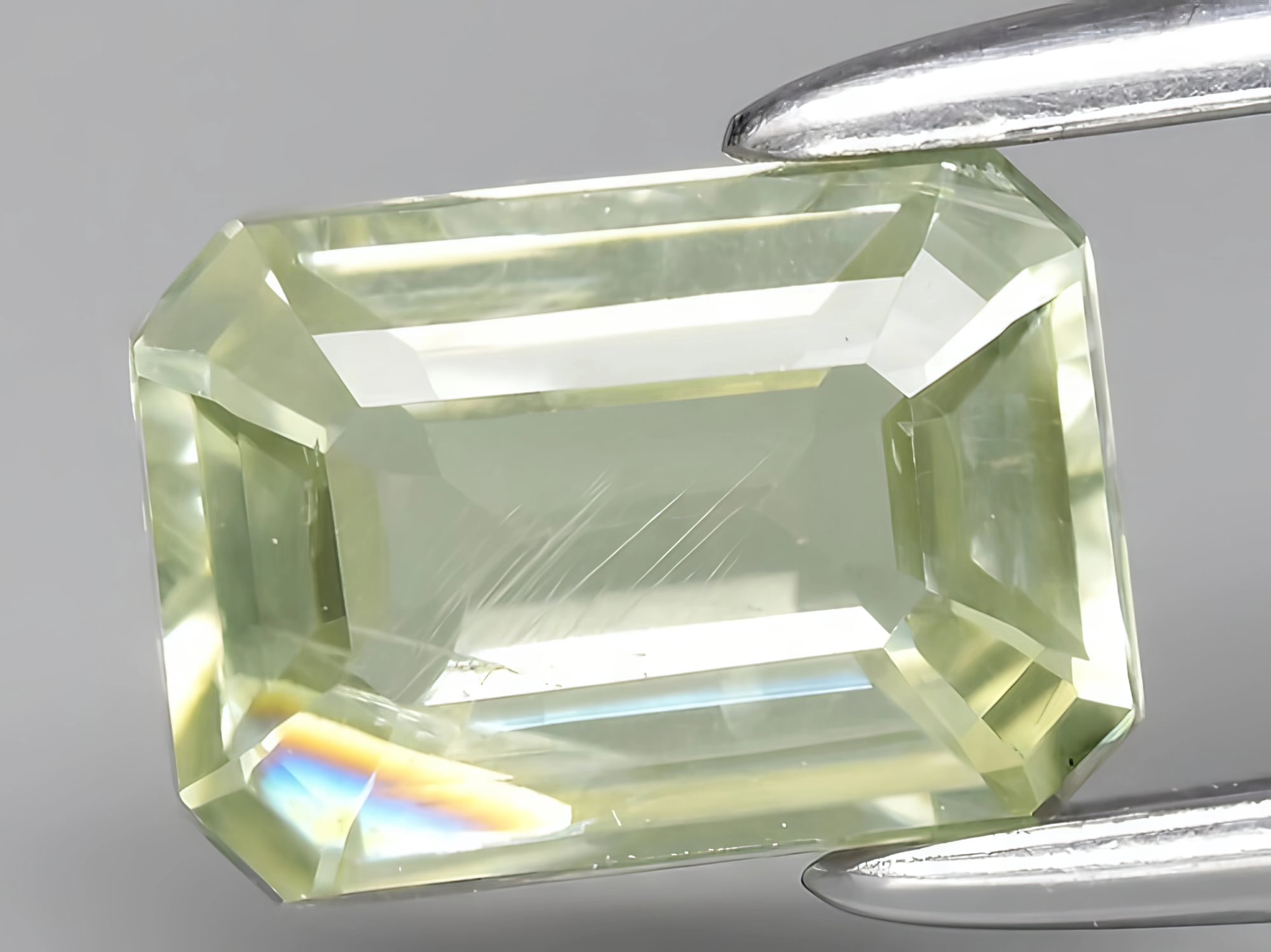
The gem-quality diaspore known by its trade name, zultanite, exhibits a remarkable spectrum of hues, ranging from raspberry pink in candlelight to kiwi green in sunlight, with champagne and yellow tones in between. This rare gemstone, which can only be found in the Anatolian Mountains of Turkey, has one of the widest color ranges of any mineral.
Depending on the light source, zultanite can display khaki greens, sage greens, cognac pinks, canary yellows, and rich champagnes, in contrast to other color-changing gems that usually only change between two colors. Each specimen is unique due to the gemstone’s pleochroism and color-changing ability, which produce a constantly shifting display of hues.
Tanzanite – Blue-Violet with Trichroism
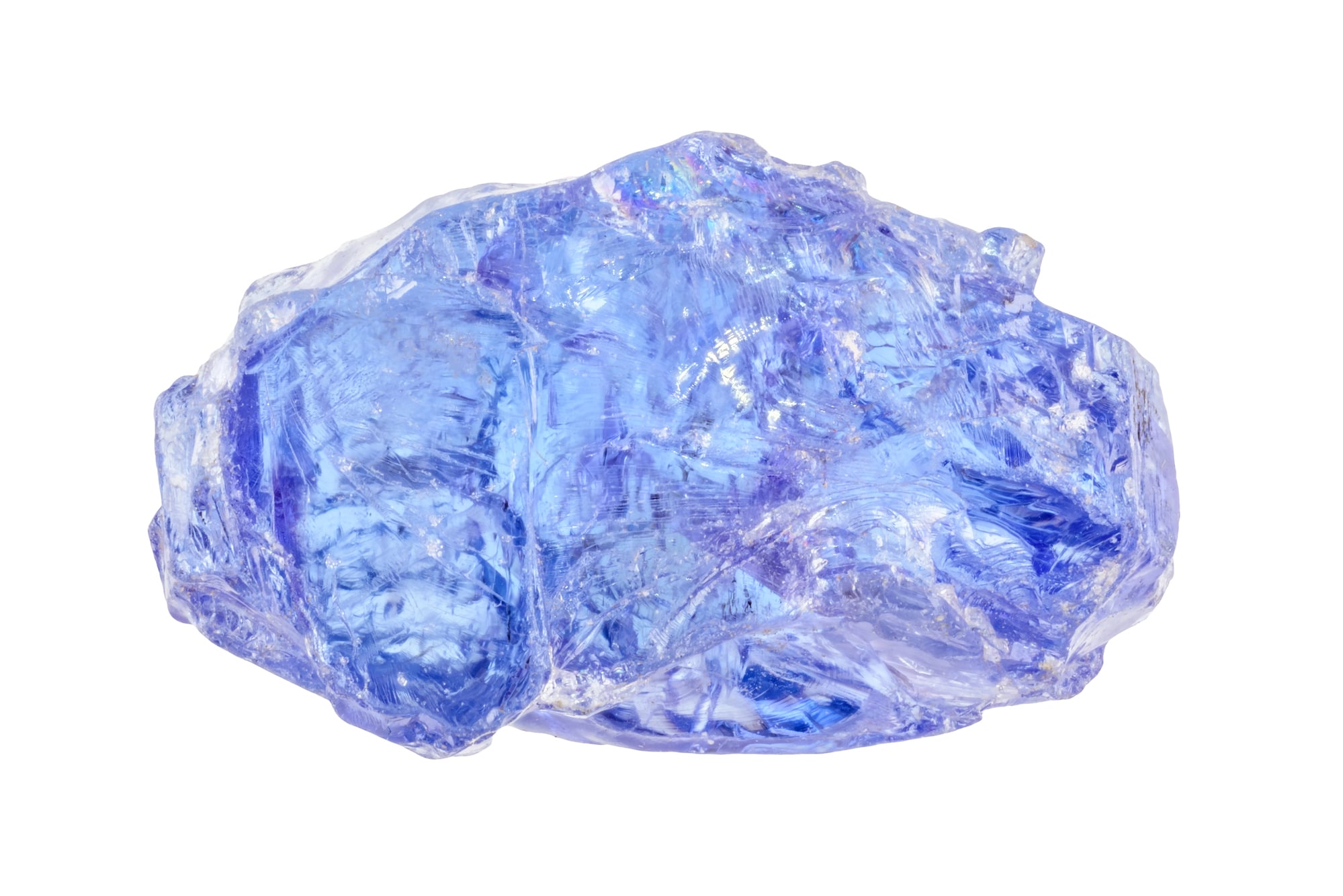
Only found in a four-square-mile region close to Tanzania’s Mount Kilimanjaro, tanzanite exhibits a distinctive blue-violet hue with exceptional trichroism, which reveals blue, violet, and burgundy depending on the angle. Vanadium impurities give this type of zoisite its gorgeous color, and heat treatment is usually necessary to bring out its blue-violet undertones.
Tanzanite is becoming more and more valuable due to its restricted geographic distribution and the likelihood that mines may run out of material in a few decades. It is one of the most well-known colored gemstones found in the 20th century because of its unique color, which in some lighting seems almost electric.
Like Go2Tutors’s content? Follow us on MSN.
Musgravite – Gray to Dark Purple-Gray
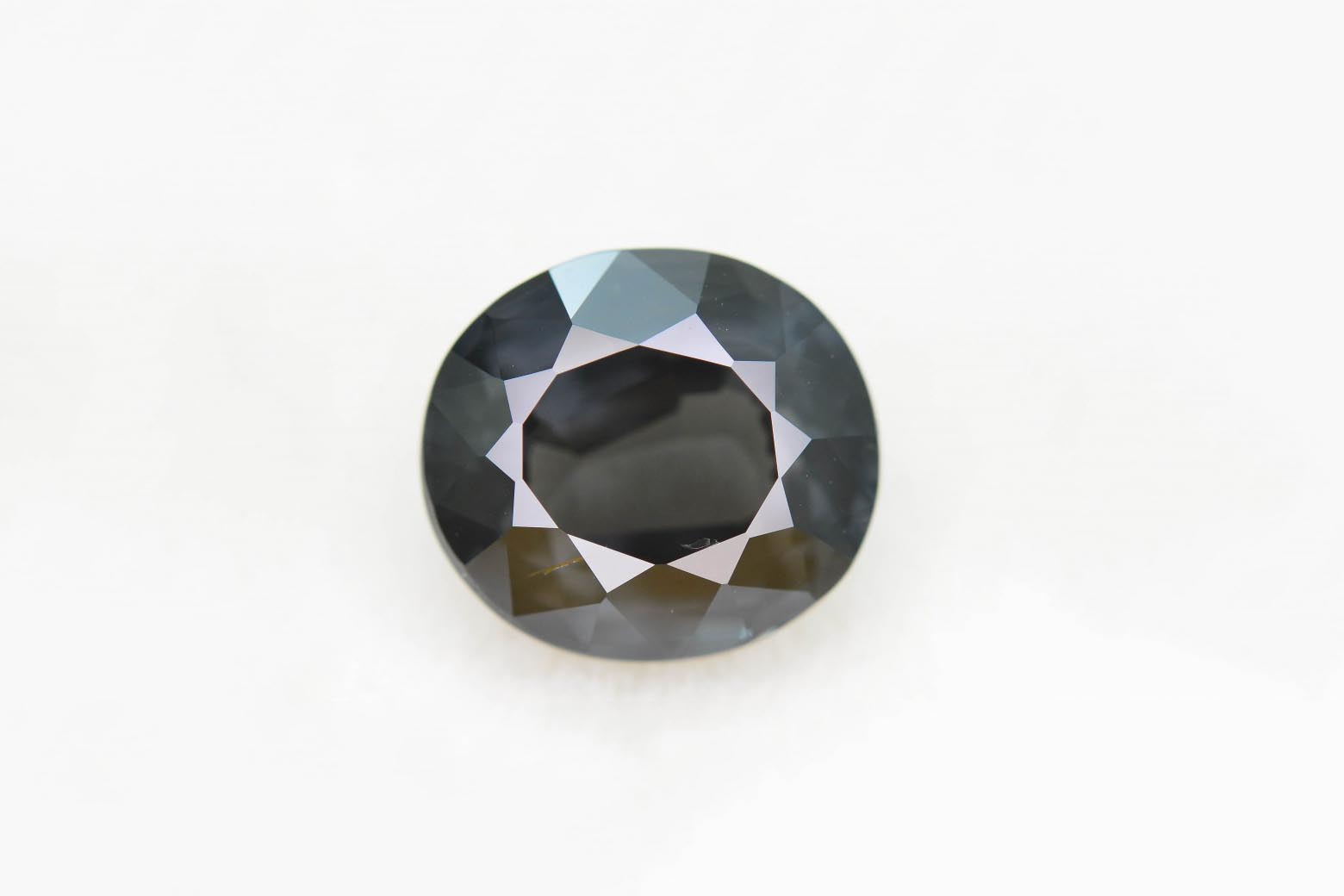
Musgravite displays subtle gray to dark purple-gray colors that create a sophisticated, understated beauty rarely seen in other gemstones. First discovered in Australia’s Musgrave Ranges in 1967, this extremely rare member of the taaffeite family has since been found in Madagascar, Greenland, and Sri Lanka.
The gemstone’s muted colors range from light gray to deep charcoal with purple undertones, while its exceptional rarity means that only a handful of gem-quality specimens exist worldwide. Past musgravite specimens have sold for upwards of $35,000 per carat, reflecting both their scarcity and unique aesthetic appeal.
Black Opal – Dark Body with Rainbow Fire
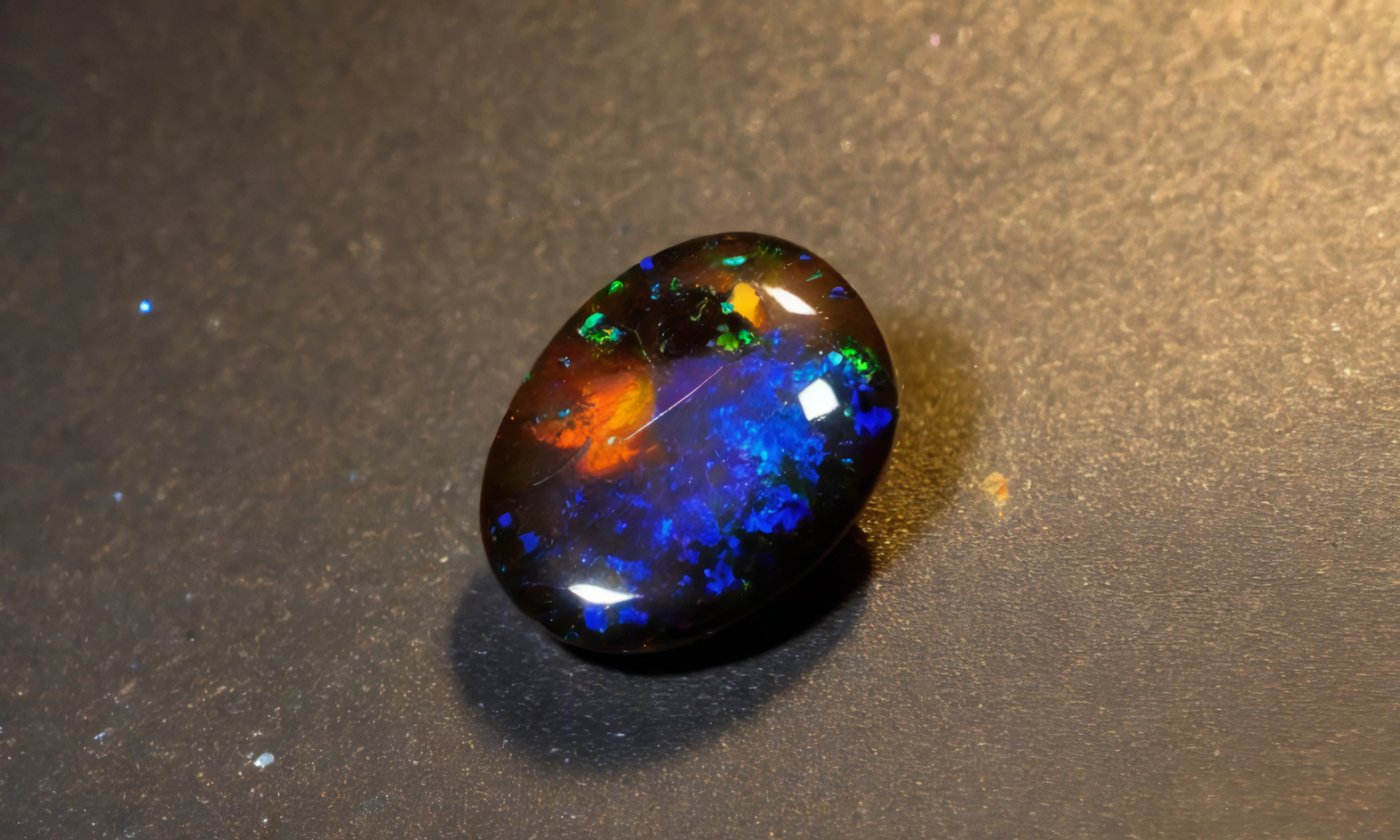
Black opal displays brilliant flashes of color against a dark charcoal or black background, creating an effect reminiscent of the Northern Lights captured in stone. Found almost exclusively in Lightning Ridge, Australia, black opal is the rarest and most valuable type of opal due to its dramatic color contrast.
The dark body tone intensifies the play-of-color, making the rainbow flashes appear more vivid and striking than in other opal varieties. The spectacular display of colors results from the diffraction of light through microscopic silica spheres, though the finest black opals can exhibit every color of the spectrum in a single stone.
Grandidierite – Blue-Green with Three-Color Pleochroism
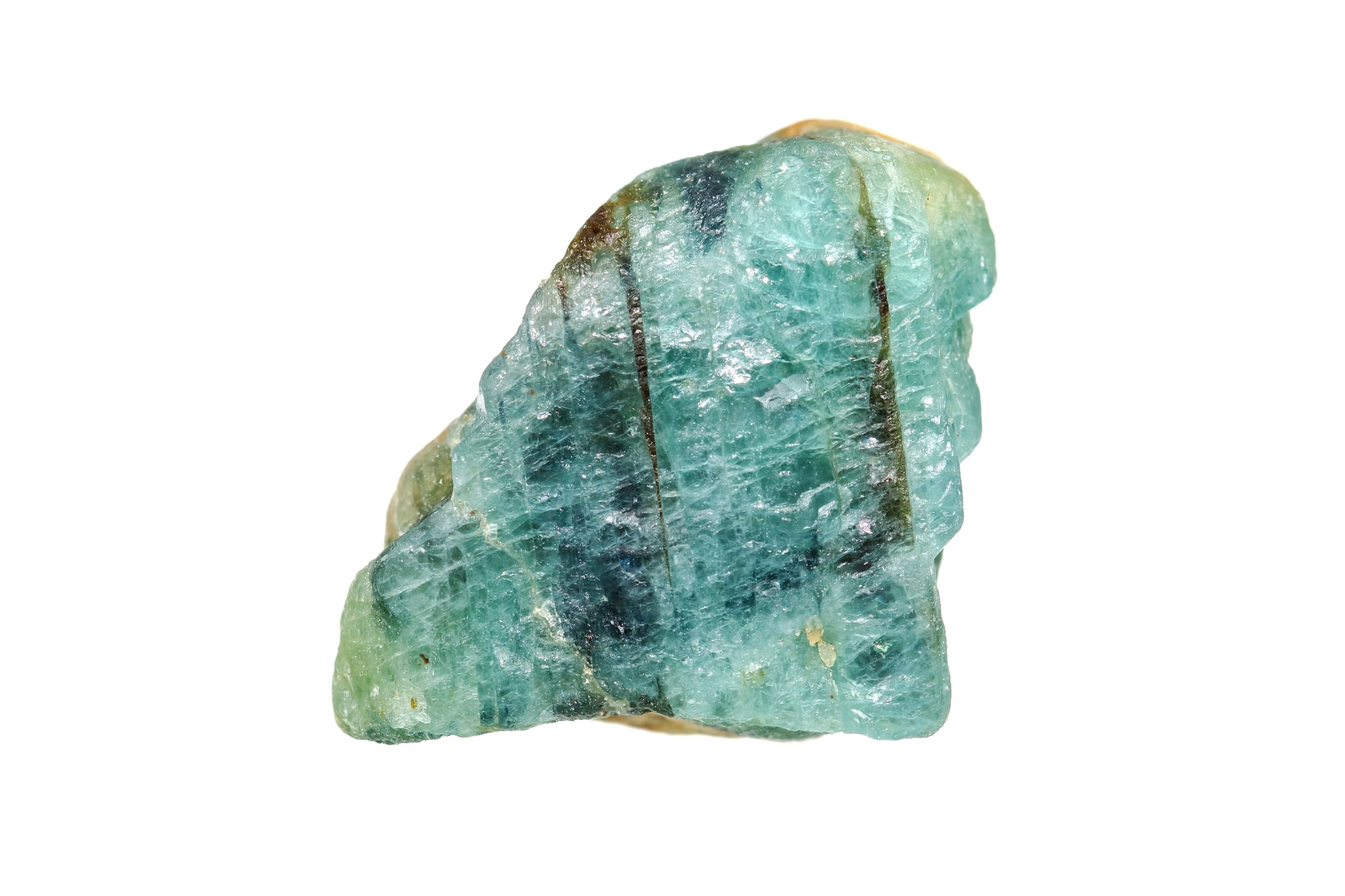
Grandidierite displays a distinctive blue-green color with remarkable trichroism that shows three different colors depending on the viewing angle. Discovered in Madagascar in 1902, this rare mineral can appear blue-green, clear to yellow, or light jade green when viewed from different directions.
The gemstone’s unique optical properties result from its complex crystal structure, while gem-quality specimens are extremely rare. Most grandidierite remains in mineral collections rather than being cut into jewelry, as its scarcity and scientific importance make it too valuable to risk damaging during the cutting process.
Like Go2Tutors’s content? Follow us on MSN.
Moldavite – Forest Green Tektite Glass
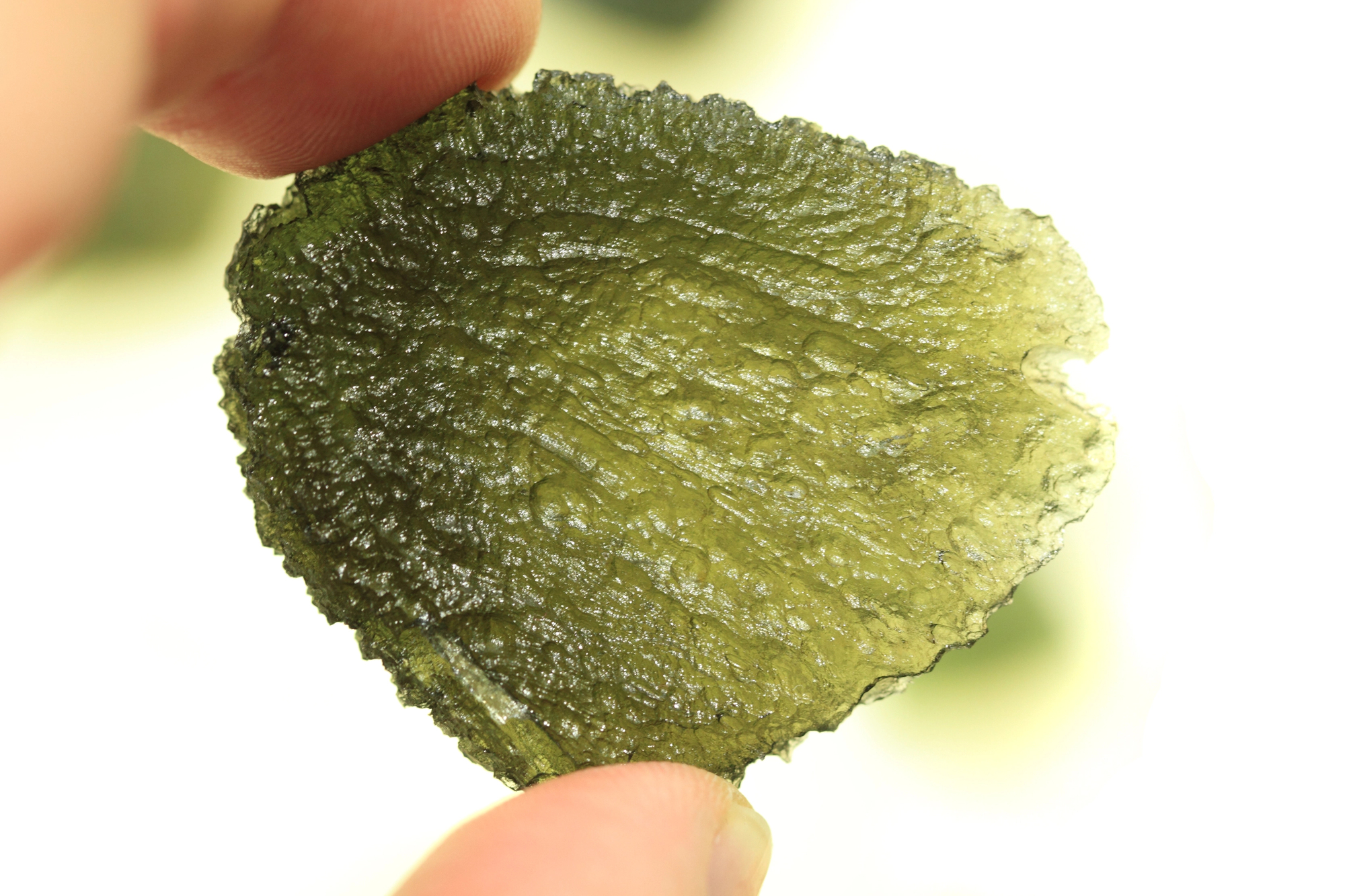
Moldavite displays a distinctive forest green color with a natural glass-like appearance that immediately sets it apart from traditional gemstones. This tektite formed approximately 15 million years ago when a meteorite impact in Bavaria created natural glass from terrestrial materials.
The unique green color comes from iron impurities and the rapid cooling process that occurred during the impact event. Moldavite’s surface often shows natural etching patterns that create a distinctive texture, yet its extraterrestrial origin combined with its limited supply from Czech Republic deposits makes it highly sought after by collectors.
Red Diamond – Pure Intense Red
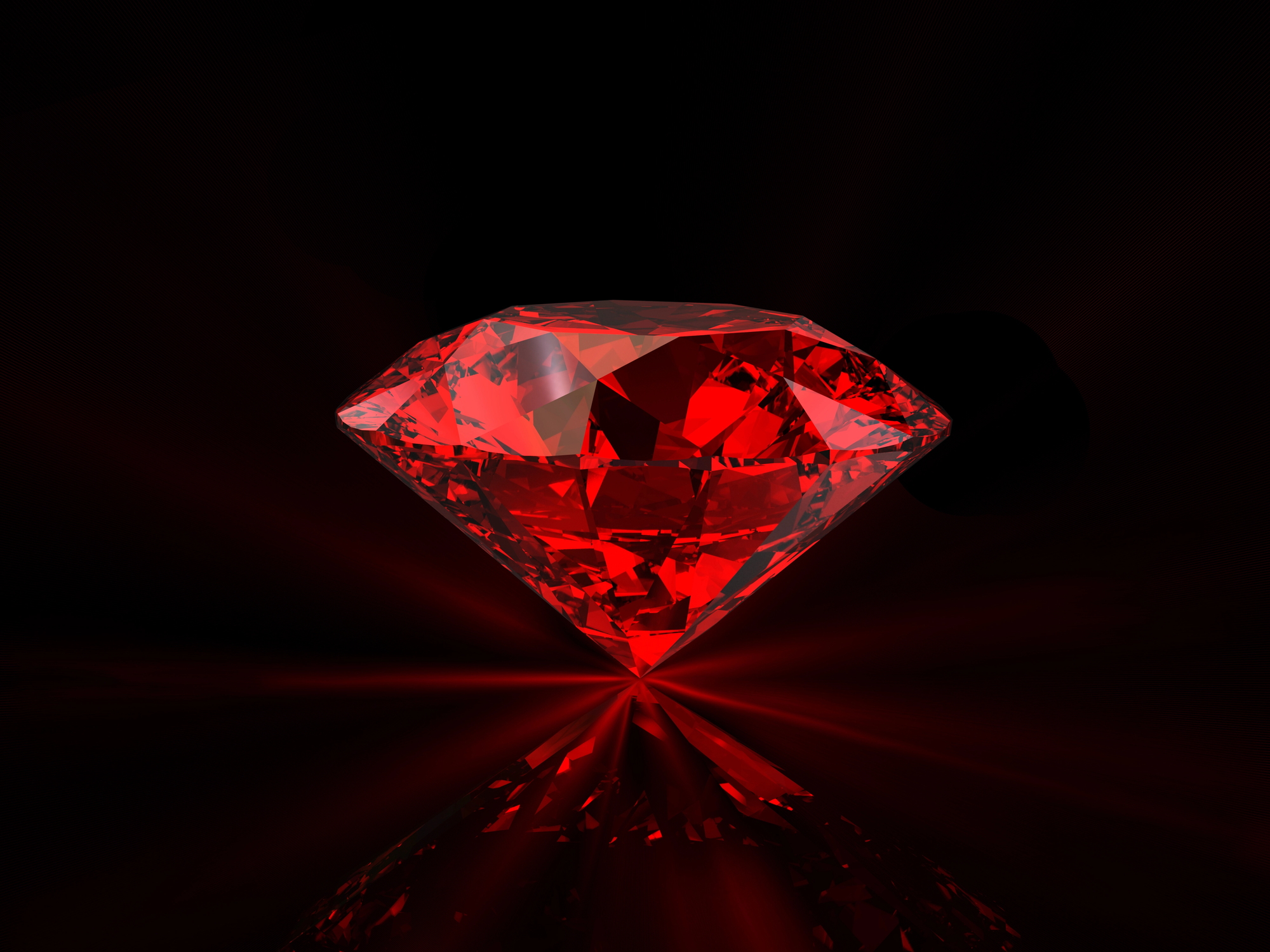
Red diamonds represent the rarest and most expensive colored diamonds, displaying a pure, intense red color without any secondary hues. Only a handful of true red diamonds exist worldwide, with most weighing less than one carat, making them exponentially rarer than other fancy colored diamonds.
The red color comes from a rare type of crystal lattice distortion that occurs during formation, though unlike other colored diamonds that get their hues from impurities, red diamonds derive their color from structural defects. The few red diamonds that have appeared at auction have sold for over $1 million per carat, setting records for the highest prices ever paid for gemstones.
Serendibite – Deep Blue to Blue-Green
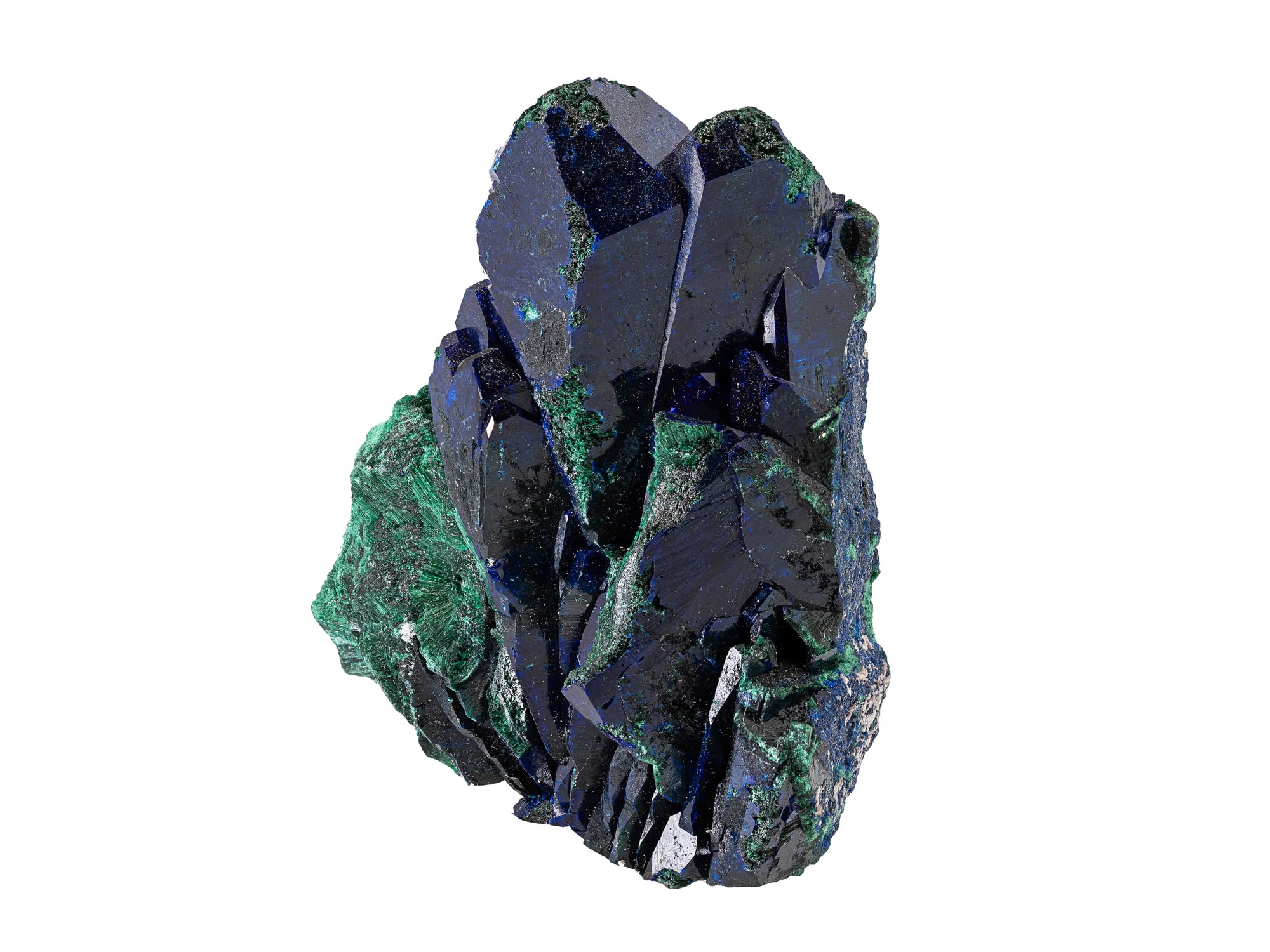
Within its crystal structure, serendibite exhibits deep blue to blue-green hues that appear to encapsulate the essence of tropical ocean depths. This rare mineral exhibits remarkable pleochroism, with different blue and green hues visible from different angles.
It is named after Serendib, the ancient Arabic name for Sri Lanka, where it was first discovered. The gemstone’s distinctive mineral composition of silicon, magnesium, oxygen, and aluminum results in intricate light interactions that give it its distinctive colors and deep coloration.
Collectors looking for gems with both beauty and historical significance particularly value serendibite because of its rarity and association with Sri Lankan gemstone heritage.
Like Go2Tutors’s content? Follow us on MSN.
Poudretteite – Pink to Deep Magenta
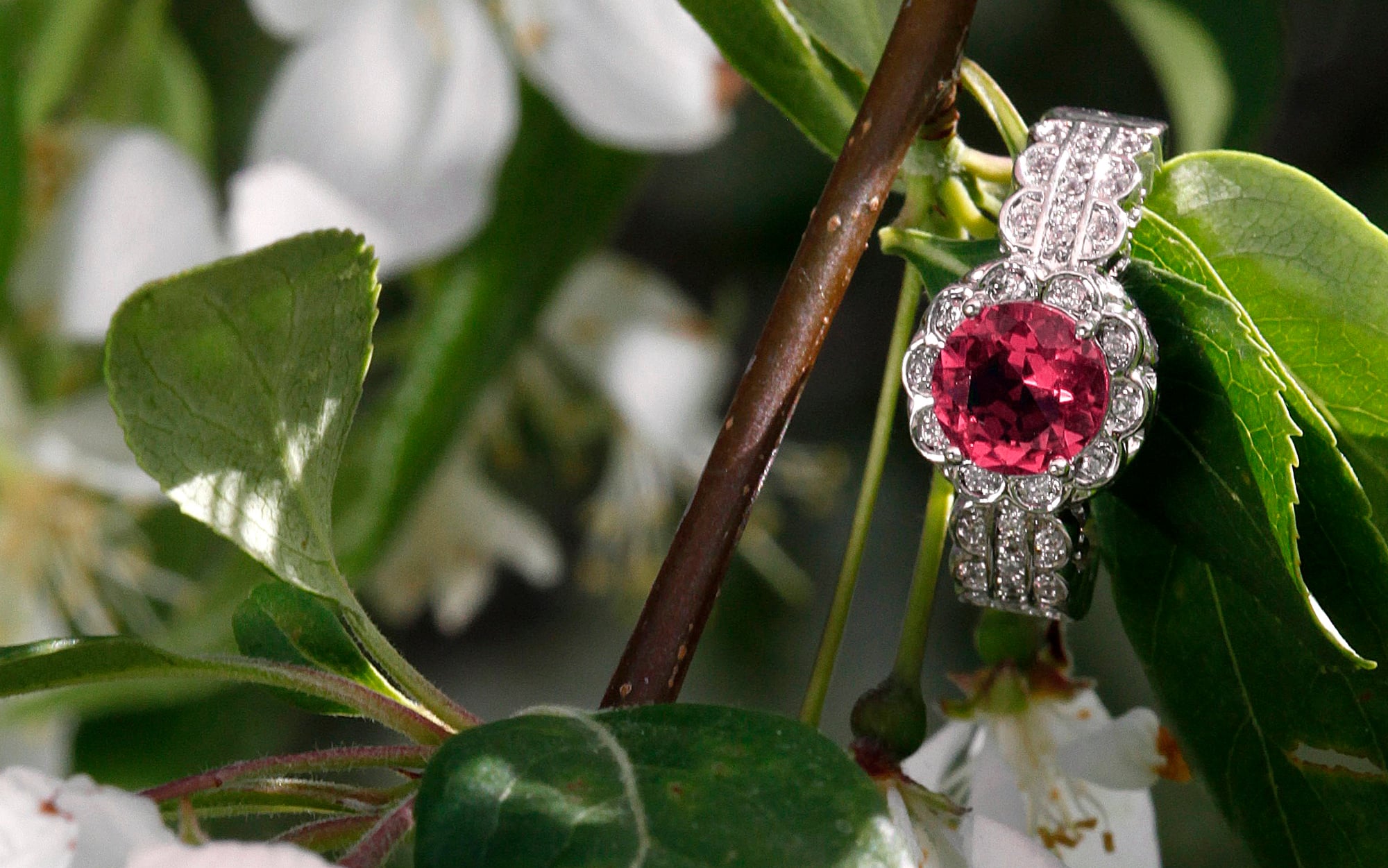
Poudretteite produces some of the most exquisite pink hues of any gemstone, ranging from soft blush to rich magenta. One of the rarest gems in the world, this incredibly rare mineral was initially found in Mont Saint-Hilaire, Quebec, Canada.
The gemstone’s distinct chemical makeup and crystal structure produce subtle variations in hue intensity, giving it its pink coloration. The remarkable pink hues, exceptional rarity, and scientific interest of poudretteite combine to create a gemstone of unmatched charm that enthralls both geologists and collectors with its beauty.
Nature’s Hidden Masterpieces
These unusual gemstones prove that nature’s creativity knows no bounds when it comes to producing extraordinary colors and optical effects. From the color-changing magic of alexandrite to the extraterrestrial origins of moldavite, each gem represents millions of years of geological processes that created something truly unique.
While their rarity means most people will never own these remarkable stones, their existence reminds us that our planet continues to surprise us with hidden treasures that challenge our understanding of what’s possible in the natural world. These gems don’t just display unusual colors — they showcase the incredible artistry that occurs when time, pressure, and chemistry combine to create some of Earth’s most magnificent masterpieces.
More from Go2Tutors!

- 16 Historical Figures Who Were Nothing Like You Think
- 12 Things Sold in the 80s That Are Now Illegal
- 15 VHS Tapes That Could Be Worth Thousands
- 17 Historical “What Ifs” That Would Have Changed Everything
- 18 TV Shows That Vanished Without a Finale
Like Go2Tutors’s content? Follow us on MSN.