16 Sandwiches with Legendary Backstories
Every great sandwich tells a story, but some have backstories so wild they sound like fiction. From gambling aristocrats to scorned lovers seeking revenge through spice, these handheld meals didn’t just fill stomachs—they changed culinary history forever.
These aren’t your average lunch creations thrown together on a whim. Here’s a list of 16 sandwiches whose legendary origins involve everything from late-night poker games to labor strikes, creating tales as satisfying as the sandwiches themselves.
The Earl of Sandwich
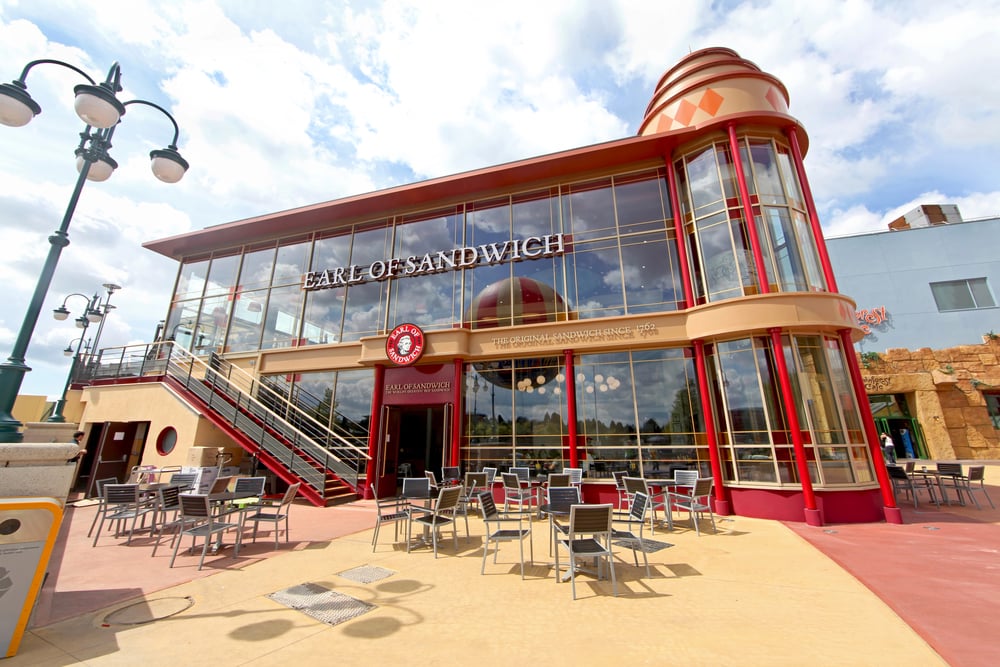
John Montagu, the 4th Earl of Sandwich, is said to have created the sandwich during a protracted gambling session in 1762, making him the grandfather of all sandwich origin tales. He asked his servant to bring him sliced beef between two pieces of bread so he could eat with one hand while still playing cards, instead of abandoning his game to eat a proper meal.
Before long, everyone was ordering “sandwiches” in his honor as the story quickly spread throughout high society in England.
Nashville Hot Chicken Sandwich
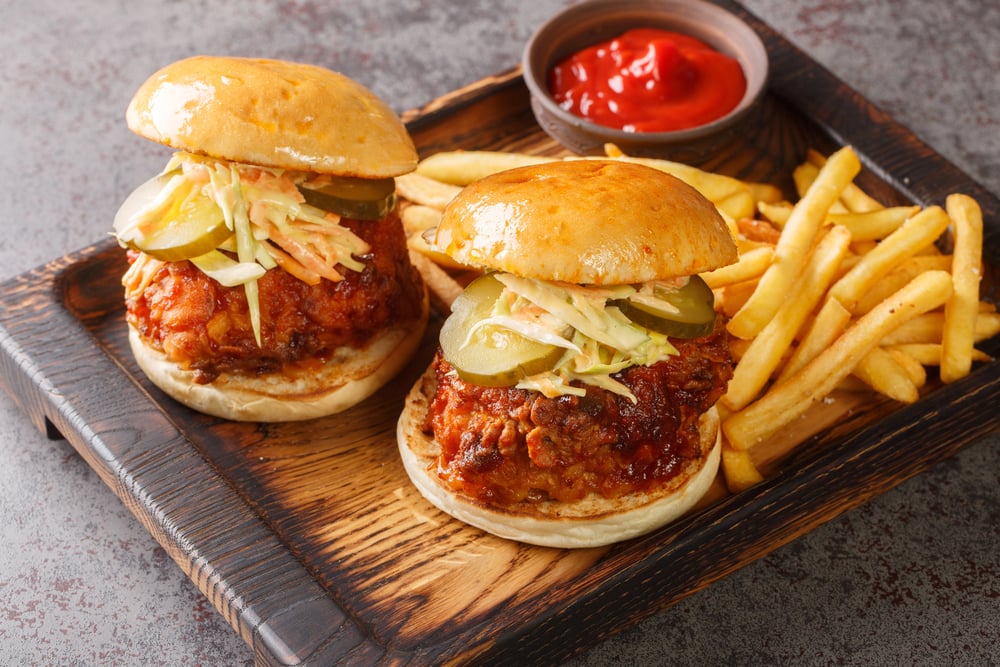
This fiery creation was born from pure revenge around 1930, when a scorned woman decided to teach her cheating boyfriend Thornton Prince a lesson he’d never forget. She prepared what she thought would be incredibly spicy fried chicken, loaded with cayenne and hot spices, expecting him to suffer through every bite.
Talk about backfiring spectacularly—Prince absolutely loved the burning sensation and asked for more, leading to the creation of Prince’s Hot Chicken Shack and Nashville’s most famous culinary export.
French Dip
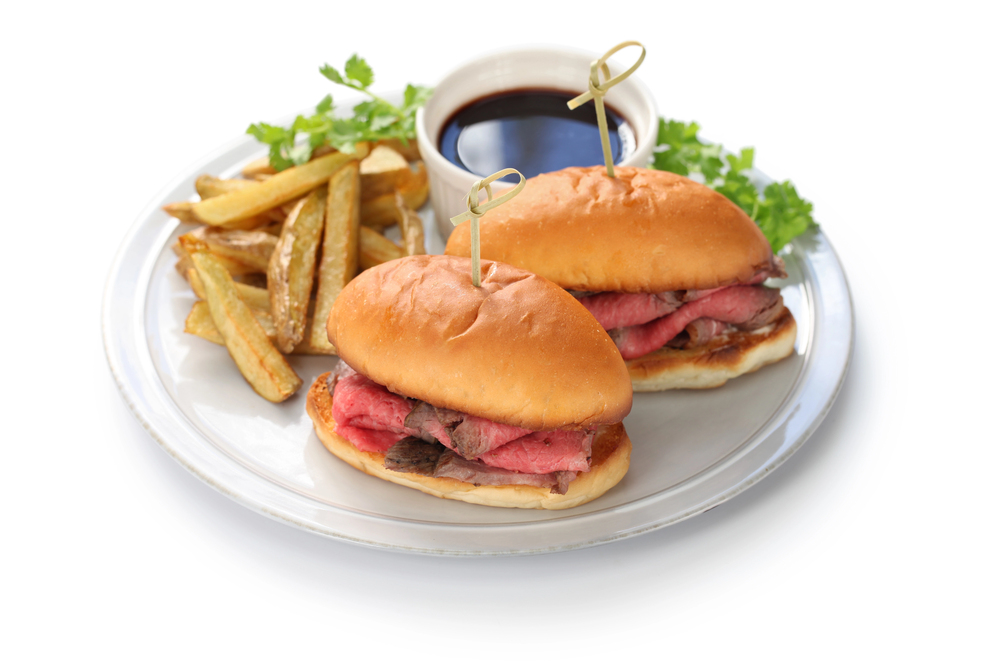
Los Angeles has been home to one of food history’s longest-running feuds, with two restaurants claiming they invented the French dip in the early 1900s. Philippe The Original claims their version came first, while Cole’s insists they were the true originators.
Both tell similar stories of accidentally dropping a sandwich into meat drippings, but neither side will budge an inch after more than a century of delicious dispute.
Hot Brown
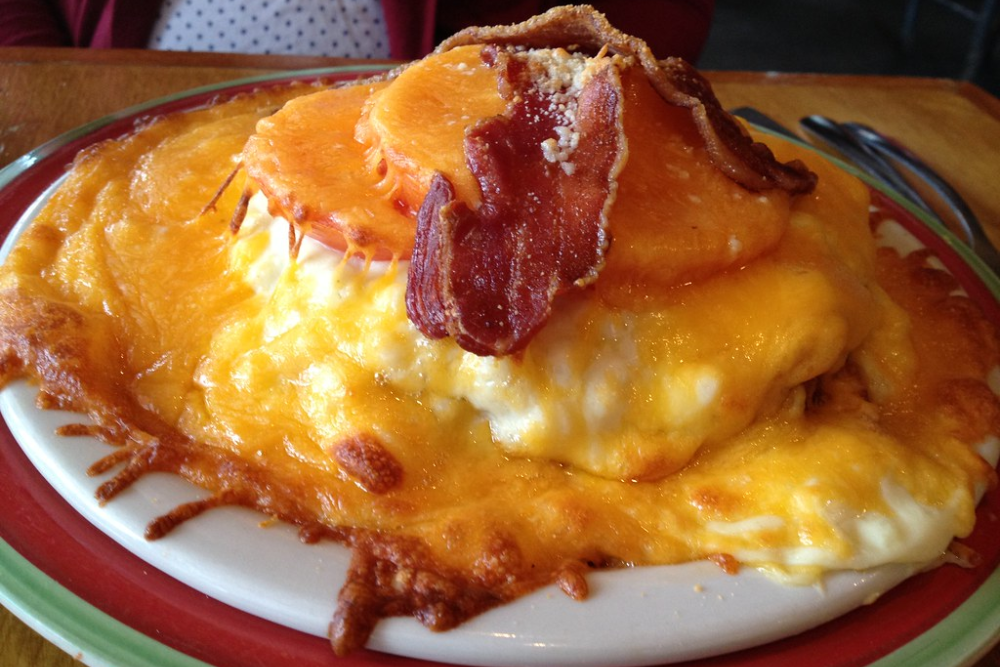
The Brown Hotel in Louisville created this decadent open-faced turkey sandwich in the 1920s as a sophisticated late-night snack for guests who’d worked up an appetite during the hotel’s popular dinner dances. Chef Fred Schmidt broiled turkey with bacon and Mornay sauce on toast, creating a dish so rich it became the hotel’s signature.
Today, the sandwich still graces the hotel’s menu and has become such a Kentucky institution that it appears at the Kentucky Derby.
Italian Beef
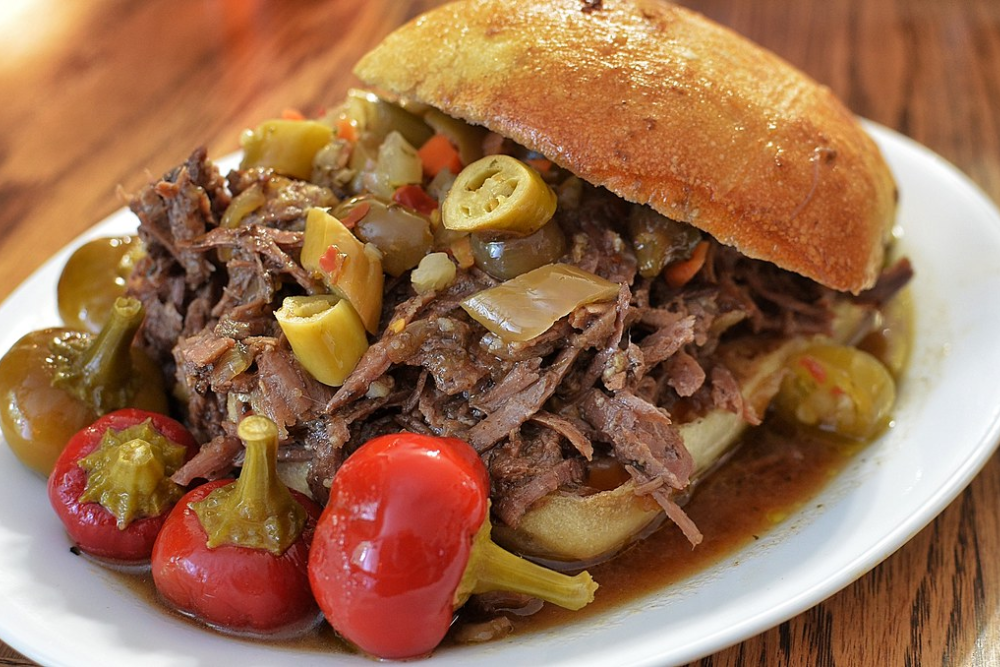
Chicago’s Italian beef sandwich traces its roots to the early 1900s when Italian immigrants needed to stretch tough cuts of meat to feed large families and communities. The sandwich consists of thinly sliced beef topped with giardiniera (pickled Italian relish) on a hero roll.
What started as an economical solution became a Chicago obsession, recently gaining national fame thanks to the TV series ‘The Bear.’
Reuben
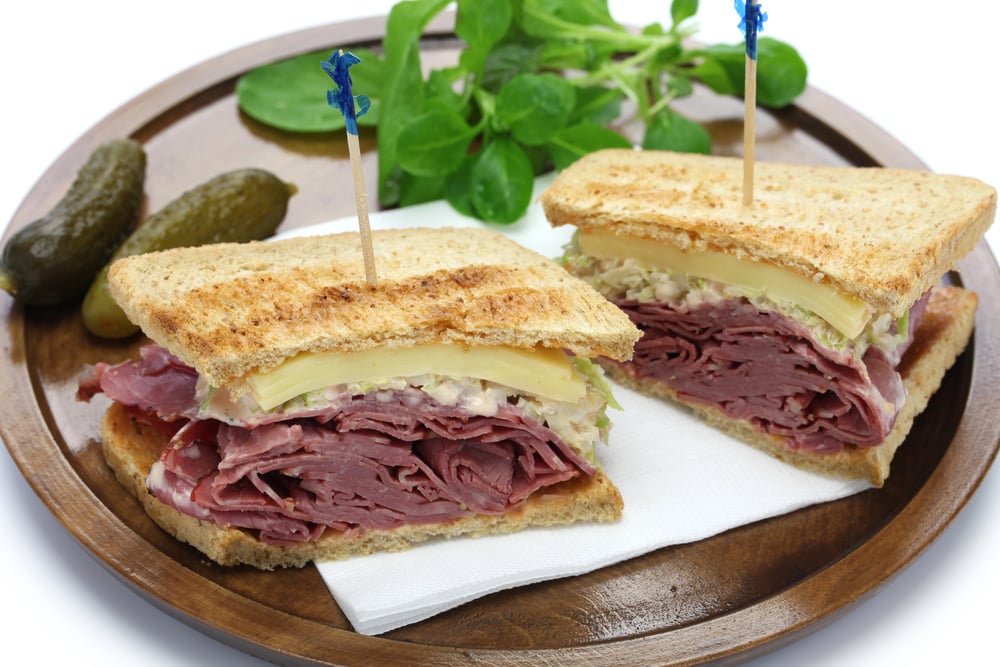
The Reuben has sparked one of America’s fiercest food origin debates, with passionate supporters on both coasts ready to fight over corned beef and sauerkraut. The Omaha camp claims Reuben Kulakofsky created it during weekly poker games at the Blackstone Hotel in the 1920s, while New York supporters insist Arnold Reuben invented it at his deli in 1914.
The Nebraska version won a national sandwich contest in 1956. Still doesn’t convince those New Yorkers, though.
Philly Cheesesteak
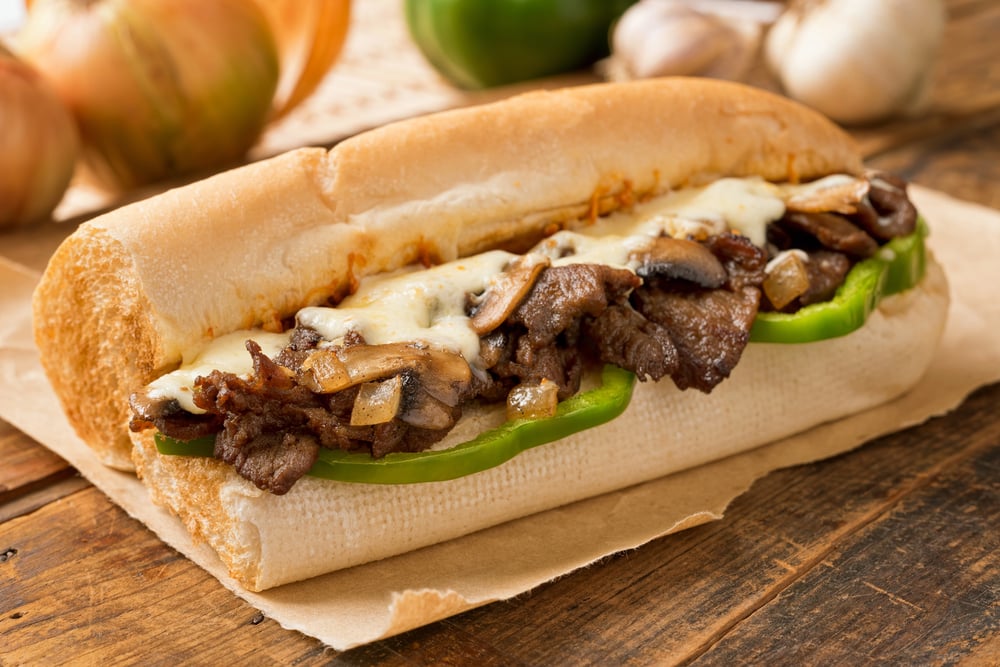
Pat Olivieri was just a hot dog vendor in South Philadelphia who got tired of eating his own product for lunch in 1930. He decided to grill some chopped meat on his hot dog cart and eat it on an Italian roll with onions, catching the attention of a cab driver who wanted the same thing.
The sandwich caught on so quickly that Pat opened a restaurant, and cheese wasn’t even added until the 1940s when a manager nicknamed ‘Cocky Joe’ melted provolone on top.
Lobster Roll
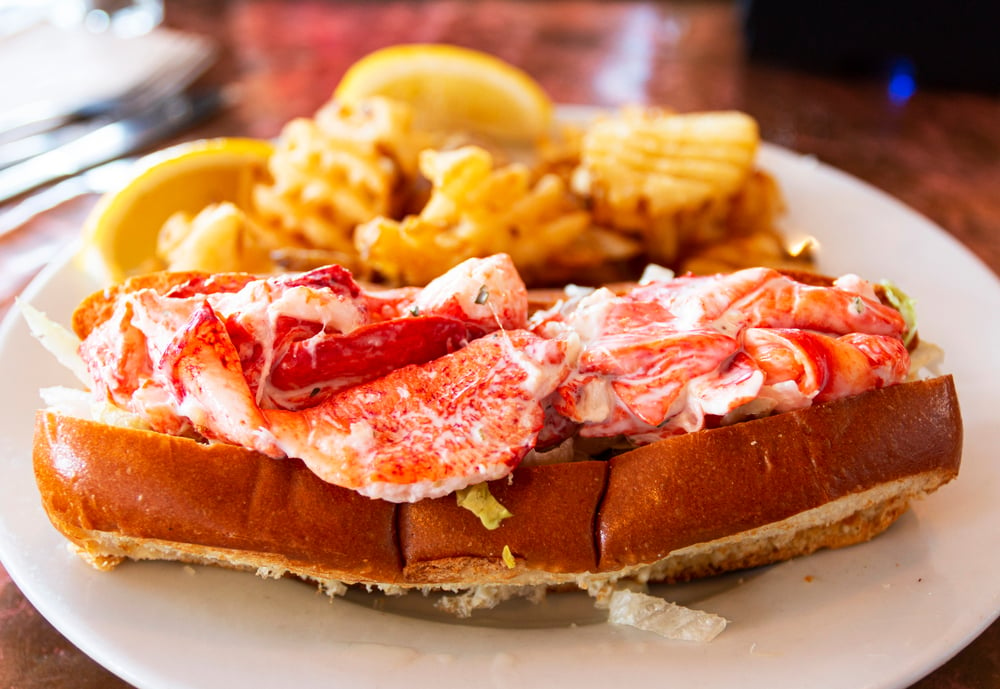
The lobster roll’s origin story reads like a happy accident that changed New England dining forever. Between 1929 and 1934, a traveling liquor salesman stopped at Perry’s in Milford, Connecticut, and requested a lobster sandwich, which the kitchen improvised using grilled white bread, lobster, and butter.
The creation was such a hit that Perry’s reached out to a local bakery to develop the special submarine bun with a wedge cut from the top that’s now standard for lobster rolls.
Monte Cristo
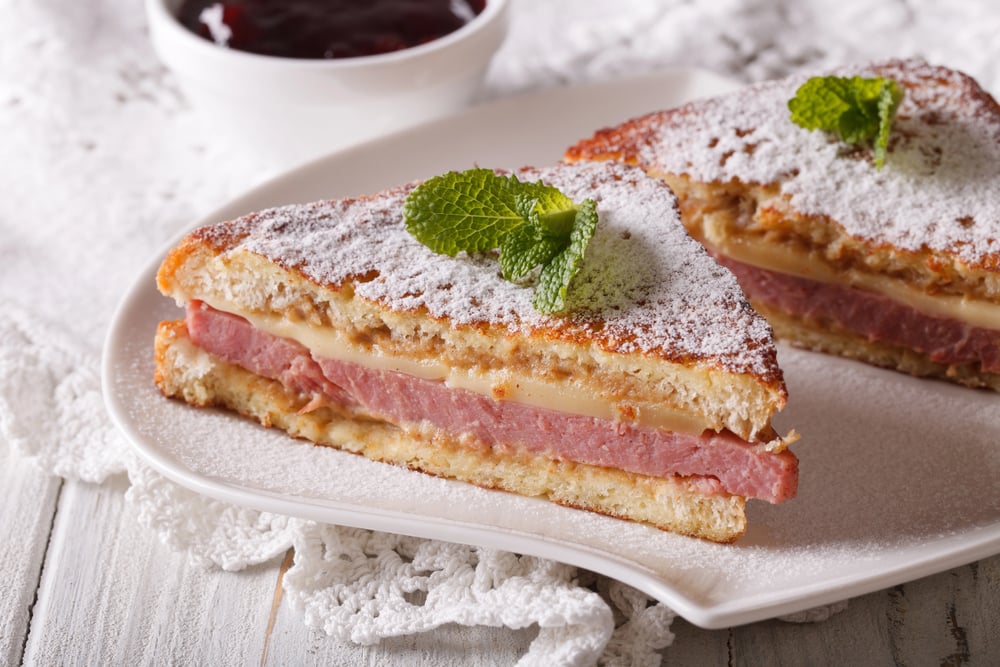
This indulgent sandwich emerged from the meeting of French culinary tradition and American innovation, though its exact origin remains deliciously mysterious. The Monte Cristo traces its roots to the French croque monsieur from 1910 Parisian cafés, but evolved into something uniquely American with its egg batter coating and sweet accompaniments.
Disneyland helped popularize the sandwich nationally when they introduced it at the Blue Bayou restaurant in 1966, making it a must-try for theme park visitors who probably had no idea they were eating a piece of culinary history.
Po’boy
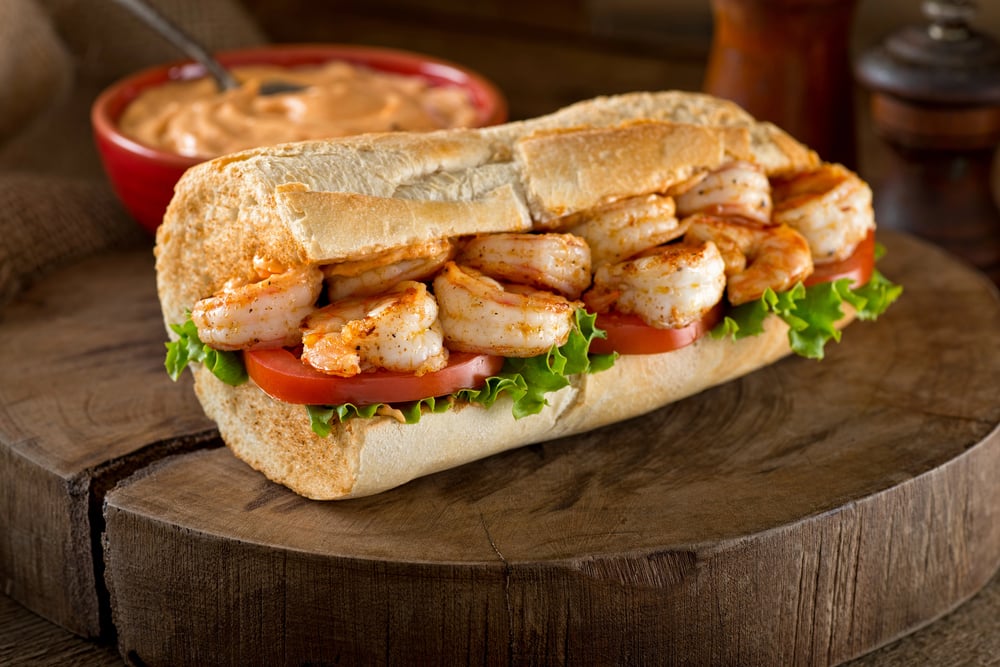
New Orleans brothers Benny and Clovis Martin created the po’boy during the 1929 streetcar strike as a way to feed striking workers for free. The name comes from the brothers’ practice of calling the strikers ‘poor boys’ and loading up French bread with whatever filling they could afford—usually fried seafood or roast beef debris.
Their generosity during tough times created a sandwich that became synonymous with New Orleans hospitality and working-class pride.
Muffuletta
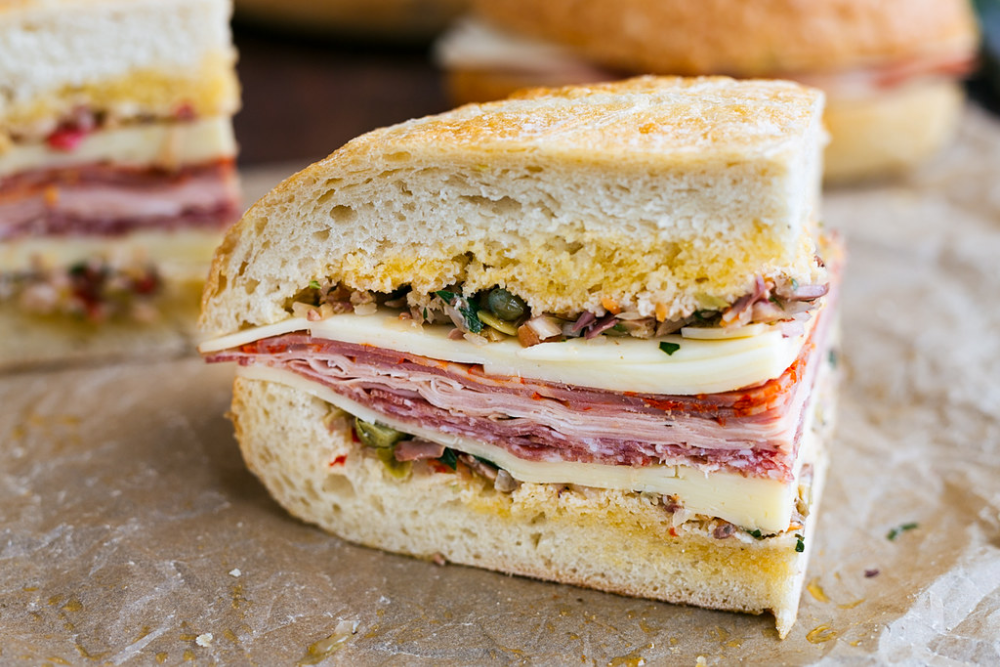
When Sicilian immigrants needed a portable lunch that they could eat with one hand while working, the muffuletta was created at Central Grocery in New Orleans. Around 1906, Salvatore Lupo invented the enormous round sandwich by arranging Italian meats and cheeses on bread that had been crusted with sesame seeds and then covering it with a unique olive salad that seeped into each layer.
The sandwich gained so much popularity that over a century later, Central Grocery continues to serve the original recipe.
Club Sandwich
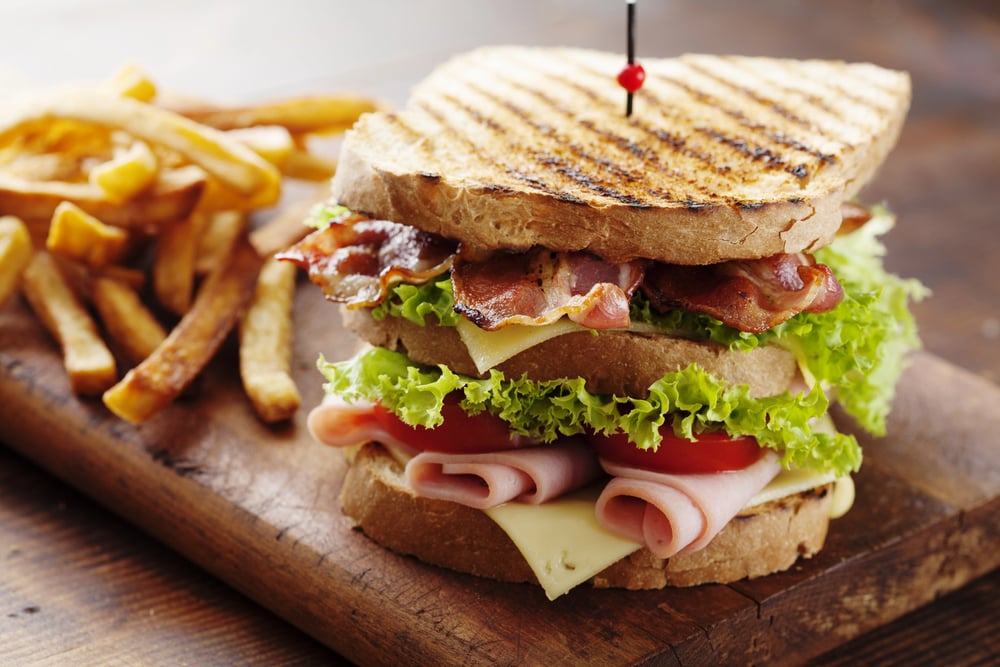
Wealthy members of exclusive gentlemen’s clubs in the late 1800s demanded meals as sophisticated as their social standing, which is how the club sandwich got its name and reputation. The triple-decker invention is credited to a number of establishments, including the Saratoga Club House and other railroad clubs that catered to intrepid businessmen.
Elegant toothpicks and all. Because it symbolized upscale dining—many high-quality ingredients piled high and served with ceremonial picks to hold the striking architecture together—the sandwich’s appeal grew.
BLT
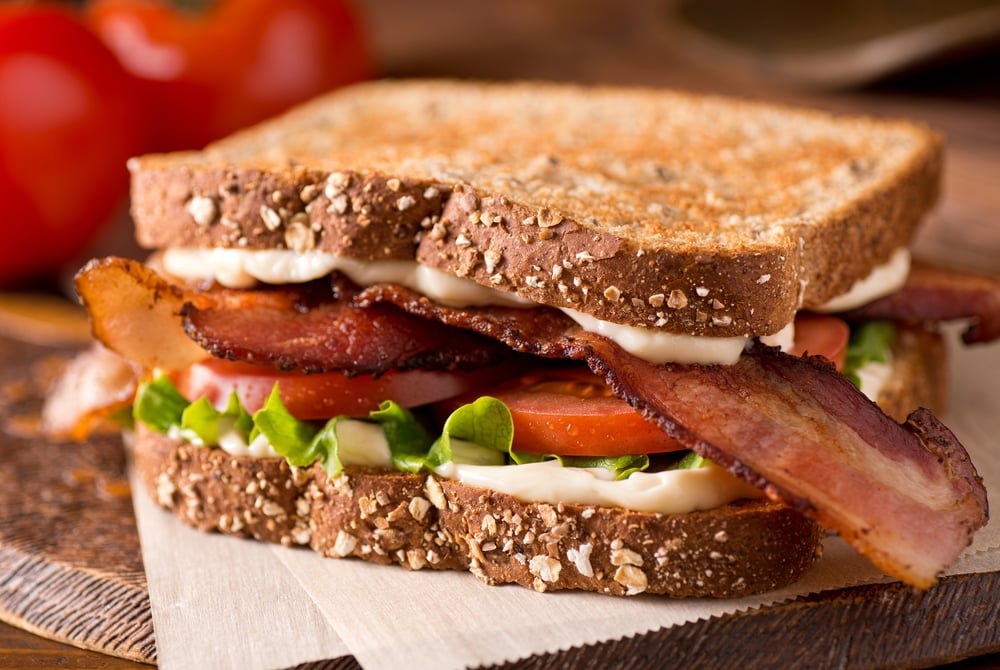
The BLT originated as a tea sandwich in the Victorian era, but it wasn’t until dependable year-round tomatoes were made available in the early 1900s that it became the well-loved classic that it is today. When American diners discovered the magic combination of crispy bacon, fresh lettuce, and ripe tomatoes on toasted bread, what had begun as delicate cucumber and watercress sandwiches for afternoon tea took a completely different turn.
The sandwich’s uncomplicated perfection was reflected in its name, which only contained three ingredients.
Cuban Sandwich
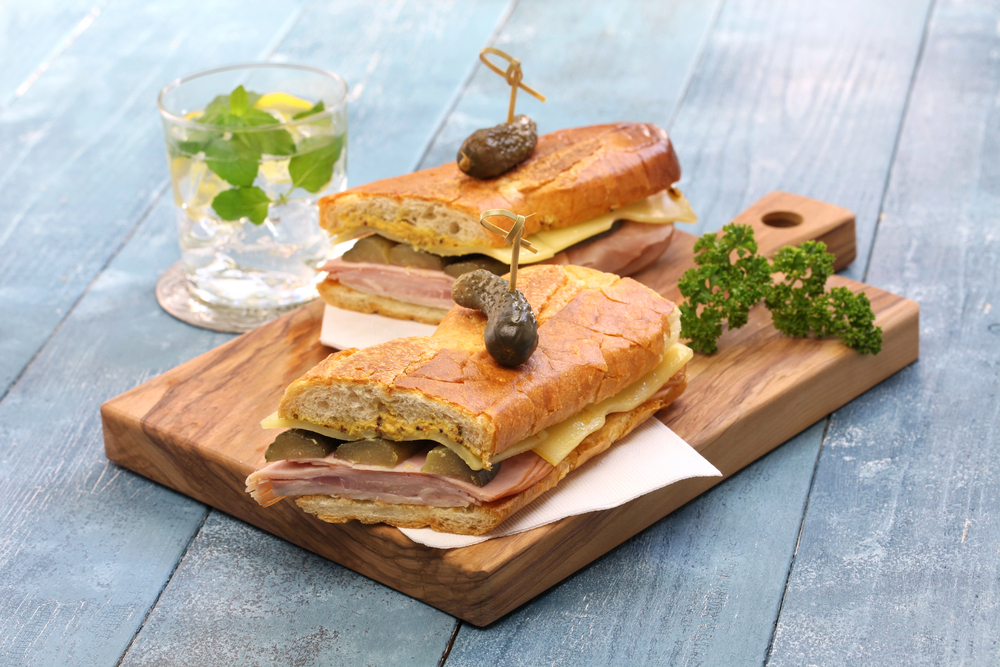
The Ybor City cultural melting pot, where Cuban, Spanish, and Italian immigrants working in nicotine factories required filling, fast-food lunches, is where Tampa’s Cuban sandwich originated. As each city claimed their version as the true original, the sandwich became the focus of contentious “sandwich wars” between Miami and Tampa.
Miami purists insist on only ham, roasted pork, Swiss cheese, pickles, and mustard on Cuban bread, while Tampa’s version typically includes salami (due to Italian influence).
Patty Melt
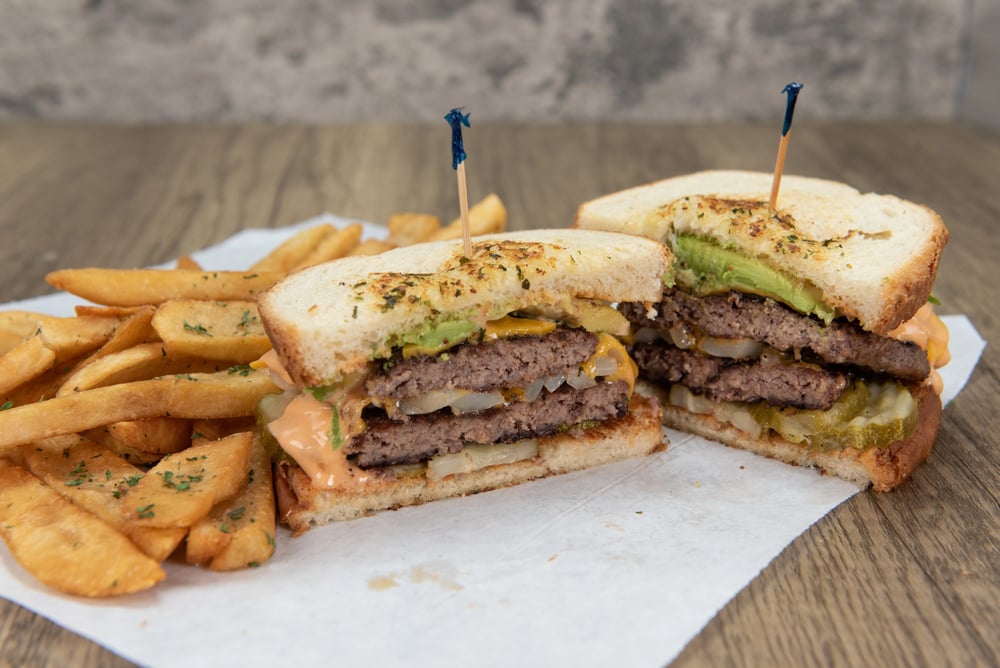
The patty melt represents the beautiful collision of diner culture and the American hamburger, likely emerging in the 1940s when creative cooks started treating hamburger patties like deli meat. Someone had the brilliant idea to place a beef patty between grilled rye bread with Swiss cheese and caramelized onions, creating something that was neither quite a burger nor a traditional sandwich.
This hybrid approach perfectly captured the experimental spirit of American diners, where rules were meant to be bent in pursuit of the perfect comfort food.
Grilled Cheese
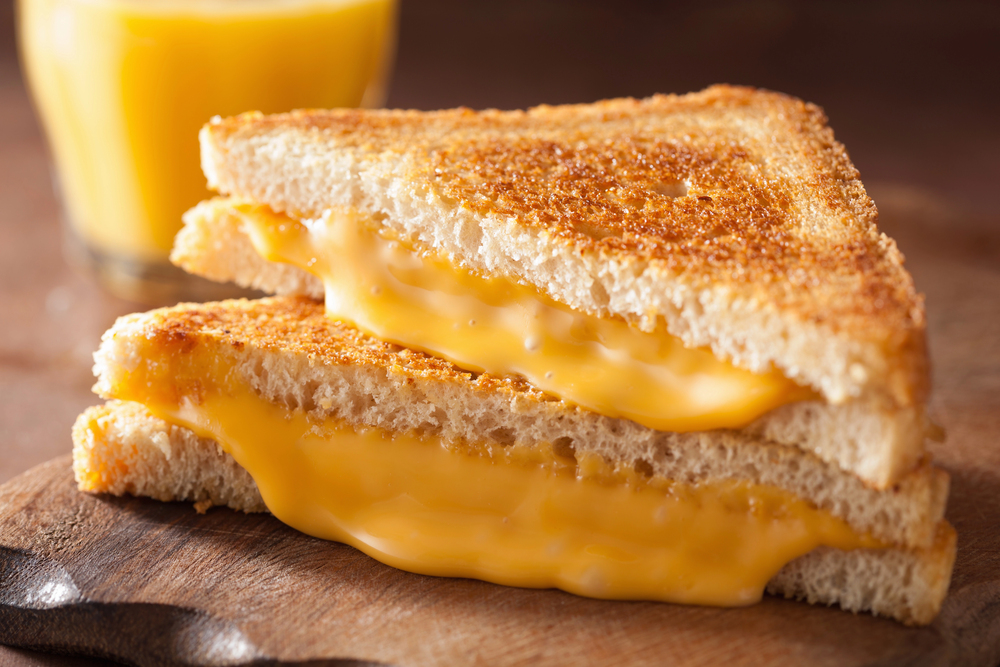
During the Great Depression, when families needed substantial, reasonably priced meals that could stretch ingredients and budgets, the grilled cheese sandwich became a staple in America. Although people had been melting cheese on bread for centuries, Wonder Bread and processed American cheese became widely accessible, allowing everyone to enjoy the sandwich.
This led to the emergence of the modern grilled cheese. It became the ultimate nostalgic food that still transports people back to their childhood with every bite thanks to its golden, crispy exterior and gooey interior, which offered solace during trying times.
When Food Becomes Legend
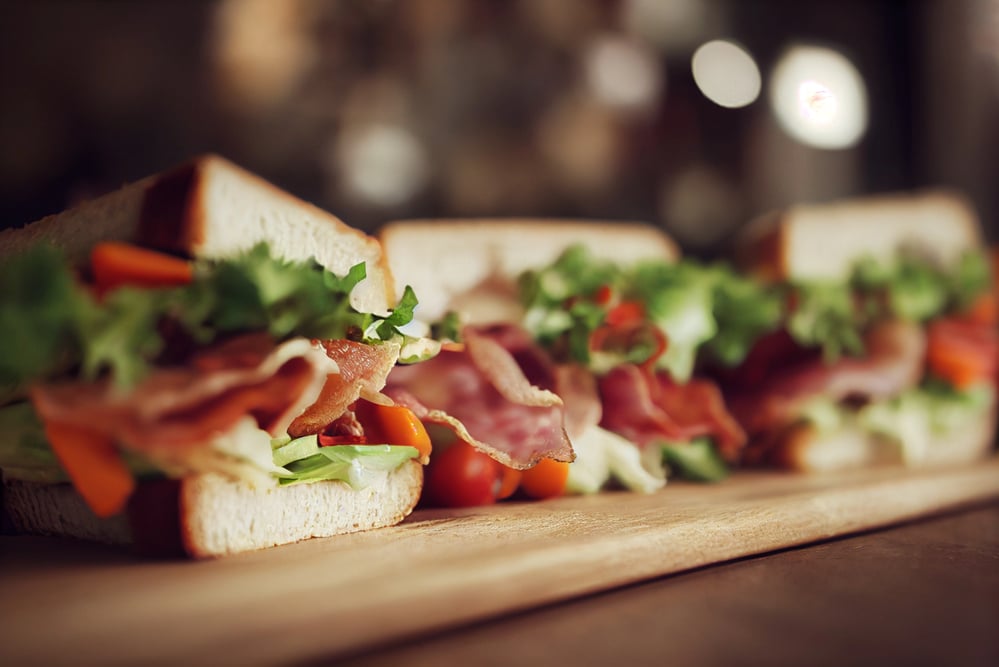
These sixteen sandwiches prove that the best culinary creations often come from life’s unexpected moments—whether it’s a gambler’s convenience, a lover’s revenge, or an immigrant’s ingenuity. Each sandwich carries forward the story of its creator, preserving not just flavors but the human experiences that shaped them.
In a world of complicated cuisine, these simple combinations of bread and filling remind us that sometimes the most powerful foods are born from the most genuine needs, creating legends one bite at a time.
More from Go2Tutors!

- The Romanov Crown Jewels and Their Tragic Fate
- 13 Historical Mysteries That Science Still Can’t Solve
- Famous Hoaxes That Fooled the World for Years
- 15 Child Stars with Tragic Adult Lives
- 16 Famous Jewelry Pieces in History
Like Go2Tutors’s content? Follow us on MSN.