15 Movie Sequels That Ignored Previous Films
Hollywood’s got a funny relationship with sequels. Sometimes filmmakers decide the best path forward involves pretending certain movies never existed. Poor reception, creative differences, or just wanting a clean slate — whatever the reason, these sequels chose to wipe away their predecessors entirely.
Here’s a list of 15 movie sequels that boldly decided to forget about previous films in their franchises.
Halloween (2018)

The 2018 ‘Halloween’ reboot tossed out everything following John Carpenter’s original 1978 masterpiece. All those sequels that made Michael Myers into Laurie Strode’s brother? Gone.
The convoluted family mythology built up over decades? Erased. This direct sequel treated Michael as pure evil incarnate — locked away for 40 years, creating a cleaner narrative that honored the original’s terrifying simplicity.
Superman Returns

Bryan Singer’s 2006 ‘Superman Returns’ functioned as a direct sequel to ‘Superman II’ while pretending ‘Superman III’ and ‘Superman IV: The Quest for Peace’ didn’t exist. The film picked up five years after Superman’s departure — referencing events from the first two Christopher Reeve films exclusively.
This selective memory helped filmmakers dodge the campy tone and terrible reception of later sequels, though it maintained the beloved performances of Reeve and Margot Kidder.
Terminator: Dark Fate
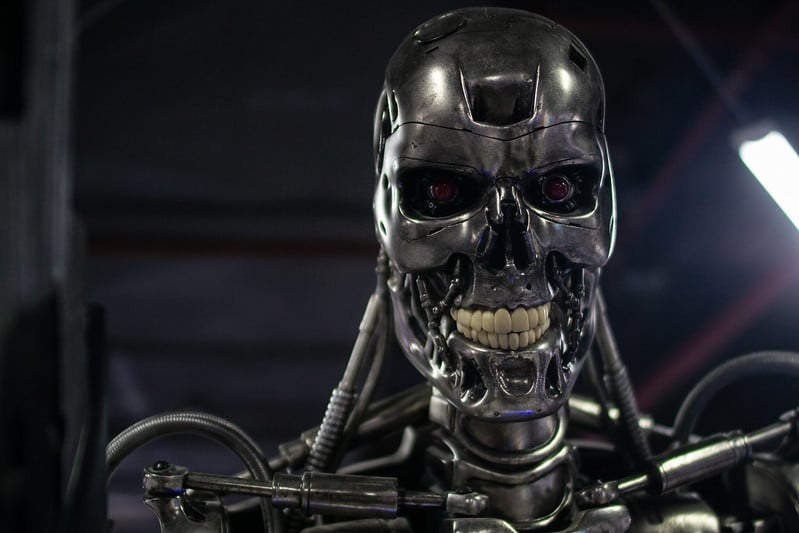
‘Dark Fate’ obliterated everything after ‘Terminator 2: Judgment Day’ — treating Cameron’s sequel as the franchise’s true conclusion. Gone were ‘Terminator 3: Rise of the Machines’, ‘Terminator Salvation’, and ‘Terminator Genisys’.
By returning to the timeline established in those first two films, the movie attempted recapturing James Cameron’s original vision while introducing fresh characters and threats.
X-Men: Days of Future Past

This 2014 film used time travel as an ingenious method for erasing the poorly received ‘X-Men: The Last Stand’ and ‘X-Men Origins: Wolverine’ from continuity. The plot literally rewrote history — allowing the franchise to start fresh while keeping elements that actually worked from previous entries.
It was essentially a soft reboot disguised as a sequel, giving filmmakers freedom to move forward without earlier mistakes weighing them down.
Highlander II: The Quickening
Here’s where things get ironic — ‘Highlander II’ was so universally despised that later films pretended it never happened. ‘Highlander III: The Sorcerer’ and subsequent sequels treated the first film as the only canonical entry.
The second film’s bizarre plot involving aliens and ozone layer destruction was completely abandoned — later movies returned to the original’s mythology about immortal warriors and ‘The Game’.
Alien 3

David Fincher’s ‘Alien 3’ made the brutal decision to kill off most survivors from ‘Aliens’ during its opening credits. Newt, Hicks, and Bishop were eliminated off-screen — effectively erasing James Cameron’s hopeful ending.
While technically acknowledging ‘Aliens’ existed, the film’s opening sequence made it crystal clear that the previous movie’s events were meaningless, focusing solely on Ripley’s final confrontation with the xenomorphs.
The Incredible Hulk

Marvel’s 2008 ‘The Incredible Hulk’ served as a soft reboot that completely ignored Ang Lee’s 2003 ‘Hulk’. Though both films covered Bruce Banner’s origin story, Edward Norton’s version treated the character as if he was appearing on screen for the first time.
The film referenced Banner’s transformation and military pursuit without acknowledging specific events from the previous movie — creating a clean slate for the character’s MCU introduction.
Jaws: The Revenge

‘Jaws: The Revenge’ completely ignored ‘Jaws 3-D’ — pretending the third film never existed. The movie acted as if only the first two films had happened, following the Brody family’s continued encounters with great white sharks.
This selective continuity allowed filmmakers to avoid the 3D gimmicks and theme park setting of the third film — though it didn’t save the fourth movie from being equally ridiculous.
Rocky Balboa
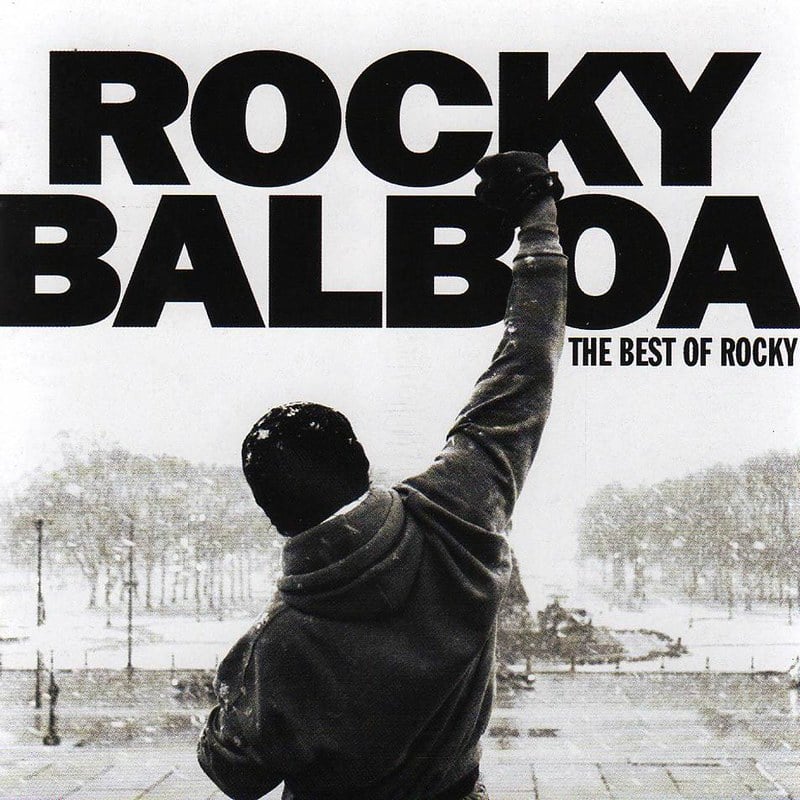
Stallone’s 2006 return to the ‘Rocky’ franchise effectively ignored ‘Rocky V’ and its deeply unpopular storyline. The film treated Rocky as if he’d retired after ‘Rocky IV’ — avoiding any mention of his protégé Tommy Gunn or that street fight ending the previous movie.
This allowed Stallone to give his character a more dignified final chapter while pretending the poorly received fifth film never existed.
The Texas Chain Saw Massacre 2
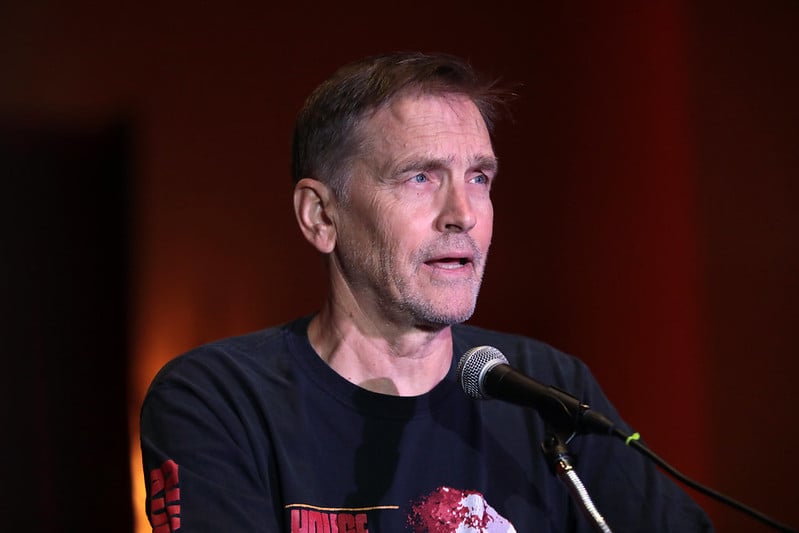
Tobe Hooper’s 1986 sequel completely ignored the original’s tone and style — though it technically acknowledged the first film’s events. The sequel transformed the franchise from gritty horror into dark comedy, with the Sawyer family becoming cartoonish villains rather than the terrifying figures they were originally.
While not technically ignoring the previous film, the sequel’s approach was so radically different it might as well have been a separate franchise entirely.
Alien: Covenant

Ridley Scott’s 2017 film essentially abandoned ‘Prometheus’ sequel hooks while moving the story in a completely different direction. While technically a sequel to ‘Prometheus’, the film abandoned most of that movie’s philosophical themes and characters, focusing instead on xenomorph origins.
The Engineers and their grand plan for humanity took a backseat to David’s android machinations, making ‘Prometheus’ feel like an unnecessary detour rather than an integral story component.
Rambo (2008)

The fourth ‘Rambo’ film ignored the peaceful ending of ‘Rambo III’ and returned John Rambo to a life of violence and isolation. The movie treated the character as if he’d never found peace or purpose after his previous adventures.
This reset allowed Stallone to explore darker themes about the character’s inability to escape his violent nature, yet it meant completely abandoning the character growth from earlier films.
The Exorcist III

William Peter Blatty’s 1990 film completely ignored ‘Exorcist II: The Heretic’ and served as a direct sequel to the original 1973 film. The movie followed Father Karras’s story as if the second film never existed, picking up 15 years after the events of the first movie.
This allowed Blatty to continue the story he wanted to tell without dealing with the convoluted mythology introduced in the universally panned sequel.
The Chronicles of Riddick
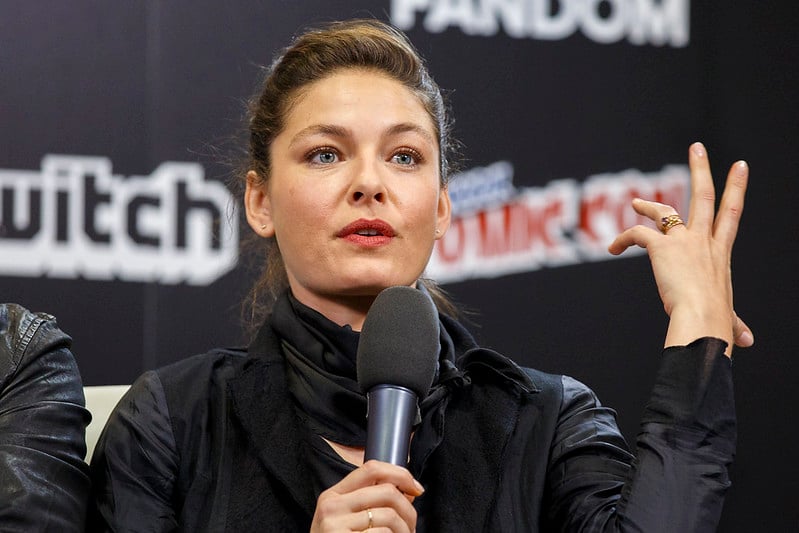
This 2004 sequel expanded the ‘Pitch Black’ universe so dramatically that it essentially ignored everything that made the original film work. While technically acknowledging the events of ‘Pitch Black’, the sequel transformed Riddick from a pragmatic antihero into a prophesied savior in a sprawling space opera.
The intimate survival horror of the first film was completely abandoned in favor of universe-building and mythology that bore little resemblance to the original’s tone.
Predator 2
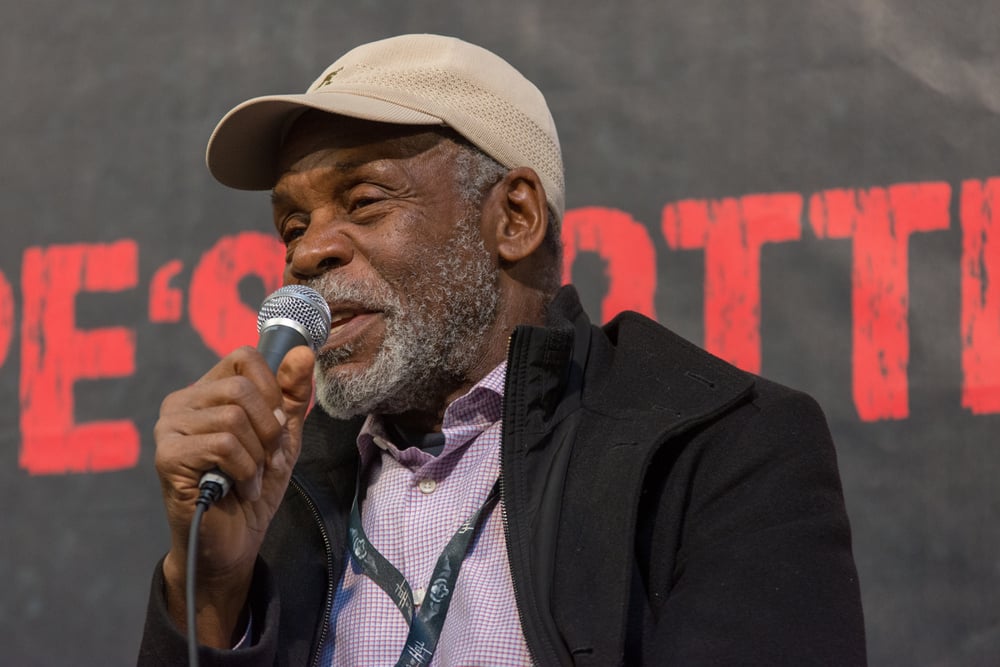
The 1990 sequel moved the action from the jungle to urban Los Angeles while completely ignoring the specific events and characters from the original film. While maintaining the basic premise of the Predator species, the sequel created an entirely new cast and setting.
The film treated the original’s events as ancient history, referencing them only through easter eggs and brief mentions rather than building directly on the first movie’s story.
When Franchises Hit Reset
These films demonstrate that sometimes the best way forward involves selective amnesia about the past. Whether motivated by poor reception, creative differences, or simply the desire for a fresh start, these sequels show that Hollywood isn’t afraid to hit the reset button when circumstances demand it.
While this approach can alienate fans of the ignored films, it often allows franchises to recapture what made them special originally. The success of films like ‘Halloween’ (2018) and ‘Terminator: Dark Fate’ suggests that audiences are often willing to accept selective memory when it serves the story effectively.
More from Go2Tutors!

- The Romanov Crown Jewels and Their Tragic Fate
- 13 Historical Mysteries That Science Still Can’t Solve
- Famous Hoaxes That Fooled the World for Years
- 15 Child Stars with Tragic Adult Lives
- 16 Famous Jewelry Pieces in History
Like Go2Tutors’s content? Follow us on MSN.