15 Unusual Sweeteners Used in History
Before sugar conquered the world’s sweet tooth, people got creative. They scoured forests, tapped trees, even wandered into swamps in search of something—anything—that made life taste better. Some of these discoveries were brilliant. Others? Deadly mistakes. Here’s a list of 15 unusual sweeteners that once sweetened someone’s day.
Birch Syrup
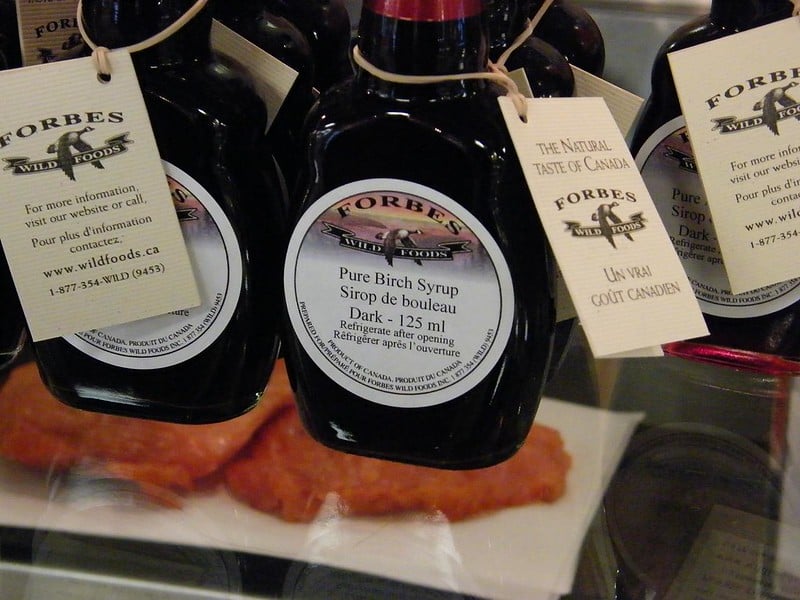
Before maple syrup reigned supreme, northern Europeans were quietly boiling birch sap. It wasn’t easy work. Birch sap is far less sugary than maple, so producing syrup meant reducing bucket after bucket into a single jar. A marathon of boiling.
Finnish and Russian communities still keep the tradition alive. The flavor? Think molasses with a whisper of wintergreen. Definitely not your average pancake topping.
Carob Pods
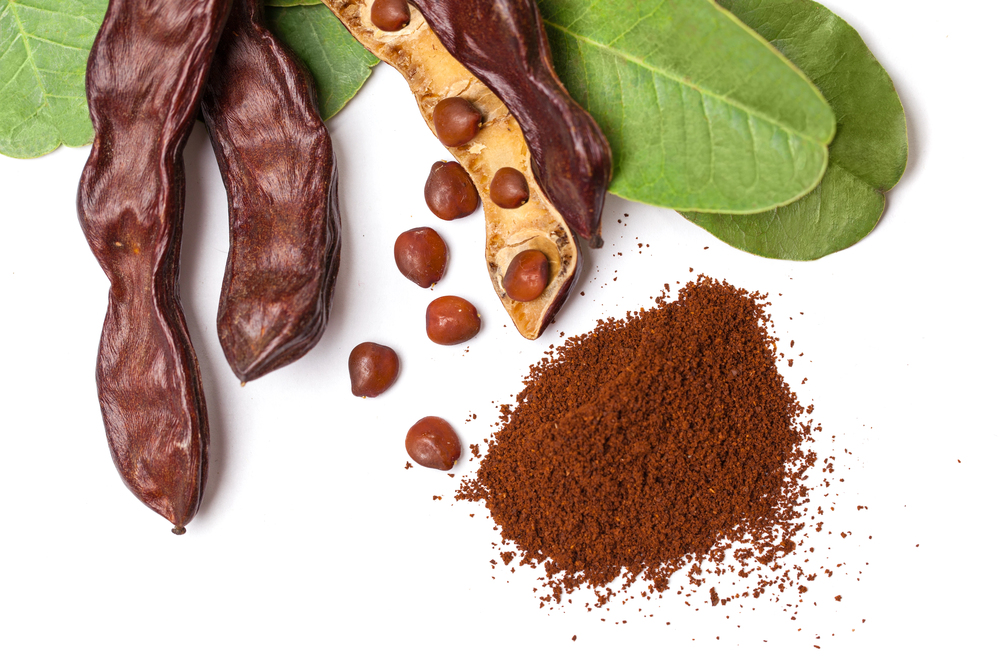
Mediterranean cultures knew a good thing when they tasted it: carob pods. Sweet pulp, ready to chew or grind into powder. Greeks and Romans leaned on it when other sweeteners ran dry.
Fun fact: the pods were so uniform in size that they became the standard for weighing gems. That’s where “carat” comes from. Jewelry owes a nod to carob trees.
Lead Acetate
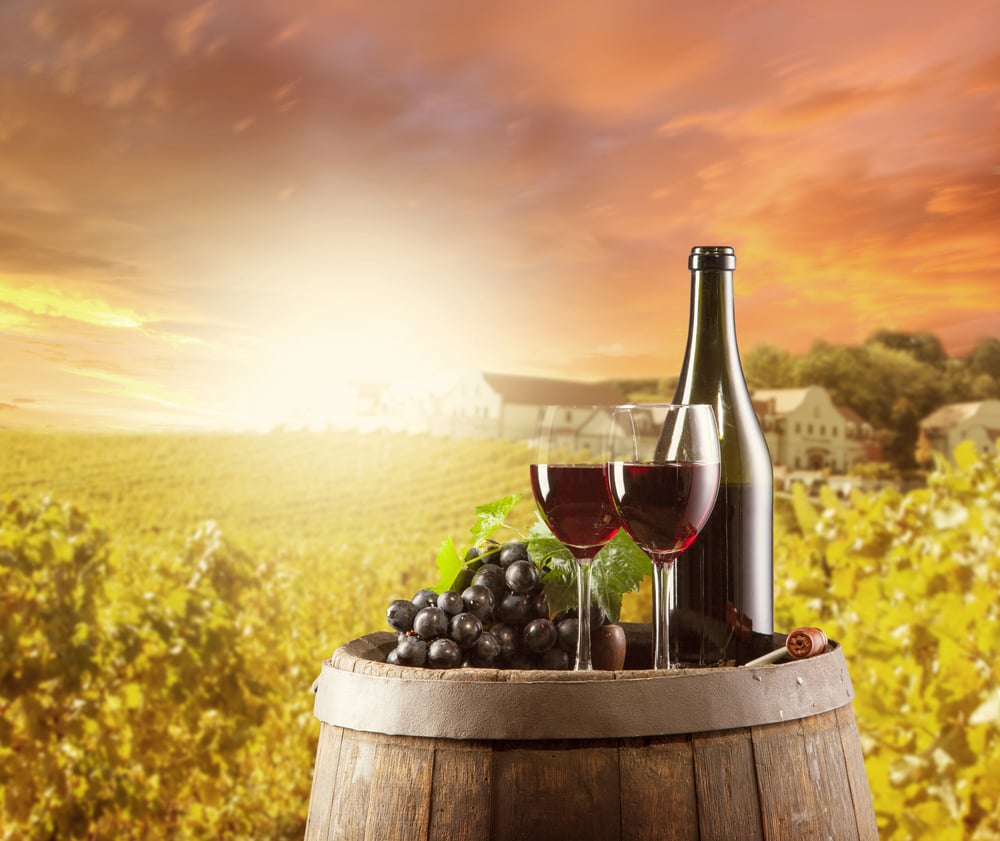
Here’s a dangerous detour: ancient Romans loved “sugar of lead.” It formed naturally in wine stored in lead vessels, and it tasted sweet. Sweet enough for Roman elites to add it deliberately. Big mistake.
Chronic lead poisoning probably did more than ruin a few dinner parties—it may have weakened the empire itself. A slow, toxic indulgence.
Licorice Root
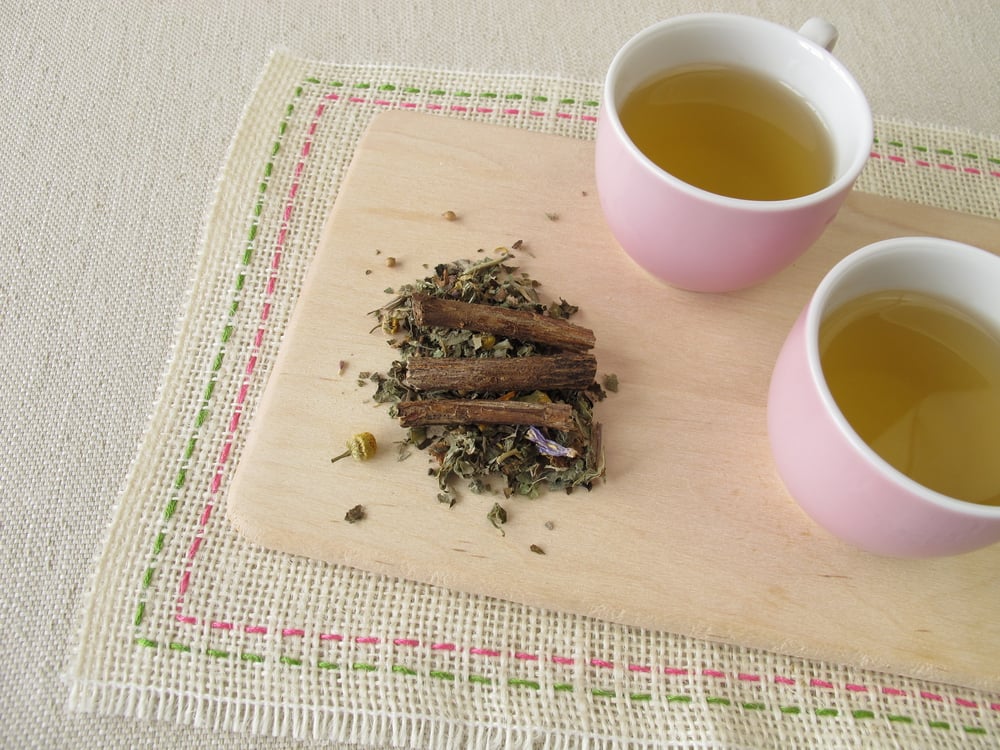
Licorice root was the ancient world’s multitasker. Egyptians, Greeks, and Chinese chewed it for sweetness and medicine alike. The secret compound, glycyrrhizin, is fifty times sweeter than sugar.
But there’s a catch: that bold anise taste. People loved it—or loathed it. No middle ground, just like black licorice candy today.
Stevia Leaves
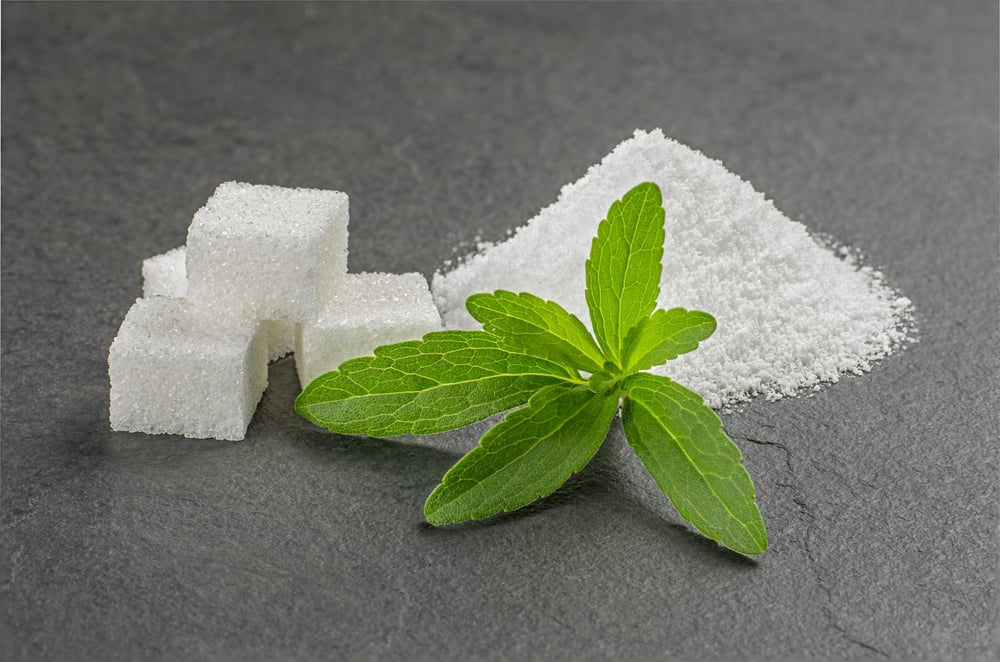
Centuries before sugar packets hit coffee bars, the Guaraní people were sweetening their bitter mate tea with stevia. Spanish colonists wrote about it but didn’t care much. Their loss.
Those leaves? Powerhouses of sweetness—hundreds of times sweeter than sugar. Science only confirmed what indigenous cultures already knew.
Grape Must
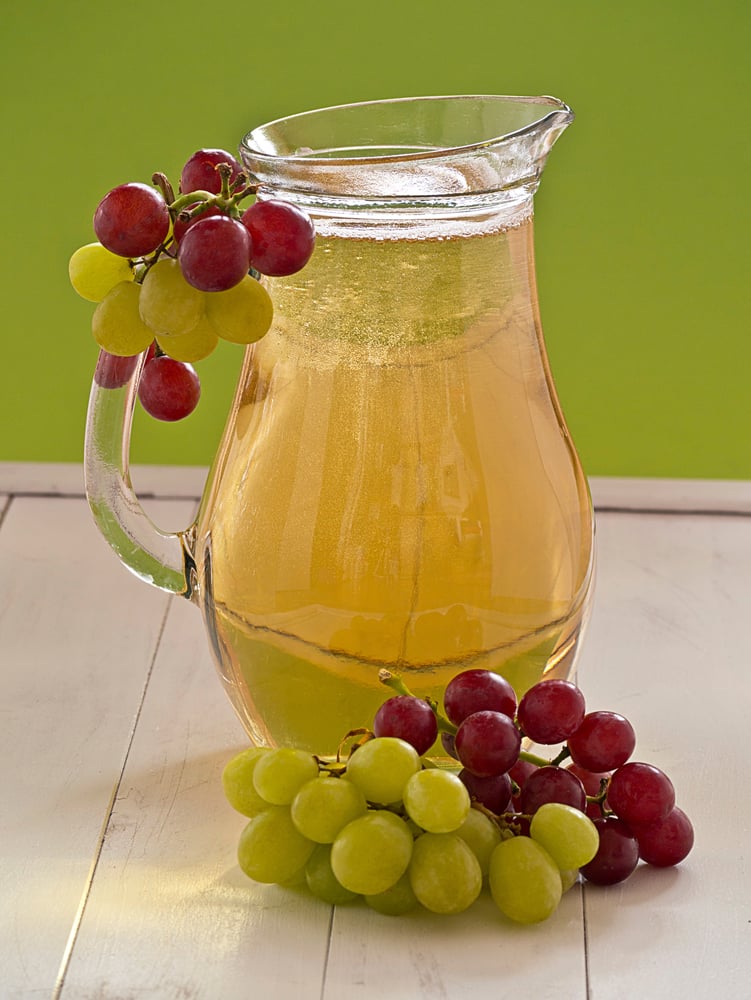
Before sugar swept into Europe, the Mediterranean simmered grapes into thick syrup called must or defrutum. Roman cooks drizzled it on everything, from roasts to desserts. Unusual combos by today’s standards.
Hours of boiling grape juice yielded a syrup that stored well without refrigeration. Laborious, yes, but it kept winter a little sweeter.
Sweet Cicely
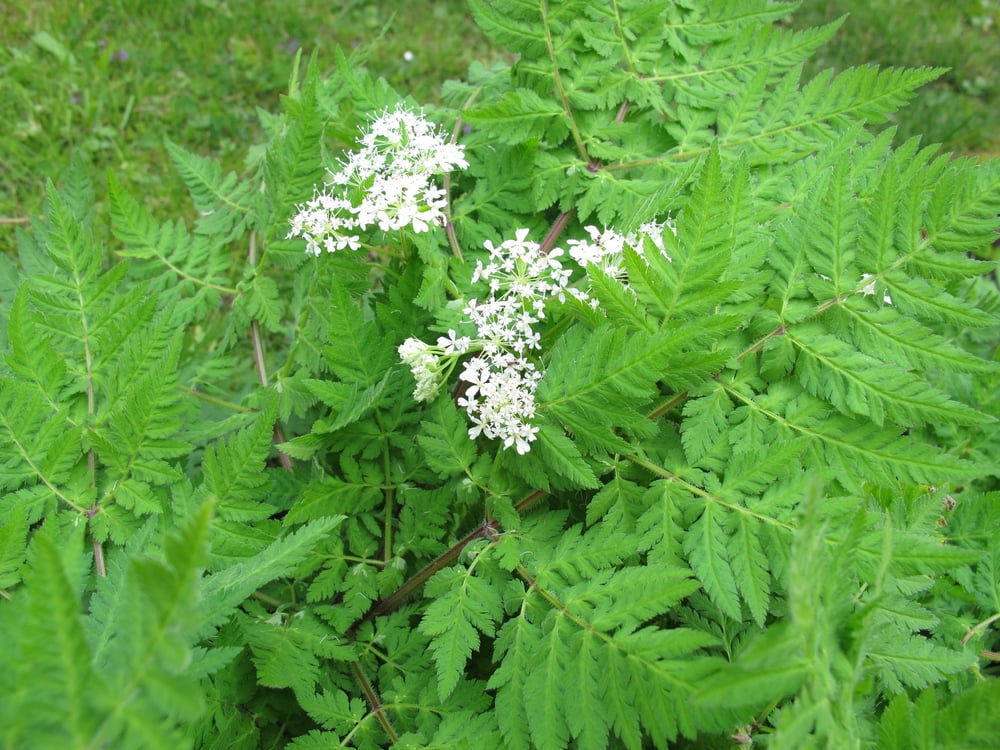
Medieval Europeans leaned on this herb when sugar was scarce—or banned during Lent. Sweet cicely’s leaves and seeds brought anise-flavored sweetness to the table.
Monks grew it in monastery gardens, using it in food and medicine alike. A little green magic when indulgence wasn’t allowed.
Palm Sugar
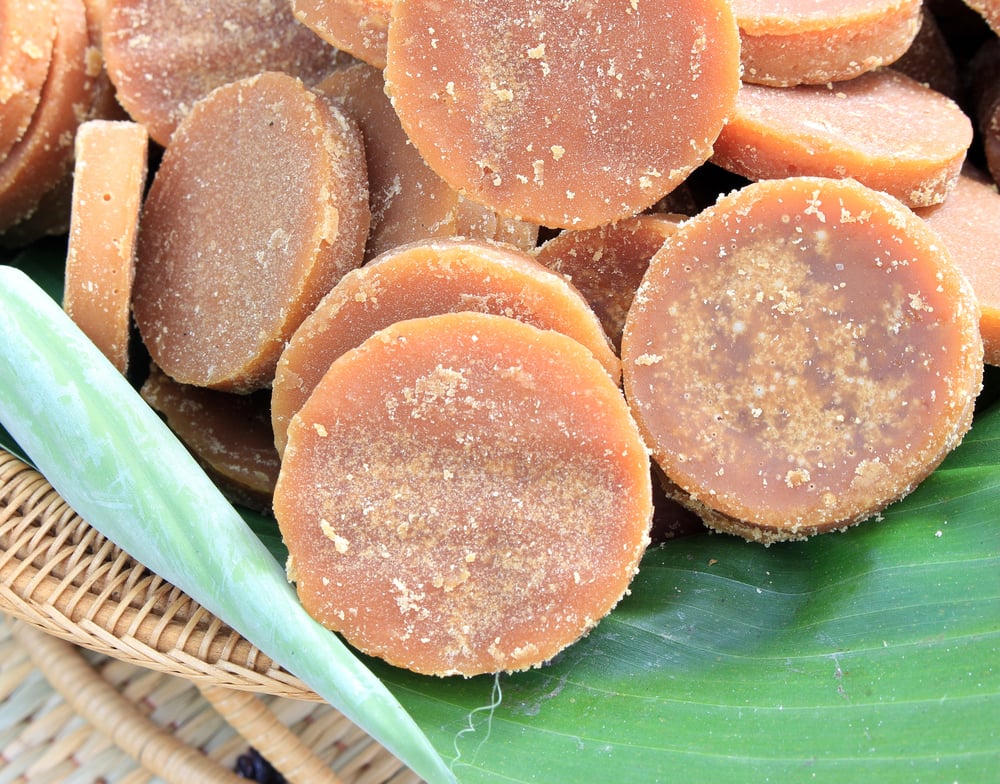
Across the tropics, palm trees were tapped for their sap, boiled down into caramel-hued sugar blocks. Each tree offered its own twist on flavor—some light and floral, others rich and dark.
The trick? Timing. Tap too deep or too late, and you kill the tree. Tap too early, and you get nothing but water. High stakes for a sweet reward.
Corn Silk Tea
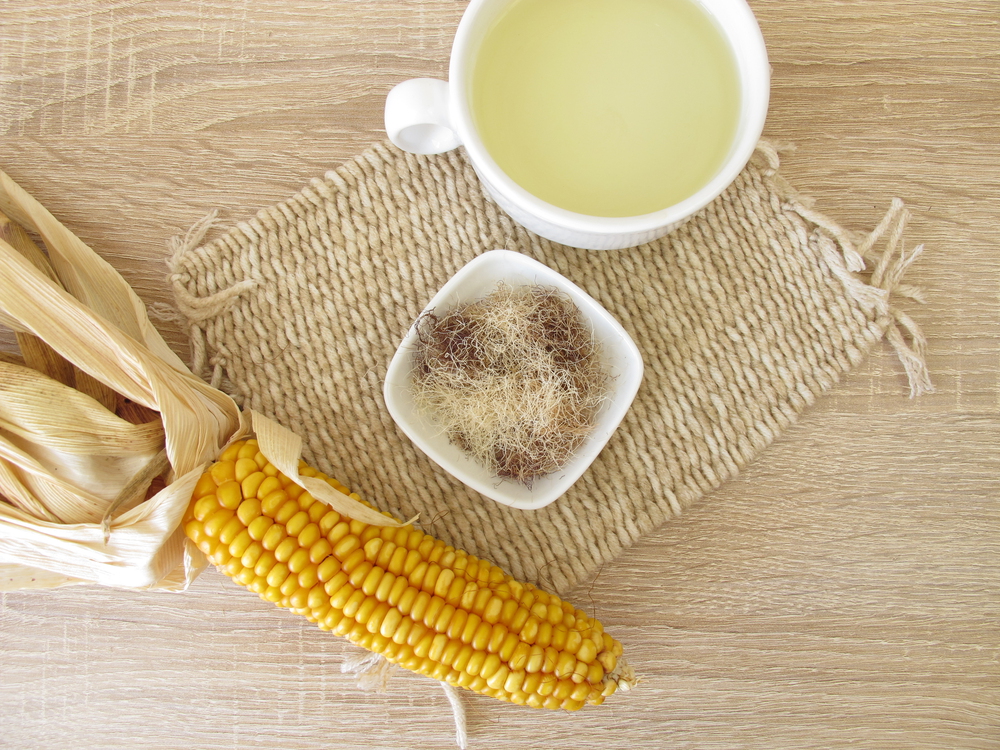
Native Americans brewed corn silk for a mild sweetness that made bitter medicines easier to swallow. Early European settlers adopted the practice—especially when other sweeteners were pricey or out of reach.
Was it sugary like candy? Not even close. But in lean times, a little sweetness counts.
Sweet Flag Root
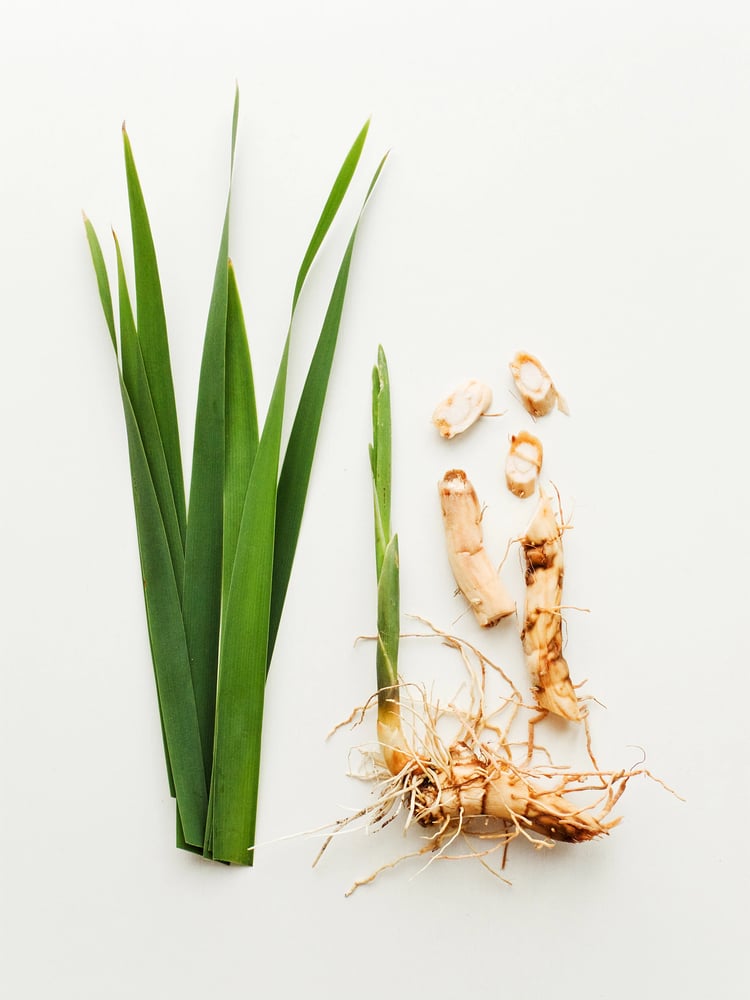
Picture this: wading into a swamp to dig up roots. Messy work, but for ancient cultures, sweet flag rhizomes were worth it. Chewed fresh, dried for later, or powdered for recipes, they delivered a candy-like note.
Mud up to your knees for a taste of sweetness—that’s commitment.
Yacon Syrup
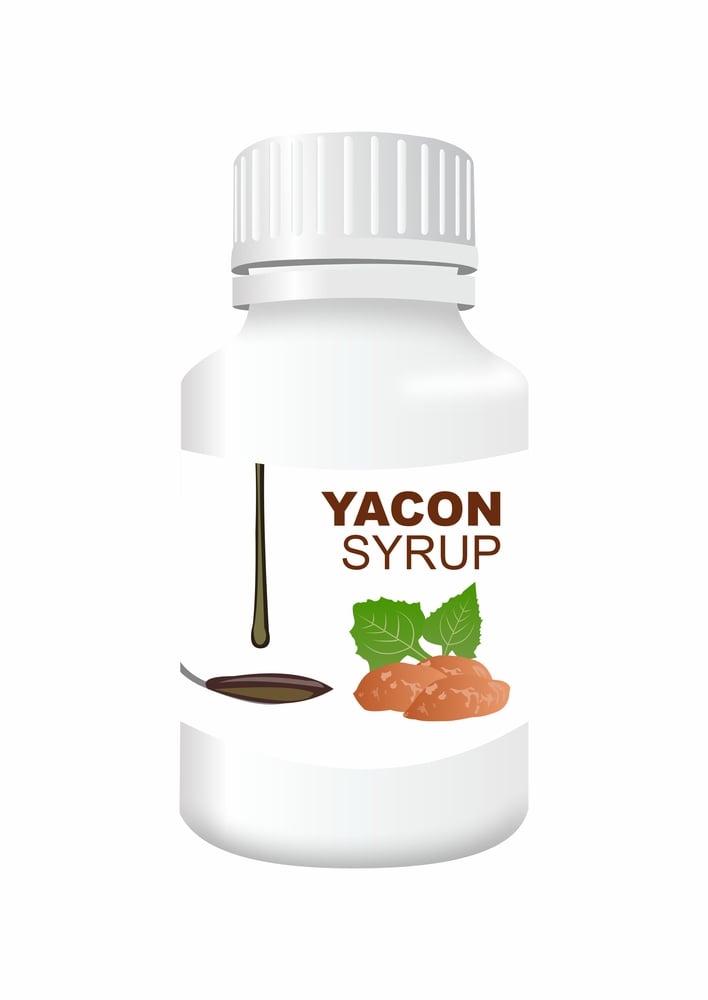
High in the Andes, locals grated yacon tubers, pressed the juice, and simmered it into syrup. Thick like molasses, naturally sweet, and oddly modern—thanks to fructooligosaccharides that the body barely digests. Call it an early low-calorie hack.
Sweet Chestnut Honey
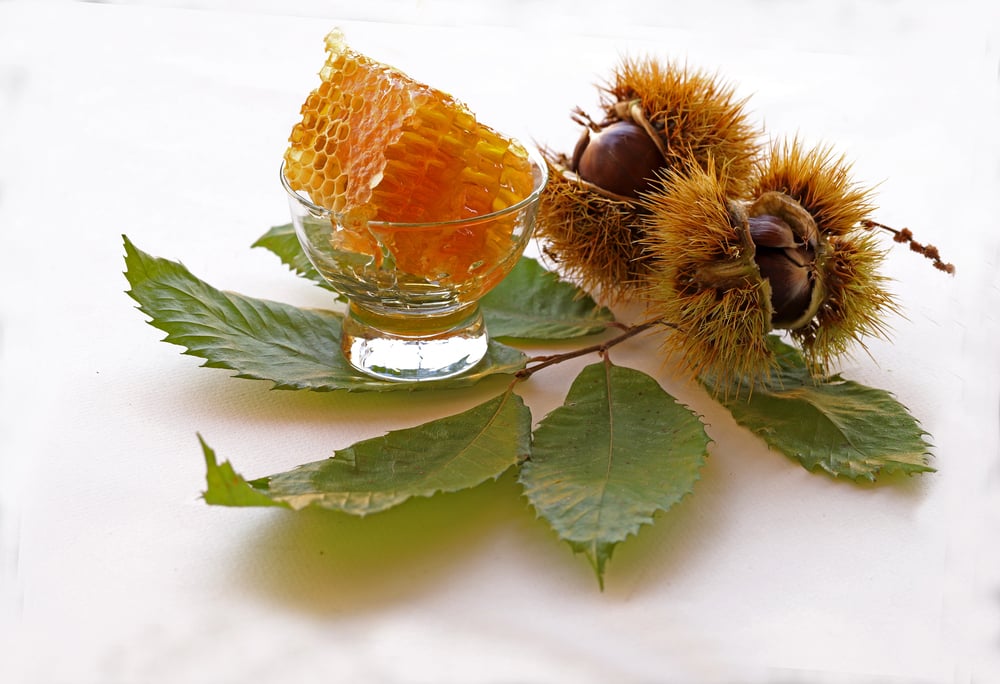
Europeans figured out chestnuts weren’t just for roasting. Harvested at the right moment, chestnuts yielded sweet sap that could be concentrated into syrup with a nutty edge. Ideal for breads and pastries.
Timing was everything, though. Miss the window, and you missed your sugar fix.
Cane Juice
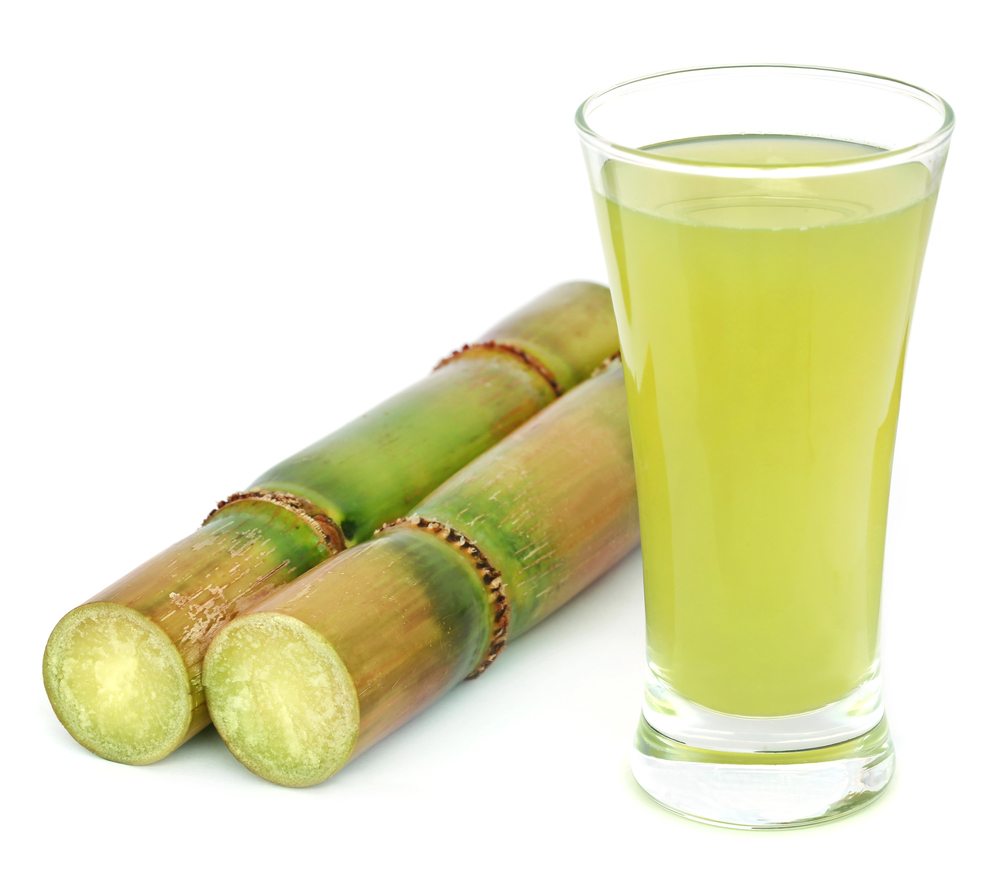
Before sugar refining was a thing, cane juice was the prize. People pressed stalks for fresh juice, sometimes fermenting it into a tangy drink. Spoiled quickly, though.
So they improvised—boiling it into syrup that lasted longer but kept that deep cane flavor. Sweet and rustic, a far cry from today’s white crystals.
Maguey Syrup
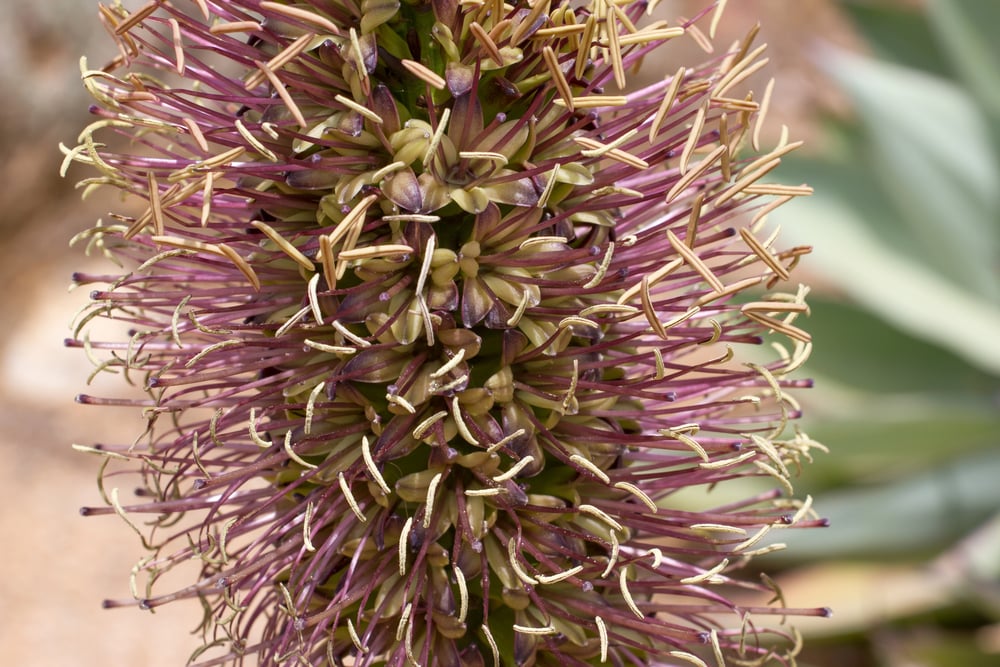
Central American civilizations tapped agave for sap—long before anyone thought of tequila. They drank it fresh or boiled it into syrup, but harvesting killed the plant. A one-shot deal.
Timing was crucial. Sap hit its peak sweetness right before flowering. Miss that, and no syrup for you.
Coconut Palm Sugar
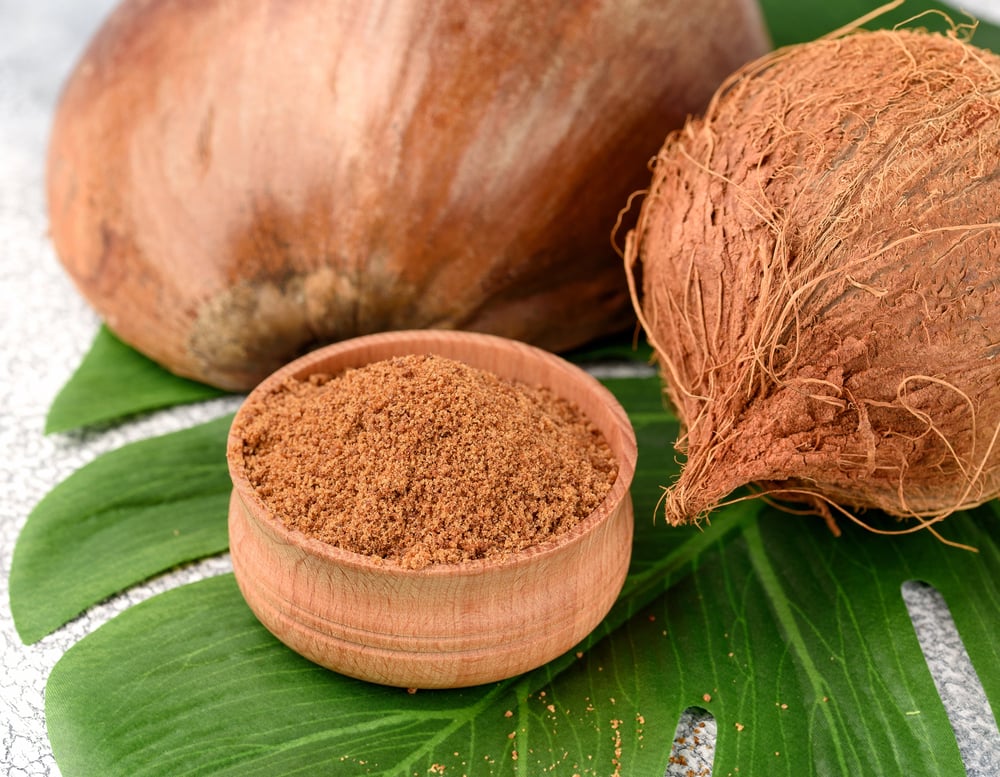
Climbing coconut palms was no casual chore. Islanders risked serious falls to slice flower buds and collect sap before it fermented. What do they get? A versatile sweetener that could be boiled into sugar or sipped as a drink.
Each region perfected its own methods, creating flavors that still differ today. Sweetness with a side of danger.
The Sweet Legacy
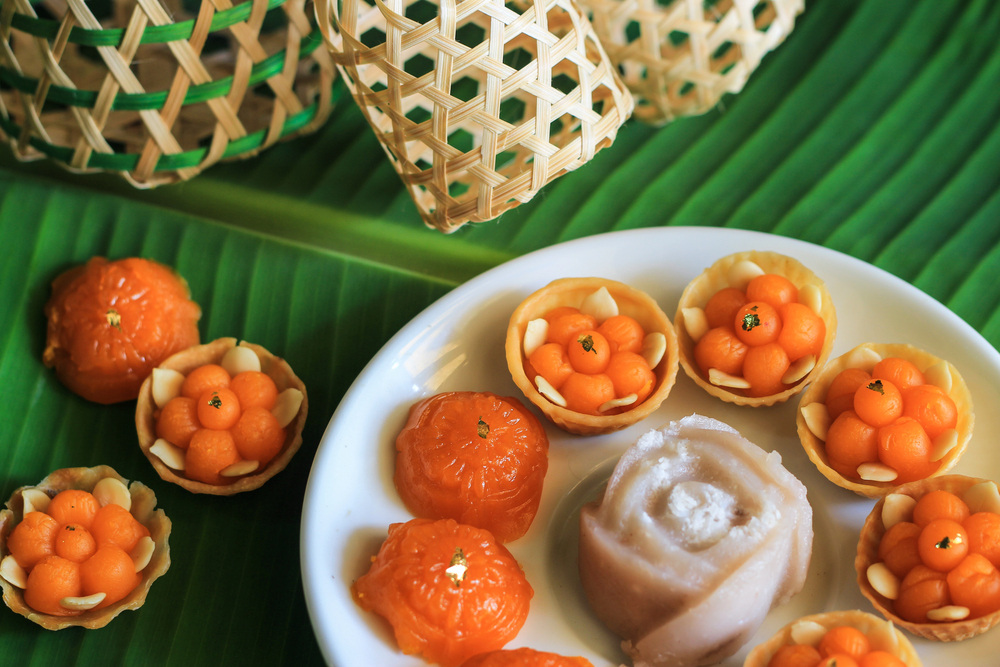
These sweeteners tell a story of human persistence. Sugar made things simple, but the old ways had character—and often, extra nutrients and complex flavors modern sugar can’t match. Sweetness, after all, has always been worth chasing. Even into swamps.
More from Go2Tutors!

- The Romanov Crown Jewels and Their Tragic Fate
- 13 Historical Mysteries That Science Still Can’t Solve
- Famous Hoaxes That Fooled the World for Years
- 15 Child Stars with Tragic Adult Lives
- 16 Famous Jewelry Pieces in History
Like Go2Tutors’s content? Follow us on MSN.