Hidden Traditions from Remote Island Nations
Remote islands develop their own ways of doing things. Cut off from mainland influences, these communities create traditions that reflect their unique challenges, resources, and histories.
Some practices seem strange to outsiders. Others solve problems in ways that mainland cultures never considered.
These traditions persist because they work, because they connect people to their ancestors, or simply because nobody ever thought to stop doing them. Geography shapes culture in ways that become visible when you look at islands separated from the rest of the world by hundreds of miles of ocean.
Land Diving Before Bungee Jumping Existed
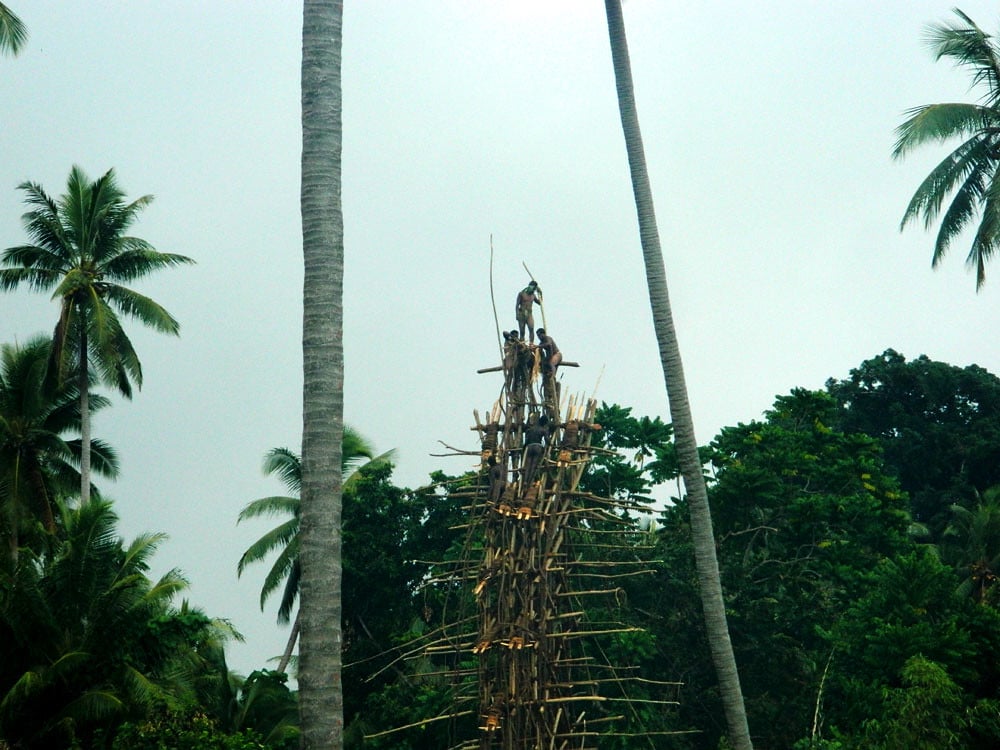
Men on Pentecost Island in Vanuatu jump from wooden towers with vines tied to their ankles. The towers reach 100 feet tall, built fresh each year from tree branches.
Jumpers climb barefoot, then leap headfirst toward the ground. The vines are measured precisely.
Too short and the jump lacks thrill. Too long and the jumper hits the ground at full speed.
Young boys make their first jumps from lower platforms, gradually working up to higher towers as they age. The ritual happens during yam harvest season, believed to ensure a good crop.
Women dance and chant at the tower’s base while men jump. Each jumper performs alone, choosing his own moment to leap.
The practice predates modern bungee jumping by centuries. Western adventurers saw it in the 1950s and adapted the concept using elastic cords instead of vines.
Walking on Fire Without Getting Burned
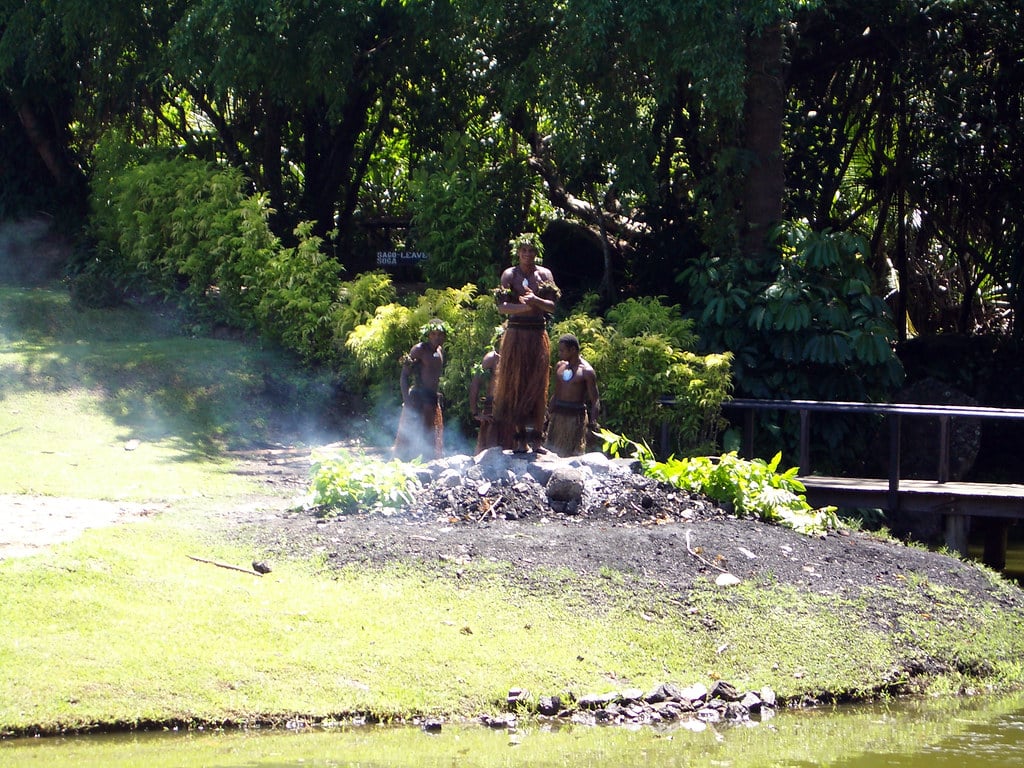
In Fiji, men from the Sawau tribe walk barefoot across stones heated to over 600°F. They spend hours preparing the fire pit, heating river rocks until they glow.
Then they walk calmly across the surface, often carrying others on their shoulders. The ability supposedly traces back to a warrior who spared a spirit eel in exchange for firewalking powers.
His descendants inherited the gift. Practitioners follow strict rules before walking—no coconuts, no intimacy with women for days beforehand.
Breaking these rules means the fire will burn. Skeptics suggest the rocks develop a layer of ash that provides brief insulation.
But that doesn’t explain carrying extra weight or standing still on the stones, which firewalkers sometimes do. The tradition remains a sacred practice passed down through specific family lines, not a tourist show, though visitors can witness it during ceremonies.
Singing to Navigate Across Open Ocean
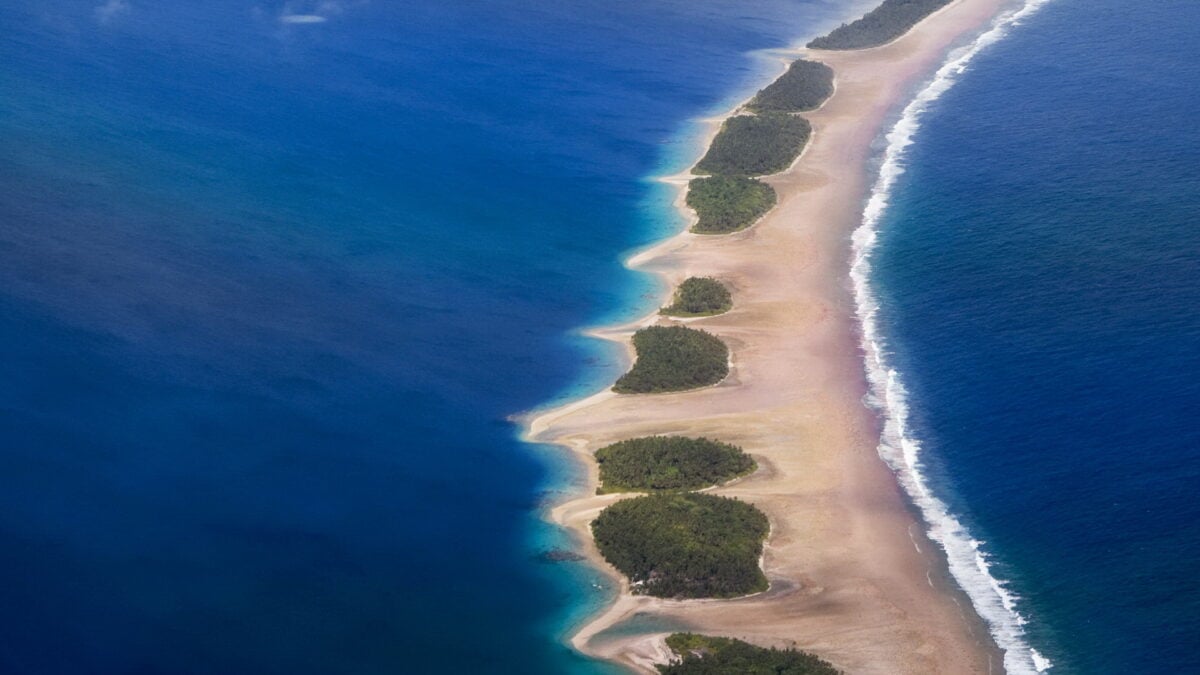
Before GPS, islanders in the Marshall Islands navigated using stick charts. These frameworks of tied sticks represent wave patterns, currents, and island positions.
Navigators memorize the charts, then use their bodies to feel ocean swells while sailing. The knowledge is oral and physical.
Master navigators teach apprentices to sense subtle changes in wave motion, using their backs, their balance, their entire body as an instrument. They can detect land masses over the horizon by reading wave reflections.
Songs help memorize routes. Each voyage has chants that describe currents, star positions, and bird migration patterns.
The songs encode hundreds of miles of ocean knowledge in verses that navigators sing while sailing. This tradition allowed Polynesians to settle islands across the Pacific thousands of years before European exploration.
Feeding Sharks by Hand to Honor Ancestors

In parts of French Polynesia, shark feeders wade into shallow water and hand-feed sharks that swim close to shore. The practice demonstrates a spiritual connection between humans and sharks, viewed as ancestors or protectors rather than threats.
Feeders use specific techniques, holding fish in certain ways to avoid triggering feeding frenzies. They read shark body language, knowing when to feed and when to back away.
Children learn young, watching elders before attempting their first feeding. The tradition exists because these communities lived alongside sharks for generations.
They studied shark behavior out of necessity, learning which species were aggressive and which were calm. That knowledge evolved into ritual feeding that strengthens the relationship between community and ocean.
Tattooing Using Bone and Soot
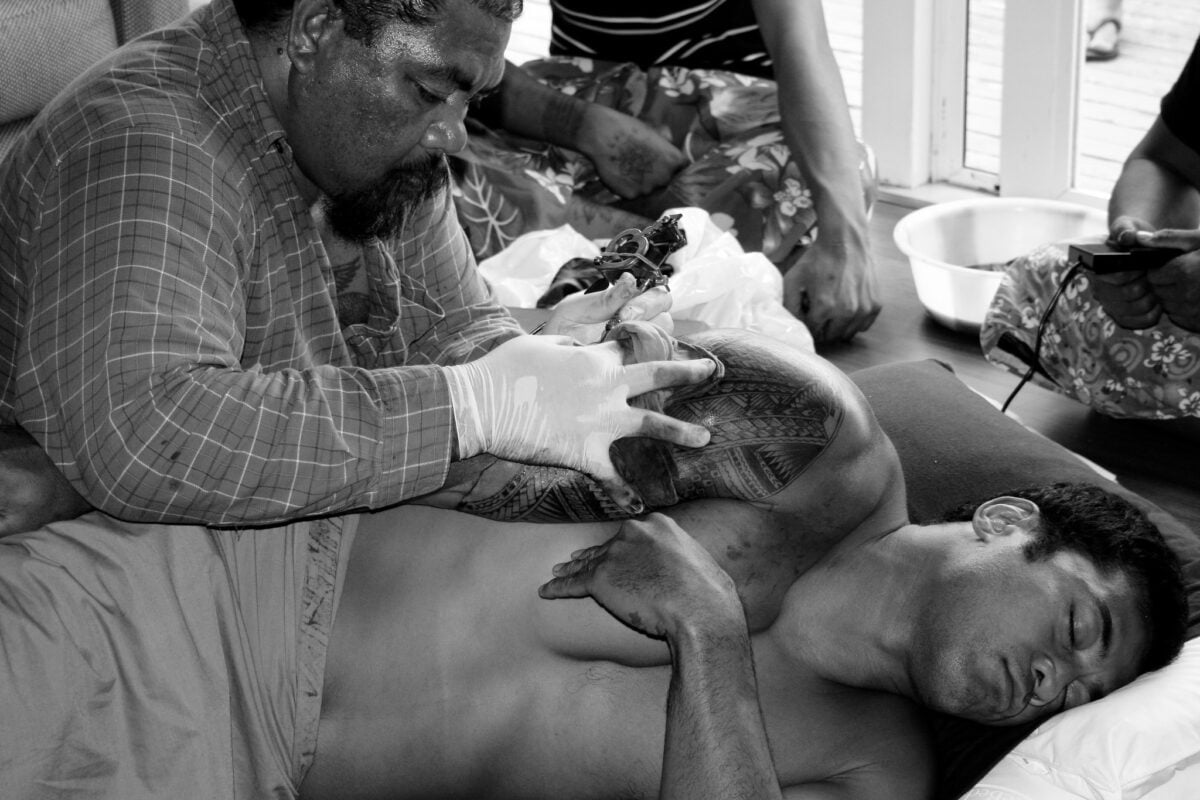
Traditional Samoan tattooing, called tatau, involves hand-tapping ink into skin using sharpened bone combs. The process takes weeks and causes intense pain.
Patterns cover men from waist to knees, marking adulthood and social status. Each design element has meaning.
Patterns represent family lineage, achievements, and responsibilities. A person’s tattoos tell their life story to anyone who can read the symbols.
Incomplete tattoos carry shame, suggesting someone couldn’t endure the pain. The tatau tradition nearly disappeared under missionary influence but revived in recent decades.
Modern practitioners still use traditional tools—bone combs attached to wooden handles, tapped with a mallet. The sound of tapping fills the room, creating a rhythm that some say helps manage pain.
Sessions last hours, often with entire families present to support the person being tattooed.
Stone Money Too Big to Move

Yap Island uses massive stone discs as currency. These rai stones measure up to 12 feet across and weigh several tons.
The stones never move. When ownership transfers, everyone simply agrees that the stone now belongs to someone else.
The stones came from Palau, over 250 miles away. Islanders quarried them, carved openings in the center, and transported them by canoe. The difficulty of obtaining stones determined their value.
A stone that costs lives during transport holds more worth than one transported easily. The system works on collective memory and trust.
If a stone falls into the ocean during transport, it still has value because everyone knows it exists there. The community maintains a mental ledger of who owns which stones.
This abstract currency system functioned for centuries before written records or digital banking.
Jumping Over Babies for Luck

In parts of the Philippines, particularly in small island communities, a tradition involves jumping over babies laid on the ground. Adults line up infants on blankets, then men jump over them in a coordinated leap.
The practice supposedly cleanses babies of evil spirits and ensures health. Parents willingly participate, placing their children carefully and trusting the jumpers to clear them safely.
The jumpers take the responsibility seriously, practicing their timing. The ritual happens during specific festivals tied to harvest or religious celebrations.
This tradition causes outsiders concern about safety, but communities maintain that no child has been hurt when proper respect is shown. The practice continues in remote areas where traditional beliefs remain strong and where the community knows and trusts the participants.
Whistling an Entire Language
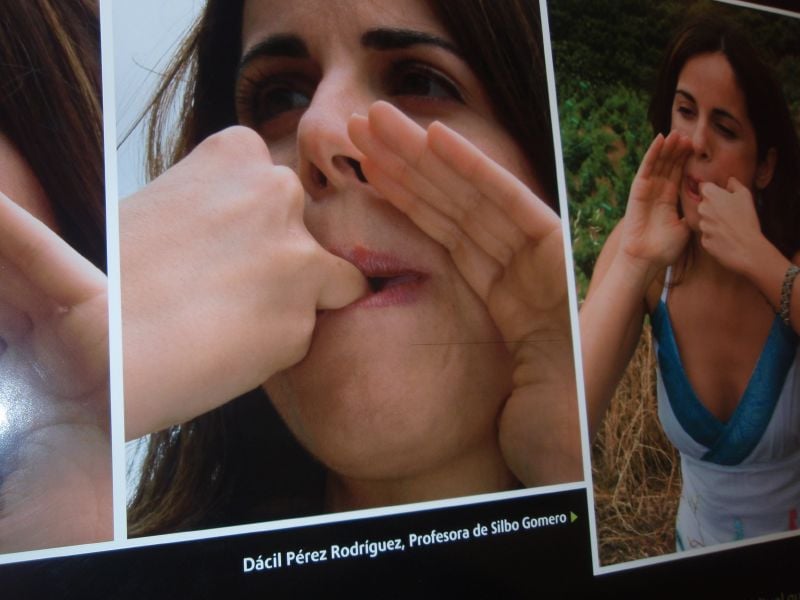
La Gomera in the Canary Islands has a whistled language called Silbo Gomero. Residents whistle complex messages across the island’s steep ravines and valleys.
The whistles carry farther than shouting, sometimes traveling over two miles. The language isn’t just signals.
It replicates Spanish phonetically through different pitches and tones. Speakers can whistle complete sentences, conversations, and poetry.
Children learn it in school alongside Spanish. The tradition developed because the terrain made verbal communication difficult across distances.
Shepherds needed to communicate with each other while tending flocks on different mountainsides. Whistling solved the problem.
When phones became common, the language declined, but recent efforts preserved it. UNESCO recognized it as cultural heritage, and now young people keep it alive.
Collecting Bird Nests From Cliffs

In parts of Indonesia, particularly in island caves, collectors harvest swiftlet nests for bird’s nest soup. The birds build nests entirely from their saliva, attaching them to cave ceilings hundreds of feet high.
Collectors climb bamboo scaffolding and rope ladders in near darkness to reach them. The work is dangerous.
Falls happen. The caves are often remote, requiring boat journeys to reach.
But the nests command high prices in markets because of their supposed health benefits. Collecting rights pass through families, with knowledge of safe climbing routes taught from father to son.
Collectors time their harvests carefully, taking nests only after birds have finished breeding. They leave certain nests untouched to ensure future populations.
This sustainable practice has continued for generations, balancing economic need with ecological awareness developed through centuries of close observation.
Wrestling in Mud for Spiritual Cleansing
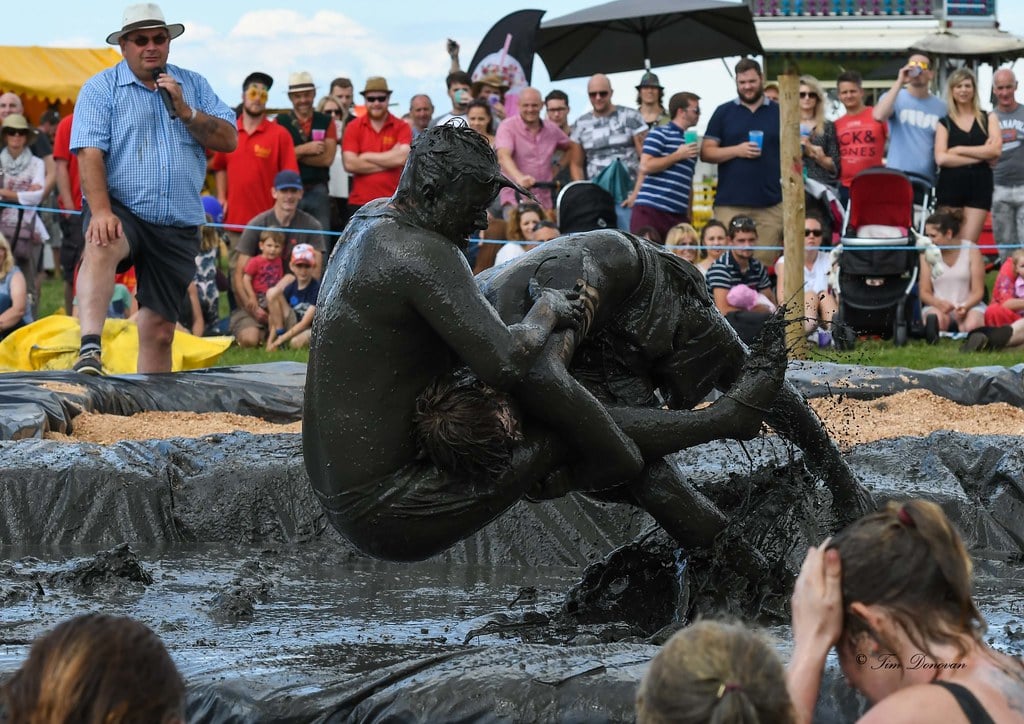
In parts of Java and Bali, communities hold ritual mud wrestling during rice planting season. Participants, often young men, wrestle in rice paddies filled with mud.
The messier the fight, the better the outcome for crops. The practice combines sport with spirituality.
Wrestling in the fields where rice grows transfers energy and vitality to the soil. Winners gain respect, but the real point is participation—showing willingness to get dirty for the community’s benefit.
Spectators gather around the paddies, cheering and laughing. The atmosphere is festive rather than competitive.
After wrestling ends, participants wash off in nearby rivers while the community shares food. The tradition marks the beginning of hard planting work with an event that makes everyone smile.
Painting Entire Villages in Specific Colors

In the Andaman and Nicobar Islands, some tribal communities paint their homes and communal buildings using natural pigments in specific color combinations. The colors indicate the village’s primary clan and its relationship to neighboring communities.
Red from crushed beetles, yellow from turmeric, white from chalk, and black from charcoal create the palette. Patterns follow traditional designs passed down through generations.
Repainting happens during the dry season, with the entire village participating. The colors serve practical purposes too.
Certain pigments repel insects. Others provide waterproofing.
But the primary function is identity—marking the village as distinct and declaring its lineage through visual language that everyone in the region can read.
Building Boats Without Using Nails
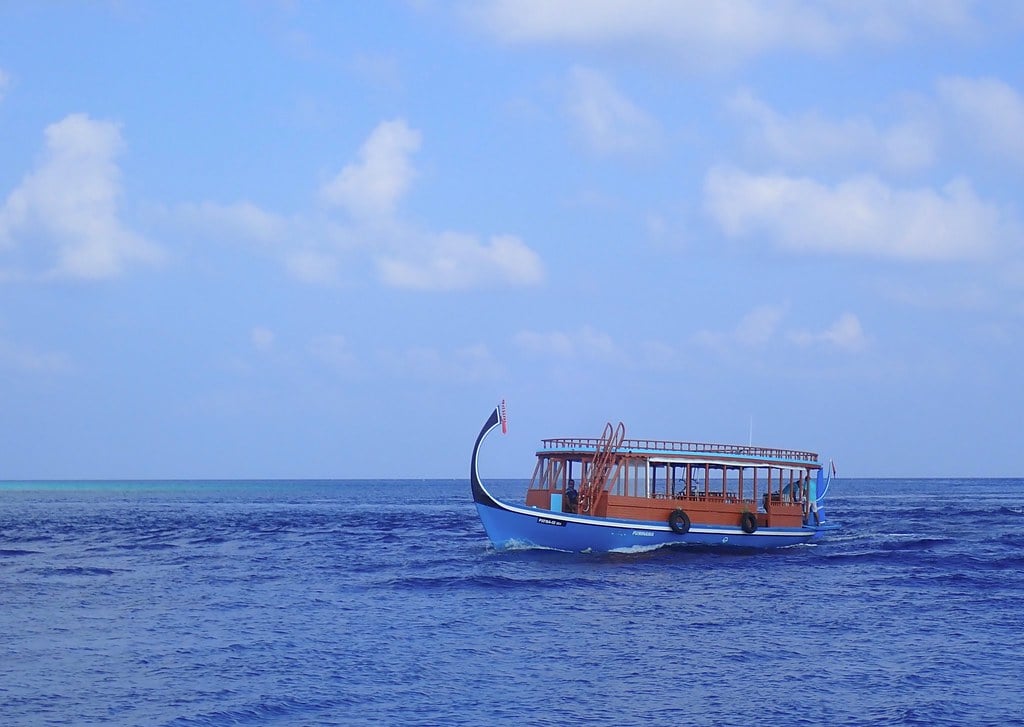
In Maldives, traditional dhoni boats are built without metal fastenings. Craftsmen use coconut fiber rope and wooden pegs to join planks, creating flexible hulls that move with waves rather than fighting them.
The technique requires deep knowledge of wood properties and rope strength. Building a dhoni takes months.
The craftsman selects specific trees for different parts—harder wood for the keel, lighter wood for sides. He shapes each plank by hand, using the natural curves of the wood.
The finished boat lasts decades if maintained properly. This tradition developed because metal rusted quickly in salt water.
Rope and wood remained reliable. The flexible construction also made boats more resilient in rough seas.
Modern materials exist now, but some craftsmen still build traditional dhonis because the old method produces superior boats for local conditions.
Drinking Kava in Ceremonial Rounds

Throughout the Pacific islands, kava drinking follows strict ceremonial protocols. The drink, made from pounded roots mixed with water, has mild sedative properties.
But the ritual around drinking matters more than the effect. Participants sit in specific arrangements based on status and relationship.
The kava gets prepared in a wooden bowl, strained through fibers, then served in coconut shells. Each person drinks their shell in one gulp, claps once, and passes the shell back.
Conversation follows specific patterns during the ceremony. The ritual creates community cohesion.
Important decisions happen during kava ceremonies. Conflicts get resolved.
Newcomers get welcomed. The drink itself facilitates calm discussion, but the structured nature of the ceremony ensures everyone gets heard.
Breaking protocol shows disrespect and can lead to serious consequences.
Using Trained Cormorants to Catch Fish

In parts of island Japan, fishermen use trained cormorants to catch fish. The birds dive, grab fish, then return to the boat.
A ring around the bird’s neck prevents it from swallowing larger fish, which the bird brings to the fisherman. The relationship between fisherman and bird requires years to develop.
Birds are treated as partners, fed, and cared for carefully. Some families maintain cormorant fishing traditions across generations, with specific birds being descendants of earlier fishing birds.
The practice is more cultural preservation than an efficient fishing method now. Modern techniques catch more fish faster.
But the tradition connects present-day islanders to ancestors who developed this remarkable partnership with wild birds. Watching cormorants work remains a valued cultural experience.
Where Isolation Sparks Innovation
Facing distance from mainland support, island groups learn to fix issues using only what they have nearby. When a method sticks around because it does the job, people teach it to those who come after.
Now that new tools show up, some old habits look odd or out of step. Yet in certain places, doing things the long-known way still makes more sense than switching.
Out here on an island far from most places, keeping old ways alive makes sense. Not everything blends into one global pattern when roots hold strong.
Living so remote means culture isn’t just habit – it’s survival made visible. Before help came from distant lands, locals already knew what worked.
These customs carry wisdom built over time. Even if outsiders find them strange, they’re rooted in real experience.
Respect grows where understanding goes deeper than first impressions. Preserving them isn’t about clinging to the past – it keeps meaning intact.
More from Go2Tutors!

- The Romanov Crown Jewels and Their Tragic Fate
- 13 Historical Mysteries That Science Still Can’t Solve
- Famous Hoaxes That Fooled the World for Years
- 15 Child Stars with Tragic Adult Lives
- 16 Famous Jewelry Pieces in History
Like Go2Tutors’s content? Follow us on MSN.