15 Park Accidents That Changed Safety
When you buckle up for a roller coaster or watch your kids climb a playground structure, you’re benefiting from decades of hard-learned lessons. Each safety rail, warning sign, and inspection protocol exists because someone, somewhere, experienced what happens when things go wrong.
The path to safer parks—whether amusement parks, playgrounds, or recreational areas—has been paved with tragedy and triumph. Here is a list of 15 park accidents that fundamentally changed how we think about safety
Haunted Castle Fire at Six Flags Great Adventure

In what’s considered the worst U.S. theme park accident on record, a fire destroyed the Haunted Mansion attraction, trapping and killing eight teenagers on May 11, 1984. The blaze exposed how quickly an attraction could become a death trap when safety systems failed.
Following this tragedy, fire safety codes for amusement parks were completely rewritten, mandating sprinkler systems, better exit routes, and fireproof materials in dark rides.
The 1976 Mindbender Disaster

When a bolt sheared off the Mindbender roller coaster at West Edmonton Mall in 1986, three riders died and one was paralyzed. The accident revealed critical flaws in how rides were inspected and maintained.
This incident led to mandatory daily inspections, certified ride operators, and stricter manufacturing standards for roller coaster components.
Action Park’s Notorious Operation

Known as ‘Traction Park’ for its injury rate, Action Park in New Jersey operated with minimal safety oversight throughout the 1980s. Multiple deaths and countless injuries from rides like the Cannonball Loop water slide forced regulators to establish comprehensive safety standards.
The park’s closure in 1996 marked the end of an era where thrills came before safety considerations.
The Big Thunder Mountain Railroad Accident

In 2003, a 22-year-old man died when his safety restraint failed on Disneyland’s Big Thunder Mountain Railroad. The incident prompted Disney to redesign restraint systems across all their attractions.
The accident also led to stricter protocols for ride maintenance and real-time monitoring of safety systems.
The Perilous Plunge at Knott’s Berry Farm

When a woman fell from the Perilous Plunge water ride in 2001, investigators discovered that the restraint system couldn’t accommodate larger guests safely. This tragedy sparked industry-wide changes in ride design, requiring manufacturers to consider a broader range of body types and implement multiple backup safety systems.
The Superman Ride of Steel Incident

A 2007 accident at Six Flags New England left a double amputee after a rider’s feet were severed by the Superman ride’s structure. The incident revealed how existing safety protocols failed to account for riders with disabilities.
New regulations now require clear height and health restrictions, plus enhanced safety briefings for all guests.
Ohio State Fair Fireball Malfunction

In 2017, a ride called the Fireball malfunctioned at the Ohio State Fair, injuring 7 and taking the life of an 18-year-old. The accident occurred because of excessive corrosion on the interior of the gondola support beam.
This disaster highlighted the unique risks of traveling carnival rides, leading to enhanced inspection requirements for portable attractions and better documentation of maintenance records.
The Smiler Crash at Alton Towers
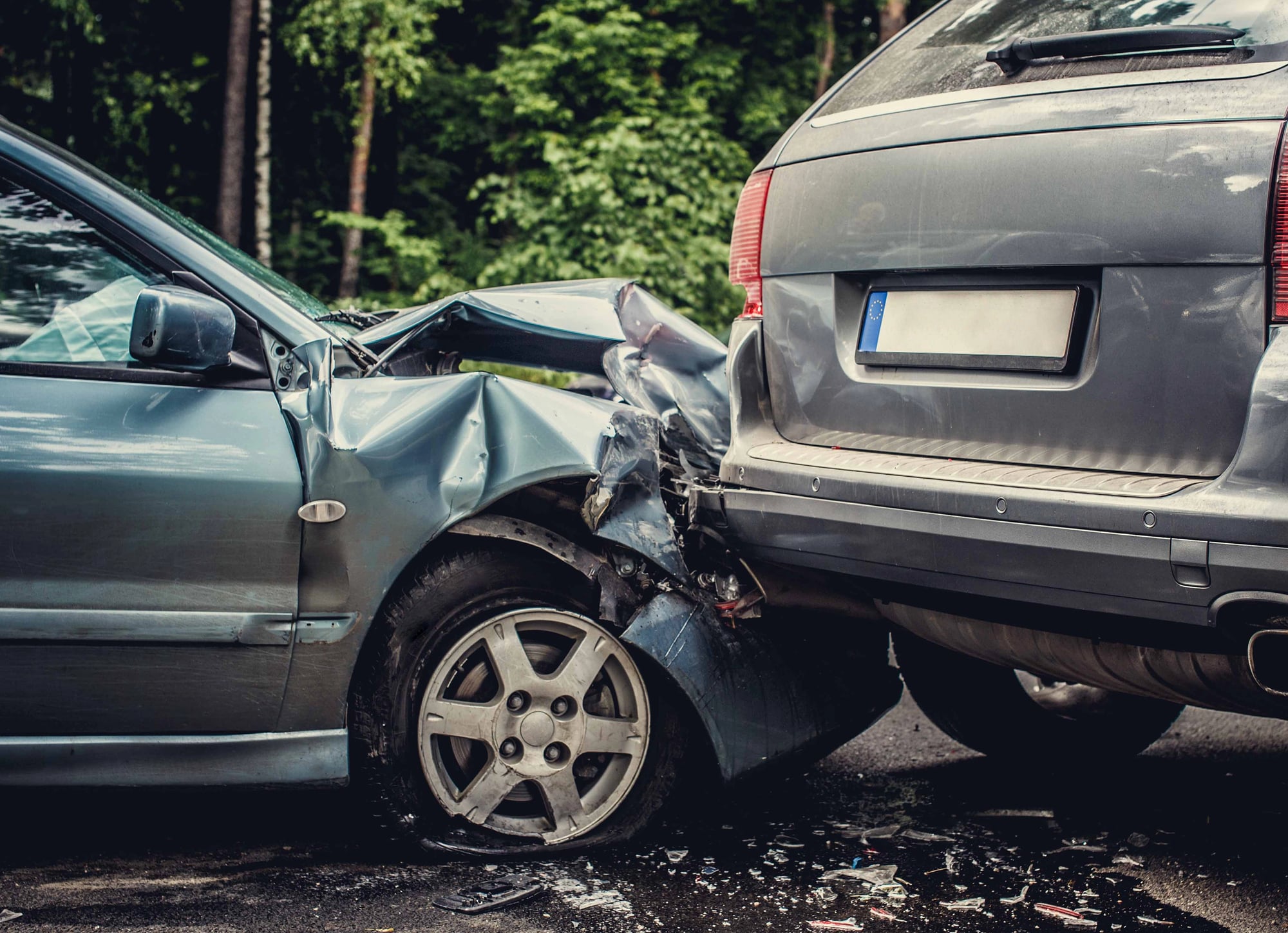
In 2015, two riders lost legs when their car collided with an empty test car on The Smiler roller coaster in England. The accident exposed flaws in computerized safety systems and human override protocols.
The incident led to improved computer safety systems and mandatory double-checks when operators override automated controls.
Dreamworld’s River Rapids Tragedy

Four people died in 2016 when a water pump failure caused a raft to flip on Dreamworld’s Thunder River Rapids ride in Australia. The accident revealed how routine maintenance issues could have catastrophic consequences.
The tragedy prompted global reviews of water ride safety and led to enhanced pump monitoring systems.
The Schlitterbahn Verrückt Water Slide

The world’s tallest water slide claimed the life of a 10-year-old boy in 2016 when his raft went airborne. The incident exposed how some attractions pushed engineering limits without adequate safety testing.
The tragedy led to stricter certification requirements for water slides and mandatory computer modeling of all water ride dynamics.
The Galaxyland Mindbender

A second major accident on a ride called Mindbender occurred in 1986 at Galaxyland in Edmonton, killing three people when a car derailed. The incident highlighted the importance of regular structural inspections and led to requirements for annual non-destructive testing of all ride support structures.
The Haunted Mine Drop at Glenwood Caverns

In 2021, a 6-year-old girl fell to her death from the Haunted Mine Drop ride in Colorado. The accident revealed gaps in age-specific safety protocols and led to enhanced requirements for child safety restraints.
The incident also prompted reviews of minimum age requirements for thrill rides.
The Fire at Luna Park
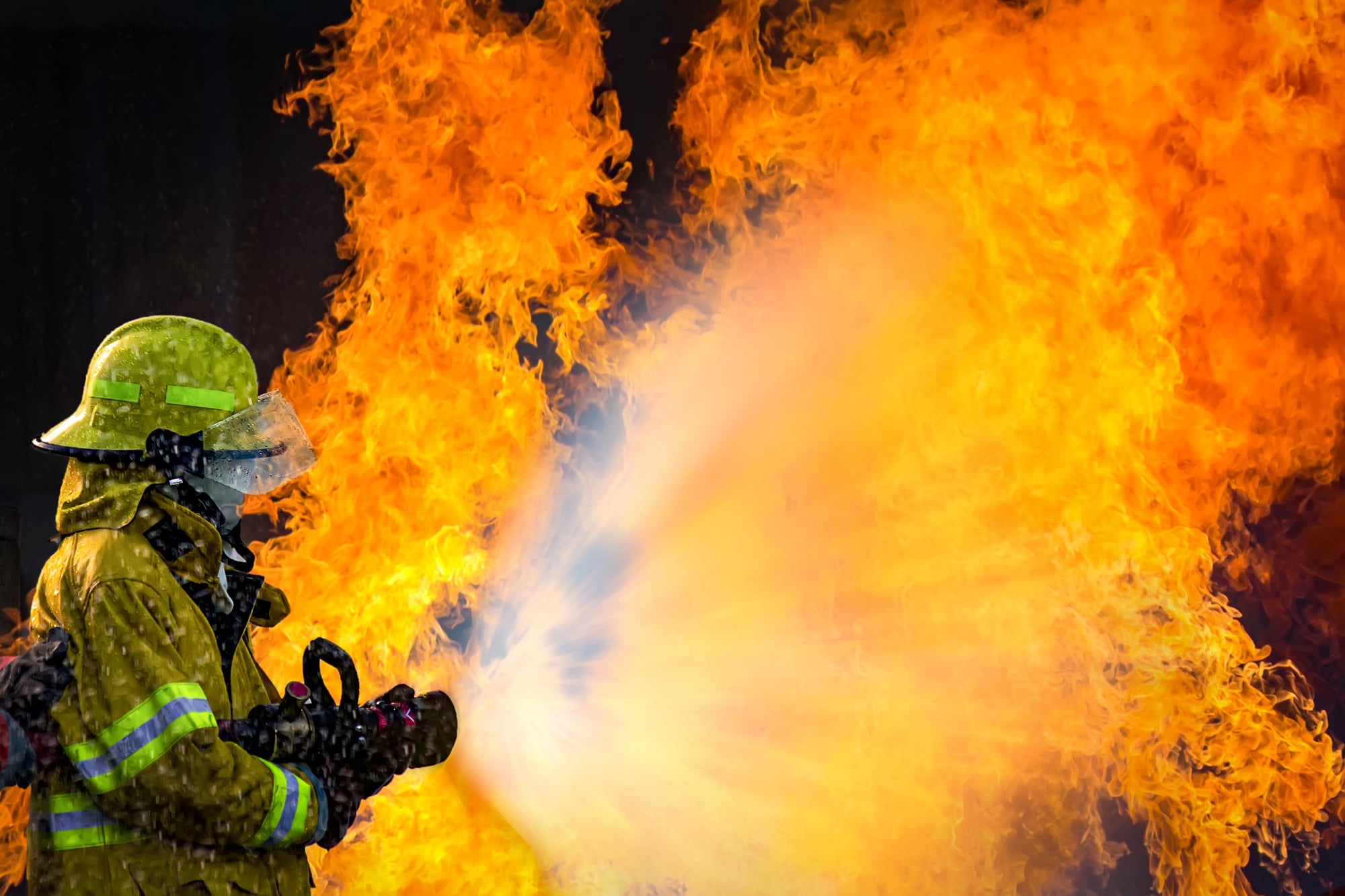
The 1979 fire at Luna Park in Sydney killed seven people, including children, when the Ghost Train attraction caught fire. The tragedy led to strict fire safety requirements for all enclosed rides and mandatory evacuation procedures.
The incident also established requirements for fire-resistant materials in all attraction construction.
The Jetline Roller Coaster Incident

In 1988, a woman died on the Jetline roller coaster in Sweden when she was thrown from the ride. The accident led to improved restraint systems and mandatory safety checks before each ride cycle.
The incident also established protocols for immediately shutting down rides after any safety concern.
The Battersea Fun Fair Disaster

The 1972 collapse of the Big Dipper roller coaster at Battersea Fun Fair in London killed five children and injured 13 others. The accident exposed how aging wooden structures could fail catastrophically.
The tragedy led to mandatory structural engineering assessments for all older rides and established lifetime limits for wooden roller coasters.
When Fun Meets Science

These accidents didn’t just change individual parks—they transformed an entire industry. Modern amusement parks now operate under rigorous safety standards that would have seemed impossible decades ago.
Computer systems monitor every aspect of ride operation, while inspectors armed with engineering degrees examine attractions daily. The simple act of having fun now benefits from space-age technology and medical research, ensuring that today’s thrills come with yesterday’s hard-earned wisdom built right in.
More from Go2Tutors!

- The Romanov Crown Jewels and Their Tragic Fate
- 13 Historical Mysteries That Science Still Can’t Solve
- Famous Hoaxes That Fooled the World for Years
- 15 Child Stars with Tragic Adult Lives
- 16 Famous Jewelry Pieces in History
Like Go2Tutors’s content? Follow us on MSN.



