17 Facts About Luxury Yacht Makers
The world of luxury yacht manufacturing represents the pinnacle of maritime craftsmanship, where billionaire dreams meet cutting-edge engineering. These floating palaces don’t just happen by accident — they’re the result of centuries-old traditions, innovative technologies, and an industry that never stops pushing boundaries.
From German precision to Italian flair, luxury yacht makers have created some of the most spectacular vessels ever to grace the world’s oceans. The luxury yacht industry continues to evolve rapidly, with sustainability initiatives, record-breaking builds, and technological innovations reshaping how these magnificent vessels are created.
Here is a list of 17 fascinating facts about the companies and craftspeople who turn maritime fantasies into reality.
Lürssen Built the World’s First Motor Yacht
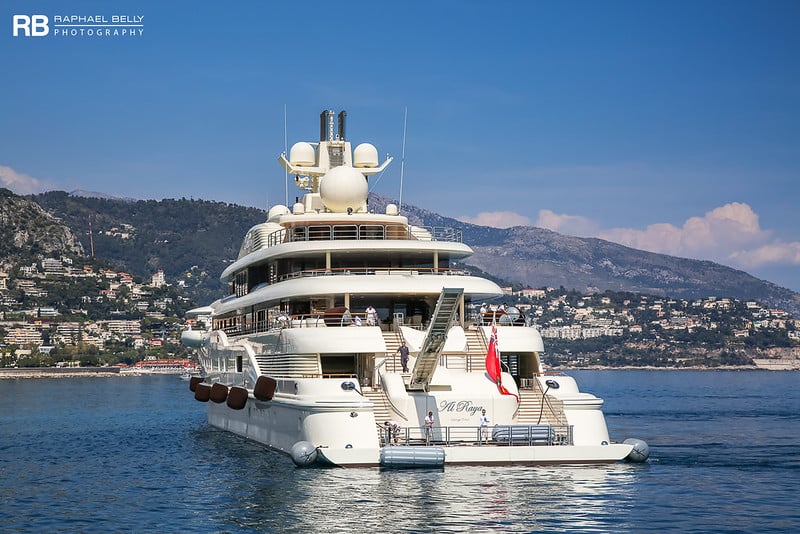
German shipyard Lürssen didn’t just stumble into luxury yacht building — they literally invented it. Back in 1886, this family-owned company launched the world’s very first motor yacht, setting the stage for an entire industry that wouldn’t exist otherwise.
What makes this even more impressive is that Lürssen has remained in the same family for over four generations, maintaining their reputation for excellence across nearly 150 years. Today, they operate eight specialized shipyards in northern Germany, each designed to handle different yacht sizes ranging from 60 to 200 meters in length.
There Are Over 5,000 Superyachts Currently Cruising the World
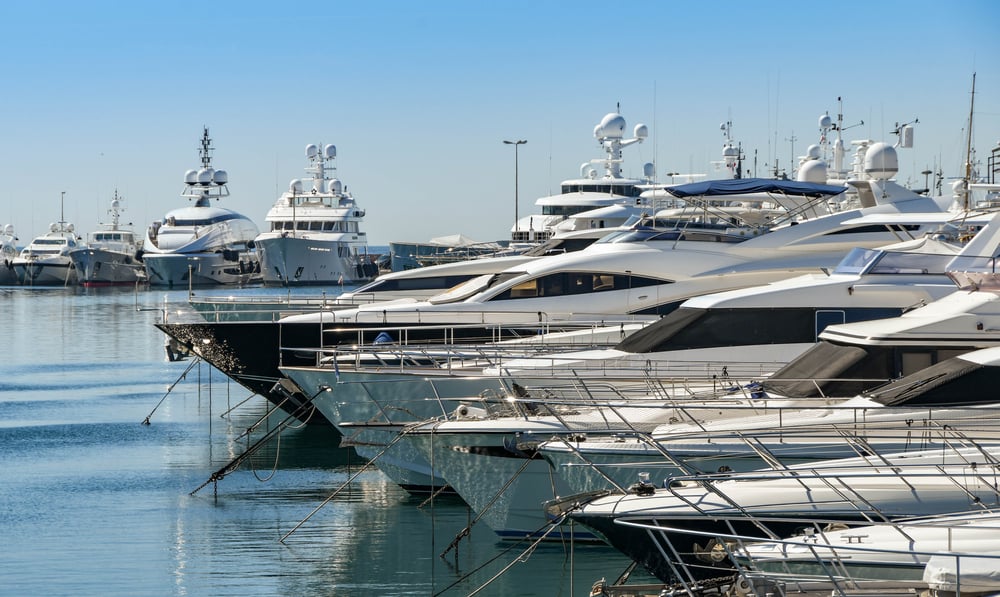
The luxury yacht population has exploded in recent decades. According to industry data, there were 5,396 yachts over 30 meters in operation by the end of 2021, with an additional 92 superyachts out of service and about 202 completely lost since 1945.
This represents a massive increase from earlier decades, reflecting both the growth in global wealth and the industry’s ability to deliver increasingly sophisticated vessels. The majority of these floating mansions — 84% — are motor yachts, while sailing yachts make up the remaining 16%.
Americans Own Nearly a Quarter of All Luxury Yachts
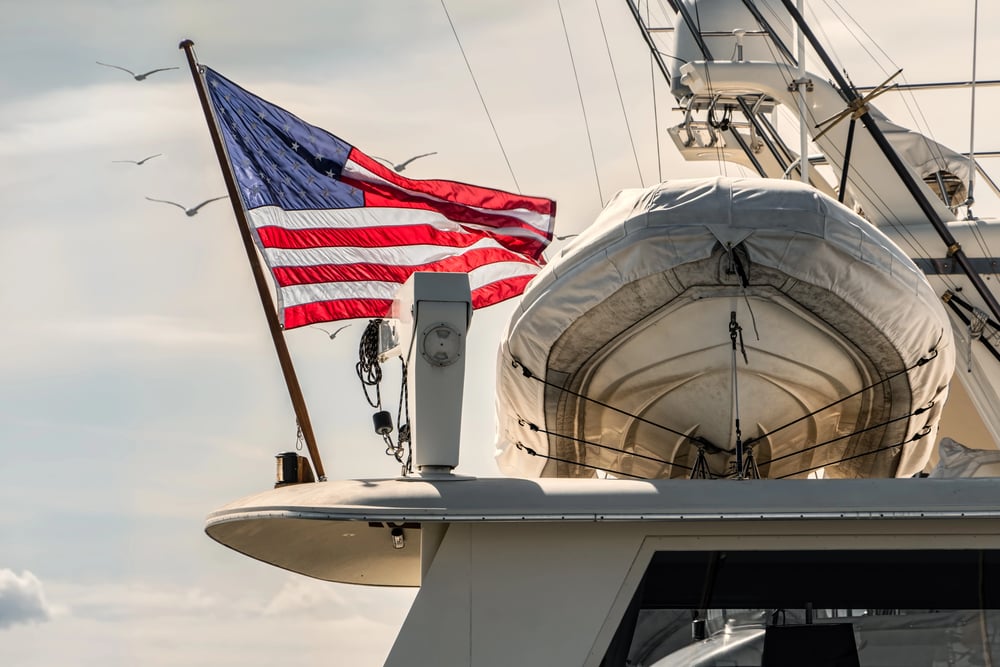
When it comes to yacht ownership, Americans lead the pack by a significant margin. U.S. owners control 23% of all superyachts over 40 meters in length, making them the dominant force in the global luxury yacht market. This is nearly 14% more than their closest competitors, Russian owners who hold 9% of the market.
The United Kingdom and Greece tie for third place with 6% each, followed by Turkey and Italy at 5% each. This American dominance extends to new purchases as well, with U.S. clients acquiring 18% of all newly built yachts over 40 meters in the past decade.
The Fastest Superyacht Has Held Its Record for Over 20 Years
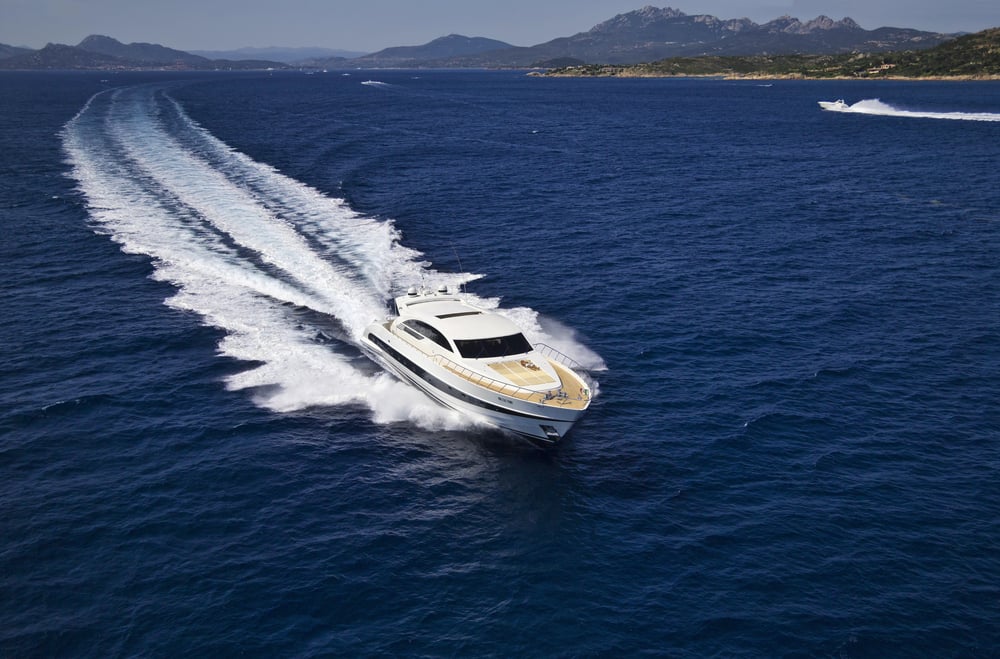
Speed records in yachting are notoriously difficult to break, and the 41.5-meter Foners proves this point perfectly. This sleek vessel reached an astounding 70.10 knots back in 2000 and has maintained her position as the world’s fastest superyacht for more than two decades. Her incredible speed comes from a combination of two 1,280-horsepower MAN engines paired with three Rolls Royce gas turbines producing 6,700 horsepower each, all driving three KaMeWa water jets.
Despite numerous attempts by other builders to surpass this record, Foners remains unchallenged in the speed department.
Italy Dominates Global Superyacht Construction Orders
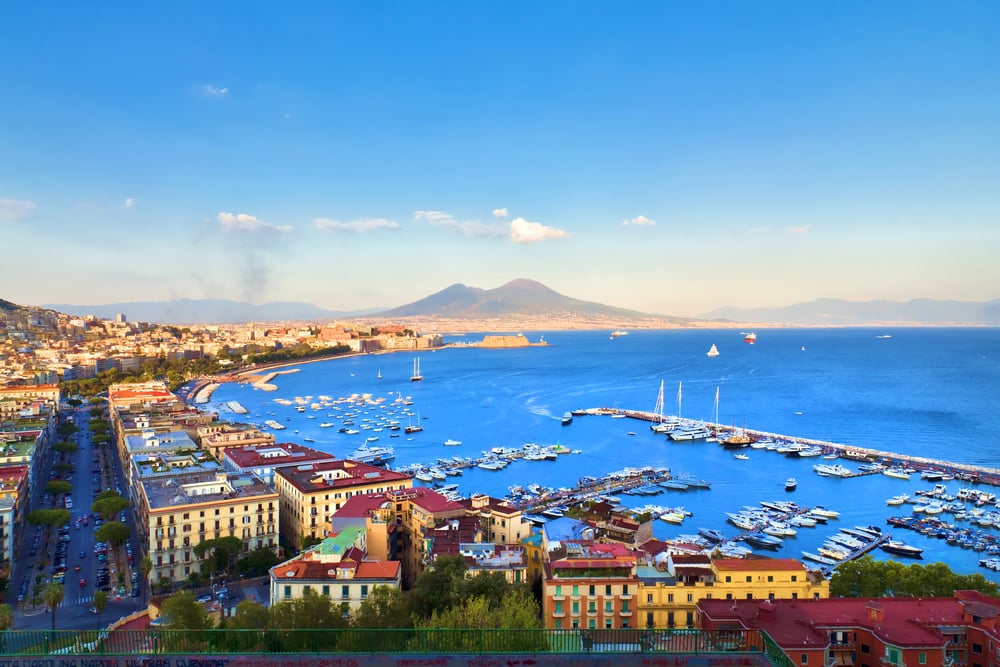
When it comes to building tomorrow’s luxury yachts, Italy reigns supreme with 42% of all global superyacht construction orders. This Mediterranean powerhouse has leveraged its maritime heritage and design excellence to become the go-to destination for discerning yacht owners.
The Netherlands holds a respectable second place with 14% of orders, followed by Turkey at 10% and the United States at 7%. Italian builders like Benetti, Sanlorenzo, Ferretti, and Azimut have become household names among yacht enthusiasts, combining traditional craftsmanship with modern innovation.
Feadship Builds Completely Custom Yachts Only
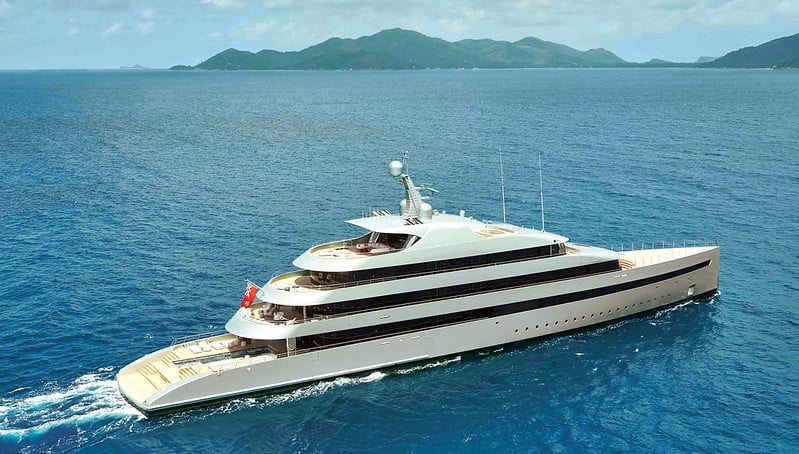
While many luxury yacht builders offer semi-custom options or production series, Dutch shipyard Feadship stands apart by creating exclusively one-off, fully custom yachts. Founded in 1949 as the ‘First Export Association of Dutch Shipbuilders,’ Feadship has built over 250 unique vessels, each tailored specifically to its owner’s vision and requirements.
Their philosophy of ‘If you can dream it, we can build it’ has resulted in some of the most innovative and recognizable superyachts on the water, including the 110-meter Anna and the 78.2-meter Venus, which was the world’s first mastless motor yacht.
The Luxury Yacht Market Will Reach $14.58 Billion by 2030
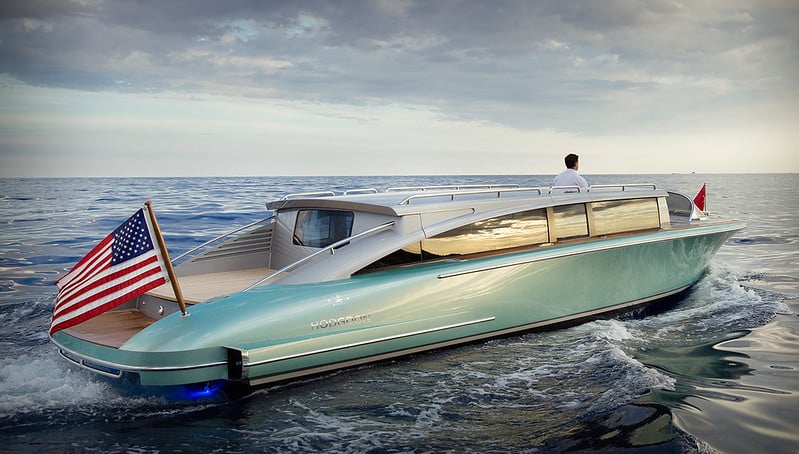
The numbers behind luxury yacht manufacturing are staggering and growing rapidly. The superyacht market alone was valued at $7.4 billion in 2020 and is projected to reach $10.8 billion by 2026. The broader luxury yacht market is expected to hit $11.91 billion by 2026 and $14.58 billion by 2030, representing consistent double-digit growth year over year.
This expansion is driven by increasing wealth among high-net-worth individuals, growing interest in unique travel experiences, and technological advances that make yachts more capable and luxurious than ever before.
Benetti Has Been Building Luxury Yachts Since 1873
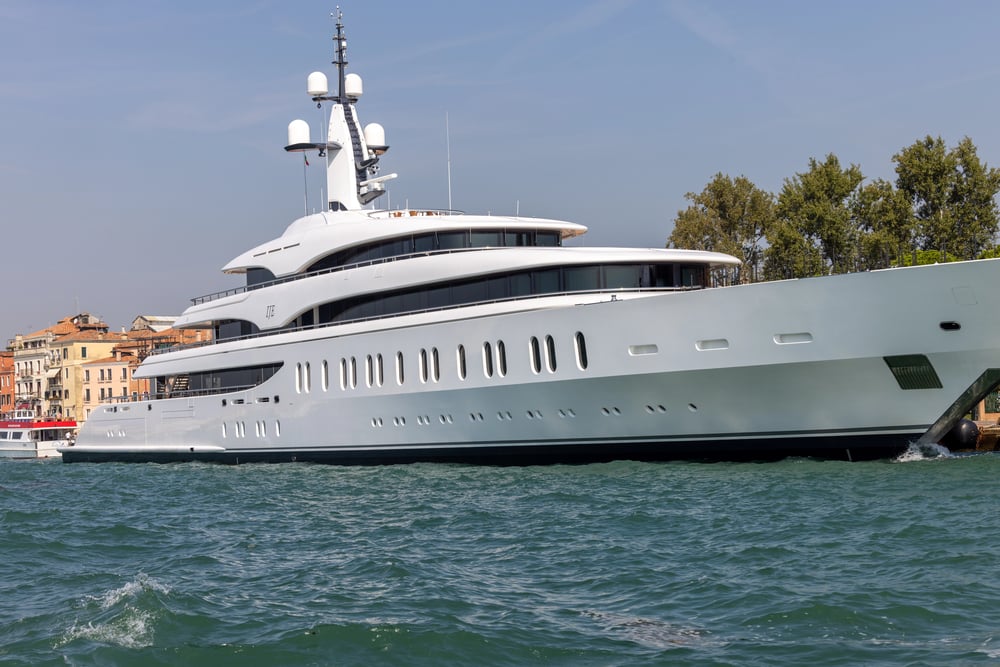
— Photo by wjarek
Italian shipyard Benetti can trace its roots back to 1873, making it one of the oldest continuous yacht builders in the world. Based in Viareggio, the heart of Italy’s yacht building region, Benetti has evolved from a traditional shipyard into the world’s largest builder of superyachts by number of units delivered.
With a production capacity of 100 yachts per year, they’ve mastered the art of combining handcrafted Italian style with modern manufacturing efficiency. The company was also the first yard to recognize the potential of composite materials in superyacht construction, revolutionizing how luxury yachts are built.
Luxury Yachts Can Take Up to Four Years to Build
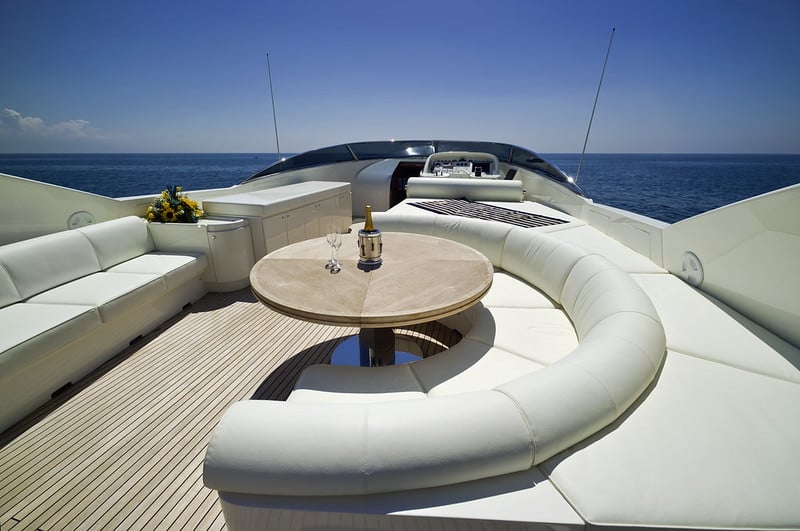
Unlike buying a car off the lot, commissioning a luxury yacht requires serious patience. Current build times for custom superyachts typically range from three to four years from initial order to delivery, with some complex projects taking even longer.
This extended timeline reflects the incredible complexity of these vessels — they’re essentially floating cities with multiple power systems, advanced navigation equipment, luxury accommodations, and custom features that must all be integrated seamlessly. The good news for impatient billionaires is that some builders like Amels offer ‘Limited Edition’ yachts that can be customized mid-construction, reducing wait times significantly.
Some Superyachts Have Nearly 700 Miles of Internal Wiring
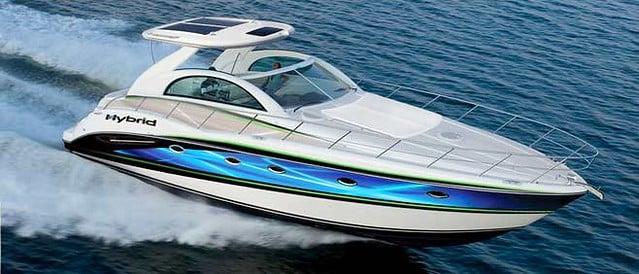
The technological complexity of modern luxury yachts is mind-boggling, and nowhere is this more evident than in their electrical systems. The massive 156-meter superyacht Dilbar contains nearly 700 miles of internal cabling — that’s more than the entire north-to-south distance of the United Kingdom.
This electrical highway powers everything from basic lighting and navigation systems to sophisticated entertainment centers, stabilization systems, and the yacht’s multiple kitchens, elevators, and climate control zones. Managing these complex systems requires skilled crew members and sophisticated monitoring equipment.
Oceanco Plans to Achieve 100% Renewable Energy by 2030
— Photo by CeriBreeze
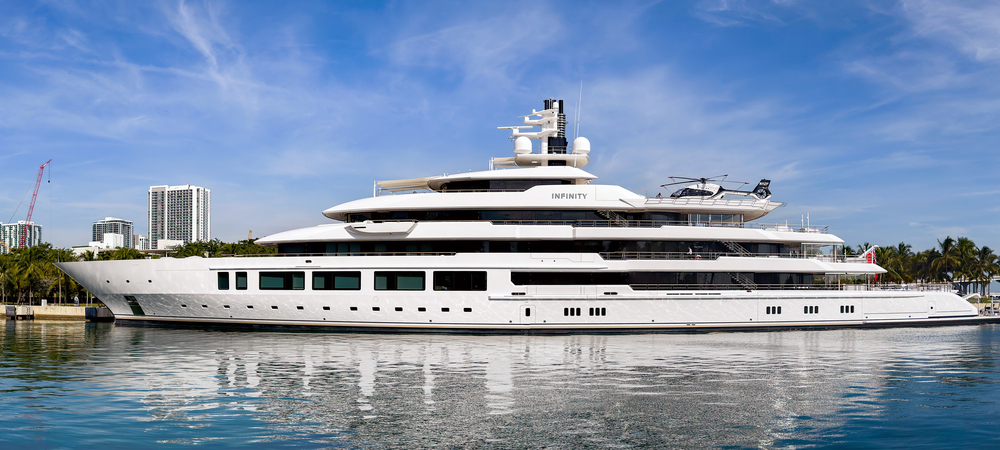
Sustainability has become a major focus for luxury yacht builders, with Dutch shipyard Oceanco leading the charge toward environmental responsibility. The company has committed to operating on 100% renewable energy and achieving a fully circular supply chain by 2030.
This isn’t just about good public relations — it reflects a genuine industry shift as yacht owners become more environmentally conscious. Other builders are following suit, with Ferretti Group planning to reduce their shipyard electricity use by 79% through solar power and LED lighting, while Lürssen pioneered using waste engine heat to operate onboard desalination systems.
Turkey Has the Most Shipyards But Builds Fewer Yachts Per Yard
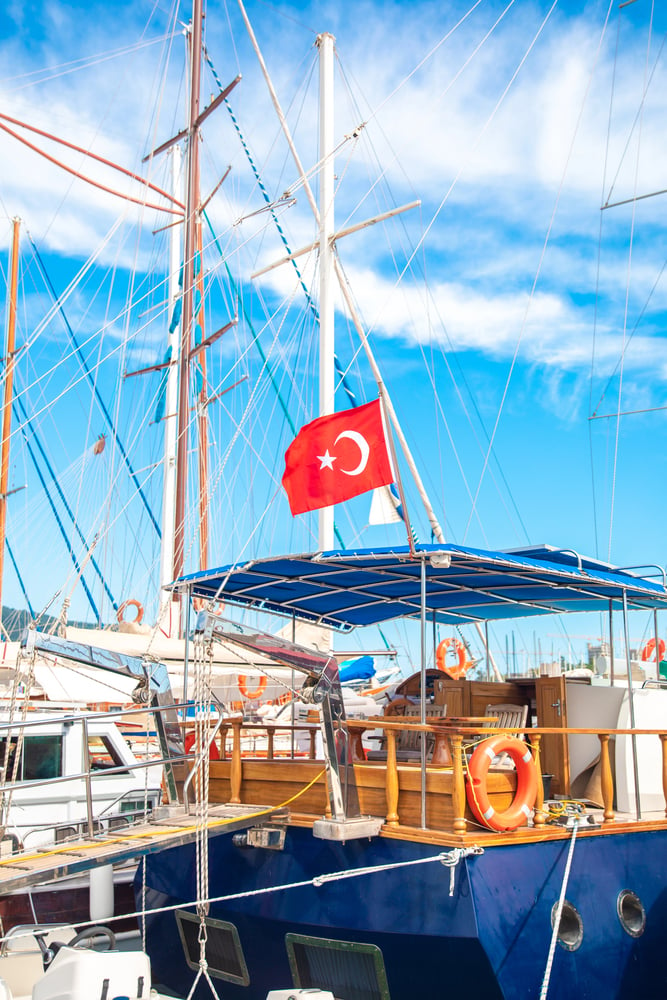
Here’s a fascinating geographic quirk of the yacht building industry: Turkey hosts 26% of all superyacht building facilities worldwide, making it the country with the most shipyards. However, Turkish yards have built an average of only 2.1 yachts per facility over the past decade. Compare this to Italy, which has 20% of the world’s shipyards but averages 11 yachts per yard, or Britain, which leads in productivity with an average of 19.6 yachts per shipyard over the last ten years.
This suggests that while Turkey has embraced yacht building infrastructure, many of these facilities are smaller operations or newer entrants to the market.
A Single Superyacht Can Cost $500 Million to Build
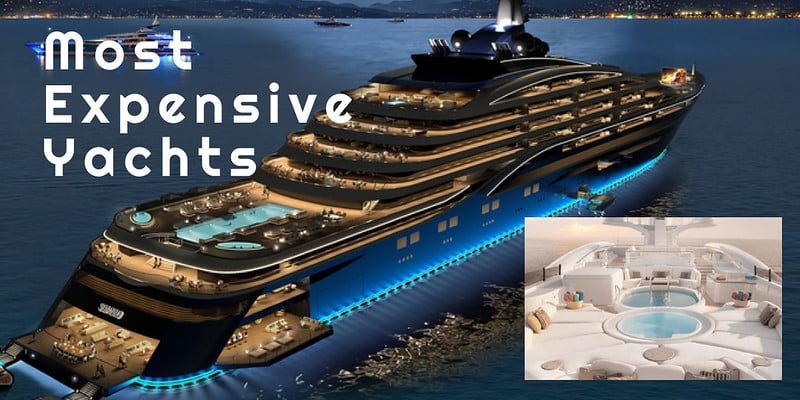
The most expensive superyachts represent some of the priciest privately owned objects on Earth. The 417-foot vessel delivered in 2023 reportedly cost around $500 million to build, and that doesn’t include the additional $250 million support vessel that accompanies it.
These astronomical prices reflect not just size, but incredible complexity — modern superyachts feature helicopter pads, submarines, multiple swimming pools, full-sized spas, and technology that rivals military vessels. The most exclusive builds can take five years or more to complete and require hundreds of skilled craftspeople working around the clock.
The Oldest Superyacht in Service Dates Back to 1865
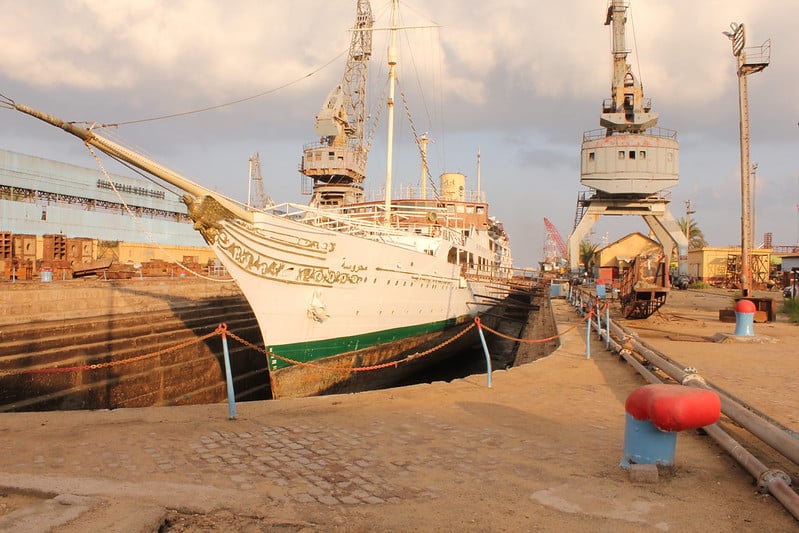
While most people think of superyachts as modern creations, Egypt’s presidential yacht El Mahrousa proves otherwise. Built in 1865, this remarkable vessel remains one of the world’s largest superyachts at 145 meters long, despite being over 150 years old. El Mahrousa demonstrates the timeless appeal of luxury yachting and the incredible craftsmanship of 19th-century shipbuilders.
Her longevity also highlights how well-built yachts can remain functional and elegant across multiple centuries with proper maintenance and occasional refurbishment.
Only 20 Shipyards Can Build Yachts Over 80 Meters
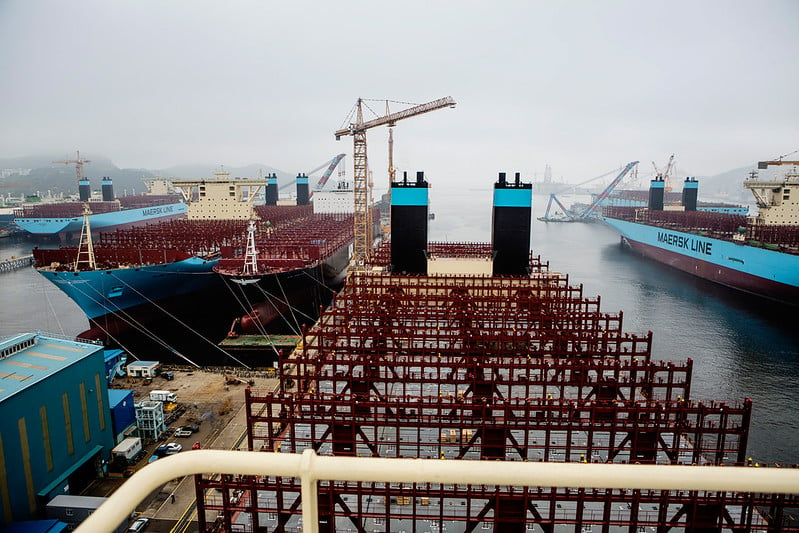
Building truly massive superyachts requires specialized facilities, expertise, and equipment that only a select few shipyards possess. Currently, just 20 yards worldwide have the capability to construct yachts over 80 meters in length. Even fewer — only 11 shipyards — can handle projects exceeding 3,000 gross tons.
This exclusivity explains why the largest superyachts command premium prices and why their builders enjoy such prestigious reputations. These specialized facilities require massive covered construction areas, heavy-duty cranes, deep-water access, and teams of highly skilled craftspeople.
Luxury Yacht Annual Maintenance Costs Around 10% of Purchase Price
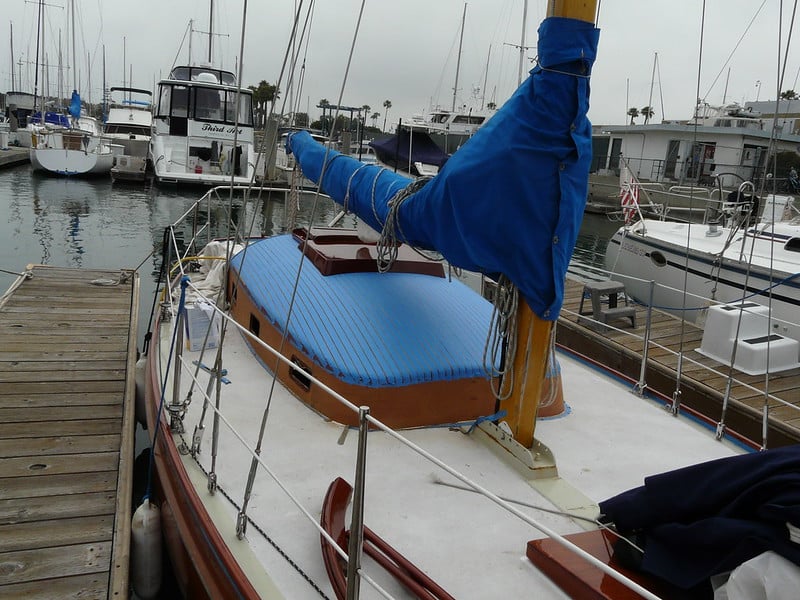
Owning a superyacht involves much more than the initial purchase price — the ongoing costs are substantial and never-ending. Industry experts estimate that annual maintenance and operating expenses typically run about 10% of a yacht’s original value, which means a $25 million yacht costs roughly $2.5 million per year to maintain and operate. These costs cover crew salaries, fuel, insurance, dock fees, regular maintenance, and the lavish lifestyle that yacht owners expect.
This explains why many owners charter their yachts when not using them personally, offsetting some of these significant ongoing expenses.
The Global Yacht Industry Employs Over 150,000 People
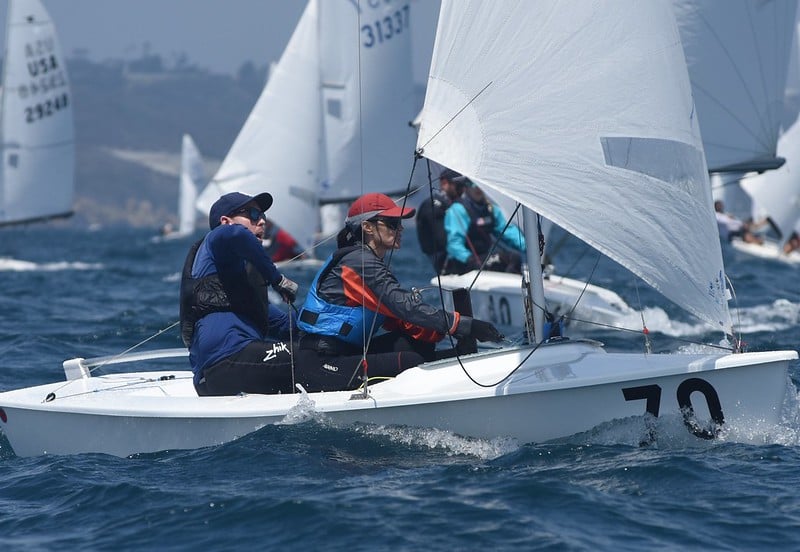
The luxury yacht industry has become a significant employer worldwide, with over 150,000 yacht crew members currently working aboard superyachts globally. This represents a dramatic increase from approximately 25,000 crew members in 2003, reflecting both the growth in yacht numbers and the increasing complexity of modern vessels that require larger crews.
These floating cities need captains, engineers, chefs, stewards, deckhands, and specialized technicians to maintain and operate safely. A typical superyacht large enough for a helicopter pad requires between 15 and 20 crew members to provide the level of service that owners expect.
Where Craftsmanship Meets the Horizon
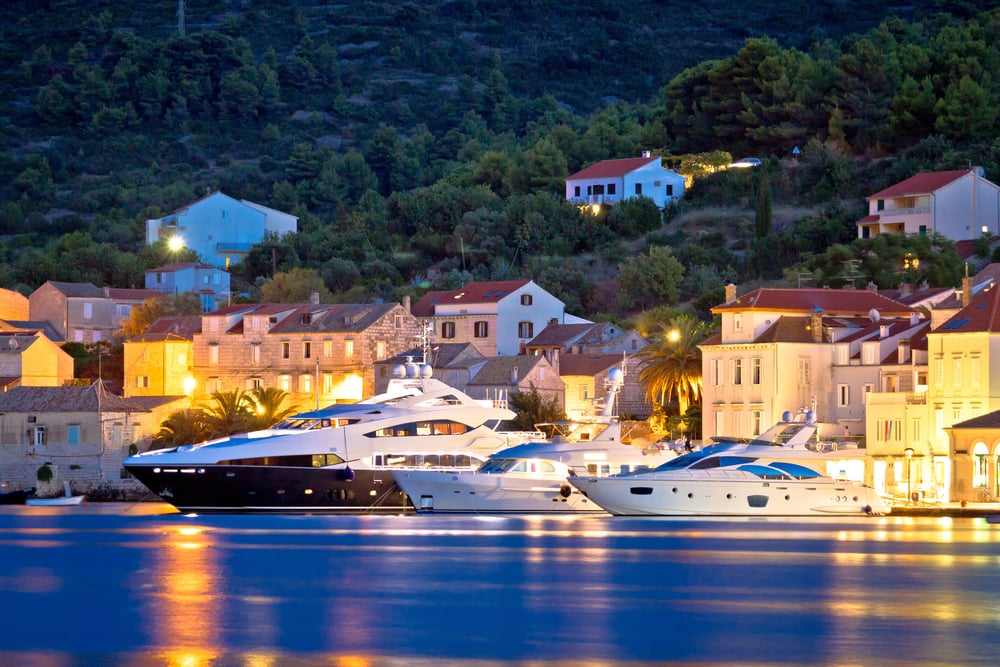
The luxury yacht building industry represents more than just manufacturing — it’s where centuries of maritime tradition merge with cutting-edge technology and unlimited imagination. These builders don’t just construct vessels; they create floating masterpieces that push the boundaries of what’s possible on water.
As environmental concerns drive innovation and new wealth creates demand, tomorrow’s yacht makers will continue transforming the impossible dreams of today into the magnificent realities cruising our oceans tomorrow. The industry’s commitment to sustainability, combined with never-ending quests for speed, size, and luxury, ensures that the most spectacular superyachts are yet to be built.
More from Go2Tutors!

- 16 Historical Figures Who Were Nothing Like You Think
- 12 Things Sold in the 80s That Are Now Illegal
- 15 VHS Tapes That Could Be Worth Thousands
- 17 Historical “What Ifs” That Would Have Changed Everything
- 18 TV Shows That Vanished Without a Finale
Like Go2Tutors’s content? Follow us on MSN.